Top 13 Foods Often Thrown Away by Americans Unknowingly

You probably don’t think about it, but a lot of your grocery money ends up right in the trash. The USDA estimates that 30 to 40 percent of the U.S. food supply goes to waste every year, and households are a big part of that. It’s not usually because food is inedible—it’s because we’re confused about expiration dates, we store things wrong, or we just buy too much. From the bread that went moldy to the berries that turned mushy, here are the foods Americans waste most often, and how to stop throwing away your hard-earned cash.
Condiments
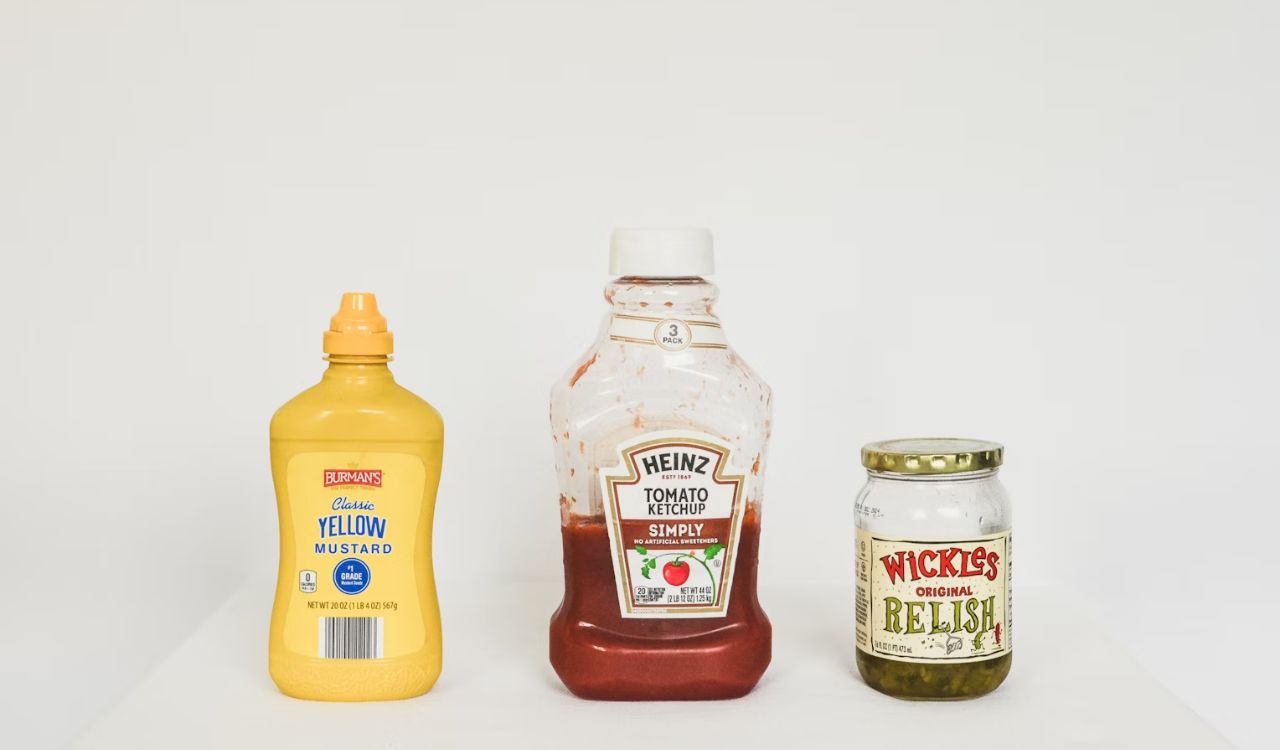
Ketchup, mustard, dressings, mayo—they sit in the fridge door until they expire. People buy multiple bottles, forget about them, and eventually toss them. Condiments last a long time, but out of sight means out of mind. Organizing the fridge door, labeling bottles with purchase dates, and resisting the urge to buy too many varieties can cut down on this hidden waste. It’s small in volume but widespread in every household.
Berries
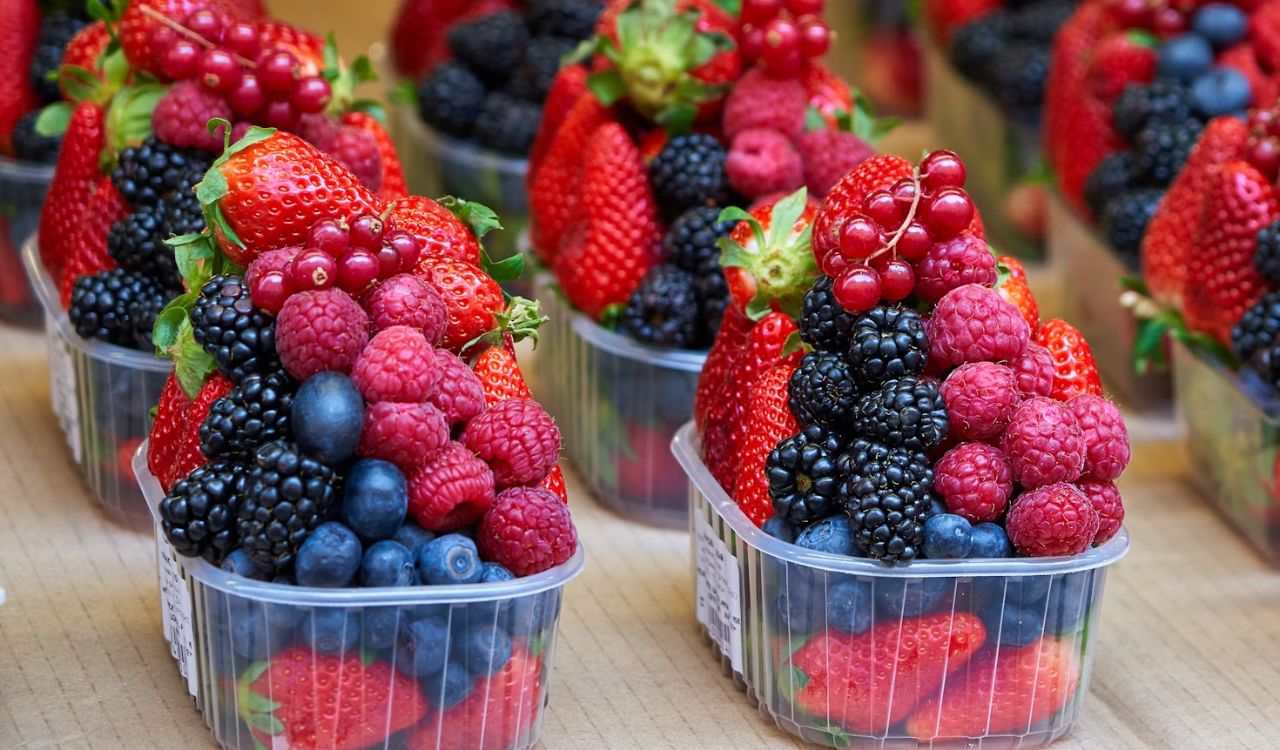
Berries are fragile and perishable. They can go from perfect to moldy in just a few days. People buy them in bulk during sales, then watch them spoil. The trick is storing them unwashed in breathable containers, and only washing what you’ll eat immediately. If you see them starting to turn, freeze them. Smoothies and desserts are perfect for berries that are past their prime but not yet garbage.
Milk
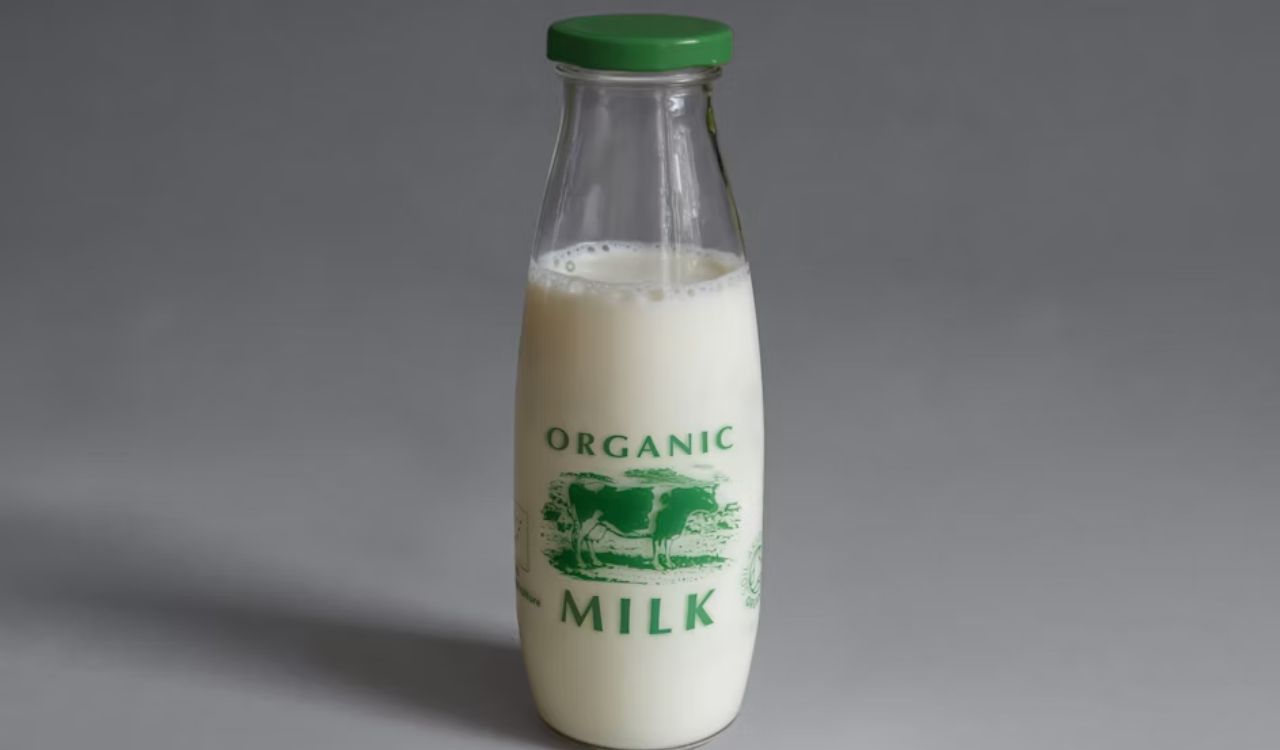
Milk gets dumped down the drain way too early, usually because of confusion between “sell by” and “use by” dates. Properly stored milk at 40°F or below is often fine for days past that printed date. The real problem is buying too much. Large jugs spoil before families can finish them. Smaller containers help. So does using milk in cooking, baking, or smoothies before it turns. It’s a staple in most homes, which means it’s also one of the most commonly wasted items.
Fresh Produce
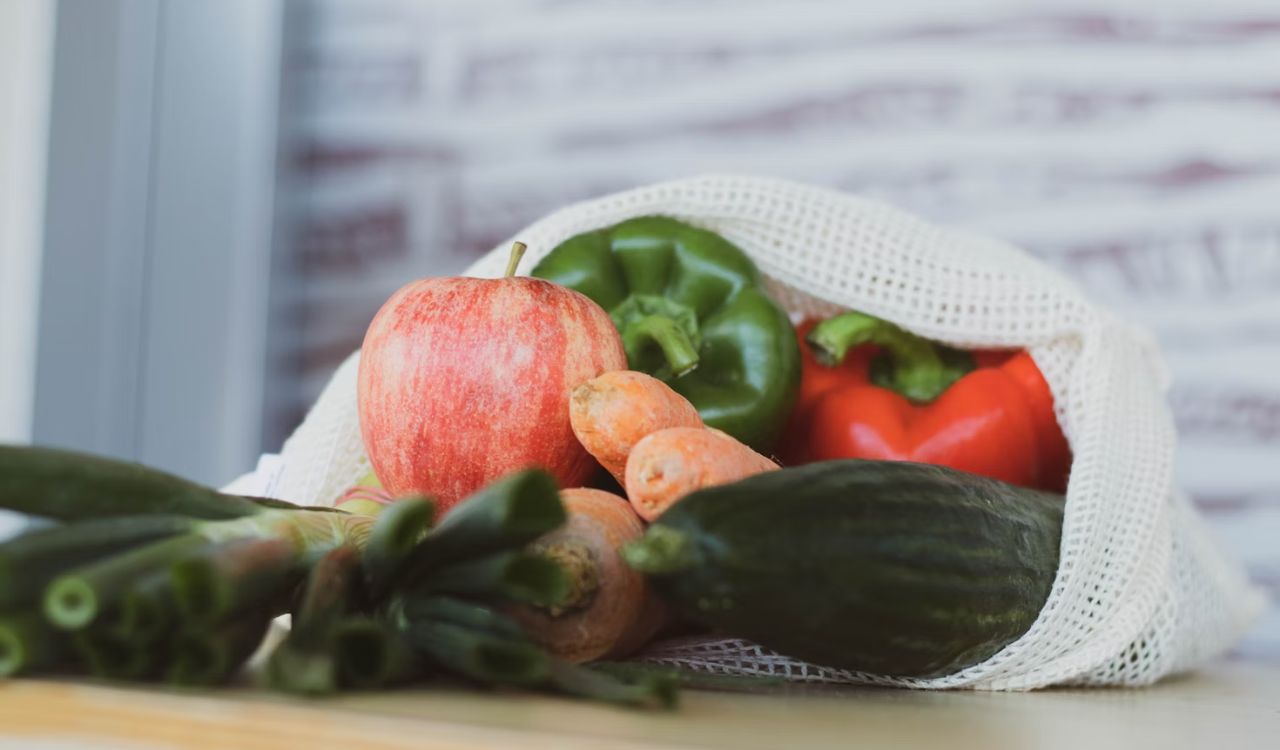
Fruits and vegetables account for nearly half of all household food waste. We buy them with good intentions, then watch them wilt, bruise, or go soft before we get around to using them. Leafy greens are especially bad. The fix is better storage—keeping greens dry with paper towels, using breathable bags, and actually planning meals before you shop. If you buy it with a plan, you’re way more likely to use it.
Meat and Poultry
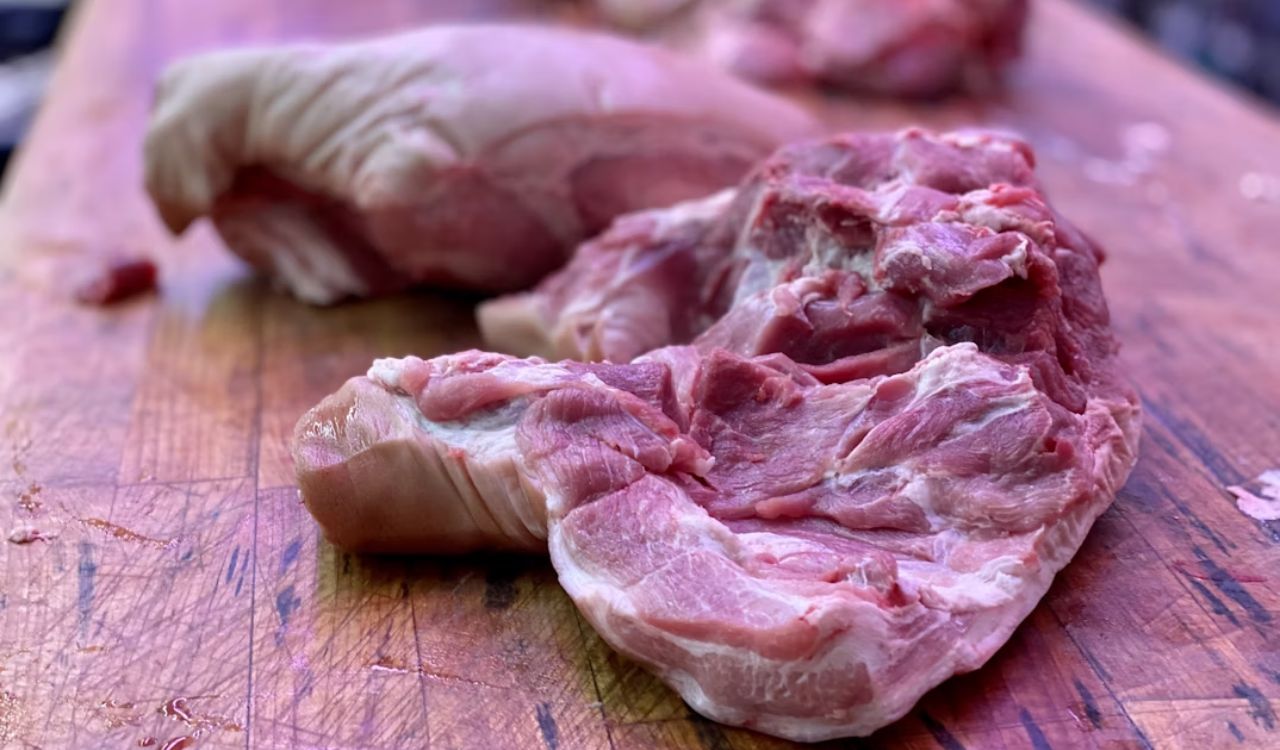
Meat is one of the most expensive things in your cart, so throwing it away stings. Raw cuts sit too long in the fridge, leftovers get forgotten, and safety fears lead to premature tossing. USDA guidelines say raw meat should be cooked or frozen within one to two days, and cooked meat should be eaten within three to four. Freezing promptly is the easiest way to stop wasting meat. If you’re not going to cook it soon, get it in the freezer.
Yogurt

Yogurt waste happens two ways: big tubs spoil before they’re finished, and date labels cause confusion. Yogurt is usually safe for up to two weeks past that “sell by” date if it’s been stored properly. Individual cups help with portion control, but they create more packaging waste. The best approach is buying what you’ll actually use and finding ways to incorporate yogurt into meals—smoothies, baked goods, sauces—before it turns.
Rice and Pasta
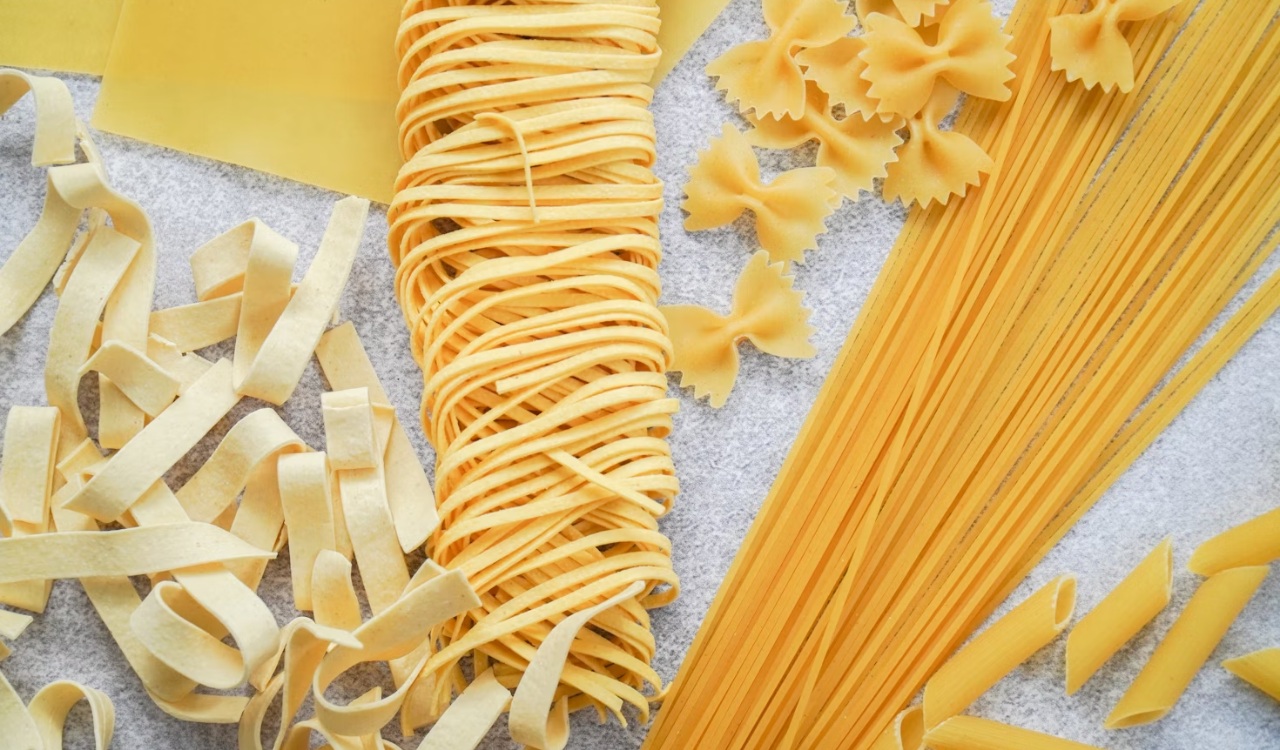
These seem shelf-stable, but leftovers get wasted constantly. People cook too much, let it sit in the fridge until it dries out, then toss it. Cooked rice and pasta should be refrigerated within two hours and eaten within three to four days. Dry pasta and rice also go to waste when they sit in cupboards for years. Cook smaller portions, freeze leftovers, or repurpose them into casseroles and stir-fries. It’s easy to fix once you’re paying attention.
Eggs
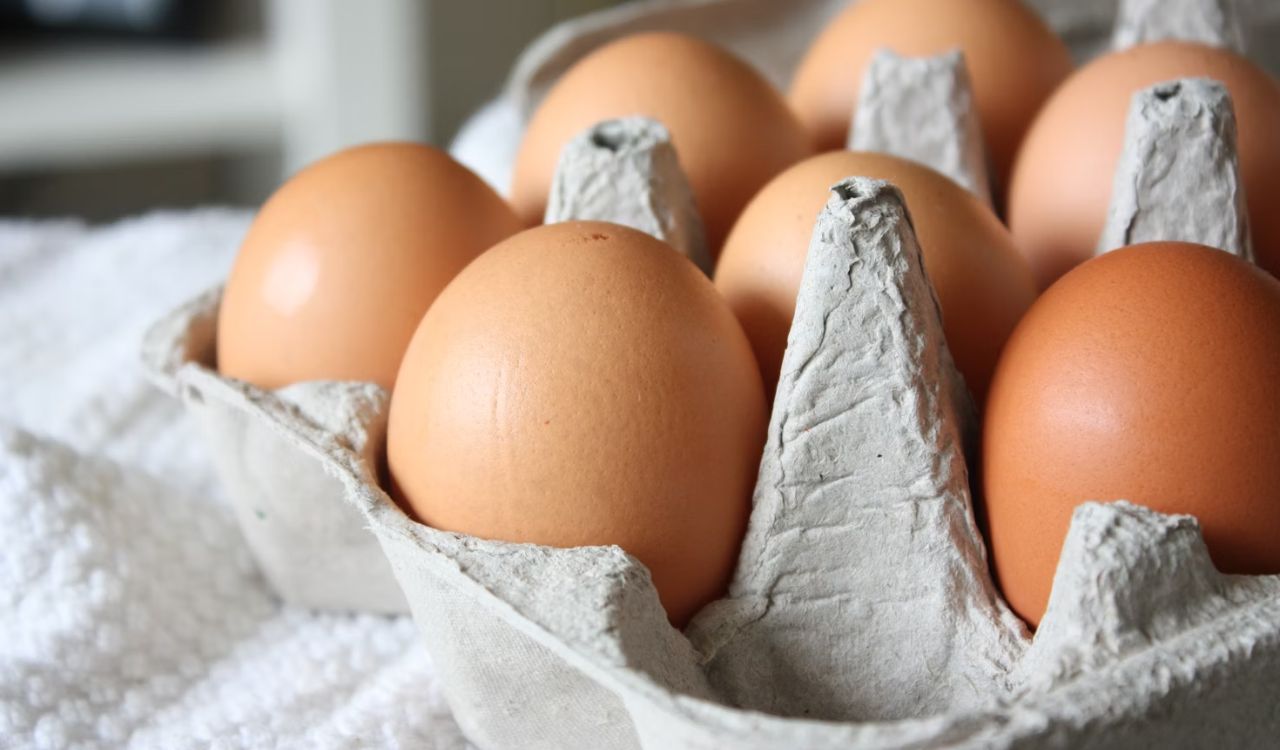
Eggs are another victim of date label confusion. The USDA says eggs can stay fresh for three to five weeks past the “sell by” date if they’re kept at 40°F or below. But people toss them early all the time. Cracked eggs can be used immediately if cooked. Given how affordable and versatile eggs are, it’s worth understanding how long they actually last. A simple float test can tell you if they’re still good.
Bread
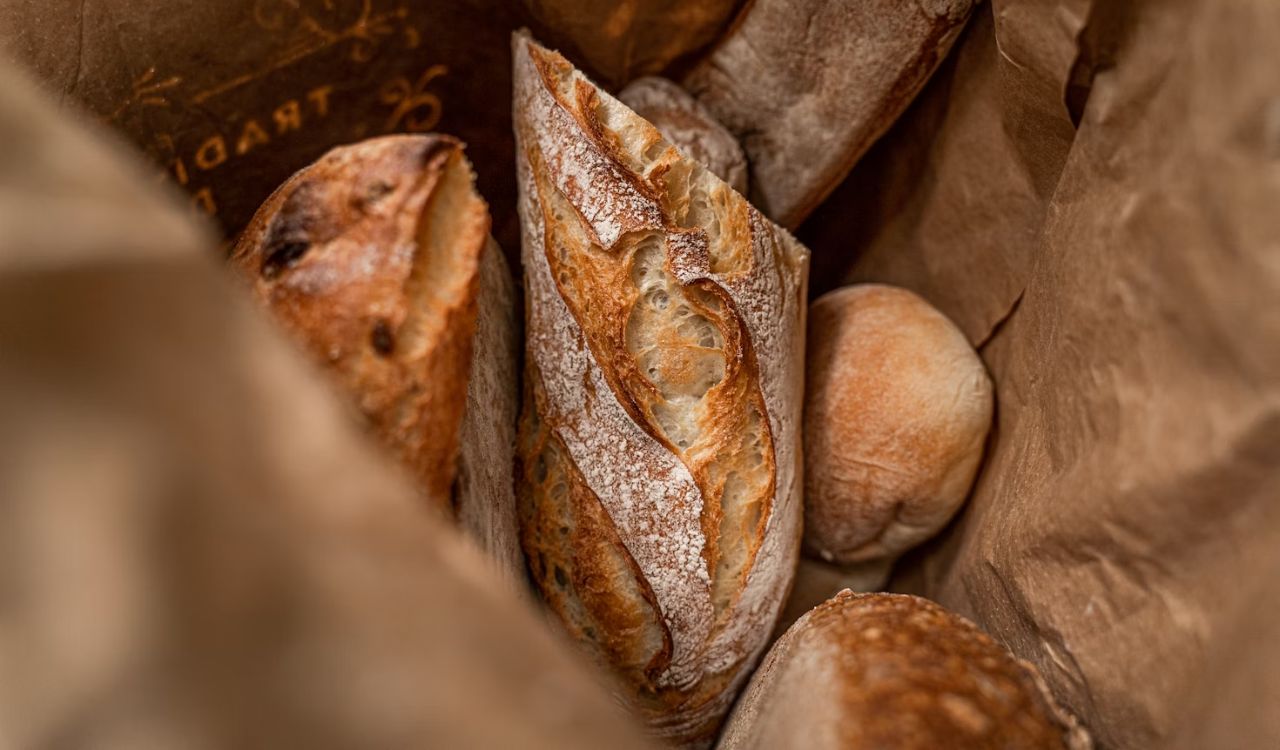
Bread is the number one wasted food for a simple reason: it stales and molds fast. As soon as it gets a little hard, most people toss it. But stale bread is far from useless. It can become breadcrumbs, croutons, or French toast. The trick is buying smart—freeze half the loaf when you bring it home, and only thaw what you need. Since nearly every household buys bread, those small wasted slices add up to a massive amount across the country.
Potatoes
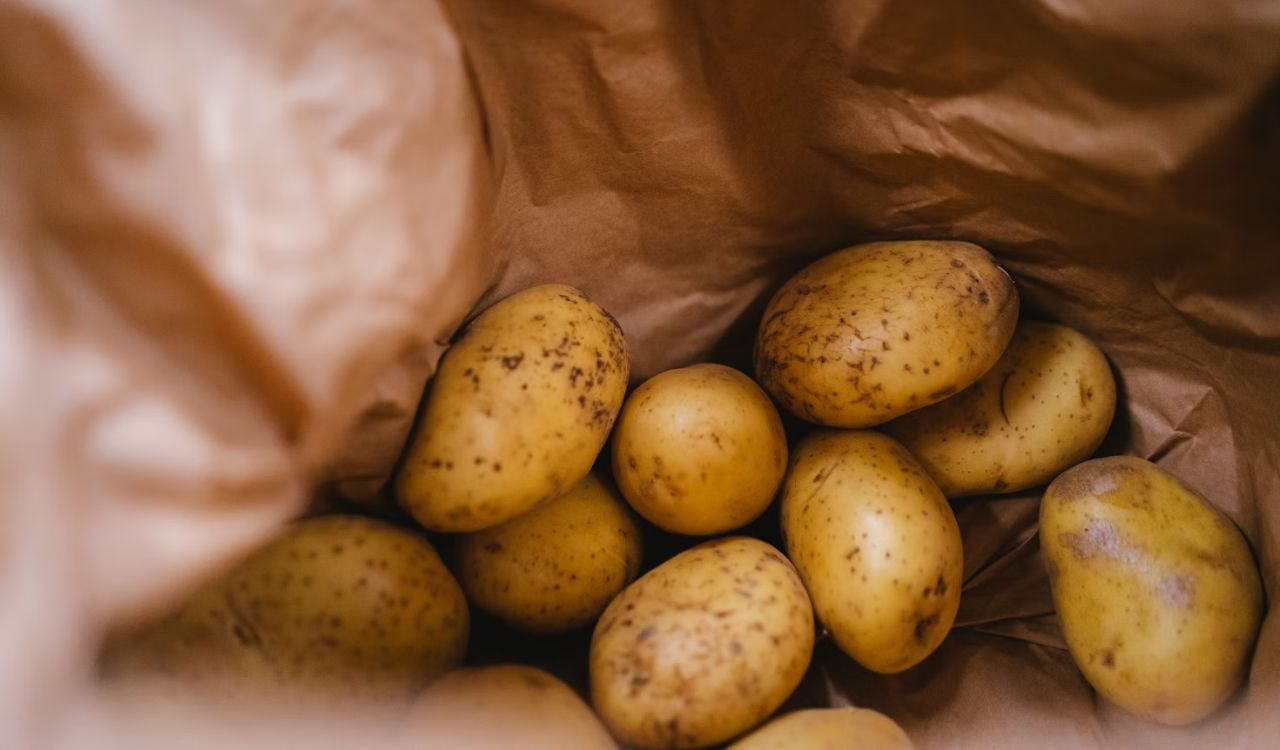
Potatoes sprout or develop green patches before we can use the whole bag. The good news is sprouts and green spots can be cut off—the rest of the potato is fine. Storing them in a cool, dark, dry place makes a huge difference. Buying large bags often leads to waste, especially if you’re not cooking through them quickly. Older potatoes are perfect for soups, mashes, or casseroles. With better storage and planning, you can stop tossing one of the most wasted vegetables.
Bananas
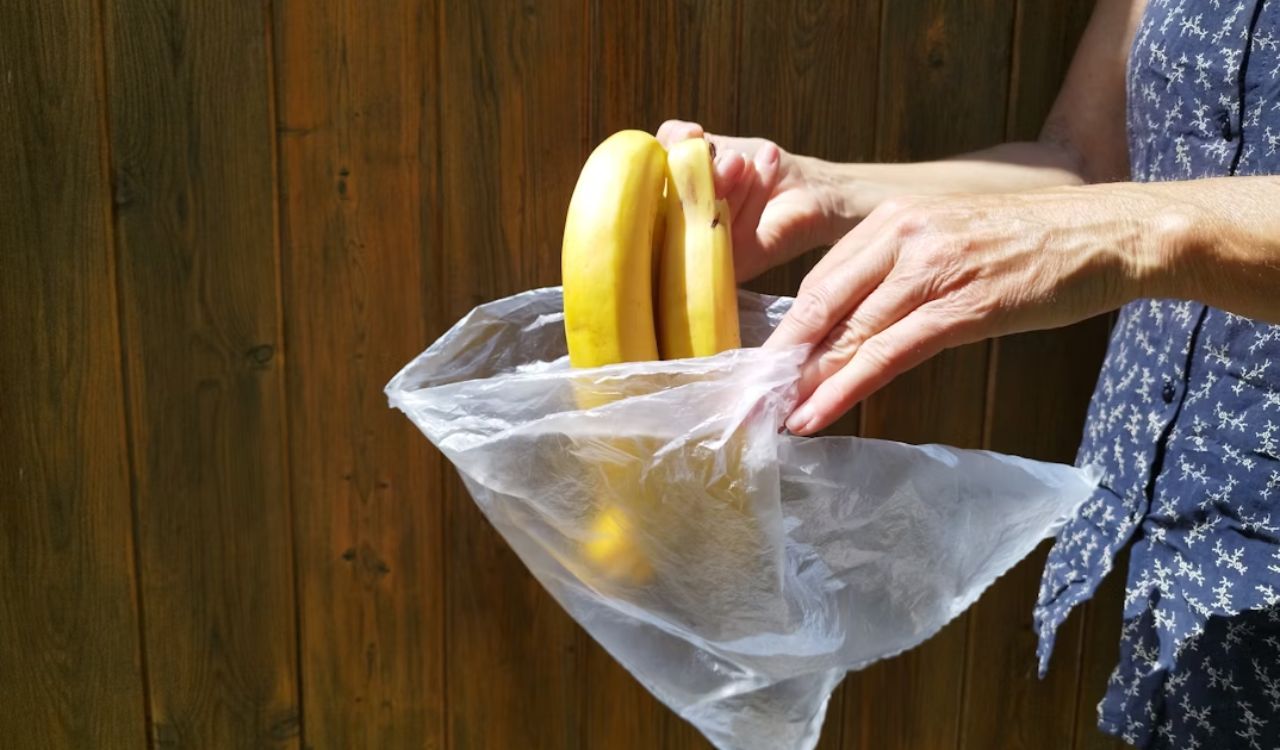
Bananas ripen fast, and once they go brown, most people throw them out. But brown bananas are actually perfect for smoothies, banana bread, or freezing for later. Buying smaller bunches helps. Storing them away from other fruits slows ripening. They’re one of the most discarded fruits in American households, which is a shame because they’re so easy to use up with a little creativity.
Packaged Snacks
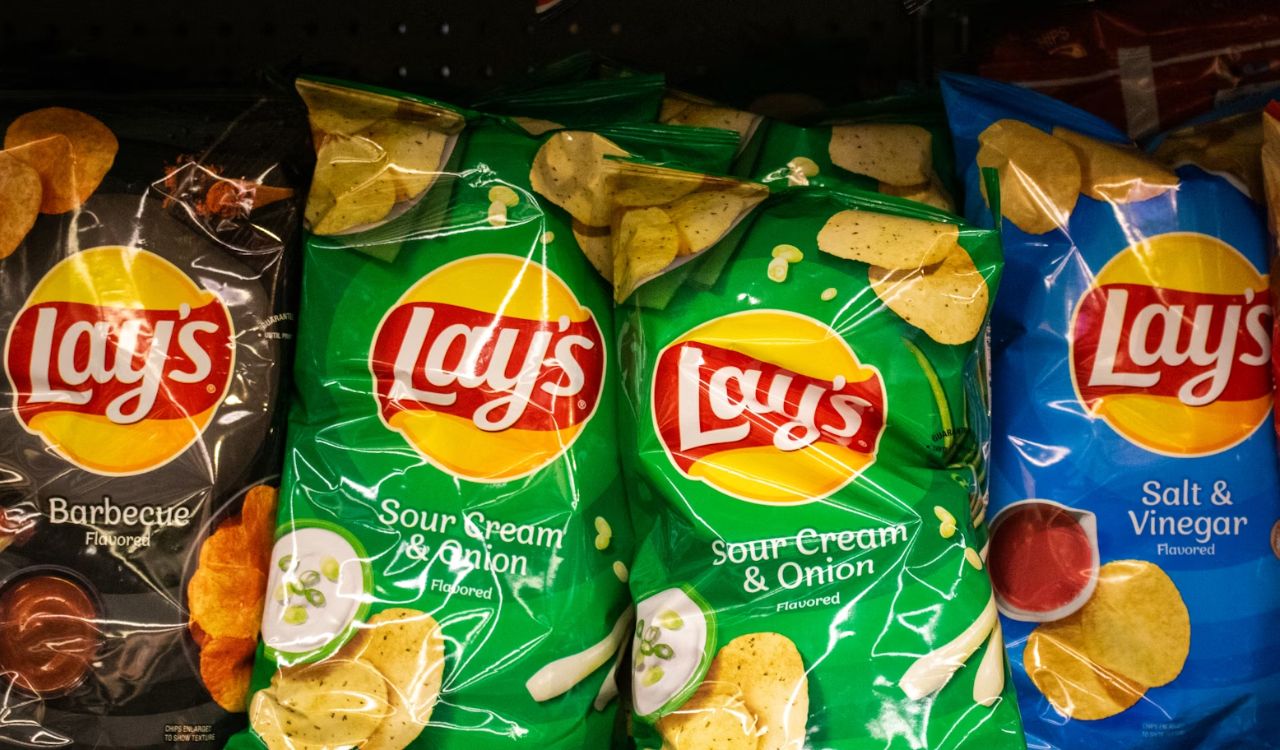
Chips, crackers, cookies—they go stale before households finish them, especially when multiple snack bags compete for attention. Airtight containers or resealable bags help keep them fresh. The bigger issue is overbuying. Bulk sizes seem like a deal, but if you can’t finish them, it’s waste. Smaller packages might cost a little more per ounce, but they save money overall if you’re not throwing half of it away.
Cheese
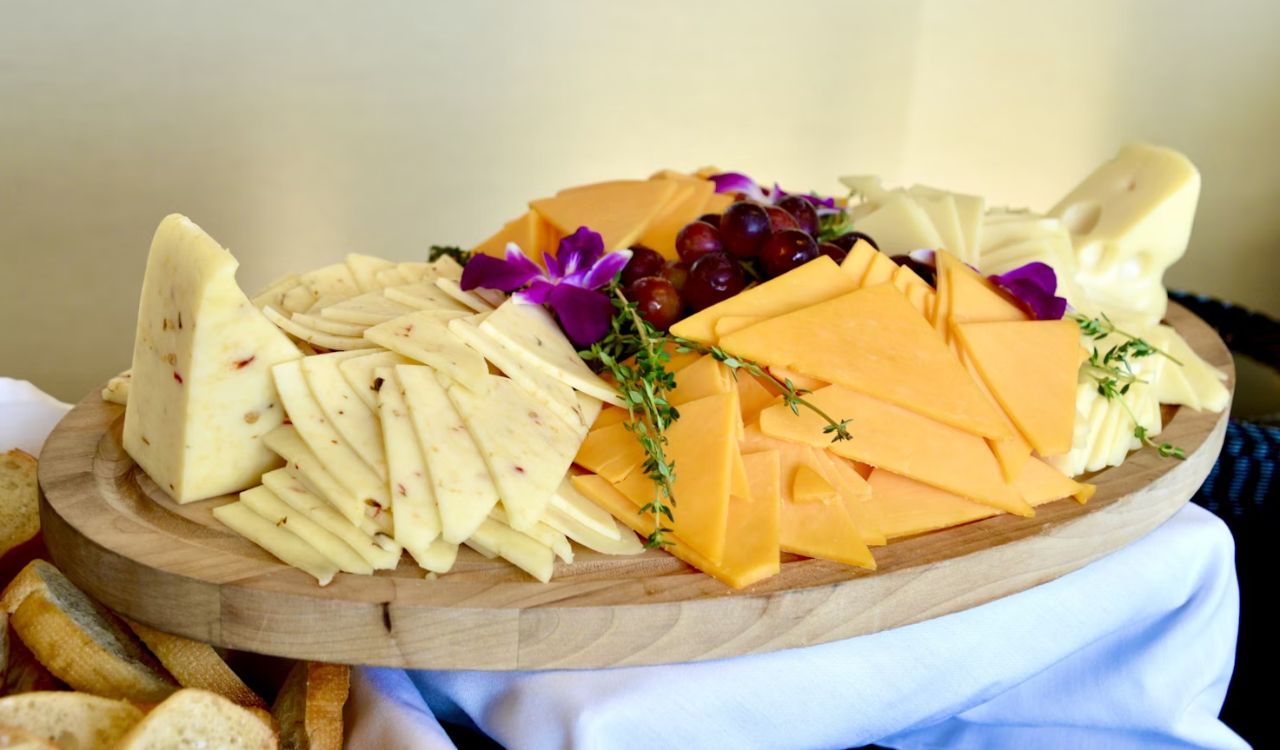
Cheese gets tossed at the first sign of mold, but with hard cheeses like cheddar or parmesan, you can just cut off the moldy part and eat the rest. Soft cheeses are different—those need to go. The bigger issue is buying too much. Large bags of shredded cheese often spoil before they’re finished. Freezing grated cheese works great. Buying smaller quantities helps too. Considering how expensive cheese is, tossing it hurts both the planet and your wallet.