12 Grocery Staples That Don’t Taste the Same Once You’re Home

Grocery stores are masters of presentation. Bright packaging, careful displays, tempting descriptions—it all makes food look as appealing as possible. But once you get those items home, the experience can shift. Storage, reheating, preparation, even your own expectations all play a role in how things actually taste. Here are some grocery store favorites that don’t always deliver the way you’d hope.
Prepared Deli Sauces
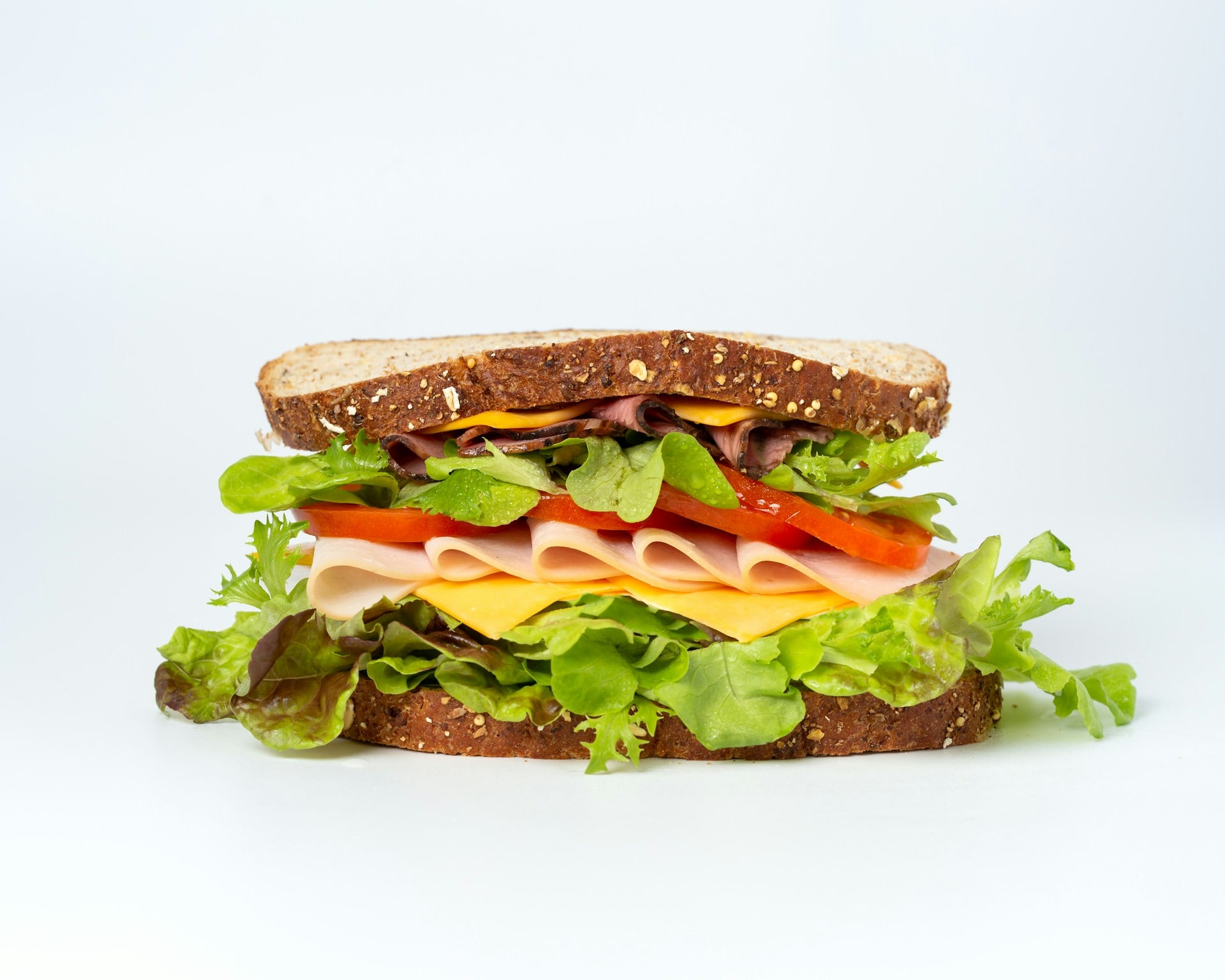
Deli sauces promise convenience and bold flavor. Ready-made for sandwiches, salads, grilled foods. But taste can differ from fresh small-batch versions. Large-scale preparation balances flavors for consistency across many servings. At home, small adjustments help. A squeeze of lemon, fresh herbs, a pinch of salt can brighten things up. Restores the freshness people expect.
Buttermilk
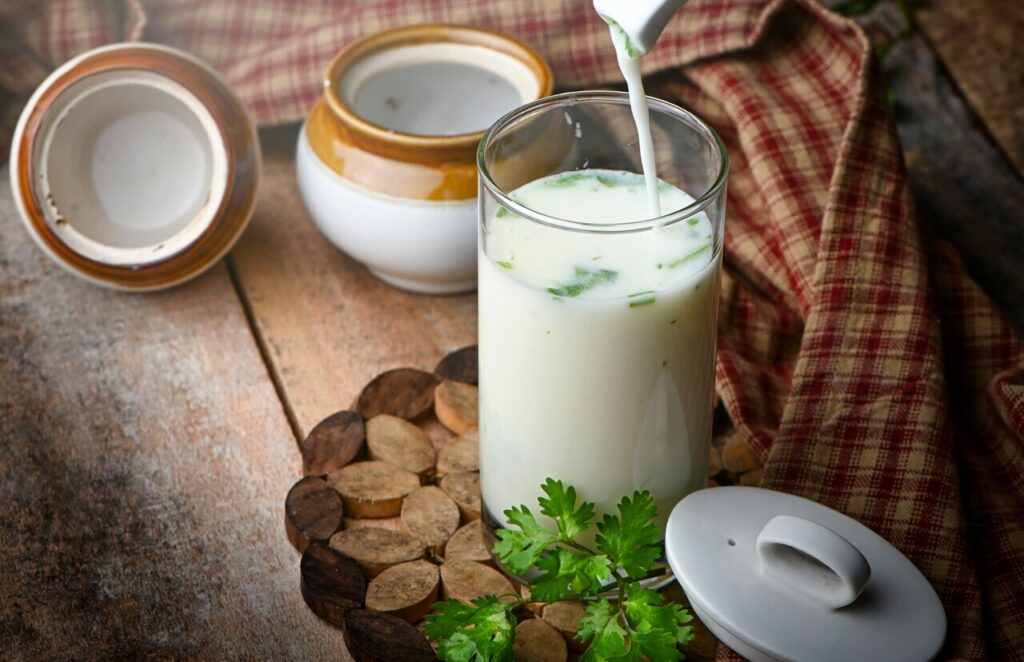
Buttermilk sits next to milk in the dairy case, suggesting it’s just as easy to use. But on its own, the flavor can surprise people. Modern buttermilk is cultured—tangy, slightly thick. That acidity works beautifully in baked goods, reacting with baking soda to create lightness. The challenge is that most recipes only call for small amounts. After one dish, you’re left with most of a carton and no clear plan. Without a second recipe in mind, it sits in the fridge until the next baking project.
Packaged Dinner Rolls
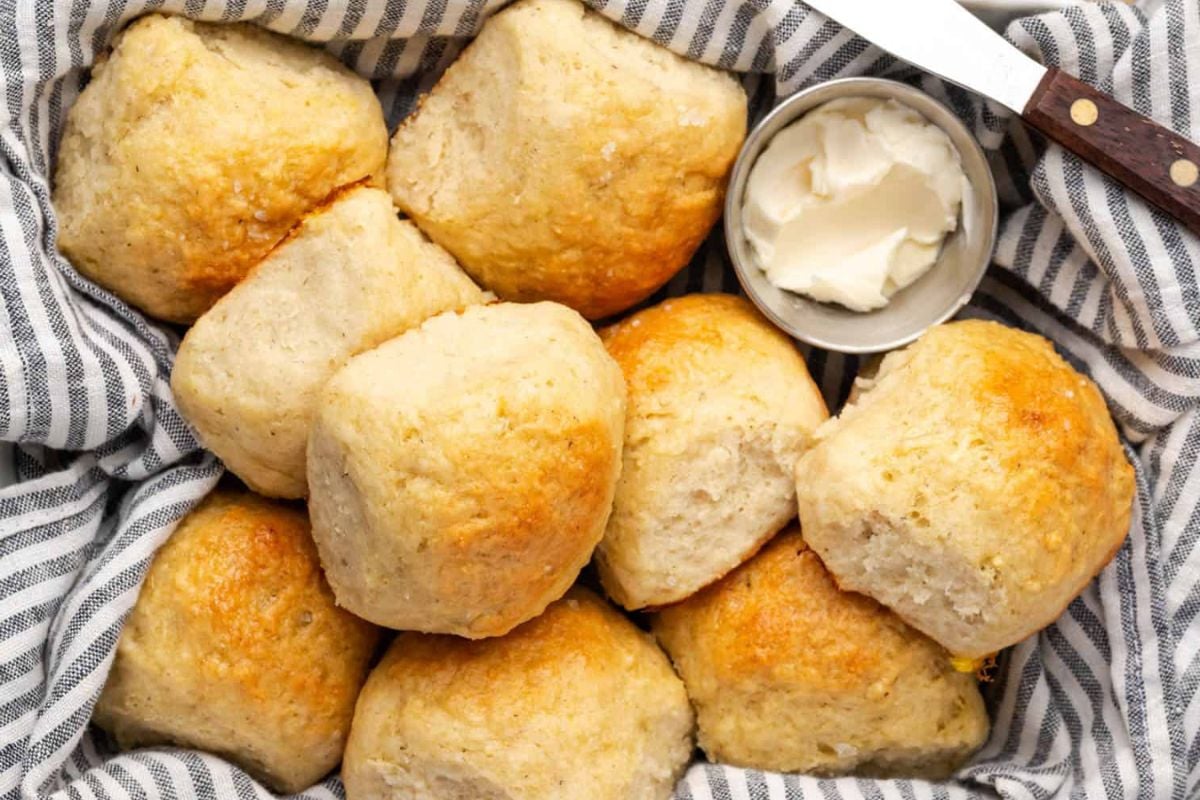
Warm rolls from the store bakery are hard to resist. Golden, soft, they look just out of the oven. But once they leave, they start cooling and settling. Steam escapes. The texture shifts. Reheating helps, but they may not feel quite the same as when they were first baked. A quick warm-up in the oven improves them, brings back some softness. Still, that just-baked moment is hard to recreate.
Mayonnaise
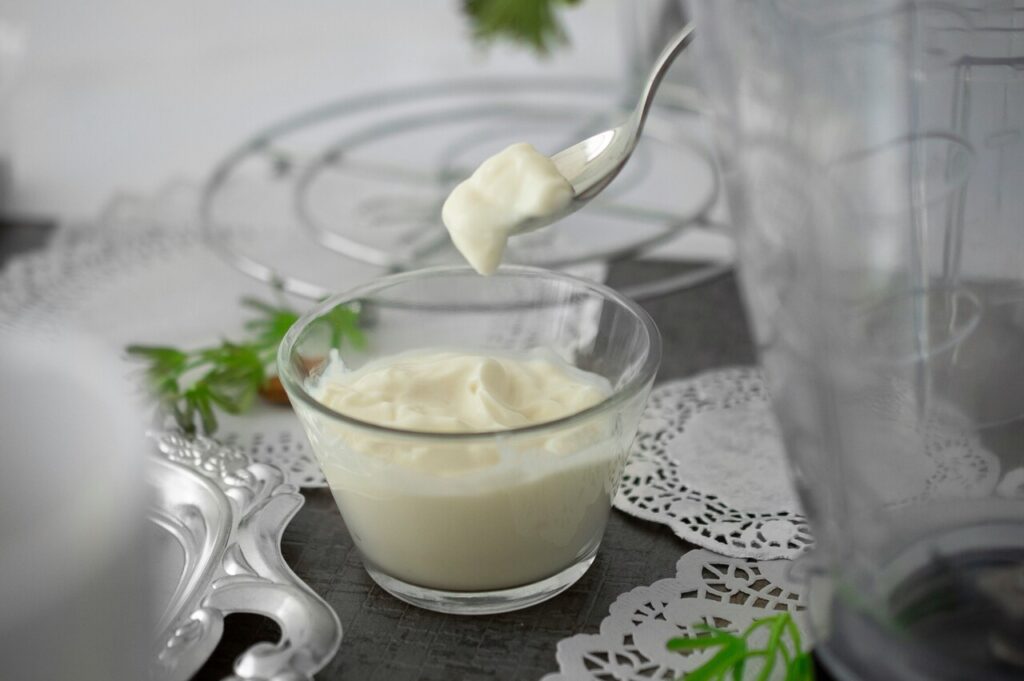
Mayonnaise feels dependable. Different regional brands have loyal fans. They promise creamy spreads for sandwiches, salads, sauces. But brands vary widely. Some are tangy and sharp, others milder and sweeter. Those differences become noticeable at home. Expectations matter too. Restaurant sandwiches often use carefully balanced sauces, making store-bought mayo taste different by comparison. Finding the right brand takes some experimentation.
Frozen Creamed Corn
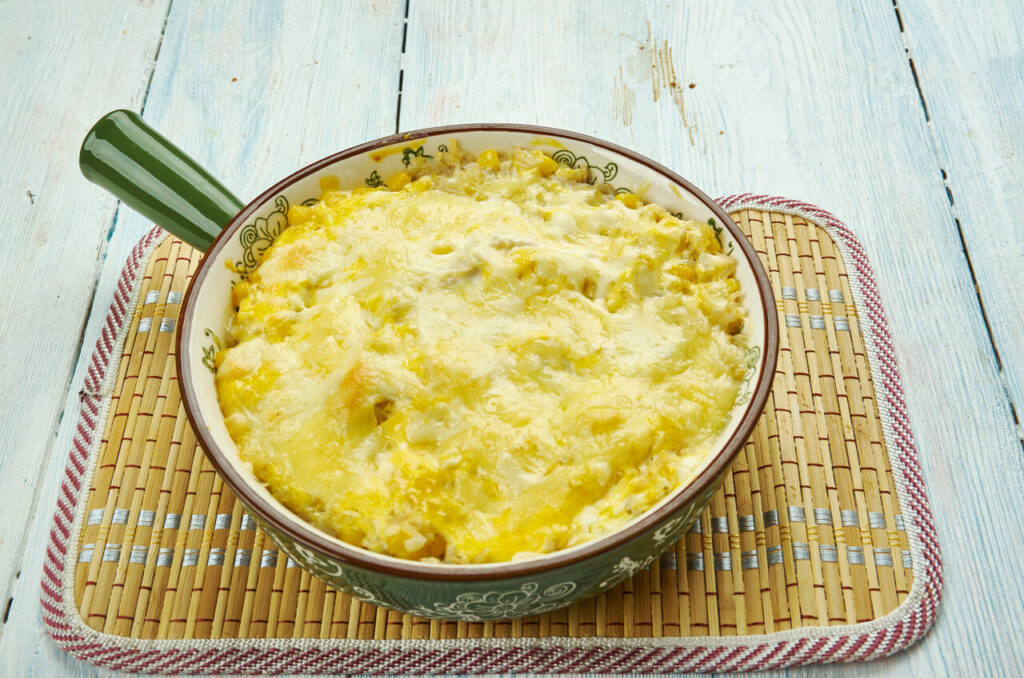
Frozen creamed corn is a convenient shortcut for a dish that usually takes time. The package shows a rich, creamy mixture ready to serve. But after heating, the texture can feel lighter than expected. Freezing and reheating change how starches behave, affecting thickness. Seasoning is often mild to appeal to everyone. Adding butter, salt, or herbs while reheating brings out the sweetness. A little adjustment goes a long way.
Packaged Pimiento Cheese
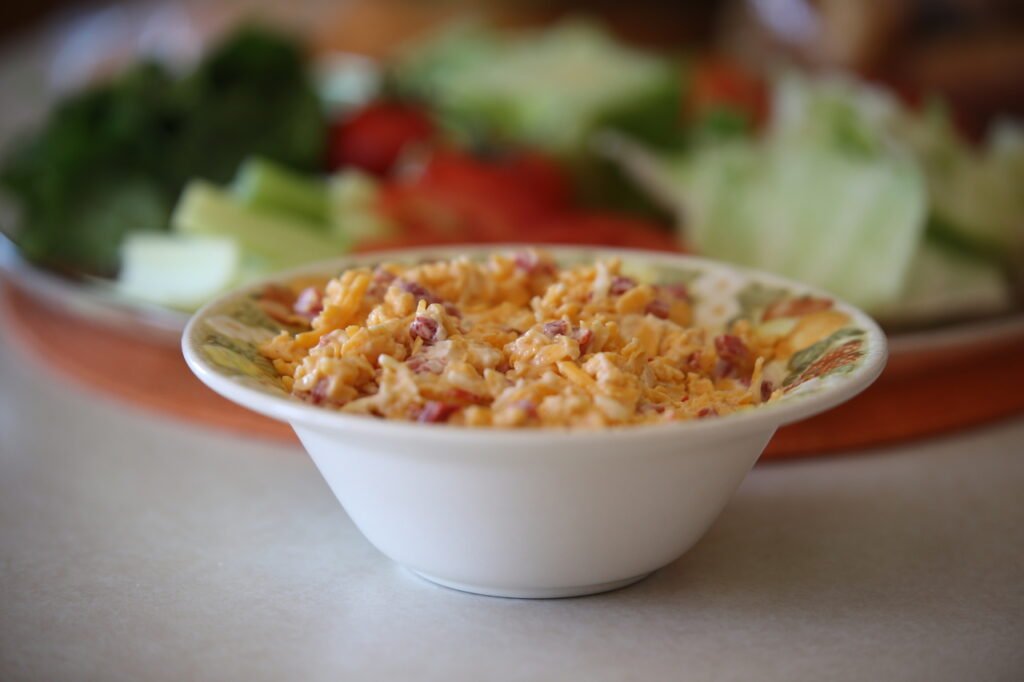
Pimiento cheese is a classic Southern spread. Store versions promise creamy cheese, peppers, mayo. But once opened, the flavor can feel different. Many rely on stabilizers for texture, which can alter richness. Homemade versions taste sharper—freshly grated cheese, fewer additives. Convenient, yes. But the difference in preparation makes the store version feel milder.
Flavored Soda
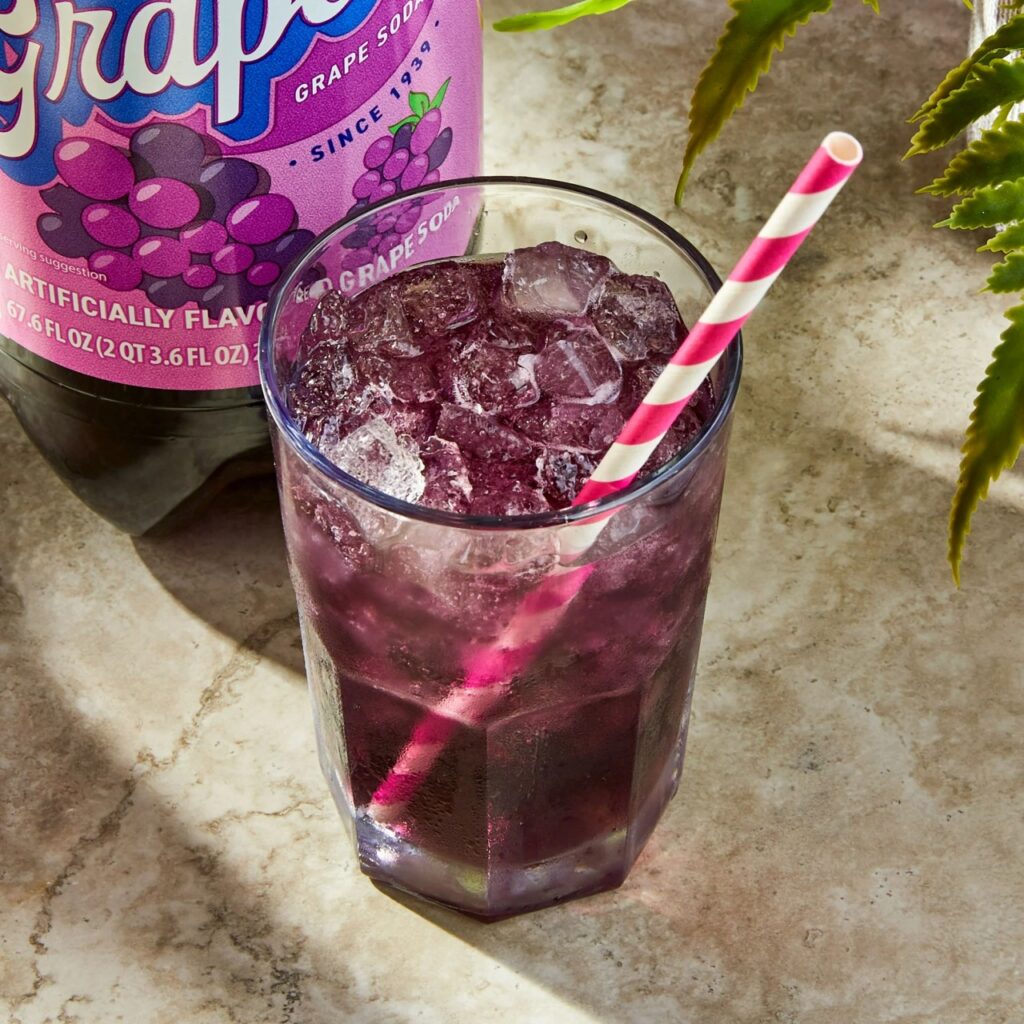
Flavored sodas look exciting on the shelf. Unique fruit varieties, regional recipes—they pull you in. But once opened, sweetness can feel stronger than expected. Carbonated drinks use sugar or sweeteners to balance acidity, which becomes more noticeable at home. Temperature matters too. Very cold drinks taste crisper, less sweet. Let one warm slightly and the flavor intensifies. Not always what people expect.
Self-Rising Cornmeal Mix
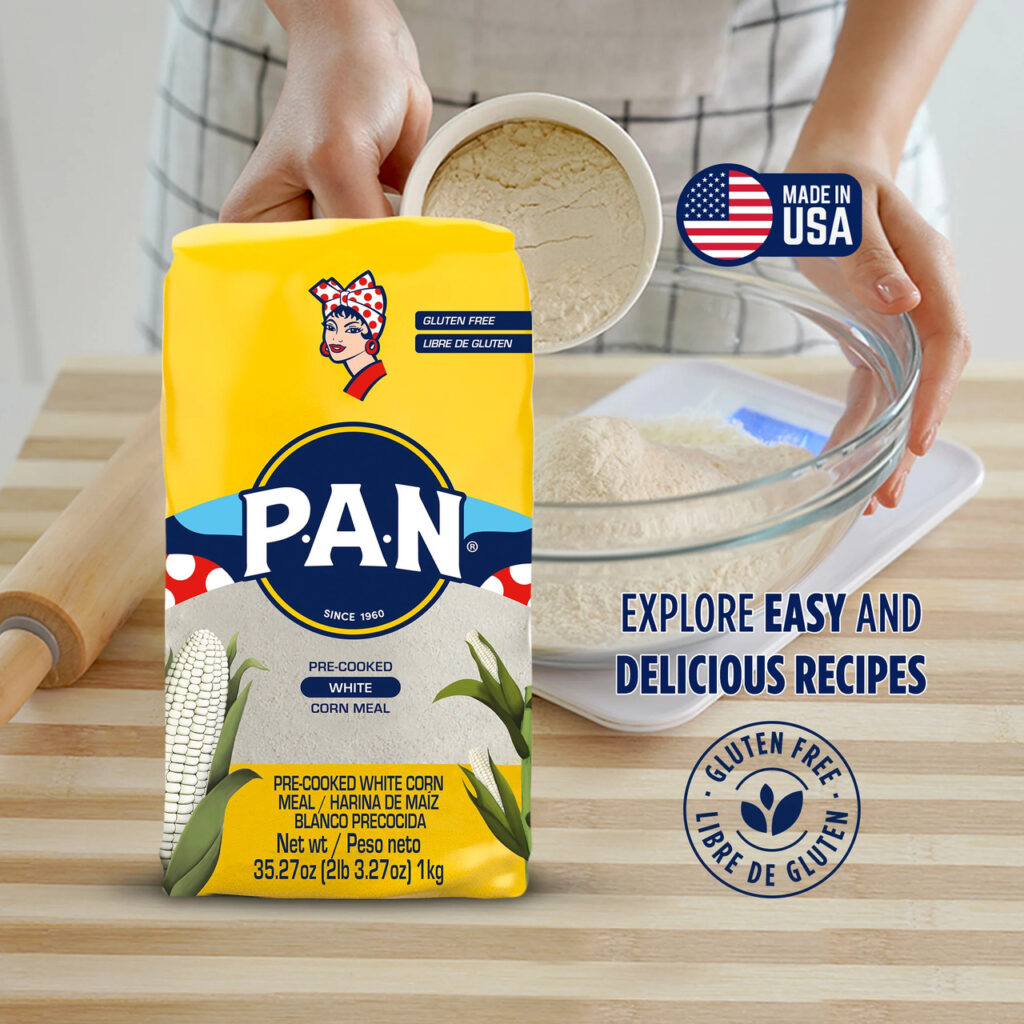
Self-rising cornmeal mix simplifies cornbread. Combine with liquids, bake. Done. The convenience comes from added leavening agents already blended in. They help the bread rise but can affect flavor and texture. For some, the result tastes different from scratch-made. Fresh recipes allow more control over sweetness and texture, producing a richer result. That small difference shows up once the bread is out of the oven.
Blue Bell Ice Cream

Blue Bell inspires serious loyalty. Rich flavors, smooth texture—it feels like a safe choice in the freezer aisle. But ice cream is sensitive to temperature changes. Even a short ride home can start to soften it. In the store, samples or freshly stocked cartons are kept at ideal scooping conditions. Once you’re home, letting the container sit briefly before serving brings back that creamy texture. A little patience makes all the difference.
Specialty Beans
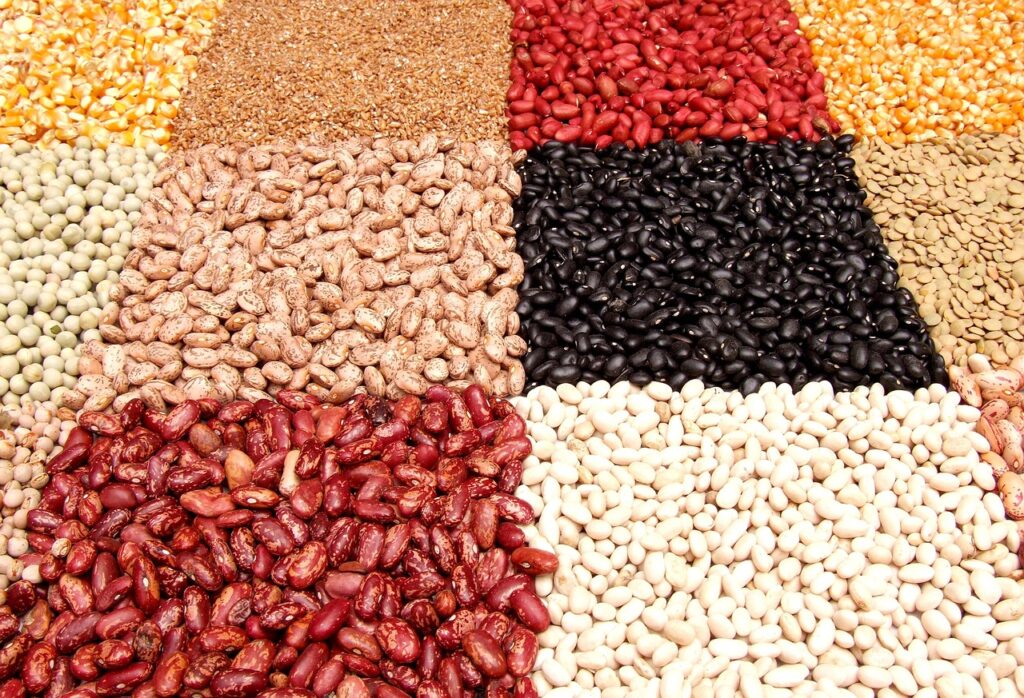
Specialty beans look appealing. Colors, shapes—they promise hearty soups and comforting sides. But cooking them surprises people who haven’t worked with dried beans before. Soaking, long simmering, proper seasoning all matter. Without enough time or salt, they taste milder than expected. Cooked carefully with herbs and patience, they develop the rich flavor shoppers imagine when they first see them.
Packaged Ice Cream Desserts
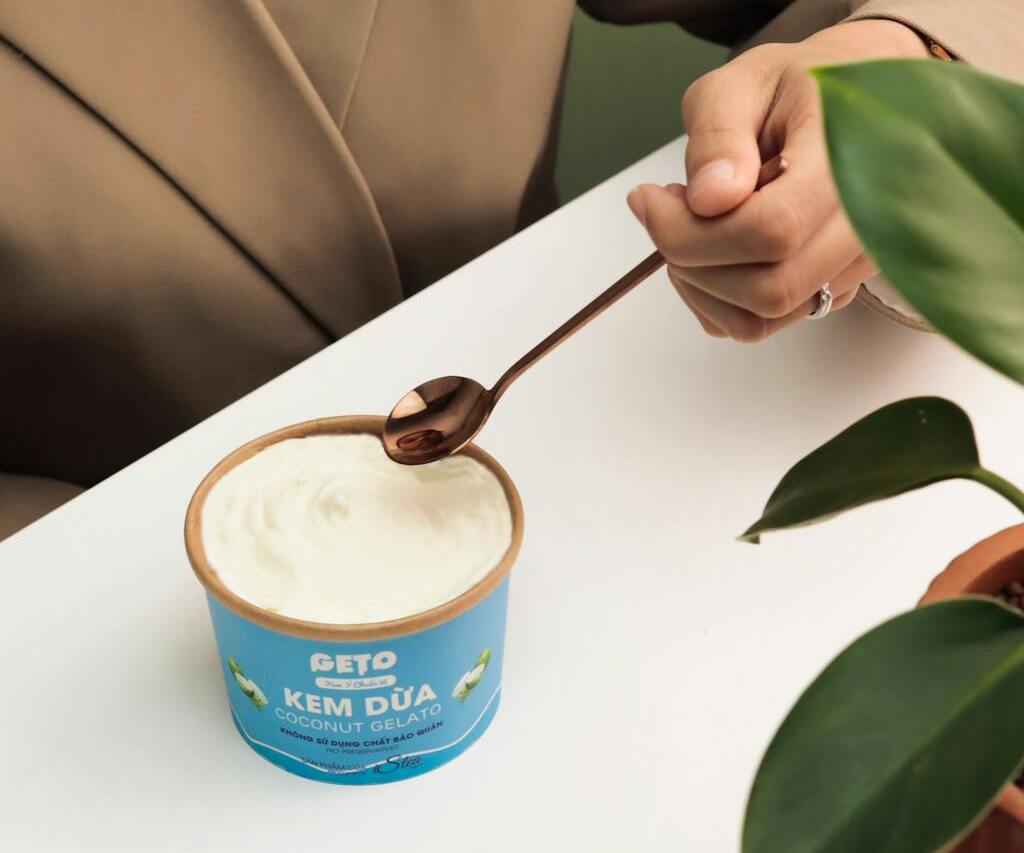
Packaged ice cream desserts show dramatic layers of chocolate, caramel, cookie pieces. They look restaurant-quality. But transport and storage affect texture. Even brief temperature changes on the way home can alter things. Serving conditions matter too. Letting the dessert soften a few minutes before slicing improves consistency. Helps recreate that creamy texture from the package. Flavors stand out more too.