Classic Restaurant Manners Boomers Practice That Others Overlook

Dining out has always been about more than just food. It’s a performance, a ritual, a set of unspoken agreements between guests and staff. While many of these rules have relaxed over the years, some diners, particularly from older generations, still hold them close. These practices aren’t about being fussy or formal. They’re rooted in respect, tradition, and a certain vision of what a meal out should feel like. Whether you follow them or not, understanding them offers a window into how dining culture has evolved.
Permission to Split the Check

Dividing the bill was once a delicate dance, handled with advance notice and clear communication. Today, apps make it easy, but the old way had its own logic. Requesting separate checks upfront kept things smooth and avoided end-of-meal chaos. It also required a certain level of organization and respect for the server’s time. In an era of Venmo, the principle still holds: clear communication makes for a better meal.
Wait for Everyone to Decide
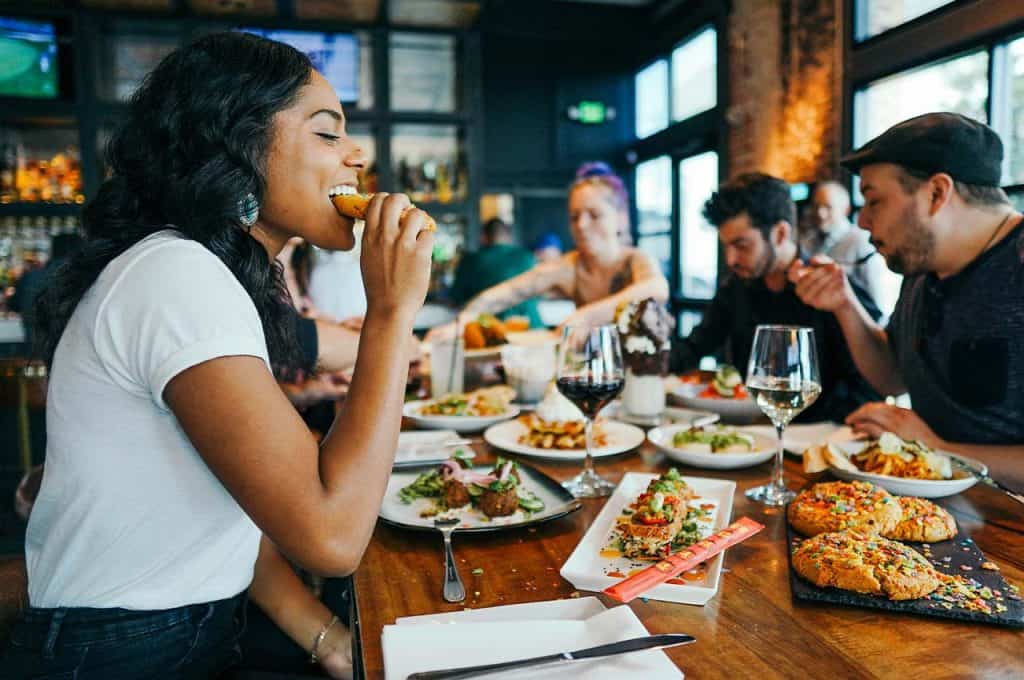
In an age of instant everything, waiting feels almost radical. But for many boomers, ordering only when the whole table is ready is a small but meaningful gesture. It says: we’re in this together. This pause before ordering fosters a sense of shared experience, turning a group of individuals into a dining party. It’s a quiet acknowledgment that the meal is collective, not just personal.
Eat What You’re Served
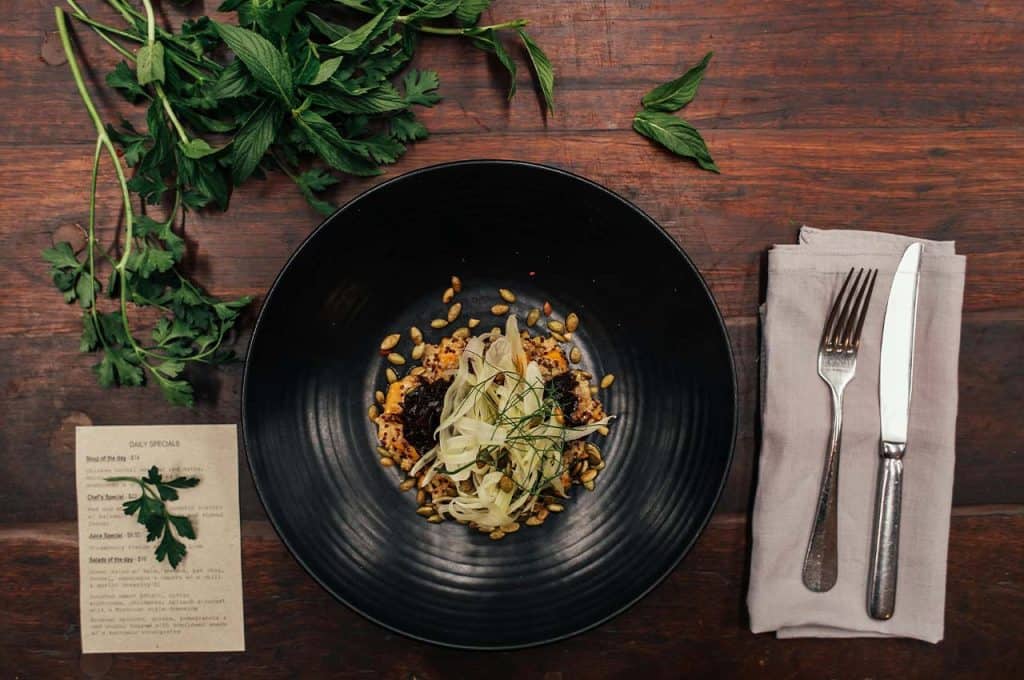
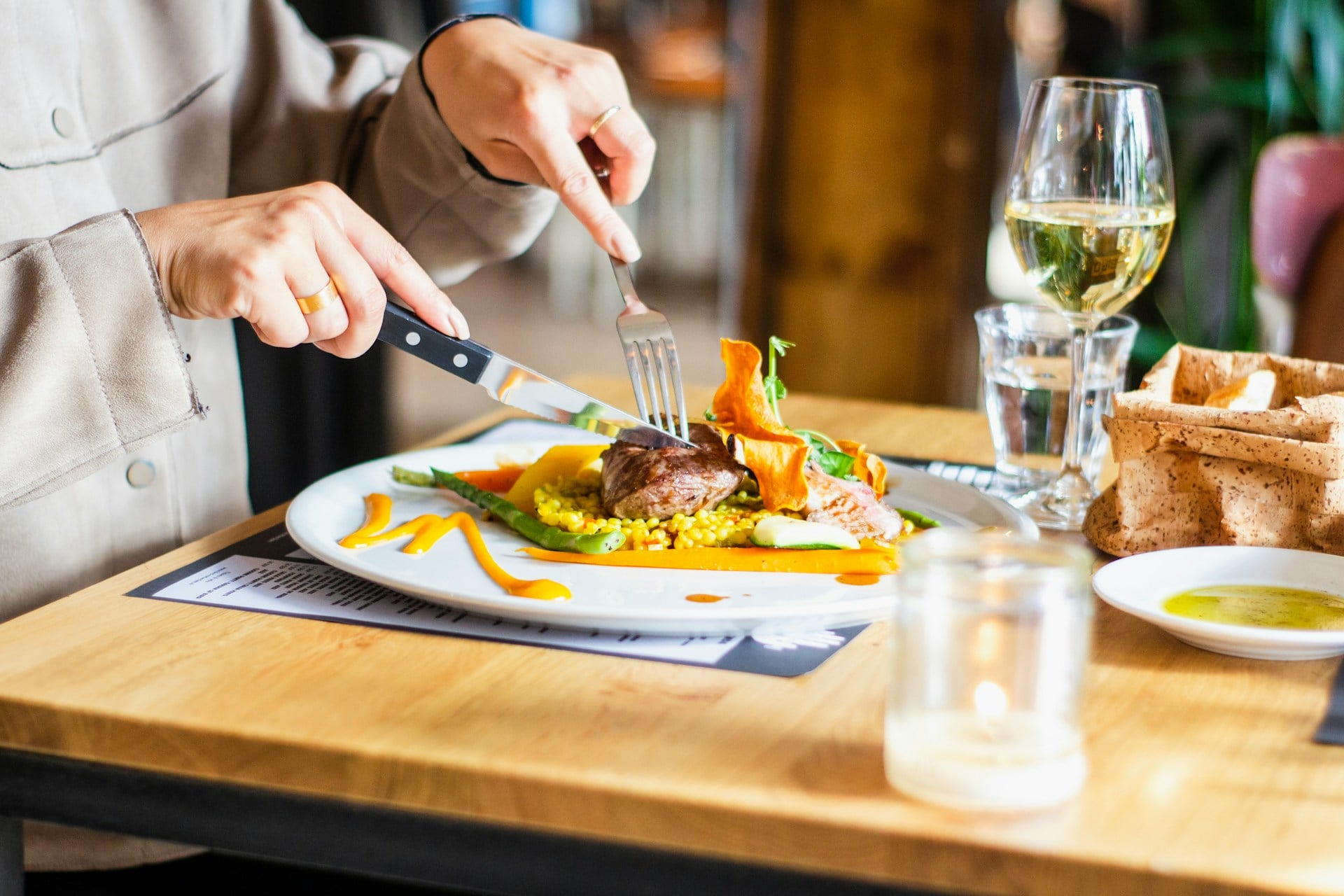
Sending a plate back was once considered a significant breach of etiquette. For many older diners, the default is still to eat what’s presented, trusting the chef’s vision and respecting the effort behind it. This doesn’t mean suffering through something truly wrong; it means approaching the plate with an open mind. In a world where customization is king, there’s something humble and appreciative about receiving a dish as intended.
Dress to Impress at Dinner
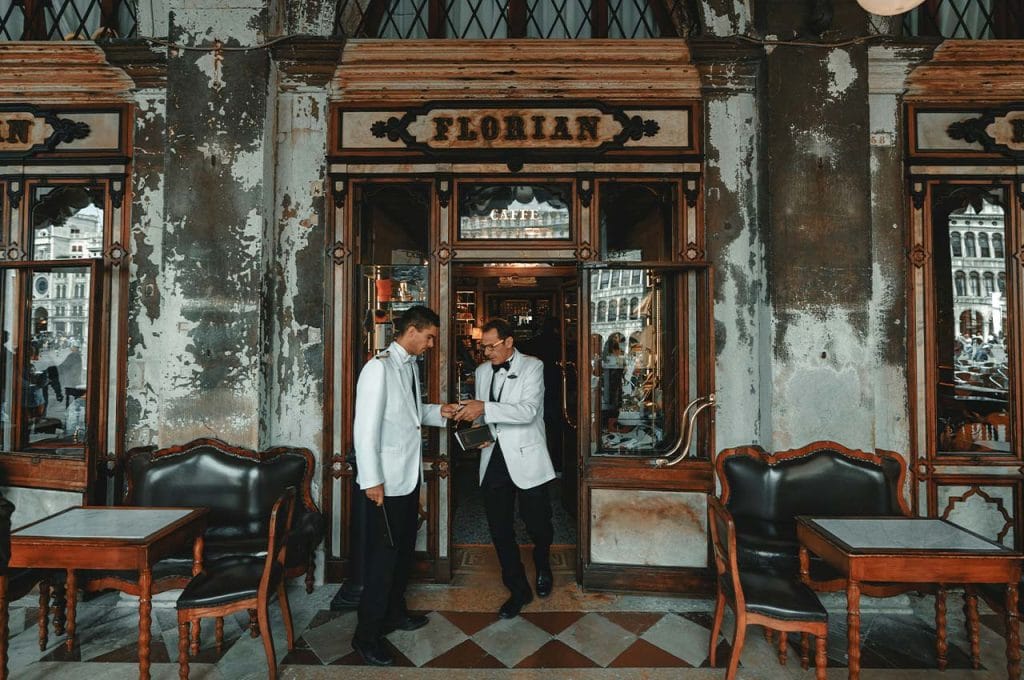
There was a time when getting dressed up was part of the restaurant experience. You didn’t just show up; you made an effort. For many older diners, that tradition still matters. A nice outfit isn’t about vanity; it’s a signal of respect, for the establishment, the staff, and the occasion itself. While today’s dress codes have relaxed considerably, taking a moment to look polished can still elevate the evening. It turns dinner into an event, not just a meal.
The Standard Tip Ritual
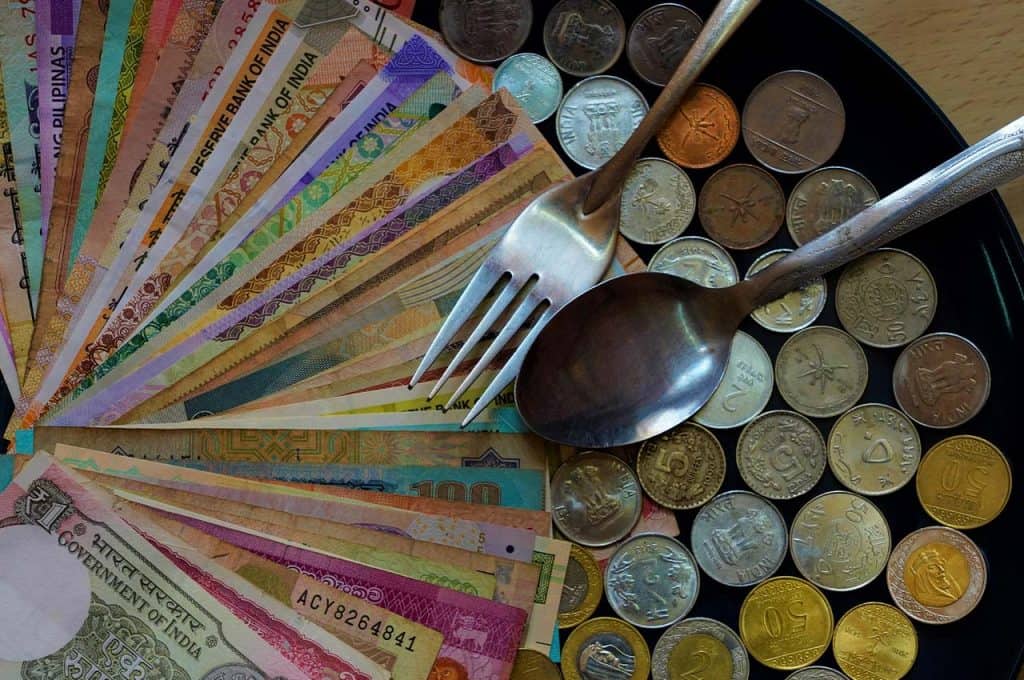
The tradition of tipping a standard 15-20% remains steadfast among some boomers, reflecting a respectful acknowledgment of hospitality workers’ efforts. This practice, rooted in predictability and fairness, contrasts with current trends toward more variable tipping. Adhering to this standard ensured consistent gratitude for good service and contributes to the livelihood of restaurant staff.
Silence That Phone
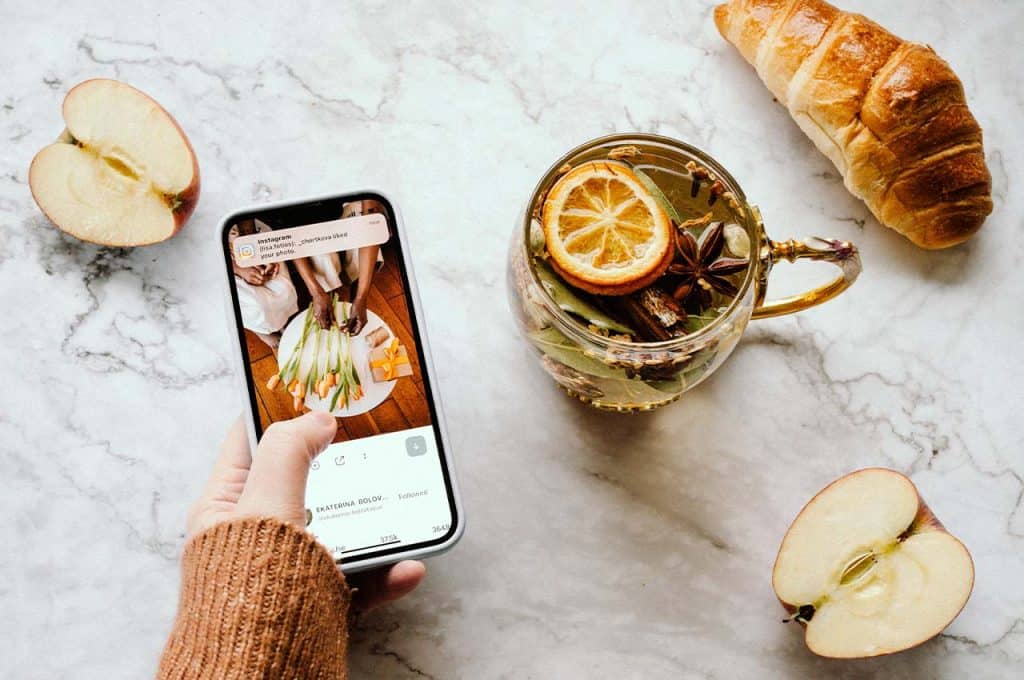
A silent phone at the table isn’t just about avoiding interruptions. It’s about presence. For those who grew up without devices, a meal out was a chance to connect, undistracted. Keeping the phone away signals that the people across the table matter more than anything on a screen. In an era of constant notifications, this small act of restraint can transform a meal from rushed to meaningful.
Clean Your Plate
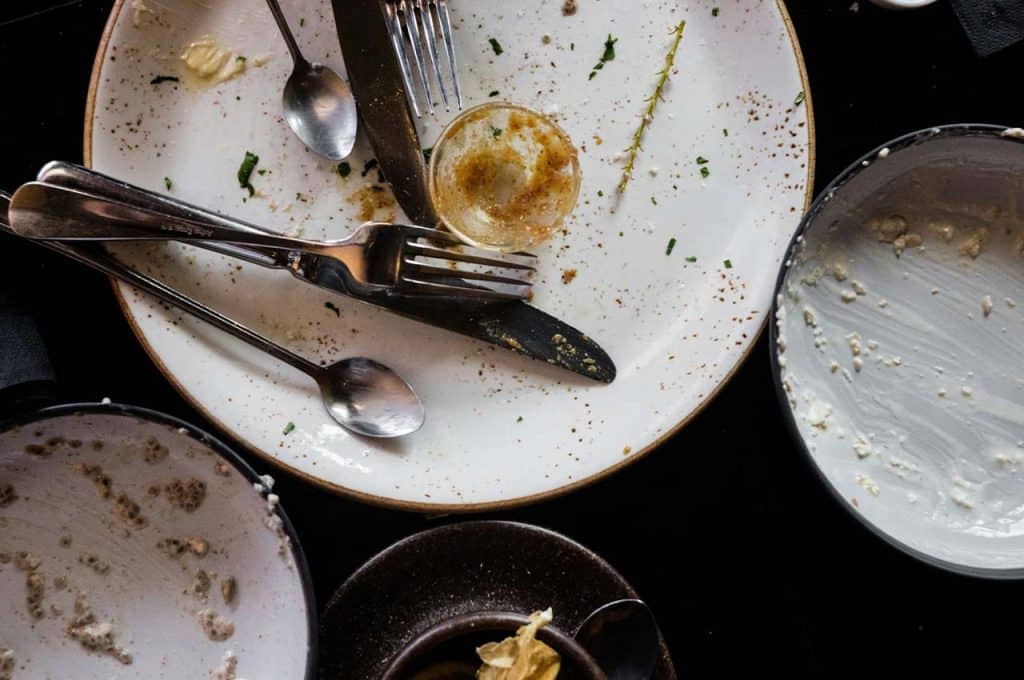
“Clean your plate” was more than a rule; it was a value, rooted in respect for food and the work that brought it to the table. For many older diners, leaving food behind feels wasteful and ungrateful. This habit also encourages mindful ordering, taking only what you’ll actually eat. While modern attitudes prioritize listening to your body’s fullness cues, there’s still something admirable about appreciating a meal down to the last bite.
Napkins Over Paper Towels
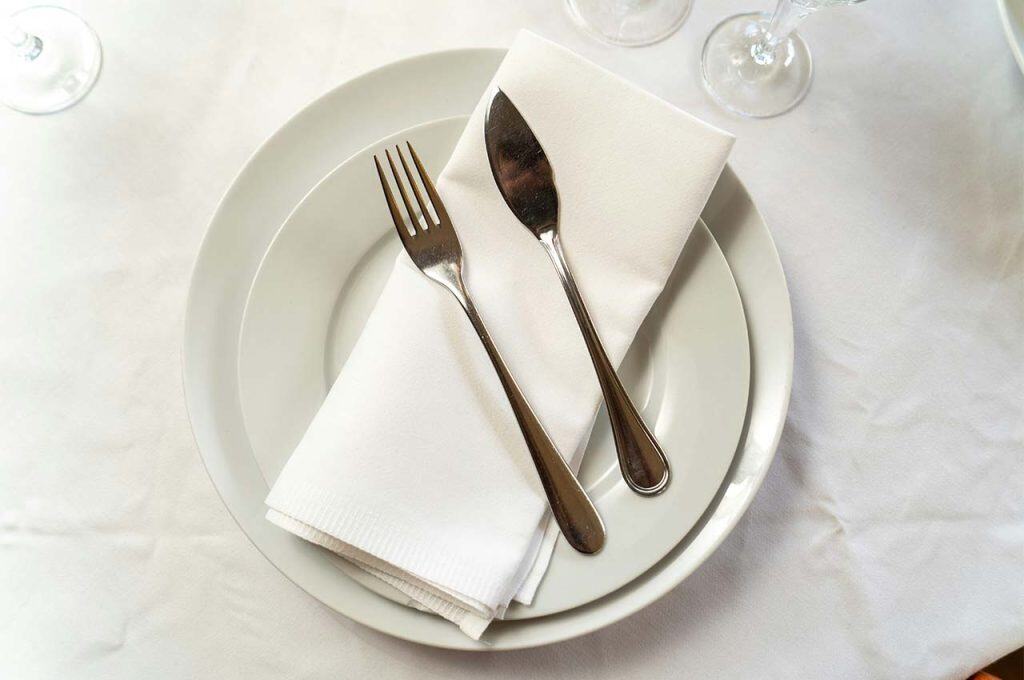
Cloth napkins might seem like a small detail, but they carry weight. They signal that this meal matters, that someone took care in presentation. For traditional diners, reaching for paper feels like a downgrade, a concession to convenience over quality. Cloth napkins are reusable, elegant, and simply better at the job. They’re a quiet commitment to sustainability and sophistication, one meal at a time.
No Custom Sauces Allowed
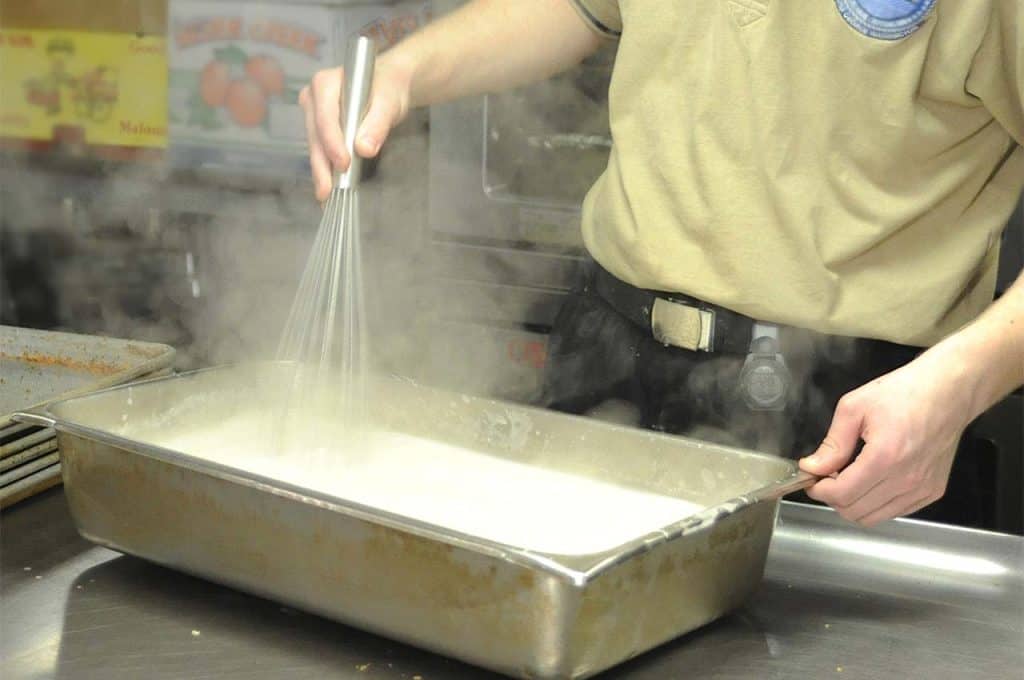
Asking for extra sauce or a substitution might seem harmless, but for some diners, it’s a breach of trust. The chef has balanced that plate with intention, every component serving a purpose. Requesting changes can feel like second-guessing expertise. Embracing the dish as served opens the door to new flavor combinations you might never have discovered on your own. It’s a small act of culinary humility.
Check Those Daily Specials

For seasoned diners, the specials board isn’t just a suggestion; it’s the highlight of the evening. Specials often showcase the freshest ingredients and the chef’s most creative instincts. Ordering from them signals trust and adventurousness. It’s a way of saying, “I’m here for what’s best right now, not just what’s printed.” In a world of endless menus, specials offer something rare: a moment of genuine spontaneity.
These rules may feel dated to some, but they carry a consistent thread: respect. Respect for the food, the staff, the company, and the occasion. Whether you follow them or not, they remind us that dining out has always been about more than just eating.