Countries With Food Rules That Often Surprise Tourists

Traveling opens up new flavors, but it also reveals something unexpected: how much our food habits are shaped by culture. What feels normal at home—eating on the go, tweaking an order, cleaning your plate—can land very differently abroad. These rules aren’t random. They’re rooted in deep values around respect, community, cleanliness, and tradition. Understanding them doesn’t just help you avoid awkward moments; it offers a fascinating glimpse into how other societies think about food, space, and social responsibility. Here’s a look at some countries where food behavior is especially meaningful.
Mexico: Trust Built on Community, Not Appearances
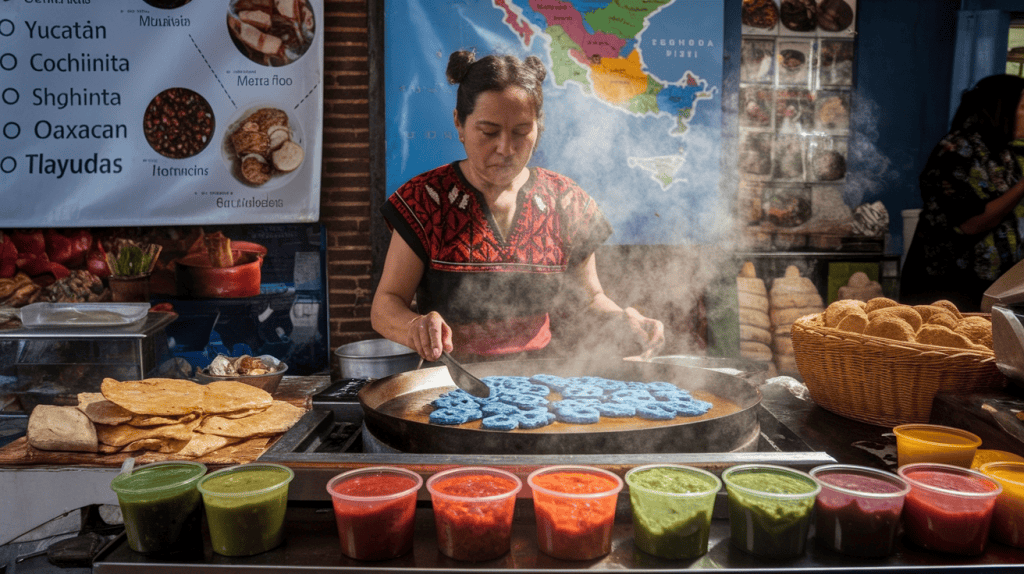
Mexico’s vibrant street food scene operates on a different kind of trust. Locals don’t judge a stall by how modern it looks or whether the vendor wears gloves. They look for long lines, high turnover, and a solid local reputation. These are the real signals of freshness and safety. Tourists, unfamiliar with this social system, might choose a cleaner-looking but empty stall and sometimes learn a difficult lesson. In Mexico, food safety is a community-based knowledge, earned and shared over time, proving that trust in food is often social, not visual.
France: The Menu as a Chef’s Statement

In a traditional French restaurant, the menu isn’t just a list of options; it’s a carefully crafted composition. Asking for substitutions or removals can be perceived as questioning the chef’s expertise and artistic balance. This isn’t about being inflexible; it’s about respecting culinary craftsmanship. Diners are expected to choose a dish that appeals to them as it’s written. Tourists accustomed to customizing everything might interpret the resistance as poor service, but it’s actually a sign of deep pride in the integrity of the food being served.
Italy: The Unwritten Laws of the Table
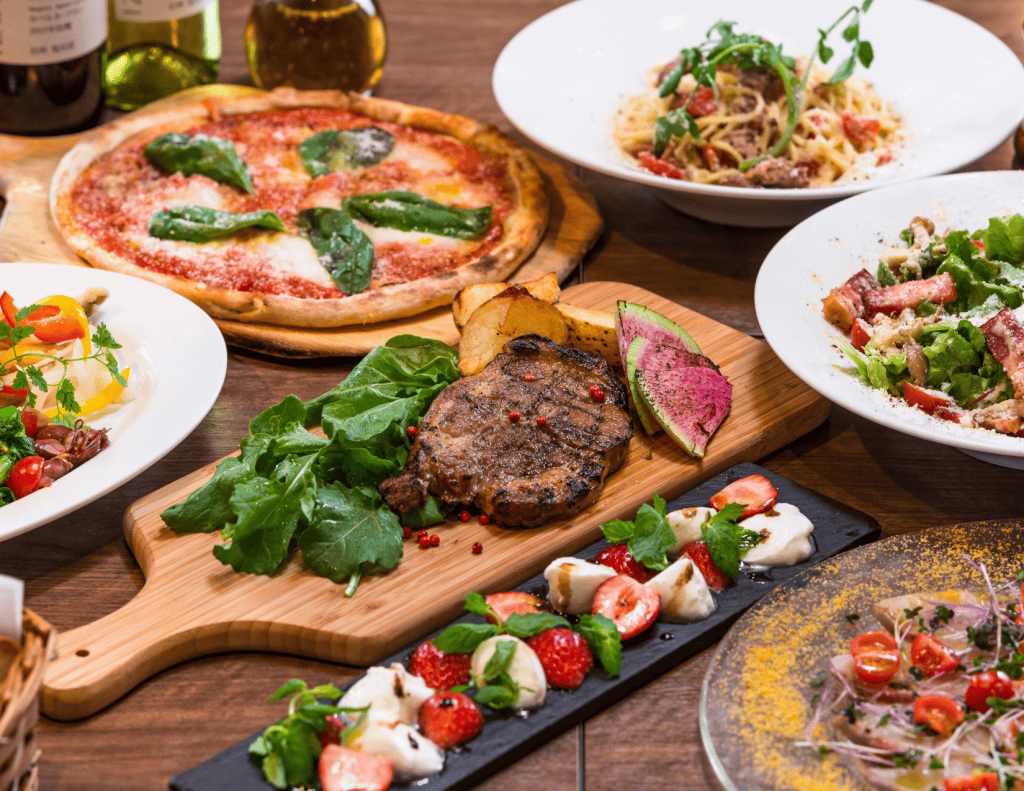
Italians have deeply ingrained food rules that are passed down through generations. These aren’t just suggestions; they’re cultural basics. Ordering a cappuccino after a meal? Unthinkable to a local. Adding cheese to a seafood pasta? Frowned upon. These customs are tied to ideas about digestion, regional tradition, and flavor harmony. To Italians, these rules feel as natural as breathing, so seeing them broken can be genuinely jarring. For a visitor, it’s a crash course in how deeply food identity runs in Italian culture.
Singapore: Order as a Shared Responsibility
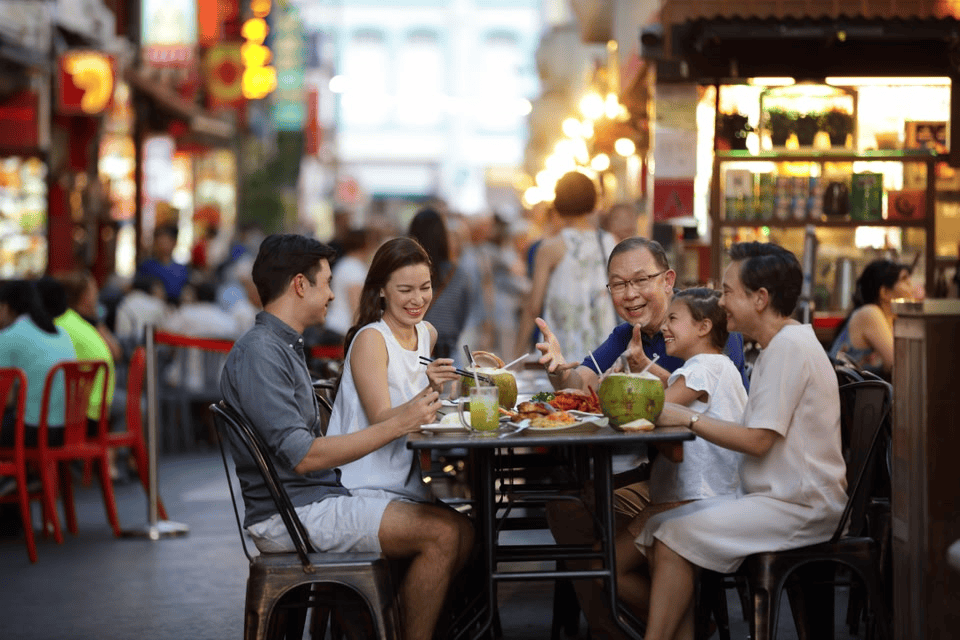
Singapore’s famously strict food rules might surprise visitors, but they’re a direct reflection of the nation’s values. Eating or drinking on public transport can lead to fines, and even minor spills are taken seriously. The restriction on importing chewing gum is legendary. These aren’t about being punitive; they’re about maintaining an exceptionally clean and orderly environment in a dense urban space. It’s a powerful example of how a society prioritizes collective hygiene and shared responsibility, and how food habits are regulated to serve that common good.
Japan: Eating as a Mindful Act
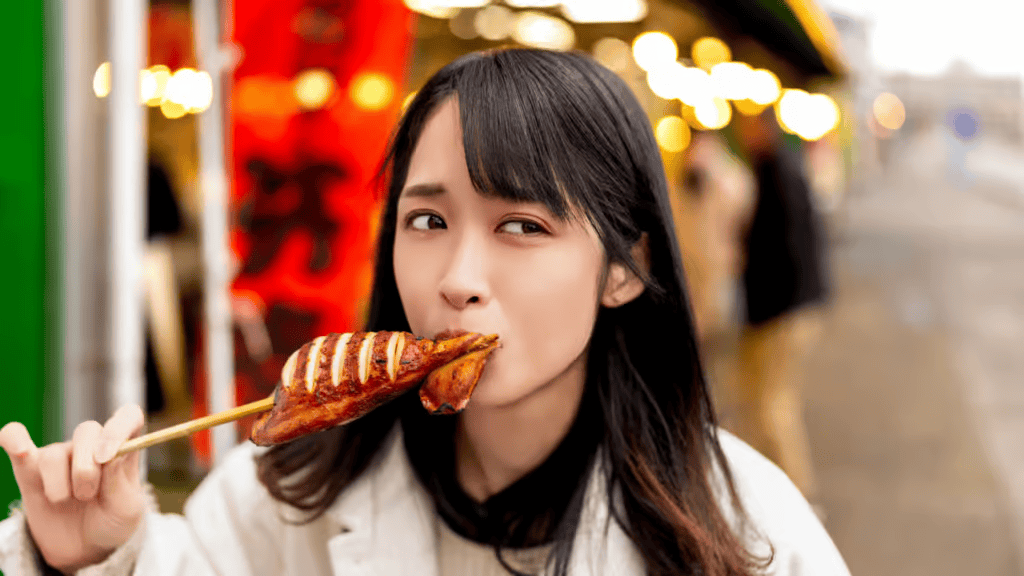
In Japan, food is treated with intention. You’ll notice that eating while walking down the street is quietly discouraged. It’s seen as careless—something that can lead to mess and disrupt the shared public space. Instead, even street food is meant to be enjoyed standing near the vendor or taken home to eat properly. This custom reflects a broader cultural value of mindfulness and respect for one’s surroundings. For visitors used to multitasking meals, it’s a gentle reminder that in Japan, eating is an act meant to be focused on, not rushed through.
South Korea: Pouring as a Sign of Respect

In South Korea, mealtime is a communal affair where etiquette reinforces social bonds. A key rule is that you should never pour your own drink. Instead, you pour for others, and they pour for you. This simple act is a gesture of attentiveness, care, and respect, especially towards elders or those in higher positions. Tourists who unknowingly refill their own glass might be seen as socially unaware. The custom beautifully illustrates how meals in Korea are about relationships and mutual consideration, not just individual consumption.
Germany: Transparency as a Right
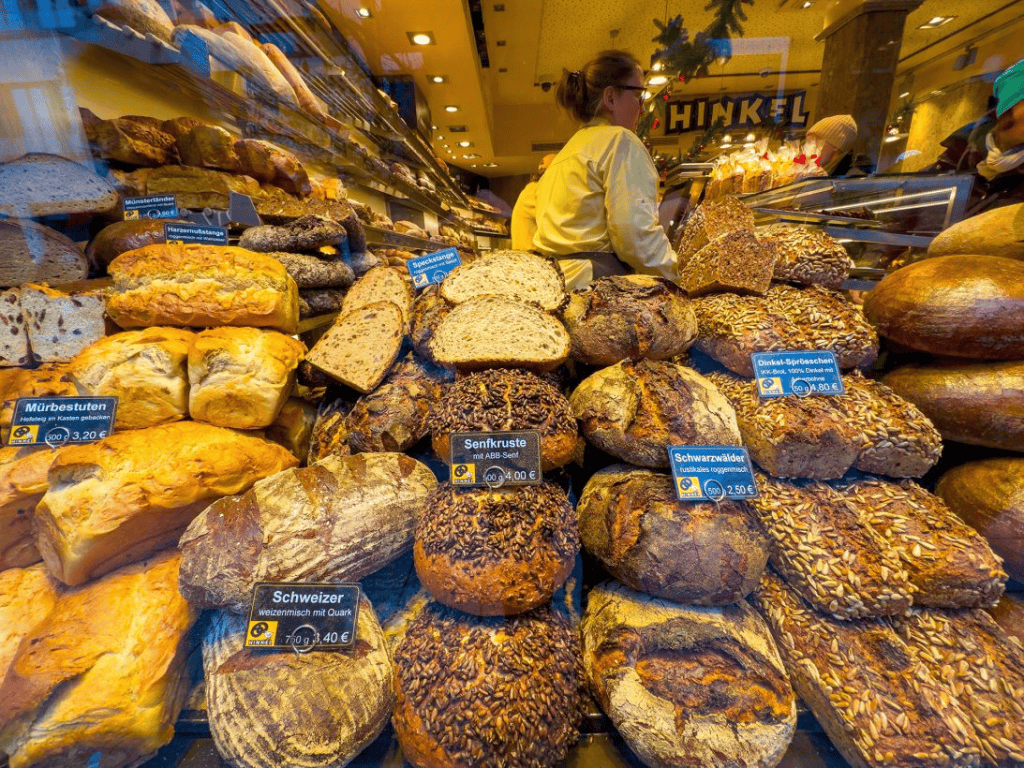
German food culture is shaped by a deep-seated belief in consumer protection and honesty. This translates into some of the world’s strictest regulations on food labeling, ingredients, and production. Many additives common elsewhere are banned, and the definition of what can be called “bread” is formally regulated. Visitors often notice that packaged foods have shorter, simpler ingredient lists. These rules aren’t bureaucratic overreach to Germans; they’re a guarantee of quality and integrity, quietly shaping what people consider “normal” and trustworthy food.
India: Cleanliness and the Role of the Hand

In traditional Indian dining, the division between the right and left hand is significant. The right hand is considered clean and is used for eating, serving, and passing dishes. The left hand is associated with personal hygiene tasks. For tourists, using the left hand to eat or accept food can unintentionally cause offense, especially in homes or more traditional settings. This custom highlights how food etiquette is intertwined with deep-seated ideas about purity, respect, and social awareness, turning a simple meal into a ritual of cleanliness.
China: The Message of a Leftover Bite

In China, the custom around clearing your plate is the opposite of what many Westerners are taught. Finishing every single grain of rice can signal to your host that they didn’t provide enough food. Leaving a small amount behind, however, communicates that you are full, satisfied, and that the host was generous and abundant. This practice directly challenges the Western ideal of waste-avoidance. For visitors, it’s a powerful lesson in how a culture’s priorities—in this case, honoring the host’s generosity over individual consumption—shape even the most basic dining habits.
Sweden: A Controlled Approach to Alcohol

Sweden’s relationship with alcohol is reflected in its state-controlled retail system. Beer, wine, and spirits are primarily sold through government-run shops with limited hours, while grocery stores only carry low-alcohol options. Tourists expecting the convenience of buying wine with their dinner groceries often find this surprising. These regulations aren’t about judgment; they’re a public health measure aimed at moderating consumption. The system reveals how a society can use policy to shape food and drink culture, prioritizing collective well-being over individual convenience.