Eight Grocery Brands That Altered Recipes and Faced Consumer Backlash

There are few things more personal than the taste of a beloved product. A can of soup, a jar of peanut butter, a cookie from childhood, these aren’t just groceries. They’re memories, comfort, and ritual. So when a brand quietly changes the formula, consumers notice. Even small tweaks can trigger outrage. Here are eight brands whose recipe changes sparked fierce reactions from devoted fans.
Ben & Jerry’s Texture Transformation

Ben & Jerry’s, a brand synonymous with social responsibility, made changes to meet sustainability goals. It replaced certain dairy sources and stabilizers in select flavors. The result was a softer texture that melted faster. Fans noticed, and they weren’t happy. Even a beloved brand with a strong mission learned that when it comes to ice cream, texture is part of taste. Dessert lovers demand both ethics and perfection.
Tropicana Orange Juice’s Less-Sweet Shift

Tropicana set out to clean up its label, reducing added sugars and adjusting pulp ratios. Nutrition experts approved. But longtime drinkers had a different reaction. The new version, they said, tasted thin and slightly sour. What was once a reliable morning ritual became a source of disappointment. The backlash showed how even small tweaks to natural fruit balance can disrupt something as simple and sacred as breakfast.
Campbell’s Condensed Soups Get a Makeover

Campbell’s tried to modernize its image by cutting sodium and removing preservatives from its classic condensed soups. The company highlighted the health benefits. Customers, however, noticed a lighter taste and thinner consistency. For generations, that soup had meant comfort, illness, cold days, childhood. When the flavor shifted, something intangible was lost. Nostalgia doesn’t always align with nutrition goals.
Oreos and the Filling Controversy
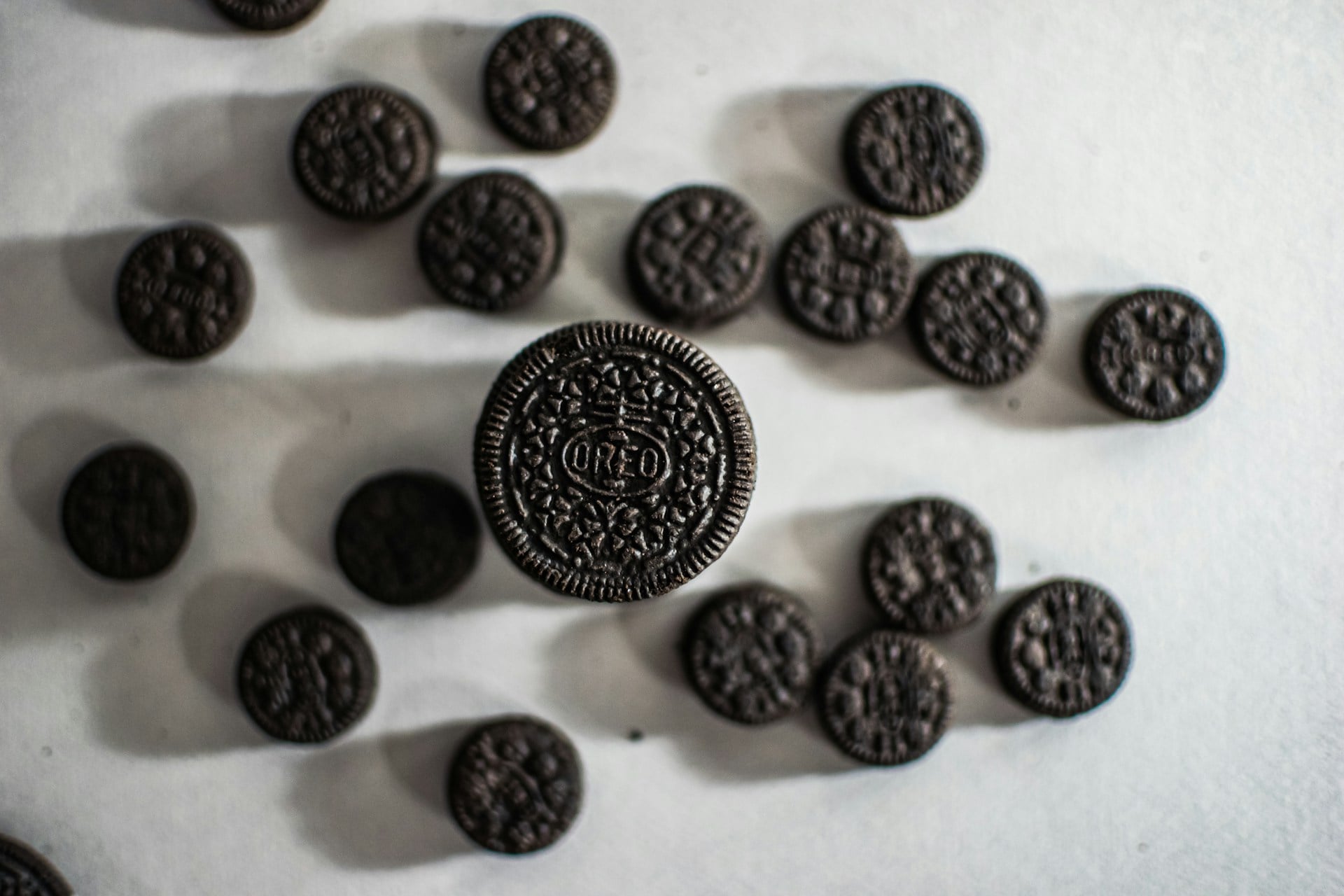
Fans have long whispered that Oreo cream isn’t what it used to be. Nabisco reformulated the filling for smoother production and better shelf stability. But critics insisted it tasted less rich. Online forums filled with side-by-side taste tests and passionate arguments. The debate proved that even the smallest change to a cookie’s center can spark a national conversation. Oreo loyalists take their cream seriously.
Hellmann’s Mayonnaise Goes Greener

Hellmann’s updated its recipe to use cage-free eggs and sustainable oils, a move aligned with eco-friendly sourcing. Many supported the mission. But some noticed a thinner texture and tangier flavor. The reformulation highlighted a delicate balance: how do you improve ethics without sacrificing the familiar richness people expect? Even with good intentions, you can’t please everyone.
Coca-Cola’s “New Coke” Legacy Returns

The 1985 New Coke disaster is the stuff of marketing legend, but the lesson didn’t stick forever. Decades later, Coke again experimented with subtle formula adjustments to align with sugar-reduction trends. Even minor changes to sweetness stirred immediate debate on social media. Consumers made it clear: some flavors are too iconic to modify, no matter how noble the intention. The backlash proved that Coca-Cola isn’t just a drink; it’s a fixed point in people’s lives.
Cheez-It’s Flavor Formula Tweaks

Kellogg’s adjusted Cheez-It ingredients, introducing different cheese blends and reducing artificial coloring. Snackers were not impressed. They said the crackers had become less sharp and more bland. Loyal fans voiced frustration across social media, proving that bold, salty nostalgia often outweighs subtle “better-for-you” improvements. Sometimes you just want the original, exactly as it was.
Jif Peanut Butter’s Smooth Reformulation
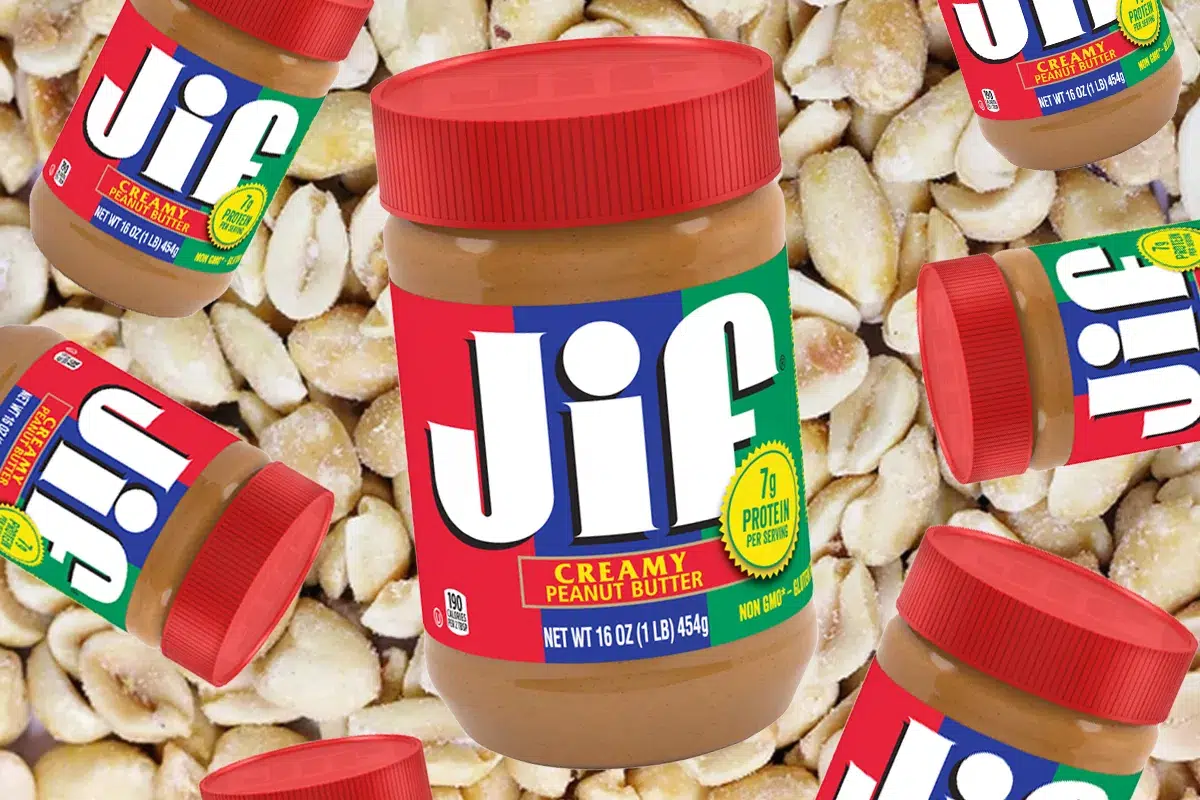
Jif modified its oil blend to create smoother spreading and longer shelf life. Texture fans immediately pushed back. The new version, they claimed, felt oilier and less nutty. J.M. Smucker Co. defended the update as efficiency-driven, but brand loyalty for peanut butter runs deep. It’s a staple of childhood lunches and midnight snacks. Mess with it at your own risk.
These stories remind us that food is never just fuel. It’s identity. It’s memory. It’s the taste of a moment that can’t be replicated. When brands change what we love, they’re not just adjusting ingredients. They’re touching something deeper. And we notice every time.