Key Ingredients to Master Authentic French Country Cooking

Just imagine a French countryside kitchen, where sunlight pours through draped windows and spills across a slightly worn wooden table. The air smells of simmering broth, fresh herbs, and butter melting in a warm pan. This is French country cooking—”cuisine de terroir”—where food is a celebration of the land and the seasons. It’s not about complicated techniques or rare ingredients. It’s about simplicity, depth, and the kind of cooking that fills a kitchen with warmth and a table with people who want to stay a while.
Farm-Fresh Produce
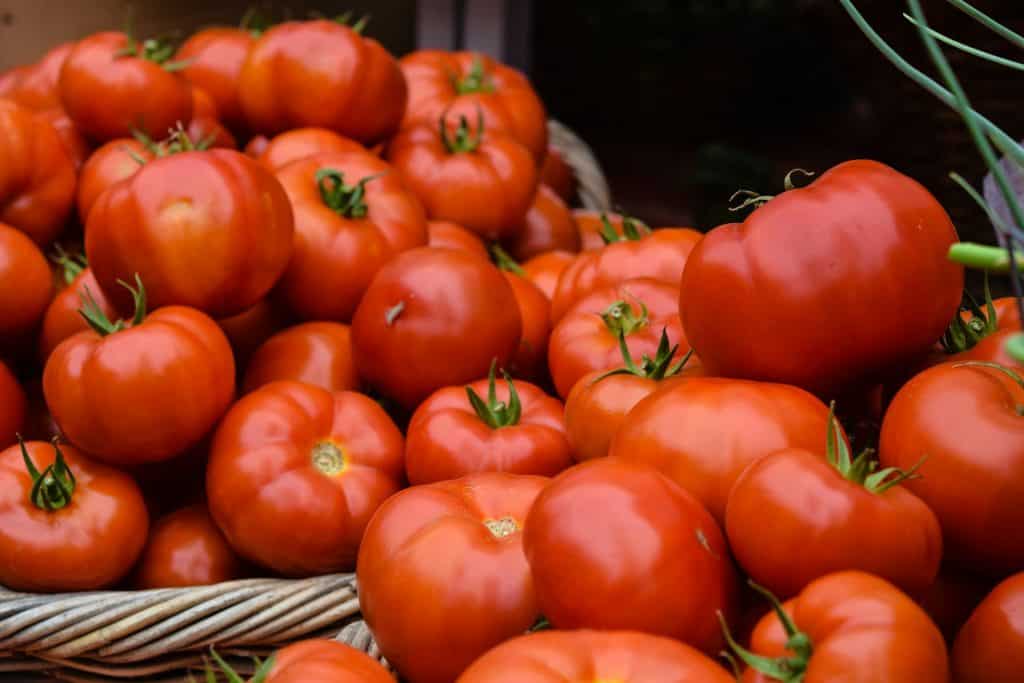
In the French countryside, the earth gives generously. Vibrant tomatoes, earthy mushrooms, fragrant herbs—each visit to the local marché is a reminder to cook with the seasons. Biting into a ripe, sun-warmed tomato, its sweetness mingling with fresh basil, you taste the soil and the sun that grew it. These ingredients ask very little of the cook, because freshness is already the star.
Local Cheeses
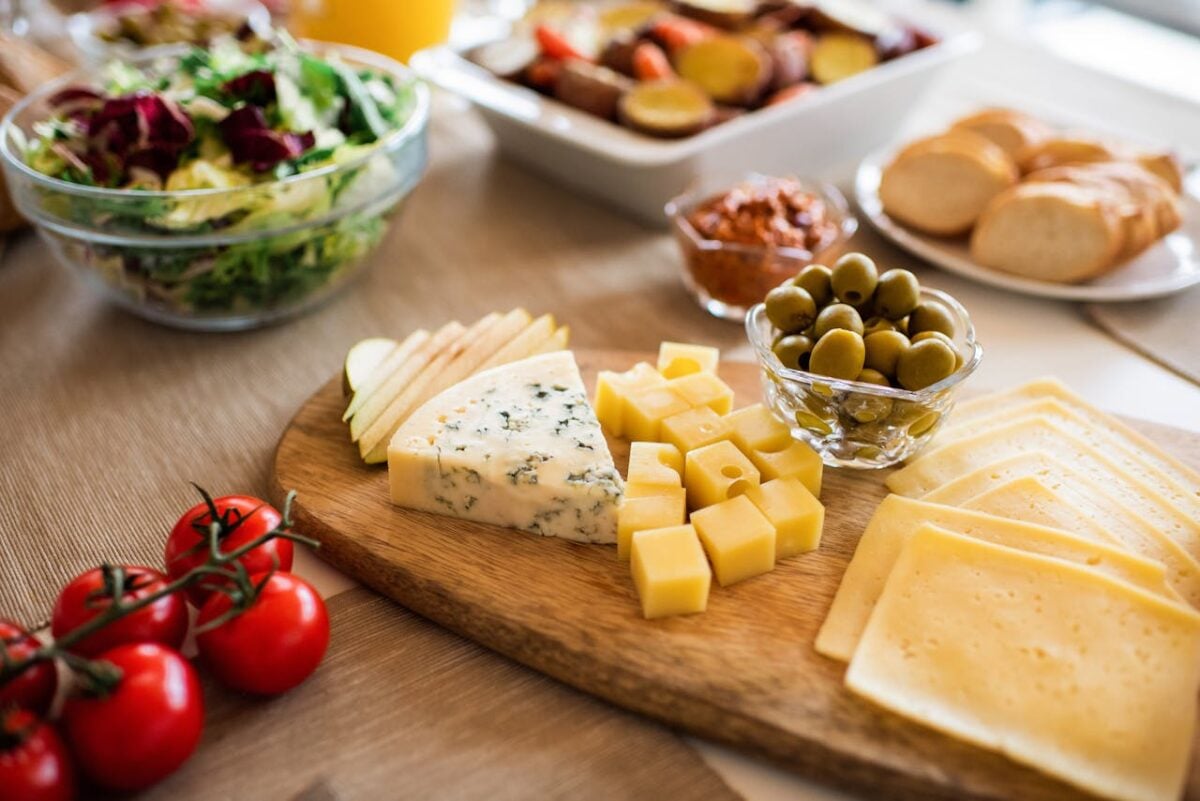
French cheese is more than an ingredient—it’s a story. Buttery Brie de Meaux, pungent Roquefort, creamy young chèvre, nutty Comté—each region offers its own treasure, shaped by time-honored expertise. A cheese board is a map of France, each bite whispering of pastoral landscapes and generations of craftsmanship. It’s the kind of thing you serve with good bread and let the conversation wander.
French Wines
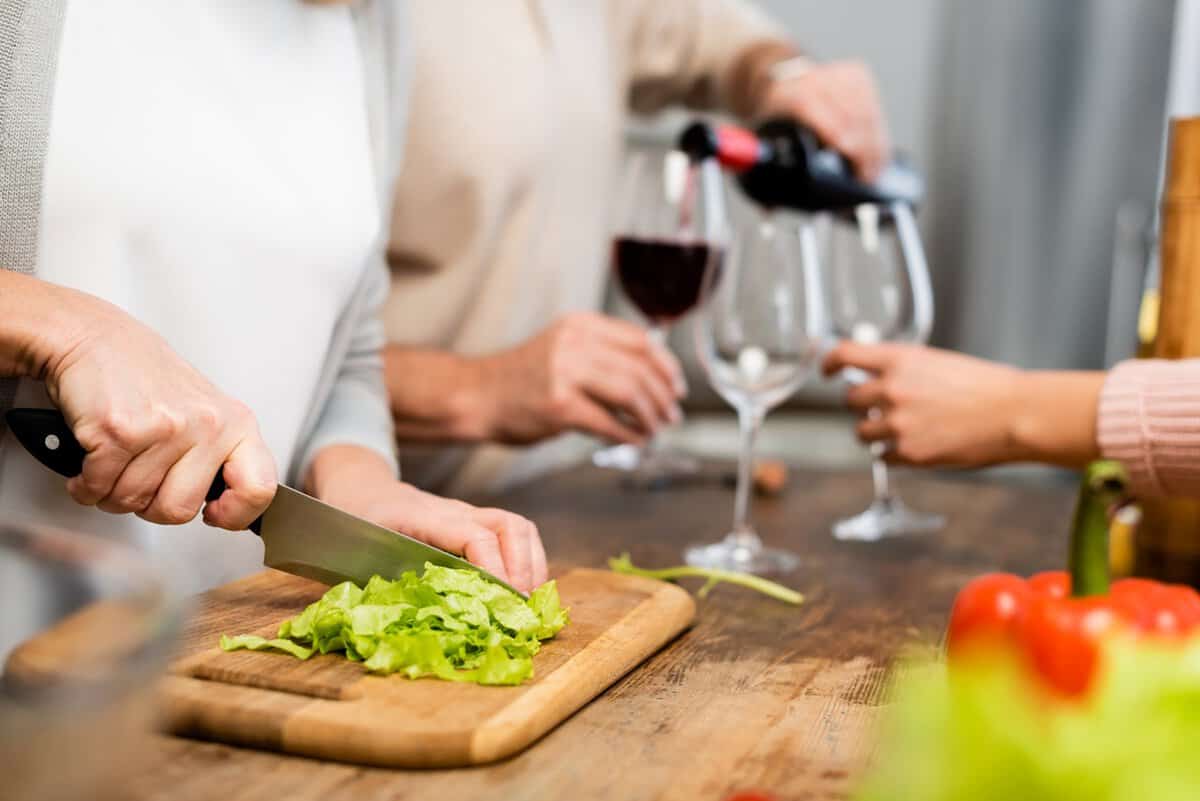
In French country cooking, wine isn’t just for drinking—it’s for cooking, too. A splash of robust Bordeaux deepens a coq au vin; the crisp brightness of a Chablis balances a seafood feast. Every drop carries centuries of viticulture, vineyards that roll across hillsides, and the quiet patience of winemakers. In the kitchen, wine adds complexity and grace, turning simple ingredients into something memorable.
Rich Broths and Stocks
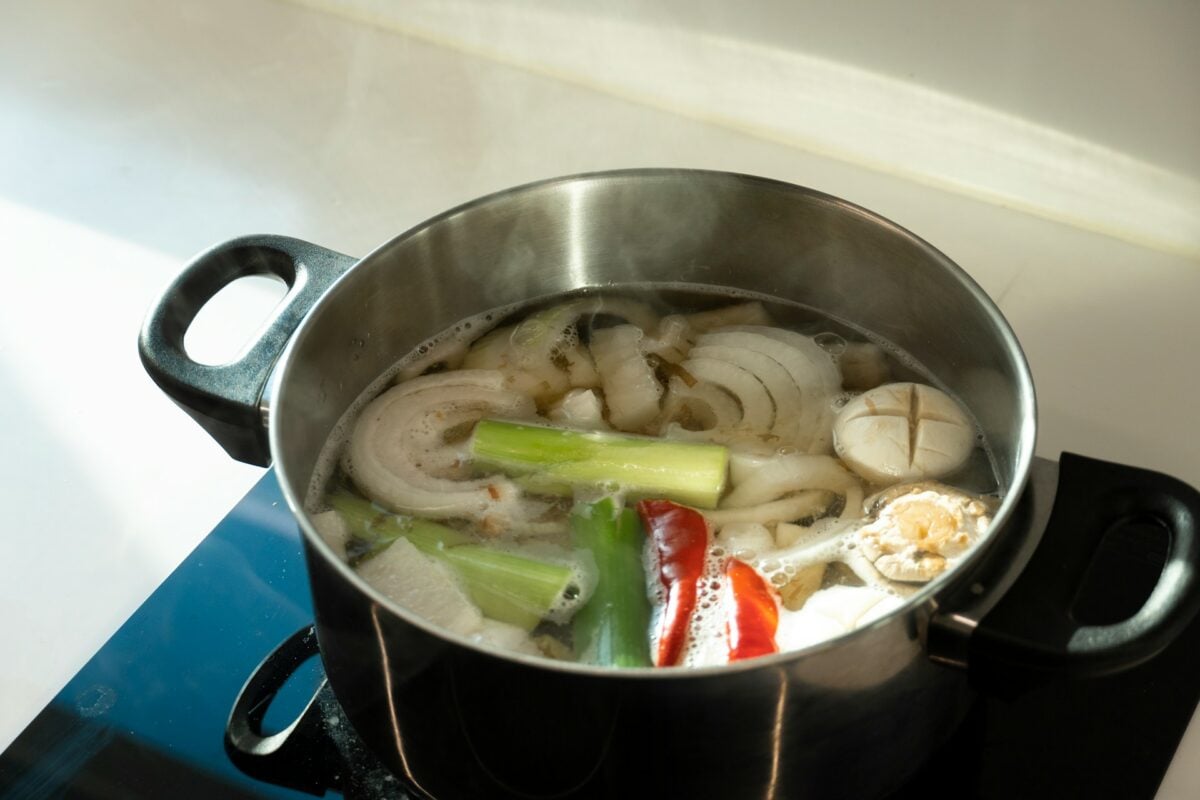
A good stock is the quiet heart of French country cooking. Picture a copper pot on the stove, simmering with oxtail, root vegetables, and herbs. The fragrance that fills the kitchen is the foundation of everything that follows—velvety sauces, soul-warming soups, hearty stews. It takes time, but that’s the point. A well-crafted stock turns humble ingredients into something deep and resonant.
Aromatic Herbs
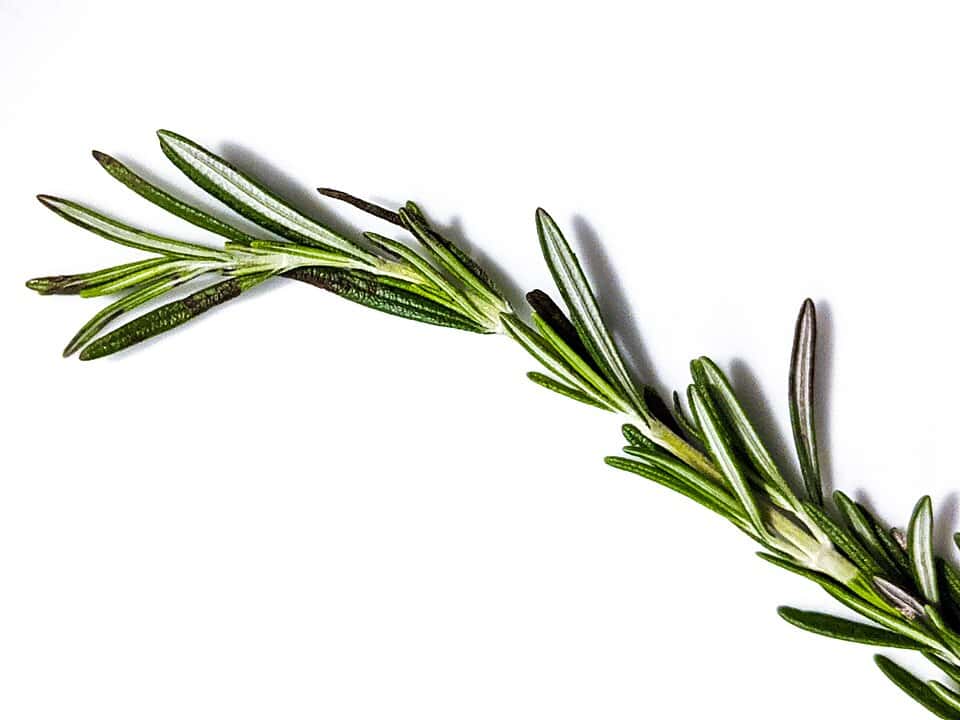
The scent of lavender, rosemary, and thyme drifting through a kitchen is the scent of Provence itself. A bouquet garni—a bundle of herbs tied with twine and dropped into a simmering pot—is a small act that transforms a dish. These herbs aren’t just seasoning; they’re the breath of the countryside, turning simple vegetables or a pot of beans into something poetic.
Golden Olive Oil
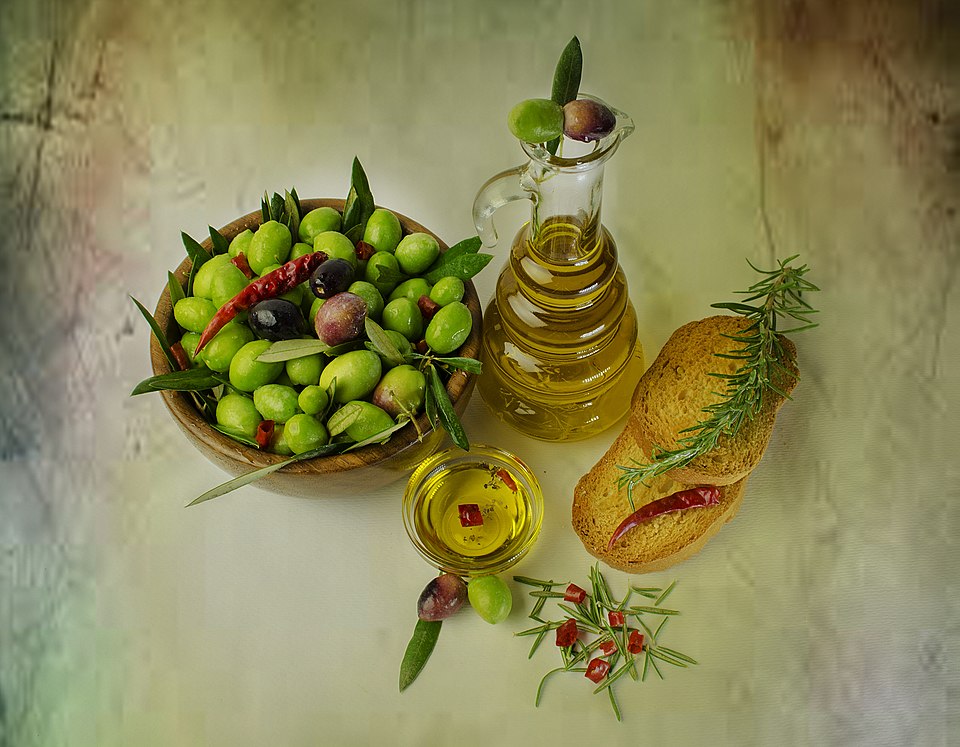
In Provence, olive oil flows like liquid gold, pressed from ancient trees and tended with care. It’s the soul of so many dishes—drizzled over fresh vegetables, emulsified into vinaigrettes, poured over crusty bread. Each drop carries the warmth of the sun and the patience of generations. You taste the landscape in every spoonful.
Artisan Breads
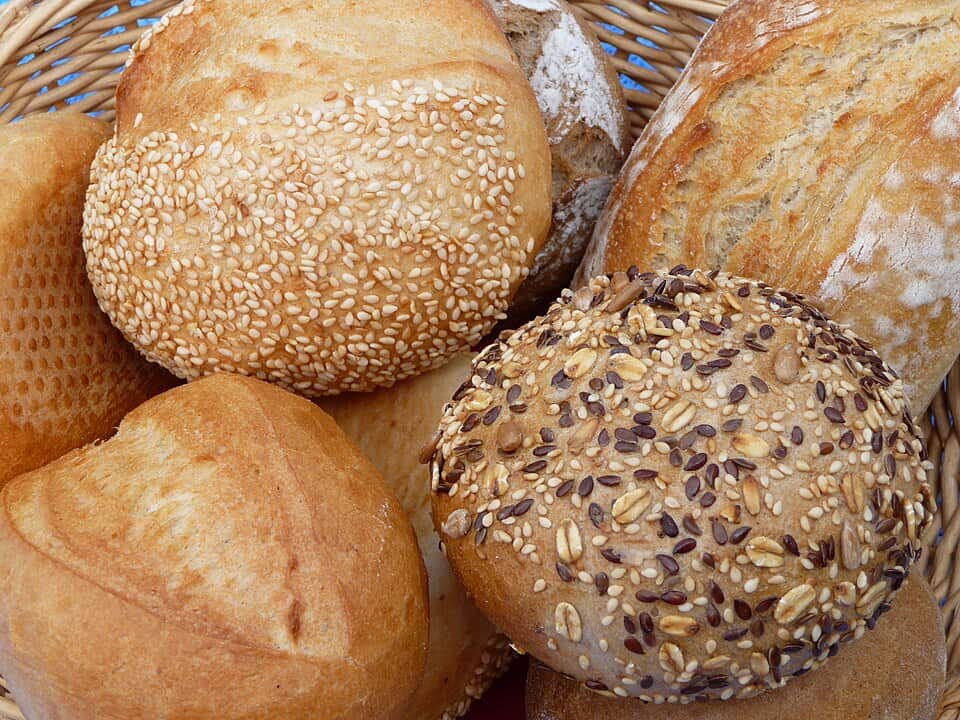
There’s nothing quite like tearing into a crusty baguette, its golden exterior crackling under your fingers, the warm, yeasty steam rising up to meet you. In French country kitchens, bread isn’t just an accompaniment—it’s a tradition, kneaded into every meal. Sourdough, pain de campagne, a simple loaf from the local baker—it’s there to cradle creamy cheese, soak up sauces, and remind you that the simplest things are often the best.
Fresh Butter
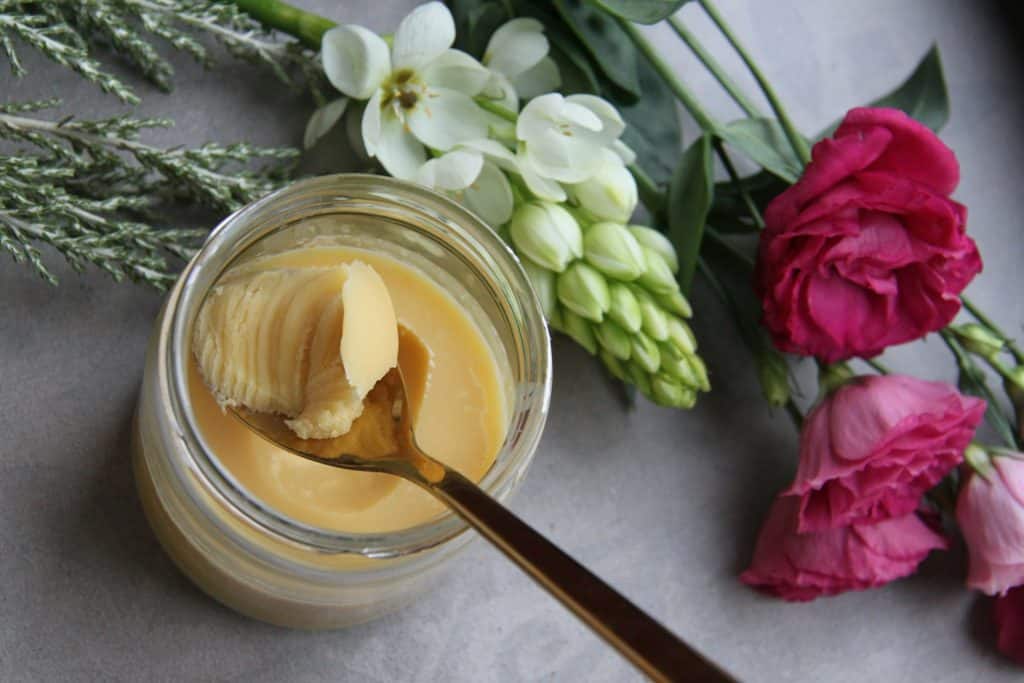
Butter holds a beloved place in French country cooking. Churned from cream and shaped into golden blocks, it’s spread generously over warm bread or melted into sauces for richness. When it hits a hot pan, it sizzles and releases a nutty aroma that signals something good is about to happen. It’s one of those ingredients that transforms the everyday into something special.
Lardons and Cured Meats
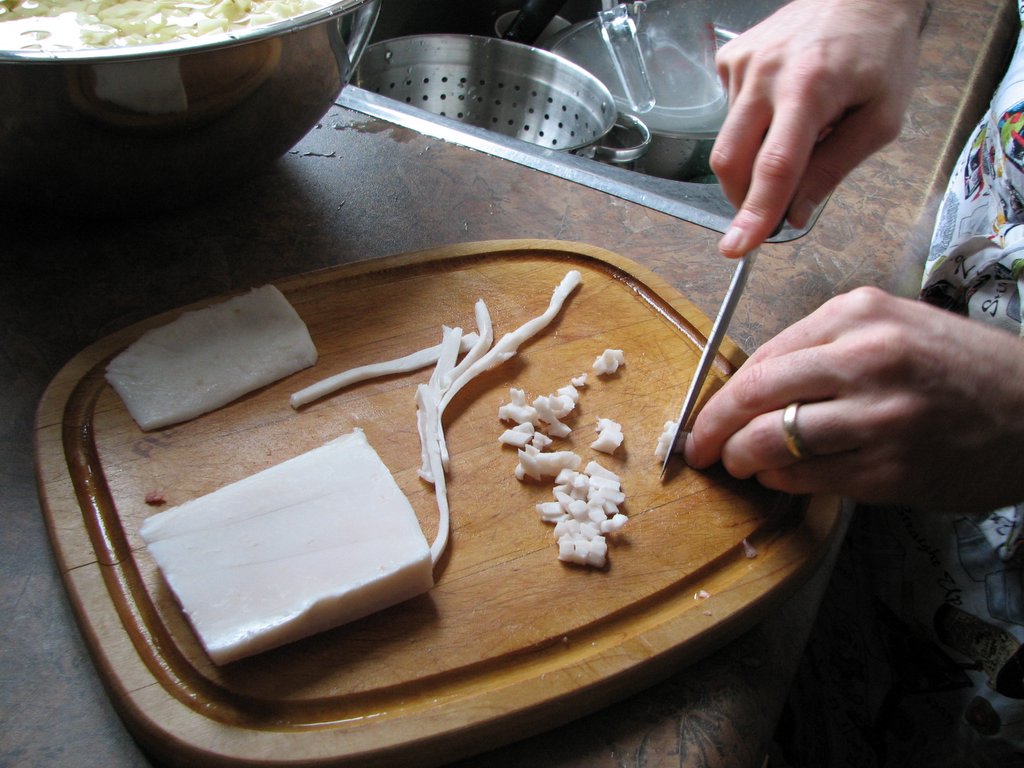
The unmistakable aroma of sizzling lardons—cubes of salt-cured pork belly—is the smell of French country cooking at its heart. They add smoky depth to quiche Lorraine, build the foundation for cassoulet, and lend their rendered fat to slow-cooked magic. Alongside lardons, rustic sausages, duck confit, and jambon de Bayonne bring character to stews and charcuterie boards. These are the ingredients that give French cooking its soul.
Legumes and Hearty Grains
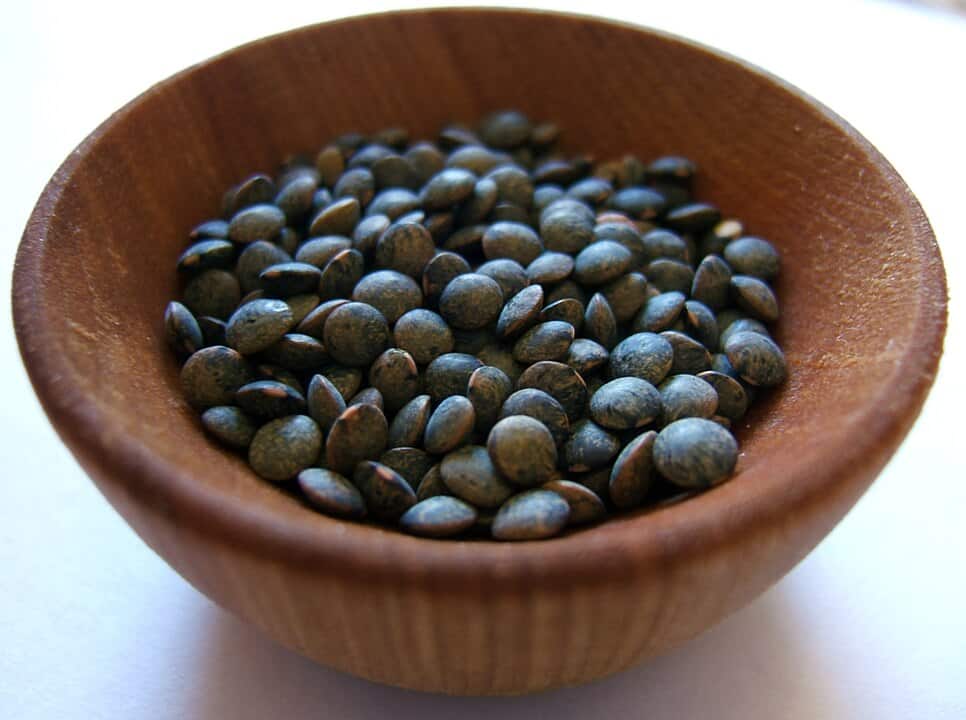
For all its elegance, French country cuisine is deeply nourishing. Lentilles du Puy—small green lentils with a peppery bite—are simmered with aromatics and served alongside sausage or duck. White beans, chickpeas, and barley show up in robust soups and vegetable medleys, soaking up layers of flavor. These humble staples ground the cuisine in comfort and tradition, reminding us that the most satisfying meals are often the simplest.
What makes French country cooking so special isn’t complexity—it’s intention. It’s the decision to cook with what the season offers, to take time with a stock, to break bread with people you love. These ingredients are just the beginning. The rest is up to you.