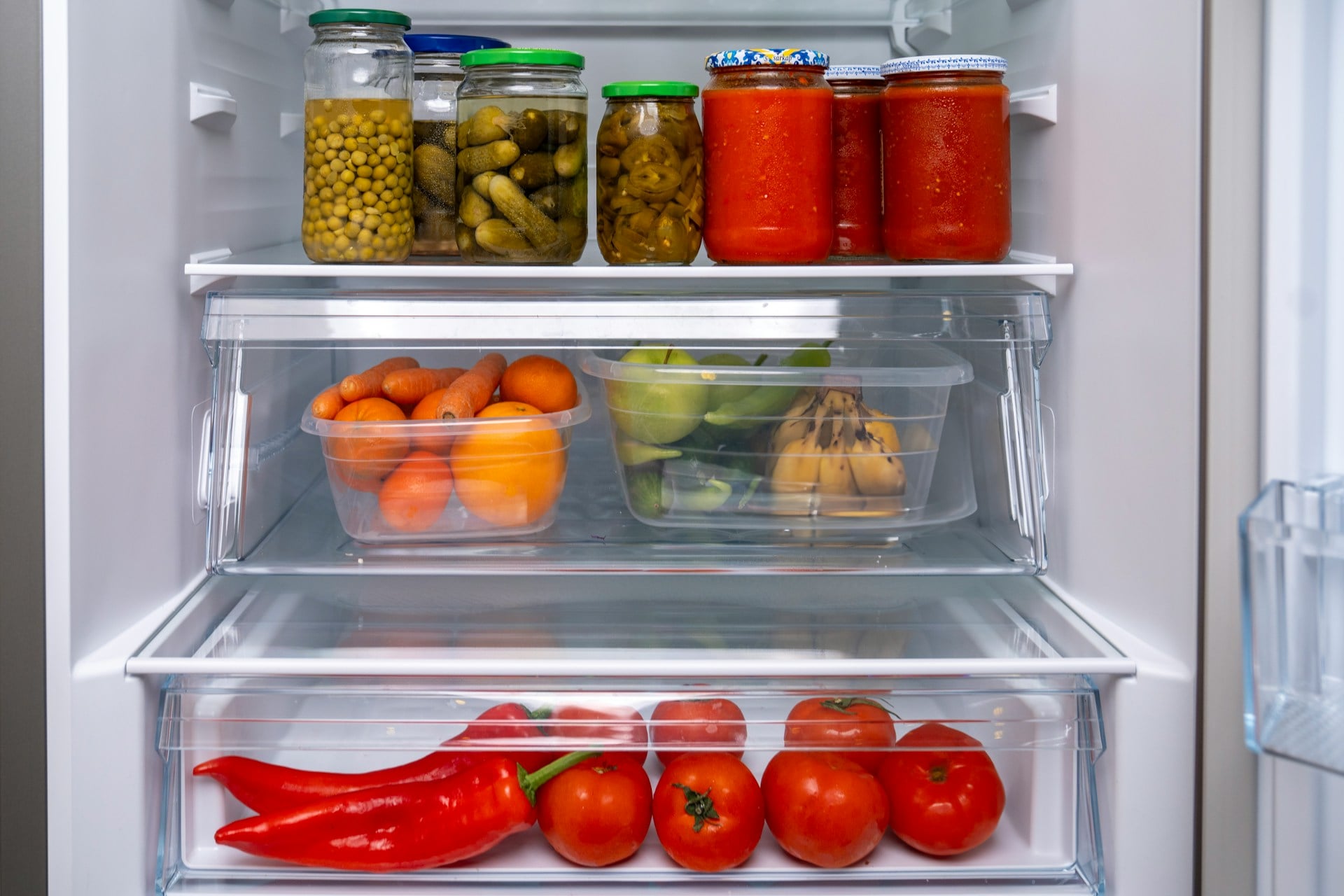
Practical Hacks to Minimize Food Waste in Your Kitchen Today

Food waste is one of those problems that feels overwhelming, but the solution is often simpler than you think. It’s not about overhauling your entire kitchen routine. It’s about small, consistent habits that add up. A little planning, a few smart storage tricks, and a willingness to get creative with leftovers can keep more food on your plate and out of the trash. Here are eight clever hacks to help you stretch every bite a little further.
Understand Expiration Labels

“Best by” and “sell by” dates are not the same as “dangerous after.” They’re manufacturer suggestions for peak quality, not hard deadlines. Use your senses. Does the milk smell fine? Does the yogurt look normal? Trust yourself. Many foods are perfectly safe and tasty well past those printed dates. A little knowledge saves a lot of perfectly good food.
Store Produce Properly
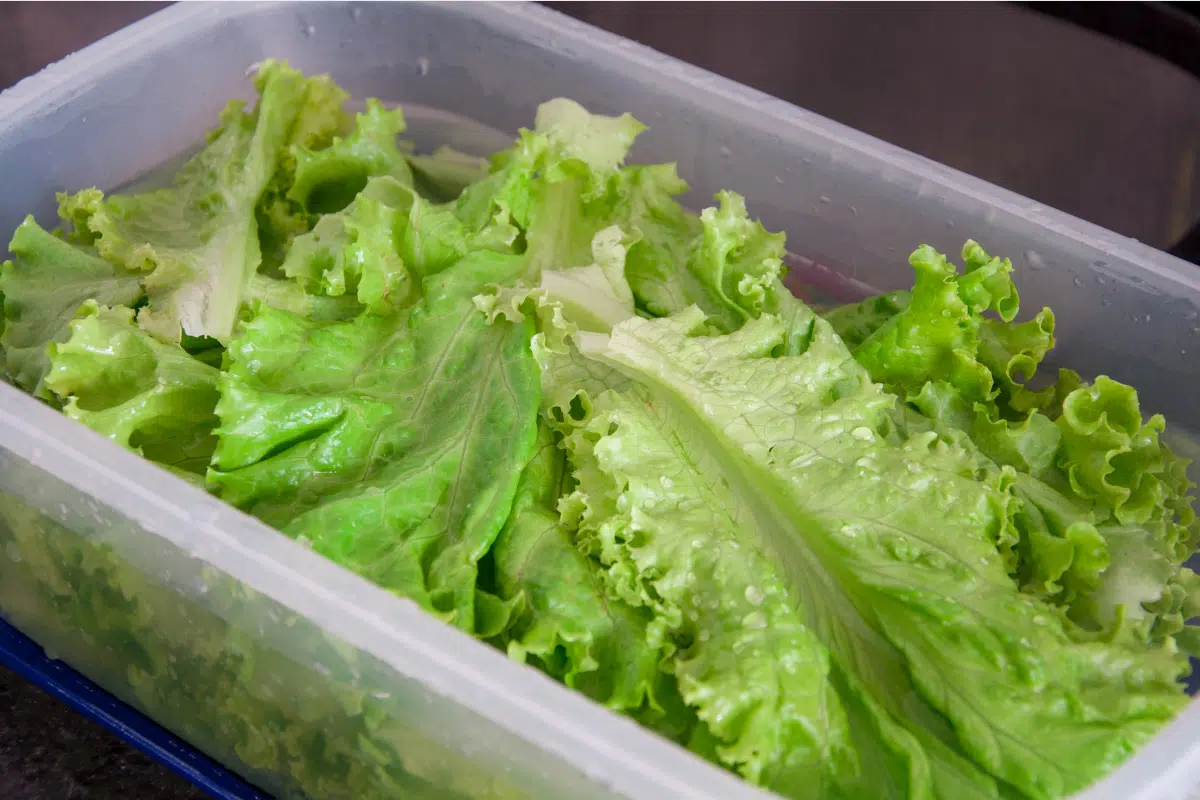
Not all fruits and vegetables are friends. Apples and bananas release ethylene gas, which speeds up ripening in everything around them. Keep them separate from other produce. Herbs need moisture; wrap them in damp paper towels. Leafy greens like air circulation; don’t cram them into tight spaces. A little knowledge about how your produce behaves goes a long way in keeping it fresh longer.
Freeze More Than You Think
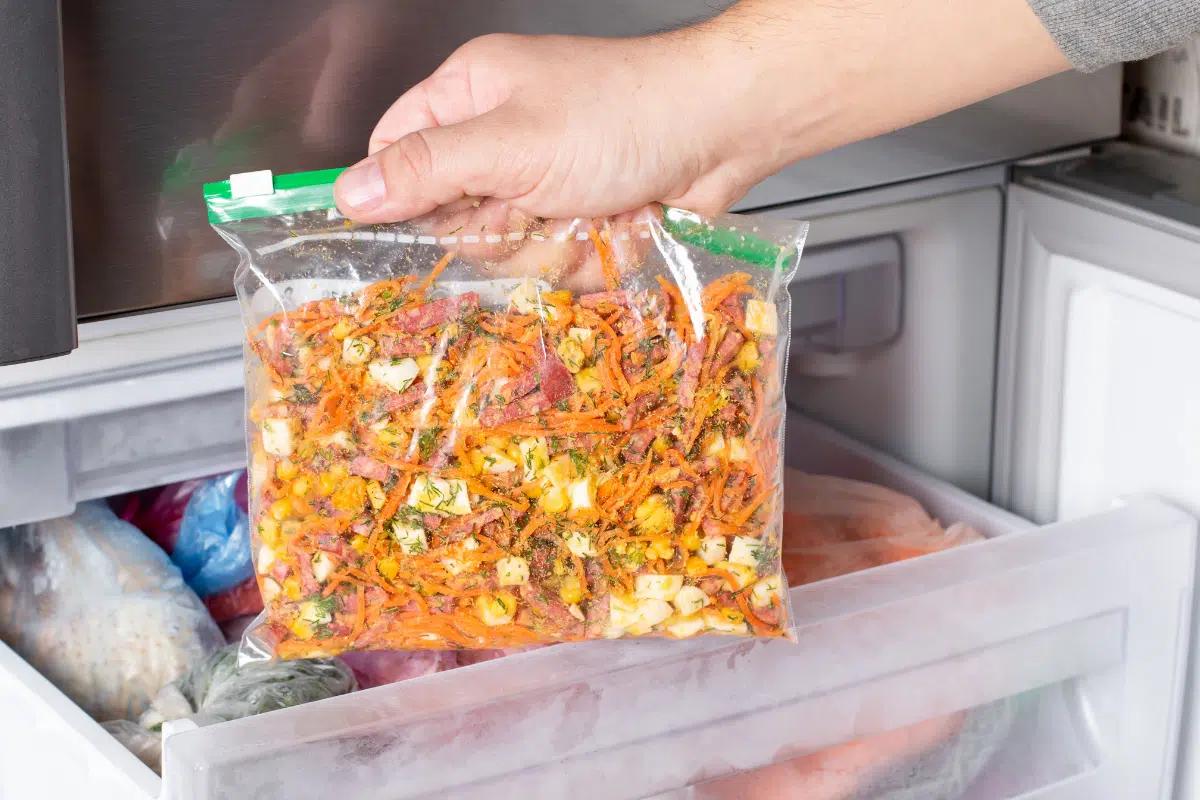
Your freezer is an underutilized tool. Bread freezes beautifully. Cheese grates better when slightly frozen. Herbs can be chopped and frozen in oil or water in ice cube trays. Cooked rice, beans, and soups all freeze well for future meals. Just label and date everything, because frozen food has a mysterious way of becoming unrecognizable. A little foresight means you’ll always have a backup meal waiting.
Keep an “Eat Me First” Bin
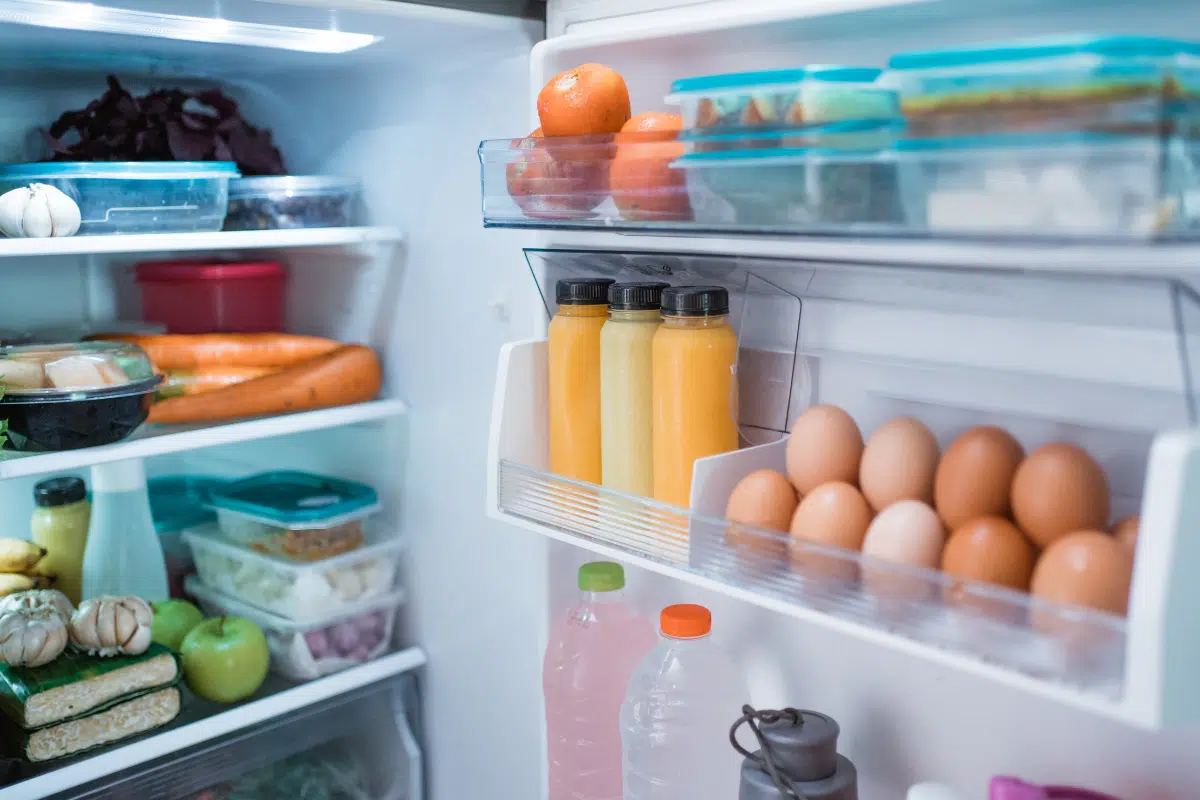
Designate a specific shelf or bin in your fridge for items that need attention. Half-eaten yogurt, leftovers from Tuesday, that bunch of herbs starting to wilt. When everything is in one place, you can’t forget about it. It’s a simple visual cue that works. Grab from here first, and you’ll stop discovering science experiments at the back of the fridge.
Plan Meals Around What You Already Have
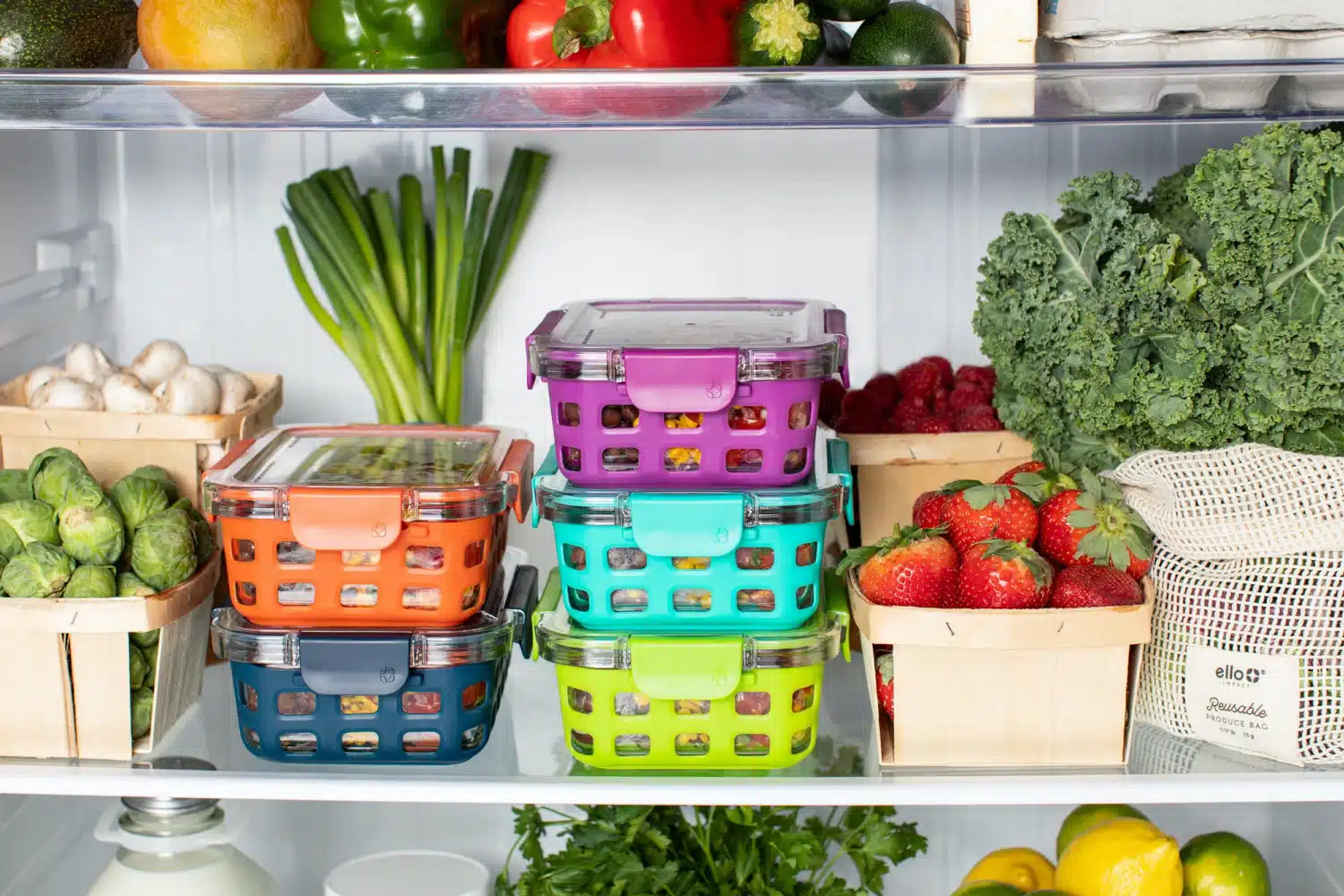
Before you make a grocery list, take a hard look at what you already own. That half-used jar of sauce, the random vegetables in the crisper drawer, the grains at the back of the pantry. Build your meal plan around those items first. It saves money, reduces waste, and forces a little creativity. You might discover a new favorite dish in the process.
Learn Portion Control
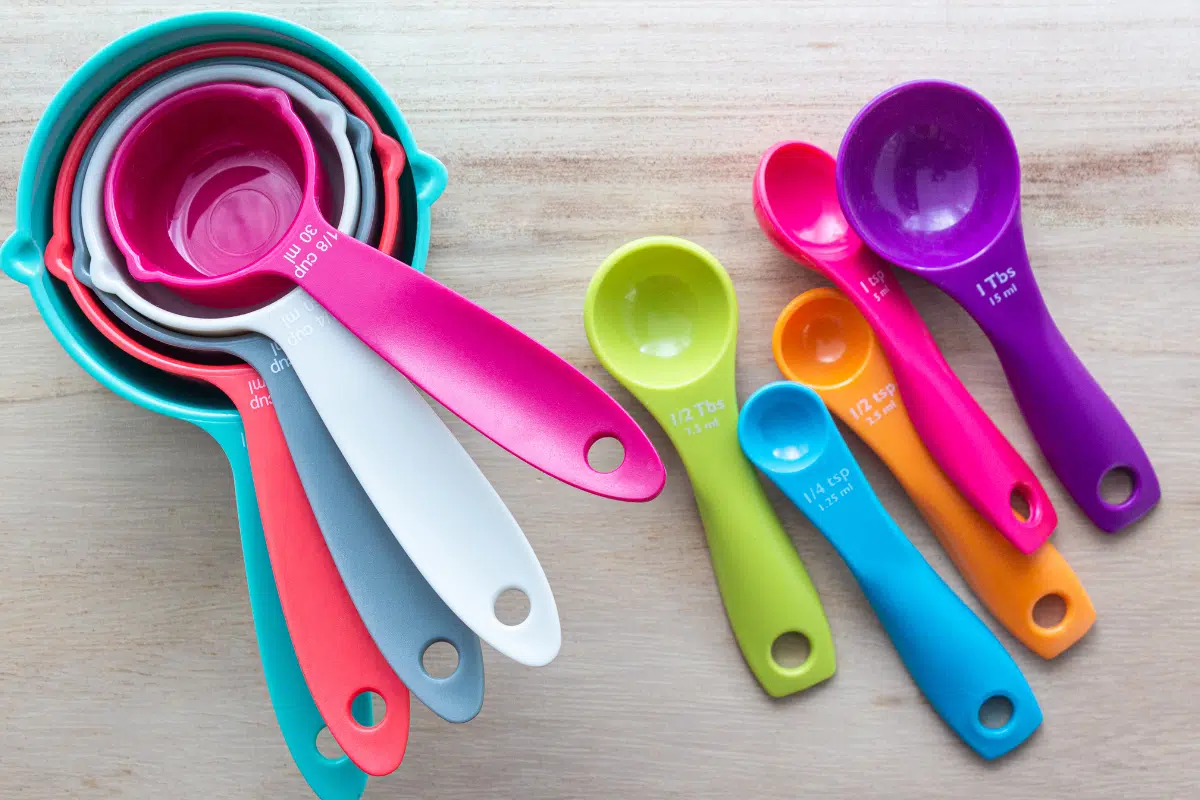
Pasta and rice are easy to overcook. A little too much becomes a lot of leftovers, and leftovers only get eaten if you actually want them. Use measuring cups or a kitchen scale to portion just what you need. For smaller households, this is especially important. Cook once, eat once, no waste.
Compost Scraps
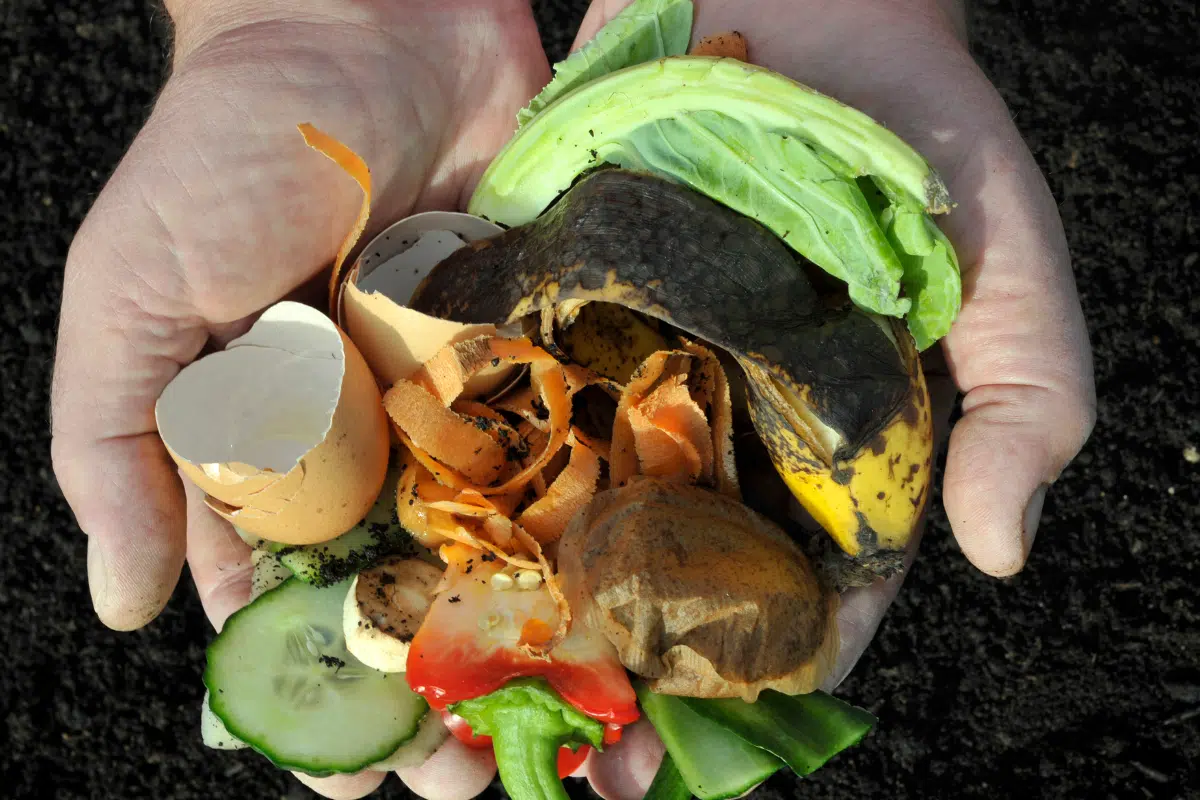
Even with the best intentions, some waste is unavoidable. Eggshells, coffee grounds, vegetable peels, they add up. Composting turns those scraps into nutrient-rich soil instead of landfill methane. Whether you have a backyard bin or a small countertop collector, composting closes the loop. Your garden, or a local community plot, will thank you.
Get Creative With Leftovers
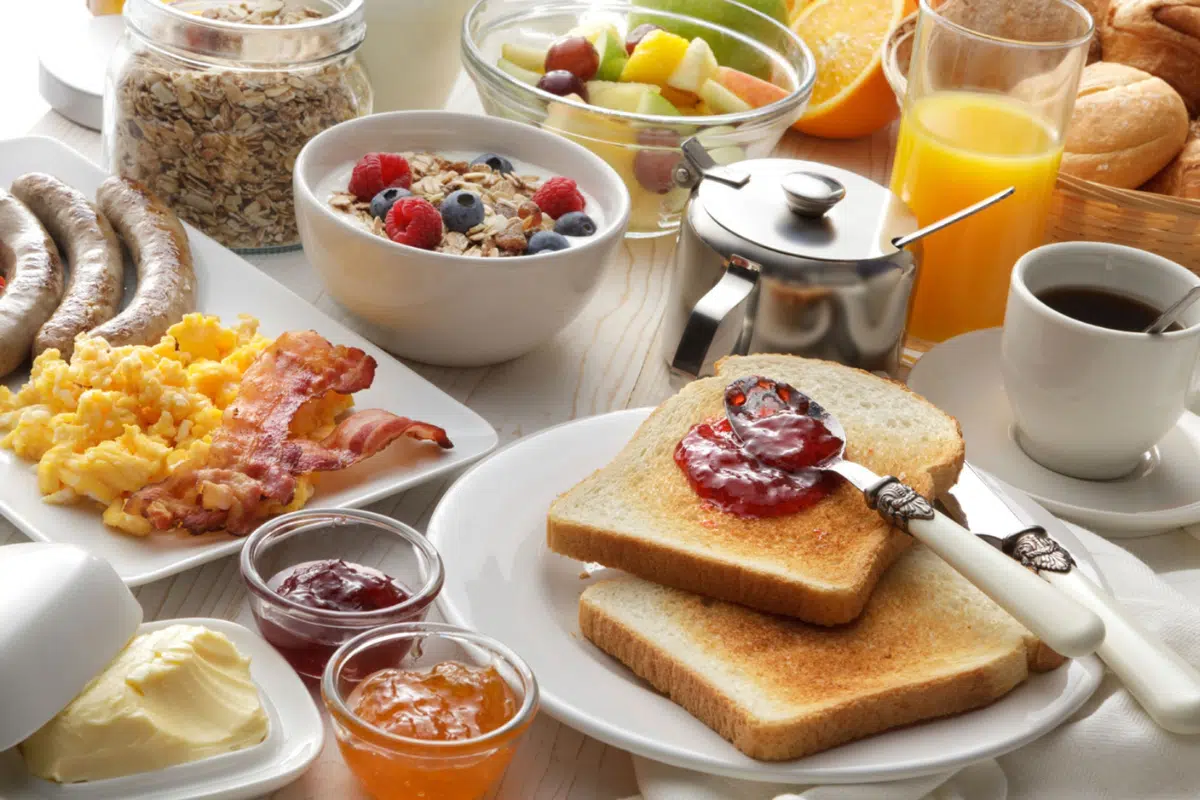
Leftovers don’t have to mean eating the same thing twice. Last night’s roasted vegetables can become this morning’s breakfast hash. Overripe fruit is perfect for smoothies or baked goods. Stale bread becomes croutons, breadcrumbs, or French toast. Shift your mindset from “leftovers” to “ingredients.” You’ll be surprised how many new meals are hiding in your fridge.
These habits aren’t complicated. They’re small shifts in how you think about shopping, storing, and cooking. And over time, they add up to less waste, more savings, and a kitchen that works for you, not against you