Read Those Labels: 10 Ingredients That Always Contain Gluten

Have you ever looked at a food label and felt like you were reading a foreign language? You’re not alone! When you’re learning to avoid gluten—whether for celiac disease, a gluten sensitivity, or just to see how your body feels—it can feel overwhelming at first. Gluten is a protein found in wheat, barley, and rye, and it hides in more places than you might expect. But here’s the good news: once you know what to look for, reading those labels becomes so much easier. Think of this as your friendly field guide to the ingredients that always, without fail, contain gluten. We’ll go through them one by one, nice and slow, so you can shop and cook with confidence.
Atta or Chapati Flour
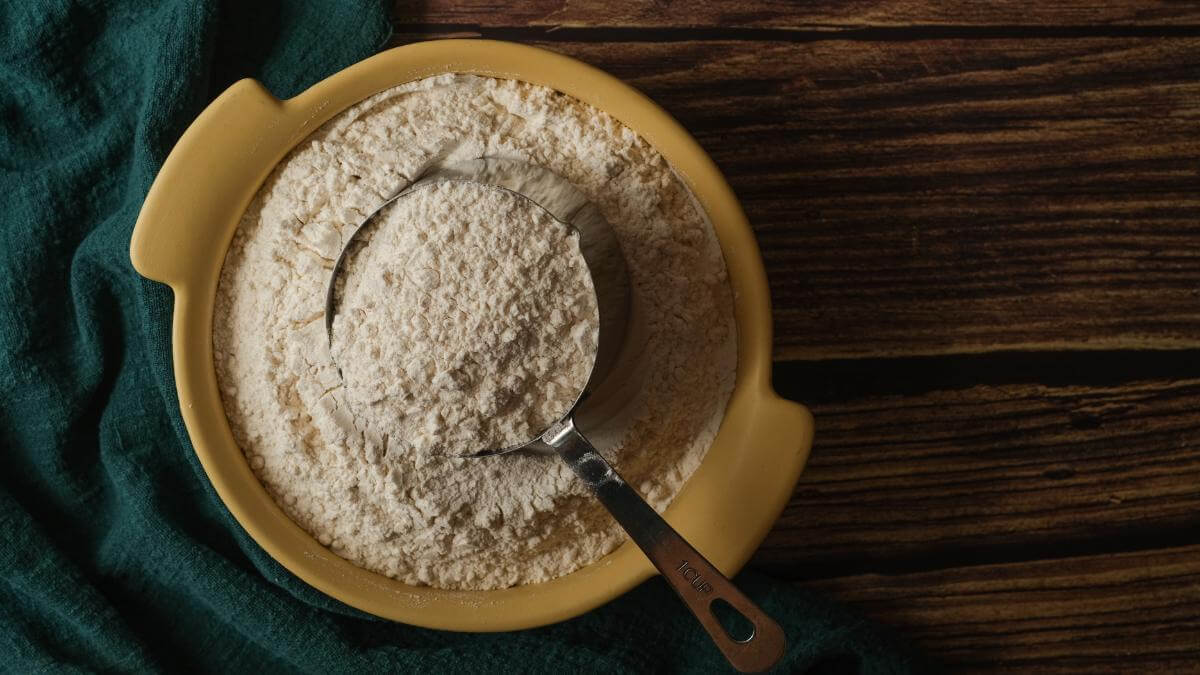
If you love Indian food, you’ve almost certainly enjoyed dishes made with atta, also known as chapati flour. It’s a finely ground whole wheat flour with a beautiful pale brown color and a slightly grainy texture that makes it perfect for creating soft, tender flatbreads like chapatis and rotis. These breads are a daily staple in many Indian households, and for good reason—they’re absolutely delicious! But because atta is made from whole wheat, it contains gluten. If you’re avoiding gluten, you’ll want to look for chapati made from alternative flours like chickpea flour (besan) or millet flour instead. Your favorite Indian dishes can still have a place at your table—they might just need a gluten-free twist!
Bulgur: A Form of Wheat
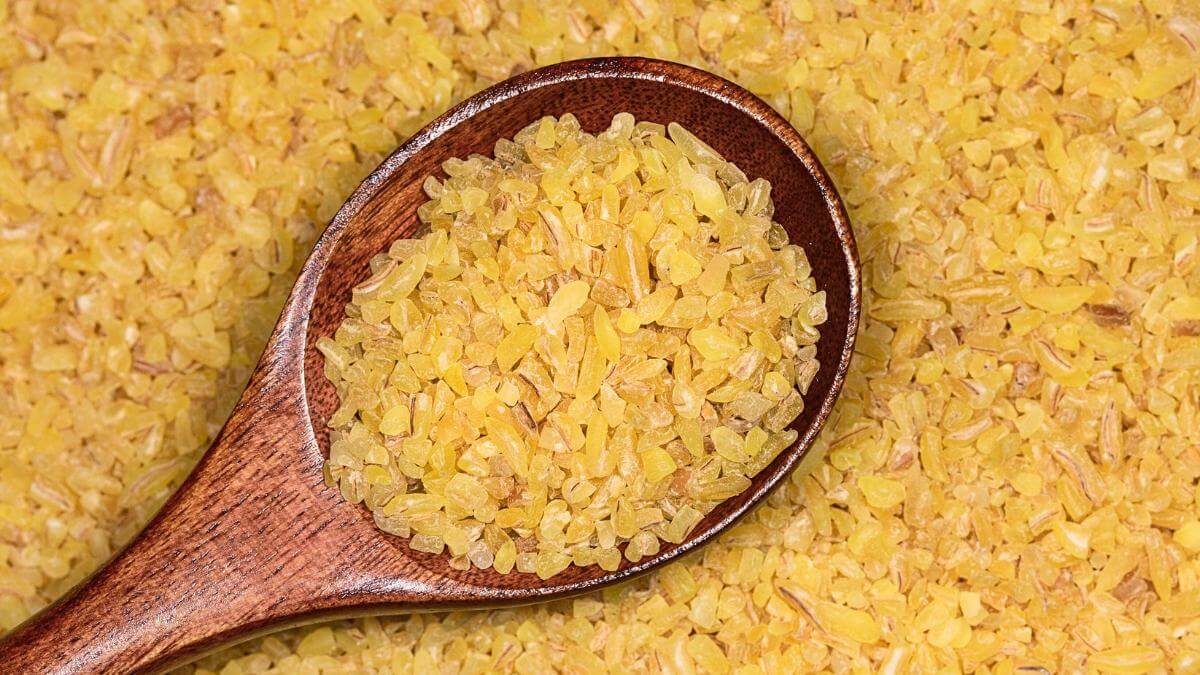
Bulgur is one of those wonderful ancient grains that has been nourishing people for thousands of years. It’s made from wheat kernels that have been cleaned, partially cooked, dried, and then ground into small pieces. The result is a nutty, chewy grain that cooks quickly and forms the base of beloved Middle Eastern and Mediterranean dishes like tabbouleh and kibbeh. It’s healthy, it’s satisfying, and it’s absolutely packed with flavor. But here’s the important part: because bulgur starts as wheat, it contains gluten. If you’re craving that tabbouleh experience, you can try making it with quinoa or cauliflower rice instead. Same fresh, herby deliciousness—completely gluten-free!
Couscous: Made from Wheat
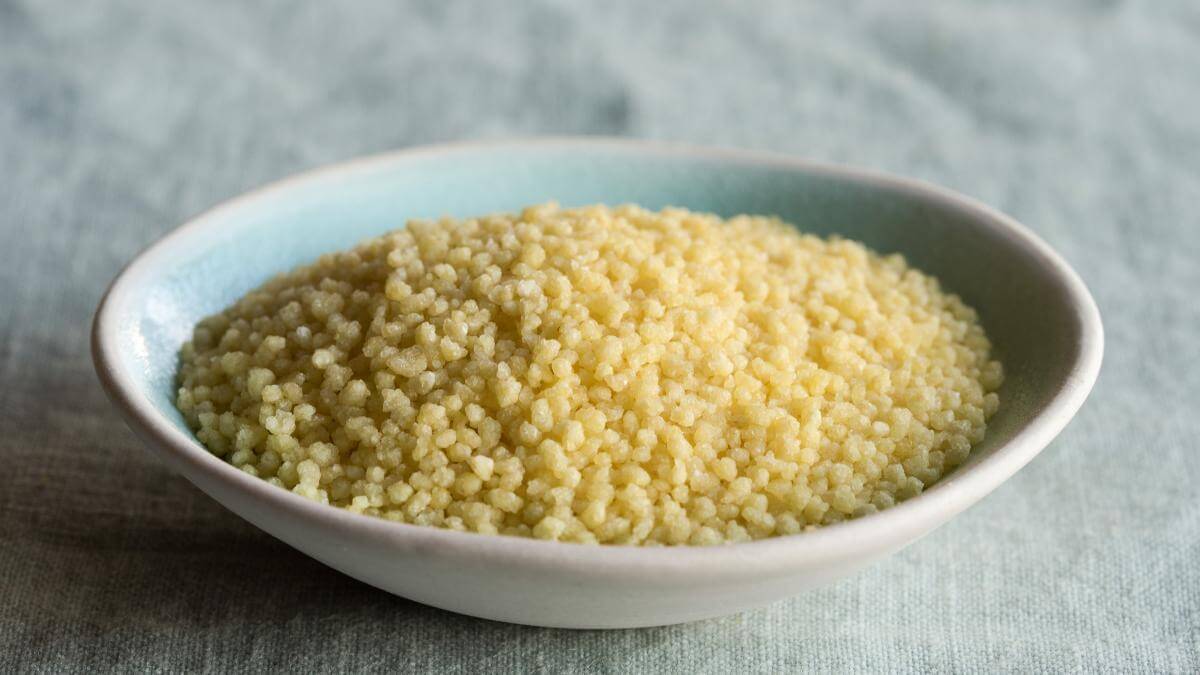
Oh, couscous. Those tiny, golden beads are so easy to love! They cook in minutes, they soak up flavors beautifully, and they make such a lovely bed for stews and roasted vegetables. Couscous is incredibly popular all around the world, especially in North African and Middle Eastern cooking. But here’s what many people don’t realize: couscous is actually a type of pasta made from semolina, which is a coarse flour derived from wheat. And where there’s wheat, there’s gluten. The good news is that gluten-free couscous made from corn or rice is becoming much easier to find. Read your labels carefully, and you can still enjoy that fluffy, satisfying texture safely.
Farina
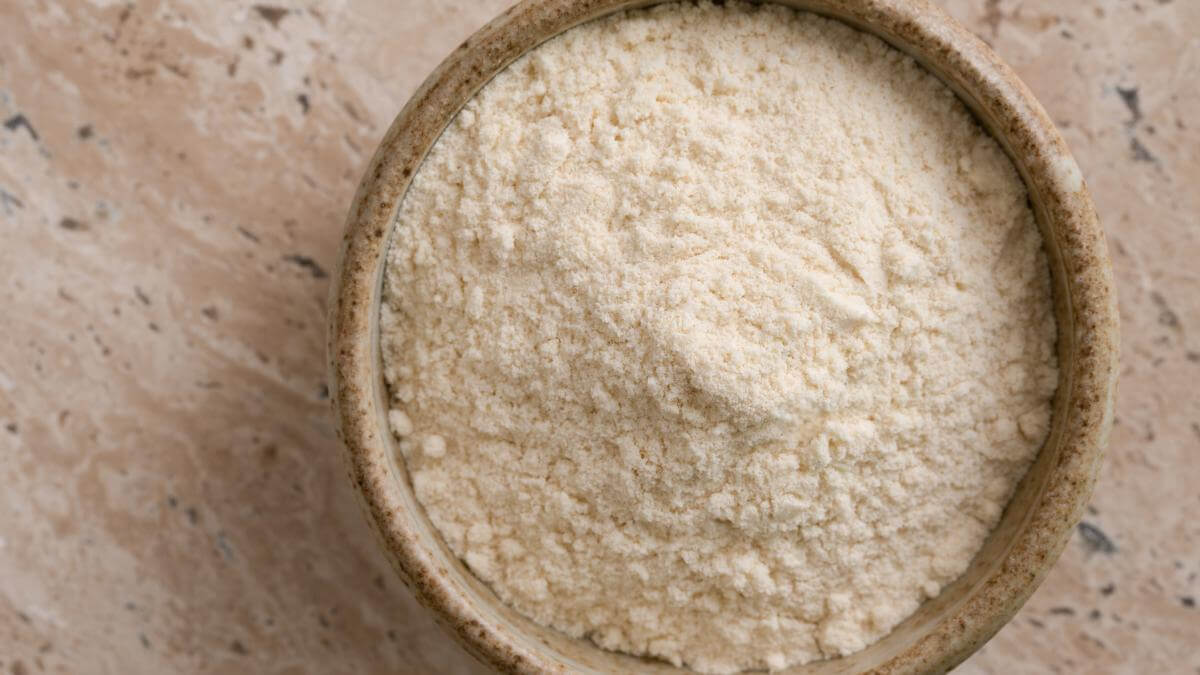
Does the word “farina” bring back childhood memories of warm, creamy breakfast cereal on cold mornings? It does for me! Farina is made from ground wheat and has a fine, smooth texture that makes it perfect for hot cereals, puddings, and even some baked goods. It’s comforting, it’s filling, and it’s been a breakfast staple for generations. But because it comes from wheat, farina contains gluten. If you’re longing for that warm, cozy breakfast experience, look for hot cereals made from rice, corn, or certified gluten-free oats. You can still have your creamy morning bowl—it’ll just come from a different grain!
Matzo, Matzo Meal
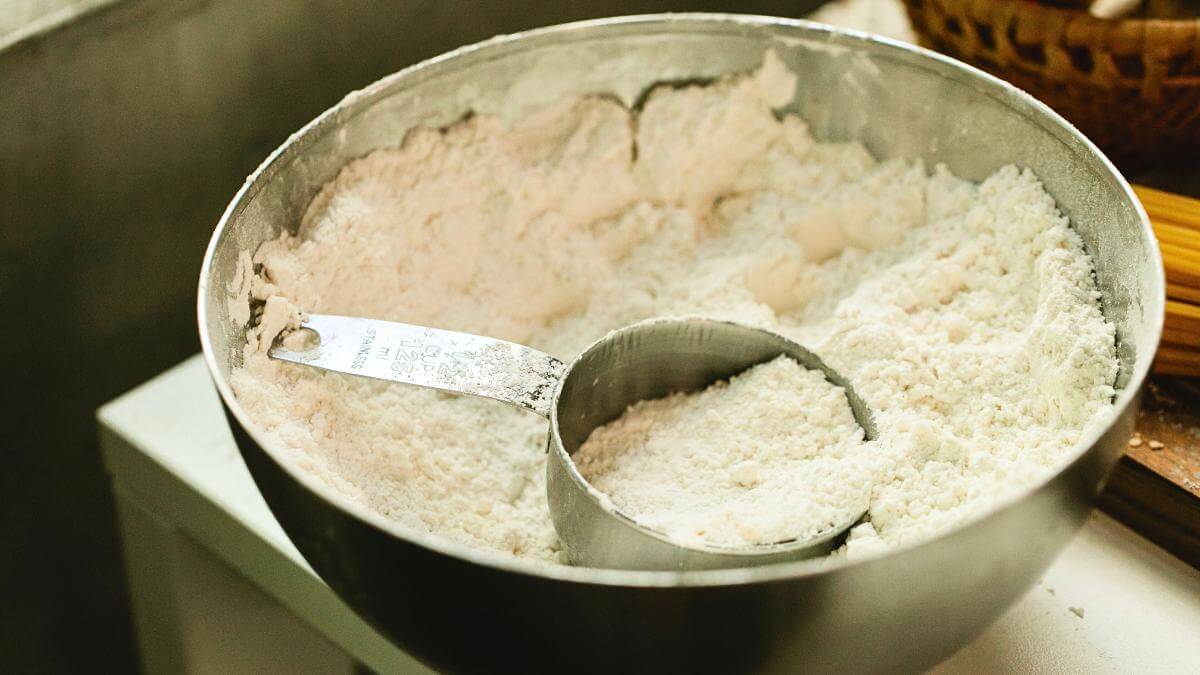
Matzo holds a special place in many traditions, especially during Passover. This simple, unleavened flatbread is made by mixing flour and water, rolling the dough paper-thin, and baking it at a very high temperature so it doesn’t have time to rise. The result is a crisp, cracker-like bread that’s central to so many meaningful meals. Traditional matzo is made from wheat, rye, or barley—all of which contain gluten. Matzo meal, which is simply ground matzo, is used in cooking and baking for dishes like matzo balls and coatings. If you’re gluten-free, you can now find matzo made from oats or other certified gluten-free grains. Tradition can still be honored, just with a thoughtful swap!
Barley Flakes, Flour, or Pearl
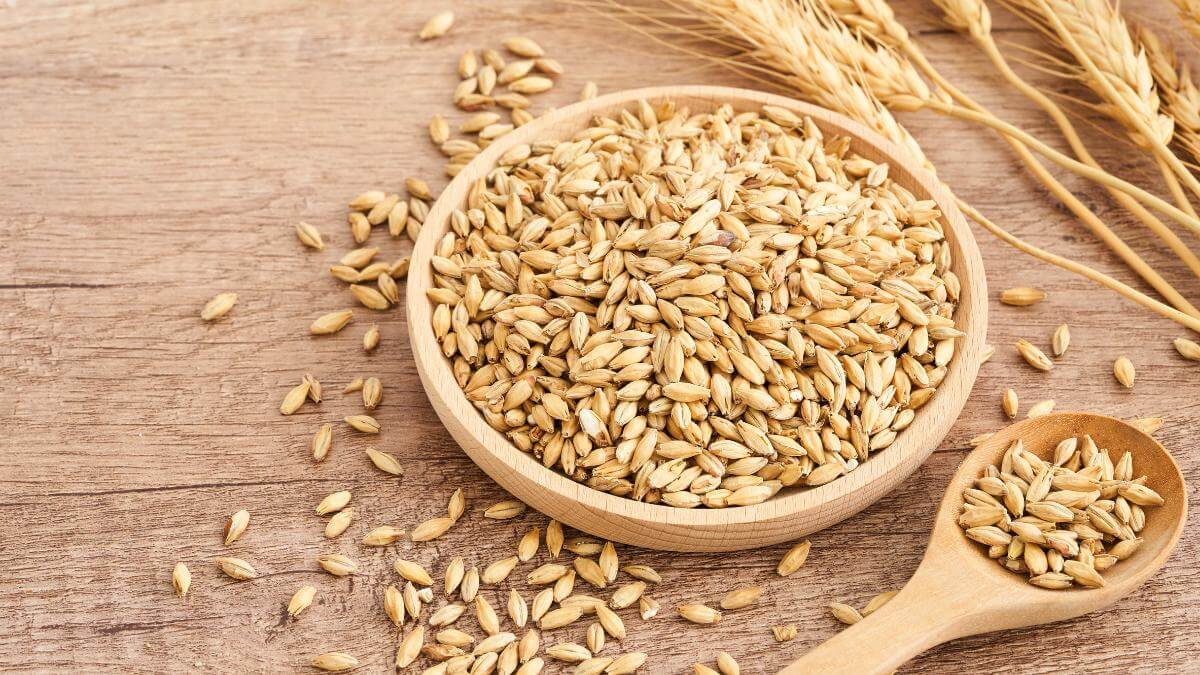
Barley is such a lovely, versatile grain. It has a wonderful chewy texture and a slightly nutty flavor that makes it perfect for soups, stews, and even breakfast porridge. Barley flakes are made just like rolled oats—the whole grain is steamed, flattened, and dried. Barley flour, whether from whole or pearl barley, has a light golden color and adds a sweet, nutty taste to baked goods. But here’s the truth we need to remember: barley is one of the three gluten-containing grains (along with wheat and rye). So whether it’s flakes, flour, or those beautiful little pearls, barley is off the table for a gluten-free diet. Fortunately, there are so many other wonderful grains to explore—like brown rice, millet, and buckwheat (which, despite its name, is gluten-free!).
Rye Flour or Rye Bread
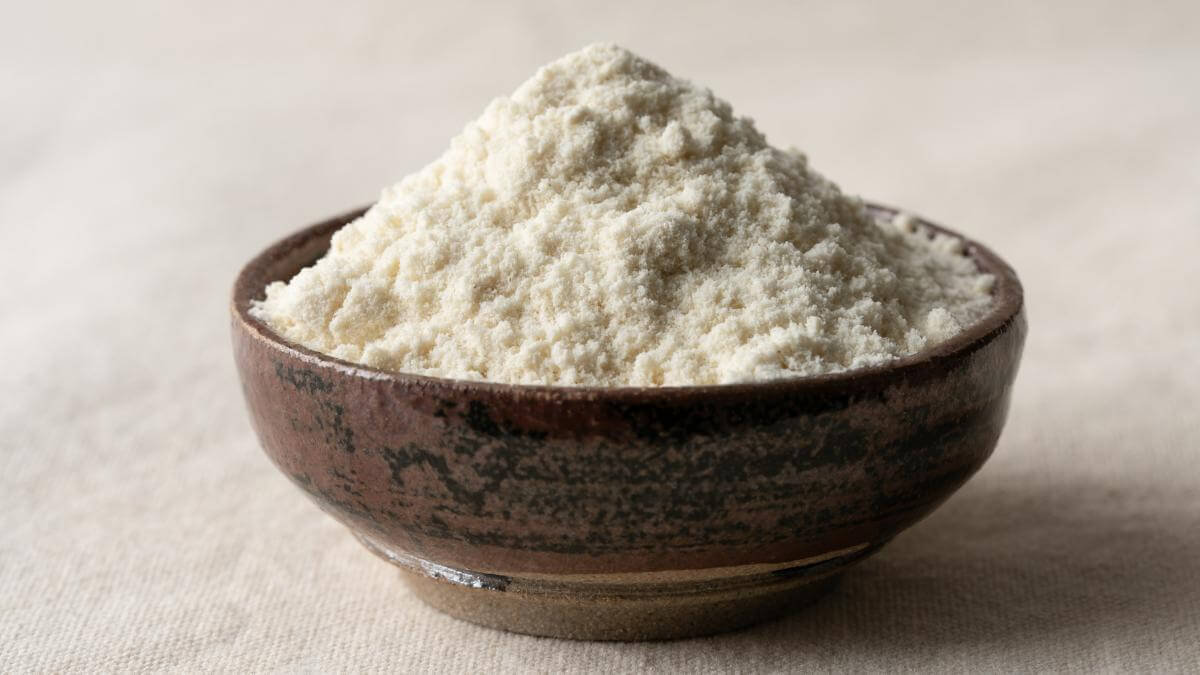
Rye has such a distinctive, earthy, slightly sour flavor that rye bread lovers absolutely adore. It’s closely related to wheat, and like its cousin, it contains gluten. That gluten is what gives rye bread its dense, chewy texture and helps it hold together. Whether it’s hearty dark rye bread or lighter rye flour used in baking, this grain is not safe for a gluten-free diet. If you miss that robust, tangy bread experience, look for gluten-free breads made with seeds and grains that try to replicate that hearty texture. They’re getting better and better every year!
Seitan
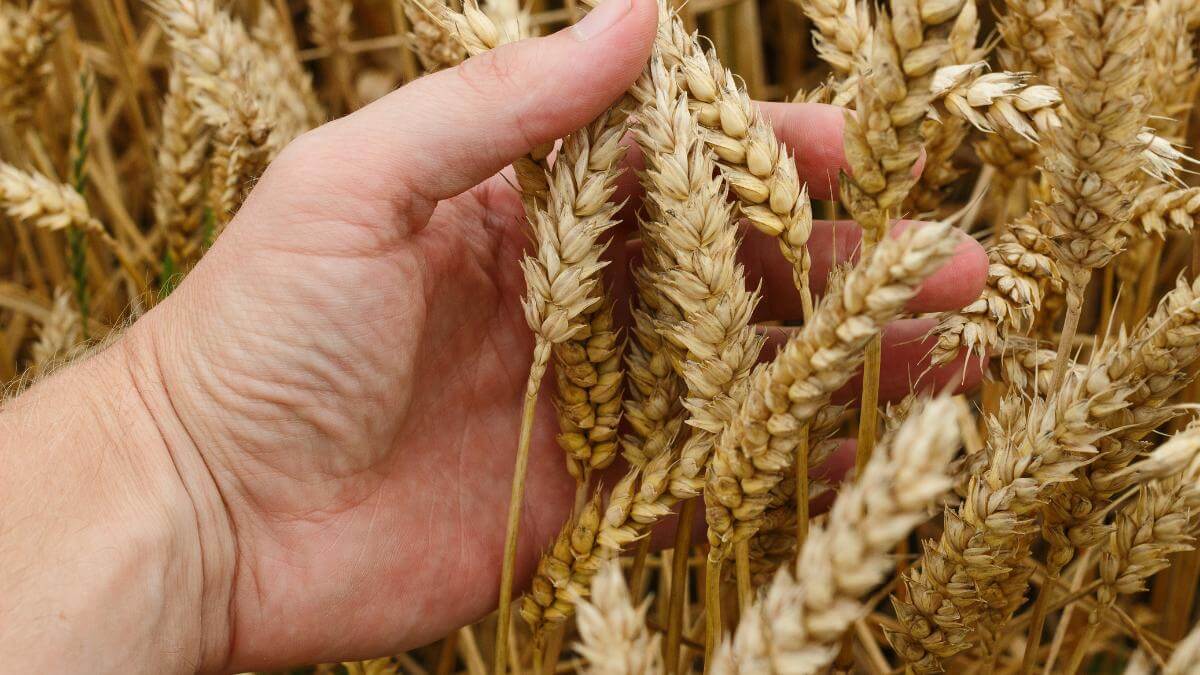
Seitan is one of those foods that can be confusing if you’re new to gluten-free eating. It’s often found in the health food section and is a popular meat substitute for vegetarians and vegans. But here’s the key: seitan is made from wheat gluten. That’s literally its main ingredient! It’s created by washing wheat flour dough with water until all the starch washes away, leaving behind nothing but the sticky, protein-rich gluten. The result is a chewy, satisfying product that mimics the texture of meat. But for anyone avoiding gluten, seitan is essentially pure gluten and should be avoided completely. There are so many other wonderful plant-based proteins—like tofu, tempeh, and legumes—that are naturally gluten-free and just as delicious!
Wheat Bran
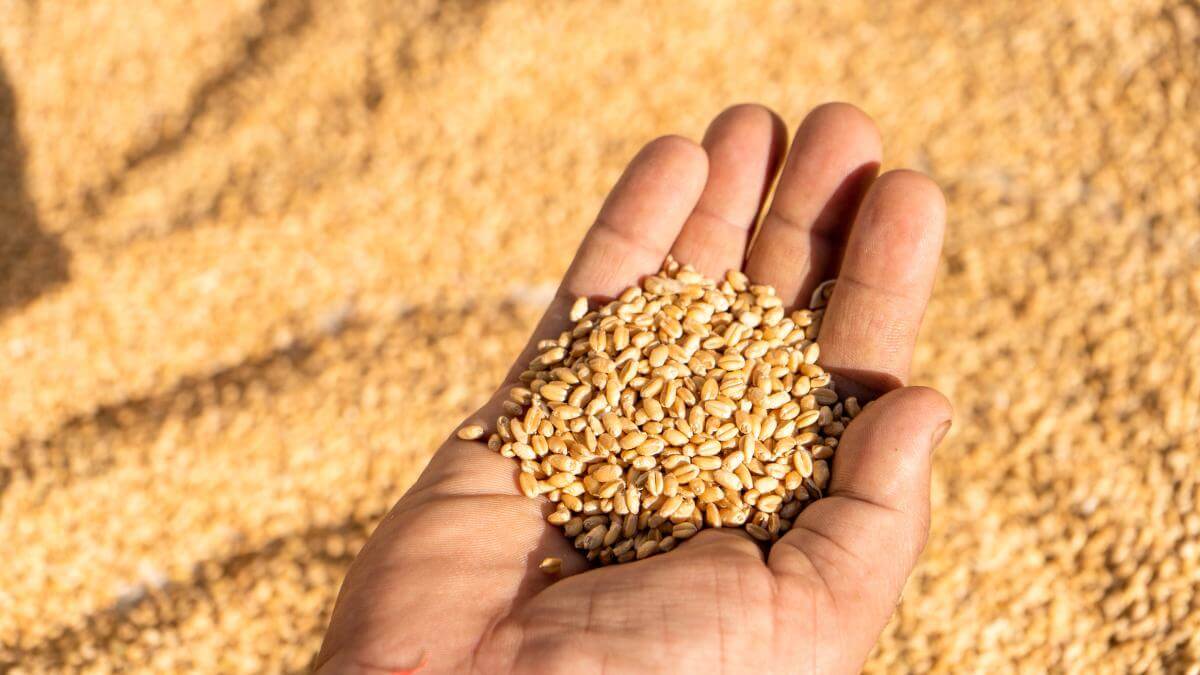
Wheat bran is the tough, protective outer layer of the wheat kernel. It’s packed with fiber and nutrients, which is why you’ll often see it added to cereals, muffins, and other baked goods to boost their health benefits. And that’s wonderful—for people who can eat gluten! But because wheat bran comes from the outer layer of the wheat kernel, it absolutely contains gluten. If you’re looking to add more fiber to your gluten-free diet, there are so many other wonderful options: oat bran (from certified gluten-free oats), rice bran, flaxseed meal, chia seeds, and psyllium husk are all fiber-rich and completely gluten-free.
Graham flour
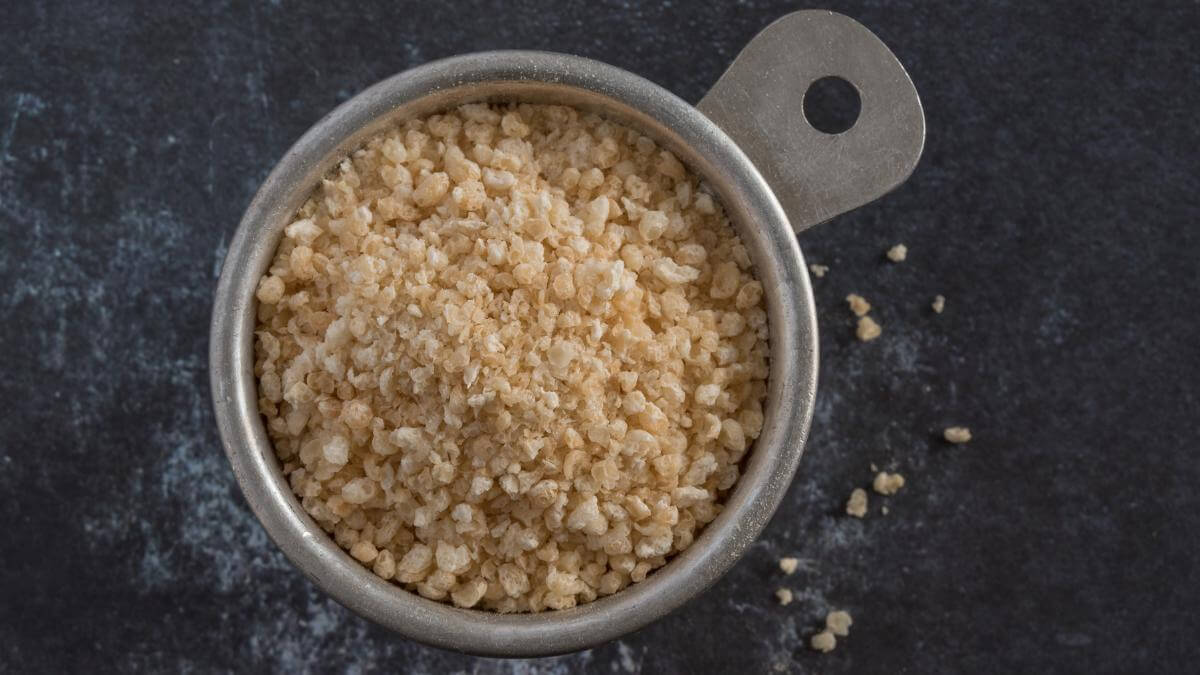
Graham flour holds a special place in American baking history. It’s a type of whole wheat flour created by grinding the entire wheat kernel—the bran, the germ, and the endosperm—resulting in a coarse, nutty flour that’s more nutritious than highly refined white flour. It’s the key ingredient in graham crackers, certain breads, and some cookies. And because it comes from whole wheat, it definitely contains gluten. If you’re craving that graham cracker taste, look for gluten-free versions made with alternative flour blends. Many brands now make delicious gluten-free graham crackers and crusts so you can still enjoy your s’mores and cheesecake!