These 17 Popular Foods Were Created by Complete Accident

Something is fascinating about how some of the most iconic foods weren’t planned at all. They happened by accident—little kitchen missteps that somehow turned into household staples we still love today. These dishes didn’t just stick around because they tasted good. They carried stories with them, moments of discovery that completely changed how we cook and eat.
For home cooks, that’s part of the magic. These recipes remind us that not everything has to go perfectly to turn out great. Sometimes the best results come from experimenting, adjusting, or even messing something up. In this list, we’re diving into foods that were created by accident, along with simple tips to help you recreate them (or put your own spin on them). Let’s take a look at how these unexpected kitchen wins came to life.
Peanut Butter: A Smooth Solution to a Chewy Problem

Peanut butter was created as an easy-to-eat protein source and quickly became a household favorite.
Roast peanuts, blend until smooth, and add a pinch of salt. That’s it. Simple, fresh, and way better than store-bought.
Pasta: Origin Stories and Accidental Creation

Pasta’s exact origin is still debated, but many believe it came from early experiments with simple mixtures of grain and water. What started as a basic necessity turned into one of the most versatile foods in the world.
If you’re making it at home, using “00” flour gives you a smoother, more refined dough. Roll it thin for the best texture, and don’t overcook it—fresh pasta usually only needs a few minutes. Pair it with simple sauces so the texture and flavor really shine.
Potato Chips: Crispy Culinary Accident

Potato chips were created out of frustration. Chef George Crum sliced potatoes paper-thin and fried them extra crisp to prove a point—and ended up inventing one of the most popular snacks ever.
For that perfect crunch, slice your potatoes evenly (a mandoline helps a lot), rinse off the starch, and fry them at about 350°F. Season them right away while they’re hot so the flavor sticks. From there, you can keep it classic or experiment with spices.
Ice Cream Cones: From Wafer to Delight

The ice cream cone came from pure necessity. When a vendor ran out of dishes, someone nearby rolled up a waffle, and suddenly dessert became portable.
To make your own, cook a thin batter in a waffle iron and roll it while it’s still warm so it holds its shape. Fill it with homemade ice cream for the best texture contrast—crispy on the outside, creamy on the inside.
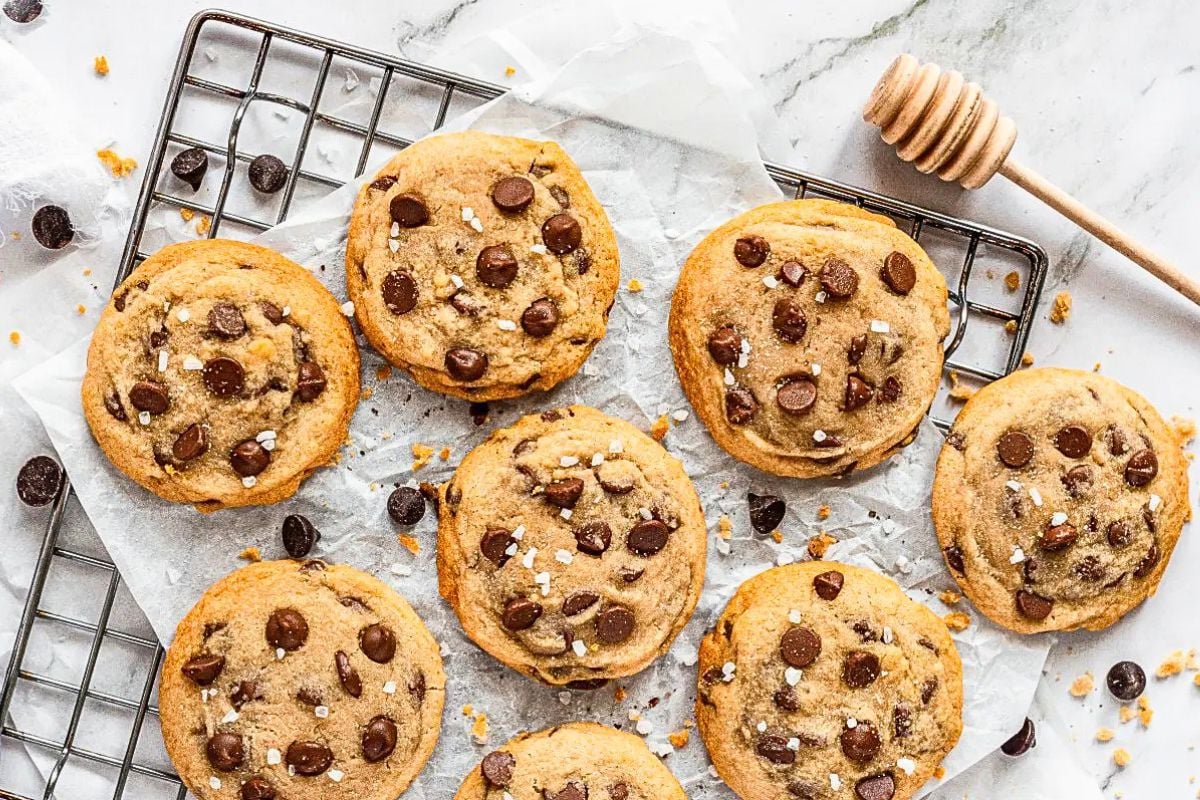
Chocolate Chip Cookies: A Happy Mistake

Chocolate chip cookies exist because of a simple substitution that didn’t go as planned. Ruth Wakefield ran out of baker’s chocolate and used chopped semi-sweet chocolate instead, expecting it to melt. It didn’t. Instead, those little chunks held their shape—and a classic was born.
If you want that perfect soft-and-chewy texture, start with room-temperature butter so everything blends smoothly. A mix of white and brown sugar gives you that balance of crisp edges and soft centers. Bake at 350°F and keep a close eye on them. Pulling them out just before they fully set is the trick to that bakery-style softness.
Corn Flakes: The Breakfast Blunder

Corn flakes were created when cooked grains were accidentally left out and dried into flakes. Instead of tossing them, they were toasted—and breakfast was changed forever.
If you’re making a version at home, toast cornmeal with a little sugar and salt until golden. Let it cool completely so it crisps up. It’s simple, but that texture is everything.
Worcestershire Sauce: A Saucy Surprise

Worcestershire sauce started as a failed tonic experiment. Instead of tossing it, it was left to age—and developed into the bold, savory condiment we know today.
A simple homemade version can be made with vinegar, soy sauce, garlic, mustard, and a little sugar. Let it sit for a few days to deepen the flavor. It’s one of those ingredients that quietly elevates everything it touches.
S’mores: Campfire Magic Gone Right

S’mores came together by chance around a campfire, but the combination stuck for a reason. Gooey marshmallows, melted chocolate, and crunchy graham crackers just work.
The key is balance. Toast the marshmallow evenly so it’s golden outside and soft inside. Use good chocolate, and press everything together while it’s still warm.
Accidental Tacos: The Birth of a Classic

Tacos likely came from using leftovers in tortillas, turning simple ingredients into something flavorful and satisfying.
Use warm tortillas so they stay flexible, then layer in proteins, veggies, and something fresh like salsa or lime. The magic is in the balance of flavors and textures.
Yogurt: A Tangy Accident Turned Staple

Top view of a white cup filled with yogurt and assorted berries on a pink background.
Any Lane/Pexels
Yogurt likely came from milk fermenting naturally, creating a tangy, creamy product that became a global staple.
Heat milk, cool it, add culture, and let it sit in a warm spot. The longer it rests, the thicker and tangier it gets.
Cereal: Crunching Up the Unexpected

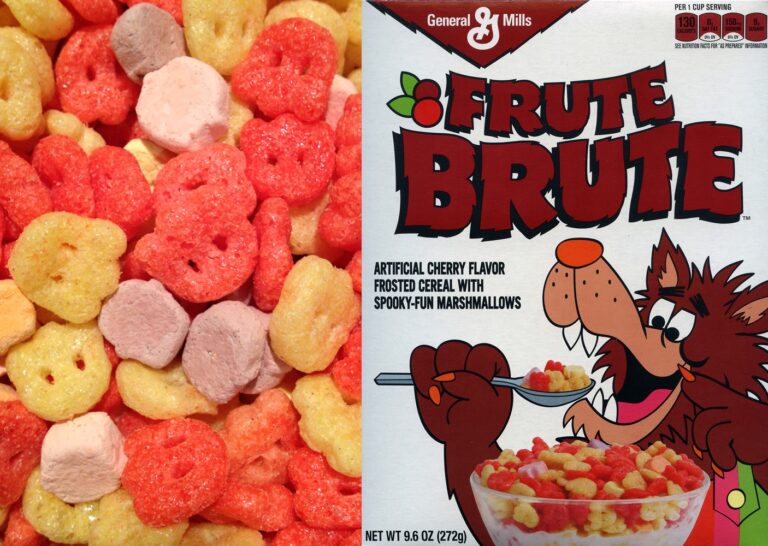
Cereal as we know it evolved from fermented grain experiments that eventually turned into something much more convenient and crunchy.
You can make your own by toasting oats, nuts, and dried fruit with a bit of honey or maple syrup. Stir as it bakes so everything browns evenly.
Buffalo Wings: Spicy Serenity in Mistakes

Buffalo wings were born from a late-night kitchen decision using leftover wings tossed in hot sauce and butter. Simple idea, huge impact.
For the best texture, fry at around 375°F and toss the wings in sauce right after. That keeps them crispy while still coating them in flavor.
Ketchup: The Saucy Surprise of Ingredients

Ketchup started as a fermented fish sauce before evolving into the tomato-based version we know today.
To make your own, simmer tomatoes with vinegar, onions, and spices until thick. Adjust sweetness and acidity to your taste.
Fried Chicken: A Southern Cooking Faux Pas

Fried chicken grew out of necessity, with cooks experimenting to get the most flavor and texture from simple ingredients.
Soak the chicken in buttermilk to tenderize it, then coat it well and fry in steady heat. A cast iron skillet helps keep the temperature consistent.
Kettle Corn: Sweet Meets Salty by Chance

Kettle corn was created when sugar was added to popcorn during cooking, giving it that signature sweet-and-salty combo.
Cook it in a large pot, shaking often so the sugar doesn’t burn. The result is light, crisp, and addictive.
Soda: Effervescent Beverage Experimentation

Soda began as a medicinal experiment with carbonated water before turning into a refreshing drink.
You can recreate it by mixing sparkling water with syrups or juices. Add herbs like mint for an extra layer of flavor.
Barbecue: Smoky Innovations in Cooking

Barbecue evolved as a method of preserving and cooking meat slowly over smoke, turning tough cuts into something tender and flavorful.
Low and slow is the key. Use quality wood for flavor, and keep the temperature steady to avoid drying out the meat.