Why Certain Food Myths Continue to Spark Debate Today

Food myths persist, causing confusion in home kitchens. These myths often steer well-meaning cooks away from optimal culinary choices. By dissecting some of these stubborn beliefs, we can equip you with practical insights that enhance both your cooking and eating experiences. Let’s dive into common misconceptions and unveil truths that will help elevate your kitchen confidence.
Sugar and Kids: The Hyperactivity Debate
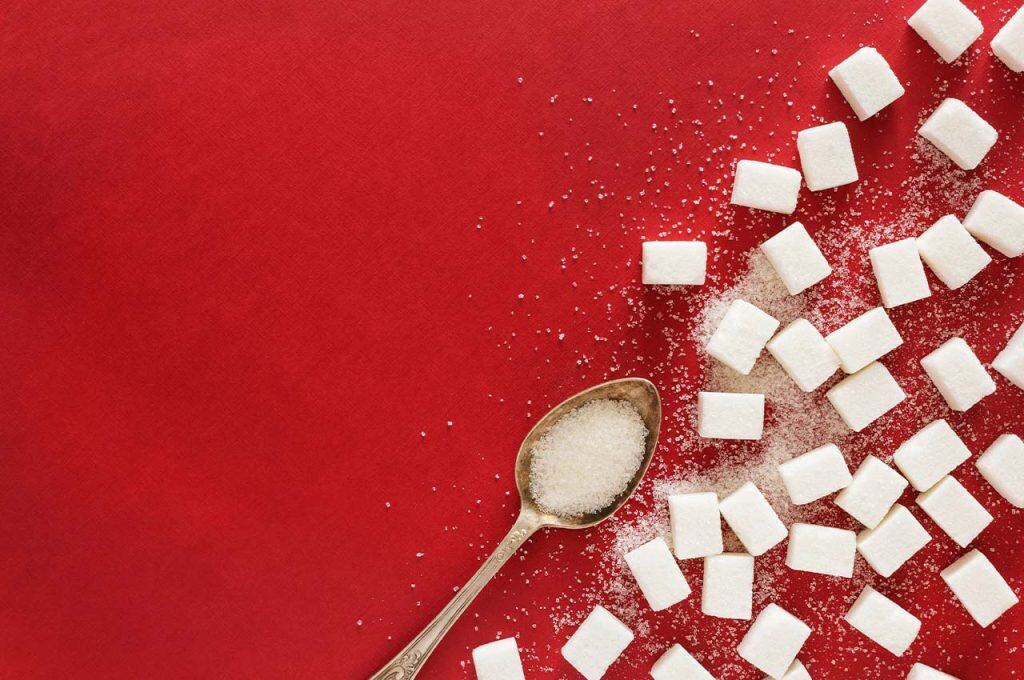
This belief is so deeply embedded that it almost feels like fact—everyone “knows” sugar makes kids bounce off walls. Except study after study has failed to find a consistent link. The sugar-high phenomenon appears to be more about expectation than chemistry. When parents expect hyperactivity, they’re more likely to notice and label active behavior after sweets. The real lesson might be about how powerfully beliefs shape perception. What matters more for kids’ diets is overall balance—complex carbs, proteins, healthy fats, and yes, sometimes treats. Focusing on whole foods and reasonable portions, while letting go of the sugar-high fear, might actually make family meals more peaceful. Sometimes what we believe shapes what we see more than what’s actually happening.
Is Organic Always More Nutritious?

This one’s layered, isn’t it? Organic farming offers real benefits—reduced pesticide exposure, different environmental impacts, farming practices that some of us feel better supporting. But the idea that organic produce automatically contains more vitamins? That’s not consistently supported by research. An organic apple and a conventionally grown apple, sitting side by side, are nutritionally quite similar. The choice becomes about what matters to you: pesticide exposure, environmental philosophy, maybe taste differences from certain farming practices. If budget is a concern, focusing on the “Dirty Dozen” for organic purchases makes practical sense. But the most important thing, always, is eating plenty of fruits and vegetables however you can get them. A conventionally grown broccoli still beats no broccoli at all.
Brown vs. White Eggs: The Shell Game

I completely understand why so many of us reach for brown eggs thinking they’re somehow more wholesome. They look earthier, don’t they? More natural, more farm-fresh. But here’s the simple truth: the color of the shell tells you absolutely nothing about what’s inside. Brown eggs come from brown-feathered hens, white eggs from white-feathered hens, and nutritionally they’re identical twins. What actually matters is freshness and how the hens were raised. Look for firm whites and centered, bright yolks—those are your real quality cues. And if you can find eggs from pasture-raised hens? Those yolks will be gloriously rich, regardless of shell color. The egg itself knows nothing about the fashion choices of the chicken who laid it.
Are Carbs Really Your Worst Enemy?
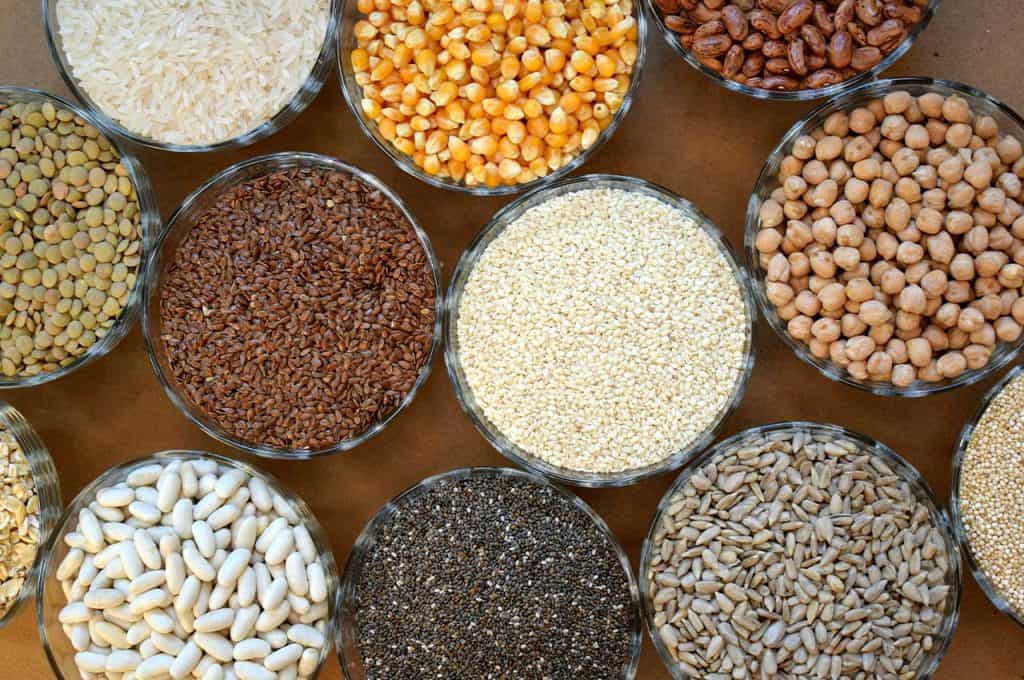
Oh, poor carbohydrates. They’ve been through quite a reputation wringer, haven’t they? But here’s what I’ve come to understand: not all carbs are created equal, and painting them all with the same brush means missing out on some genuinely wonderful foods. Complex carbohydrates—the ones hiding in whole grains, legumes, and vegetables—bring fiber, sustained energy, and nutrients that your body actually knows what to do with. The key isn’t elimination; it’s selection and balance. A bowl of oatmeal with nuts and berries? That’s carbohydrates working beautifully. Brown rice alongside beans and vegetables? Also carbohydrates, also wonderful. Pair them with protein and healthy fats, and you’ve got meals that satisfy deeply and nourish completely. Carbs aren’t the enemy. They’re just often misunderstood.
Microwaves Zap Nutrients? Let’s Investigate
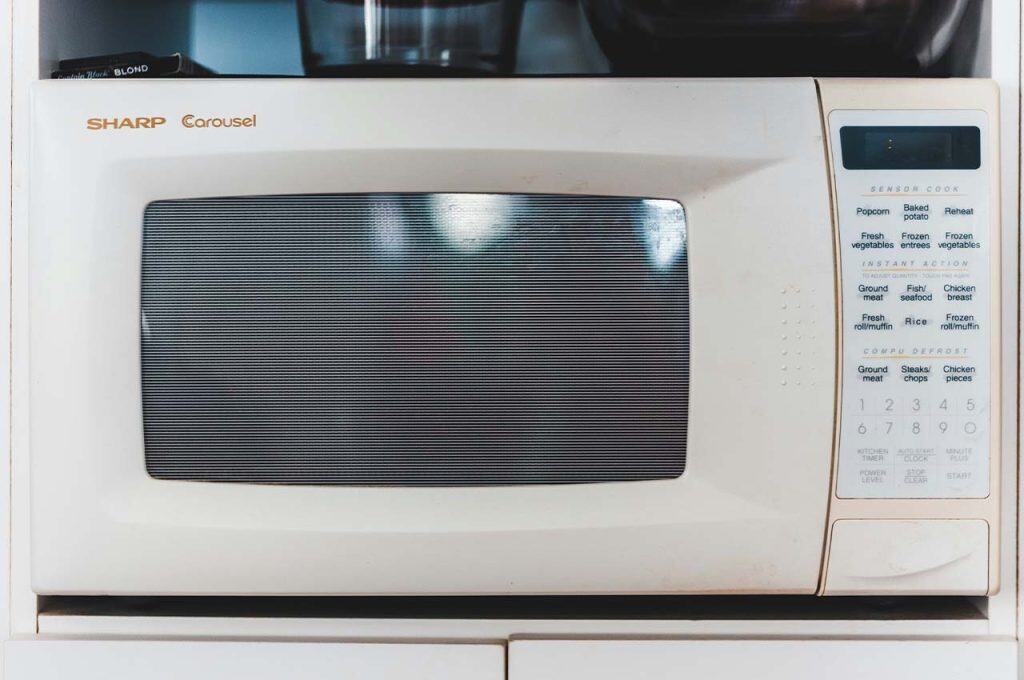
Oh, this one has such staying power, doesn’t it? There’s something about that little humming box that makes people suspicious. But here’s the surprising truth: microwaves are actually among the gentlest cooking methods when it comes to nutrient retention. The quick cooking time and minimal water mean vitamins like C and B1—those delicate ones that flee at the first sign of heat—actually stick around longer than they would in boiling water. The trick is covering your food to trap steam and using just a splash of water. That gentle steam-cooking effect preserves goodness while saving you time. Your microwave isn’t the enemy of nutrition; it’s actually a pretty thoughtful ally.
To Wash or Not Wash Mushrooms?
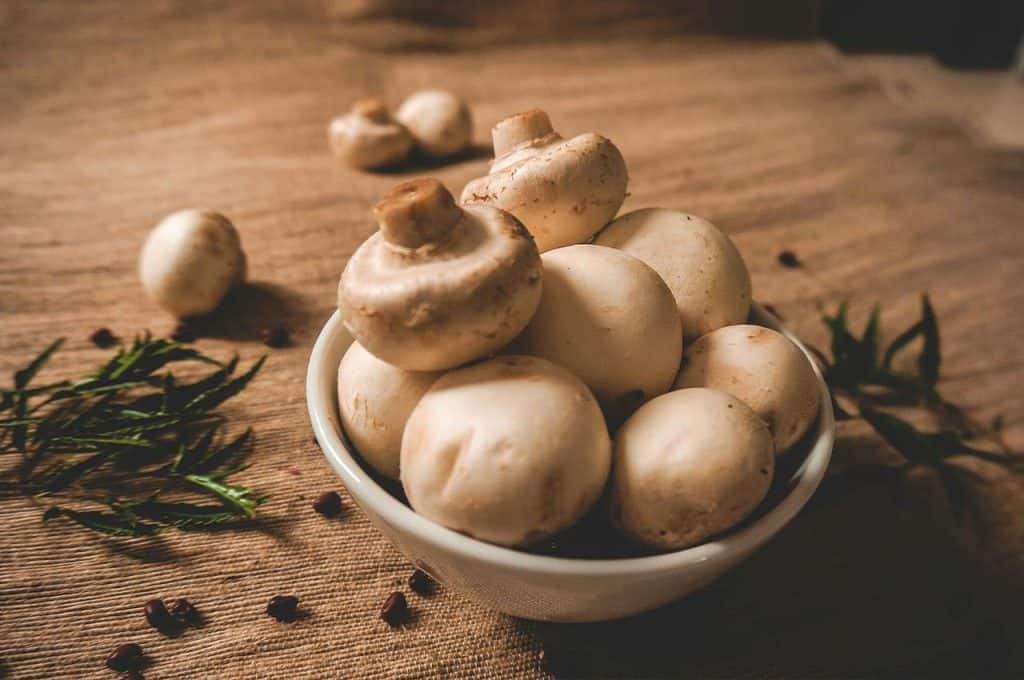
The great mushroom washing debate has haunted kitchens for generations. Will they absorb water like tiny sponges and ruin everything? Here’s the relief: a quick rinse won’t destroy your mushrooms, as long as you dry them promptly afterward. The real secret is using a damp paper towel to gently brush off visible dirt first—that’s often enough. If you do rinse, make it brief and follow immediately with thorough drying. Then—and this is crucial—cook them on high heat. High heat creates that beautiful, caramelized exterior, concentrating flavor and driving off any remaining moisture. Your mushrooms will be golden and glorious, not sad and steamed. They’re more resilient than we’ve given them credit for.
Does Searing Meat Lock in Juices?

This might be one of the most persistent myths in all of cooking, and I held onto it for years. The image is so compelling—that quick sear creating a seal, trapping all those precious juices inside. But here’s what actually happens: searing creates a deeply flavorful crust through the Maillard reaction, which is absolutely worth doing, but it doesn’t lock in moisture at all. The real secret to juicy meat is far simpler: cook it to the right temperature and then let it rest. A meat thermometer becomes your best friend here, taking the guesswork out completely. And that resting period? It allows juices to redistribute evenly throughout the meat instead of pooling on your cutting board. Sear for flavor, then trust temperature and patience for moisture.
Frozen Food: Nutritional Villain or Hero?
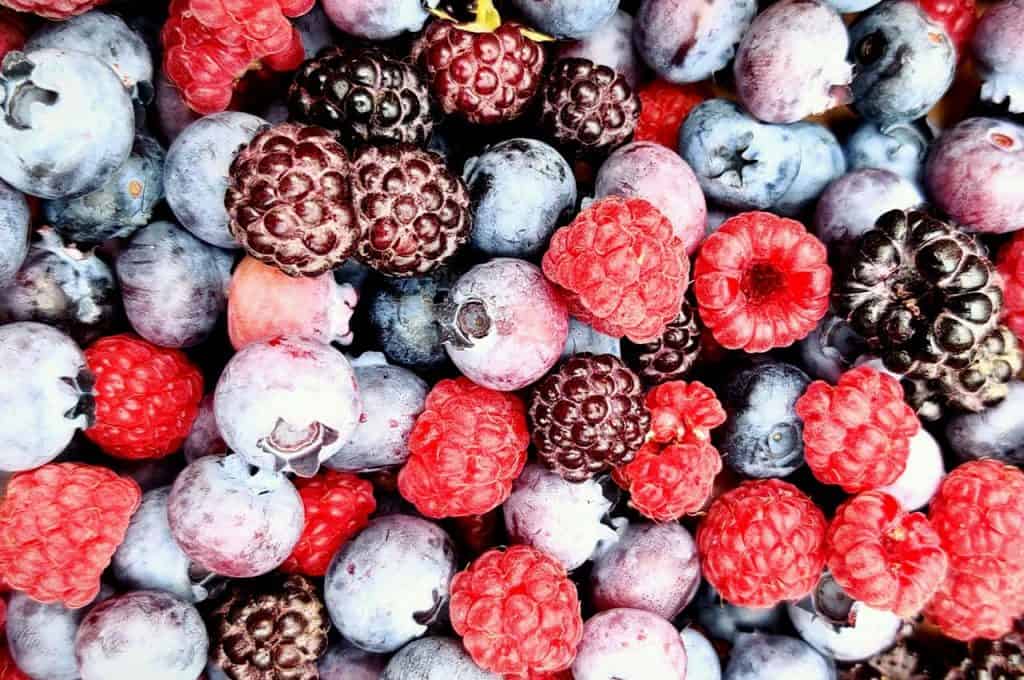
Frozen food has spent decades fighting an unfair reputation. So many of us grew up thinking fresh was always superior, that frozen was somehow a compromise. But here’s the beautiful truth: many frozen fruits and vegetables are actually frozen at peak ripeness, locking in nutrients that would slowly fade during the days it takes fresh produce to travel to your store. Peas frozen hours after harvest? They might actually contain more vitamins than “fresh” peas that have been sitting in a truck for a week. The trick is choosing options without added sugars or sodium, and thawing gently in the refrigerator. Frozen isn’t second-best. It’s just a different kind of convenient, often brilliant.
The MSG Myth: An Unsolved Mystery
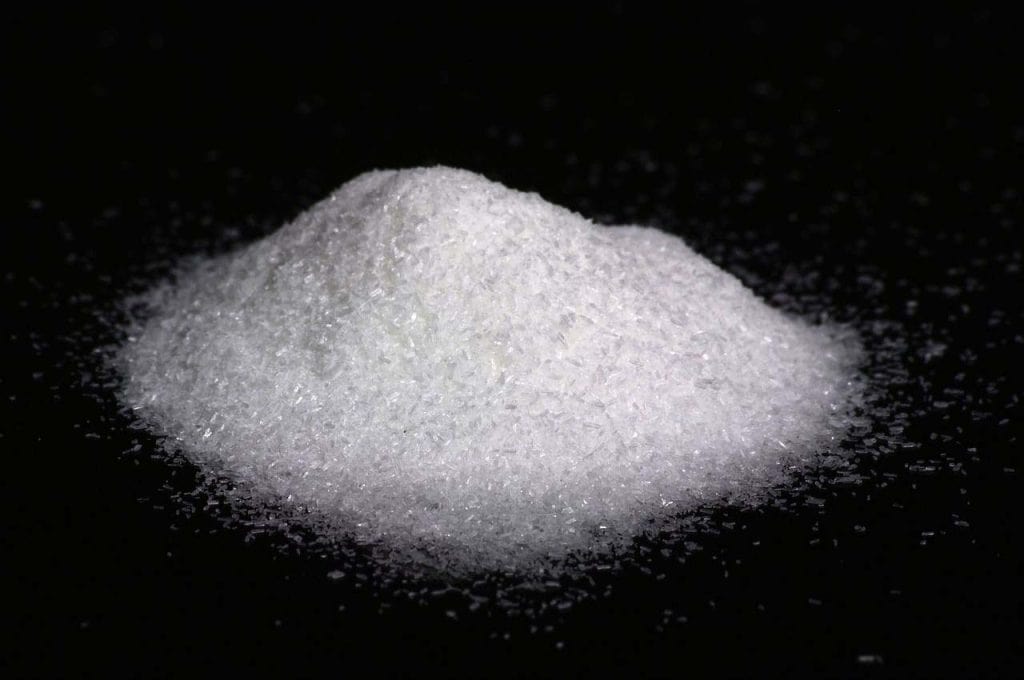
Oh, MSG. This poor flavor enhancer has been the subject of suspicion for decades, and the science simply doesn’t support the fear. Monosodium glutamate occurs naturally in foods we’ve always loved—tomatoes, cheese, mushrooms—and our bodies process it just fine. Global health organizations have repeatedly found it safe for general consumption. The umami depth it adds to soups, stir-fries, and braises is genuinely lovely, bringing a savory satisfaction that’s hard to achieve otherwise. As with anything, moderation matters, and some individuals may have sensitivities. But the widespread demonization? That’s a story, not science. A tiny pinch might be the secret your next dish didn’t know it needed.
Eating Late: Fact vs. Fiction

The idea that eating after 8 p.m. somehow magically turns into fat has haunted late-night snackers for generations. But here’s the more nuanced truth: it’s not the timing that matters most—it’s the what and how much. A large, heavy, calorie-dense meal right before bed can disrupt sleep and digestion, yes. But a light, balanced snack? That’s not the enemy. Your body doesn’t consult the clock before deciding what to do with calories. Total intake and activity levels over time are what shape your weight. So if you’re genuinely hungry in the evening, a small bowl of yogurt or some veggies with hummus isn’t sabotage. It’s just responding to your body’s signals with kindness and awareness.