Why Pre Cut and Pre Washed Produce Is Gaining Popularity Among Shoppers

Walk through a modern grocery store and the produce section tells a different story than it did a decade ago. Whole apples and melons still there, but now surrounded by sliced mango, diced onions, chopped stir-fry vegetables, salad kits. What started as niche convenience products has become a centerpiece of the department. Shoppers with packed schedules love it. No washing, no peeling, no cutting. Just grab and go. Fresh fruits and vegetables become instant snacks or easy meal additions. No wonder this category exploded.
The Surge of Ready-to-Eat Produce

Walk through a modern grocery store and the produce section tells a different story than it did a decade ago. Whole apples and melons still there, but now surrounded by sliced mango, diced onions, chopped stir-fry vegetables, salad kits. What started as niche convenience products has become a centerpiece of the department. Shoppers with packed schedules love it. No washing, no peeling, no cutting. Just grab and go. Fresh fruits and vegetables become instant snacks or easy meal additions. No wonder this category exploded.
Why Busy Shoppers Are Choosing Pre-Cut Fruits and Vegetables
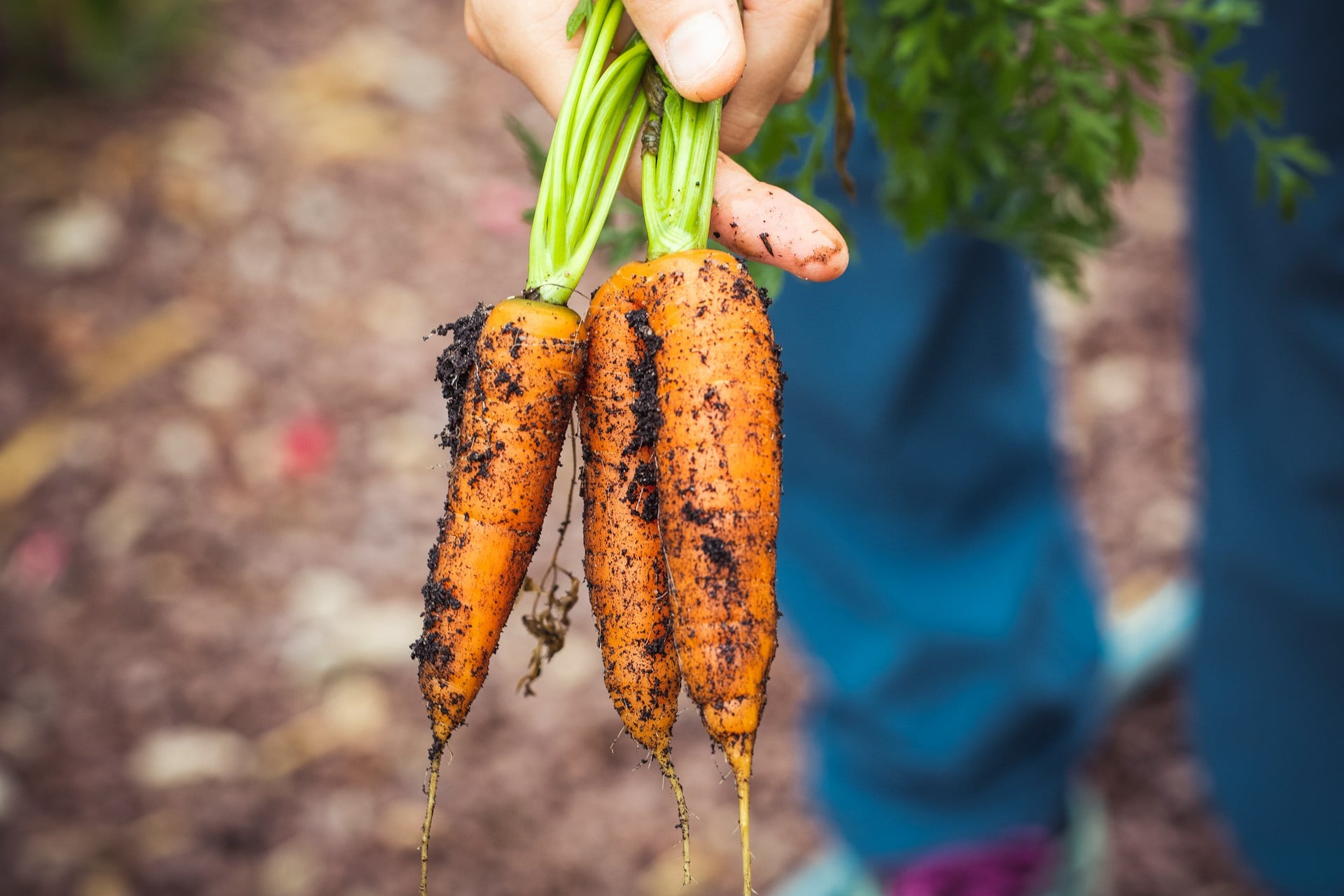
Time is the invisible ingredient. Long workdays, commuting, packed schedules leave little room for prep work. Pre-cut produce fits right into that reality. Instead of peeling a pineapple or trimming green beans, you just open a container. Small tasks that discourage people from buying fresh ingredients? Eliminated. Snack-sized fruit cups, vegetable packs, meal-ready mixes—they let individuals and small families buy only what they need without worrying about spoilage. It’s convenience, plain and simple.
The Convenience That Comes With a Premium Price
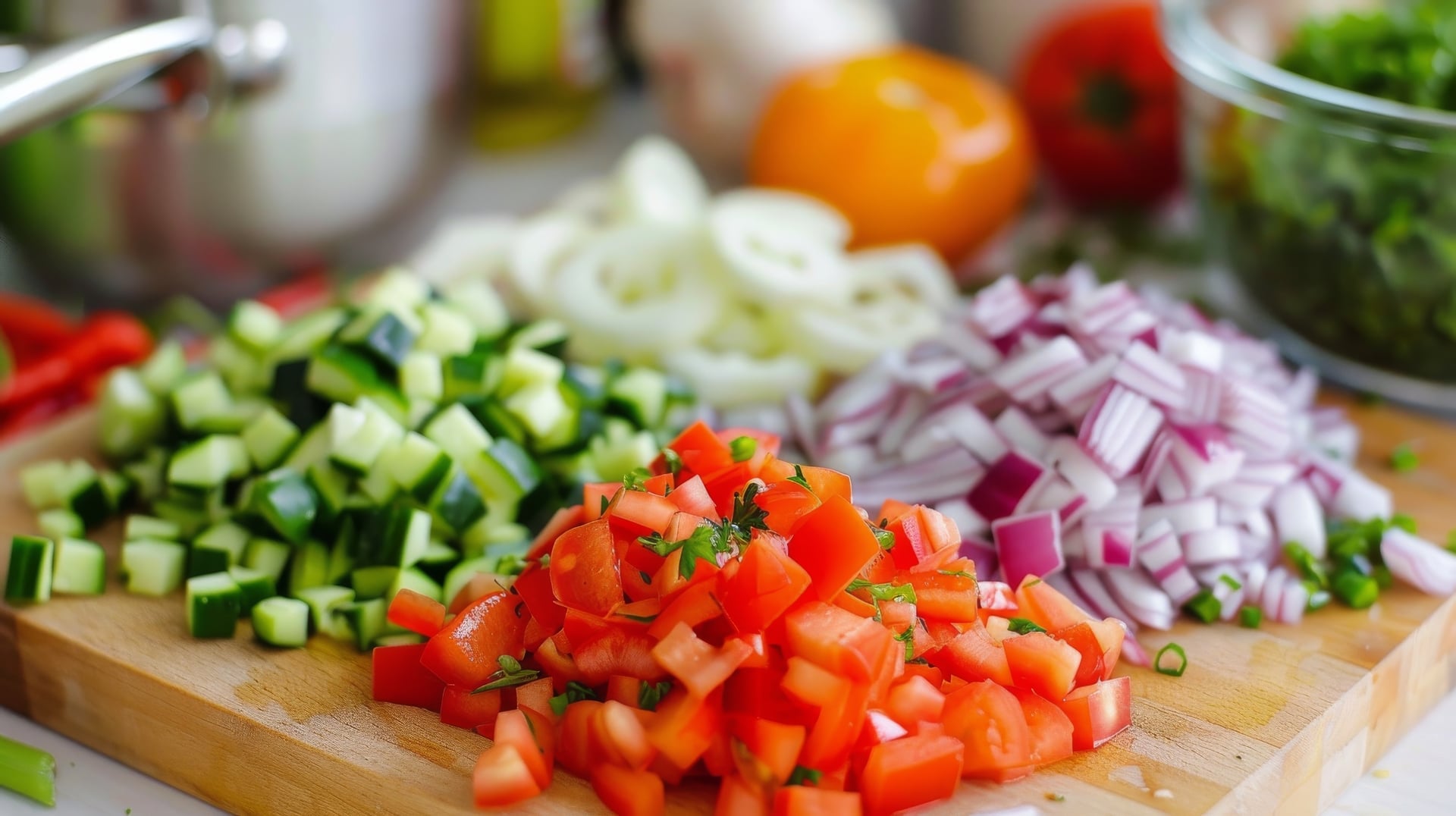
That convenience isn’t free. Pre-cut fruits and vegetables cost way more than whole ones. A whole pineapple might be a few dollars. A small container of cut chunks? Several times that by weight. The difference surprises people who don’t notice the higher cost per pound. But that container reflects a lot of work. Washing, peeling, slicing, sorting in clean facilities. Labor, equipment, sanitation, cold storage. Packaging that slows spoilage. By the time it hits the shelf, all those extra steps are baked into the price.
The Hidden Trade-Offs Behind Fresh-Cut Produce
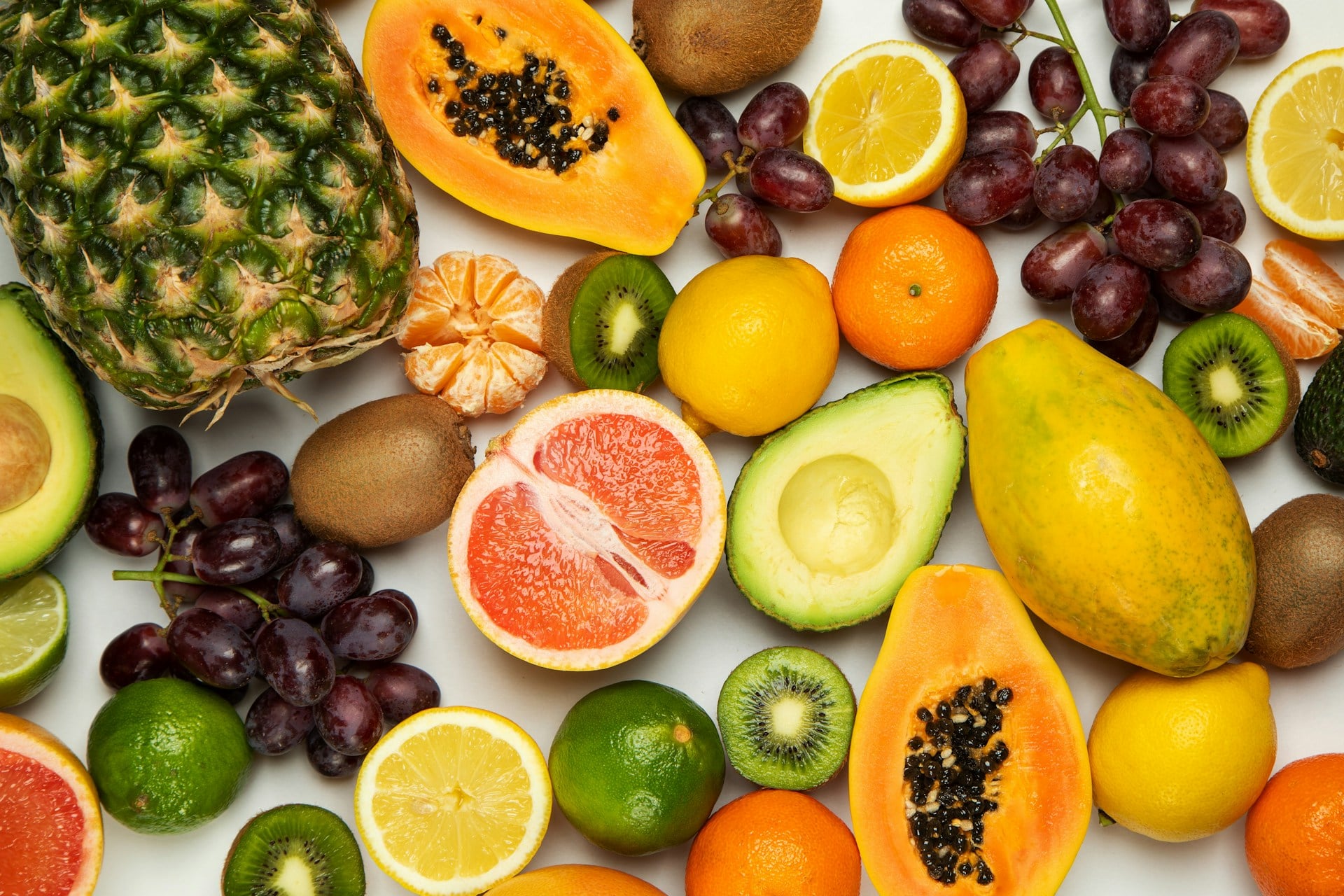
Cutting changes things. When you peel or slice produce, the protective outer layer is gone. Inner tissues hit air, moisture, microbes. Breakdown speeds up. Fruits and vegetables soften, lose flavor, change color faster than whole items. Damaged plant cells release enzymes that accelerate spoilage. Shelf life shrinks. And safety becomes a bigger concern. More handling means more need for strict sanitation. Processing facilities rely on controlled temps, antimicrobial rinses, monitored equipment. And all that sealed plastic packaging? It helps preserve freshness but adds to single-use waste.
What the Future Looks Like for Pre-Cut Grocery Aisles
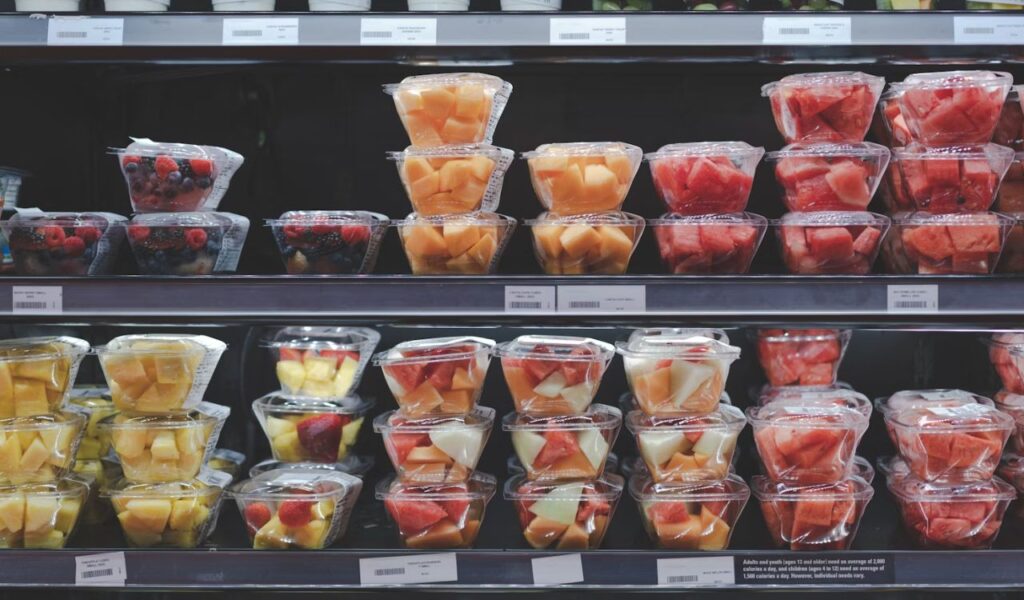
Despite the cost and waste, fresh-cut keeps growing. Supermarkets devote more refrigerated space to it every year. Demand isn’t slowing. Snack-size fruit packs, seasoned veggie blends, meal-prep kits—they keep coming. Technology is catching up too. Better packaging systems regulate oxygen and moisture, slowing deterioration. Controlled environments help maintain color, texture, freshness longer. Improved refrigeration and distribution move delicate products faster. The future is about balancing convenience with sustainability while keeping quality where shoppers expect it.