12 Ways to Cook a Hot Dog, Ranked from Worst to Best

A hot dog seems simple. Heat it, put it in a bun, add mustard, done. But anyone who’s spent time around a grill or a cart knows better. The method you choose changes everything. Texture, flavor, juiciness, even the way the casing snaps, all of it depends on how you apply heat. Some techniques are quick fixes. Others transform a humble frank into something worth lingering over. Here are 12 ways to cook a hot dog, ranked from forgettable to unforgettable.
Charcoal-Grilled: Smoky Perfection
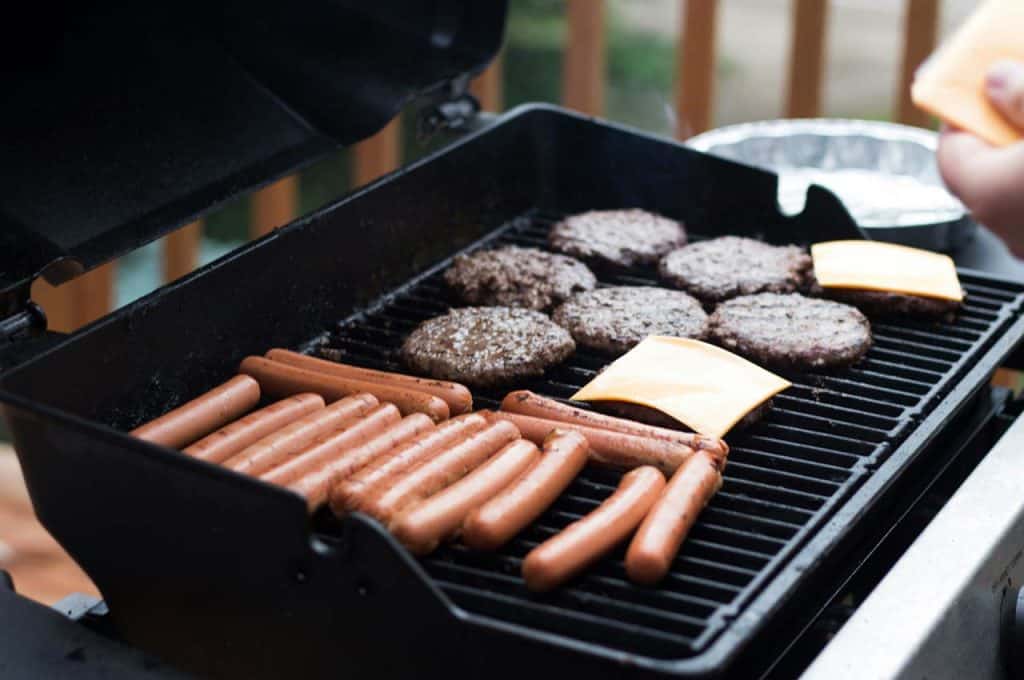
Charcoal grilling is where hot dogs start to feel serious. Ashy, glowing coals provide steady heat and real smoke. Grill them directly over the coals for quick marks, then move to the cooler side to finish gently. This dual-zone approach prevents burning while building layers of smoky flavor. The result is a dog with a crisp, slightly charred exterior and a juicy interior, infused with wood smoke. It’s the backyard standard for good reason.
Boiled: Soft but Lacking Snap
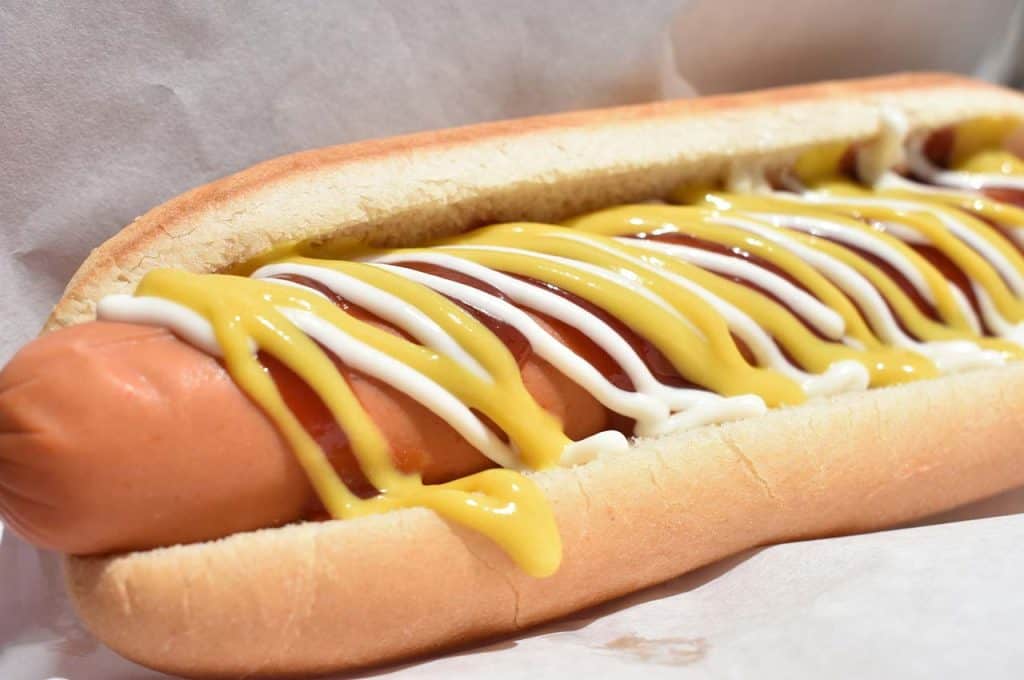
Boiling is the classic ballpark method, and it gets the job done. Submerge the dogs in water for five or six minutes, and they heat through evenly. The result is juicy and tender, but that casing, the part that should give a satisfying pop, goes limp. The flavor can also dilute if the water isn’t seasoned. For those who prefer a softer bite, boiling is fine. But if you’re after texture, look elsewhere.
Steamed: Slight Improvement
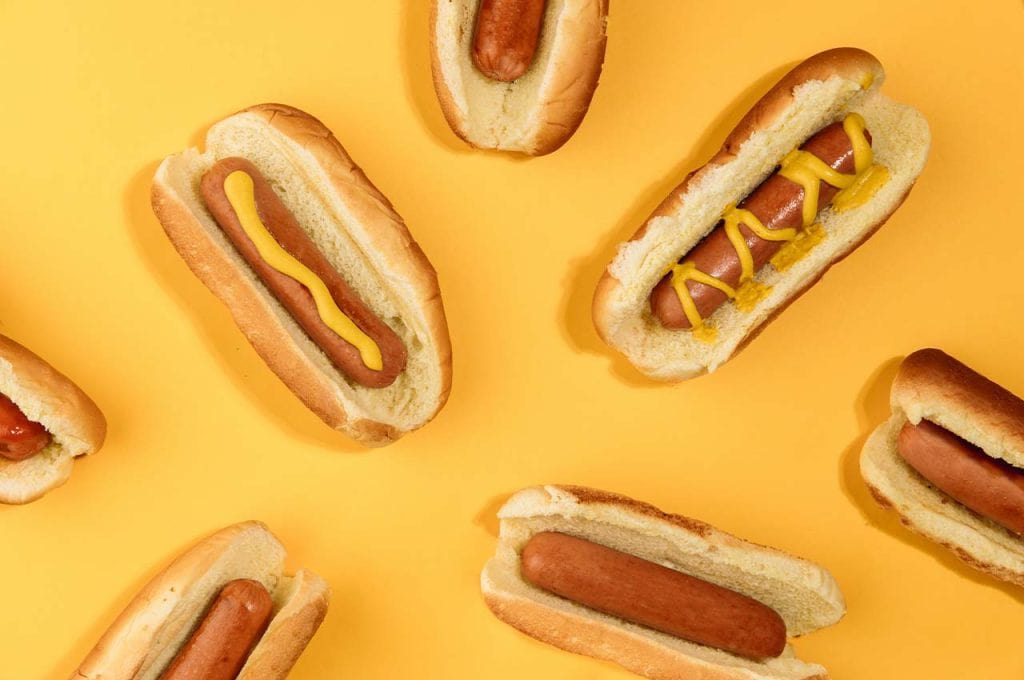
Steaming is boiling’s slightly more refined cousin. The dogs cook gently over simmering water, absorbing moisture without sitting directly in it. The flavor stays more concentrated, and the casing firms up just a bit more than boiling allows. It’s still not going to deliver a sear or a char, but it’s a step in the right direction. A solid choice for a softer dog with better flavor retention.
Oven-Baked: Even Yet Charless
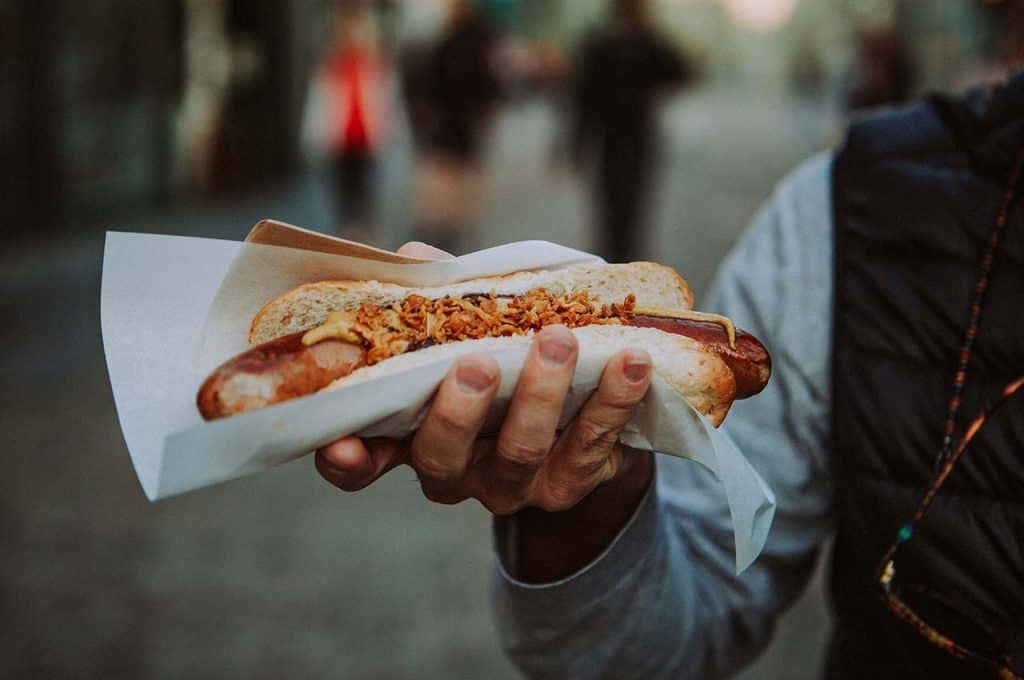
Baking a hot dog at 400°F for about 15 minutes gives you even, reliable heat. The fats render slowly, the dog holds its shape, and the texture remains consistent. What you won’t get is any char or crispness. The casing stays intact, but it never develops that browned, caramelized edge that makes a dog truly memorable. It’s a dependable method, but it plays it safe.
Air-Fried: Crispy but Dry
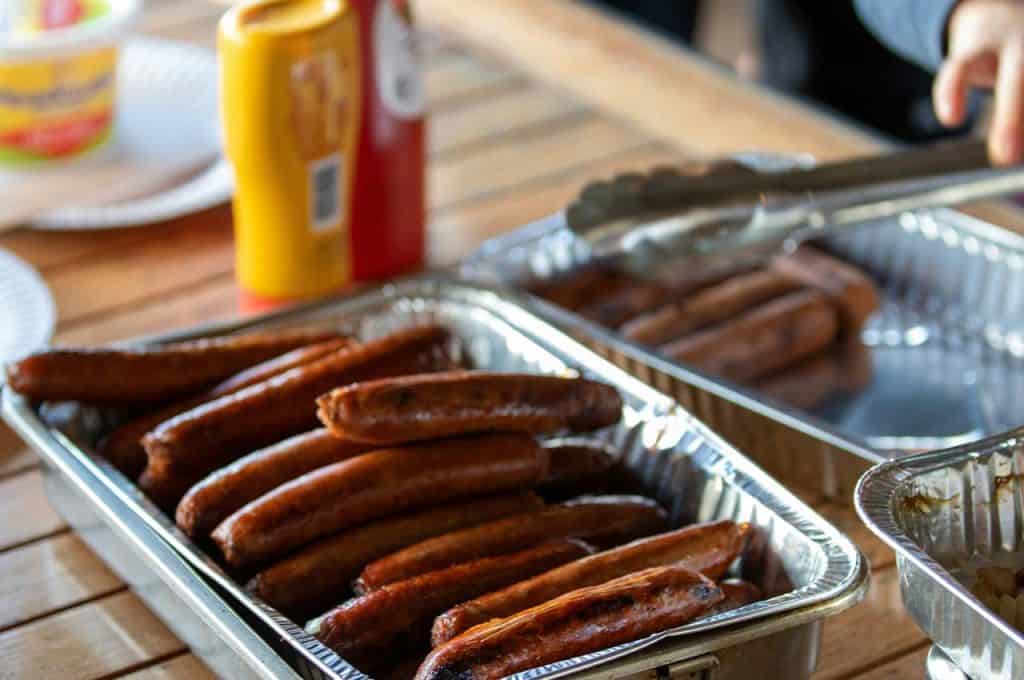
The air fryer promises crispiness with minimal oil, and it delivers, mostly. Small cuts along the surface help them cook evenly and encourage that outer crunch. The problem is moisture. Air-fried dogs can dry out fast if you’re not watching closely. Serve them immediately with moist toppings, sauerkraut, mustard, maybe a little relish, to balance the texture. It’s a decent trade-off if you’re craving crunch without firing up the grill.
Pan-Fried: Golden and Juicy
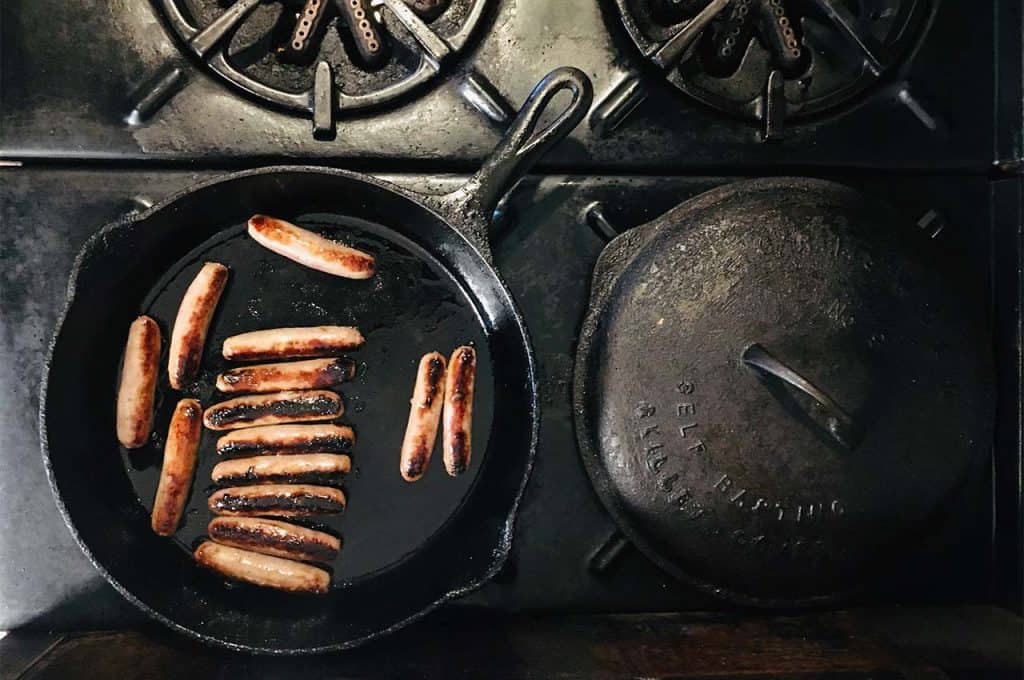
A hot skillet with a little oil does beautiful things to a hot dog. Medium heat, a few minutes per side, and you get a golden-brown exterior with a juicy interior. The fats caramelize slightly, adding depth that other methods miss. Rotate them with tongs to hit every side, and you’ll have dogs that look as good as they taste. It’s simple, fast, and reliably satisfying.
Deep-Fried: Over-the-Top Crunch
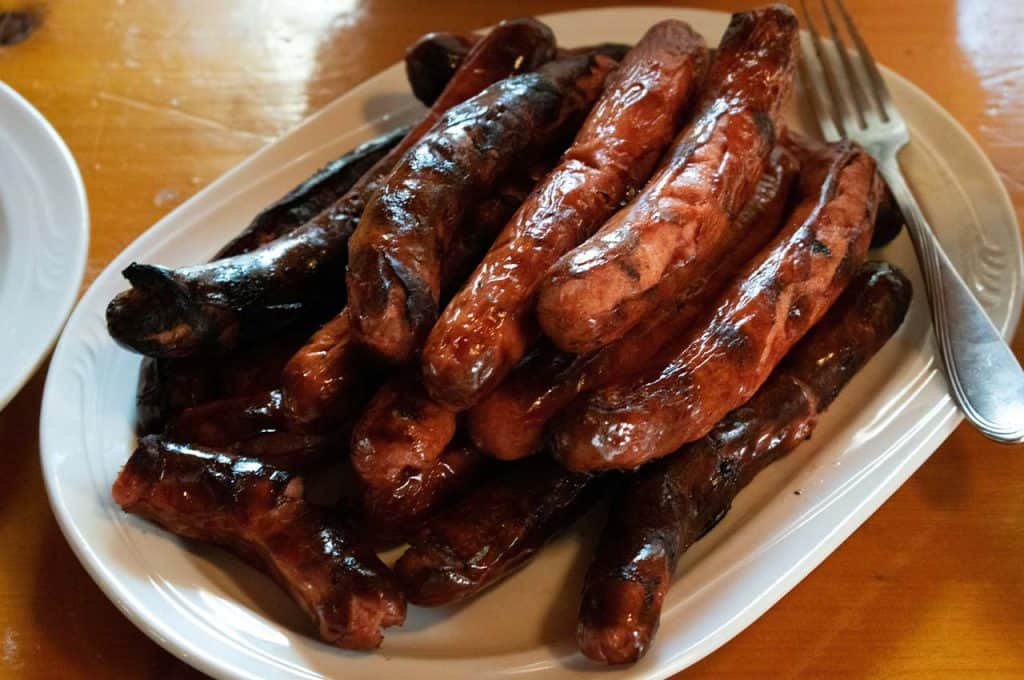
Deep-frying takes the hot dog somewhere decadent. Hot oil, around 350°F, wraps each dog in a shell of impossible crunch. The contrast between that crispy exterior and the juicy meat inside is pure indulgence. It’s rich, it’s heavy, and it’s absolutely worth doing now and then. Keep the toppings simple, mustard or relish, so they don’t compete. This is a hot dog as event.
Campfire-Roasted: Smoky Nostalgia
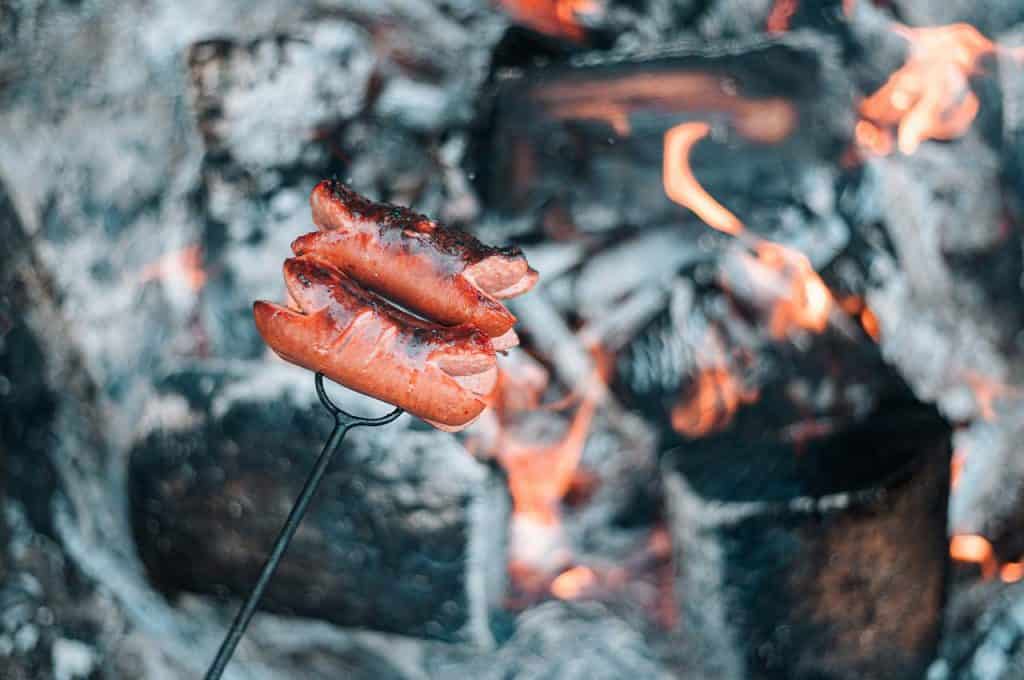
There’s something about a hot dog roasted over an open flame. The smoke, the heat, the patience required, it all comes together in a bite that tastes like summer. Skewer it securely, hold it just above the coals, and rotate steadily until evenly charred. Direct flames will burn it, so keep the heat consistent and your attention focused. Serve it in a toasted bun, and you’re not just eating a hot dog. You’re tasting a memory.
Griddled: Irresistible Diner Sear
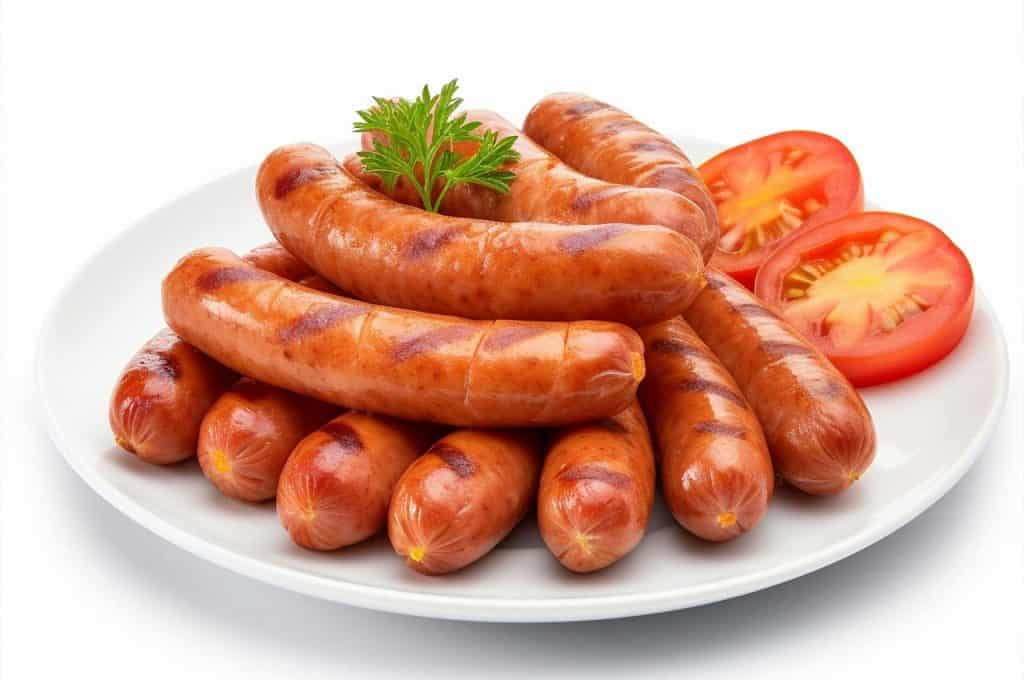
A flat-top griddle or heavy cast-iron skillet gives you that classic diner crust. Preheat to medium-high, place the dogs directly on the surface, and press lightly to maximize contact. The sear that develops is deep, caramelized, and packed with flavor. Flip and press again for even cooking. The result is a hot dog that tastes like it came from a cart on a busy corner, with a crust that yields to a juicy center. Perfect with chili or spicy mustard.
Broiled: Quick Caramelized Finish
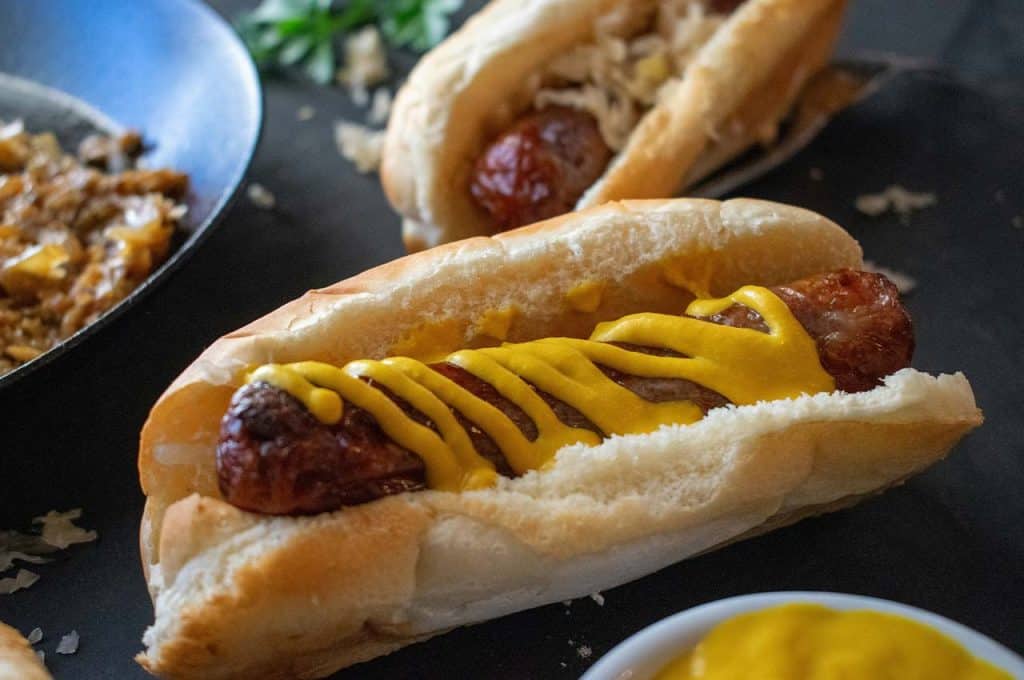
Broiling is the shortcut to a blistered, caramelized exterior. High heat, close to the element, for just four or five minutes, turning occasionally, and you’ll have dogs with a satisfying snap and rich flavor. The sugars in the meat caramelize quickly, creating depth that takes minutes to achieve. It’s fast, it’s effective, and it delivers texture that rivals slower methods. When time is short but standards aren’t, broiling is the answer.
Wood-Fired: The Ultimate Experience
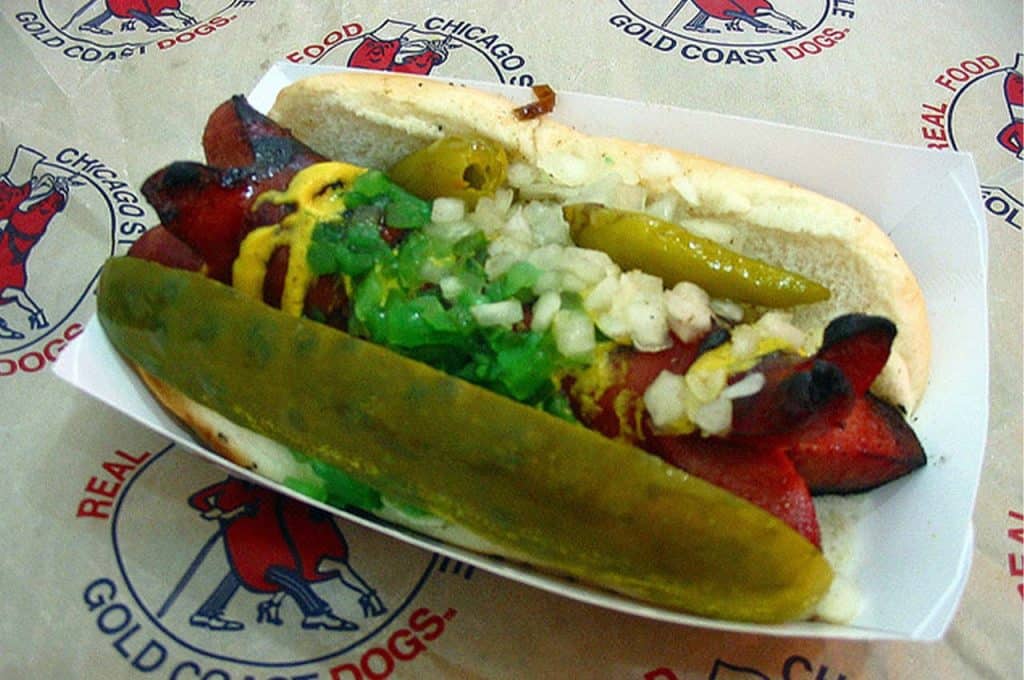
Wood-fired cooking takes the hot dog to its highest form. Real wood, oak and hickory, maybe, imparts a smoke that charcoal can only approximate. The fire should be medium, steady, and watched carefully. Turn the dogs frequently, letting the smoke work into every surface without singeing. The flavor that emerges is deep, rustic, and complex, a reminder that even the simplest food can become extraordinary with the right heat. This isn’t just a hot dog. It’s an experience.
Microwaved: Fast and Forgettable
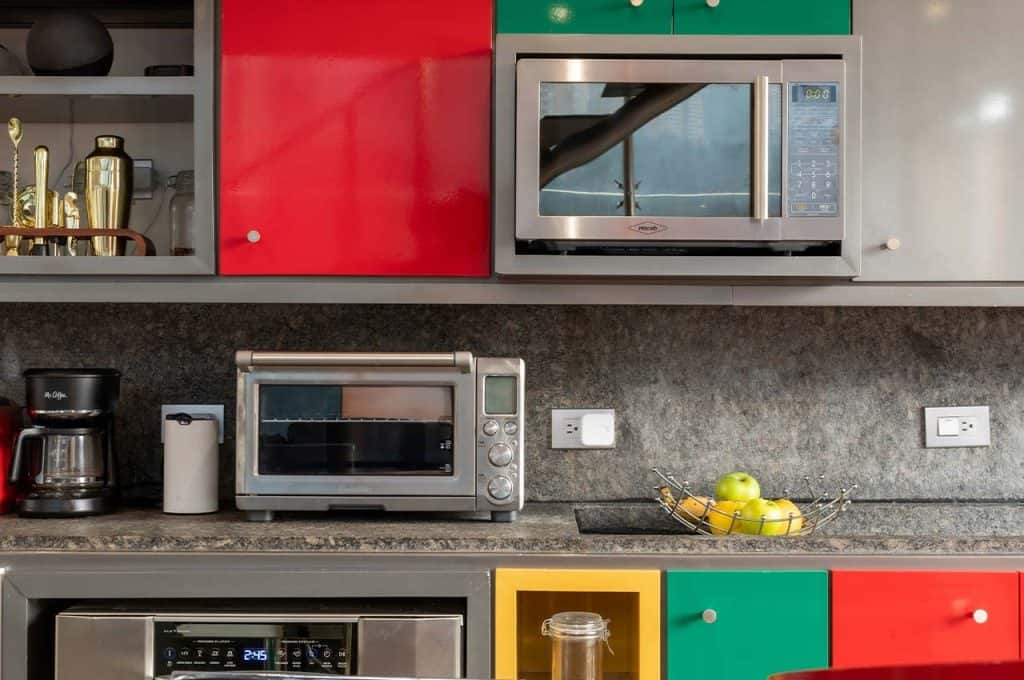
When speed is all that matters, the microwave delivers. Wrap a hot dog in a damp paper towel, hit 30 seconds, and you’re eating. It’s efficient, sure. But efficiency comes at a cost. The texture turns soft and uneven, the casing loses any hope of a snap, and the flavor falls flat. It’s food as fuel, nothing more. In a pinch, it works. Just don’t expect to remember it five minutes later.
Every method has its place. Sometimes you need speed. Sometimes you want theater. But when you’re looking for the perfect bite, the one that makes you close your eyes and pause, you know which fire to build.