What You Need to Know About the FDA’s New Food Dye Rules

Have you been hearing the quiet buzz about food dyes lately? I know, I know—it’s one of those topics that can feel technical and distant, something for food scientists and corporate boardrooms. But here’s the beautiful thing: these recent changes from the FDA are actually about us. About the food we bring into our kitchens, the meals we set before our families, the quiet trust we place in every colorful package we pick up at the store. And I think that’s worth talking about—not with alarm or confusion, but with genuine curiosity and hope. Let’s explore this together, gently.
The Gentle Farewell to Synthetic Dyes

This isn’t an overnight revolution, and it’s not about fear or panic. It’s simply a quiet, steady shift away from dyes derived from petroleum—the same source as gasoline and industrial plastics—and toward colors that come from plants and vegetables. Beet juice instead of Red 40. Turmeric instead of Yellow 5. Spirulina instead of Blue 1. This transition takes time, patience, and genuine effort from manufacturers. But each small reformulation, each label updated, each product that swaps synthetic for natural? That’s a tiny victory for transparency. For trust. For the simple, radical idea that our food should be made from food.
Why This Actually Matters to You and Me

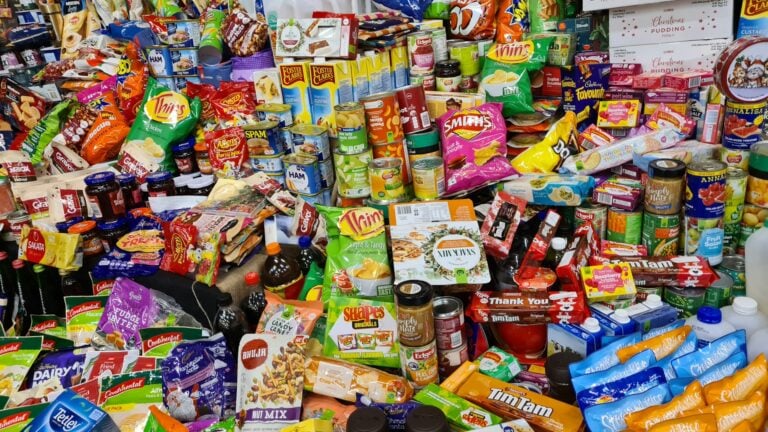
It’s easy to hear about regulatory updates and think, “Well, that’s nice for the people who care about that sort of thing.” But here’s the truth: this touches all of us. Every birthday cake with brightly colored frosting. Every cheesy snack with that particular orange glow. Every rainbow sprinkle on a child’s ice cream cone. For years, many of us have felt a quiet unease about synthetic dyes, especially those derived from petroleum—but without clear information or accessible alternatives, what could we really do? Now the landscape is shifting. Transparency is becoming the standard, not the exception. We don’t need to be food scientists or policy experts to make choices that feel good. We just need labels that tell the truth. And that’s finally happening.
What “No Artificial Colors” Finally Means

For years, I’d stand in the grocery aisle, pick up a product with those cheerful words—”No Artificial Colors!”—and wonder: but what does that actually mean? The answer was often murky, a little inconsistent, hard to trust. And now? Now it means something real. Something verifiable. Under the FDA’s updated guidelines, that label can only appear when a product uses genuinely natural, plant-derived dyes—beet, turmeric, spirulina, annatto—with absolutely no synthetic counterparts hiding in the ingredient list. This isn’t about taking options away. It’s about giving us something far more precious: assurance. When we see those words now, we can believe them. That quiet, happy confidence? That’s the kind of change worth celebrating.
New Natural Dyes: Nature’s Palette Expands

Oh, this part makes my heart so glad. The FDA has approved new natural dyes from gorgeous, wholesome sources—vibrant beetroot, that gorgeous fuchsia; sunny turmeric, warm and golden; spirulina, offering the most ethereal sage greens and soft blues. These aren’t compromises or pale imitations of synthetic colors. They’re genuinely beautiful in their own right, with a softness and depth that synthetic dyes can never quite replicate. And for those of us who love spending time in the kitchen? This is an invitation. A gently pink buttercream, naturally golden pasta dough, cookies blushing with beet. We can experiment, play, create food that’s as lovely to look at as it is to eat. Nature’s palette has always been enough. Now our labels are finally catching up.
How Food Companies Are Rising to the Occasion

I’ll admit it: I wasn’t sure how manufacturers would respond to these changes. Reformulating beloved products is genuinely difficult, especially when you’re trying to match a specific shade of red or that particular electric blue. But so many companies are rising to the challenge with real creativity and care. They’re experimenting with purple carrot juice, red cabbage extract, annatto seeds. They’re investing in new sourcing partnerships with farmers growing turmeric and spirulina. And yes, some products might look slightly different than they used to—softer, more muted, more like something that actually grew in the earth. But that’s not a loss. That’s food becoming more honest. That’s something we can feel good about.