9 Popular Foods That Should Be Cheap but Remain Costly

Ever reach for something at the grocery store, something simple and familiar, only to do a double-take at the price tag? You’re not imagining things. A bunch of everyday foods have quietly graduated from the bargain bin to the splurge section. It’s a mix of supply quirks, trendy demand, and hidden costs that have reshaped what we pay. This list is for all those foods that still feel like they should be cheap, but stubbornly refuse to be.
Lobster: From Prison Food to Fancy Feast
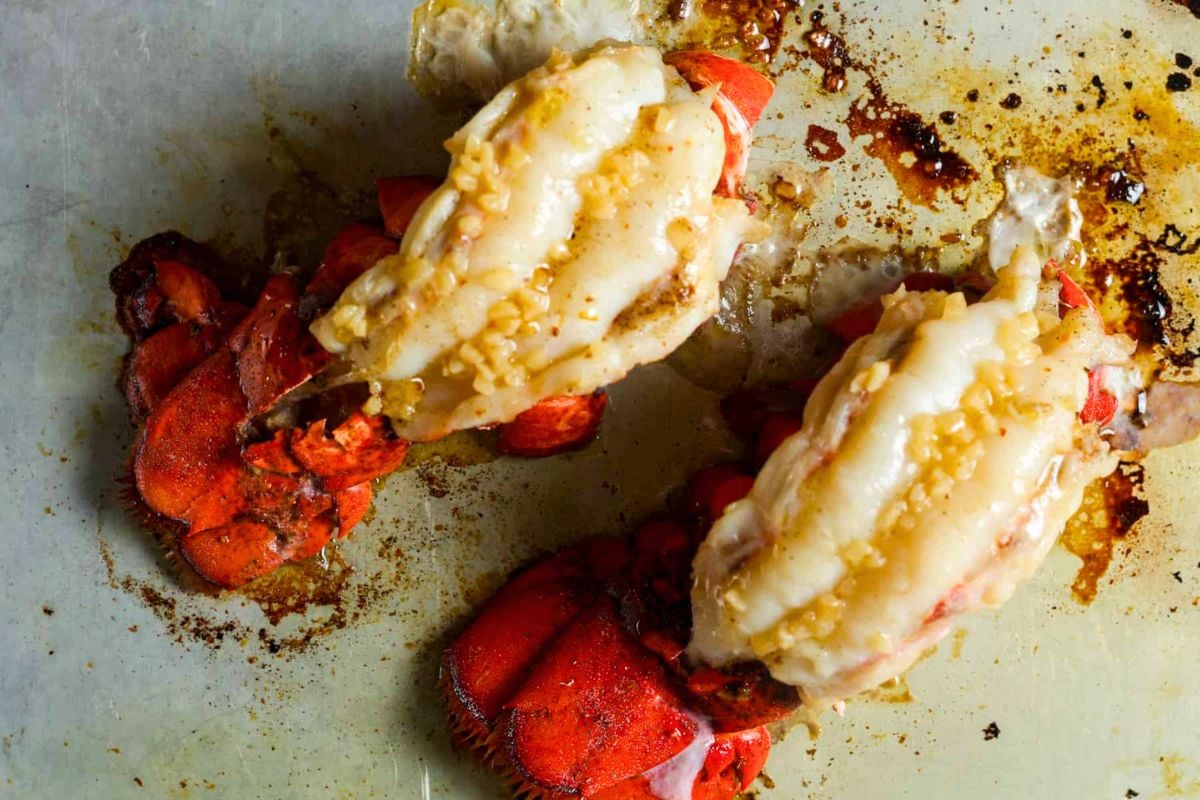
It’s the ultimate foodie plot twist: lobster was once so plentiful on the East Coast it was fed to prisoners and used as fertilizer! Today, it’s the star of expensive date nights. What changed? A few big things: cold shipping lets live lobsters jet-set around the world, strict fishing rules keep populations (and supplies) in check, and restaurants turned it into a luxury experience. So even when the catch is good, the cost of fuel, labor, and that whole “luxury” vibe keeps the price sky-high. It’s a permanent promotion from humble sea bug to celebrated delicacy.
Oysters: Nature’s Fancy, Fragile Snack
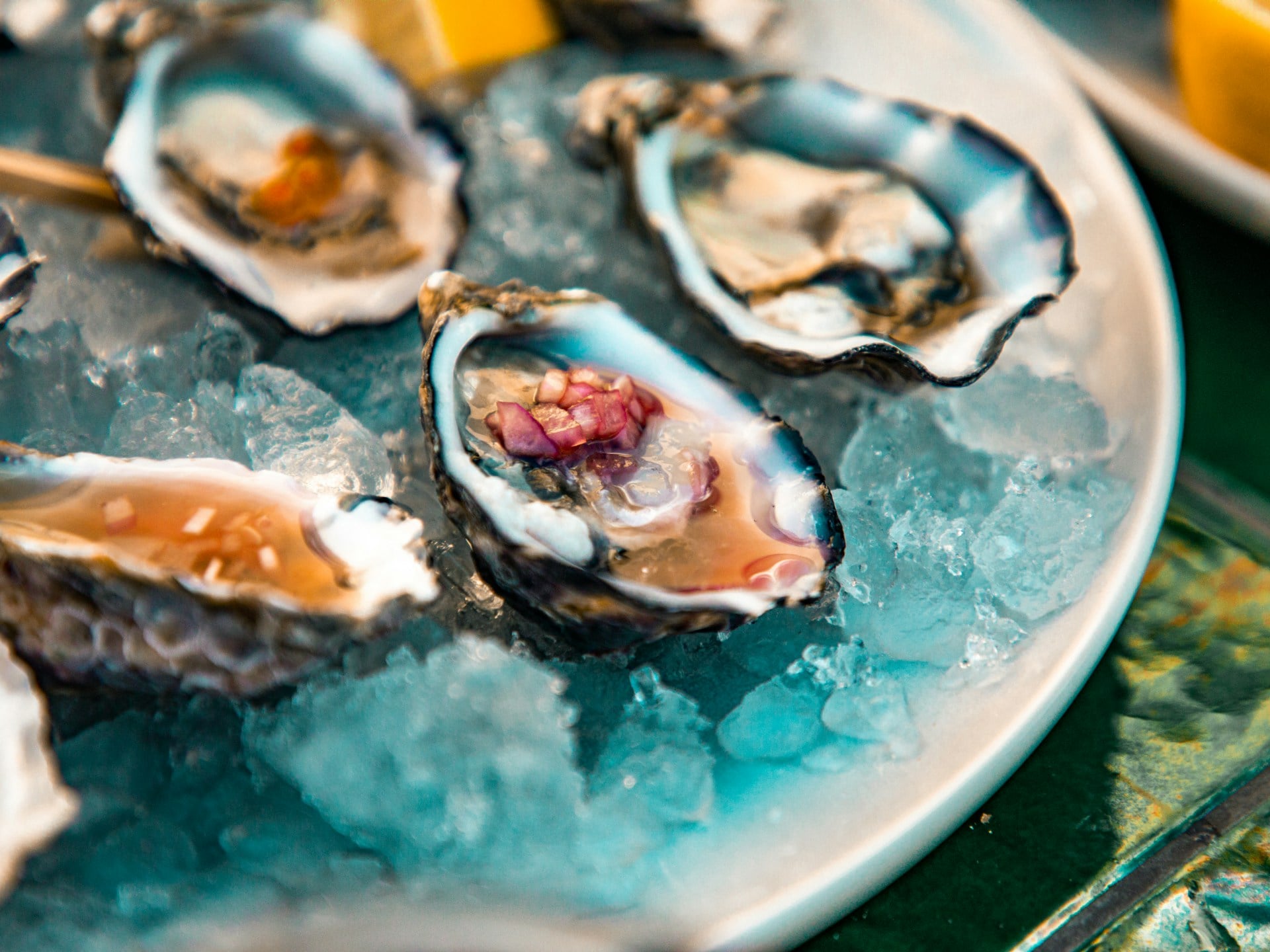
Oysters grow wild and reproduce like crazy, so they should be cheap, right? Not so fast. They’re incredibly delicate, needing perfect, cold conditions from the water to your plate. Harvesting is heavily regulated for safety, storms can wipe out whole crops, and they’re mostly cleaned and sorted by hand. Plus, they’re now marketed like fine wine, with fancy names and “merroir.” All that care and storytelling adds up, making that simple raw bar treat a pricier proposition than you’d expect.
Brisket: The Budget Cut That Got Famous
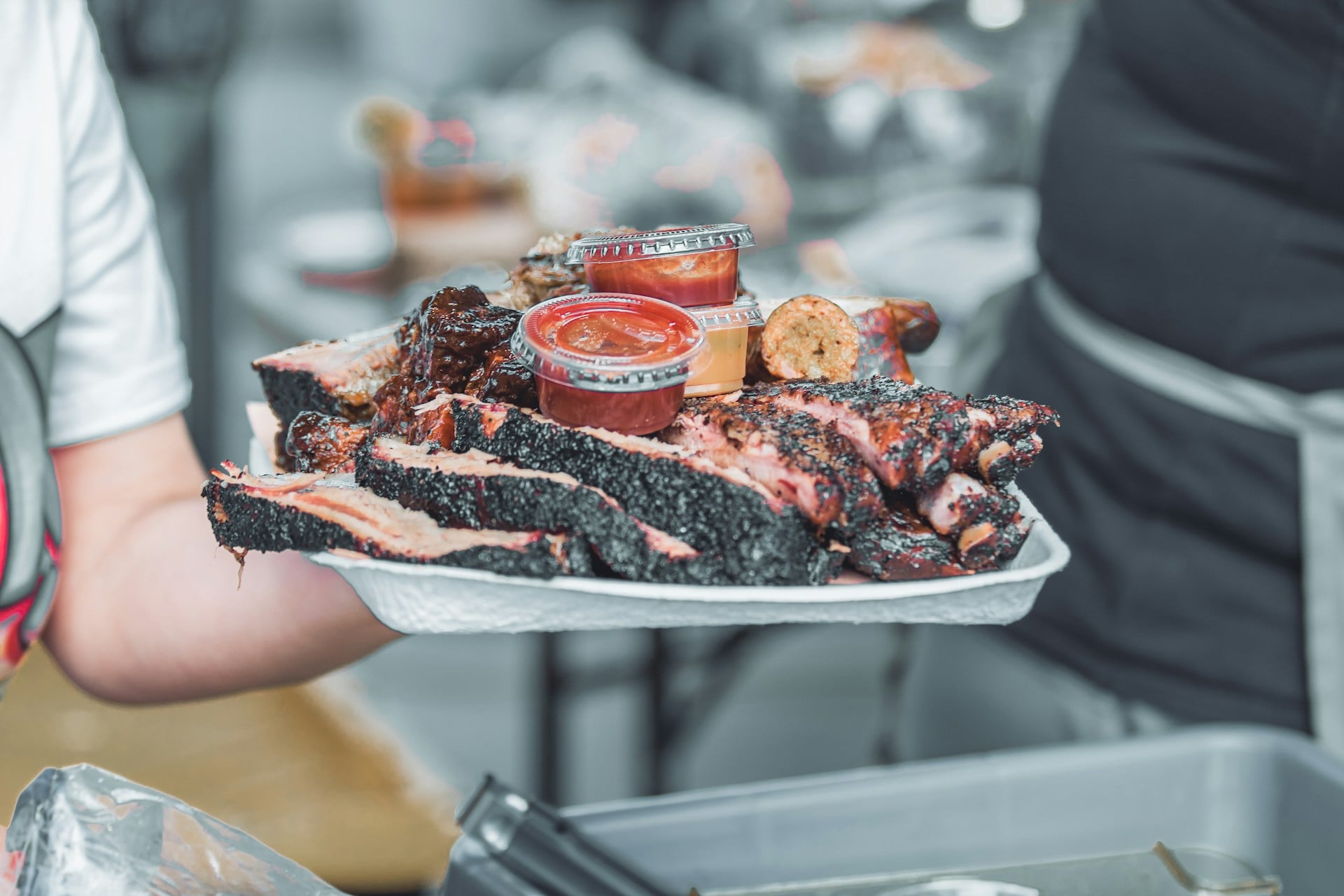
Brisket used to be the secret of thrifty home cooks—a tough, fatty cut you braised for hours into tender goodness. Then, barbecue culture exploded. Competition pits and trendy smokehouses turned brisket into an art form, and everyone wanted a taste. As demand shot up, so did the price. Now, what was once a humble family dinner is a premium centerpiece, and the grocery store price reflects its fancy new reputation.
Quinoa: The Simple Grain with a Complicated Price Tag
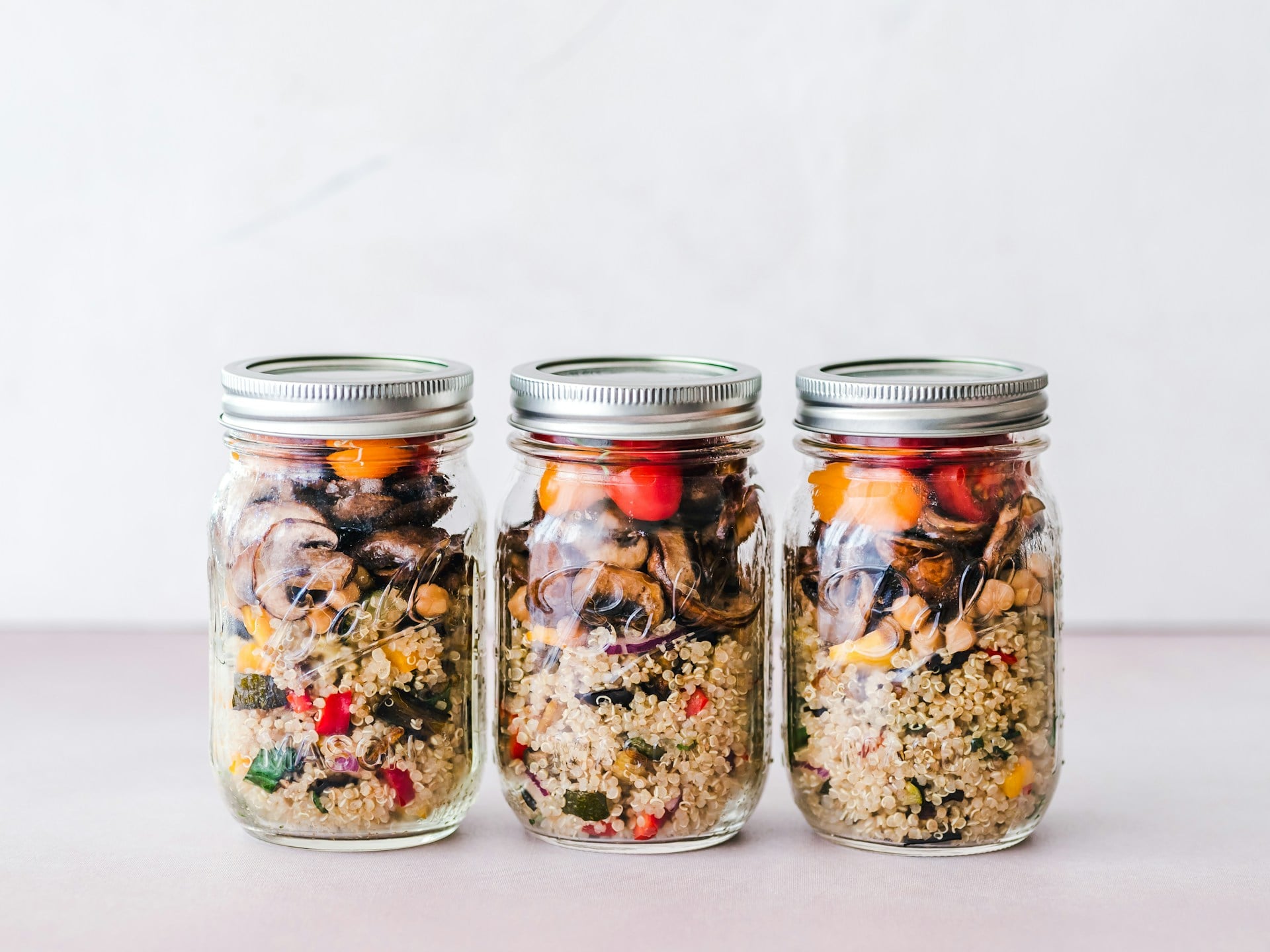
Quinoa looks like it should sit next to rice and cost about the same. But this “superfood” has a super-complicated supply chain. It grows in very specific high-altitude regions, and when global demand exploded, supply couldn’t keep up. It requires careful washing and processing, and shipping it adds major costs. So while it’s a pantry staple in spirit, its journey from the Andes makes it priced more like a specialty import.
Pasta: The Not-So-Cheap Anymore Dinner Hero
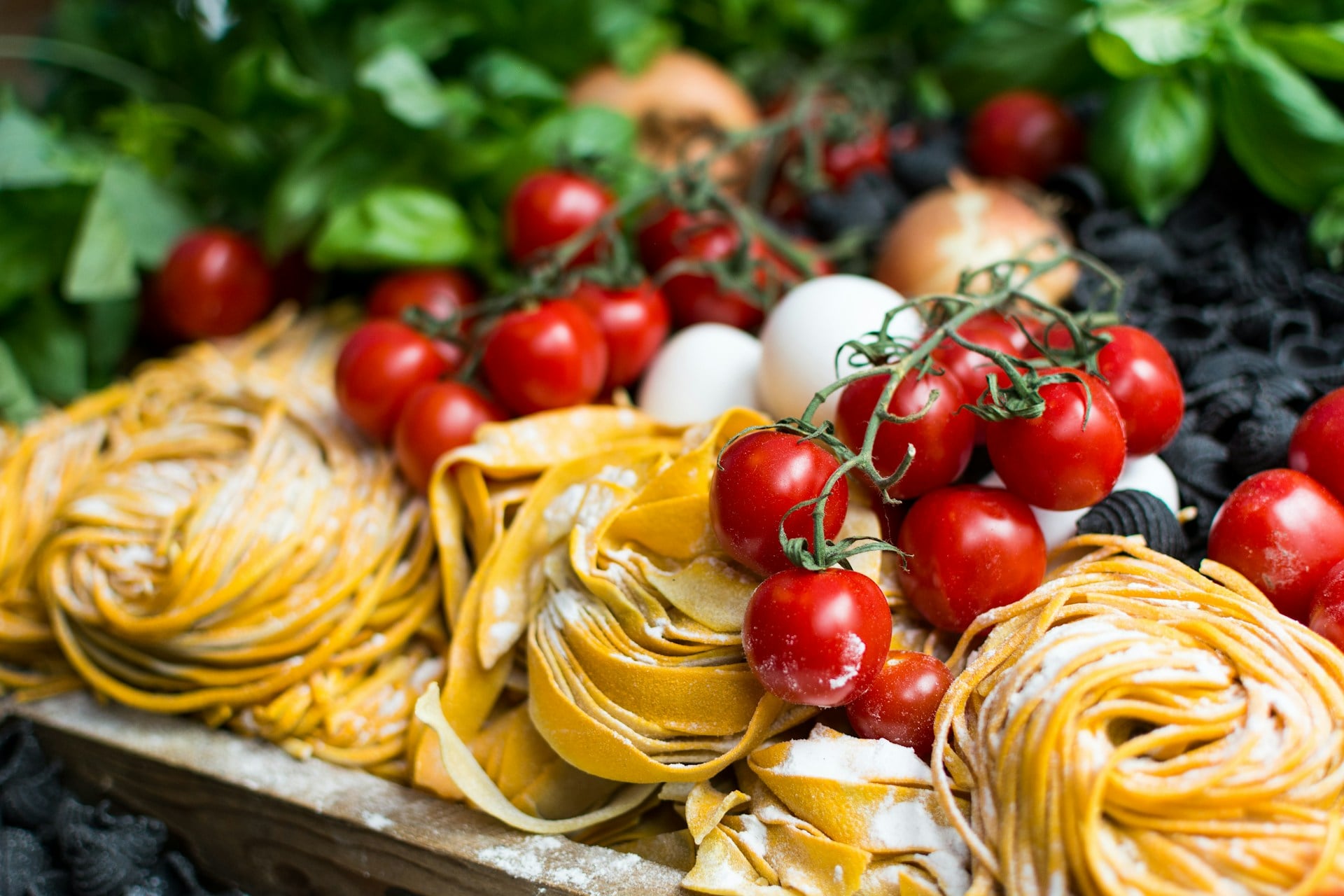
Pasta has always been the MVP of budget meals. Lately, though, that box isn’t as friendly to your wallet. Droughts and global issues push wheat prices up, energy costs affect production, and many brands have moved toward fancier, bronze-cut, or organic versions. Even the basic stuff isn’t immune to rising costs for packaging and transport. It still looks like the ultimate cheap eat, but behind the scenes, it’s not as simple (or as inexpensive) as it used to be.
Pork Bones & Ham Knuckles: When Scraps Become Gold
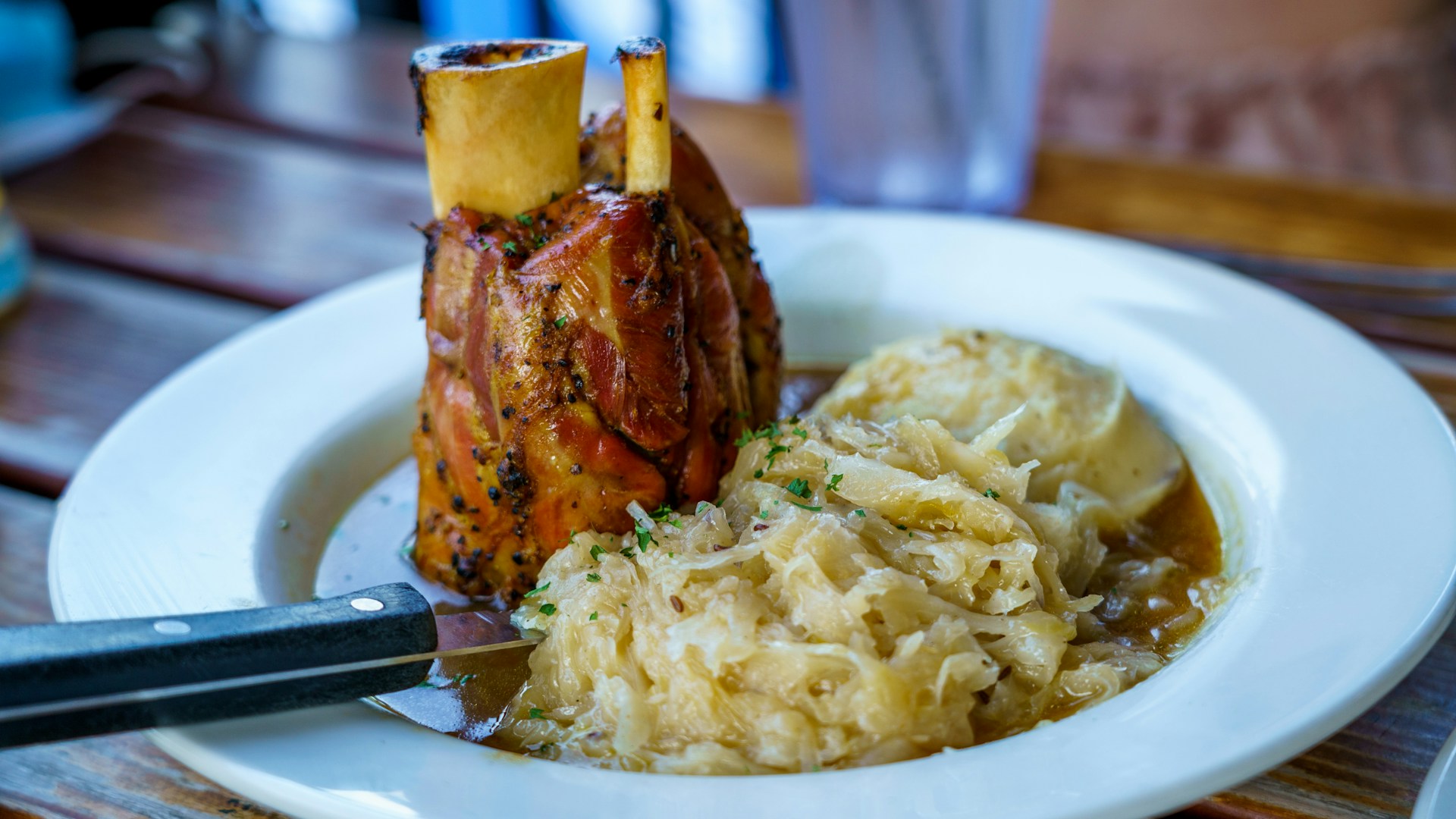
Remember when soup bones were practically given away? The “nose-to-tail” and bone broth trends changed all that. What was once considered scrap is now prized for its collagen and flavor. Everyone from home cooks to ramen shops is after them, driving up demand. With less supply hitting the retail counter, the price for these “leftover” bits has climbed way past leftover prices.
Lamb Shanks: The Slow-Cooker Secret’s Out
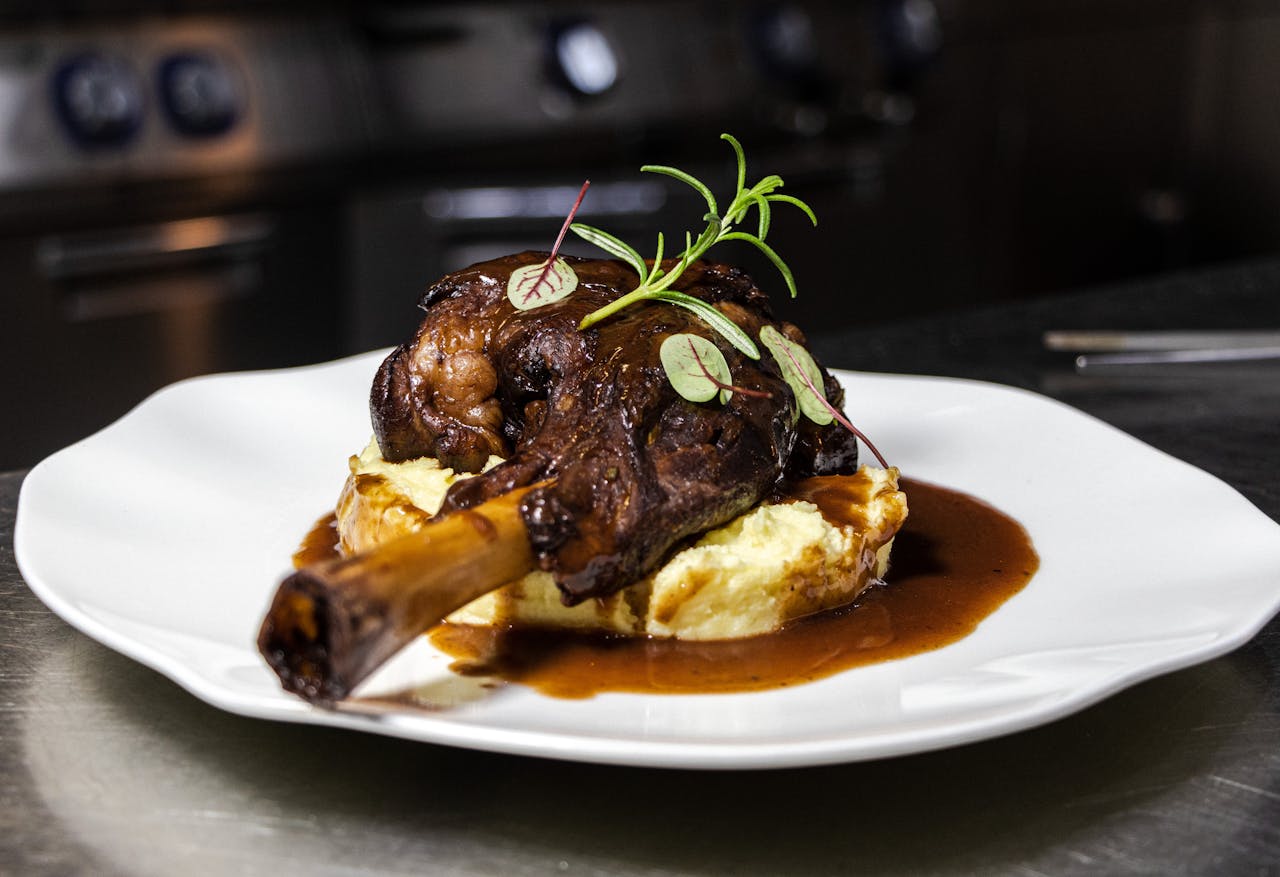
Lamb shanks were a hidden gem for slow-cooking fans—flavorful, forgiving, and cheap. The secret got out. As chefs put braised lamb shanks on menus everywhere, demand grew. Since lamb itself is more expensive to raise than chicken or pork, and there’s less of it, prices for all cuts, including the once-humble shank, have climbed. They’re still delicious, but they’re no longer a budget steal.
Ramen: From Dorm Room to Gourmet Bowl
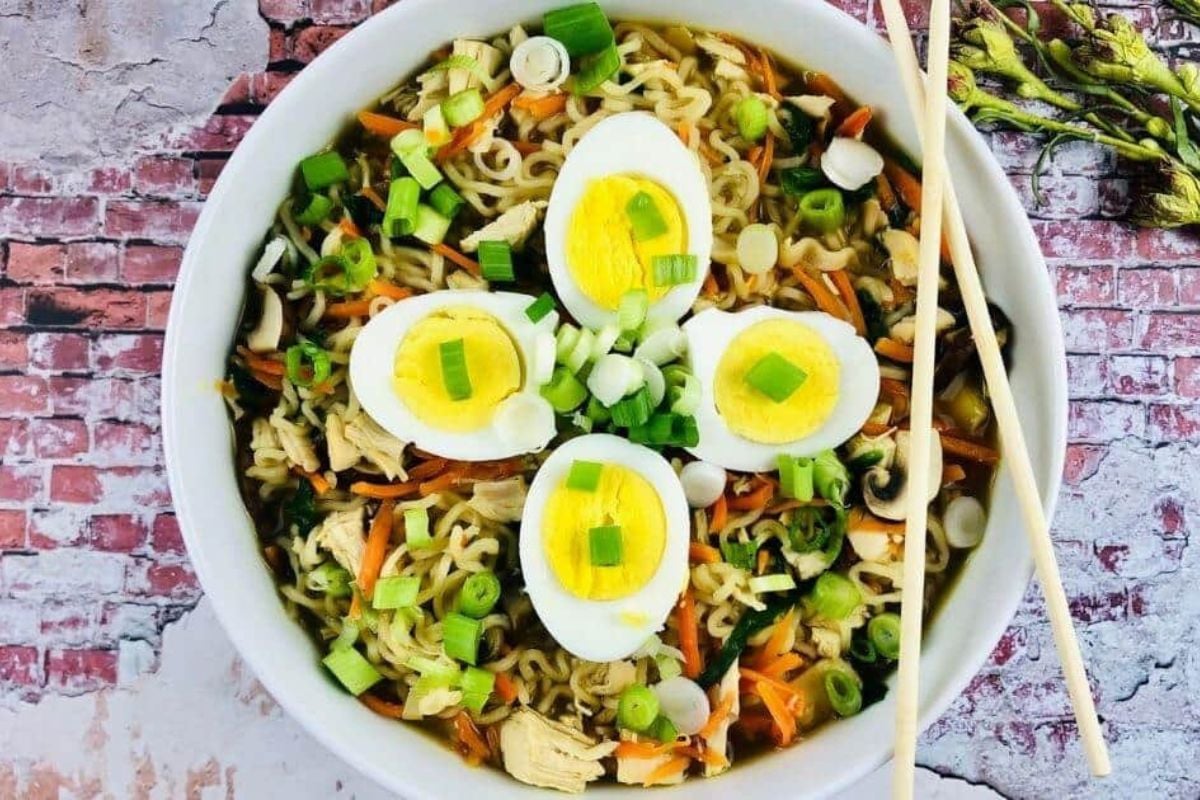
Instant ramen will always be a cheap classic, but walk down the noodle aisle now and you’ll see a whole new world. There’s a huge market for premium fresh noodles, artisanal broths, and imported kits. Even instant brands have fancier, pricier lines. Rising costs for ingredients and production affect the basic stuff, too. Ramen is still cheap at its core, but our expectations have evolved, and so has the price for anything beyond the basic brick.
Kale & Trendy Greens: From Garnish to Superstar
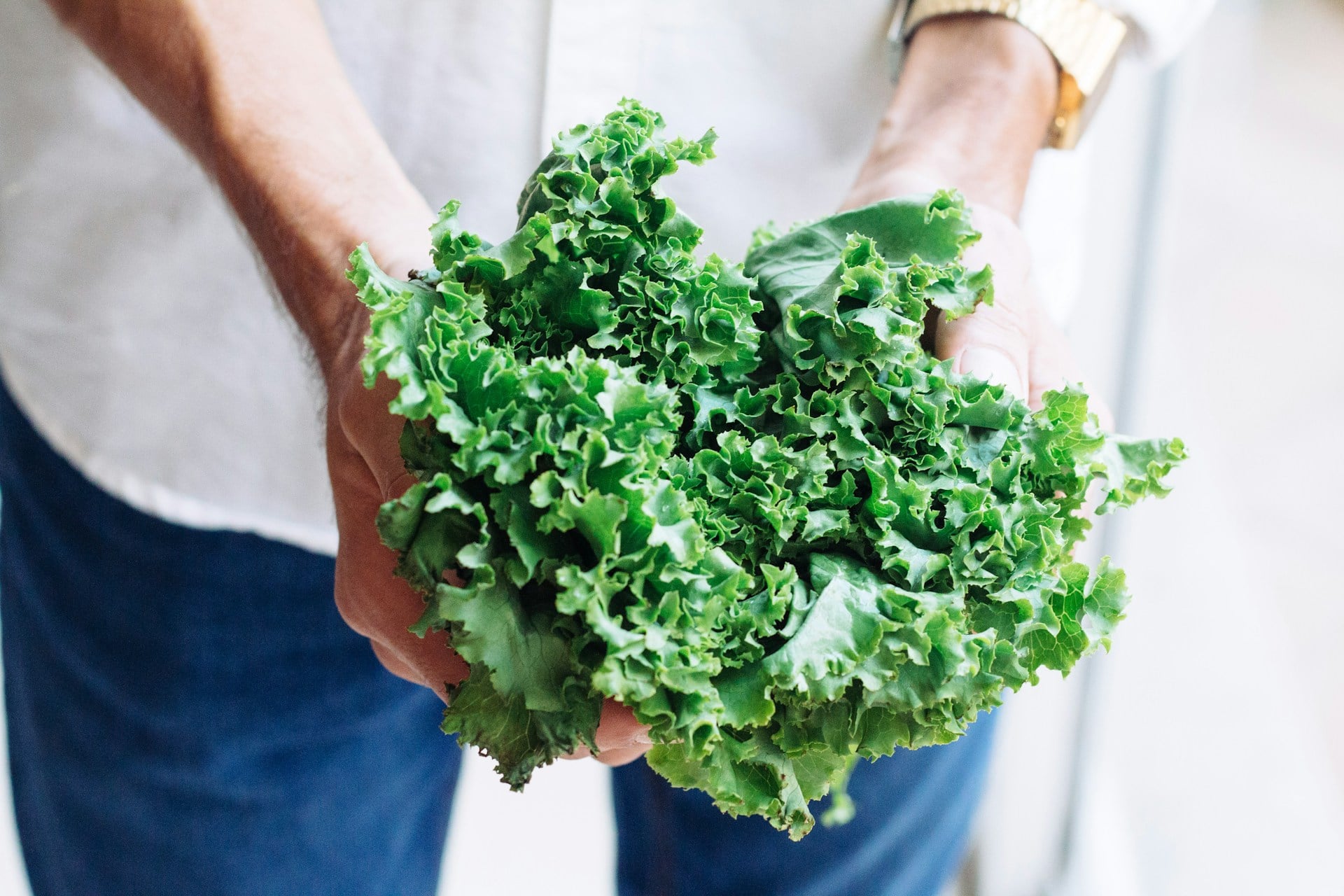
Kale’s glow-up is legendary. Once used as a plate garnish or in animal feed, it became the poster child for the superfood movement. That huge spike in demand meant scaling up production, which comes with costs for labor, irrigation, and organic certification. It’s also perishable, leading to waste. So while it grows like a weed in your garden, the commercial version that’s washed, bagged, and shipped to your store carries a much heftier price tag for its trendy reputation.
So next time you’re sticker-shocked by brisket or kale, you’re not wrong—they should feel cheaper based on their history. But trends, logistics, and our own evolving tastes have given them a permanent price upgrade.