Foods to Skip Packing for Road Trips and Household Moves

We’ve all been there: you’re heading on a road trip or a big move, you do a giant grocery haul, and you stuff it all in the car, confident in your packing skills. But then, hours later, you unpack a sad, soggy, or downright ruined mess. It turns out, not everything that looks sturdy on a shelf can survive the warm, bumpy reality of a car ride. Some foods are just divas when it comes to travel. Knowing which ones to avoid packing can save you money, a huge cleanup, and the disappointment of food that’s no longer safe or tasty.
Fresh Berries and Soft Fruit: The Delicate Bruisers

Berries, peaches, and plums might look tough, but they’re basically little water balloons with delicate skin. The jostling of a car ride causes them to bump and bruise against each other, and once those cell walls break, they start leaking juice and growing mold fast. Even in a cooler, temperature swings can turn your beautiful fruit into a sticky, fermented mess by the time you arrive. They produce their own ripening gas, too, so a closed container becomes a ripening (and then rotting) chamber. It’s often better to buy these treats once you’ve reached your destination.
Ice Cream and Frozen Desserts: The Melty Mess Makers
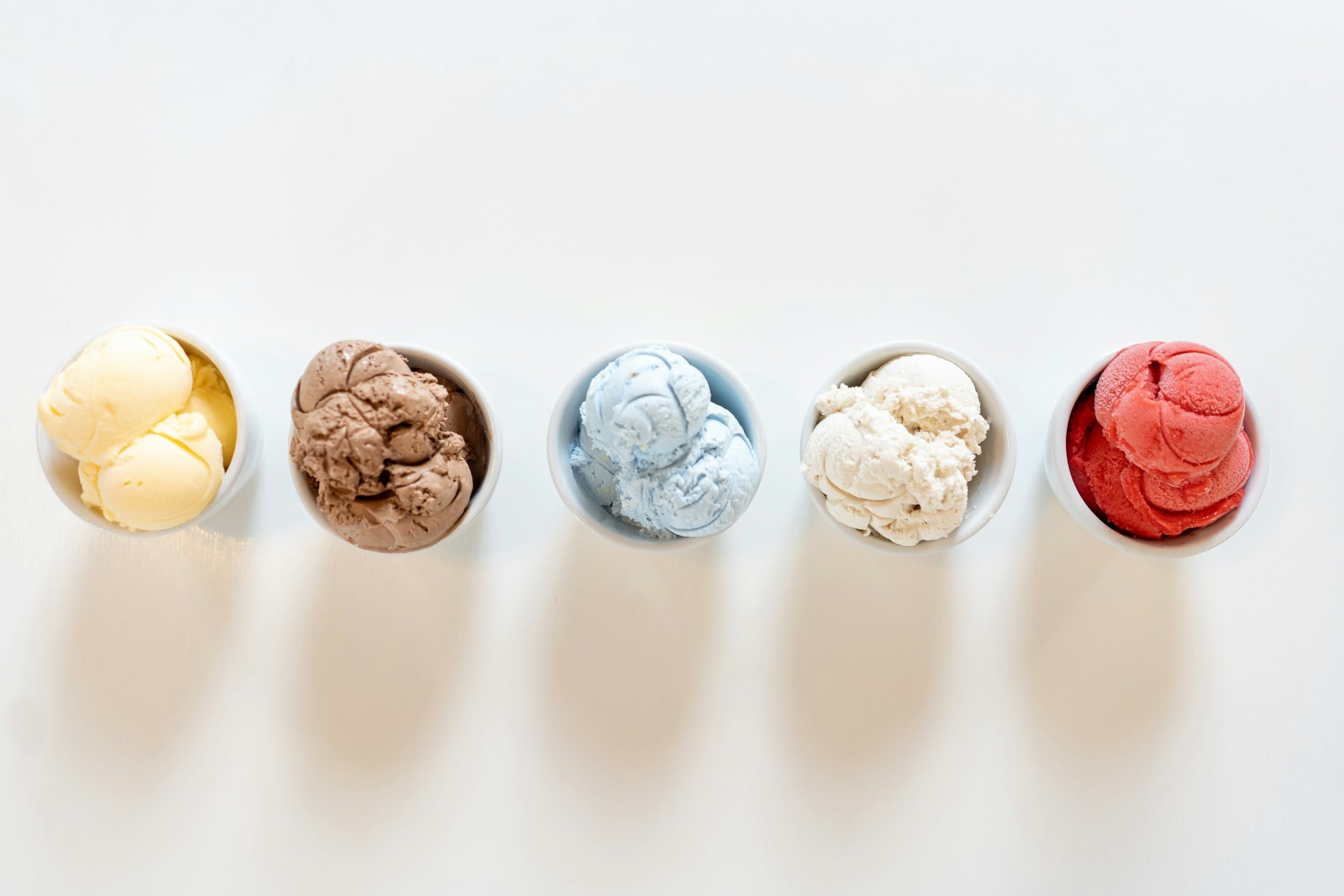
This one seems obvious, but it’s a classic travel tragedy. Ice cream needs to stay rock solid to keep its creamy texture. In a car cooler, it inevitably starts to soften. When it re-freezes, it forms those nasty, gritty ice crystals. Beyond texture, the thaw-and-refreeze cycle can make it a breeding ground for bacteria. You’ll end up with a grainy, separated mess that’s leaked all over your other groceries. Unless you’re traveling with a serious, powered cooler or dry ice, it’s best to consider ice cream a “treat for after the drive.”
Milk, Cream, and Fresh Dairy: The Temperature-Sensitive Spoilers
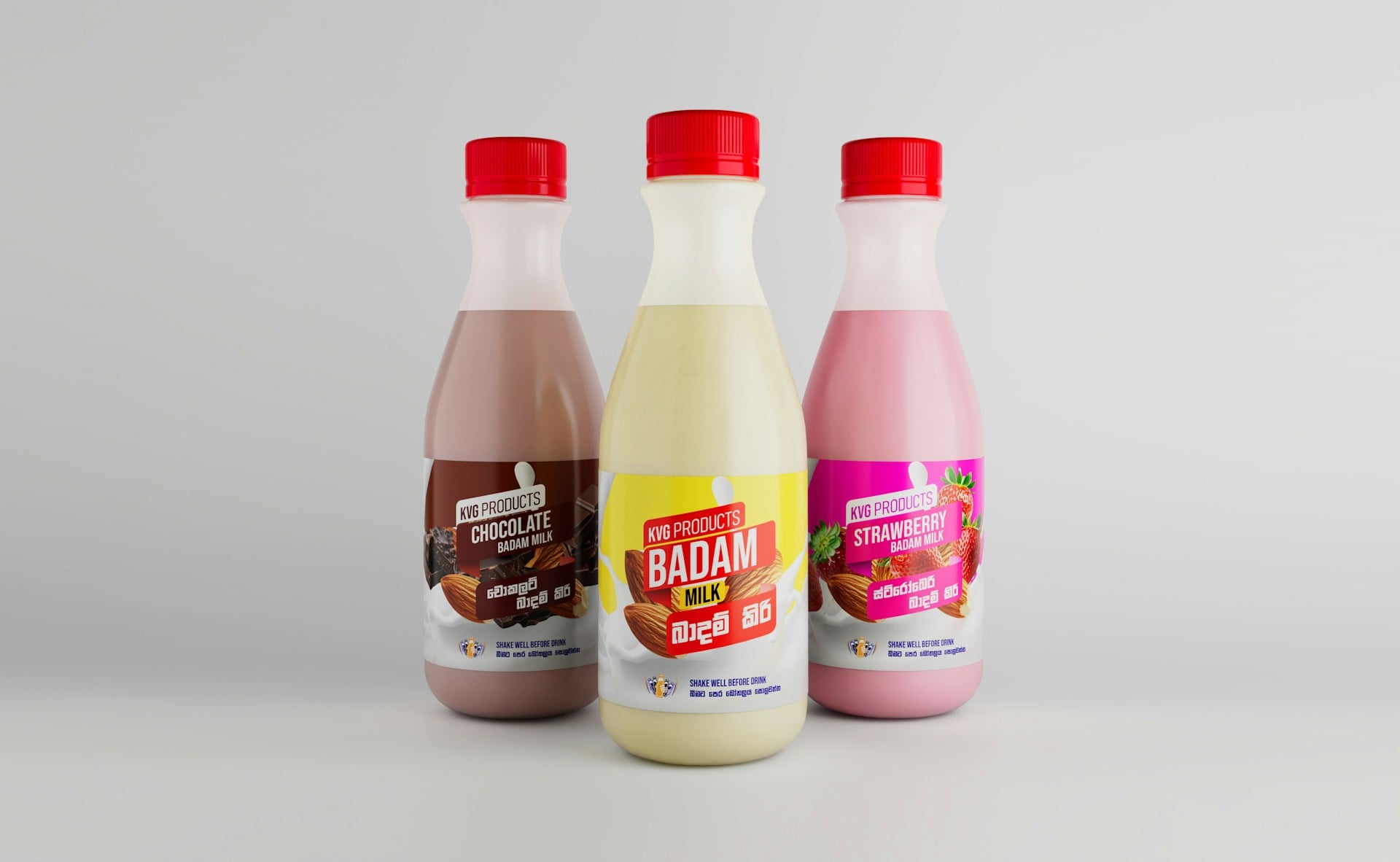
Milk and cream are like gold for bacteria—they love to grow in it. Keeping dairy cold enough during a long, warm drive is a real challenge. Once it creeps above fridge temperature, spoilage kicks in quickly, leading to sour smells and curdling long before you might see it. All the shaking doesn’t help, either, causing cream to separate. Even a small leak can contaminate everything else in your cooler. For anything more than a very short trip with a reliable cooler, it’s safer to pick up dairy when you arrive.
Leafy Greens and Bagged Salads: The Wilting Wonders
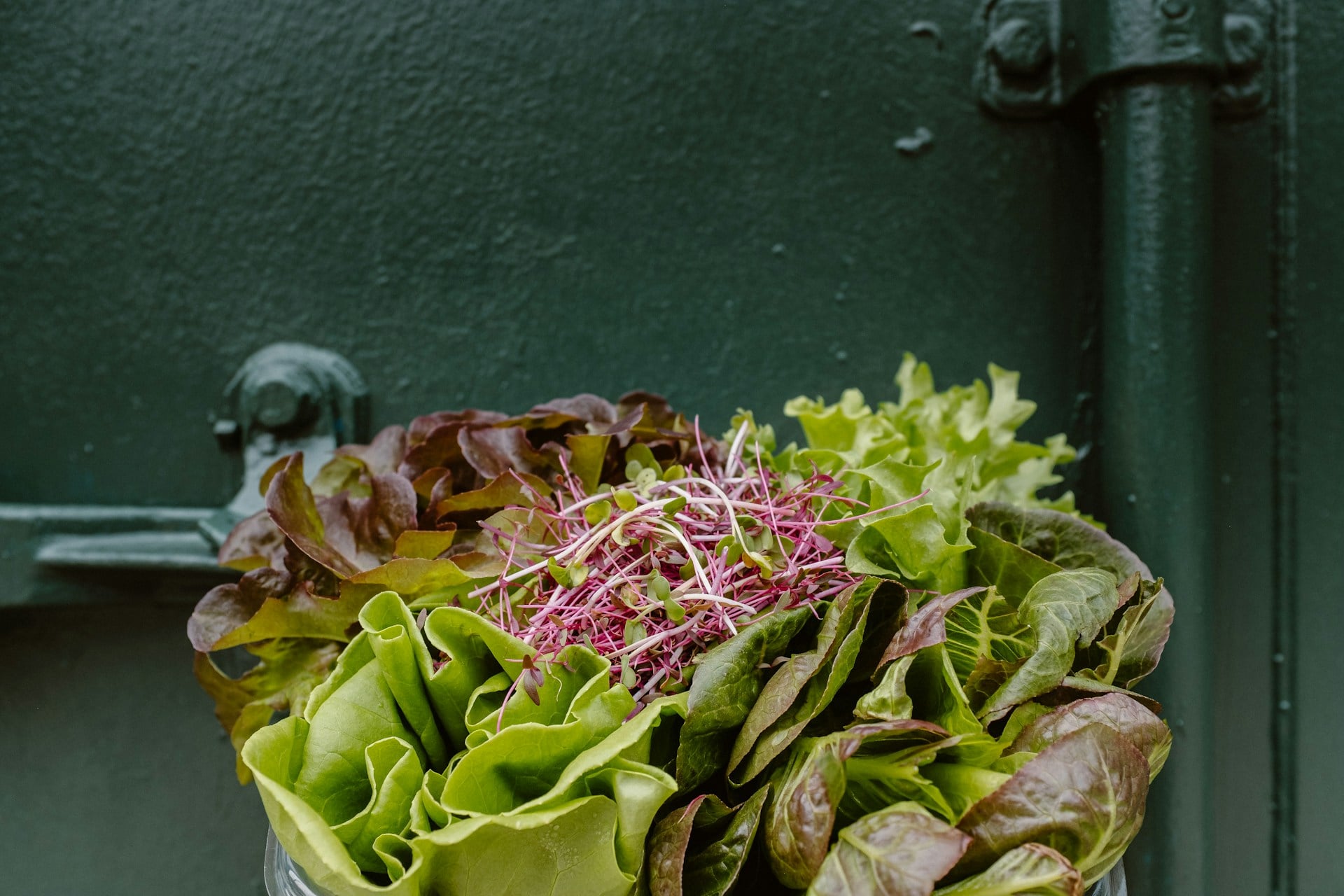
That crisp head of lettuce or bag of spring mix might seem hardy, but it’s incredibly fragile. Warm car air sucks the moisture right out, leaving you with a wilted, sad pile of leaves. Bagged salads are even worse—they’re already cut, which speeds up decay, and condensation in the bag turns them slimy fast. Even if they look okay, they often lose their crunch and fresh flavor. If you need greens on the road, heartier options like whole carrots or bell peppers are a much better bet.
Fresh Bread and Bakery Items: The Smushable Stars
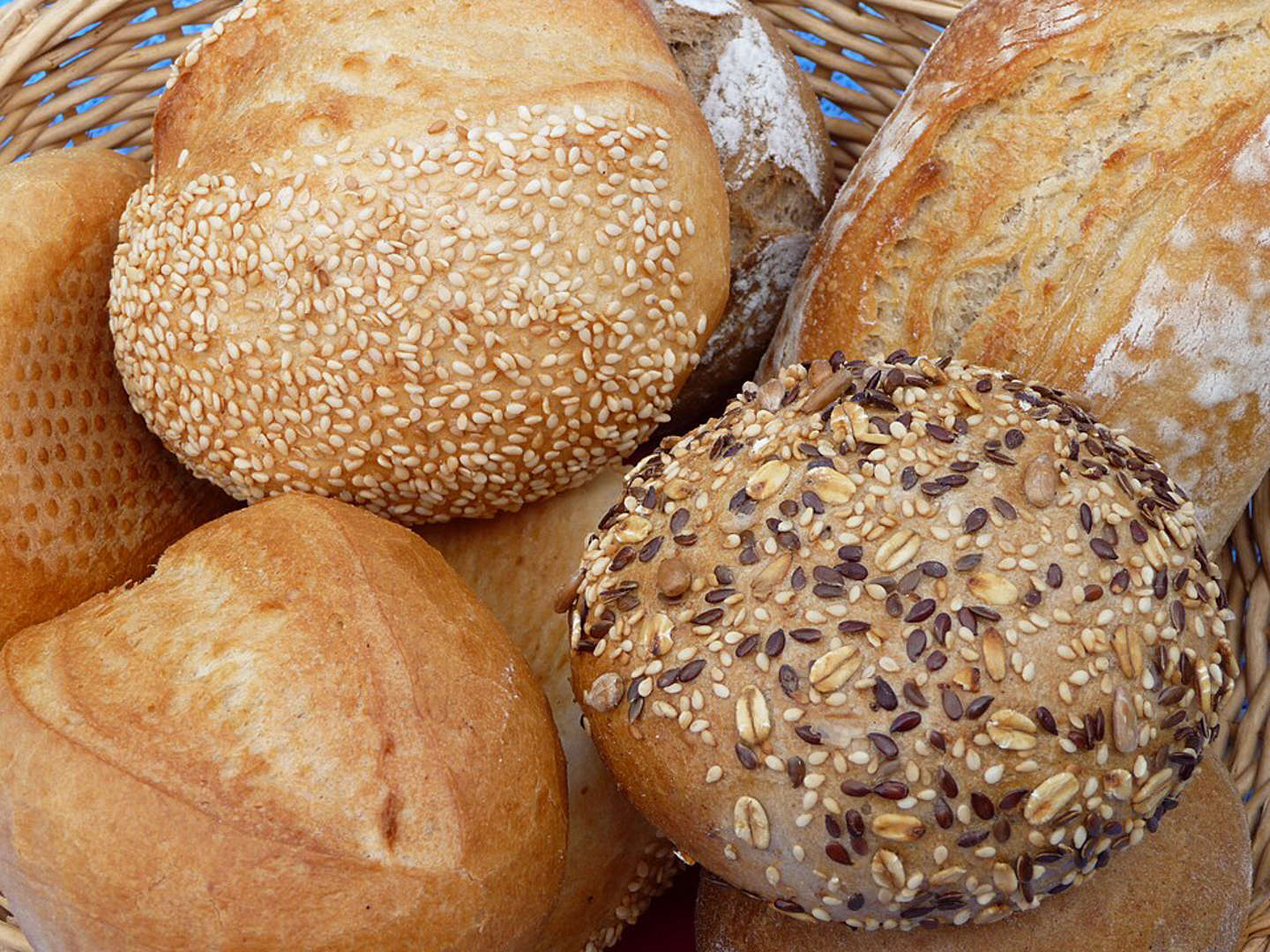
A fresh loaf of bread or a flaky croissant is a joy—until it’s been under a suitcase for four hours. Bread compresses easily, turning your artisan boule into a dense brick. Heat and humidity can make it go stale or moldy quickly, while delicate pastries crumble and smear. That beautiful frosting on a cupcake? It’ll be everywhere. Bakery goods are best enjoyed fresh and local, not after being used as packing material in a moving box.
Raw Meat and Seafood: The High-Stakes Travelers

This is the big one for food safety. Raw meat and seafood must stay consistently, properly cold to prevent dangerous bacteria from multiplying. A standard cooler with a bag of ice simply can’t guarantee that over many hours. As the ice melts, the temperature rises, and you might not even realize it’s become unsafe. Leaky packages are also a major cross-contamination risk. For everyone’s safety, it’s almost always better to buy these proteins at your final destination.
Carbonated Drinks: The Potential Exploders
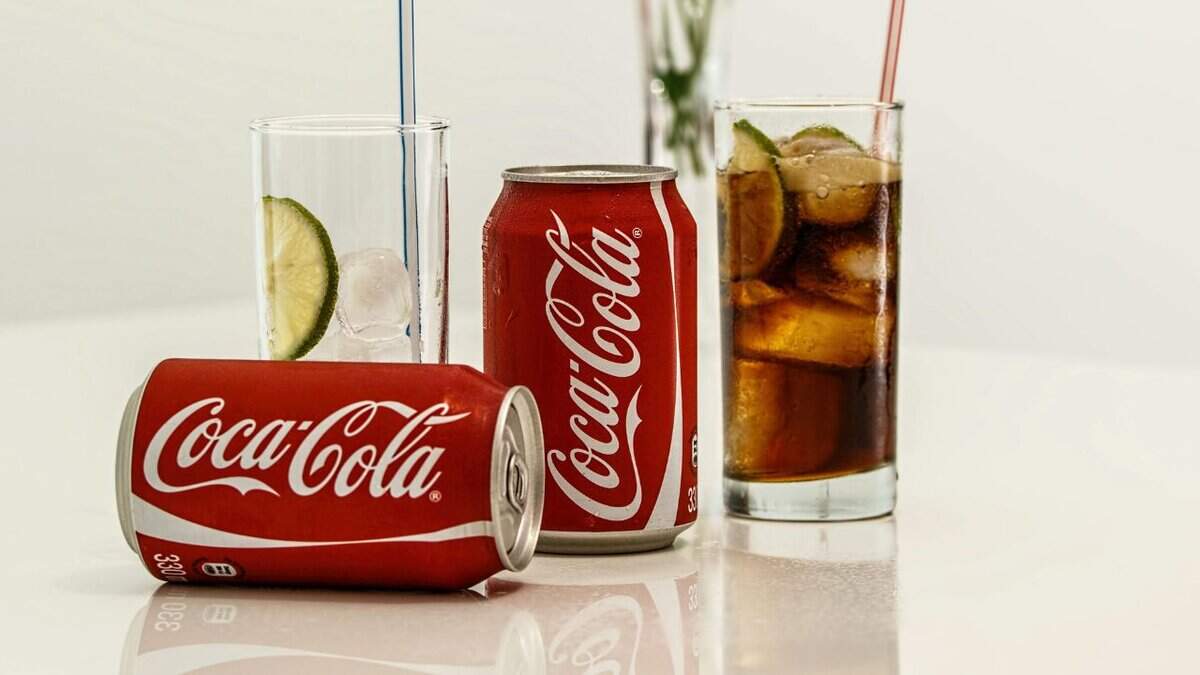
Soda cans and bottles seem like easy road trip snacks, but heat is their enemy. A warm car increases the pressure inside, making cans more likely to burst or leak when jostled. Nothing says “vacation” like sticky soda sprayed all over your trunk. They can also lose their fizz or, in very cold temps, freeze and crack. If you’re transporting them, keep them cool and secure, but maybe don’t pack your entire soda supply for a cross-country move in July.
Cut Produce and Prepared Foods: The Short-Lived Convenience
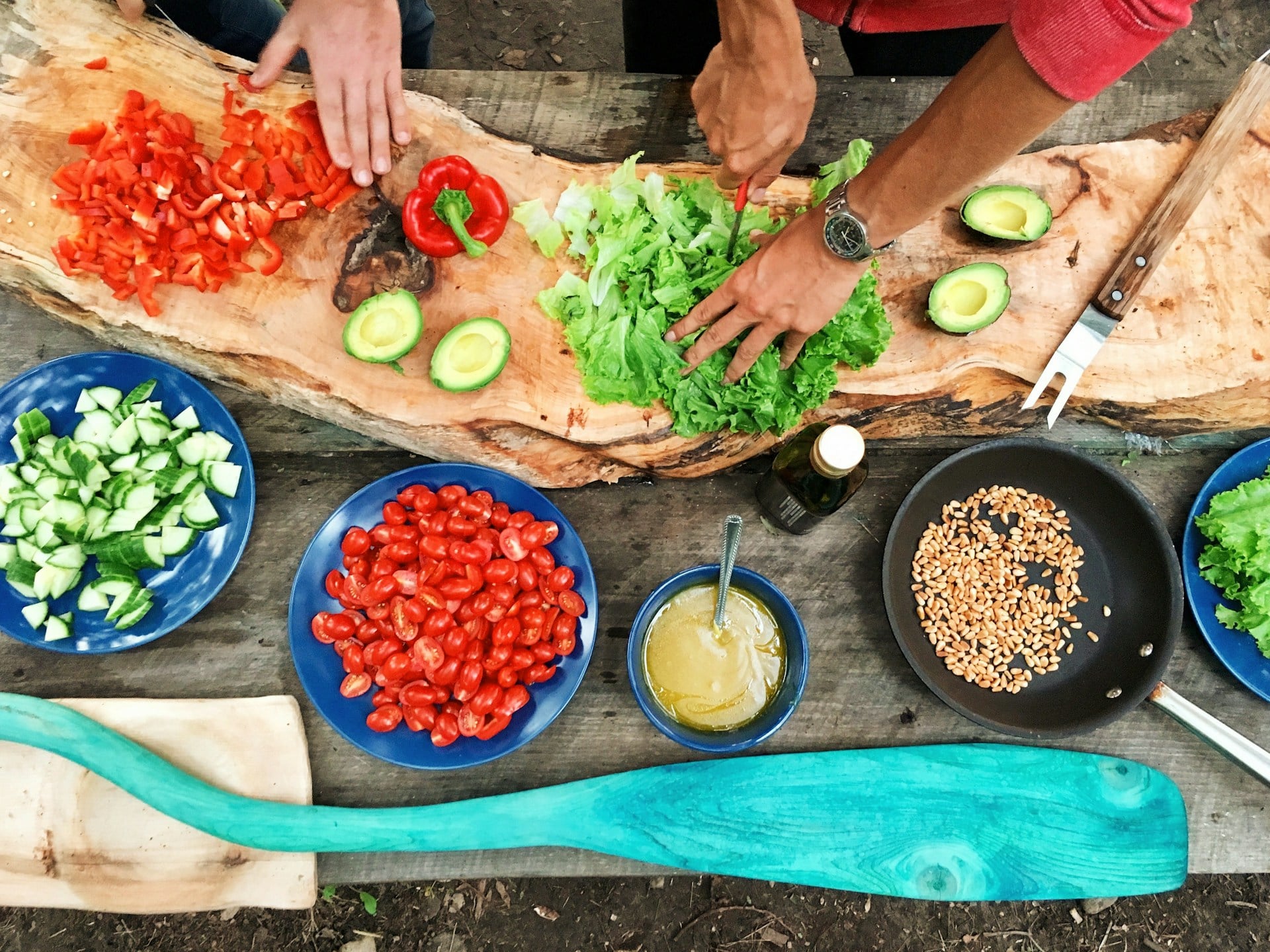
That container of pre-cut watermelon or potato salad from the deli is all about convenience, but it has a short shelf life for a reason. Cutting exposes more surface area to air and bacteria, and these items spoil much faster than their whole counterparts. A long car ride gives microbes a perfect chance to party. By the time you arrive, that convenient salad might be a watery, funky-smelling science experiment. For travel, whole fruits and veggies you cut yourself are always a safer, crisper bet.
The bottom line? A little strategic planning goes a long way. For long trips, focus on non-perishable pantry staples, and save the fresh, fragile, and frozen items for a grocery run once you’ve arrived. Your future self (and your car interior) will thank you