A Look Back at 7 Iconic Pizza Chains from Childhood Days

Think back to those nights when your parents piled everyone into the station wagon. The smell of warm pizza drifting through a noisy arcade. Animatronic animals singing off-key while you jammed tokens into Pac-Man. If those memories hit you right in the chest, you probably grew up during the golden era of regional pizza chains, way before delivery apps and corporate consolidation took over.
These weren’t just places to grab a slice. They were destinations. Birthday parties happened there. Little League teams celebrated there. First dates unfolded awkwardly over pepperoni and root beer floats. And then, one by one, most of them disappeared. Competition, bankruptcy, changing tastes—the pizza wars of the eighties and nineties were brutal. Let’s take a walk through the ones that made our childhoods
ShowBiz Pizza Place Had Animatronic Animals That Terrified and Delighted
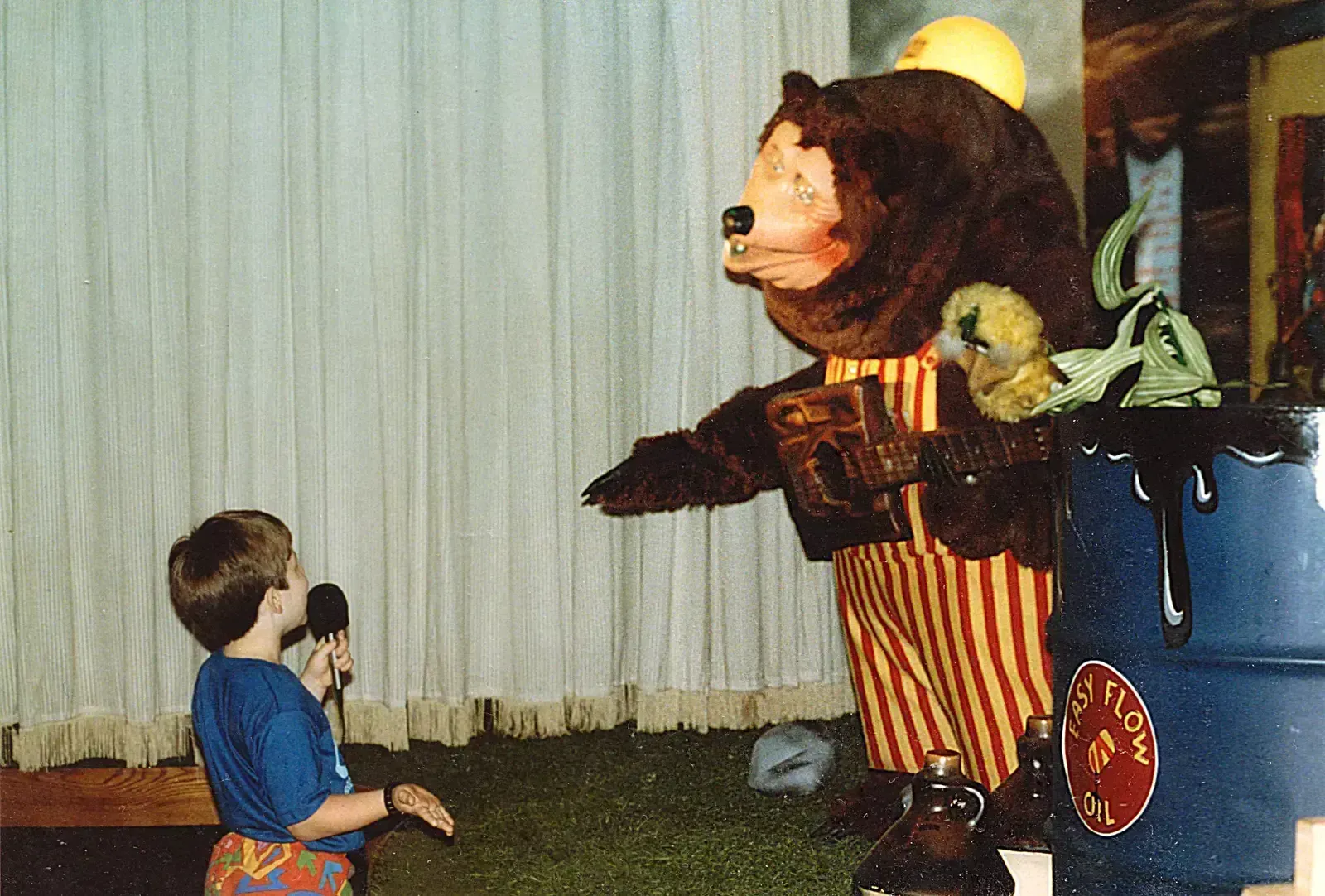
ShowBiz opened in 1980 with a hillbilly bear named Billy Bob and his band, The Rock-afire Explosion. Animatronic gorillas pounded keyboards. Mice dressed as cheerleaders. It either thrilled kids or gave them nightmares, depending on your tolerance for mechanical animals. The whole thing started because of a business dispute that led to years of legal drama with Chuck E. Cheese. At its peak, ShowBiz had over 200 locations. Then came the merger, the “Concept Unification,” and by the early nineties, every ShowBiz had been converted into Chuck E. Cheese. If you remember Billy Bob performing, you’re part of a pretty exclusive club now.
Fox’s Pizza Den Became the Secret King of Rural America’s Pizza Scene
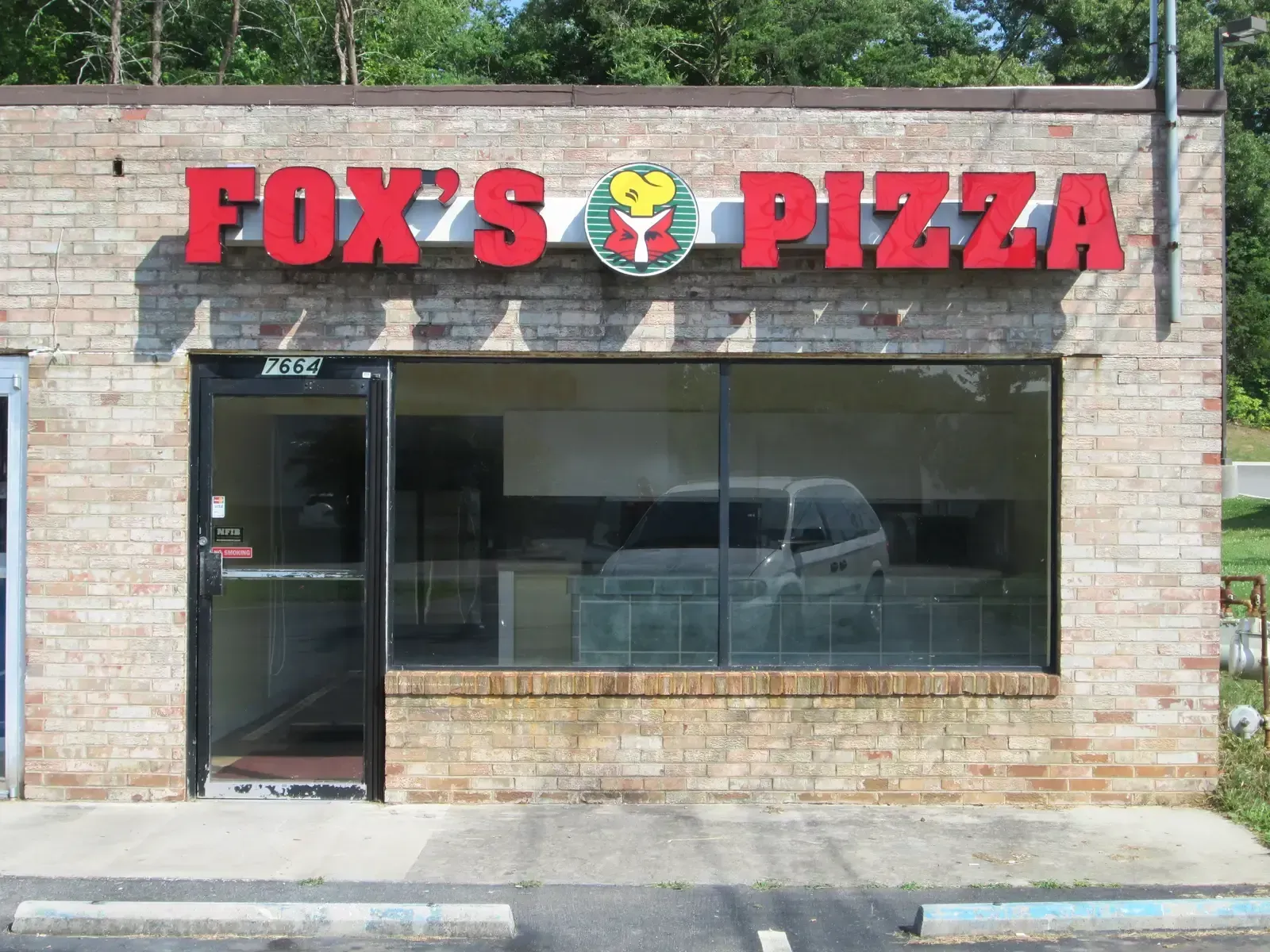
While city kids had flashy chains, rural America had Fox’s Pizza Den. Started in Pitcairn, Pennsylvania, in 1971, it spread quietly through small towns where a full-sized Pizza Hut would’ve failed in six months. They set up in converted gas stations, old hardware stores, anything with four walls and an oven. Their “wedgie”—a folded pizza pocket stuffed with toppings—became legendary in places like rural Pennsylvania, West Virginia, Ohio. By the 2000s, over 200 locations thrived in communities with populations under 5,000. The unsung hero of American pizza, thriving precisely because it avoided competition with the big boys.
Pizza Haven Pioneered Delivery in the Pacific Northwest
Seattle, 1958. Pizza Haven was one of the first dial-a-pizza operations anywhere. At its height, 42 locations stretched across the Pacific Northwest and California. Here’s the thing about being a pioneer: you don’t always get to enjoy the rewards. Pizza Haven invented the delivery concept, then watched Pizza Hut and Domino’s take it and run with deeper pockets. A missed tax payment led to bankruptcy in 1998. The last Seattle location closed in 2012. There’s something bittersweet about creating the blueprint that others used to crush you.
Eatza Pizza Expanded Too Fast and Collapsed Spectacularly

Eatza Pizza hit the scene in Scottsdale, Arizona, in 1997. All-you-can-eat buffet, pizza, pasta, salad bar, dessert, arcade games in between trips. What kid wouldn’t love that? They expanded fast—108 locations across 14 states and Puerto Rico in just ten years. Then a private equity group bought it, a lawsuit over unpaid bills hit, and Chapter 7 bankruptcy followed in 2008. Everything closed. Textbook case of expanding faster than your infrastructure can handle. Buffets are hard to make profitable, and Eatza never solved that equation.
Shakey’s Pizza Parlor Brought Dixieland Jazz to Your Dinner Table
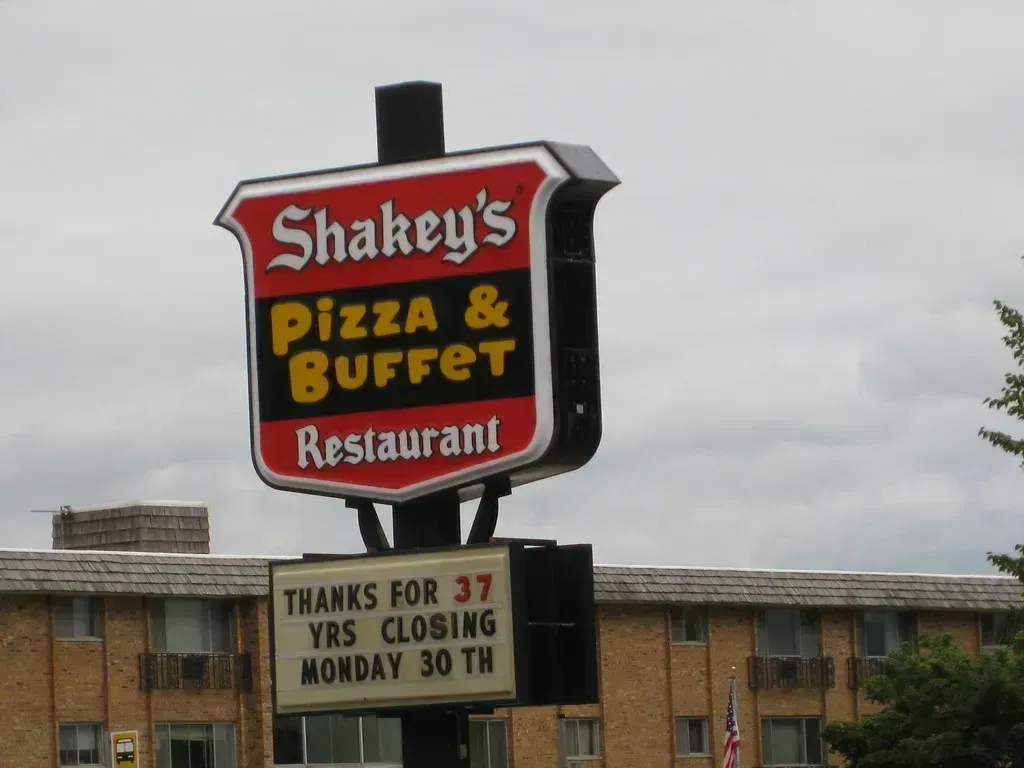
Shakey’s was the original. Founded in Sacramento in 1954, it became the first franchise pizza chain in America. The owner actually played Dixieland jazz piano to entertain customers. Stained glass windows, banjo music, staff dressed like they walked out of an 1890s saloon—it was pure Americana. You could watch your pizza being made behind huge viewing windows while kids pressed their faces against the glass. By the mid-seventies, nearly 500 locations dotted the country. If you lived anywhere from California to Maine, you probably celebrated something at Shakey’s. Then the eighties hit, ownership changed, and most U.S. locations faded away. Today, only a handful remain in California and Washington. Funny enough, Shakey’s became the most popular pizza chain in the Philippines, with over 300 stores. Go figure.
Pizza Inn Defined Small-Town Friday Nights for Generations
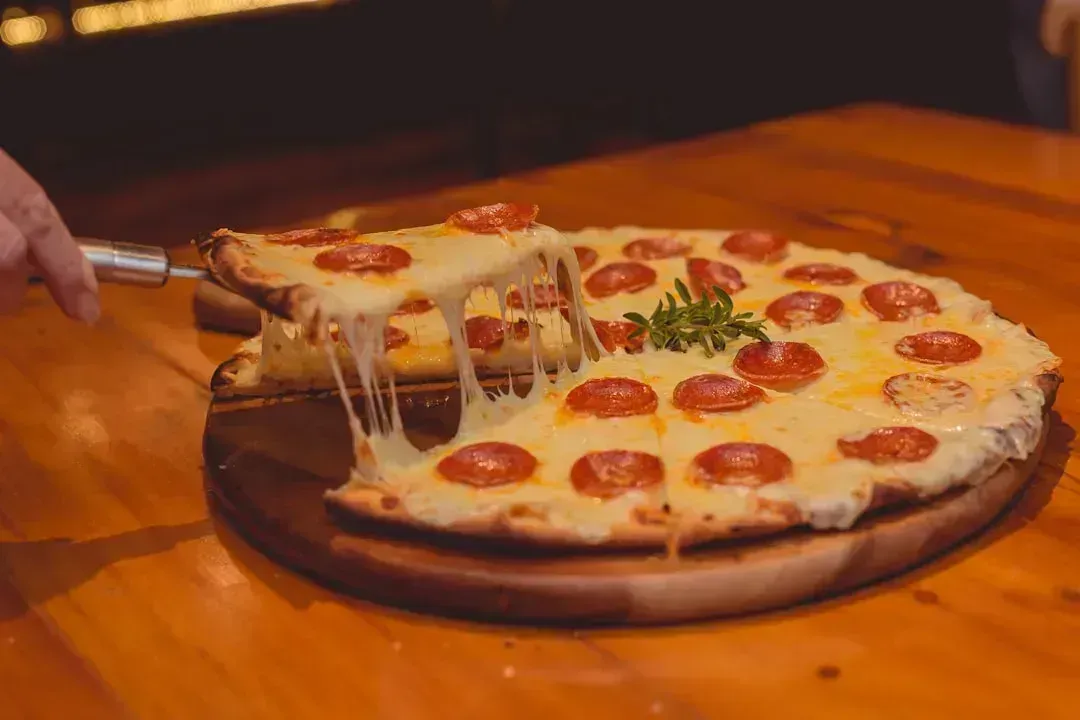
Two Texas brothers opened the first Pizza Inn in Dallas in 1958. In small towns across the South, this was where teams went after football games, where first dates happened, where families celebrated raises and graduations. At its peak, over 500 locations in twenty states. They weathered recessions by doubling down on the buffet concept and inventing the “pizzert” dessert pizza in 1986. Today, a few hundred survive, mostly in the South. One lone holdout on Boulevard 26 in Richland Hills keeps the tradition alive.
My Pi Pizzeria Brought Deep-Dish Pride to Chicago for Decades
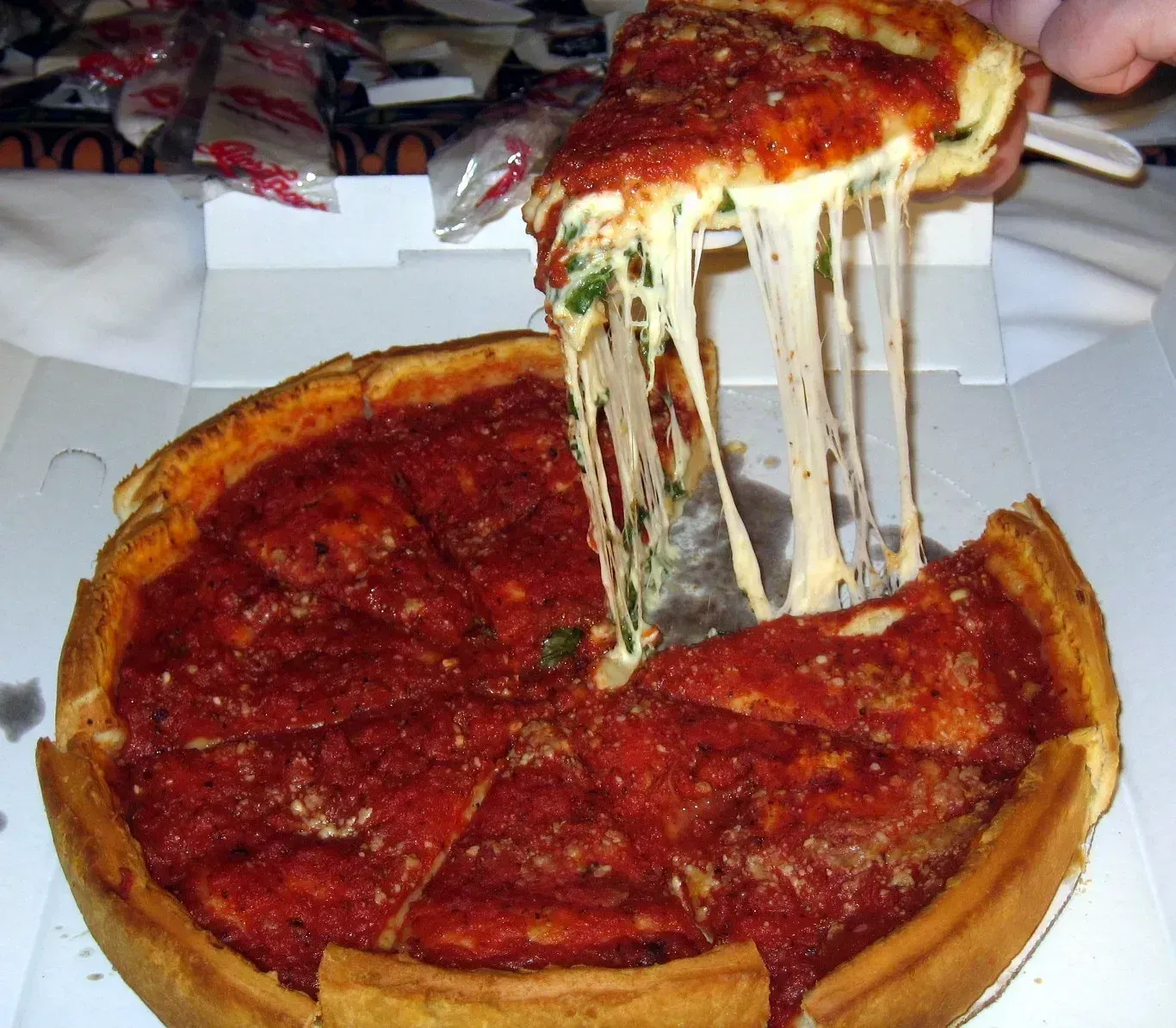
The Aronson family opened My Pi in Chicago in the early seventies, serving deep-dish from a special family recipe. For Chicagoans who take their pizza seriously, this was homegrown. At its peak, 25 locations stretched to Florida, New York, Colorado, Minnesota, Connecticut. By 2025, just one remained in Bucktown. Then that one closed too. The end of a family legacy, a piece of Chicago’s culinary identity disappearing forever.
Mr. Gatti’s Pizza Turned Texas Buffets Into Full Entertainment Complexes
Mr. Gatti’s started in Stephenville, Texas, in 1964, then moved to Austin and got its name from the founder’s wife’s maiden name. In 1997, they launched “GattiTown”—massive entertainment complexes patterned after Main Street, U.S.A. Some sprawled across 57,000 square feet with bumper cars, indoor go-karts, mini-golf, bowling. These weren’t modest operations. Bankruptcy hit in 2019, but franchise agreements and regional operators kept about seventy locations alive. A Texas staple since the sixties, still hanging on.
Straw Hat Pizza Made California Kids Feel Like They’d Stepped Into the Old West

Walls covered in antique farming tools, wagon wheels hanging from the ceiling, servers wearing actual straw hats—Straw Hat Pizza was Gold Rush nostalgia baked into a pizza chain. Founded in San Mateo in 1959, it exploded across the West Coast through the seventies and eighties, reaching over 300 locations. That perfect balance of affordable family dining and quirky atmosphere made every visit feel like an event. Corporate ownership changes in the nineties started the decline. Today, only a handful remain, independent franchises clinging to that nostalgic brand. If you celebrated your eighth birthday under a straw hat, you experienced a uniquely Californian piece of Americana.
Godfather’s Pizza Rose From a Bankrupt Chain to a Political Launching Pad

Godfather’s opened in Omaha in 1973. The chain struggled through bankruptcy until Pillsbury bought it and brought in Herman Cain. Cain turned it around so dramatically he led a management buyout in 1988, becoming CEO and transforming Godfather’s into a business school case study. At its peak, over 900 locations served thick crust across America. Cain later used that success story as the foundation for his 2012 presidential campaign. If you grabbed slices at Godfather’s after Little League games, you witnessed a genuine American business drama playing out one pepperoni pie at a time.