Affordable Vegetables That Deliver High Nutritional Value

You don’t need to spend a fortune at fancy grocery stores to eat well. Some of the most nutritious foods are also the most affordable, sitting right there in the produce section year-round. Research consistently shows that certain vegetables deliver exceptional nutritional value for every dollar spent. Here are the ones worth loading into your cart.
Green Peas – Plant-Based Protein Powerhouses
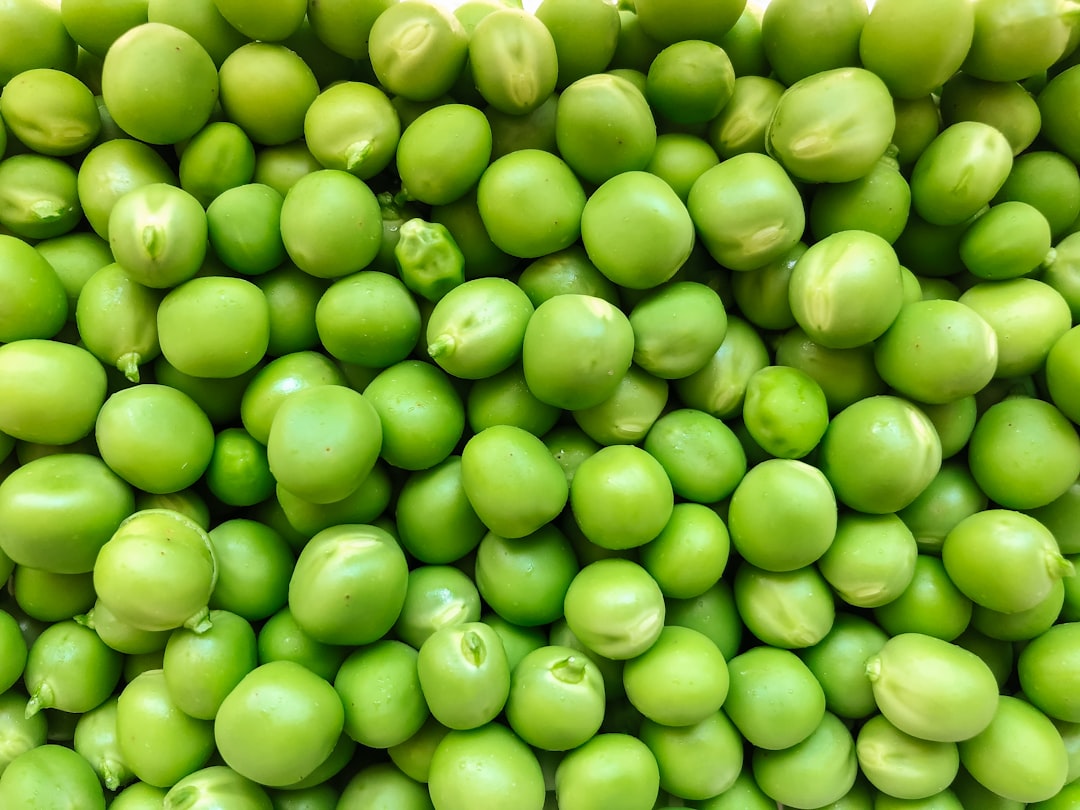
Peas are small but mighty. They’re one of the best vegetable sources of protein—about 4 grams per half-cup—which makes them especially valuable for anyone eating less meat. They also deliver fiber, folate, vitamin C, and phytonutrients. Plus, they contain saponins, plant compounds that may help protect against oxidative stress and cancer. Frozen peas are affordable, last forever, and can be thrown into almost anything: pasta, rice, soups, salads. They’re an easy way to add nutrition without much effort or cost.
White Potatoes – The Underestimated Nutrient Dense Champion
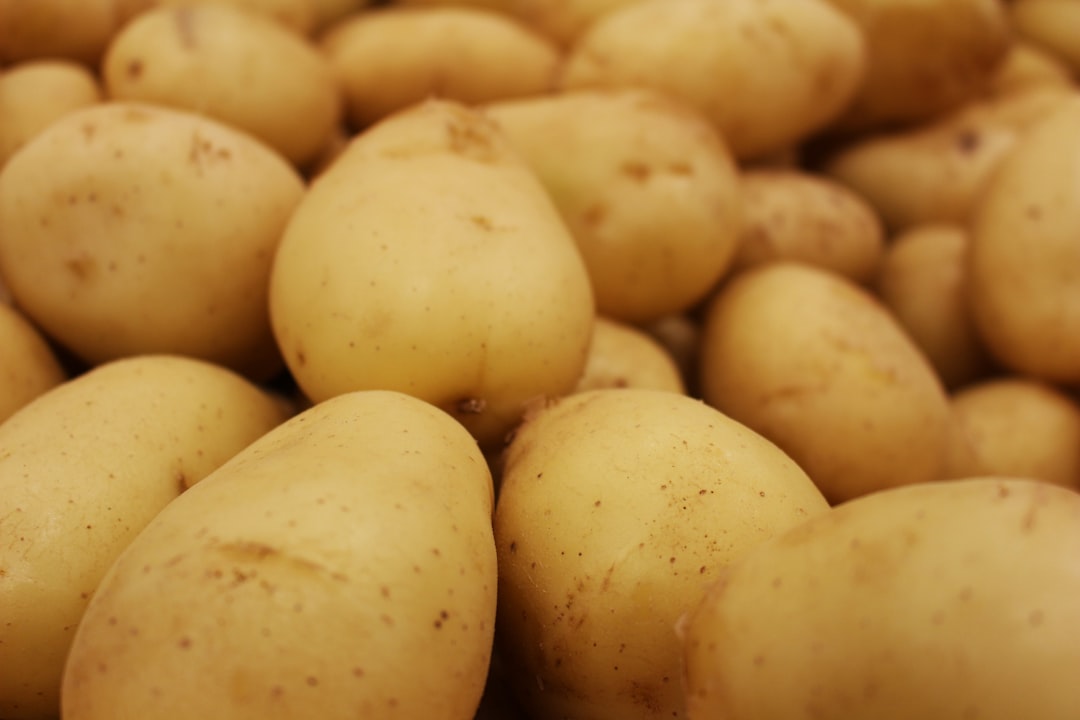
White potatoes get a bad rap sometimes, but they honestly deserve more respect. When you look at nutrition per dollar, they’re one of the best values in the store. A cup of cooked spinach might cost over two dollars, while a cup of white potato with skin costs around nineteen cents and still provides solid fiber and nutrients. We’re talking potassium, vitamin C, and fiber, especially if you keep the skin on. They store forever, they’re available everywhere, and when you prepare them without drowning them in oil or sodium, they’re a legitimately healthy source of complex carbs.
Carrots – Beta-Carotene Bargains
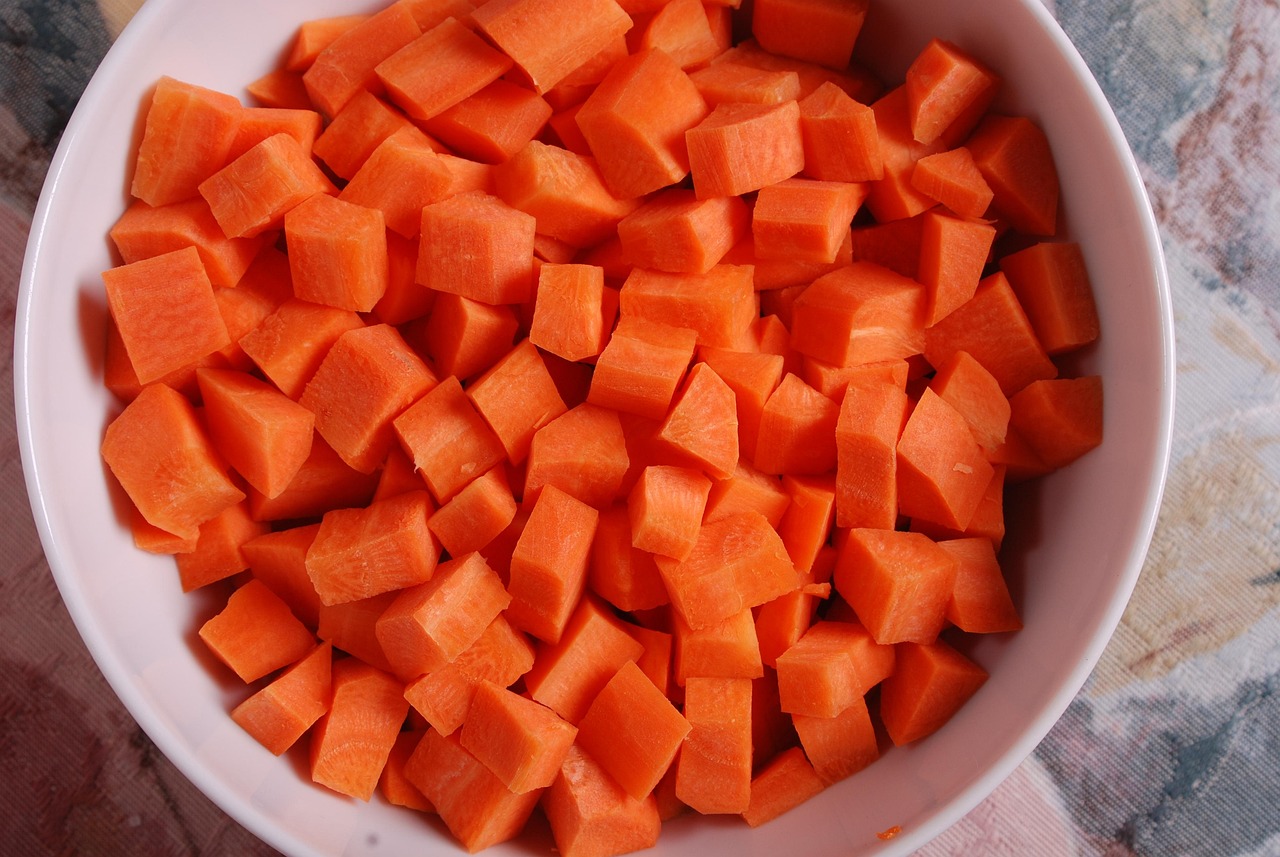
Carrots are one of the smartest nutritional investments you can make. They’re cheap, they last, and they’re packed with beta-carotene, which your body turns into vitamin A. That’s essential for healthy eyesight and immune function. Some research even suggests that regular carrot intake might be linked to lower cancer risk. And here’s the thing: they require zero prep. Wash and eat. That convenience makes them an easy, cost-effective snack that actually delivers real nutrition.
Spinach – Iron-Rich Leafy Green Bargain
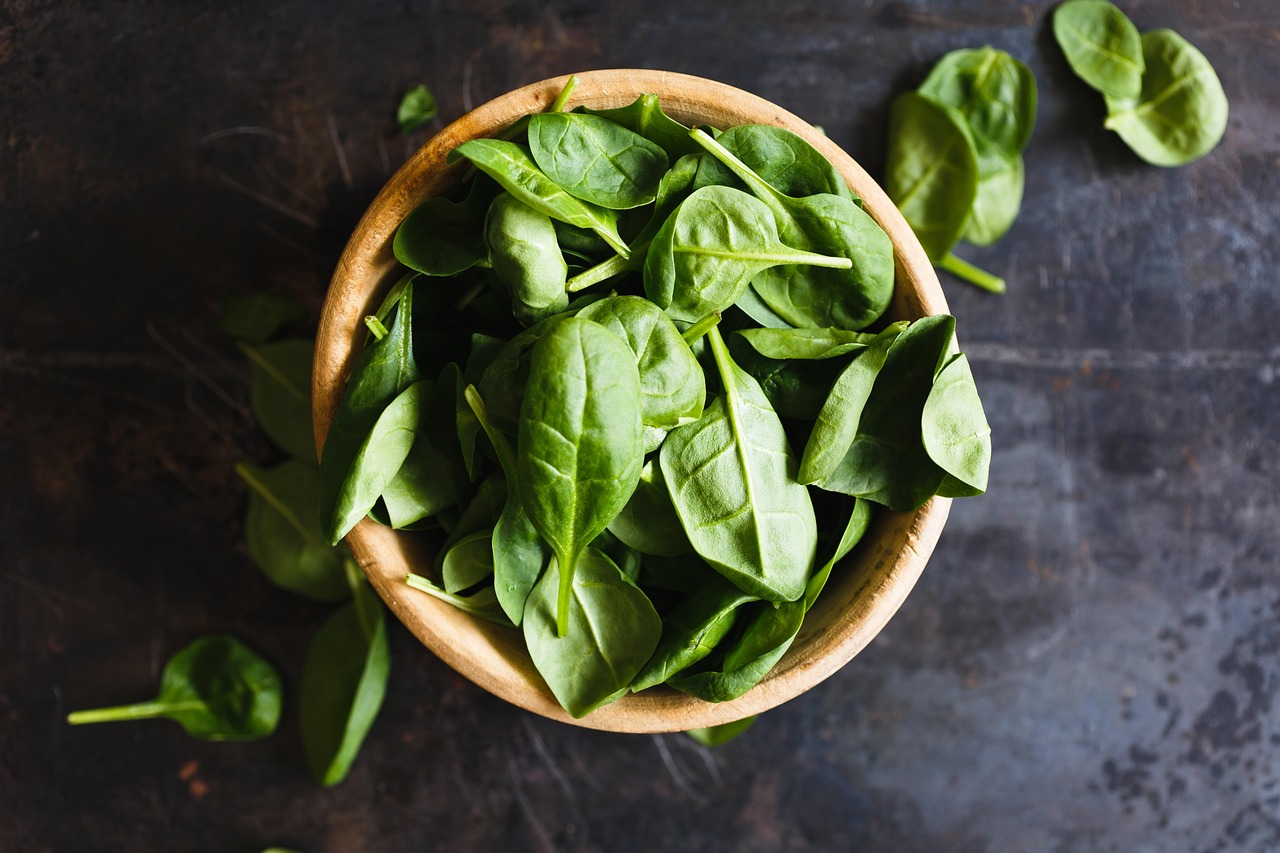
Among leafy greens, spinach is the standout for value. It’s packed with iron, calcium, vitamins, and antioxidants, which makes it especially valuable if you’re eating a plant-based diet and need those nutrients. Research has even linked regular consumption of leafy greens to slower cognitive decline—like having a brain that’s effectively eleven years younger. Fresh spinach is great, but frozen spinach is often even cheaper and just as nutritious. Keep a bag in the freezer and toss it into eggs, soups, pasta, or smoothies.
Sweet Potatoes – The Vitamin A Powerhouse
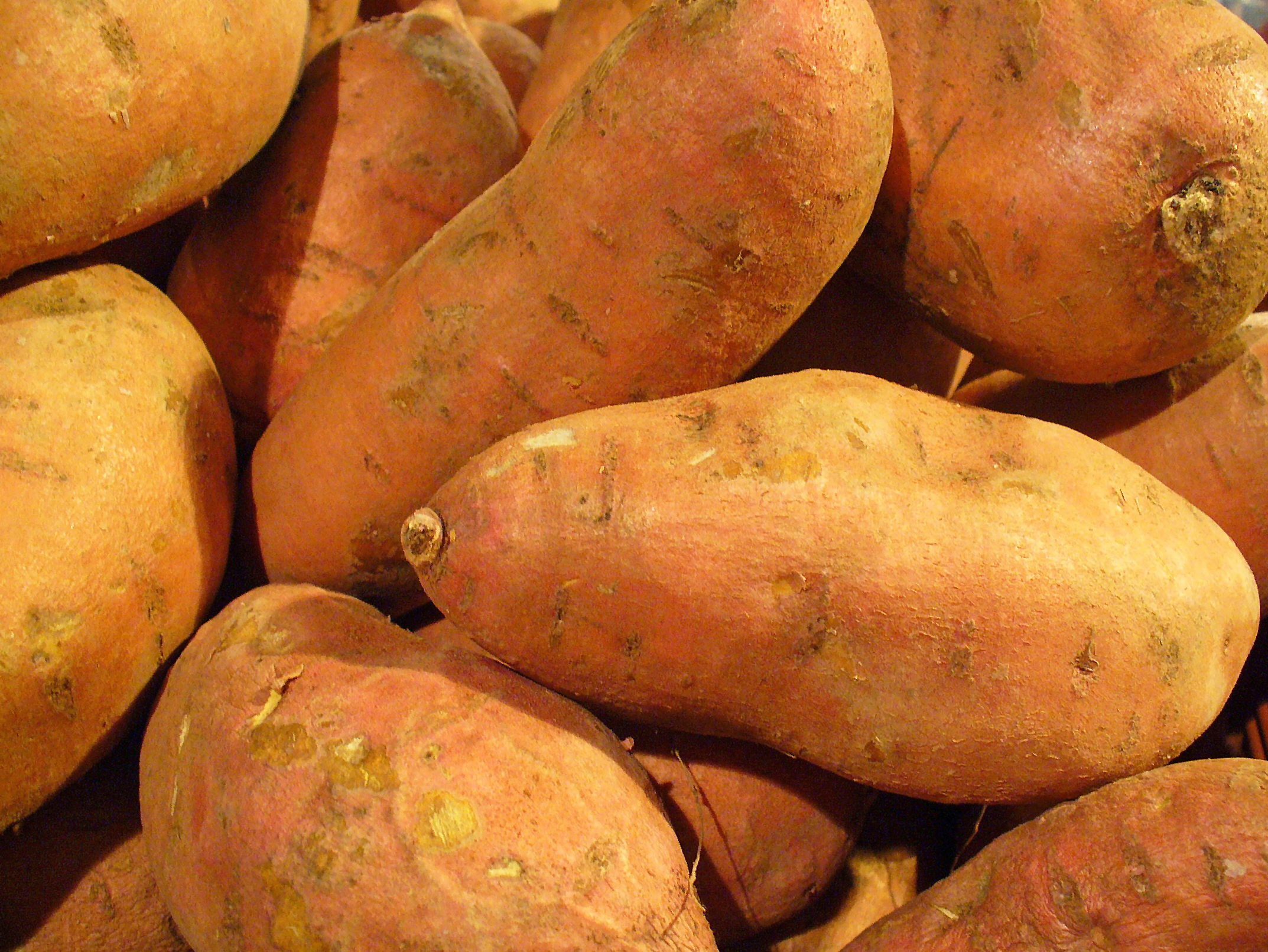
Sweet potatoes are the undisputed champions of affordable nutrition. Studies that look at nutrient density per dollar consistently rank them at the very top. One medium sweet potato gives you more than your entire daily requirement of vitamin A, thanks to all that beta-carotene. That’s crucial for immune function, eye health, and even iron absorption. They’re also packed with fiber, potassium, and B vitamins. The best part? They keep for weeks at room temperature, so you can buy in bulk without worrying about waste. Bake them, mash them, roast them—they’re versatile, naturally sweet, and kids tend to love them.
Broccoli – Cruciferous Cancer Fighter

Broccoli shows up on every list of nutrient-dense vegetables for a reason. It’s loaded with vitamin C, folate, potassium, and fiber. But the real magic is in those cancer-fighting compounds—indoles and isothiocyanates—that research suggests may help protect against cancers of the bladder, breast, liver, and stomach. Fresh is great, but frozen broccoli is almost always cheaper and retains most of its nutritional value. Stock up, roast it, steam it, toss it into everything.
Cabbage – The Versatile Vitamin C Source
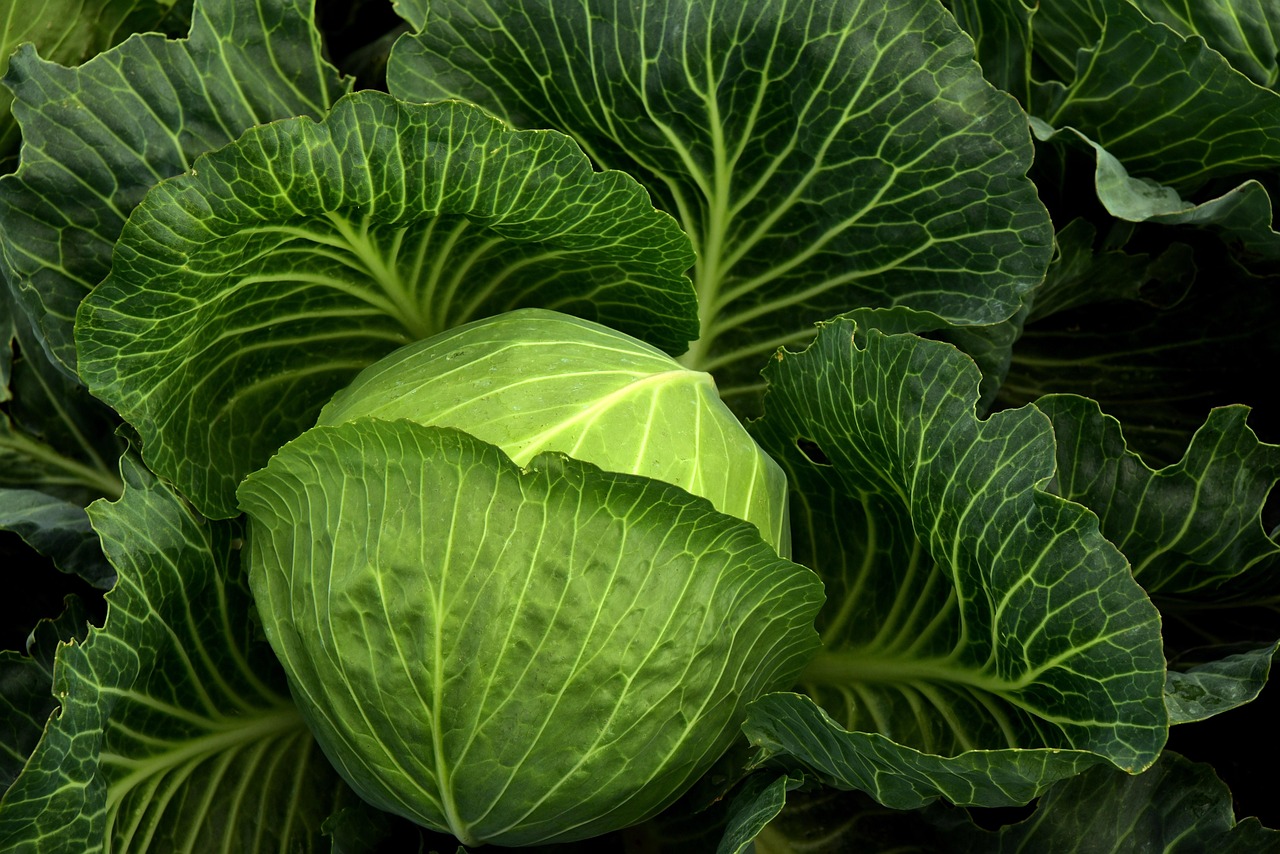
Cabbage might not be glamorous, but it’s one of the most affordable and versatile vegetables out there. It’s packed with vitamin C, vitamin K, and fiber, and those cruciferous compounds that may help protect against cancer. You can eat it raw in slaws, cook it in stir-fries, or ferment it into sauerkraut for added probiotic benefits. And cabbage lasts forever in the fridge. It’s reliable, it’s cheap, and it’s always there when you need it.
Cauliflower – The Low-Carb Nutrient Dense Option
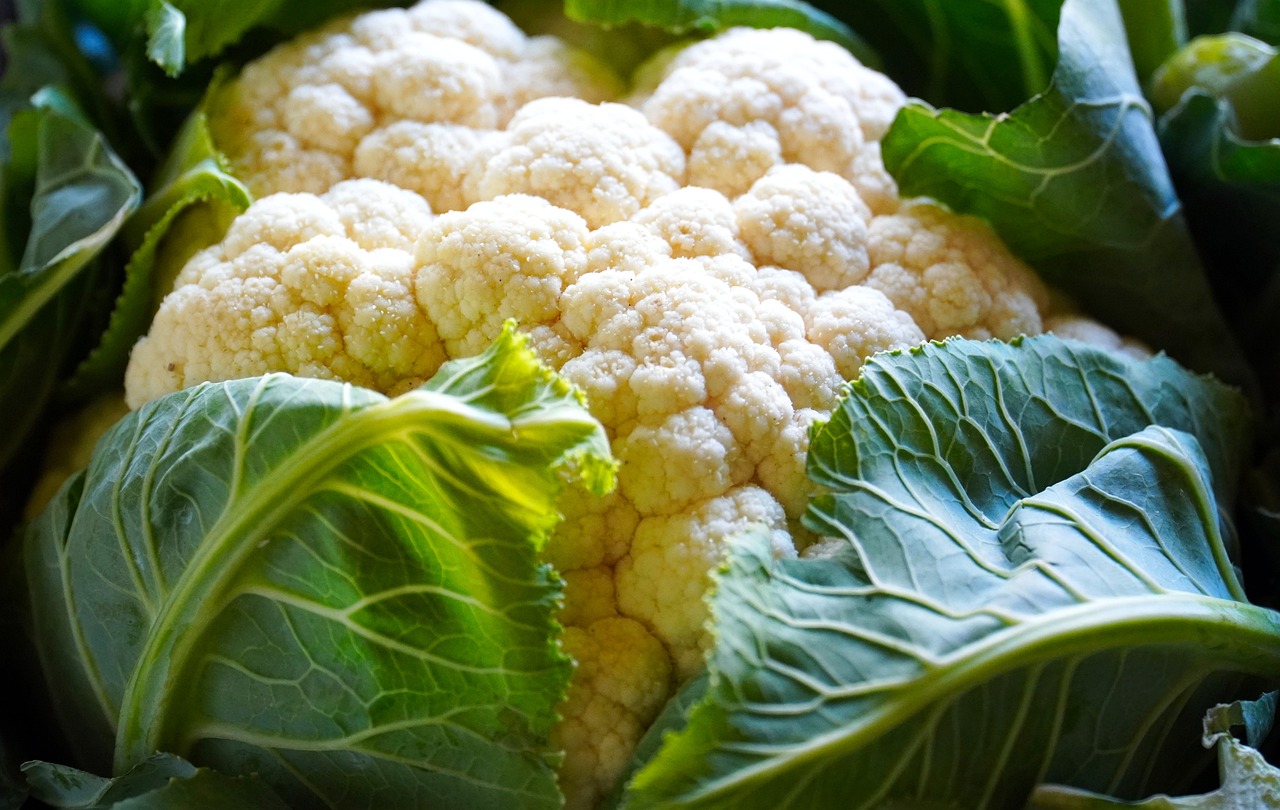
Cauliflower has become a star in recent years, and for good reason. It’s part of the cruciferous family, so you get vitamin C, B vitamins, vitamin K, and those beneficial phytochemicals that may have anti-bacterial and anti-viral effects. Plus, it’s incredibly versatile. Pulse it into rice, roast it whole, turn it into pizza crust or mashed “potatoes.” That versatility stretches your food budget because one head of cauliflower can become multiple meals.