Reasons Behind the Closure of Multiple Casual Dining Chain Locations

You’ve probably noticed it in your own town. That casual dining spot that was always packed for Friday night dinners suddenly has a sign on the door. Permanently closed. It’s happening everywhere, and it’s hard to ignore. For decades, these places were the backdrop for birthdays, team celebrations, easy family dinners, and last-minute date nights. The menus were familiar, the booths were comfortable, and the prices felt reasonable for a meal where someone else did the cooking and cleanup. Now, one by one, they’re disappearing. What once felt like neighborhood staples now reflect an industry struggling to find its footing in a world that’s changed around it.
Behind every closed sign is a story of economic and cultural shifts colliding all at once. Rising food costs, higher wages, expensive leases, heavy debt—they’re all pressing down on profit margins that were never that thick to begin with. At the same time, people are eating out differently. They want convenience, speed, and value, and that often pulls them away from traditional sit-down chains. Looking closely at these closures isn’t just about tracking business news. It’s about understanding how spending habits, priorities, and the very idea of dining out are evolving
Debt, Overexpansion, and Financial Restructuring

For years, expansion was the goal. More locations meant more success. Chains signed long leases, built big restaurants in suburban shopping centers, and counted on steady crowds. Then foot traffic changed. Online shopping emptied malls, and those big dining rooms got harder to fill. But the leases didn’t go away. High fixed costs tied to oversized spaces are now a burden.
Debt makes it worse. Private equity deals and leveraged expansions left some chains carrying heavy financial obligations. When sales soften and costs rise, making those payments gets tough. Some companies restructure, renegotiate leases, or file for bankruptcy to lighten the load. Strategic closures help focus resources, but they’re also a sign of deeper pressure. For a lot of casual dining brands, the challenge isn’t growth anymore. It’s survival.
Shifting Consumer Spending Habits
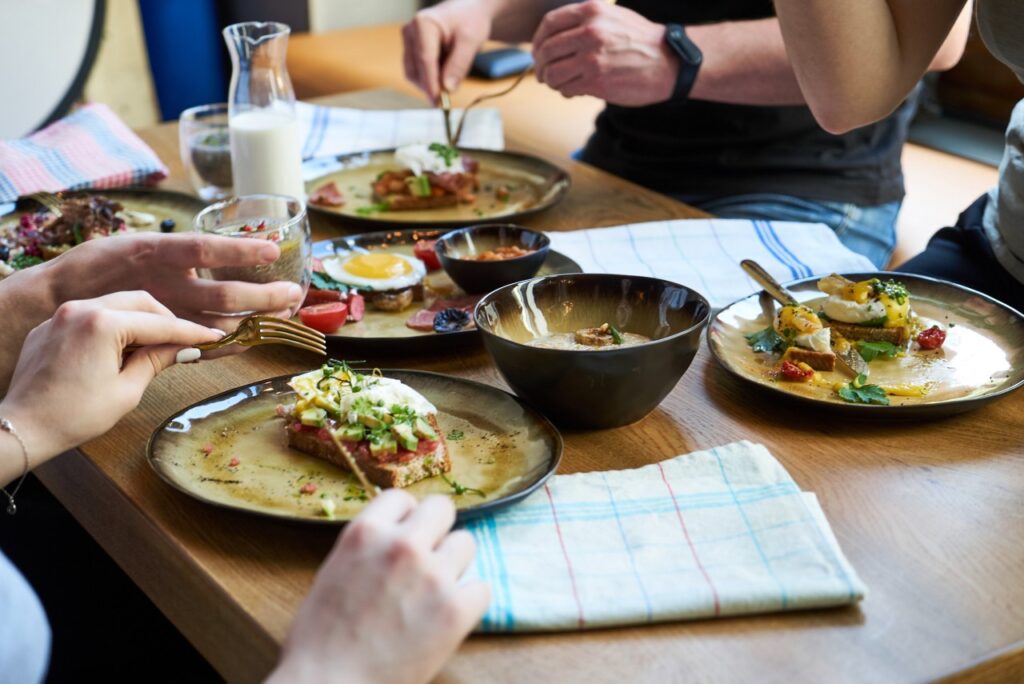
Dining out used to be a regular part of the weekly routine for a lot of families. Now it’s more of a deliberate choice, something people think twice about. With housing, fuel, groceries, and utilities all costing more, discretionary income gets reallocated. Casual dining, as nice as it is, often ends up on the cutting room floor. Even families who aren’t struggling are eating out less or choosing cheaper options. It’s a shift toward value-driven spending that affects every part of the industry.
Younger diners are accelerating this change. Millennials and Gen Z tend to prioritize speed and convenience over the traditional sit-down experience. Mobile ordering, curbside pickup, quick counter service—that’s what fits their lives. They’re perfectly comfortable swapping a full-service meal for fast casual or even grocery store prepared foods. It’s cheaper, it’s faster, and it works for them. As those habits become normal, the traffic in traditional dining rooms keeps softening. Chains built for a different era are trying to catch up.

Inflation and Escalating Operating Costs
Behind the scenes, the cost of keeping a restaurant running has climbed faster than most people realize. Food prices swing wildly now—beef, chicken, cooking oil, dairy, produce. Supply chain issues, weather, global instability—it all lands on the plate. Full-service chains run on consistent portion sizes and broad menus, so even small increases eat into margins that were never generous to begin with.
And it’s not just food. Utilities, insurance, cleaning supplies, equipment repairs, technology—everything costs more. Distribution and transportation too. Landlords raise rents or tack on fees because their own costs are rising. Casual dining restaurants need big spaces and big staffs, which means higher fixed costs than smaller formats. When expenses rise faster than menu prices can keep up, profitability shrinks. At a certain point, closures become unavoidable
Labor Shortages and Workforce Pressures
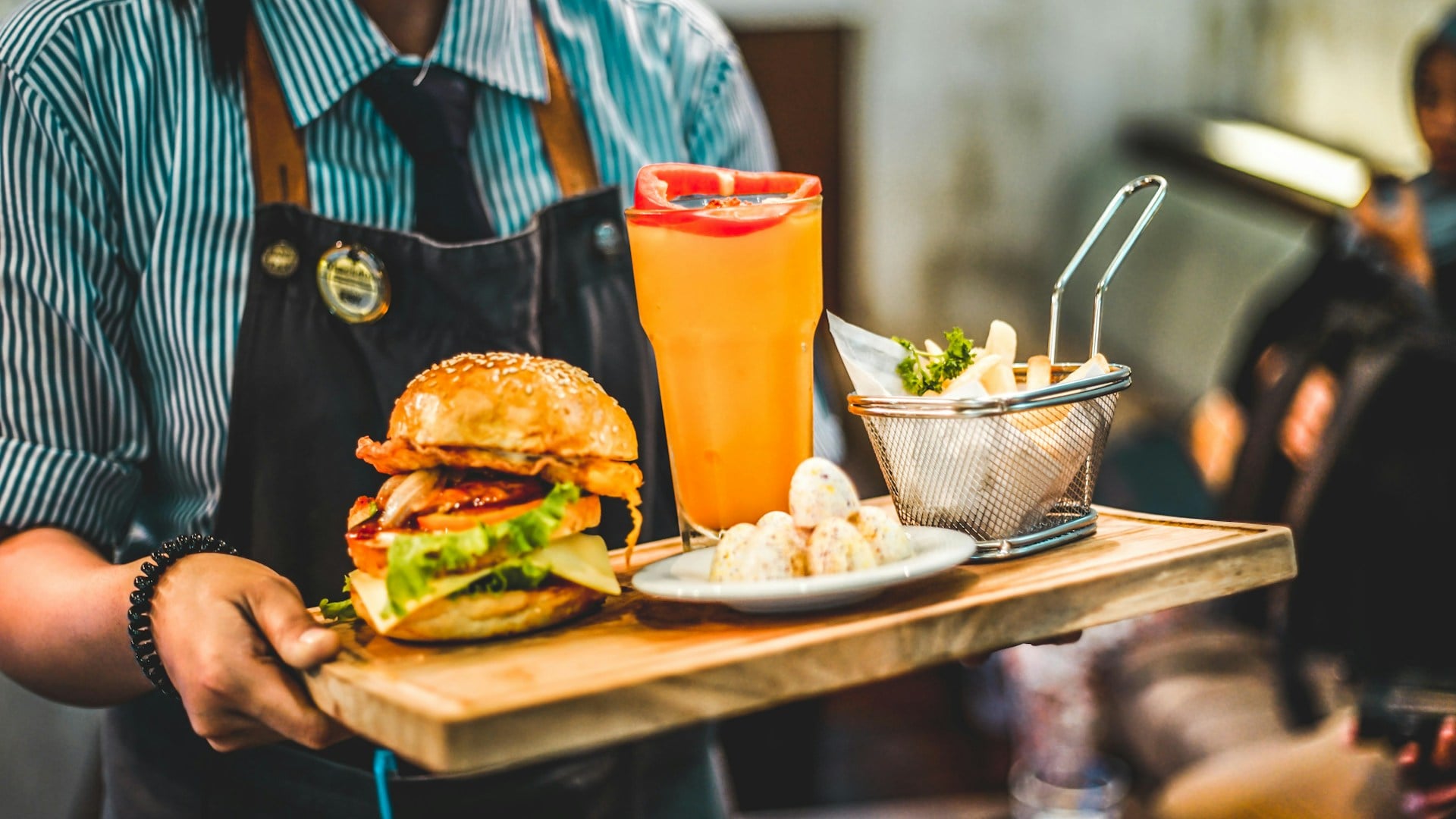
Staffing has become one of the hardest parts of running a restaurant. These places need a whole team working together—servers, cooks, hosts, bartenders, managers. When the labor market tightened, competition for workers got fierce. Restaurants had to raise wages, offer incentives, improve benefits. All of that costs money, and labor was already one of the biggest expenses.
Turnover makes it worse. Hiring and training new people takes time and money, and productivity dips when shifts are short-staffed. Service gets slower, tables turn slower, the team gets burnt out. When quality drops, guests notice and fewer come back. Some restaurants have shortened hours, simplified menus, or closed weaker locations just to stay stable. For a business built on hospitality, constant workforce instability is a slow drain that’s hard to stop
Fierce Competition From Fast Casual and Delivery
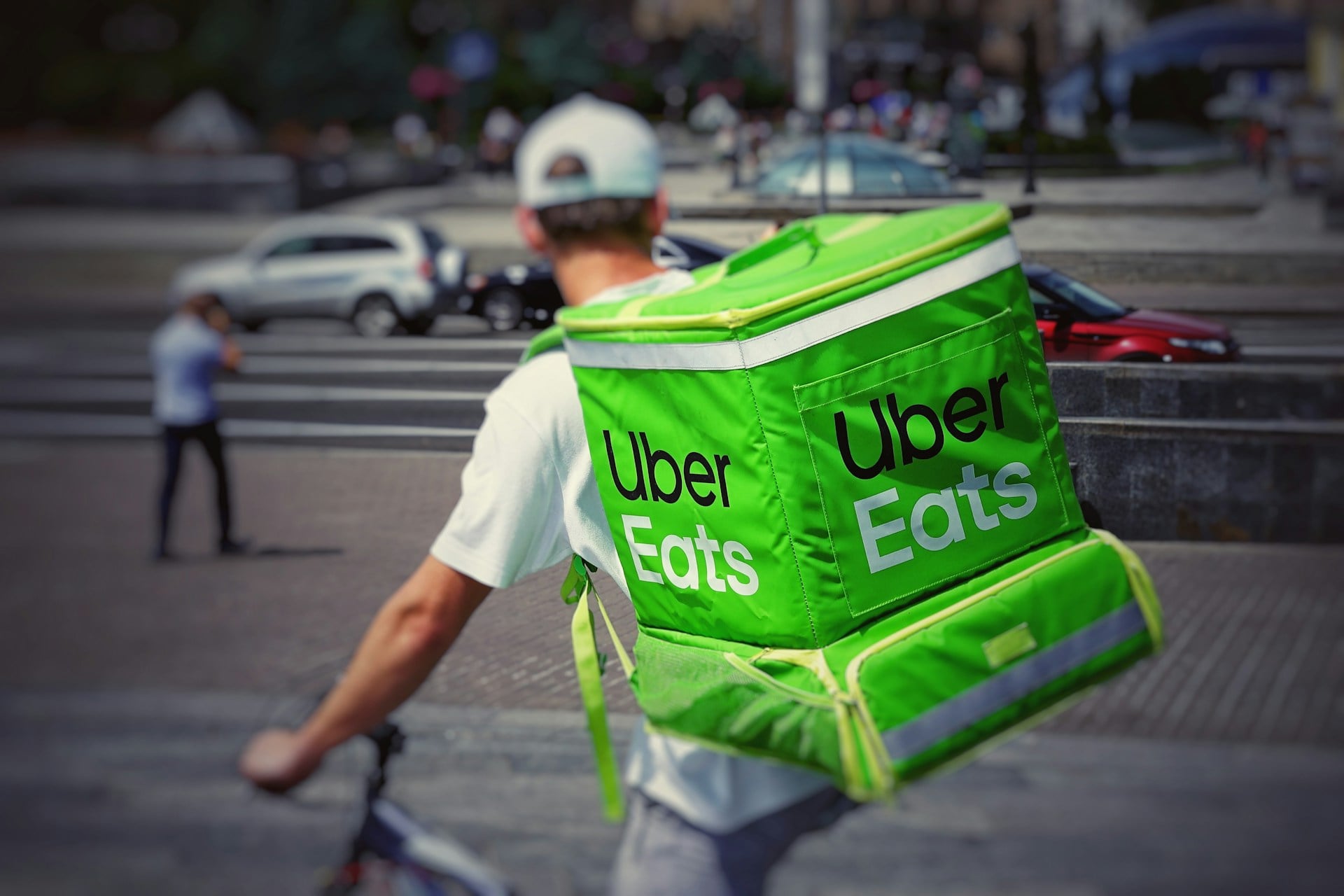
The dining landscape is more crowded than ever. Fast casual brands have figured out how to sit right between quick service and full service. Streamlined menus, modern spaces, prices that work. You can order on an app, customize your meal, grab it and go. It’s way faster than a sit-down dinner. For a lot of people juggling work and family, that convenience wins every time.
Delivery apps changed the game too. They made food more accessible, but they also take a cut that squeezes already thin margins. Chains have to decide whether the visibility is worth the lower profit per order. Meanwhile, grocery stores have stepped up their prepared food game, and meal kits offer another at-home alternative. Loyalty to any one brand is softer now. People have options, and they’re using them. Traditional chains are fighting to stay relevant in a world where dinner is just a few taps away