Backlash Grows Against New SNAP Soda Restrictions Nationwide

Grocery shopping used to be straightforward. You walked in, grabbed what you needed, paid, and left. But in several states, new restrictions on what can be bought with SNAP benefits—specifically targeting soda and sweetened drinks—have turned that routine into something more complicated. What was once a quiet trip to the store can now involve confusion, embarrassment, and even confrontation at the register. Supporters say these rules are about health. Critics say they create stigma and stress for families already doing their best. Either way, the impact is real, and it’s playing out in aisles across the country.
Missouri’s Vague “Unhealthy Beverage” Meaning

Missouri’s restriction includes candy and what it labels as “unhealthy beverages.” That wording has prompted questions about interpretation. What qualifies as unhealthy, and who decides? Shoppers express concern about inconsistency. If categories seem subjective, confidence in enforcement weakens. Policies that lack precise definitions often generate more debate than clarity. In stores, employees rely on system coding rather than personal judgment. Even so, customers frequently seek explanations. The controversy highlights how wording alone can shape public reaction as strongly as the rule itself.
Iowa’s Broad “Taxable Foods” Rule That Expanded the Frustration
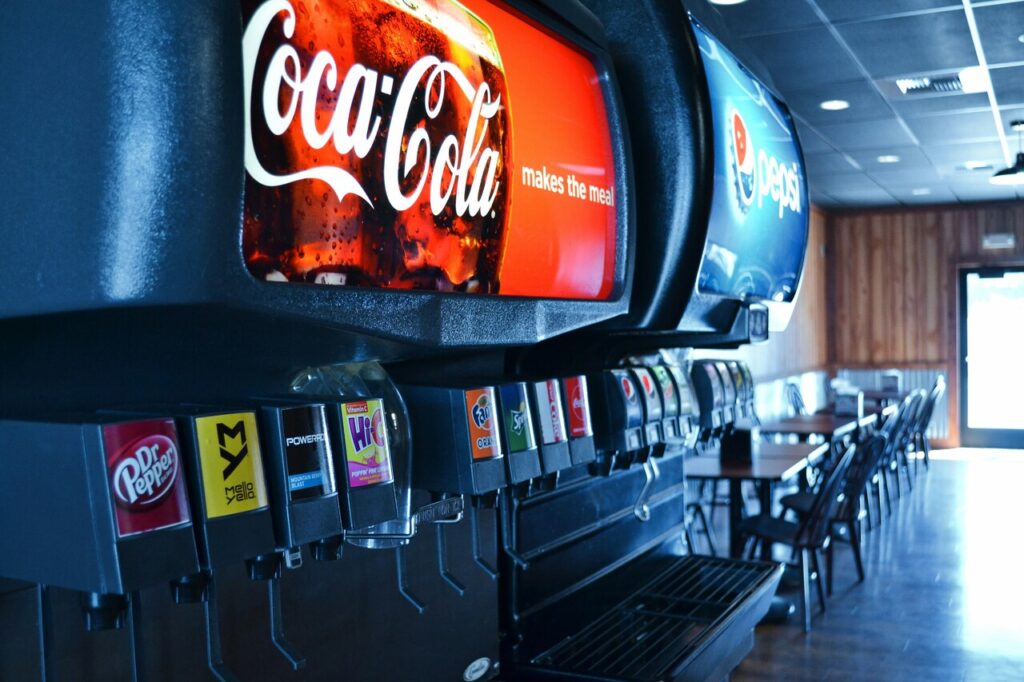
Iowa went further, restricting not just soda but the broader category of taxable foods. Candy, gum, sweetened drinks—items that families previously counted on are now off-limits. For households already stretching every dollar, that means rethinking snack choices entirely. Critics argue that this feels less like a targeted health policy and more like a sweeping judgment about what’s acceptable. And from a store operations standpoint, broad bans create gray areas. Not every taxable product is obvious at a glance, and that confusion often lands on cashiers and customers trying to figure it out in real time.
Nebraska’s Energy Drink Restriction That Caught Shoppers Off Guard
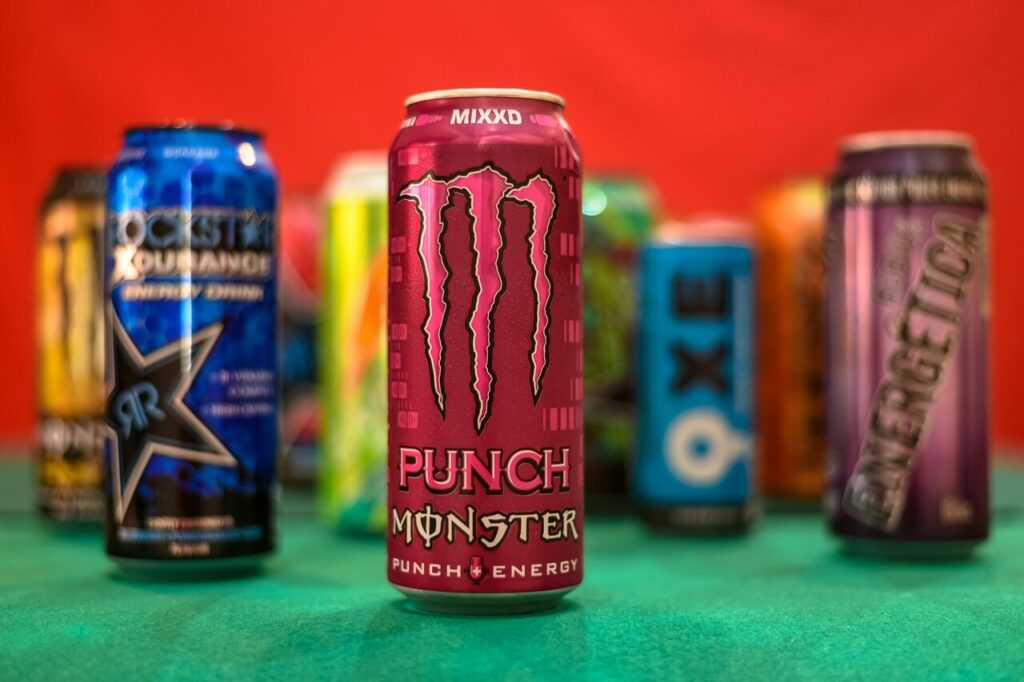
Energy drinks are everywhere, heavily marketed and widely available. So when Nebraska blocked them under SNAP, shoppers noticed immediately. Supporters point out that these drinks are high in caffeine and sugar with little nutritional value. Opponents counter that restricting them doesn’t solve larger food insecurity issues. And then there’s the practical confusion: Does flavored sparkling water count? What about zero-calorie versions? Cashiers report getting these questions constantly. A policy framed around health has become a daily exercise in interpreting fine print at the checkout counter.
Indiana’s Soda Ban That Turned Checkout Into a Debate
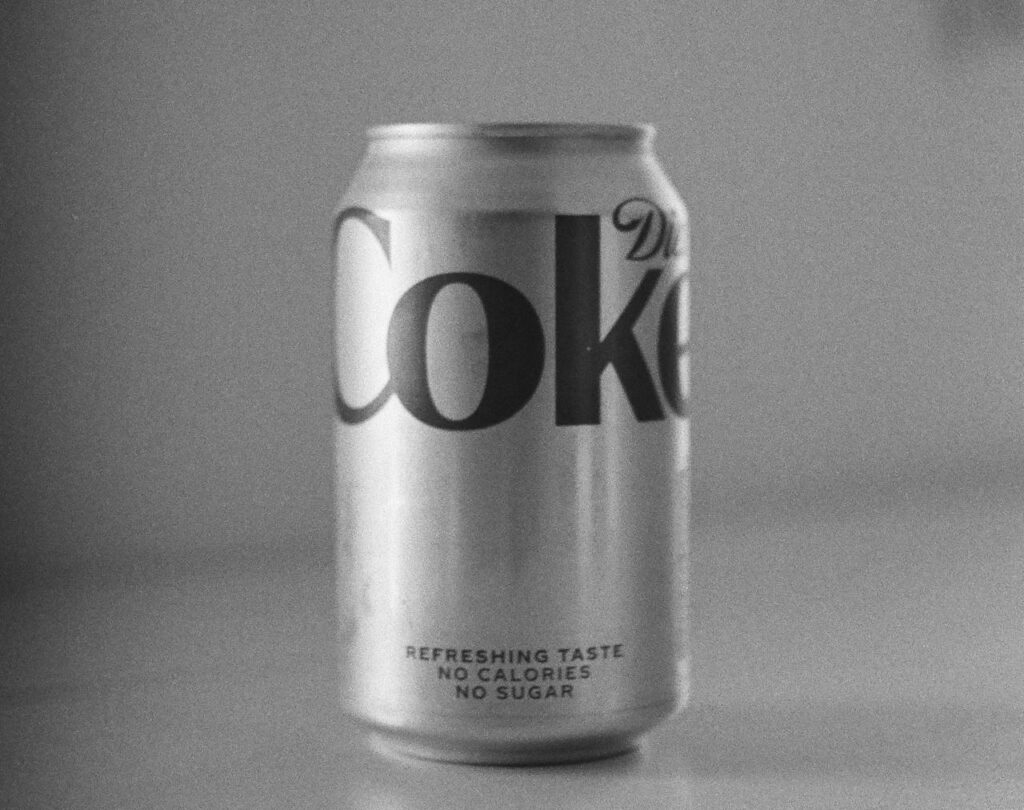
Indiana’s restriction on using SNAP for soda and candy sounds simple enough on paper. The goal is to encourage healthier choices. But in practice, it’s meant that families who budget carefully can suddenly find familiar items declined at checkout. It’s not just about sugar—it’s about the surprise of being told no in a public space. For many households, soda isn’t a daily habit; it’s an occasional treat. Removing it from SNAP doesn’t make it disappear from shelves. It just creates a visible divide between who can buy it with benefits and who can’t. That distinction is where the real frustration begins.
West Virginia’s Soda Restriction and Concerns Over Local Sales

West Virginia’s soda restriction has sparked debate beyond just shoppers. In rural communities, convenience stores often depend on beverage sales as a steady revenue stream. Limiting SNAP purchases affects that flow. For residents, soda was never a dietary cornerstone—it was an inexpensive indulgence. Removing it from eligibility doesn’t eliminate demand. It just changes how people pay. Critics argue that if health is the goal, investing in affordable fresh food access would do more than banning specific drinks. Local business owners worry about unintended consequences, and suddenly a nutrition policy is also an economic one.
Florida’s Expanded Ban That Reached Beyond Soda
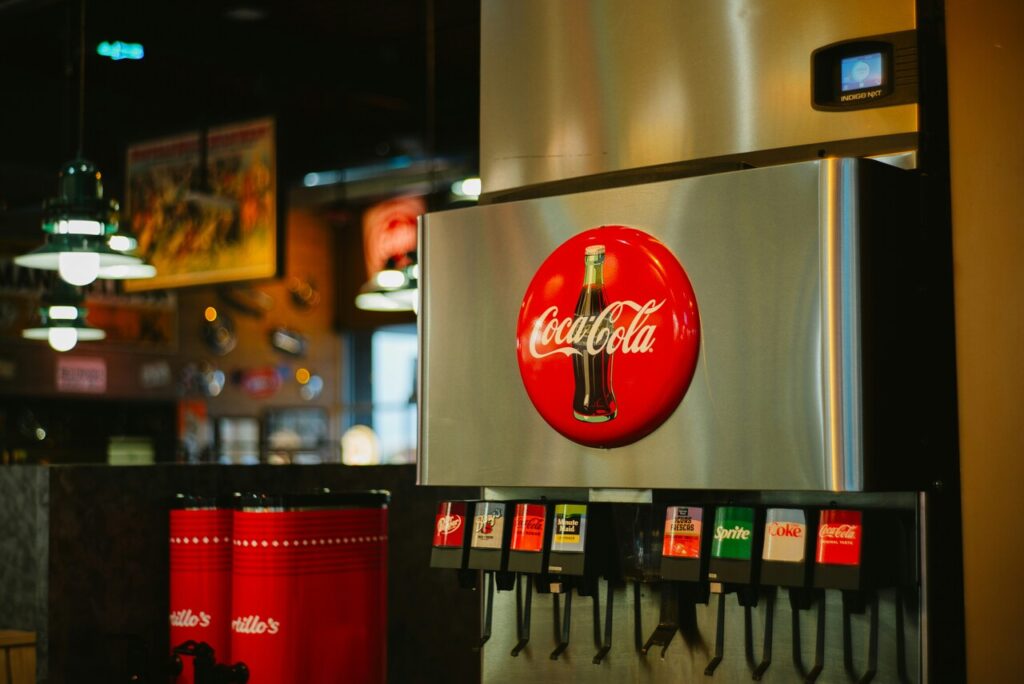
Florida’s SNAP waiver goes beyond soda to include energy drinks and candy. When multiple categories are restricted at once, shoppers feel the difference immediately. Families who bought small sweets as occasional treats now face new limitations. Critics emphasize that the ban doesn’t prevent purchases—it just divides shoppers into those using SNAP and those paying with cash. That visible divide fuels claims of stigma. And from a practical standpoint, broader bans demand clearer communication. Without strong signage and consistent enforcement, misunderstandings multiply, and store employees bear the brunt.
North Dakota’s Broad Beverage Challenges
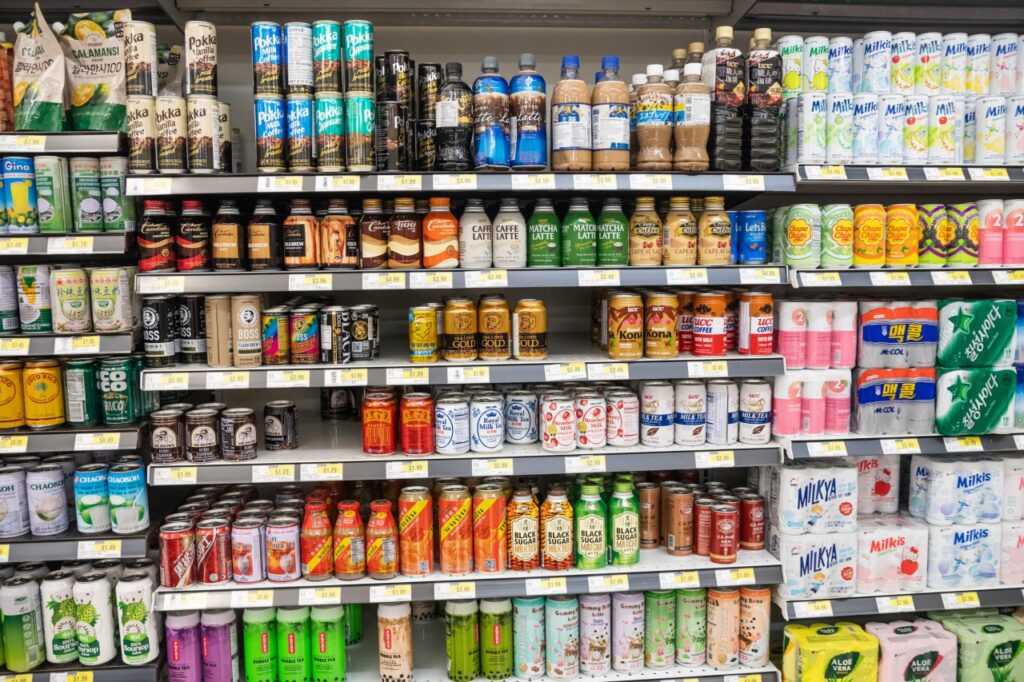
North Dakota restricts soft drinks, energy drinks, and candy under SNAP. That wide coverage has changed how families plan weekly shopping trips. When common beverages are removed from eligibility, budgets shift. Critics argue that reducing sugary drink purchases doesn’t address broader food access issues. Retailers emphasize the need for accurate systems and clear signage. Without both, misunderstandings are inevitable. Policy adjustments feel personal when they affect routine purchases.
Colorado’s Soft Drink Restriction and Implementation Hurdles
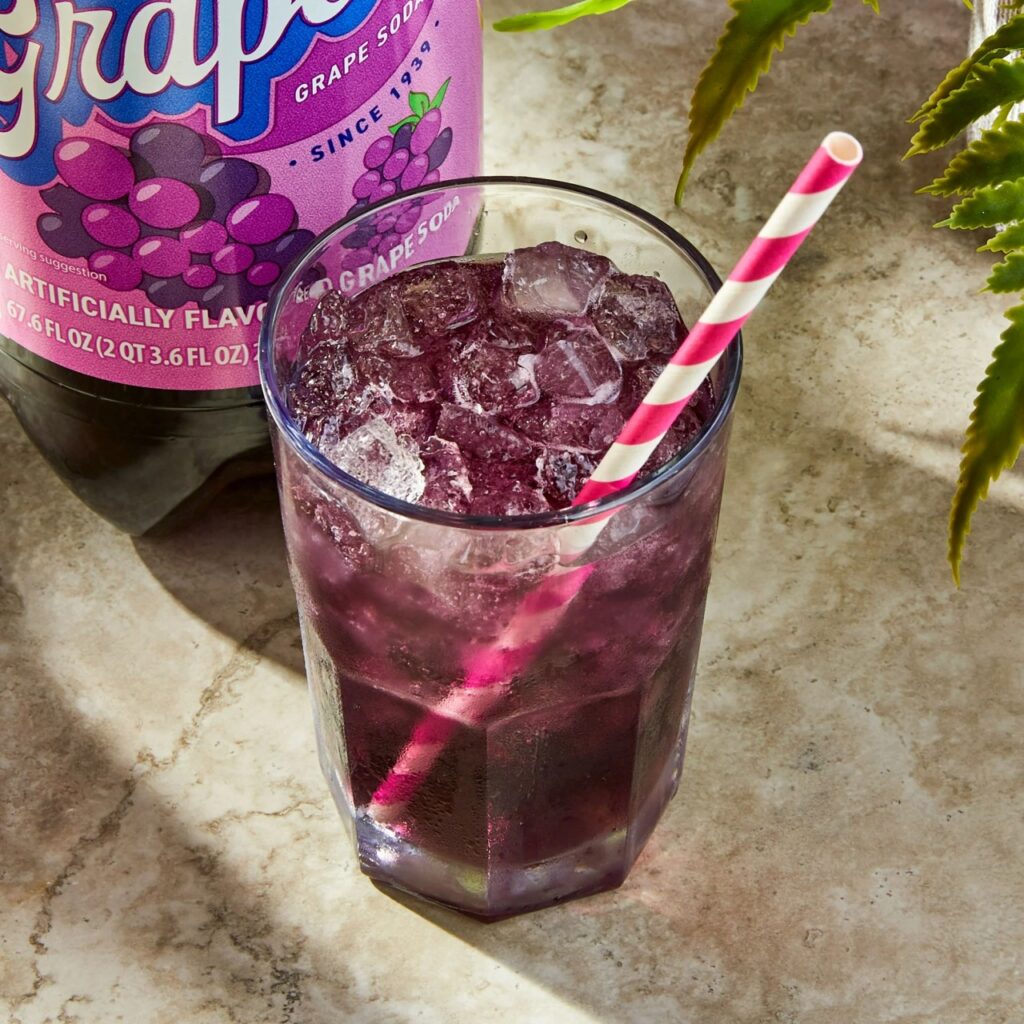
Colorado’s restriction on soft drinks has raised questions about definitions. Soft drinks can include everything from traditional sodas to flavored waters, and that variety makes precise categorization essential. Shoppers report uncertainty, wondering whether a beverage will be approved. Even small delays at checkout feel significant when budgets are tight. Critics argue that without clear education and support, the policy risks frustrating the very people it aims to help. Retailers must update systems, train staff, and coordinate enforcement—all while customers wait with their carts.
Louisiana’s Ban That Sparked Debates
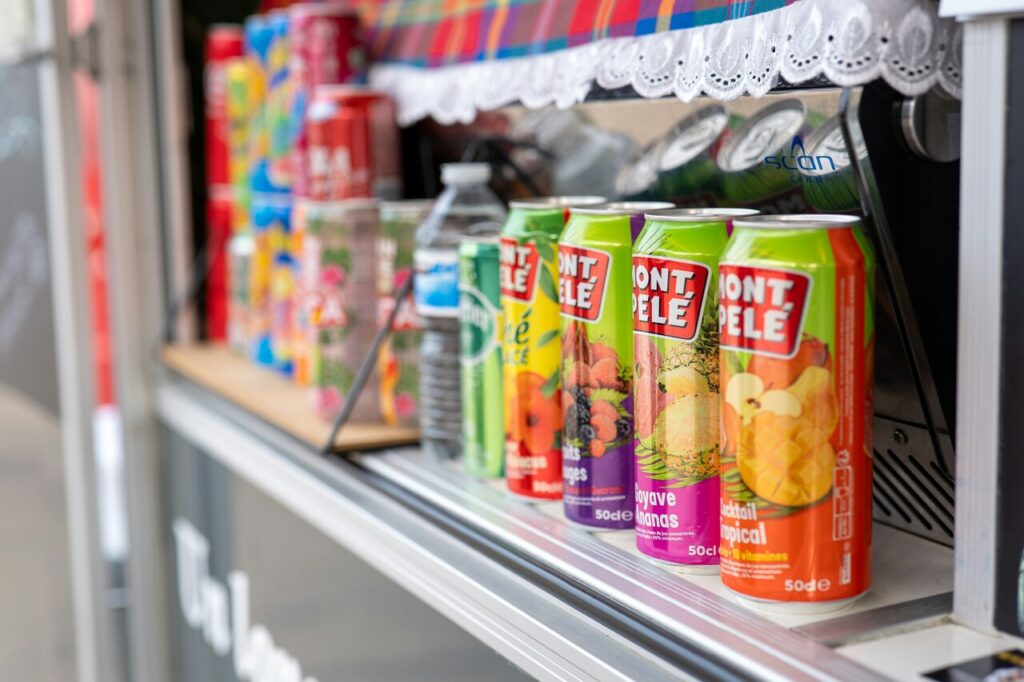
Louisiana’s restriction on soda, energy drinks, and candy has become part of a larger conversation about personal choice. Supporters frame it as public health. Opponents see it as government overreach. For many households, sweetened beverages were occasional additions, not daily essentials. Removing them from SNAP eligibility feels symbolic to some critics, who argue that broader dietary education and access would do more good. At the store level, cashiers must explain policies they didn’t create, and customers must adjust expectations. The tension is real and daily.
Oklahoma’s Soda and Candy Restriction That Added Checkout Stress
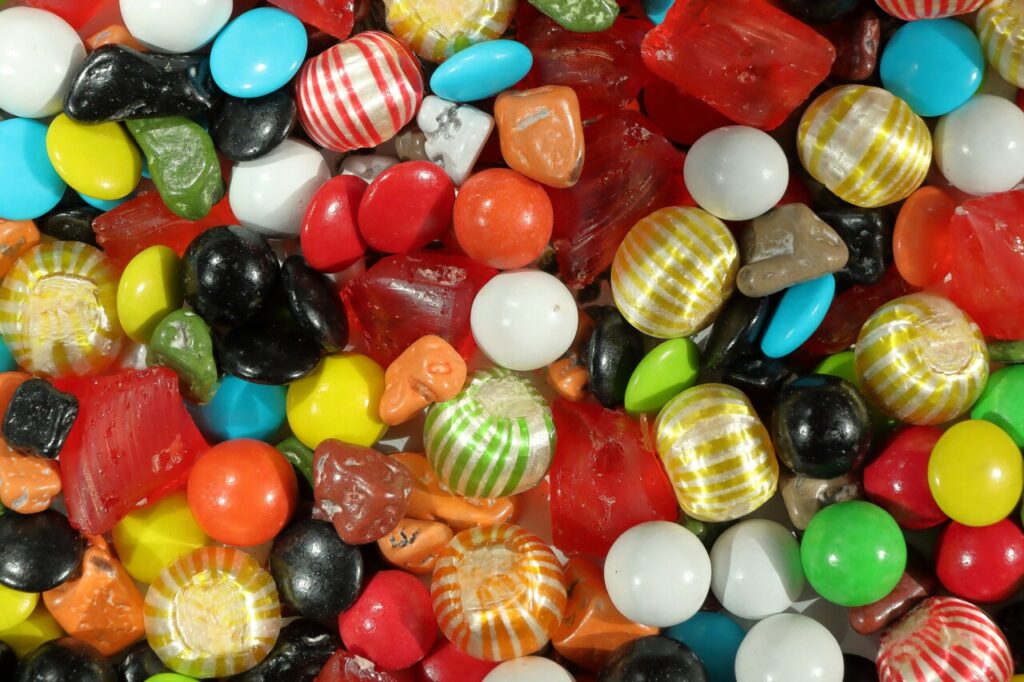
Oklahoma’s SNAP waiver restricts both soft drinks and candy. The intent may be nutrition, but the visible effect often appears at the register. Shoppers accustomed to certain purchases must suddenly rethink their lists. Advocacy groups note that SNAP benefits are already limited. Adding further restrictions can feel punitive rather than supportive. Store staff navigate frequent questions and occasional frustration. Clear communication helps, but confusion still arises. The policy’s daily impact is measured in conversations at checkout.
Texas’ Sweetened Beverage Ban That Broadened Definitions
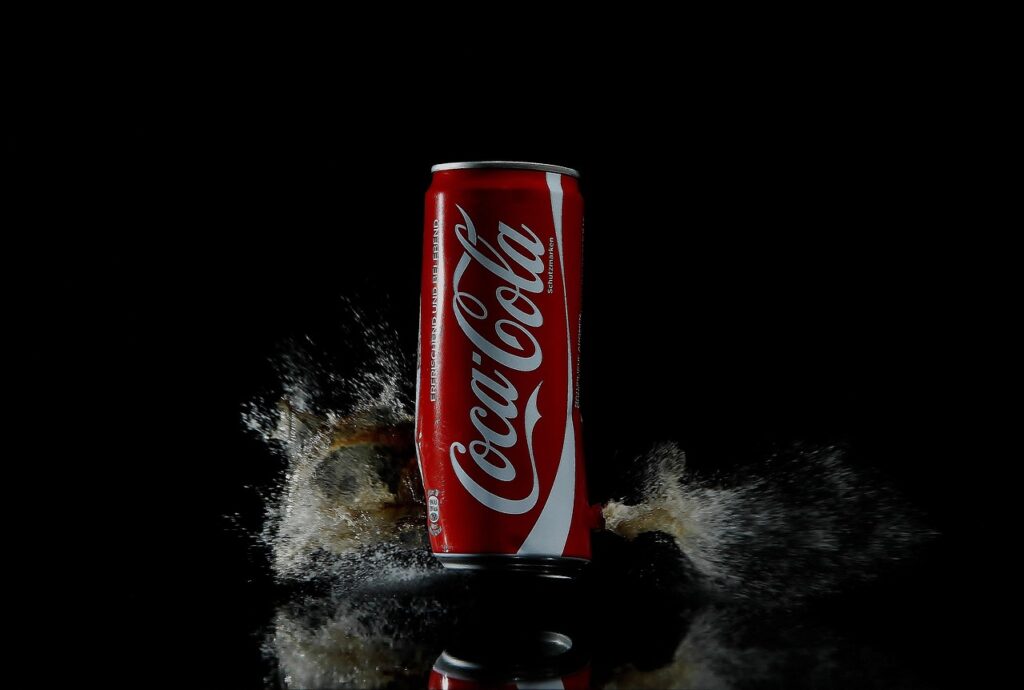
Texas defines its restriction broadly, targeting sweetened drinks with added sugars or artificial sweeteners. That expansive language has fueled discussion about where lines should be drawn. Diet versions, flavored waters, hybrid drinks—they all blur traditional categories. Without precise labeling, confusion is inevitable. Retailers rely on updated coding systems, but even with technology, questions persist. A policy that aims for clarity in theory often feels complicated in practice.
South Carolina’s Fruit Drink Confusion
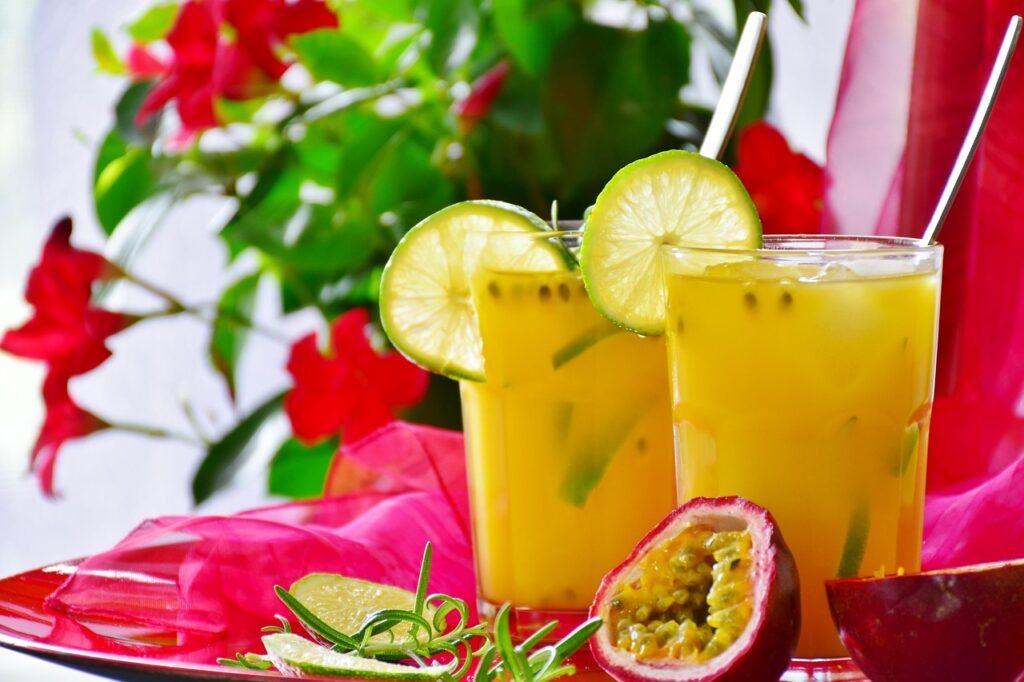
South Carolina’s SNAP ban includes sweetened beverages unless they meet strict juice criteria. That distinction has surprised shoppers who assumed fruit-flavored drinks would qualify. The nuance between juice and juice drink isn’t always obvious. Packaging looks similar, but eligibility differs. For families shopping quickly, these technicalities matter only when an item is declined. The policy’s health goals can get lost in the confusion of navigating definitions at checkout.
Utah’s Soft Drink Ban That Blurred Beverage Lines
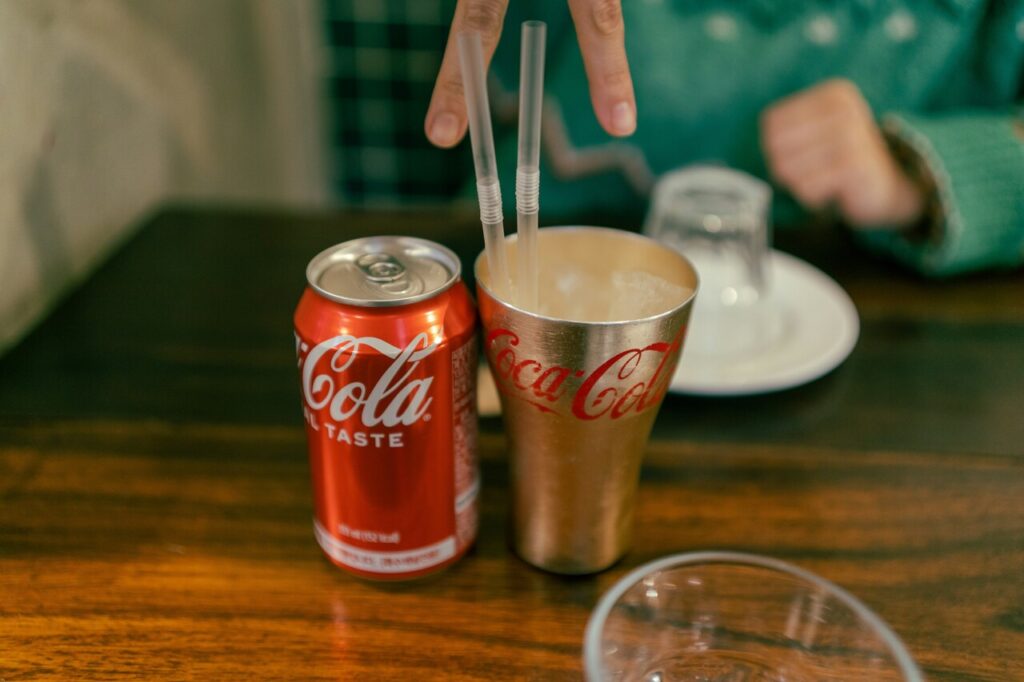
Utah’s restriction on soft drinks sounds clear until you realize how many products fall under that umbrella. Colas, flavored sodas, certain sweetened beverages—the category is broad, and that breadth has led to real confusion. Shoppers describe grabbing items they assumed were eligible, only to have them declined. That kind of public correction can feel uncomfortable. For people already managing tight budgets, adding uncertainty to grocery shopping increases stress. Meanwhile, store employees are learning the rules alongside their customers, updating systems and answering questions in real time.