How Fast Food Chains Are Changing Their Onion Rings

Onion rings used to be one of those sides you could count on. Golden, crunchy, with that perfect pull of sweet onion from the center. But lately, something feels off. They’re not bad, exactly. Just different. Lighter, blander, less satisfying. If you’ve noticed it too, you’re not imagining things. Over the years, quiet changes in ingredients, preparation, and portion sizes have reshaped this once dependable side. The reasons aren’t obvious at first glance, but they’re real.
Discontinued Signature Sauces

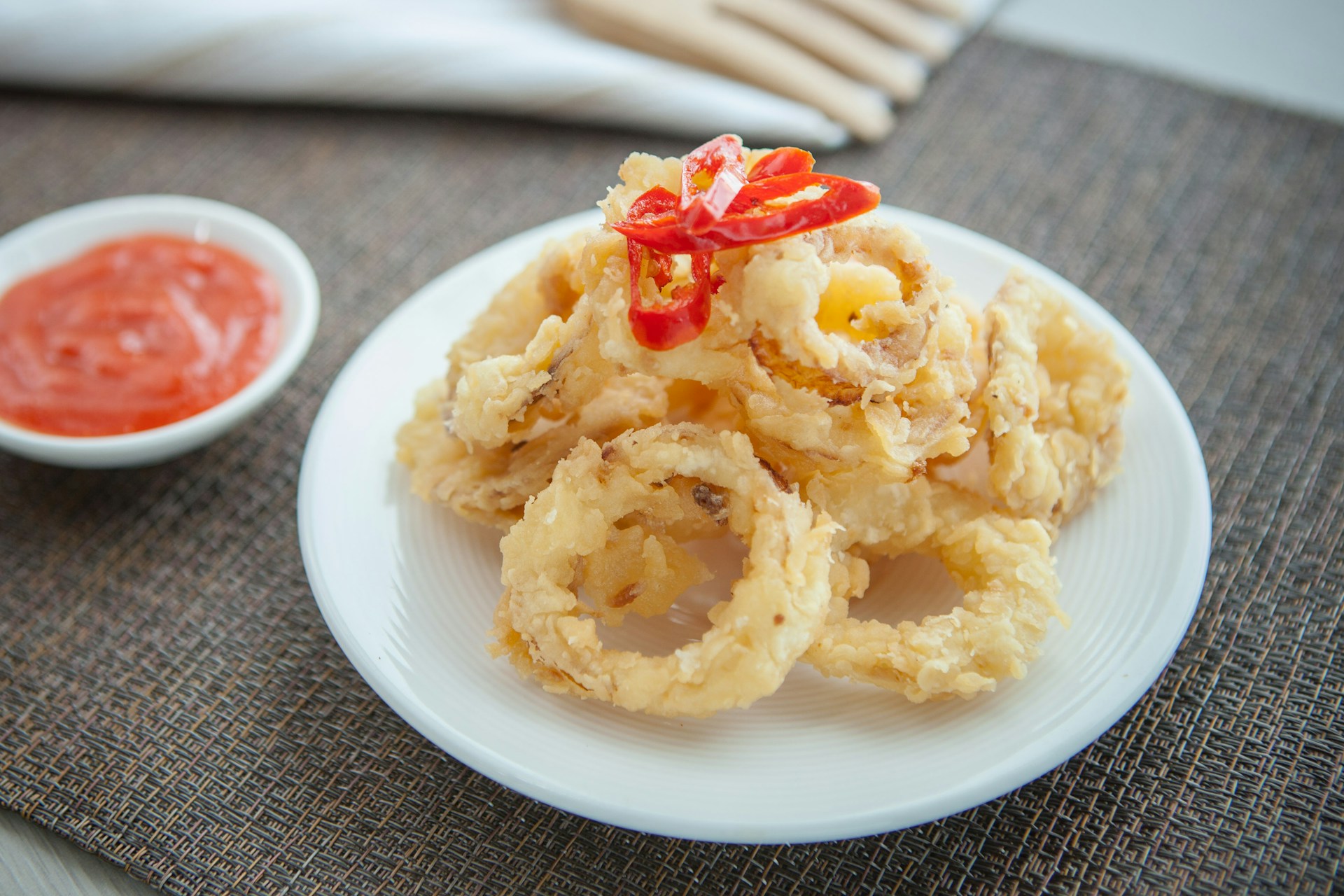
Sometimes the drop in quality happens around the ring, not inside it. Many chains once had house-made or proprietary sauces that balanced sweetness, acidity, spice. Those sauces elevated the side from fried snack to craveable favorite. But specialty sauces need extra ingredients, storage, training. Streamlining menus cuts them out. Generic ranch or ketchup takes over. Sauce shapes perception. A good dip can mask small flaws in texture or seasoning. When it’s gone, weaknesses stand out. Removing a signature pairing changes the whole experience.
Shorter Fry Times for Speed
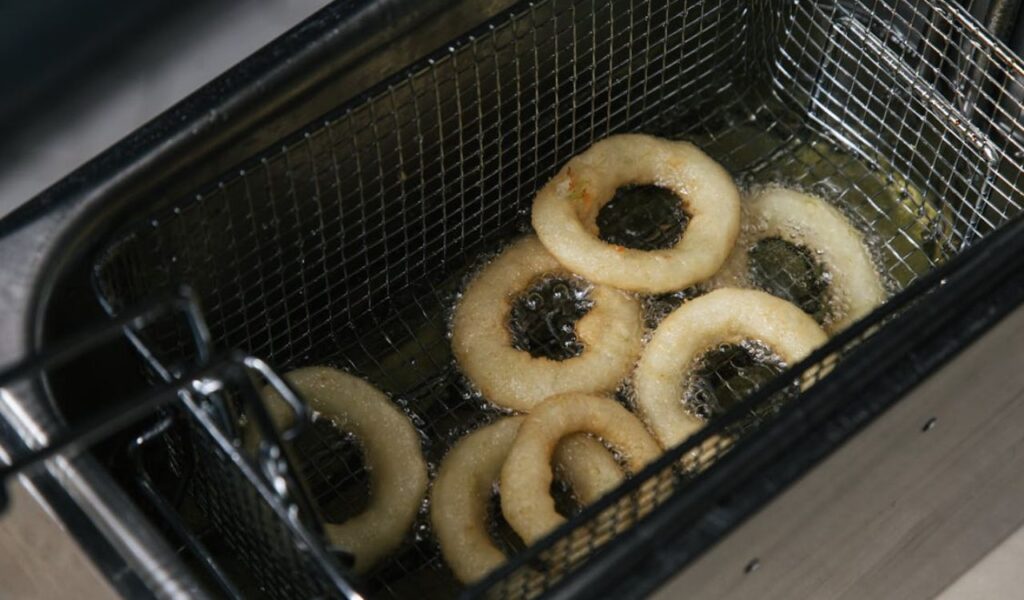
In high-traffic kitchens, seconds matter. Fry times that once delivered deep color and proper structure now get shortened to push orders faster. Frying isn’t just heat—it’s timing. Moisture needs to escape, starches need to set, sugars need to caramelize. Shortened cycles leave batter paler and less firm. Under-fried rings soften fast after serving. Steam trapped inside weakens crispness within minutes. They might look fine, but by the time you sit down, the texture’s already fading.
Pre-Sliced, Mass-Processed Onions
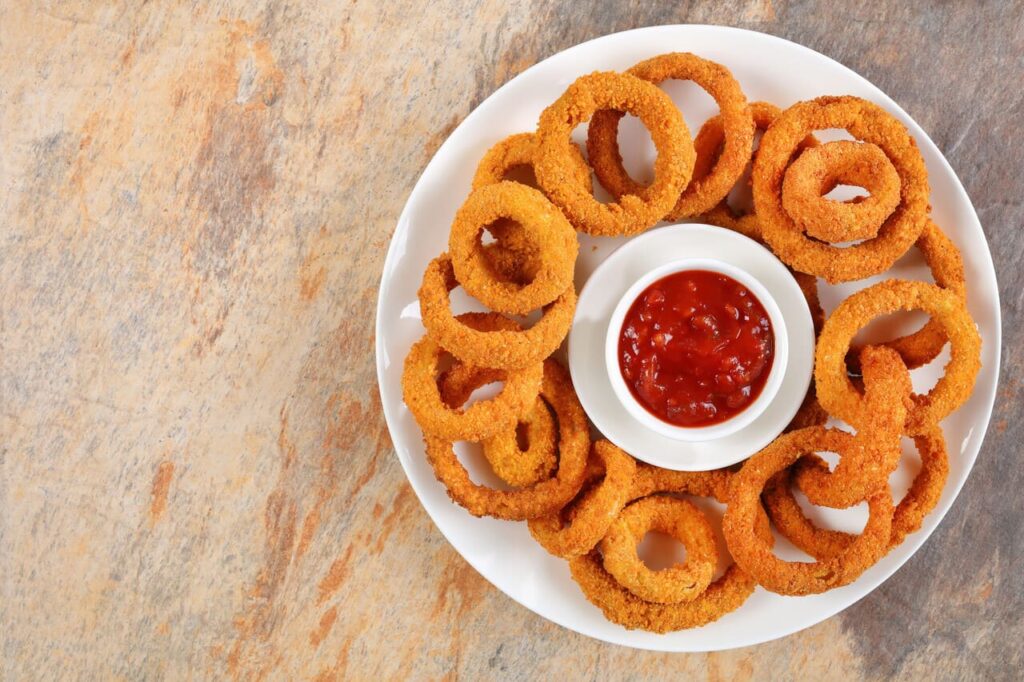
Uniformity is efficient, but it costs something. Many chains now use factory-cut onions that arrive frozen and ready to fry. No prep, no labor, consistent sizing. From a business standpoint, it’s a win. But fresh slicing gave you natural variation in thickness and sweetness. Onions caramelize when they fry, adding depth. Extended cold storage mutes that complexity. Ice crystals weaken cell walls. The onion ends up softer instead of tender with a clean snap. Efficiency wins, flavor loses.
Reconstituted Onion Instead of Whole Slices
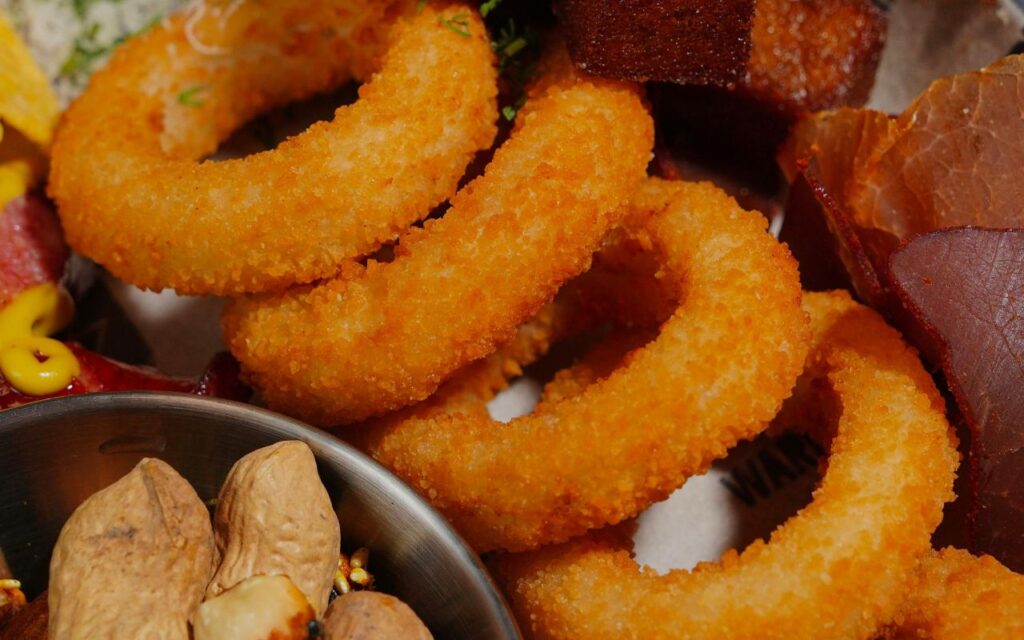
Some onion rings aren’t rings at all. They’re formed from chopped onion pieces mixed with binders and molded into circles. It uses scraps that would otherwise be waste. Predictable shapes, standardized fry times, less breakage. From a supply chain view, it’s brilliant. But texture tells the truth. Whole slices have layers that separate when you bite. Reconstituted rings feel compact and uniform. The flavor might still be onion-ish, but that layered, fibrous pull is gone.
Lower-Quality or Overused Frying Oil
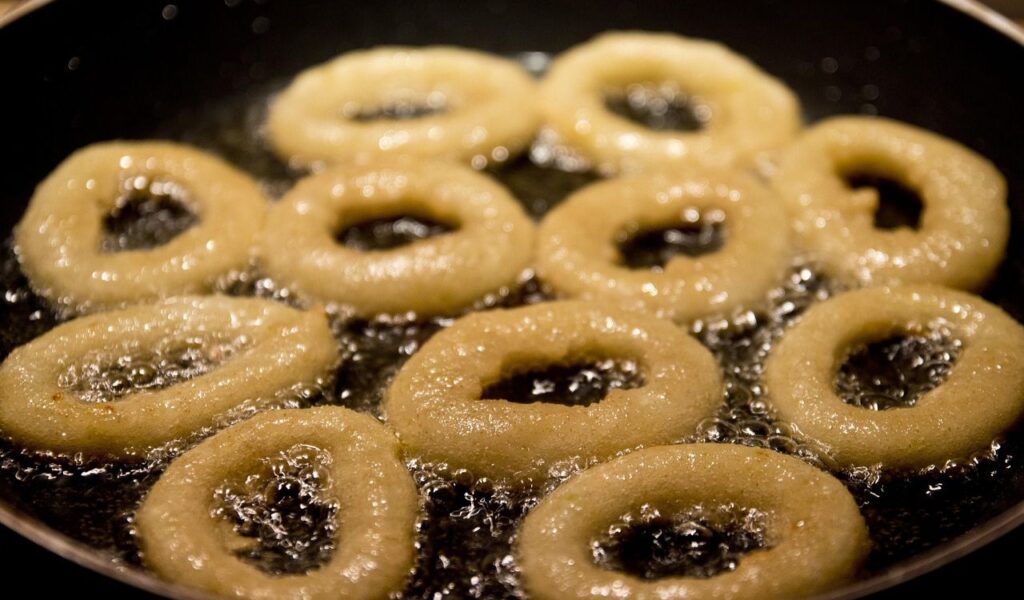
Oil is invisible, but it does the heavy lifting. High-quality oil with a stable smoke point keeps flavor clean through multiple fry cycles. Cheaper blends break down fast. As oil degrades, it oxidizes and picks up food particles. That darkens the oil and leaves off flavors clinging to the batter. Even a golden ring can taste heavy or bitter. Pressure to manage costs sometimes means oil gets used too long. The result is greasier rings and less of that light, crisp quality you’re actually paying for.
Smaller Portions Through Shrinkflation
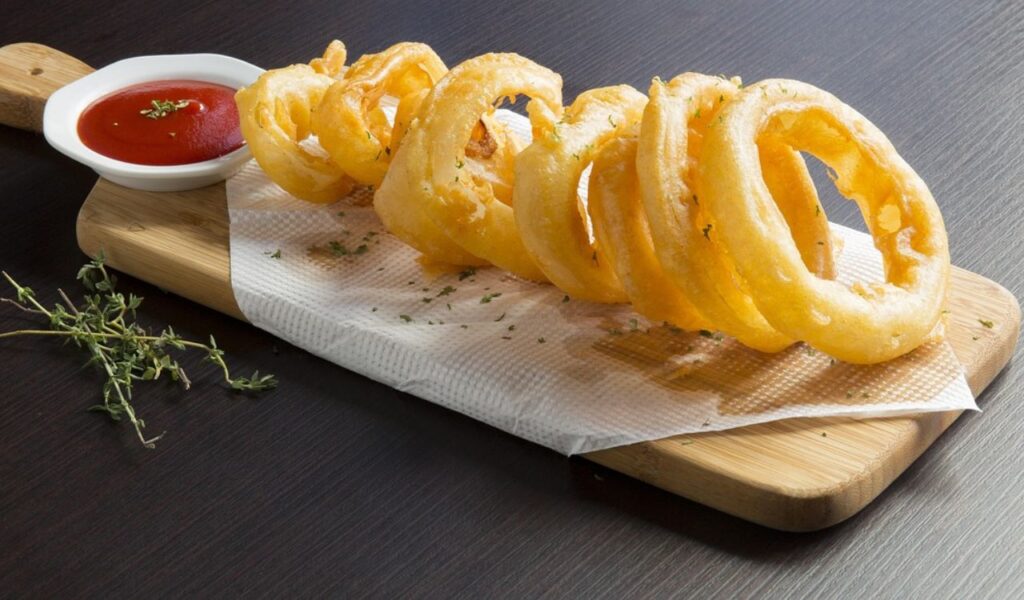
Fewer rings per order. Thinner slices that fry up smaller. It’s subtle, but it adds up. Costs rise, labor gets more expensive, and chains adjust without raising menu prices too obviously. Bundled in combos, the change might not hit you right away. But the box feels lighter. The tray empties faster. Even if the recipe stayed the same, a smaller portion alters the balance between crunch, onion sweetness, and dipping sauce. The experience feels abbreviated. Repeat customers notice when generosity quietly fades.
Reduced Seasoning in the Batter
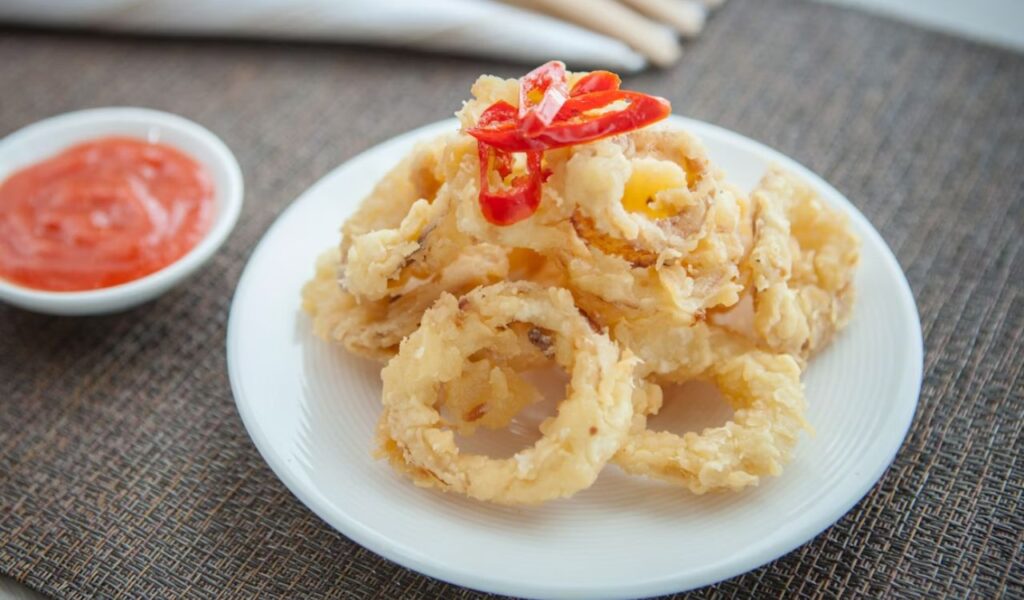
Flavor often gets dialed back for mass appeal. Early recipes leaned on pepper, paprika, garlic powder, salt. Reformulated batters sometimes reduce spice intensity to please broader tastes. Fewer spices also cut costs and simplify logistics. Consistency improves. Complexity fades. When seasoning drops, the onion has to carry more of the load. If the onion itself is mild or processed, the whole bite feels muted. A crispy exterior without bold seasoning is just crunchy. Not memorable.
Fully Pre-Breaded Frozen Stock
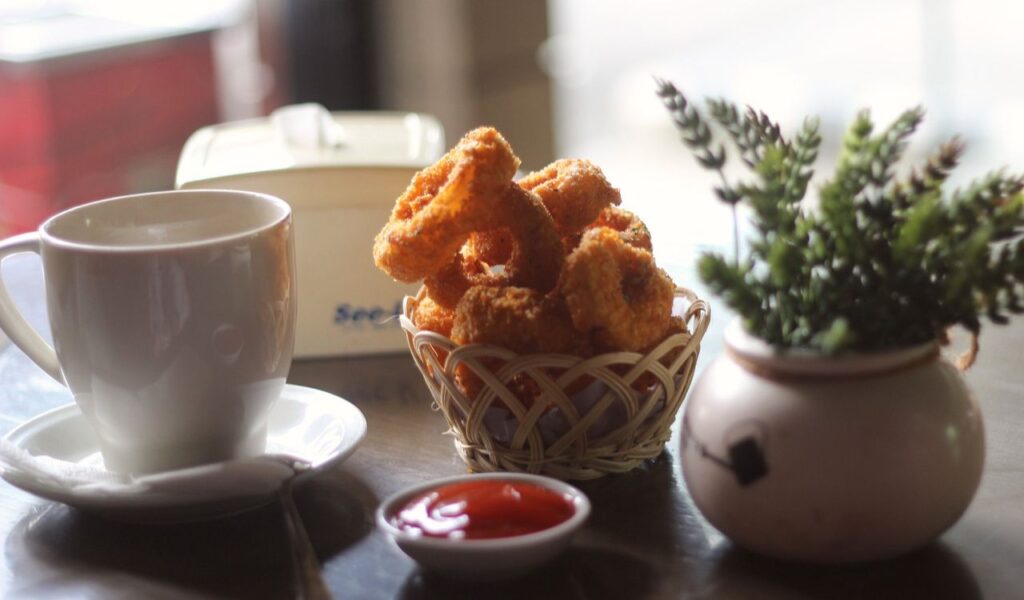
Convenience is king. Fully breaded frozen rings eliminate in-store prep. Staff just fry and serve. Training time drops, output stays predictable. But freezing changes things. Moisture inside the onion expands, weakening the bond between onion and batter. After frying, the coating separates more easily. Customization goes out the window too. No adjusting thickness or seasoning locally. Speed improves, waste decreases, texture becomes standardized. Reliable, but rarely exceptional.
Thinner Batter, Less Bite
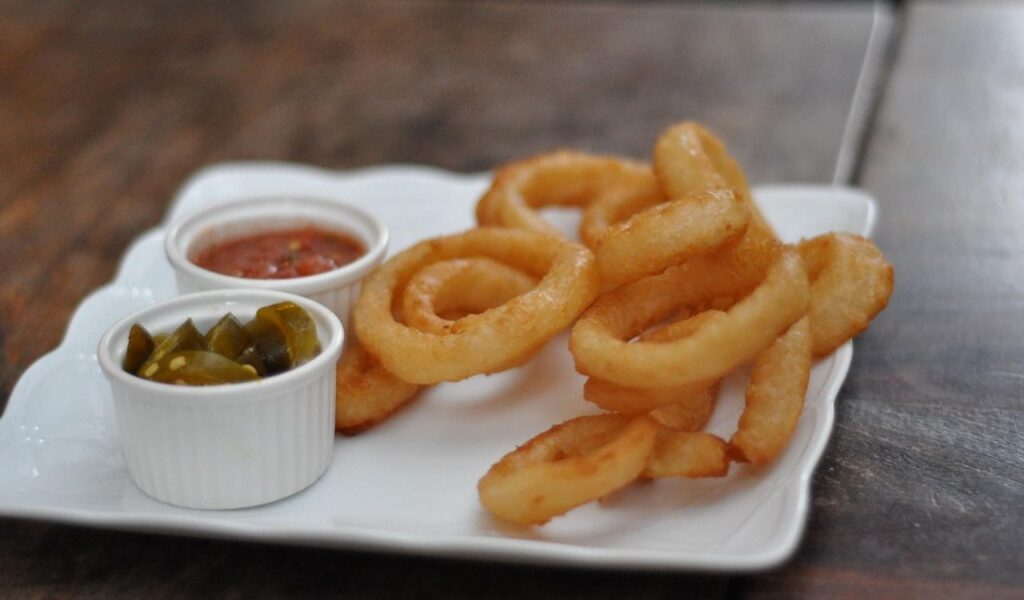
Crispiness gets marketed as an upgrade, but thinner batter changes everything. A thicker coating used to seal in moisture and give you that sturdy crunch. Now, lighter coatings fry faster and use less oil, which saves money across thousands of locations. The problem? The coating shatters or slides off. The onion doesn’t stay put. And since most of the seasoning lives in the batter, the flavor feels flatter too. It might look crisp, but it delivers less satisfaction per bite.