Childhood Food Lies Parents Used to Make Mealtime More Fun

Oh, friends. Can we take a moment to laugh together about the things our parents convinced us of? “Eat your carrots or you’ll go blind.” “Swallow gum and it’ll stay in your stomach for seven years.” “Don’t eat that or you’ll bounce off the walls.” I don’t know about you, but I carried these little warnings with me for years—half believing, half wondering, entirely shaped by the creative storytelling of well-meaning adults who just wanted us to eat our vegetables and stop raiding the candy drawer. Let’s wander down memory lane together and smile at the funny food myths that raised us.
Fast Food: The Naughty Treat
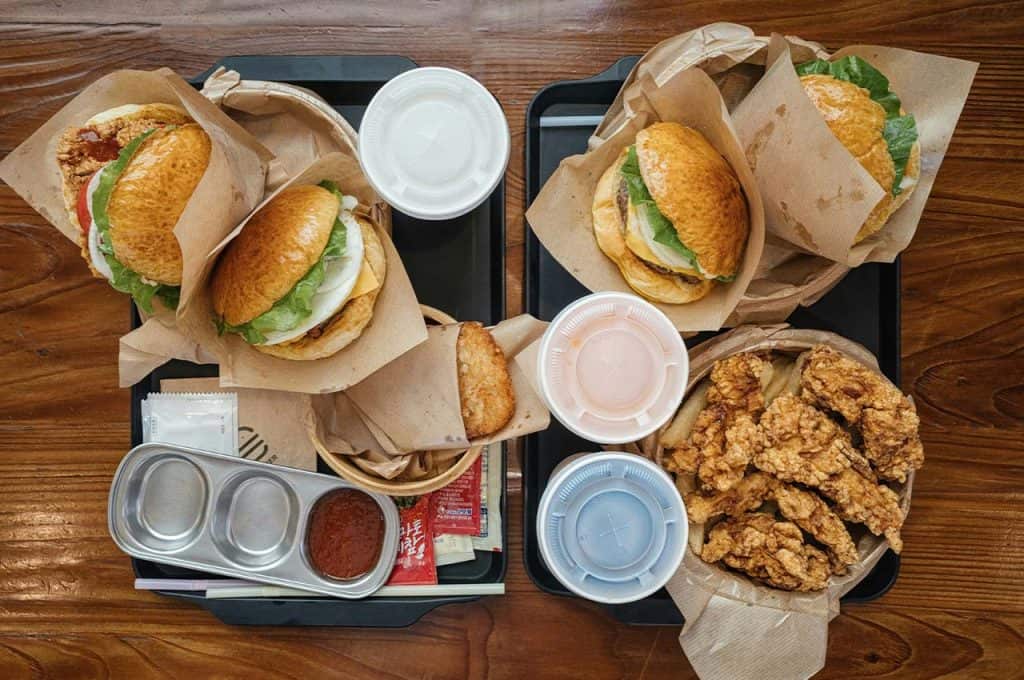
Fast food was positioned as occasional indulgence, the reward for good behavior, the special treat that existed outside normal eating. And sure, the drive-through isn’t designed for everyday nourishment. But here’s something lovely: making versions at home, with quality ingredients, transforms the whole experience. A properly grilled burger on a good bun, oven-roasted fries with herbs and salt, a shake made with real cream and fruit—it captures the spirit of the treat while honoring your body and your kitchen. Fast food becomes slow food becomes good food. The naughty treat grows up into something you can feel genuinely good about.
Chocolate: Dinner’s Arch-Nemesis
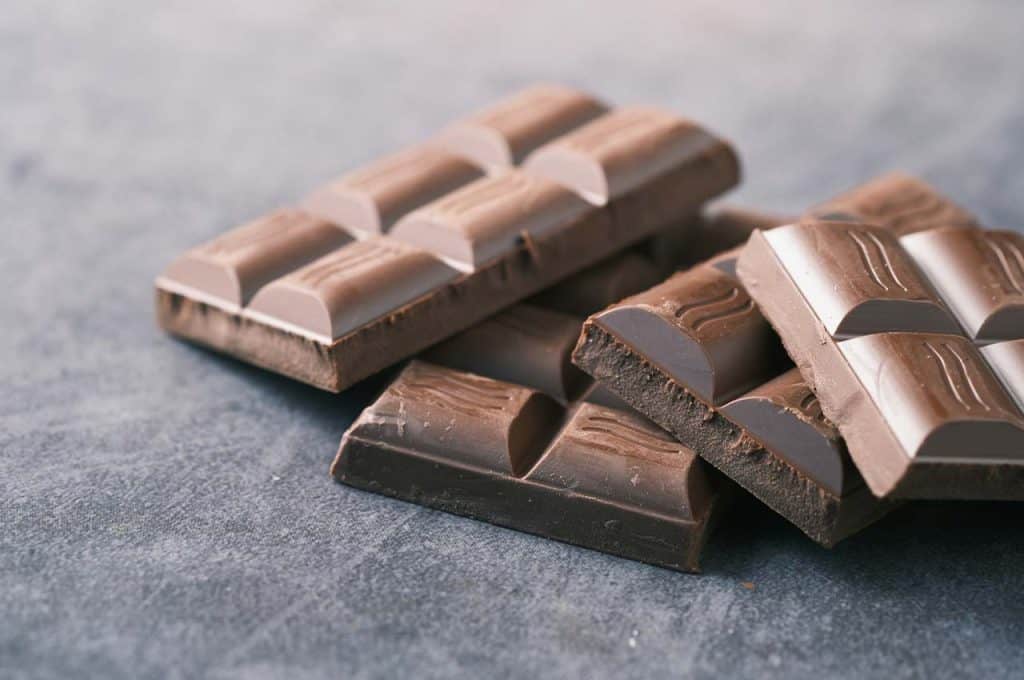
How many of us heard some version of “don’t eat that, you’ll spoil your dinner”? Chocolate was cast as the villain, the saboteur of appetites, the reason we wouldn’t touch our carefully prepared meals. And sure, filling up on candy right before dinner isn’t ideal. But here’s what I’ve discovered as a grown-up: chocolate doesn’t have to be dinner’s enemy—it can be dinner’s secret weapon. A little dark chocolate grated into chili, a hint of cocoa in a mole sauce, a whisper of sweetness in a savory braise. Chocolate at the table, not just after it. Our parents might not have seen that coming.
Sugar: The Wall-Bouncing Myth
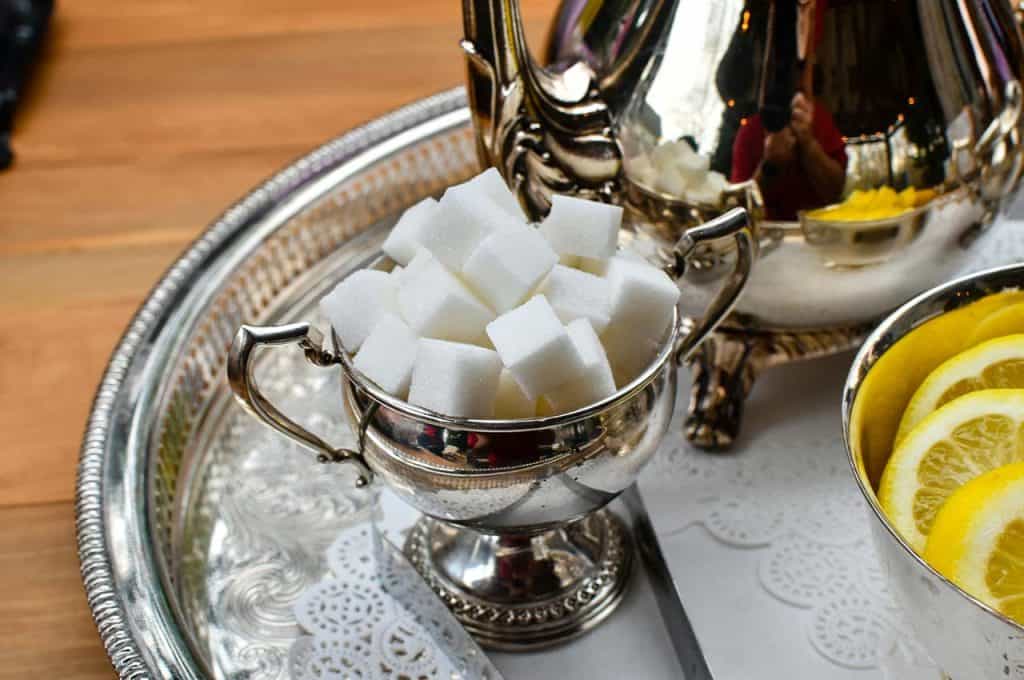
Oh, the sugar high. It’s one of the most persistent beliefs in parenting lore—that sugar transforms children into tiny, furniture-bouncing tornadoes. And yet, study after study has failed to find a consistent link. The real story is more about expectation and timing than chemistry. But here’s what sugar actually does, without any myth-making: it balances, it caramelizes, it transforms. A pinch in a tomato sauce cuts acidity. A sprinkle on carrots before roasting brings out their sweetness. Sugar isn’t the enemy—it’s just an ingredient that asks for respect and moderation. The wall-bouncing? That might have been pure joy, no sugar required.
Spinach: Popeye’s Strength Secret
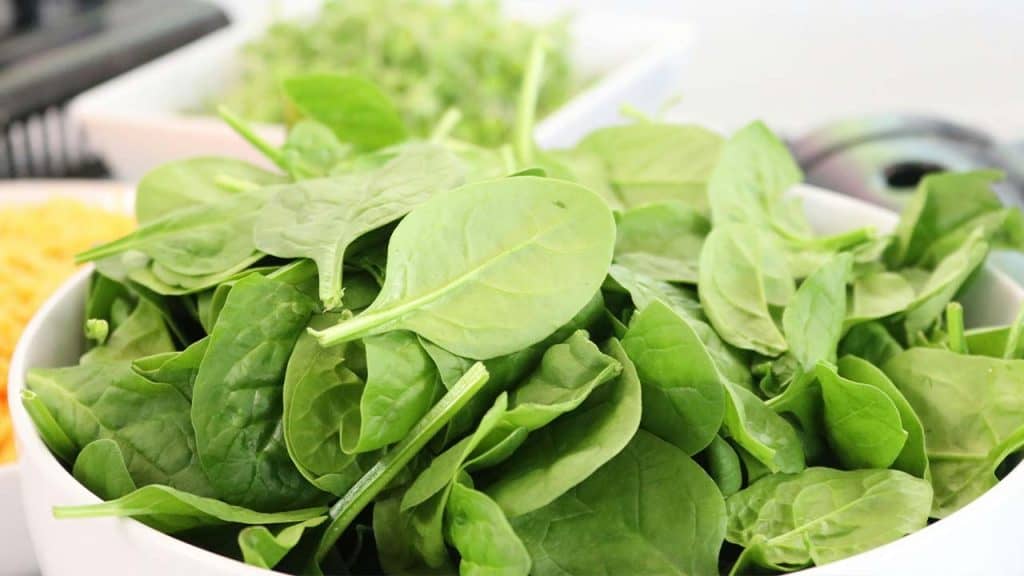
Popeye did more for spinach marketing than any advertising campaign could dream of. That can of spinach, those bulging muscles, that instant strength—it was irresistible. And while spinach won’t give you superhuman powers, it’s still genuinely wonderful. Rich in iron, folate, vitamins A and C, it quietly supports health in ways that matter. Fresh in salads, gently sautéed with garlic, blanched until bright and tender—spinach brings elegance and nourishment to the table. It might not make your muscles pop, but it will make your meals better. Popeye wasn’t entirely wrong; he just exaggerated a little. (Don’t we all?)
Eat the Crusts for Curly Hair
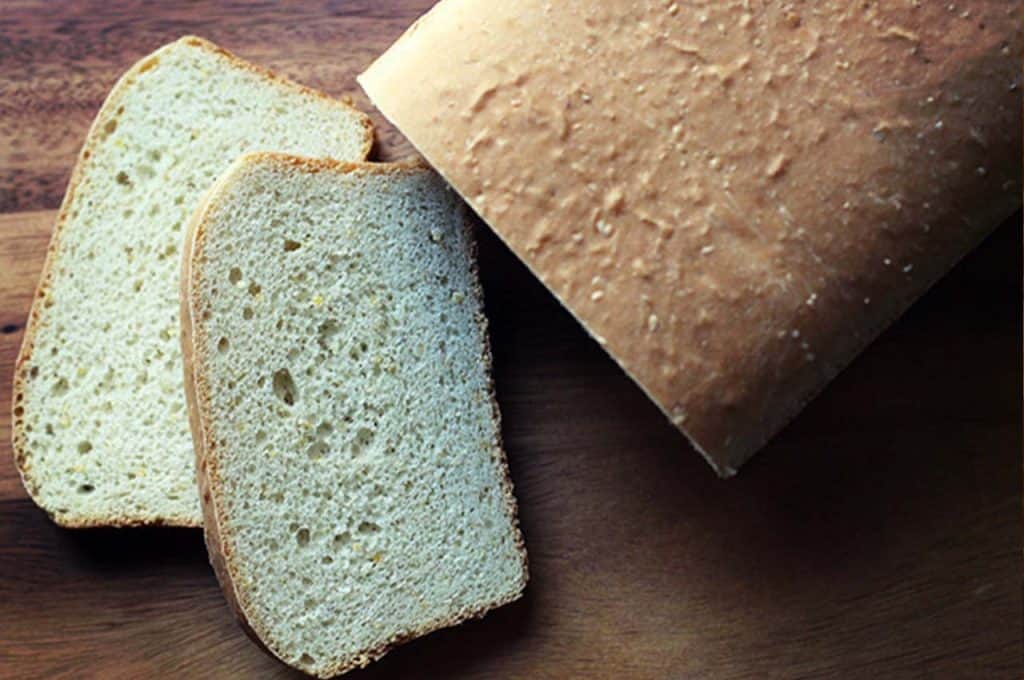
Oh, the promises made about bread crusts! Apparently, somewhere out there, a generation of children believed that chewy outer layer held the secret to glorious ringlets. While my hair remained stubbornly straight despite my dutiful crust-eating, I’ve since learned that the real magic of crusts isn’t curls—it’s flavor. That browning, that chew, that satisfying contrast with the soft interior? That’s the Maillard reaction working its delicious magic. So maybe our parents were onto something, just for different reasons. Eating the crusts doesn’t give you curly hair, but it does give you a more sophisticated palate. Not a bad trade.
Carrots: Eyewear Upgrade Promise
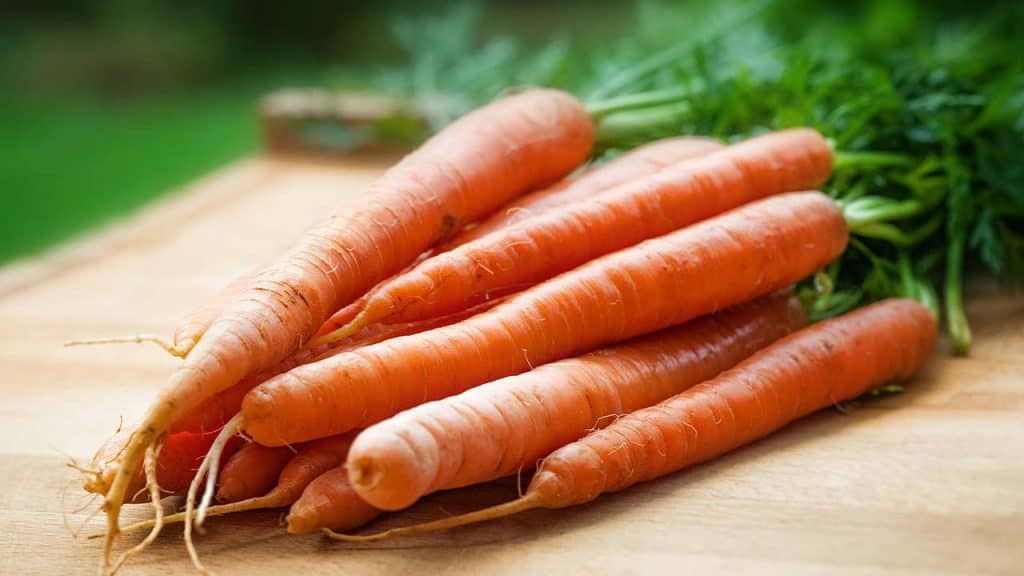
“Eat your carrots or you’ll need glasses.” This one had real staying power, probably because carrots do contain beta-carotene, which our bodies convert to vitamin A, which actually does support eye health. So there’s a kernel of truth! But the leap from “helps maintain healthy vision” to “will fix your nearsightedness” is… generous. Still, carrots deserve their moment. Roasted until caramelized and sweet, they’re genuinely glorious. Paired with thyme or rosemary, drizzled with honey, tossed into soups and stews—they earn their place at the table without any vision-related promises. Eat them for flavor. Eat them for health. Just don’t throw away your glasses.
The 8 p.m. Fat Transformation

This one haunted so many of us. The idea that eating after some arbitrary evening hour would somehow magically convert food directly into fat, as if your metabolism clocked out at 8:01 and anything consumed after was handled differently. It made for an effective anti-snacking tactic, but the science is more forgiving. What matters more is what and how much, not precisely when. If you’re genuinely hungry in the evening, a light, balanced snack won’t undo your day. Greek yogurt with berries, a small apple with almond butter—these aren’t sabotage. They’re just responding to your body with kindness. The 8 p.m. rule can retire now.
Ice Cream: Not Real Food
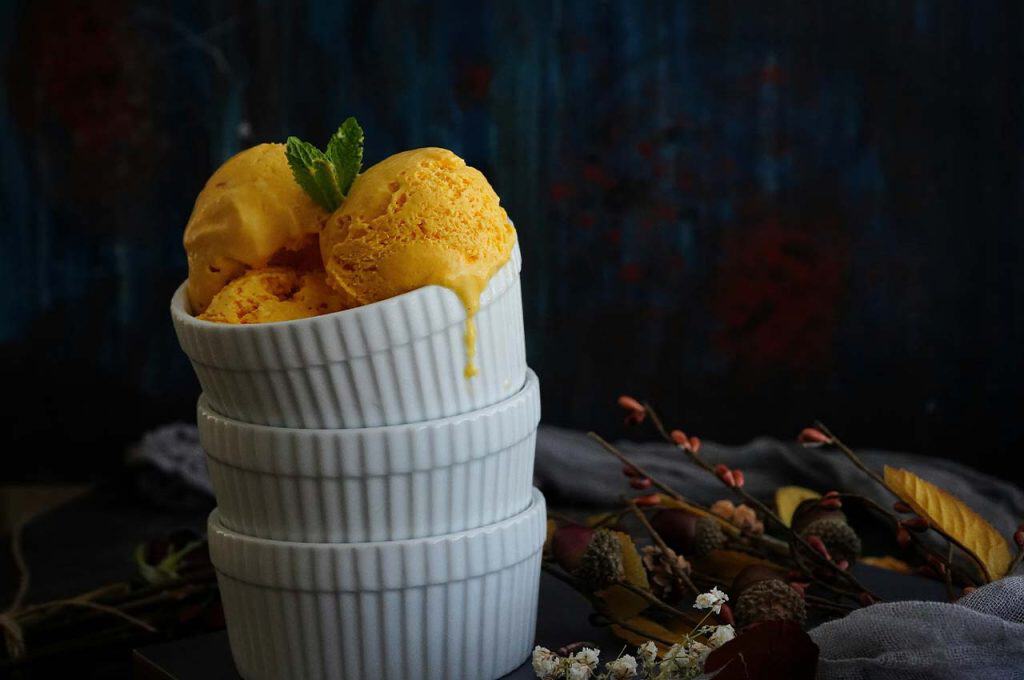
How many of us heard some version of “that’s not real food” while reaching for ice cream? Parents positioning it as mere treat, as indulgence, as something separate from “proper” nourishment. And look, they weren’t entirely wrong about the sugar content. But here’s what I’ve come to appreciate: ice cream is, in fact, real food—cream, sugar, sometimes eggs, all transformed into something glorious. Making it at home reveals its honest composition, the careful balance of fat and sweetness, the magic of churning and freezing. And when you add fresh fruit or high-quality dark chocolate? It’s not just a treat. It’s a small masterpiece. Real food, indeed.
Coffee: The Forbidden Adult Drink
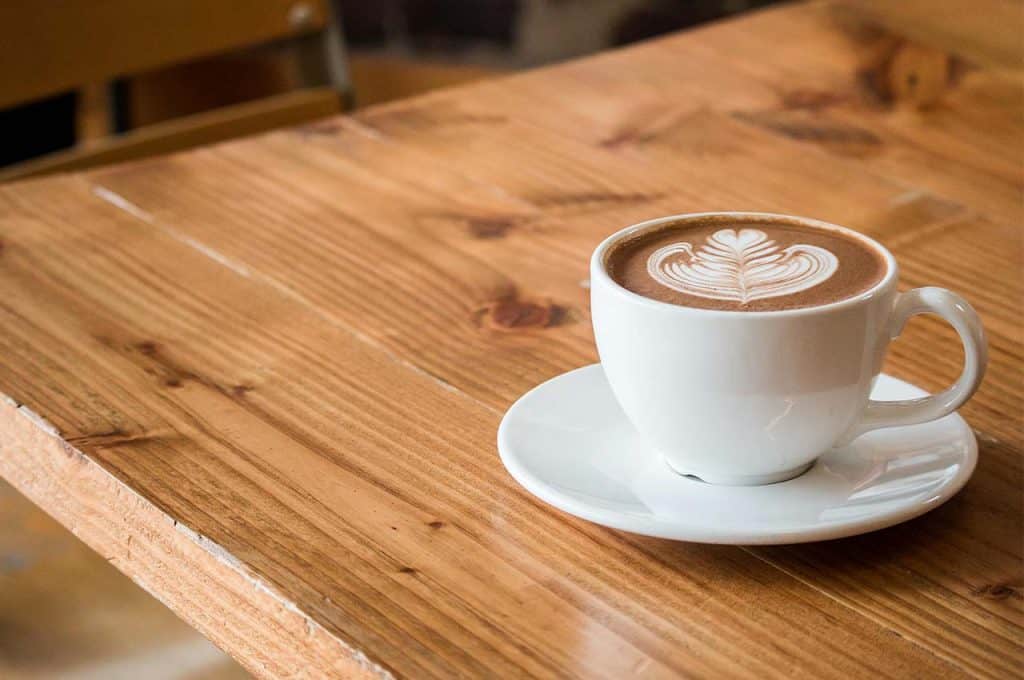
Oh, coffee. The mysterious, dark, grown-up elixir we weren’t allowed to touch. It smelled wonderful, looked sophisticated, and was strictly off-limits. Of course, that only made us more curious. Now, as card-carrying adults with our own coffee rituals, we understand what all the fuss was about. The complexity of beans, the precision of brewing, the way grind size and water temperature shape every cup—it’s a whole world. And introducing coffee through desserts like tiramisu or coffee cake? That’s a gentle gateway for young palates, a bridge to the day when they’ll have their own morning ritual. The forbidden drink becomes the daily comfort. Growing up is funny like that.
Vegetables: An Acquired Taste
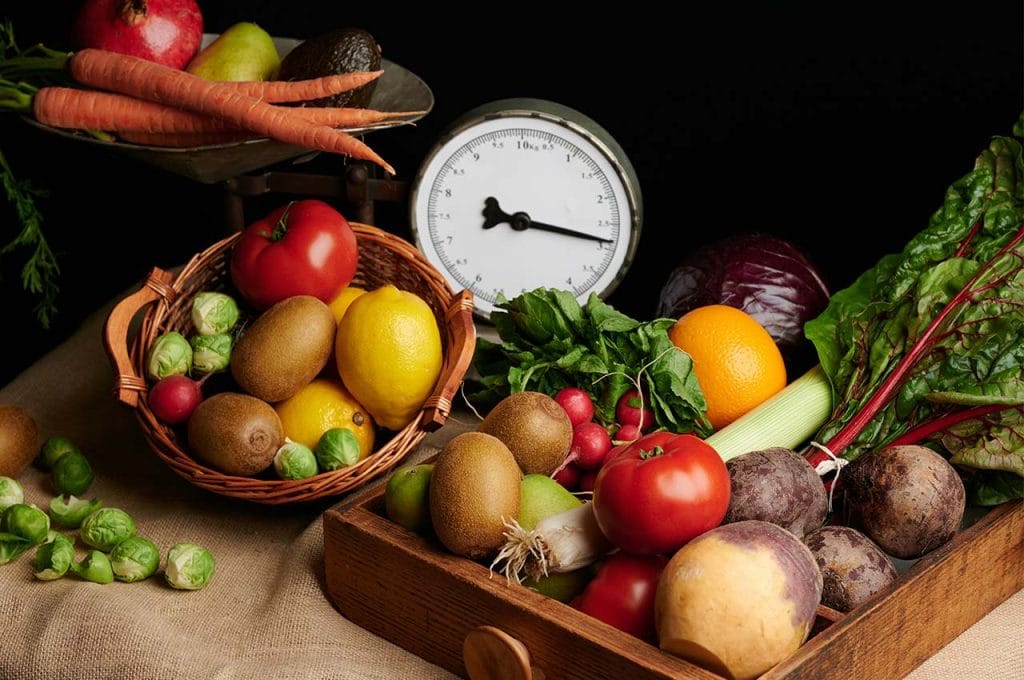
How many of us were told, with great solemnity, that vegetables were something we’d learn to like eventually? That our childish palates simply hadn’t matured enough to appreciate them? And you know what? They weren’t wrong. But here’s what they didn’t explain: vegetables aren’t just tolerable—they’re magnificent when treated right. Roasted at high heat until edges char and sugars caramelize. Sautéed with garlic until tender and fragrant. Tossed with good olive oil and flaky salt. The problem was never the vegetables themselves; it was the boiling, the steaming into submission, the serving without love. Give vegetables the respect they deserve, and they stop being an acquired taste and start being the part of the meal you actually crave.