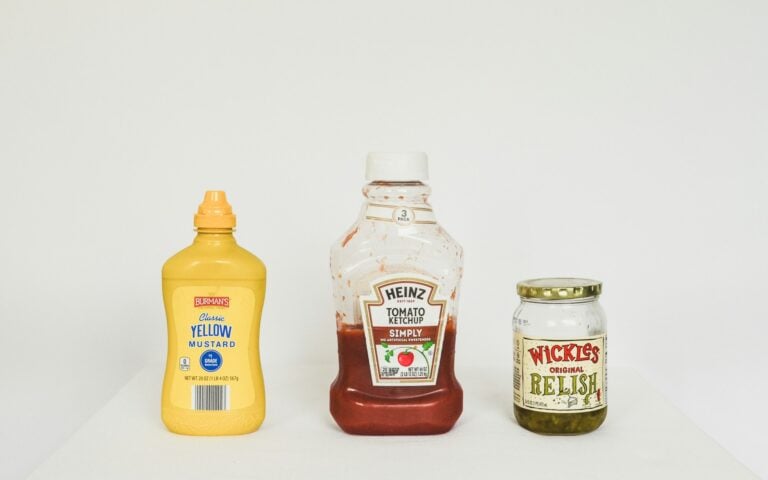
Understanding the Differences Between Organic Food Labels

Organic labels are designed to look simple.
Earthy colors, clean packaging, and familiar words can make products feel healthier and more trustworthy at a glance. It gives the impression that what you see is exactly what you’re getting.
But behind that clean look is a more complex system. Different terms, certifications, and definitions don’t always mean the same thing—and small wording changes can make a big difference.
Once you understand how these labels actually work, it becomes much easier to shop with confidence instead of relying on first impressions.
Why Organic Labels Can Be Misleading
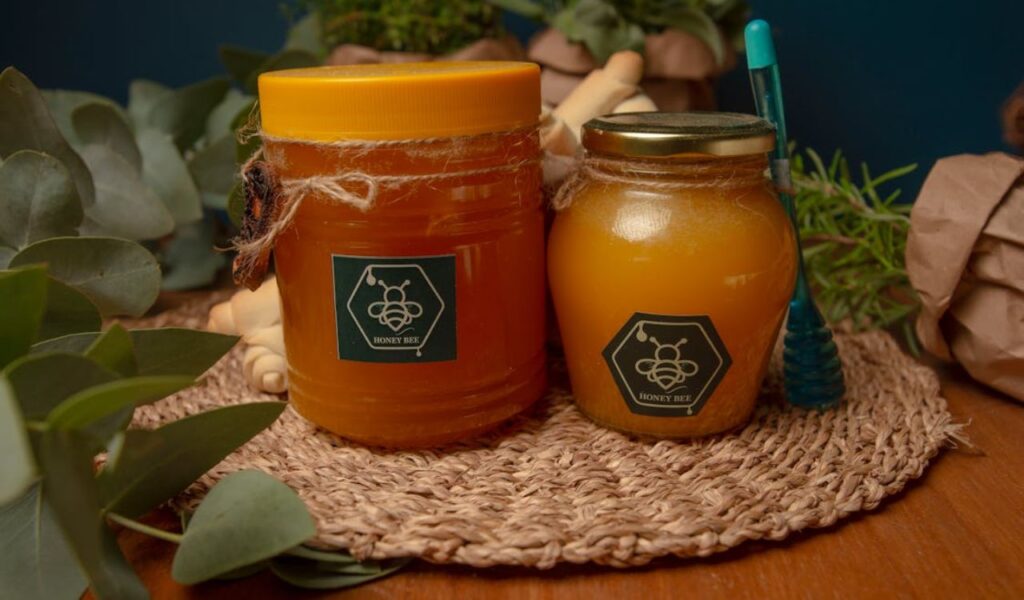
At first glance, organic labels seem straightforward—but they’re not all equal.
Terms like “100% organic,” “organic,” and “made with organic ingredients” may look similar, but each represents a different level of certification. Many shoppers assume they mean the same thing, which can lead to confusion.
Packaging adds to that effect. Natural colors and imagery create a sense of consistency, even when the actual ingredients vary.
It gets even more complicated when unregulated terms like “natural” or “farm fresh” appear alongside certified labels. These words sound reassuring, but they don’t guarantee specific standards.
How Consumers Can Read Labels With Confidence

Reading labels with confidence starts by looking past the front of the package.
The most reliable information comes from certification symbols, ingredient lists, and clearly stated percentages. These details show exactly how much of the product is truly organic.
The wording matters. “100% organic,” “organic,” and “made with organic ingredients” are not interchangeable, and understanding that difference makes a big impact.
It also helps to recognize certification bodies. Knowing who verified the product adds another layer of clarity and trust.
Over time, focusing on these details instead of packaging alone makes it much easier to make informed choices.
The Importance of Knowing Certification Standards
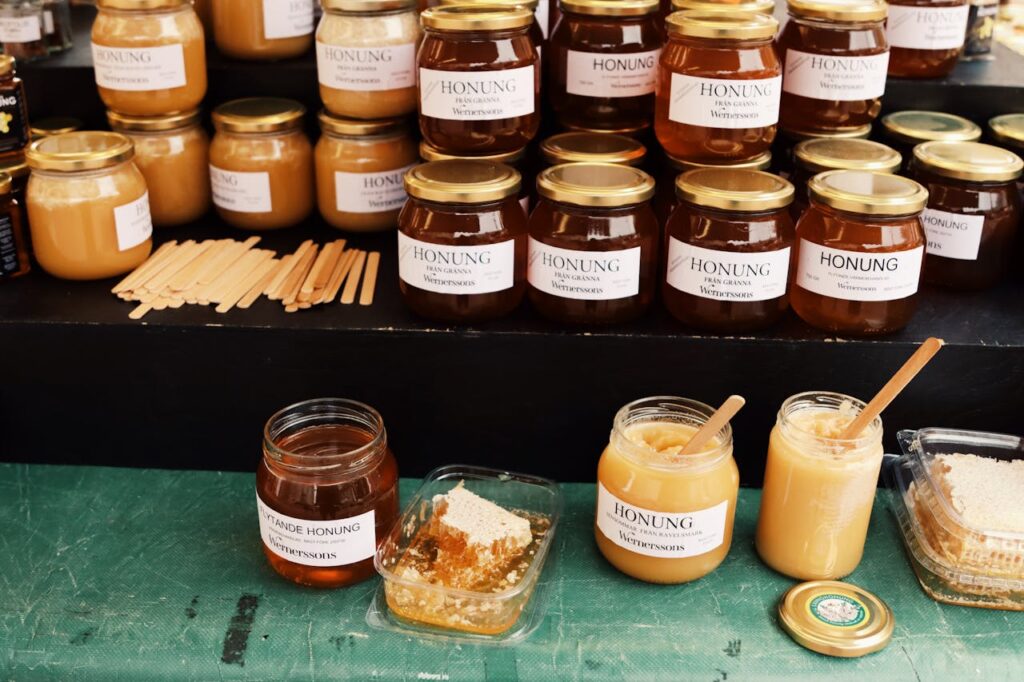
Organic certification follows a set of rules, but those rules aren’t identical everywhere.
In general, they limit synthetic pesticides, artificial fertilizers, and GMOs while supporting soil health and ecological balance. But different countries and organizations can have slightly different standards.
That means two products labeled “organic” may not be exactly the same depending on where they were certified.
Understanding which certification applies helps clarify what you’re actually buying. Without that awareness, it’s easy to assume all organic products meet the same criteria—which isn’t always true.
What Truly Defines an Organic Product
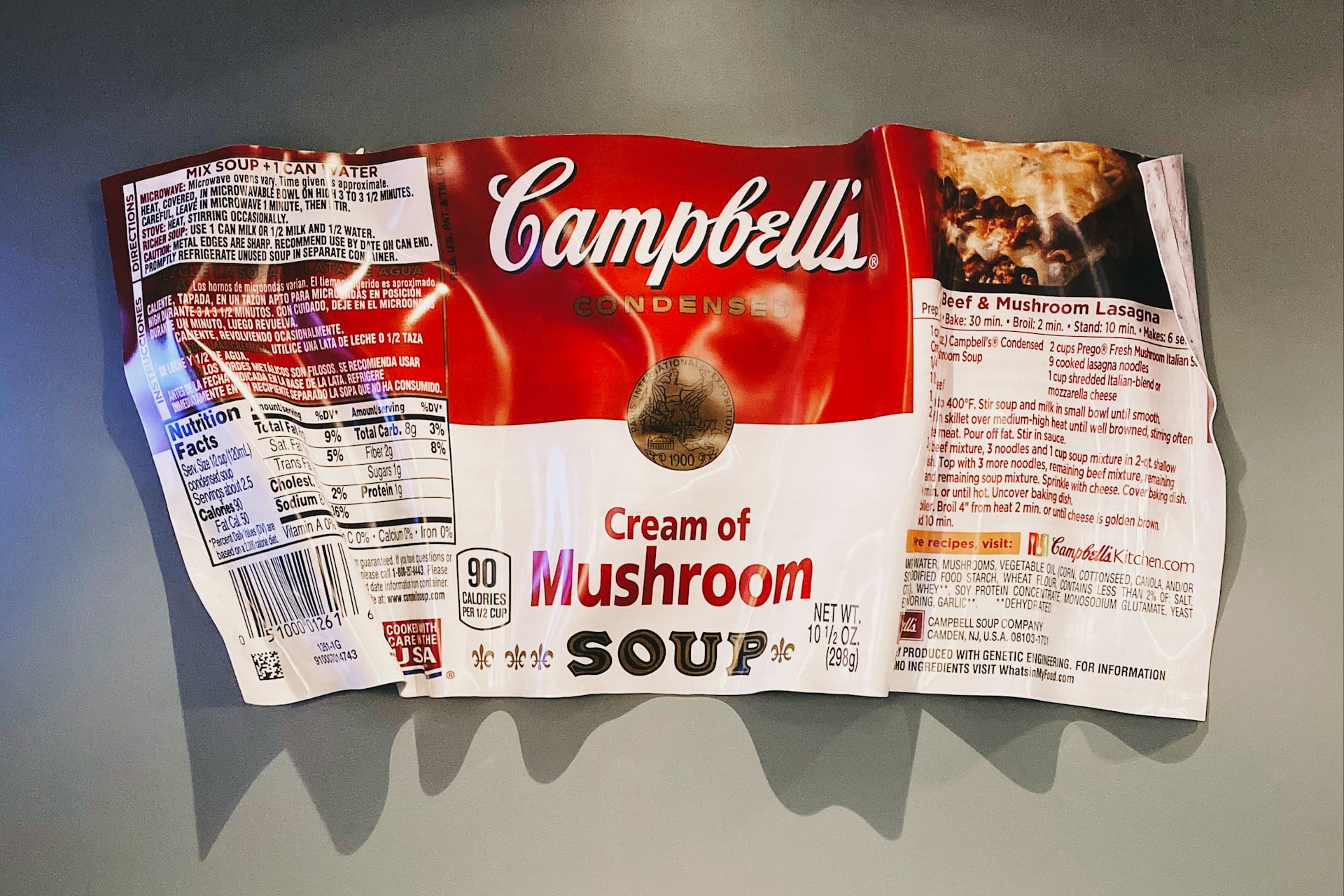
Organic isn’t just about avoiding certain ingredients—it’s about a broader system.
It focuses on soil health, biodiversity, and natural methods of growing and producing food. Instead of relying on synthetic inputs, it works with natural processes.
This applies to both crops and animal practices, creating a more balanced approach overall.
At the same time, not every product labeled “organic” is fully organic. Some contain a percentage of organic ingredients rather than meeting the highest standard.
That’s why it’s important to look beyond the label itself and check the details. It gives you a clearer understanding of what you’re actually buying.
The Future of Transparent Food Labeling
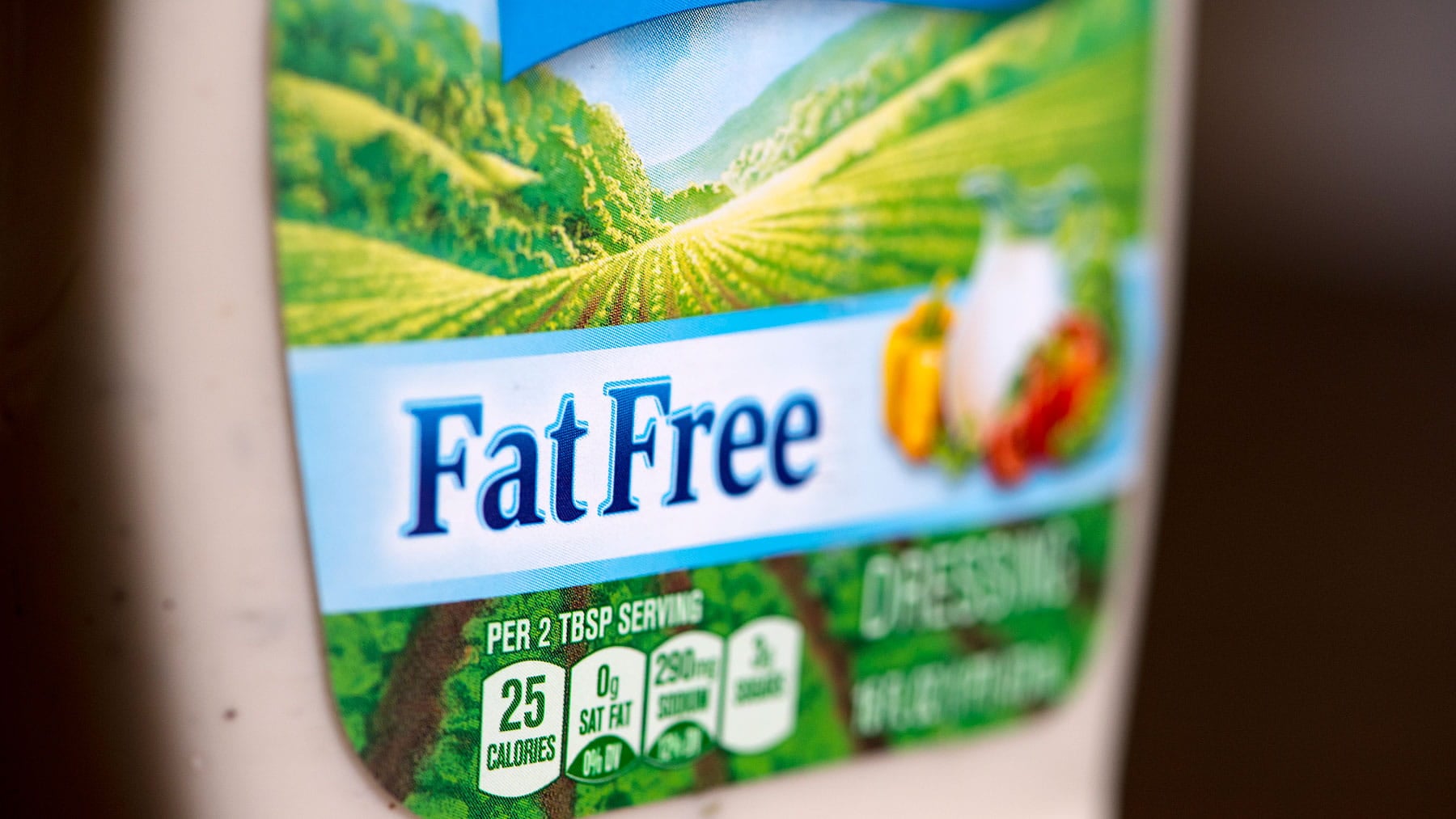
As shoppers become more aware, expectations are changing.
People want labels that are clear, accurate, and easy to understand—not just visually appealing. This is pushing brands and regulators to improve how information is presented.
Better standardization and clearer definitions are helping reduce confusion. At the same time, tools like QR codes and traceability systems are starting to offer deeper insights into how products are made.
As these changes continue, organic labeling is likely to become more transparent and easier to navigate—making it simpler for shoppers to make confident decisions.