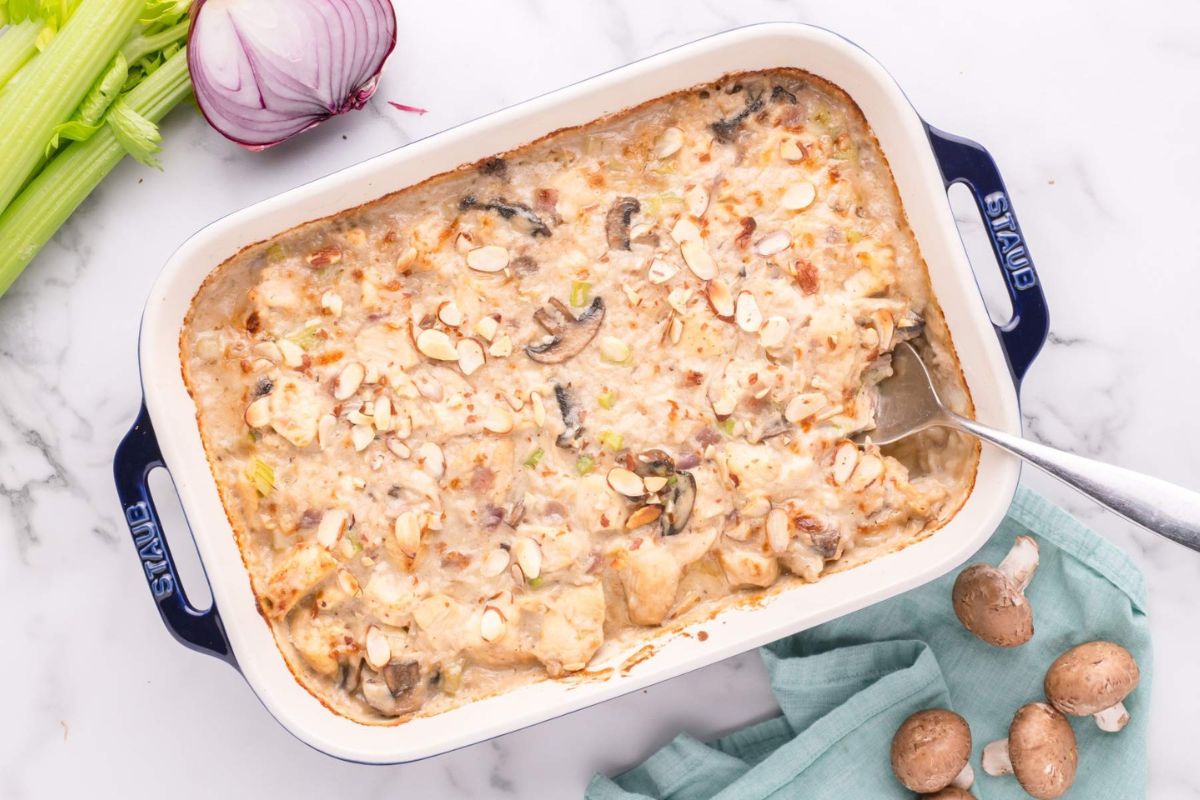
Classic 1950s Dinners That Shaped Midcentury American Cuisine

The 1950s were a time of boundless optimism, and nowhere was that more evident than at the dinner table. Postwar prosperity, new kitchen appliances, and a wave of convenience products transformed how Americans cooked. Housewives embraced canned soups, boxed mixes, and frozen vegetables not as shortcuts, but as symbols of progress. Cookbooks and magazines like Better Homes & Gardens and Woman’s Day filled kitchens with recipes that balanced creativity with practicality. These 10 dinners once defined the nation’s table, and though many have faded from menus, they remain iconic snapshots of a remarkable culinary era.
Pork Chop Casserole
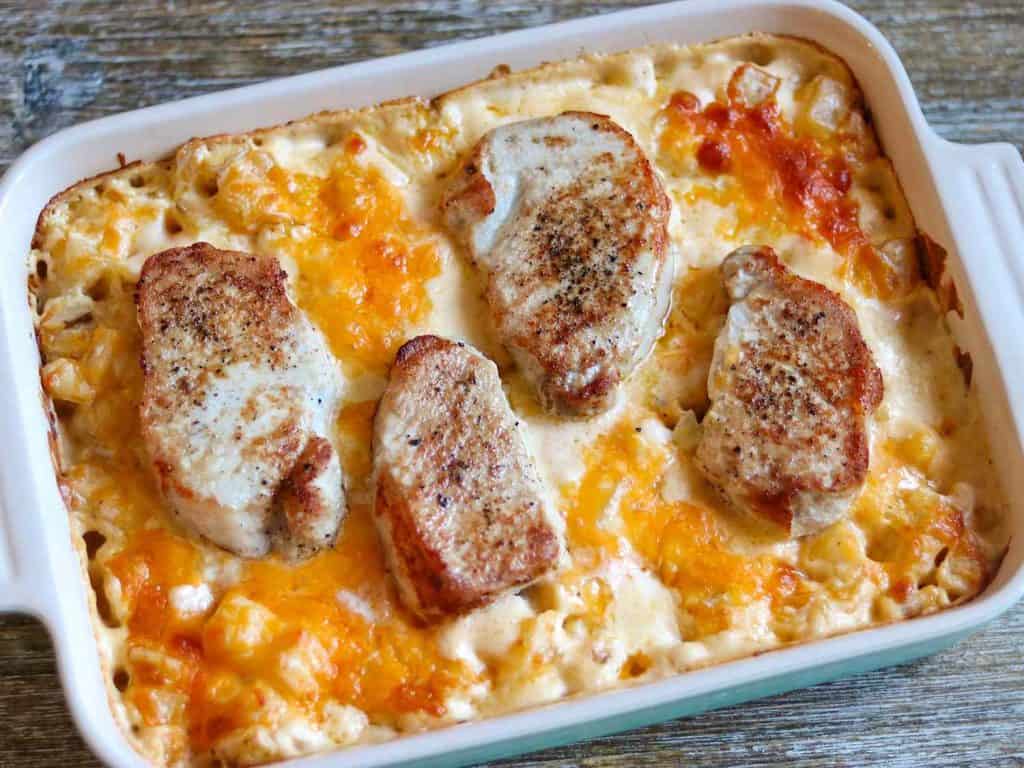
Pork chop casseroles captured everything midcentury cooks loved: simplicity, economy, and one-pan convenience. Browned chops layered with onions, potatoes, and condensed soup, then baked until tender. It delivered hearty flavor with minimal cleanup, perfect for families discovering the joy of oven-ready meals. This dish encapsulated the decade’s passion for practical, home-cooked comfort.
Chicken à la King
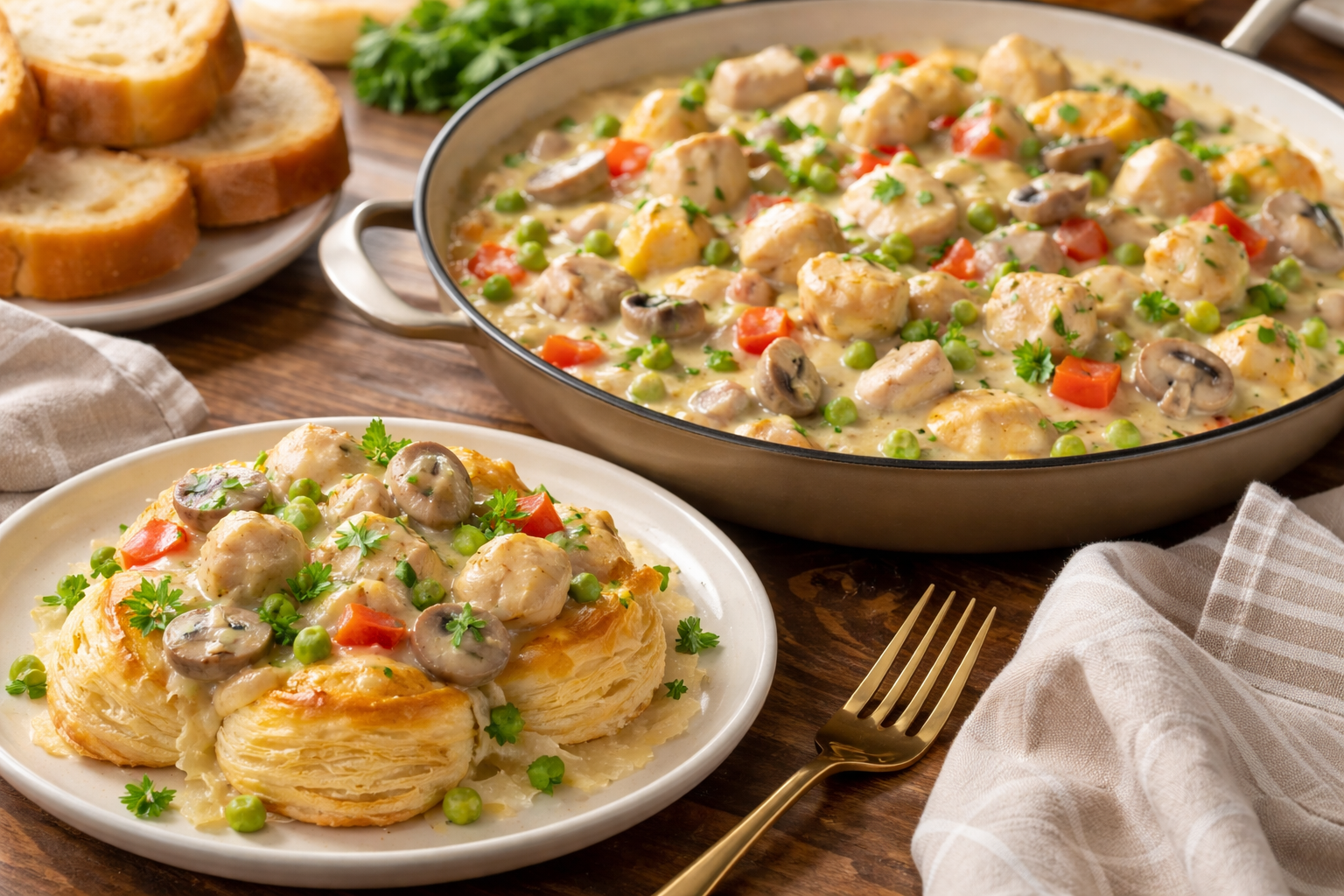
Chicken à la King brought a touch of luxury to home dining without demanding culinary skill. Diced chicken, mushrooms, and bell peppers swam in a rich cream sauce, served over rice, toast, or noodles. Its velvety texture and subtle flavors made it ideal for entertaining. Canned soups and ready-made sauces made it accessible to even novice cooks. It felt sophisticated, but it was comfort through and through.
Tuna Noodle Casserole
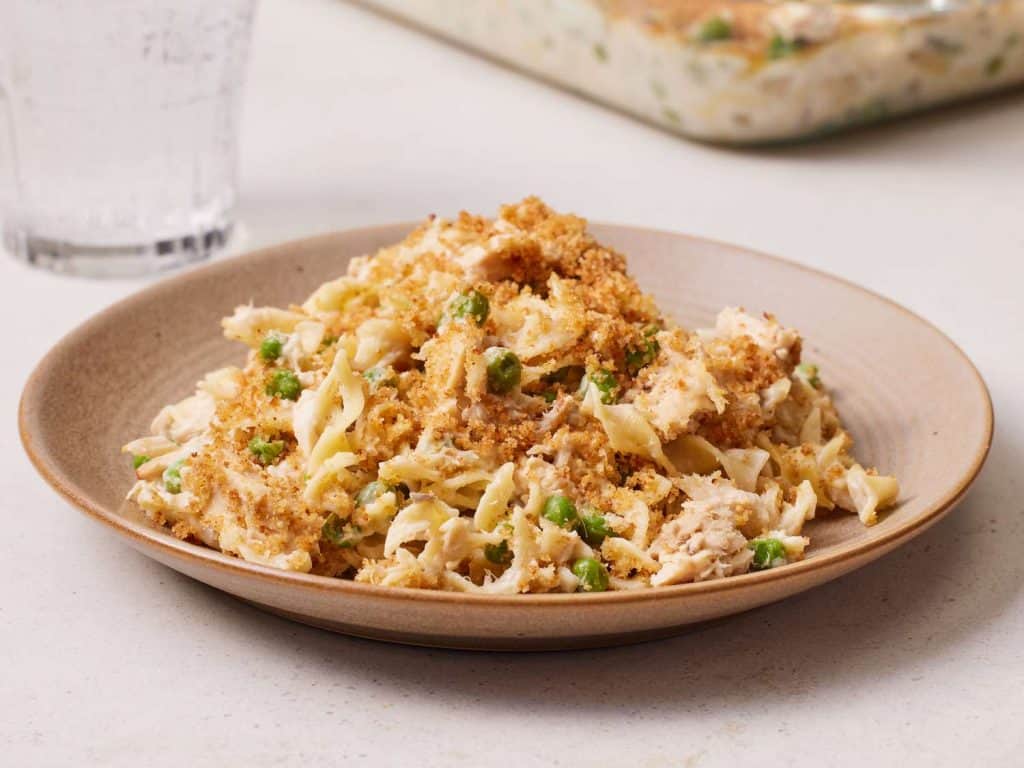
Tuna noodle casserole was the ultimate expression of midcentury thrift. Canned tuna, egg noodles, peas, and cream of mushroom soup came together in a single dish that fed a family for pennies. A crunchy topping of breadcrumbs or fried onions added the perfect finish. It was practical, comforting, and endlessly adaptable. Church suppers and family cookbooks featured it for decades. It wasn’t fancy, but it didn’t need to be.
Meatloaf with Glaze
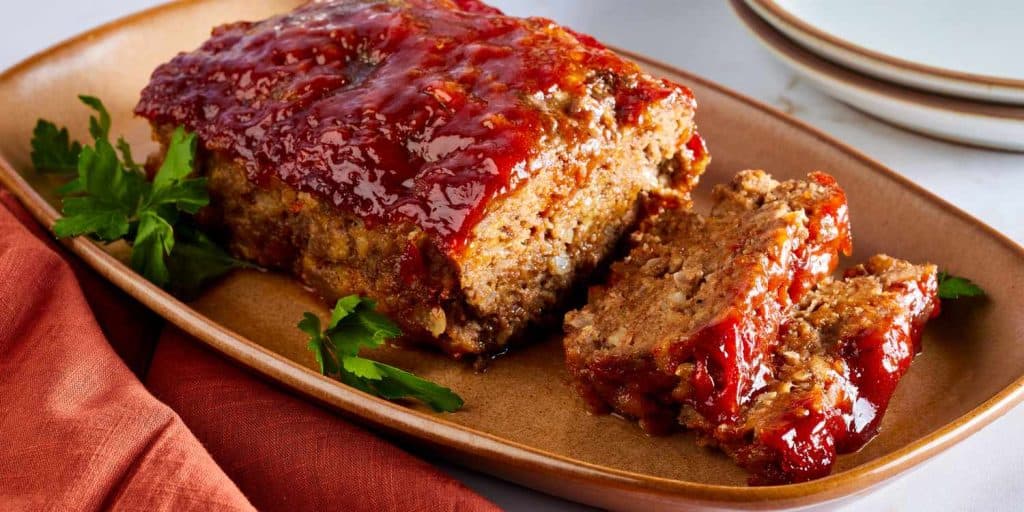
Few dishes captured midcentury comfort like a perfectly glazed meatloaf. Ground beef, breadcrumbs, onions, and ketchup mixed into a loaf, baked until firm, and topped with a sweet-tangy glaze. It stretched ingredients economically and fed a crowd. Leftovers made the best sandwiches. Meatloaf was practical, satisfying, and deeply familiar, a true 1950s staple that still shows up on tables today.
Green Bean Casserole
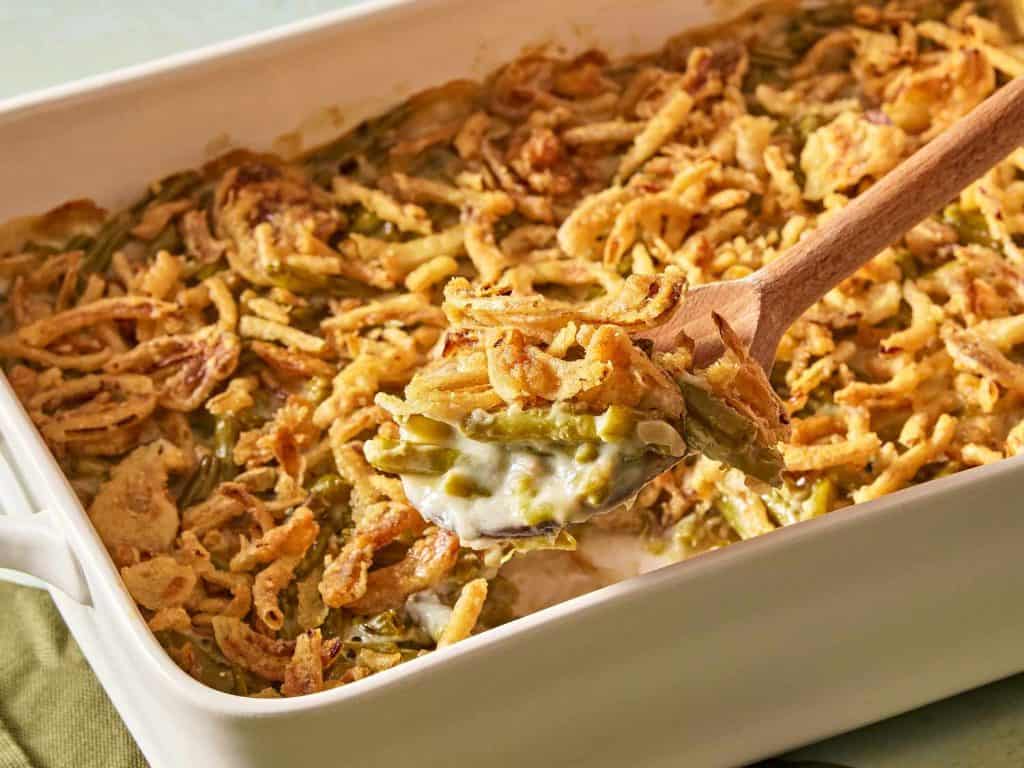
In 1955, Dorcas Reilly of Campbell’s Soup created a recipe that would become an American classic. Green beans, cream of mushroom soup, and crispy fried onions baked into a dish that captured the decade’s love for shelf-stable ingredients. Originally served as a full dinner, it eventually became a holiday side dish. Its creamy, crunchy contrast remains a nostalgic reminder of America’s casserole craze.
Chicken Divan
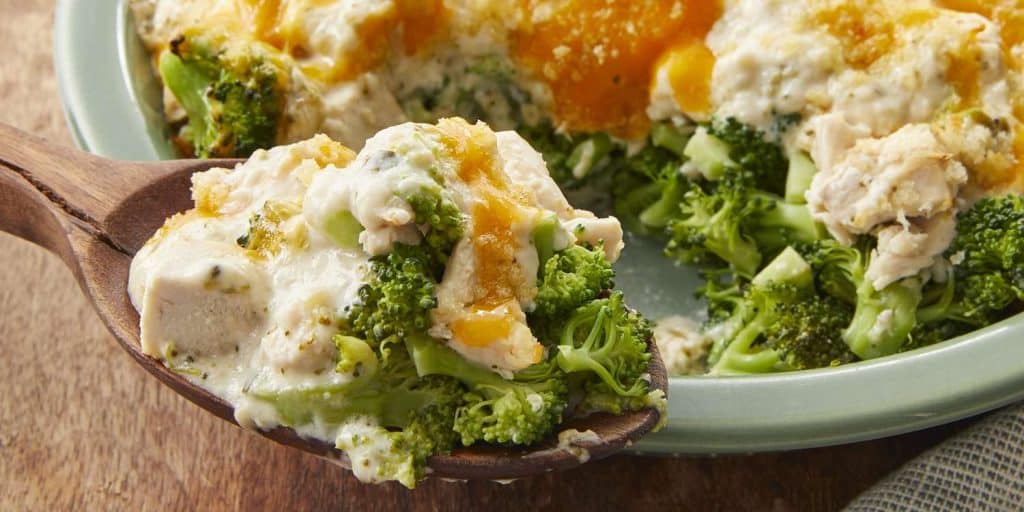
Named after the Divan Parisien restaurant in New York, Chicken Divan brought a taste of fine dining to home kitchens. Chicken and broccoli layered under a cheesy Mornay sauce, baked until bubbly and golden. Home cooks quickly adapted it with canned soups and frozen vegetables, making it a convenient all-in-one casserole. Its rich, comforting flavor kept it on dinner tables for decades.
Jell-O Molded Entrées

In the 1950s, gelatin wasn’t just for dessert. Savory Jell-O molds filled with seafood, chicken, or vegetables were prized for their shimmering presentation and novelty. These “salad molds” appeared in nearly every cookbook, reflecting the era’s obsession with aesthetics and convenience. They’ve largely faded, but they remain a fascinating symbol of midcentury experimental spirit.
Swedish Meatballs
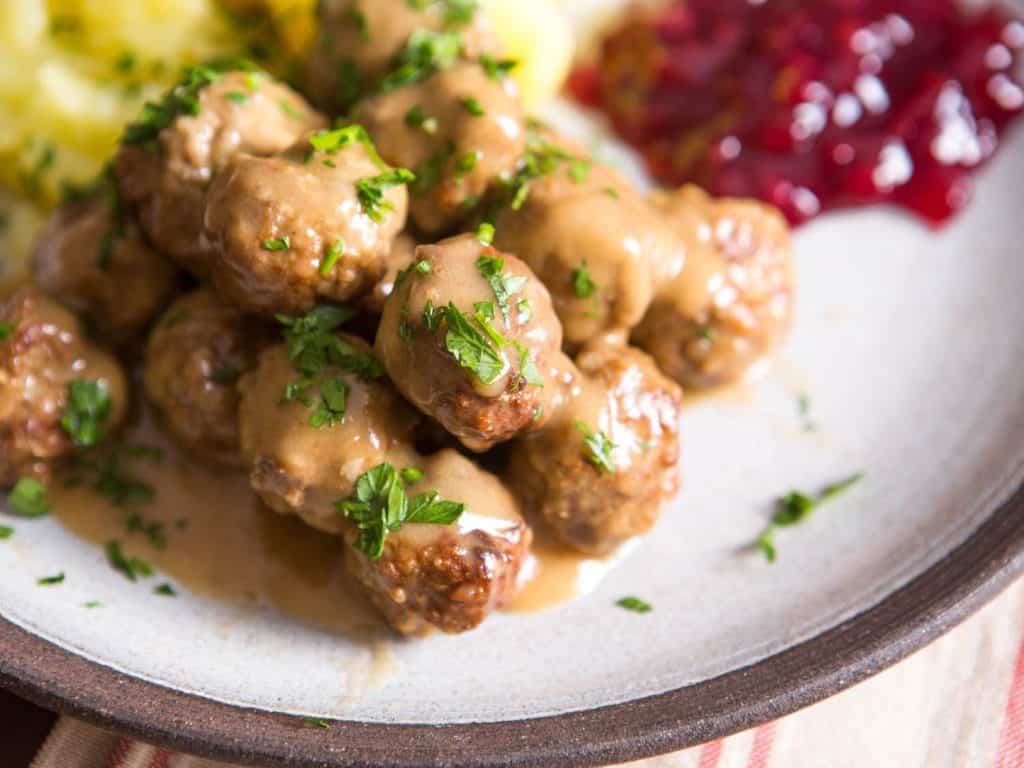
Swedish meatballs introduced a touch of European flair to American tables. Served in a creamy sauce over noodles or mashed potatoes, they offered comfort with a hint of refinement. Scandinavian immigrants helped popularize the recipe across the Midwest, and soon it appeared in every homemaker’s repertoire. The delicate seasoning and smooth sauce made it a dinner-party favorite.
Steak Diane
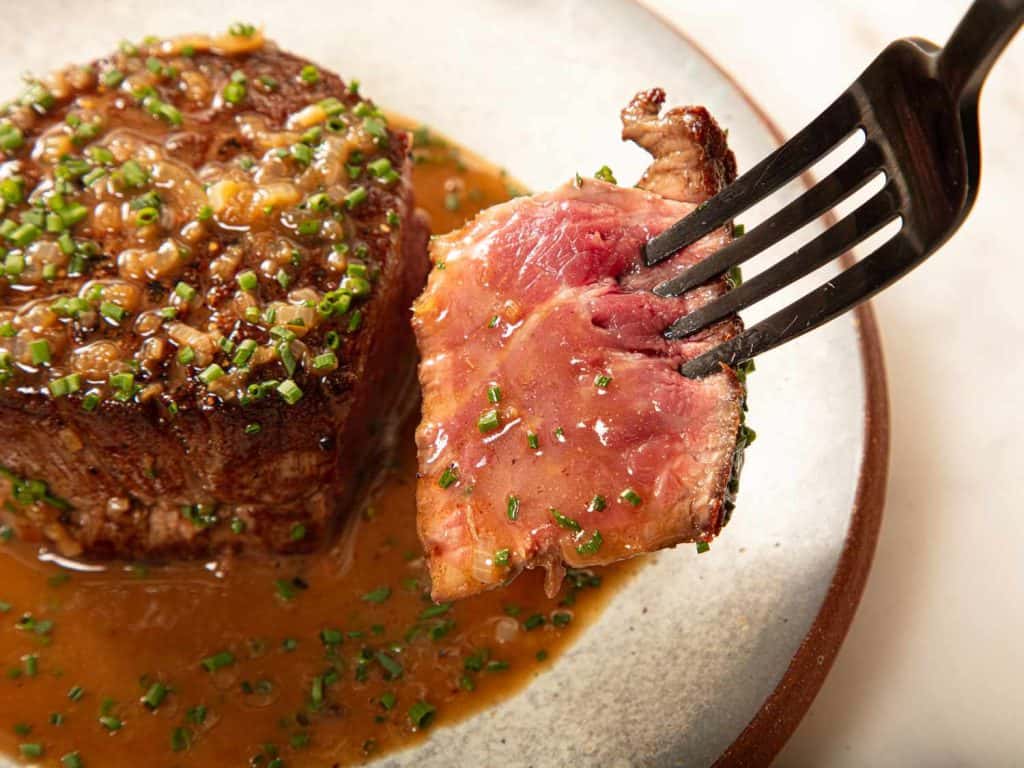
Steak Diane embodied the theatrical flair of 1950s fine dining. Thin, pan-seared steaks finished with a buttery sauce of pan drippings, Worcestershire, and brandy, sometimes flambéed tableside. It showcased the rise of “continental cuisine,” when home cooks aspired to mimic restaurant sophistication. The showmanship has faded, but it remains a symbol of culinary elegance.
Ham Loaf
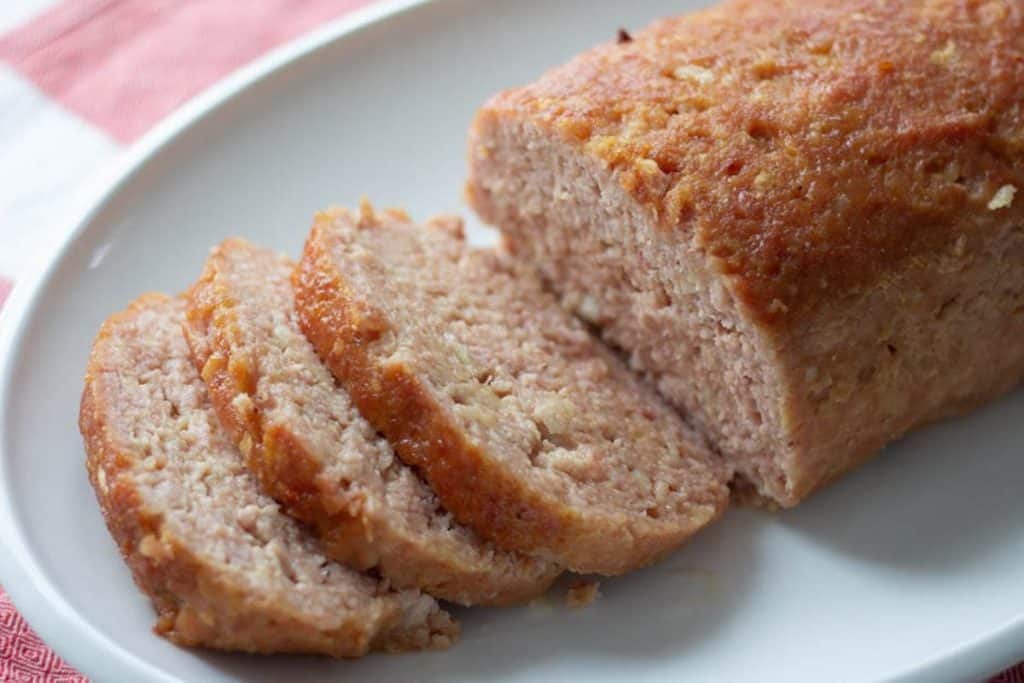
Ham loaf, the sweet-savory cousin of meatloaf, made ingenious use of leftover ham. Ground ham mixed with breadcrumbs and eggs, baked, and glazed with pineapple juice or brown sugar. It offered a creative way to repurpose holiday meats while delivering comfort and flavor. Its regional roots, especially in the Midwest, helped it thrive in community cookbooks and church potlucks.
These dinners tell the story of an America discovering itself. A nation embracing convenience without losing warmth, experimenting with new ingredients while holding onto tradition. They may have faded, but they’re not forgotten. They’re part of who we were, and who we still are.