Dining Decades Ago: Six Things You Could Do That Are Banned Now

Oh, friends. Can we take a moment to remember how dining out used to feel? I’m not talking about fancy restaurants or special occasions—just regular meals at regular places, back when the rules were different. If you’re old enough to remember, some of these practices might feel familiar in a warm, hazy way. If you’re younger, some of them might sound completely unbelievable. Either way, it’s fascinating to see how much has changed in just a few decades. Let’s wander through six restaurant habits that would feel pretty strange today.
Snapping for Service
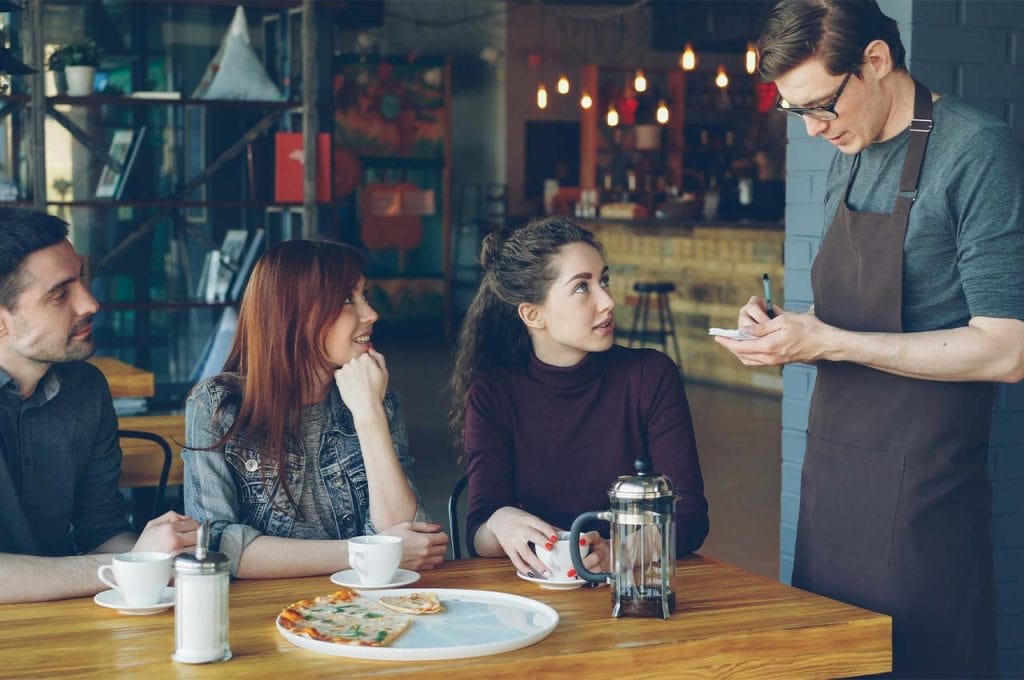
Oh, this one makes me cringe a little to remember. There was a time when snapping fingers, whistling, or calling out “miss” or “sonny” was considered acceptable ways to get a waiter’s attention. Can you imagine doing that now? The shift toward professional hospitality has reframed the entire server-diner relationship as one of mutual respect. Subtle eye contact, a quiet raised hand, simply waiting patiently—these are the cues we use now. It acknowledges that servers are professionals doing complex work, not servants waiting to be summoned. The atmosphere becomes warmer, more gracious, more human. And honestly? The service is usually better when everyone’s treating each other like people.
Kids Roaming Freely

I remember this one vividly—children wandering between tables, exploring the restaurant, occasionally disappearing around corners while parents lingered over coffee. It wasn’t considered unusual; it was just what kids did. Today, expectations have shifted considerably. Parents are generally expected to keep children at the table, engaged and supervised. Many restaurants have responded by offering coloring sheets, activity books, or even designated play areas to help families manage. The result is a quieter, more organized environment where everyone—families included—can actually enjoy their meal without the background hum of unsupervised exploration. It’s not that children are less welcome; it’s that the framework has changed to support everyone’s experience better.
Cash Only, No Receipt Needed

There was a time when walking into a restaurant meant checking your wallet first. Cash was king, and many places simply didn’t accept cards. Receipts? Only if you asked, and even then, they might be hastily scribbled on a notepad rather than printed. Today, digital transactions have transformed the experience entirely. Cards, phones, watches—we pay with whatever’s closest, and receipts arrive automatically via email or text. The transparency is remarkable: every charge documented, every tip recorded, every meal tracked if you want it to be. For diners, this means fewer errors and clearer records. For restaurants, it means faster transactions and less cash to manage. It’s one of those quiet evolutions that makes everything run more smoothly.
Change Orders, Fix It Later
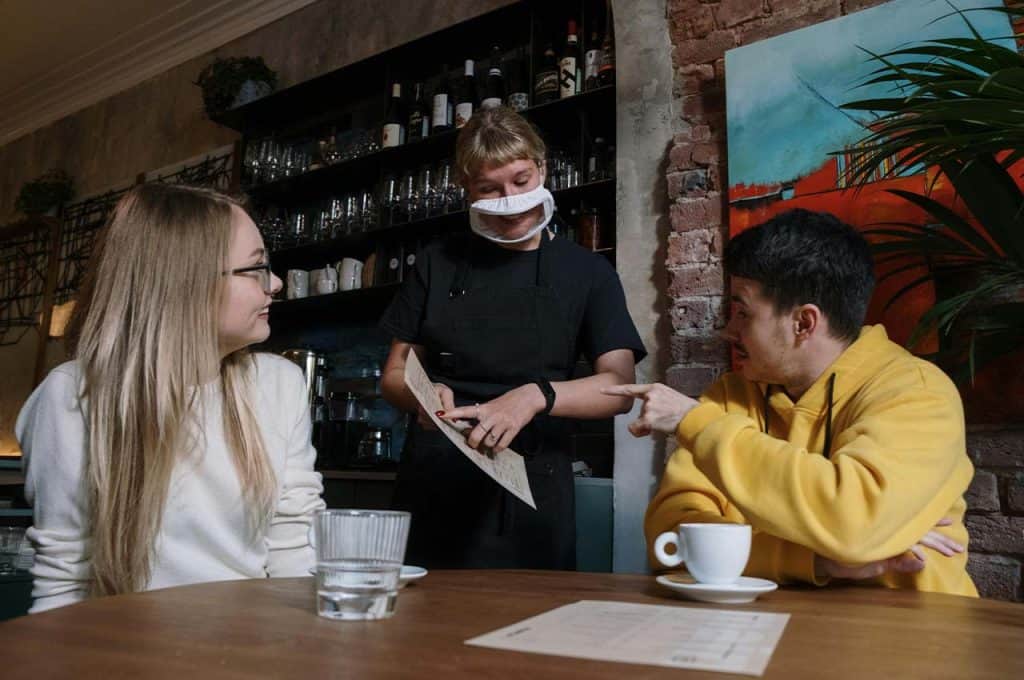
There was a casualness to ordering that seems almost reckless now. Diners might change their minds halfway through, add requests after the order was in, or send things back without much thought. Kitchens, in turn, were expected to absorb these changes without complaint. Today, the relationship between diner and kitchen is more respectful—on both sides. Digital systems mean orders are entered precisely, reducing errors. Chefs plan their workflows around clear expectations. And diners understand that changes have ripple effects on timing and quality. The result is better food, served more consistently, with less frustration all around. It’s not that flexibility has disappeared; it’s just that everyone operates with more awareness of how restaurants actually work.
Bringing Your Own Food
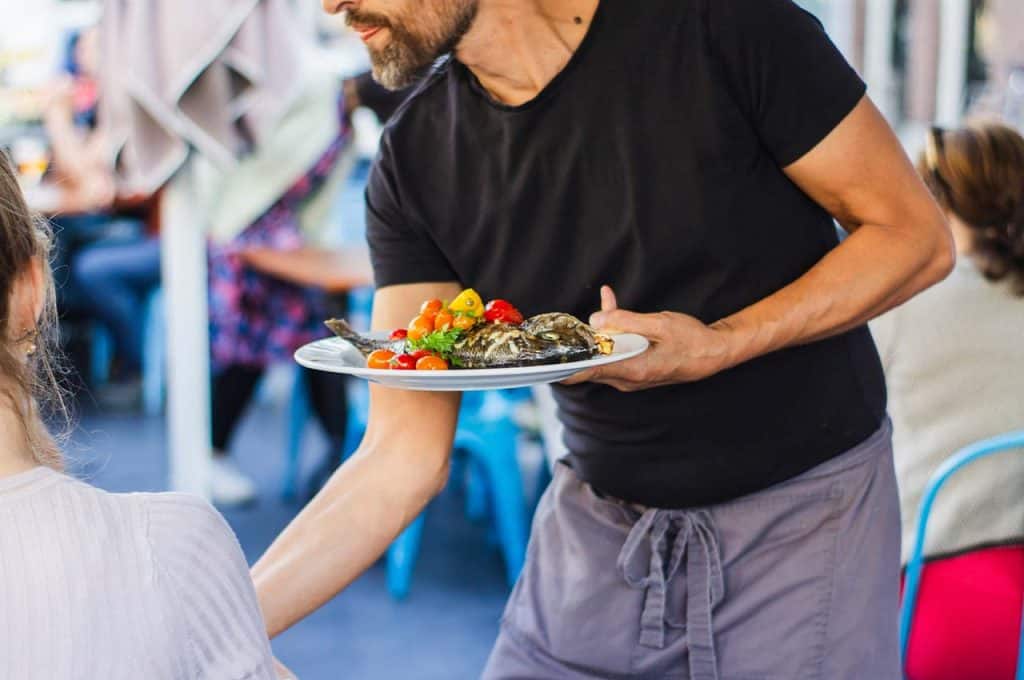
This one might sound completely bizarre, but it really happened. People would walk into restaurants carrying their own food—maybe a dietary restriction, maybe a preference the menu didn’t accommodate—and establishments would sometimes allow it. Today, that would feel genuinely strange. Restaurants are curated experiences; the menu represents the chef’s vision and the kitchen’s capabilities. But here’s the beautiful evolution: instead of allowing outside food, most restaurants now work harder to accommodate dietary needs within their own offerings. A quick call ahead, a conversation with your server—many chefs are genuinely happy to adjust dishes, modify preparations, and ensure everyone can enjoy a meal together. The inclusivity happens within the restaurant’s framework rather than outside it.
Lighting Up at the Table
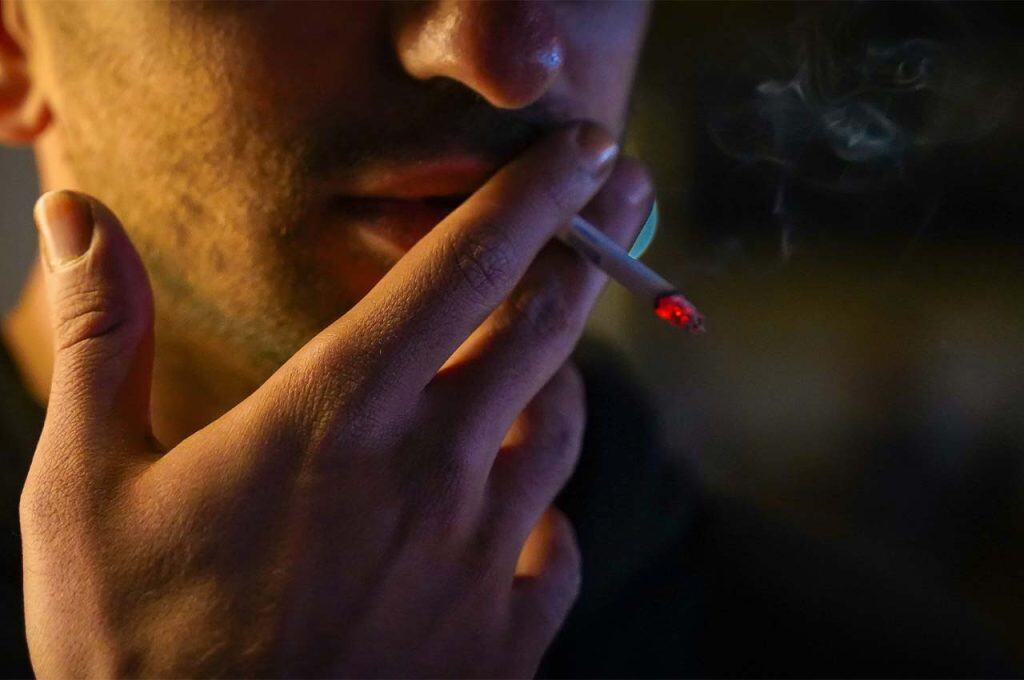
Can you imagine sitting down to dinner now and watching someone at the next table light a cigarette? There was a time when this was completely normal—ashtrays were standard equipment, and diners would smoke between courses without a second thought. The air was hazy, your clothes smelled afterward, and the flavors of your meal competed with tobacco. Today, the shift to smoke-free environments feels like such a gift. We can actually taste our food without interference. The aromas from the kitchen arrive pure and uncomplicated. And for anyone with sensitivities or simply a preference for breathing clean air, restaurants have become genuinely welcoming spaces. It’s hard to overstate what an improvement this is.