Classic East Asian Cakes to Bake for a Delightful Seasonal Treat

Oh, friends. Can we talk about cake? I know, I know—when most of us imagine cake, we picture tall layers draped in billowy buttercream, dense with richness and sweetness and celebration. And there’s absolutely a place for that! But lately, I’ve found myself wandering into a different kind of cake territory—one that feels lighter, gentler, somehow more contemplative. East Asian cakes have been quietly capturing my heart, with their airy sponges, restrained sweetness, and flavors that whisper rather than shout. They’re the kind of cakes you can enjoy with a cup of tea in the afternoon, without feeling like you need a nap afterward. Let me introduce you to some of these lovely treats—each one an invitation to slow down, bake with intention, and discover that cake can be so many beautiful things.
Korean Sweet Potato Cake: Nourishment That Tastes Like Indulgence
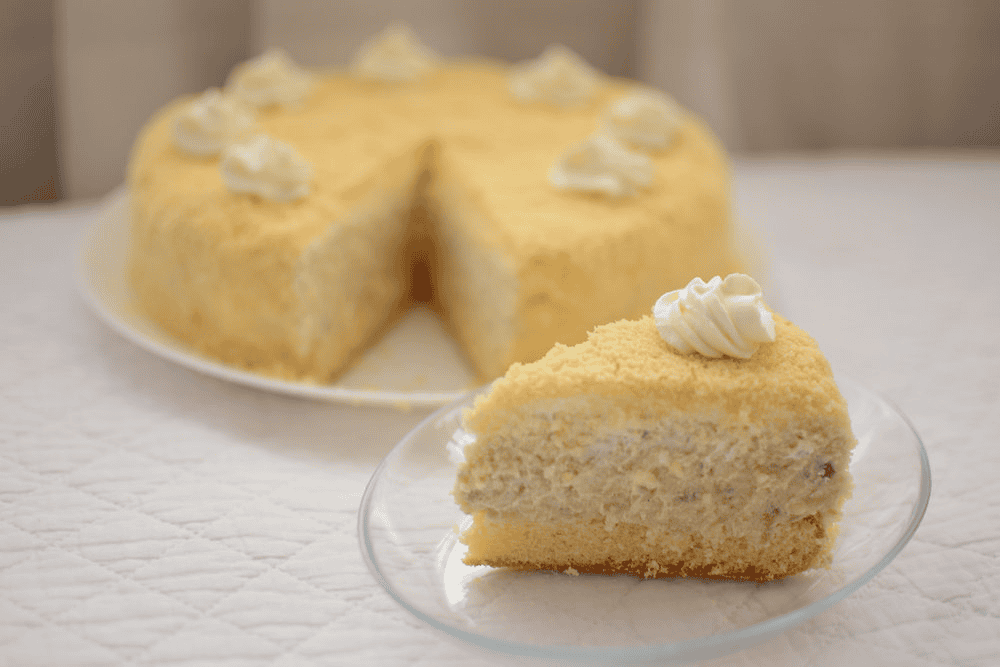
This one feels almost too wholesome to be called cake—and yet one bite confirms that it absolutely qualifies. Roasted sweet potato purée brings natural sweetness, incredible moisture, and a mellow, comforting flavor that feels like a hug. The texture stays soft and light, never heavy, never overwhelming. What I love most is how it bridges worlds: it’s nourishing enough to feel virtuous, yet satisfying enough to feel like a treat. During cooler months, when you’re craving something warm and grounding, this cake delivers completely. It’s proof that vegetables don’t need to hide in cake; sometimes they can stand proudly at the center, making everything better.
Taiwanese Pineapple Cake: A Little Gift in Pastry Form
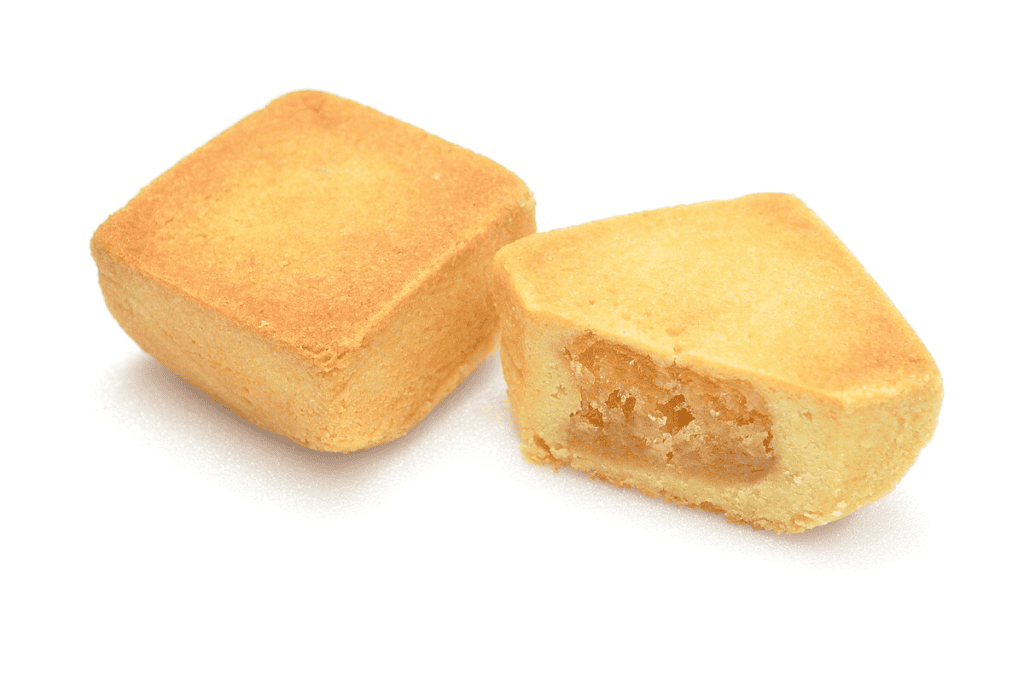
These little cakes hold such a special place in Taiwanese culture—they’re given as gifts during holidays and visits, wrapped individually like small, edible treasures. And once you taste one, you understand why. The exterior is buttery and crumbly, almost like a shortbread, cradling a heart of tangy-sweet pineapple jam that’s been cooked down until it’s concentrated and deeply flavored. Making them at home is its own gentle education: you’ll learn about reducing fruit into preserves, about handling delicate pastry dough, about the patience of wrapping filling just so. The result feels both special and approachable—a little pocket of sunshine perfect for cold months when you’re craving something bright.
Chinese Steamed Sponge Cake: Cloudlike and Comforting
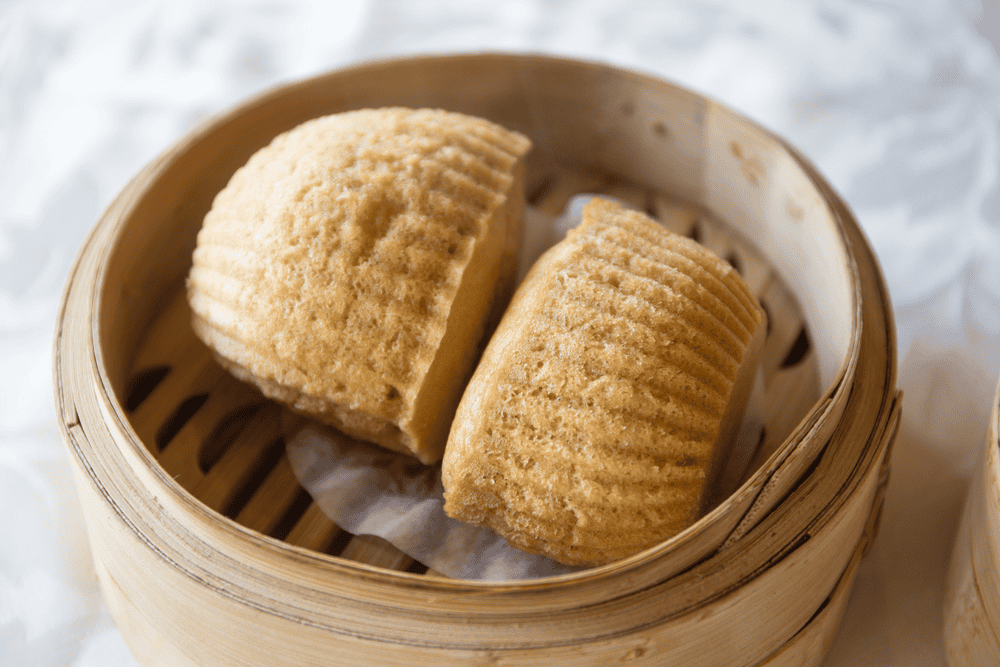
Ma Lai Gao sounds almost too simple to be as wonderful as it is. There’s no oven required, no precise temperature control, no elaborate layering. You mix, you steam, you wait. And what emerges is something almost magical: a cake with a honeycomb interior so airy and tender it practically floats on your tongue. The steaming process keeps it incredibly moist, and that gentle, honeyed sweetness lingers without overwhelming. What moves me about this cake is how it shifts our entire definition of what cake can be. It doesn’t need an oven. It doesn’t need frosting. It just needs patience and trust in a very old method. After a heavy meal, a slice of this feels like the kindest possible ending.
Japanese Matcha Sponge Cake: Elegance in Green
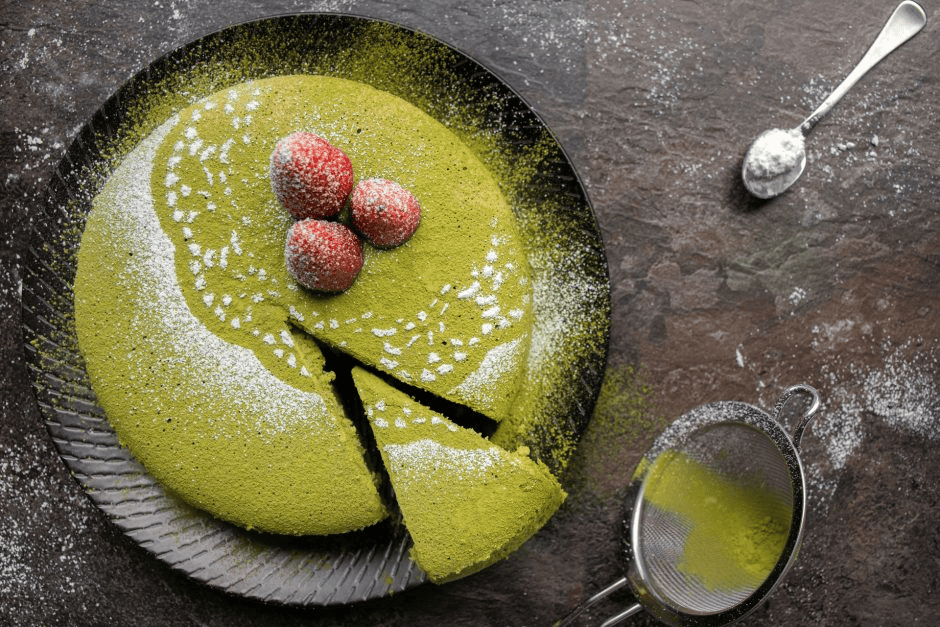
There’s something about matcha that feels inherently calming, isn’t there? That soft, earthy aroma, that gentle bitterness that keeps sweetness in check. When folded into a light, airy sponge, it creates something genuinely elegant. The trick—and this is where baking becomes meditation—is balance. Too much matcha and the cake turns harsh and bitter. Too little and it disappears entirely, just another plain sponge. But when you get it right? When each slice reveals that soft green crumb, that subtle tea fragrance, that quiet complexity? It feels like serving something truly refined. A light dusting of powdered sugar is all it needs. The cake speaks for itself.
Japanese Castella: The Cake That Teaches Patience
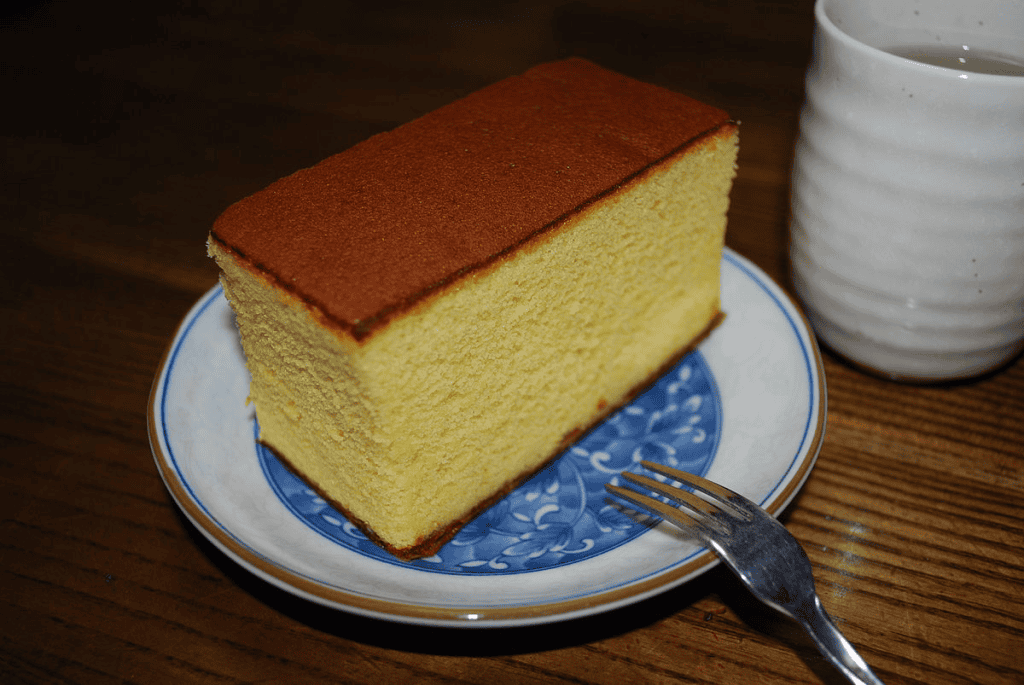
Oh, castella. It looks so simple—a golden loaf, unadorned, almost humble. But one bite reveals its magic: a fine, tender crumb, a gentle bounce when you press it, sweetness so delicate it feels like a suggestion rather than a statement. This cake traces back to Portuguese traders centuries ago, but Japan made it entirely its own. What I love most about baking castella is what it asks of you: careful attention to eggs, to temperature, to the rhythm of mixing. There’s no frosting to hide behind, no elaborate decoration. Just pure technique and trust. And when it works? When you slice into that perfect, springy crumb? It feels like a quiet triumph. Serve it with green tea and watch how something so simple can feel so complete.
Japanese Chestnut Cake: Autumn in Every Bite
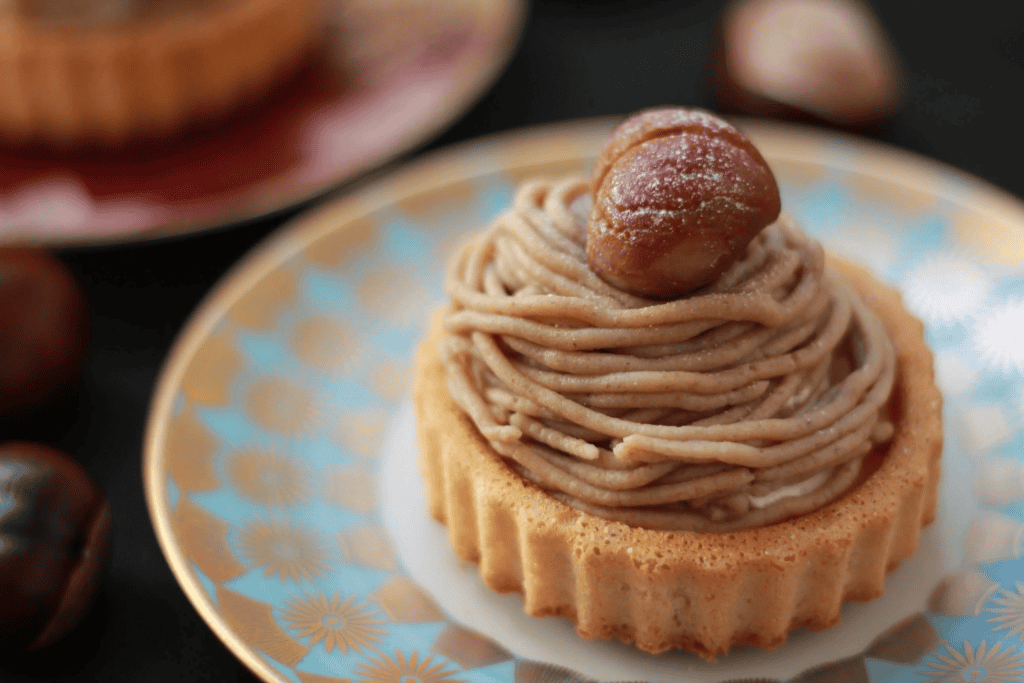
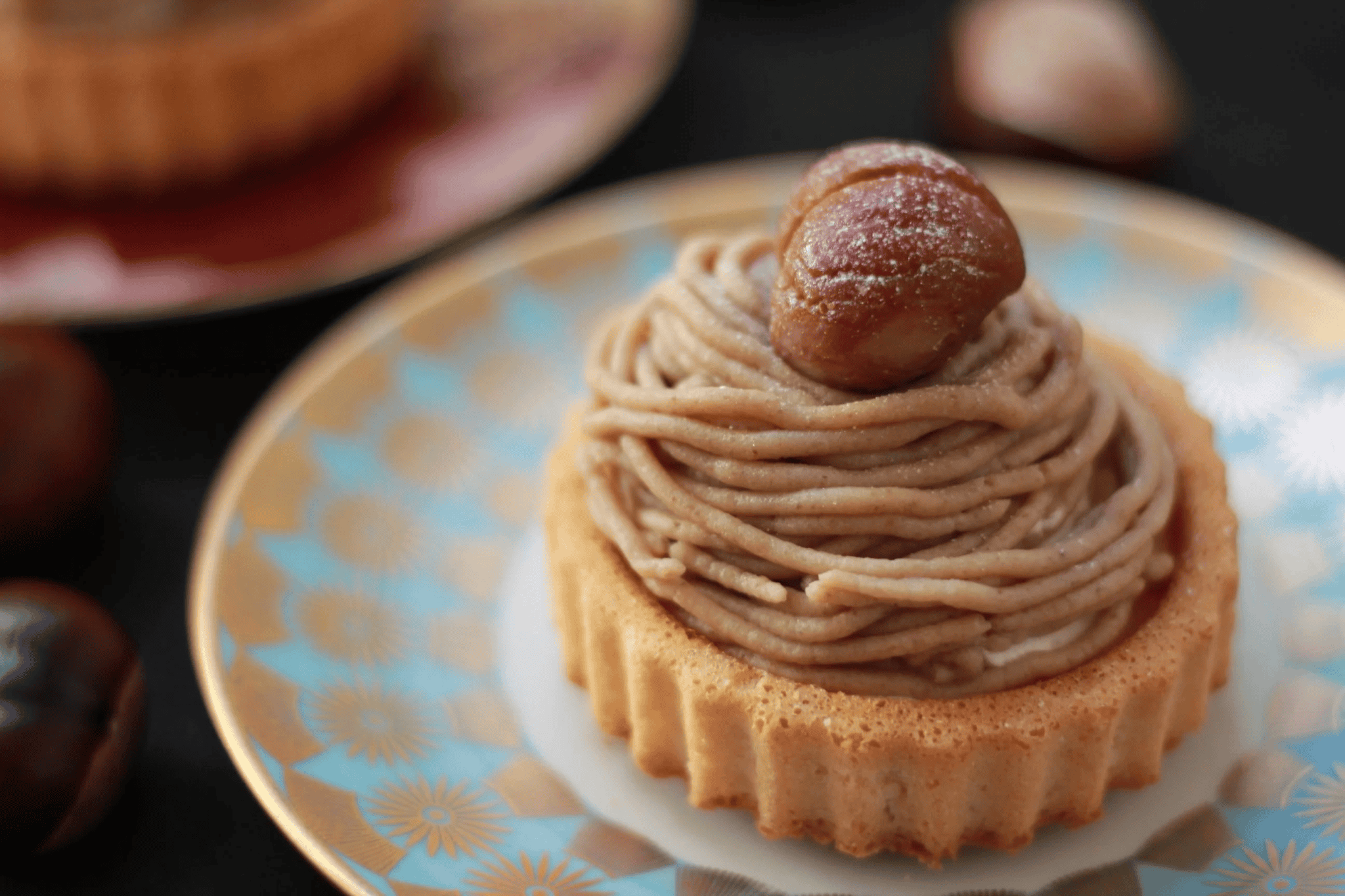
Oh, chestnuts. Is there anything cozier? Their sweetness is gentle, almost shy, nothing like the bold declaration of chocolate or caramel. When transformed into a smooth paste and folded into a light cake, they create something that feels profoundly seasonal—perfect for cool afternoons when the light turns golden and you want something warm with your tea. Baking with chestnut purée teaches you about working with ingredients that bring flavor through fat replacement rather than richness. The cake stays light, almost airy, but every bite carries that unmistakable chestnut warmth. No decoration needed, no fuss required. Just pure, elegant comfort.
Korean Rice Cake Cake: Chewy, Nourishing, Unexpected
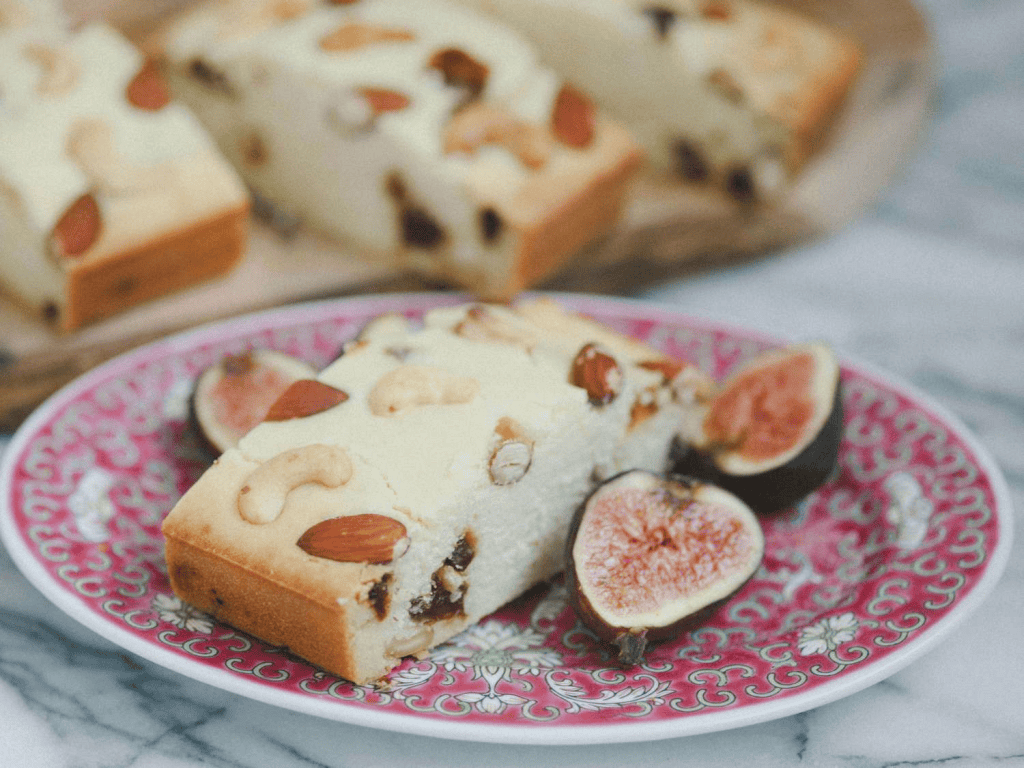
This one gently challenges everything we think we know about cake. Instead of wheat flour, rice flour creates a texture that’s chewy, elastic, satisfyingly substantial. Instead of airy lightness, you get something more grounded, more present. Tteok has been part of Korean celebrations for centuries, often shaped into symbolic forms and layered with meaning. Making it at home introduces you to entirely different techniques—steaming, pounding, working with glutinous rice. The sweetness is subtle, the flavors gentle, the experience deeply satisfying in a way that has nothing to do with sugar or fat. It’s cake as cultural connection, as textural adventure, as reminder that “dessert” can mean so many beautiful things.
Chinese Walnut Sponge Cake: Nostalgic and Grounded
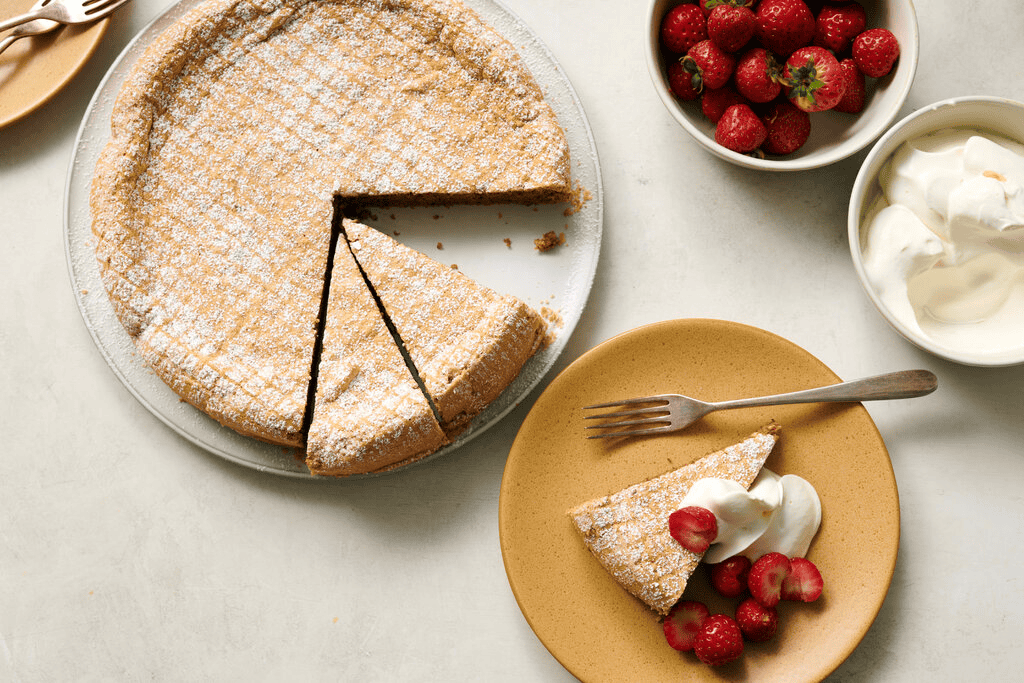
This cake feels like coming home. The sponge is light, yes, but studded with chopped walnuts that add little pockets of crunch and warmth and nutty depth. There’s something wonderfully unpretentious about it—no fancy decorations, no complicated assembly, just good ingredients treated with care. Baking it teaches a valuable lesson: sometimes letting ingredients speak for themselves is the highest form of skill. The walnuts don’t overwhelm; they complement. The sponge doesn’t shout; it supports. It’s the kind of cake you can make on a quiet Sunday afternoon and slice into all week, each piece tasting just as lovely as the last. For make-ahead baking that still feels special, this one’s a treasure.
Japanese Strawberry Shortcake: Balance on a Plate
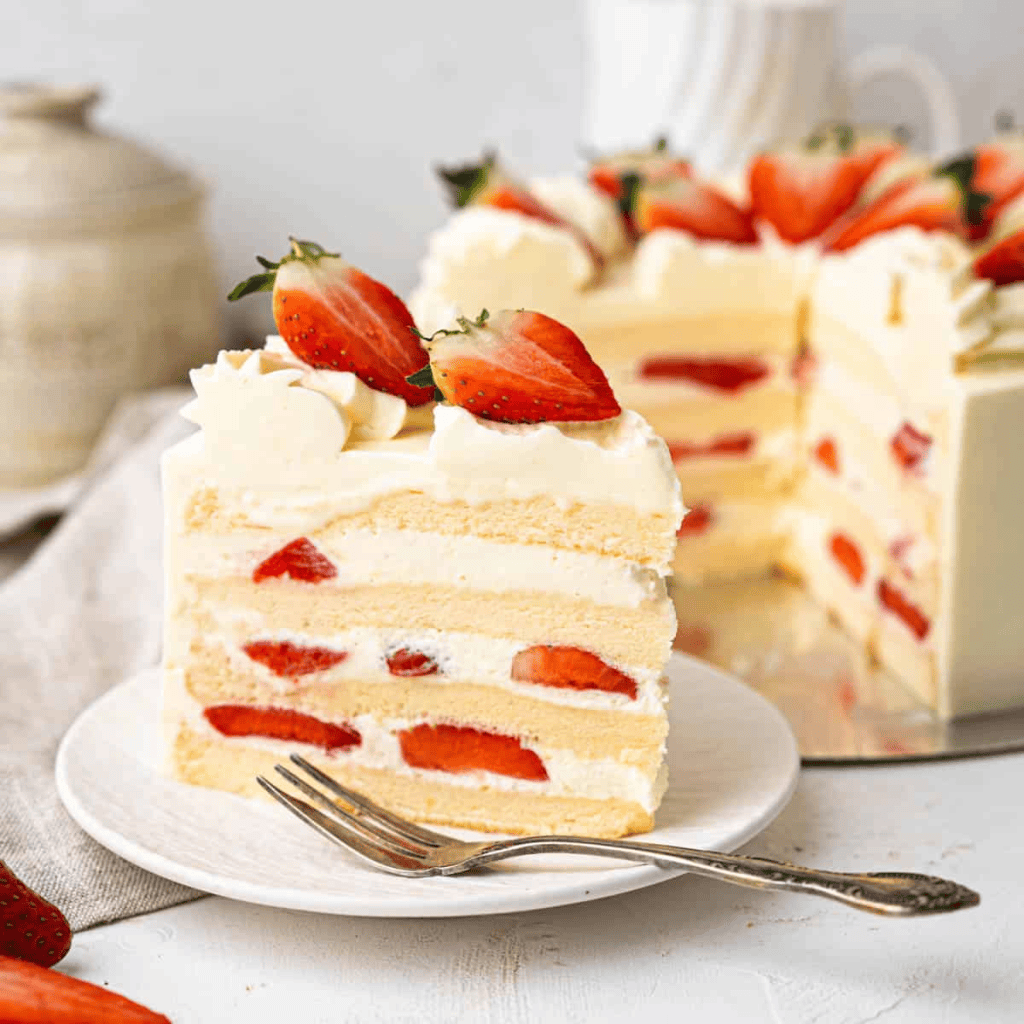
If you’ve only experienced American-style strawberry shortcake—sweet biscuits, lots of cream, piles of berries—the Japanese version might feel like a revelation. The sponge is featherlight, almost cloudlike. The cream is softly sweetened, barely there. The strawberries provide bright, clean pops of flavor. Everything is balanced, restrained, intentional. This is the cake you make when strawberries are at their absolute peak and you want them to shine without competing against sugar and richness. Building it teaches you about timing—the cream can’t sit too long, the cake must be fresh, the berries should be perfect. It’s a celebration of impermanence, of seasonal joy, of sweetness that doesn’t cling.
Chinese Red Bean Cake: Earthy, Comforting, Unexpected
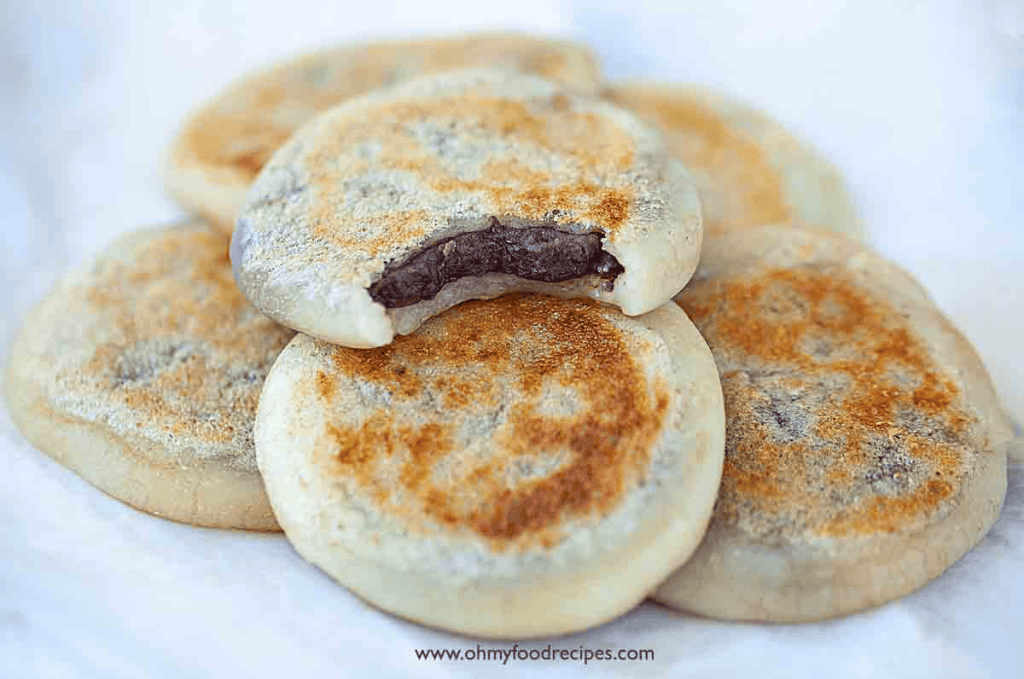
For anyone who’s only experienced red bean as a mysterious paste inside a mooncake, this cake offers a gentler introduction. The azuki beans are cooked until soft, sweetened just enough to let their natural earthiness come through, then paired with a light, tender cake base. The contrast is lovely—the cake provides structure and air, the bean paste offers depth and comfort. Baking this at home feels like stepping outside the familiar chocolate-vanilla orbit and discovering an entirely new constellation of flavors. It’s not trying to be decadent. It’s trying to be warm, nostalgic, quietly satisfying. And it succeeds completely.