Dining on the Titanic: A Look at Passenger Meals and Menus

The dining experience aboard the Titanic was more than just meals—it was a reflection of early 20th-century opulence, where every detail mattered. From first-class feasts to hearty third-class staples, each menu was crafted with care, using ingredients and techniques that told a story of status, taste, and tradition. Looking back at what passengers ate gives us a glimpse into a world of refined dining—and offers plenty of inspiration for home cooks who want to recreate a touch of that history in their own kitchens.
First Class: A Feast for Royalty
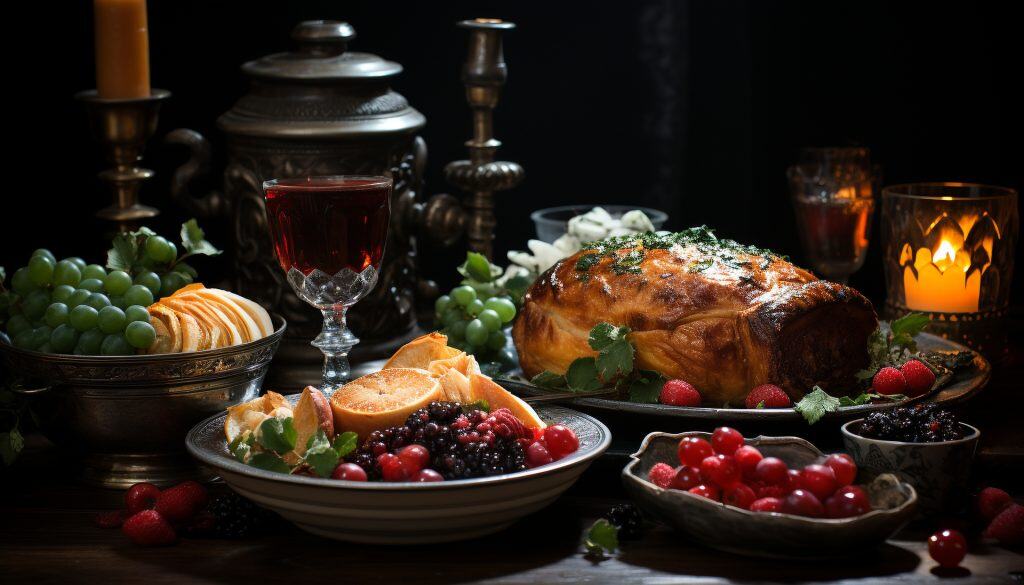
First-class dining on the Titanic was nothing short of extraordinary. Passengers enjoyed multiple courses that rivaled the finest restaurants of the era—roasted duck with orange sauce, filet mignon cooked to perfection, delicate soufflés, and crème brûlée. Ingredients were fresh and seasonal, often sourced from the best markets. French techniques ruled the kitchen, and timing was everything. Each dish was meticulously plated, balancing flavor and presentation to create an experience that felt less like a meal and more like a performance.
Second Class: A Taste of Elegance
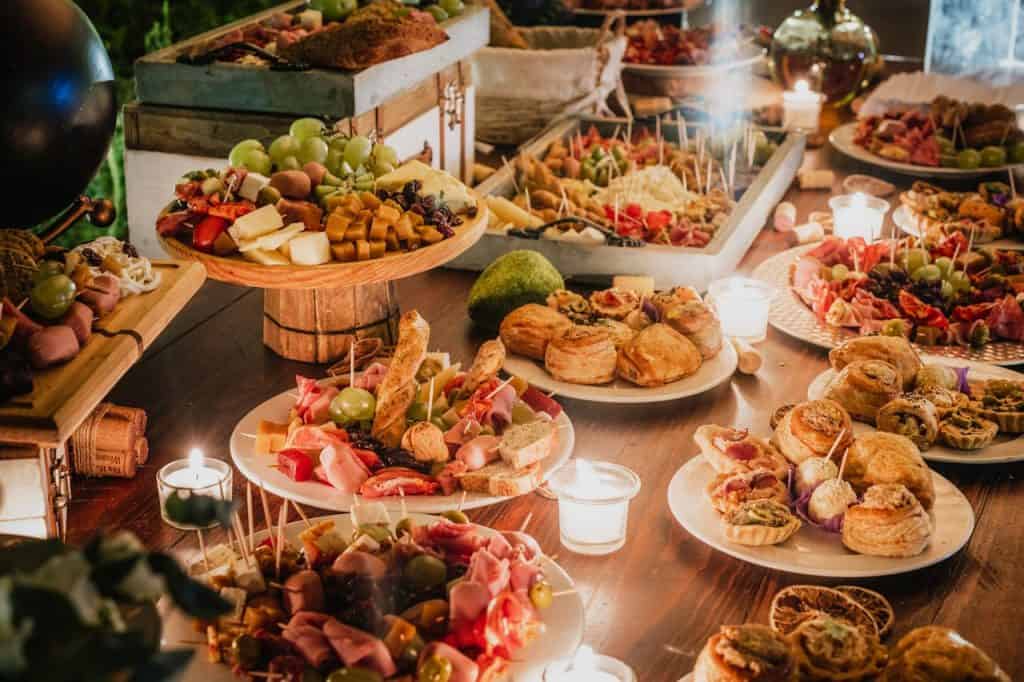
Second-class dining offered elegance without the extravagance. Dishes like roast beef with Yorkshire pudding and baked potatoes were staples, reflecting wholesome comfort with a touch of refinement. The key was seasoning—fresh herbs and spices elevated simple ingredients. Presentation was simpler than first class but still inviting, often served family-style. Fruit tarts and custards rounded out the meal. The atmosphere was warm and conversational, where good food and good company shared equal importance.
Third Class: Hearty and Homestyle
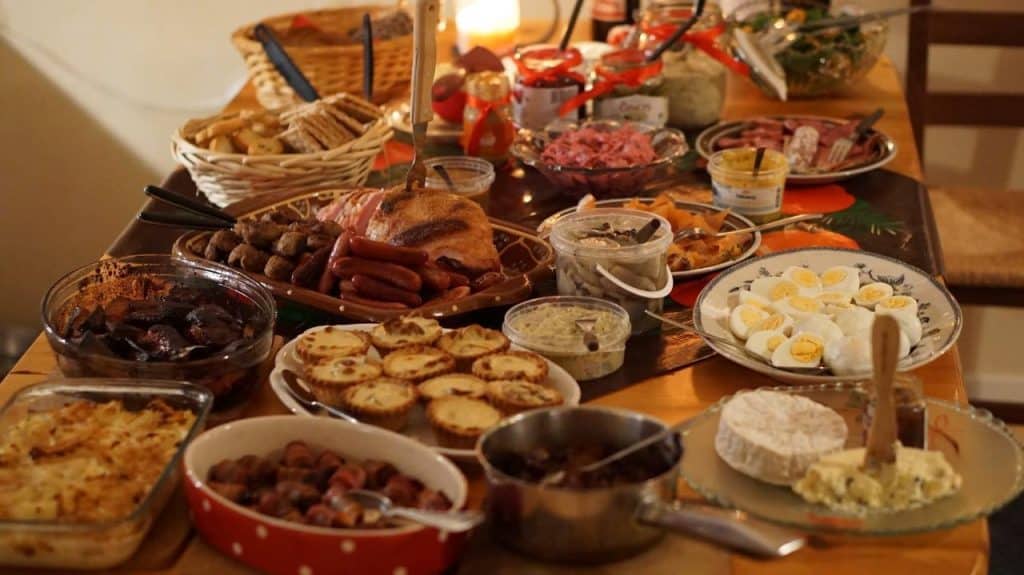
For third-class passengers, meals were hearty and practical, designed to nourish working travelers. Stews, roasted meats, and boiled potatoes formed the backbone of the menu, cooked with straightforward techniques. Depth of flavor came from letting root vegetables and herbs simmer together over time. Portions were generous, and simple desserts like bread pudding used readily available ingredients. It was food that comforted, filled, and reminded passengers that a good meal didn’t have to be fancy to be satisfying.
Dinner Delights: A Culinary Journey
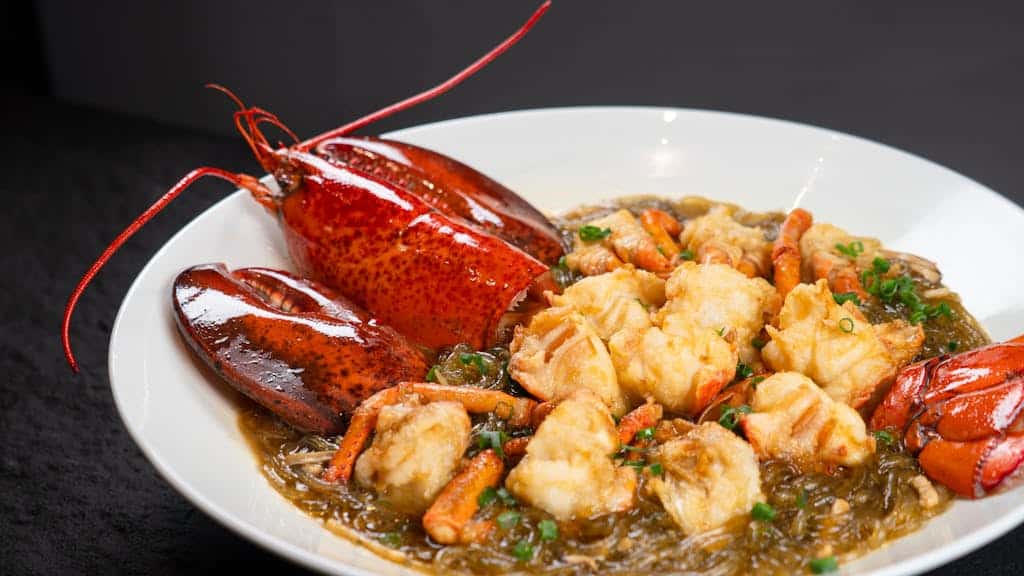
Dinner aboard the Titanic was a multi-course affair, carefully structured to guide diners through a journey of flavors and textures. Rich soups gave way to elegantly prepared main courses like lobster thermidor and curries, each accompanied by thoughtfully selected wines. Techniques like poaching and braising highlighted ingredients while preserving their integrity. Desserts offered a sweet finale—decadent chocolates or seasonal fruits. Home cooks can channel this approach by focusing on balance, elevated ingredients, and presentation that shows you care about every detail.
Breakfast: The Most Important Meal
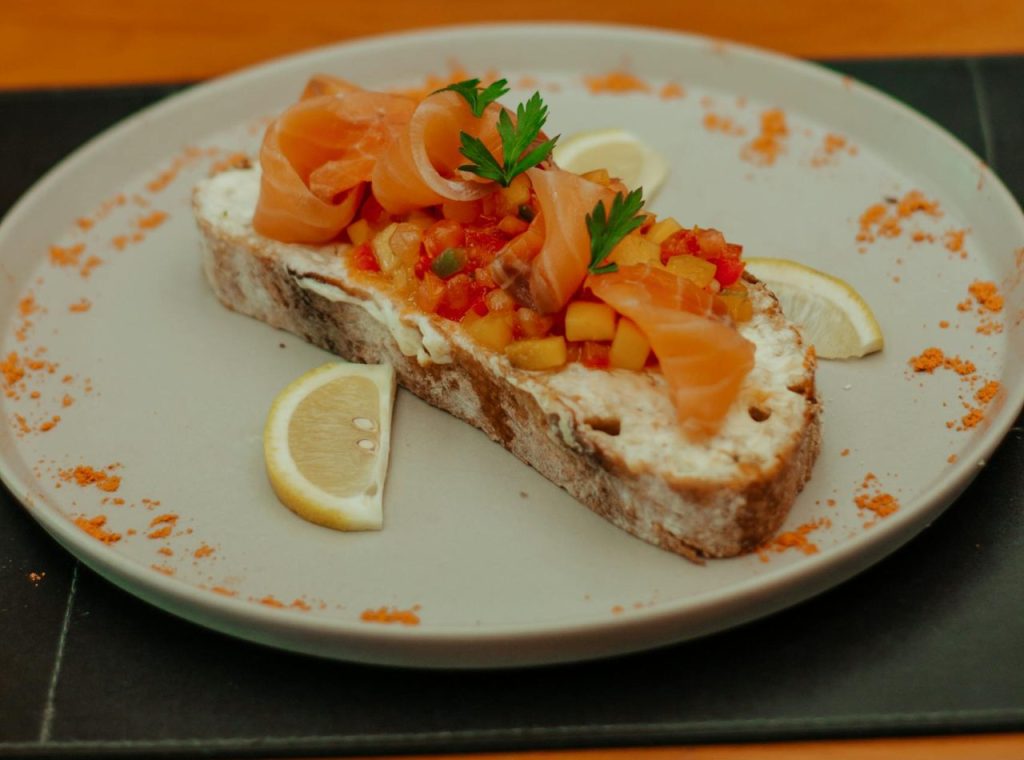
Breakfast on the Titanic was a lavish affair, especially in first class. Smoked salmon, deviled eggs, fresh pastries, and perfectly poached eggs set the tone for the day. High-quality ingredients—farm-fresh eggs, artisanal bread—were non-negotiable. Even the coffee and freshly squeezed juice were part of the experience. Recreating a Titanic breakfast at home means slowing down, using the best ingredients you can find, and treating the first meal of the day with the same care as dinner.
Chefs Behind the Scenes of Luxury
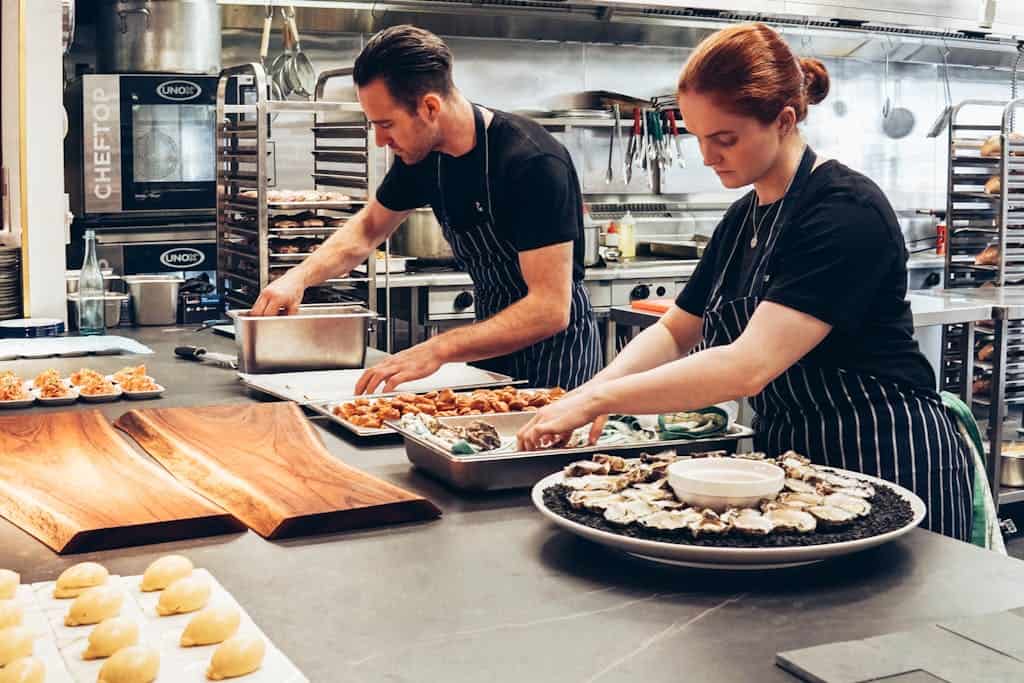
Behind every meal on the Titanic was a dedicated team of chefs, led by the renowned Auguste Escoffier. They worked under strict conditions, with meticulous knife skills, precise temperature control, and an eye for presentation that mattered as much as taste. To bring that level of care into your own kitchen, focus on the small things: proper seasoning, thoughtful plating, a sprinkle of fresh herbs for color and flavor. It’s attention to detail that turns a good meal into something memorable.
Key Ingredients of Titanic’s Menus
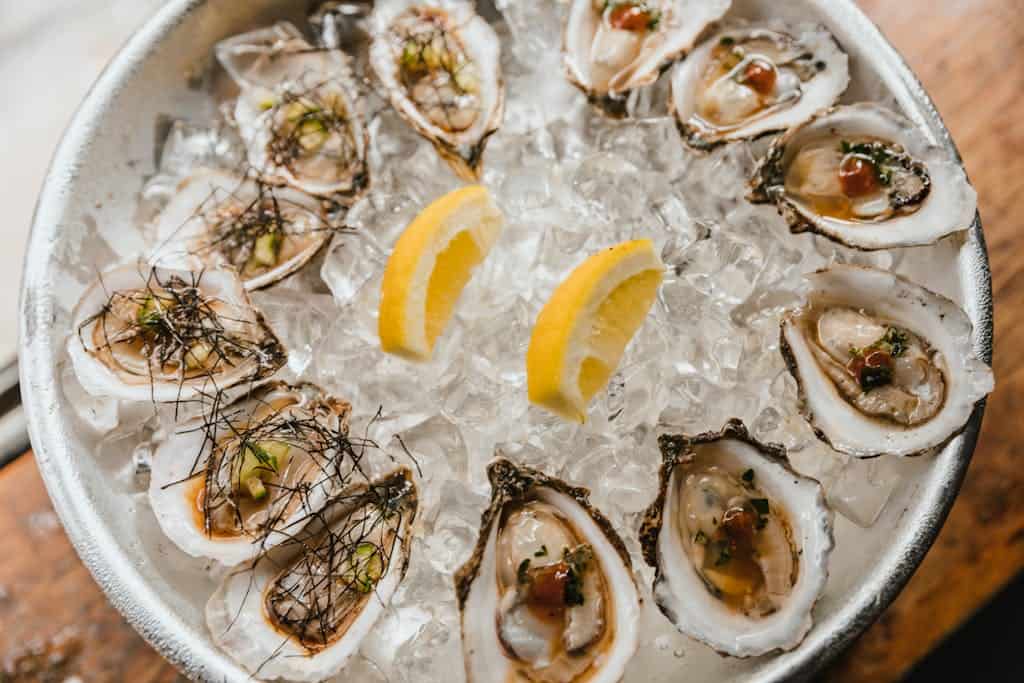
The Titanic’s menus showcased ingredients that symbolized luxury: fresh seafood like oysters and lobster from the North Atlantic, imported delicacies like foie gras and truffles, and seasonal vegetables chosen for their color and flavor. You don’t need imported luxuries to capture that spirit—start with what’s local and fresh. Source high-quality proteins, visit the farmers’ market, and use herbs authentically (fresh dill with seafood, for example). It’s about respecting ingredients and letting them shine.
Dining Etiquette on the Titanic
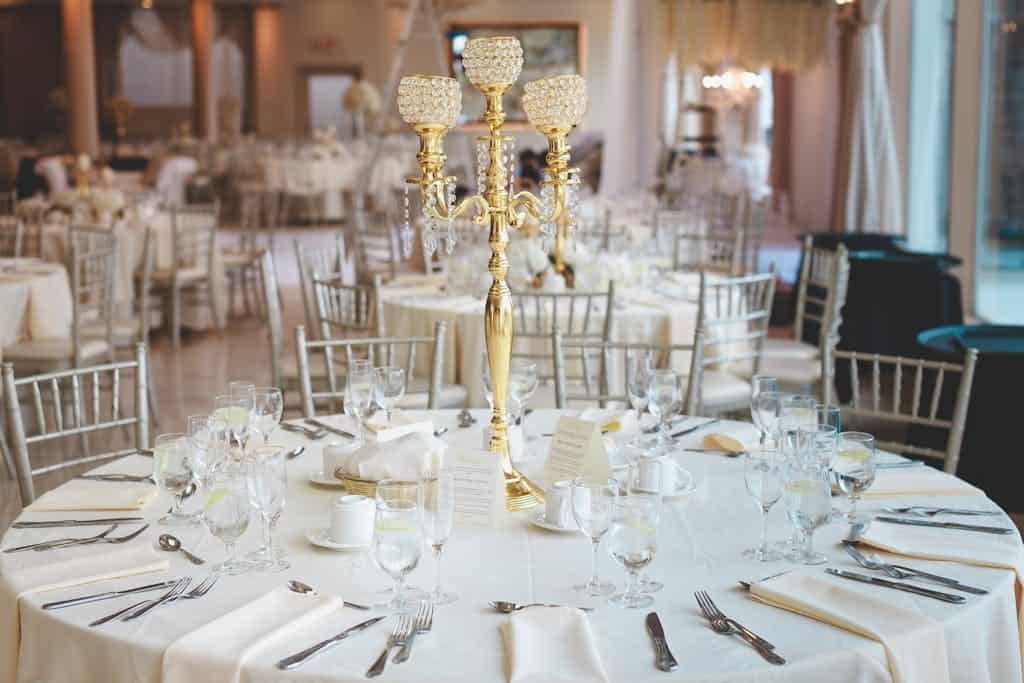
Dining on the Titanic came with a strict code of etiquette. Men wore formal attire; women wore elegant dresses. Tables were set with fine china, crystal, and polished silverware. Diners knew which fork to use for each course and waited for the hostess to begin. While we may not dress for dinner anymore, there’s something to be said for setting a well-arranged table and practicing good manners. It doesn’t have to be formal—just intentional. A little ceremony can make any meal feel special.
Beverages Fit for Every Class
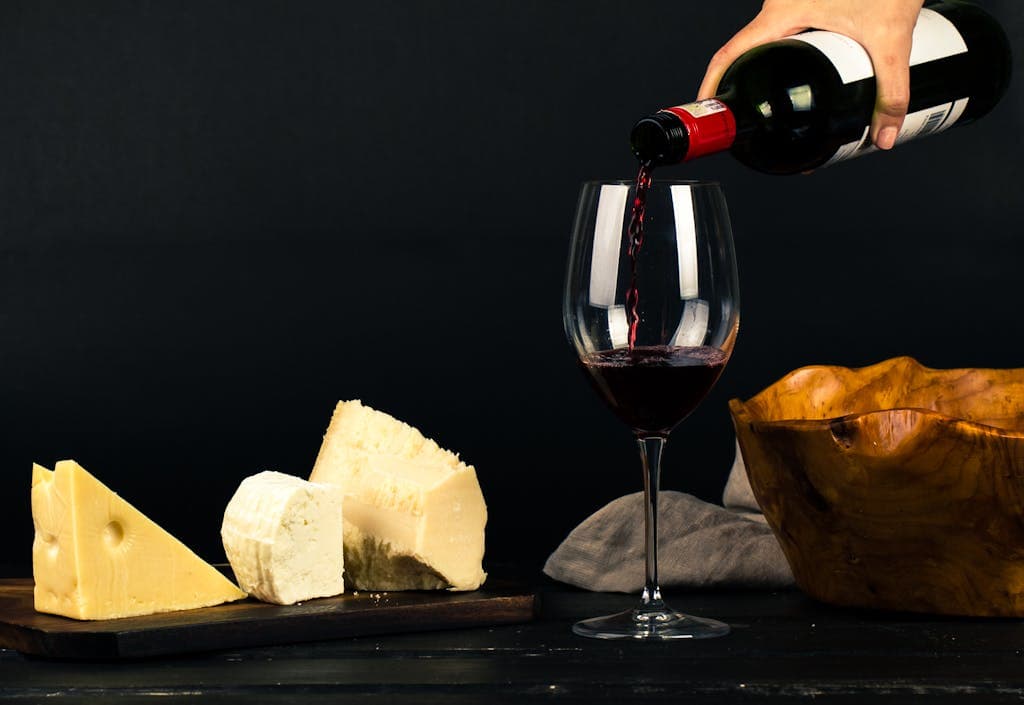
The Titanic’s beverage selection varied by class, but every passenger had options that complemented their meals. First class enjoyed fine wines, champagne, and port—carefully paired with dishes to enhance flavors. A robust red with a rich beef dish, for example. Second class had milder options like beer and simpler wines. Recreating a Titanic-worthy drink menu doesn’t mean breaking the bank—just choose quality wines that match your meal, serve them at the right temperature, and take a moment to appreciate how a good pairing elevates everything.
Artifacts That Tell the Food Story
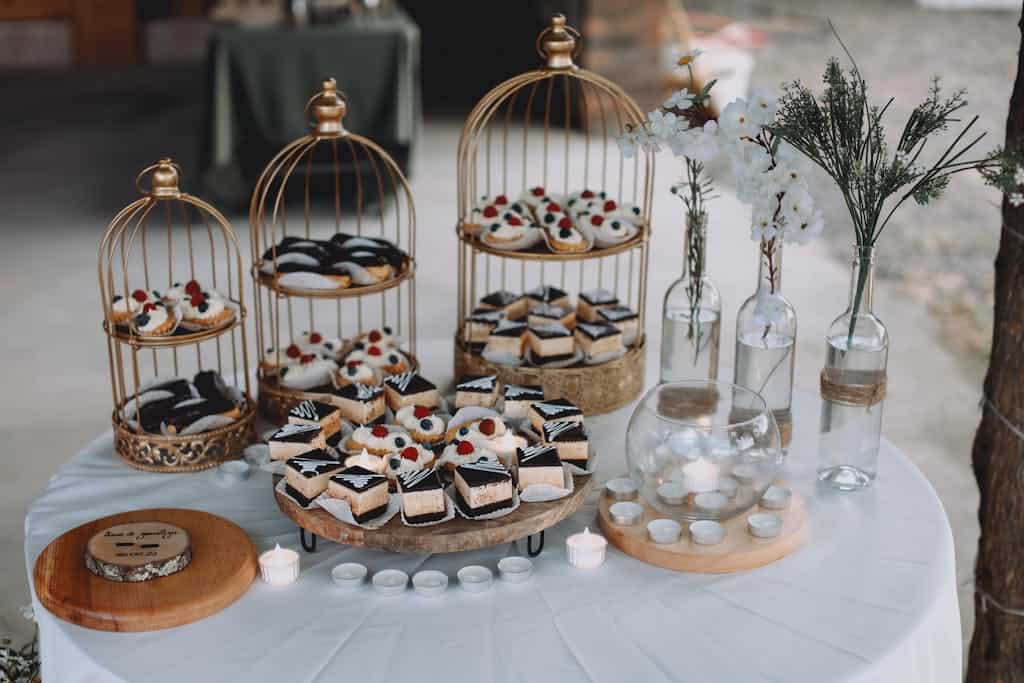
The menus recovered from the Titanic tell a remarkable story. They reveal multi-course meals with offerings like poached salmon, lamb with mint sauce, and an array of delicate desserts. Cookbooks and kitchen utensils from the wreck show the techniques and tools chefs used to create such lavish spreads. What comes through clearly is a commitment to seasonal ingredients and freshness—principles that are just as important today. Whether you’re cooking a simple stew or a multi-course dinner, starting with quality ingredients and cooking with intention is what connects us to that legacy.
Looking back at the Titanic’s menus, what stands out isn’t just the extravagance—it’s the care. Care in sourcing ingredients, care in preparation, care in presentation. And that’s something any home cook can carry forward, no matter what class they’re cooking for.