Discover the Unique Charm of This Iconic New York City Deli

Some places feed you. And then there are places like Katz’s Delicatessen, which feel like they’ve been feeding a whole city for over a century. This isn’t just a spot to grab a sandwich; it’s a living, breathing piece of New York history. Since 1888, it’s sat on the Lower East Side, watching economic storms, world wars, and the entire island of Manhattan transform around it. It started as a humble gathering place for the neighborhood’s Jewish community, and somehow, it’s become the most famous deli on the planet. Food critics, world travelers, New Yorkers who’ve seen it all—they’ll all tell you the same thing: no one else does it quite like Katz’s. Let’s talk about why.
Why the Value Justifies the Price
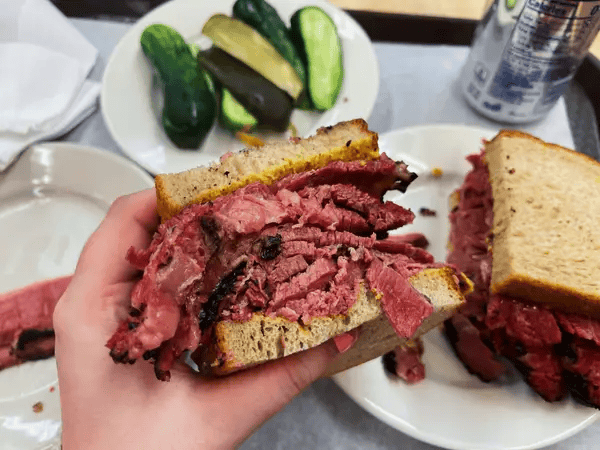
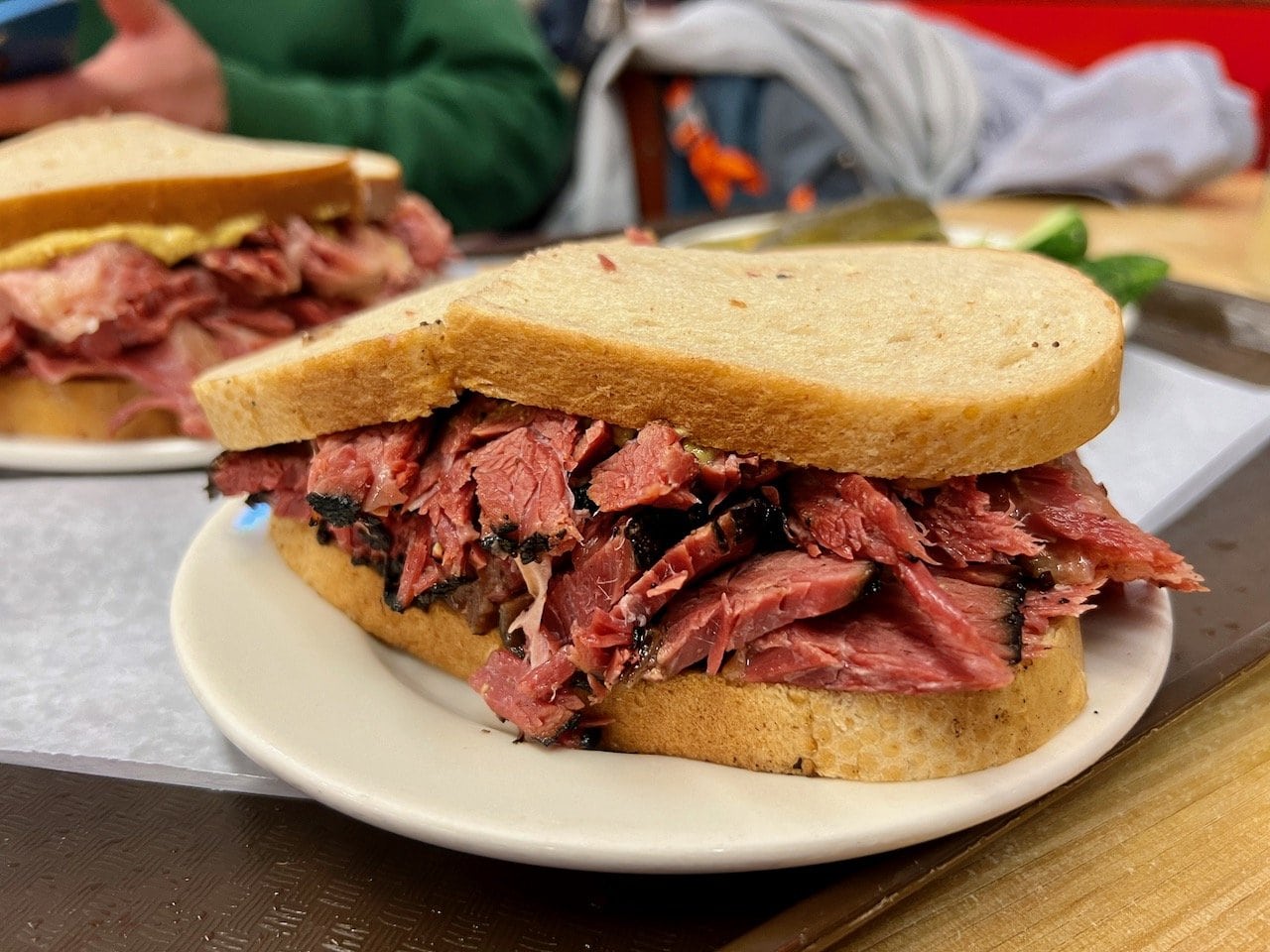
Okay, let’s talk about the elephant in the room. A sandwich at Katz’s can easily cost over $30 now, and that gives some people pause. But here’s the thing: that sandwich is nearly a full pound of premium meat. Compare that to the three to five ounces you get at a standard deli, and the picture starts to look different. Between the cost of high-grade USDA brisket and the labor of that month-long curing process, the price tag actually makes sense. Most visitors quickly realize that one sandwich is easily enough for two people. Split it, and suddenly you’re paying mid-range Manhattan prices for an experience that’s anything but mid-range. The history, the craftsmanship, the sheer volume of it all—it’s not just a meal. It’s a destination.
The Art of the Hand-Carved Sandwich

Here’s something you might not notice until you’re standing at the counter watching: every single sandwich at Katz’s is carved by hand. No electric slicers. Just a team of professional cutters who’ve been trained to slice against the grain at a very specific angle that keeps that fatty brisket intact. There’s a reason for this. High-speed blades create friction, and friction can basically “burn” the meat, messing with that delicate fat distribution that makes pastrami magical. The hand-cut approach preserves every bit of it. And while you’re waiting, they’ll usually slide you a little sample right off the blade—a tradition that guarantees you’re happy before the sandwich even comes together. Every bite has a slightly different texture, a little variation that makes each visit feel personal and unique.
The Legendary Ticket and Service System

Walking into Katz’s for the first time can feel a little chaotic, and that’s part of the charm. They hand you a small paper ticket at the door, and that little slip becomes your running tab for everything you order at the different counters. Lose it? There’s a famous fifty-dollar fine posted everywhere, a “tough New York” rule that’s become part of the deli’s legend. Inside, it’s this cavernous space filled with neon signs, long communal wooden tables, and thousands of signed celebrity photos covering every inch of the walls. It’s organized chaos, loud and bustling and full of energy. It’s exactly what old-world Manhattan felt like, and it pulls you right into the middle of it.
The Secret Thirty-Day Curing Process

The real magic of Katz’s starts long before you ever walk through the door. Most delis these days rely on chemical injections to “flash-cure” their meat in a matter of hours. It’s fast, it’s efficient, and it tastes like it. Katz’s does the opposite. They stick to a traditional slow-curing method that takes up to thirty full days. Thirty days! That extended timeline lets the spices and brine work their way deep into the muscle fibers, building a depth of flavor and a texture you just can’t rush. After the cure, the meat gets smoked for days, then finished with a steam in their onsite kitchen until it’s so tender it practically falls apart. It’s a labor of love, and it’s why they go through thousands of pounds of meat every single week for a fan base that stretches around the globe.
Cultural Significance and Global Reach

You probably know Katz’s from that scene in When Harry Met Sally. You know the one. But its cultural footprint goes way deeper than Hollywood. During World War II, the deli started a tradition called “Send a Salami to Your Boy in the Army,” shipping non-perishable goods to soldiers overseas. That tradition is still alive today. Their shipping department now sends vacuum-sealed meats to all fifty states and even international destinations. But for all that global reach, the physical location on the Lower East Side remains exactly what it’s always been: a neighborhood anchor. It’s one of the few places left where politicians, movie stars, and local construction workers all end up sitting shoulder to shoulder at the same worn wooden tables, eating the same thing.