Effective Food Hacks to Curb Late-Night Hunger Cravings

We’ve all been there. It’s late, you’re tired, and suddenly nothing sounds better than raiding the kitchen. The problem is, those late-night snacks often leave you feeling worse—bloated, restless, or guilty. The good news is you don’t have to white-knuckle your way through cravings. A few simple habits can make a real difference. Here are nine ways to keep late-night hunger in check without feeling deprived.
Check Your Daytime Nutrition

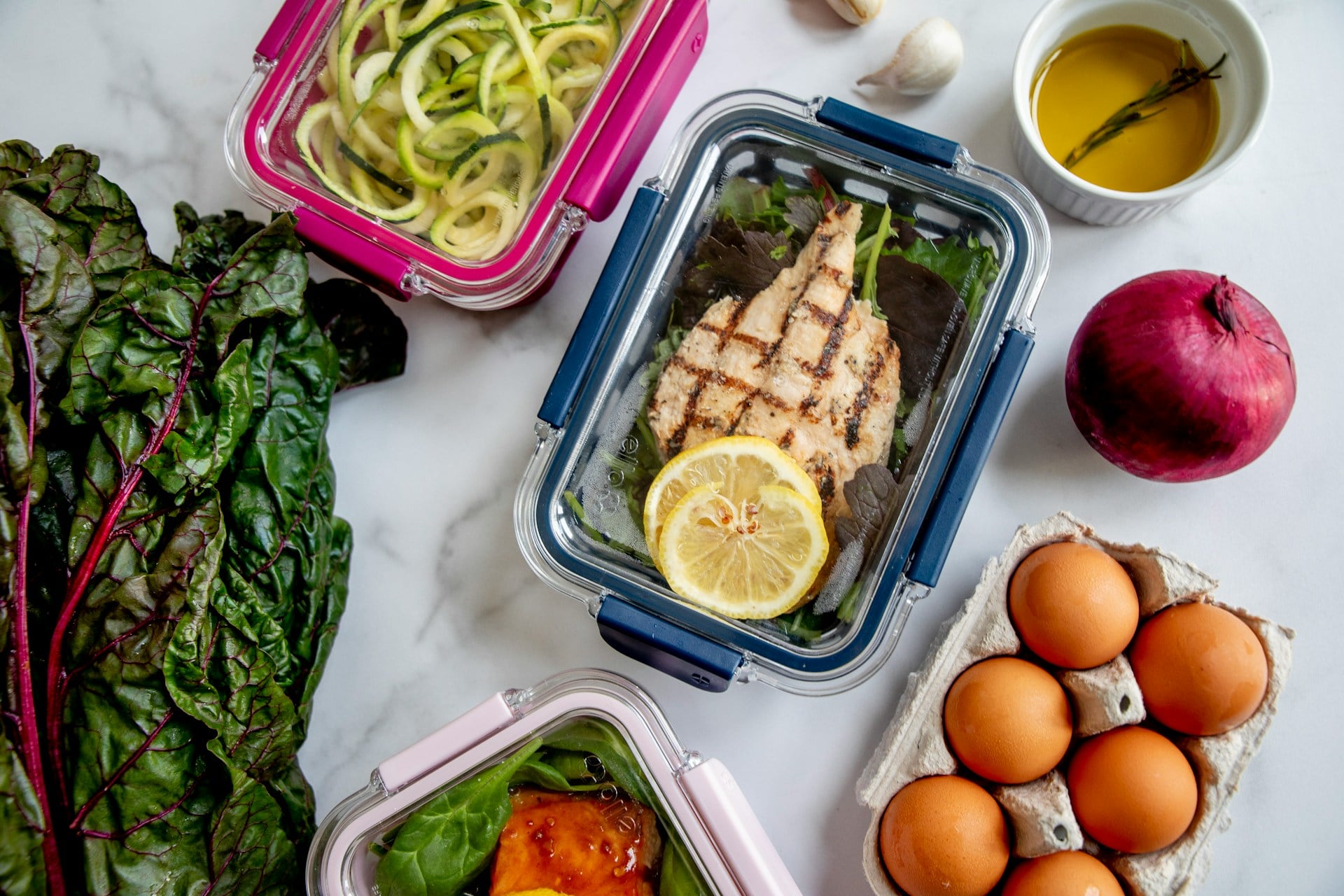
Midnight hunger often starts with poor daytime eating. Skipping breakfast or grabbing sugary snacks during the day leaves your body playing catch-up at night. Eat balanced meals with protein, fiber, and complex carbs to stay fueled. Include healthy fats like avocado or nuts for steady energy. When you nourish yourself properly all day, those 11 p.m. cravings lose their grip. Long-term, your metabolism and mood both benefit from this steadier routine. Good daytime habits quietly protect your evenings.
Don’t Skip an Evening Snack – Choose the Right One
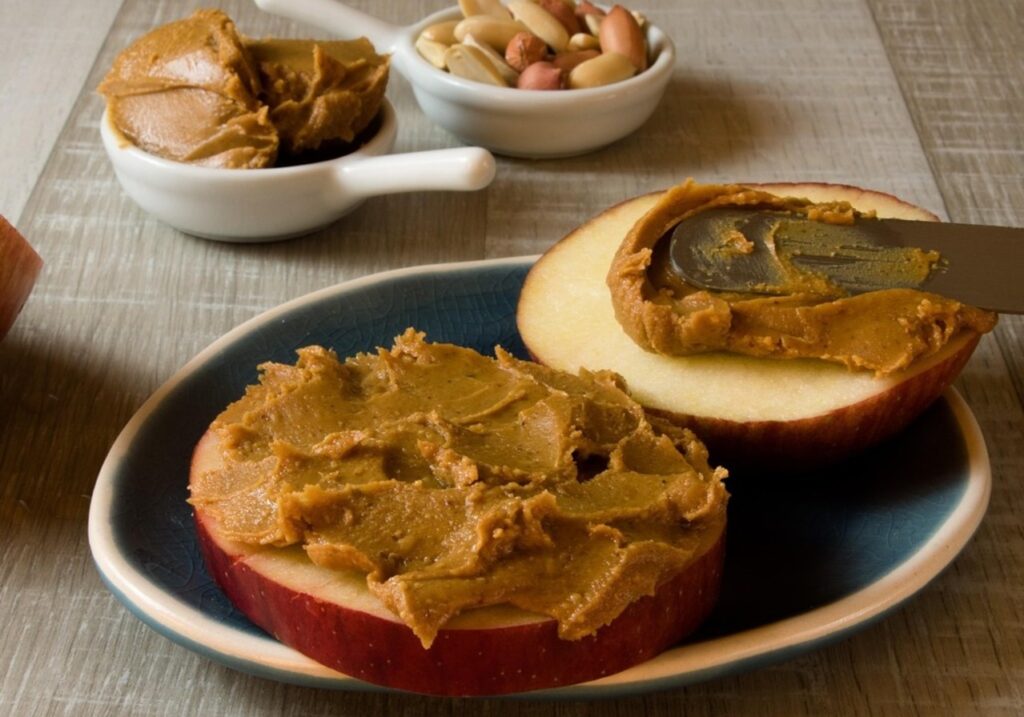
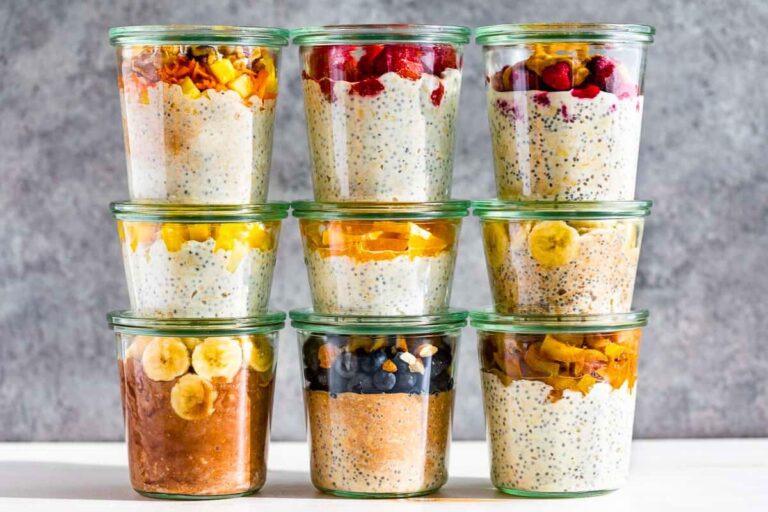
Avoiding snacks entirely can actually make cravings stronger later. A smart, balanced snack can stop late-night overeating before it starts. Think Greek yogurt with berries, apple slices with peanut butter, or a handful of mixed nuts. The goal is protein and healthy fats for slow energy release. Skip the sugary stuff that spikes blood sugar and crashes. When you plan your snack, you control hunger instead of reacting to it.
Keep Healthy “Emergency Snacks” Handy
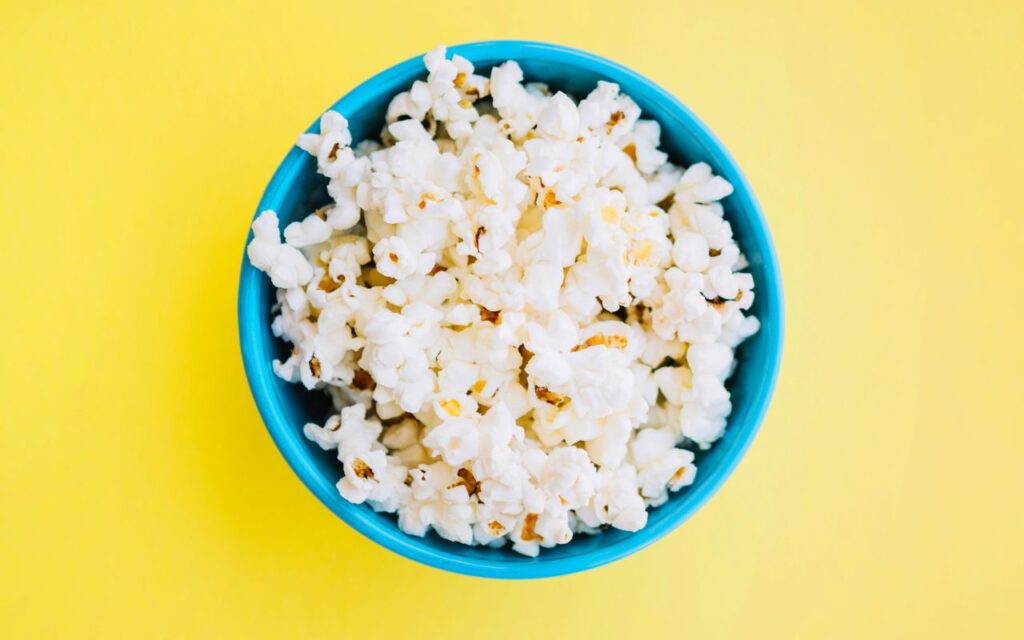
If hunger really hits, don’t panic. Have smart options ready: air-popped popcorn, a boiled egg, apple slices with nut butter. Planning keeps you from diving into chips or cookies. Portion snacks beforehand so you can grab and go without overeating. A few thoughtful minutes earlier in the day prevent late-night regret. Think of it as a backup plan for your future self. You’re not denying yourself—you’re just staying prepared.
Keep Sugary Drinks Out of Reach

Even “healthy” fruit juices can fuel late-night hunger because they cause quick sugar spikes. Those rapid glucose changes trick your body into thinking it’s hungry again. Swap sodas and juices for sparkling water, mint tea, or lemon water. Same satisfaction, no blood sugar roller coaster. Hydrating with low-sugar drinks at night also helps your body rest better. Over time, cutting sugary drinks from your night routine improves digestion and reduces bloating. You’ll wake up lighter and more refreshed.
Hydrate Before You Snack

Your body often mistakes thirst for hunger, especially late at night. Before grabbing food, drink a glass of water and wait ten minutes. If you still feel hungry, have something small and balanced. Keep a water bottle nearby so hydration becomes automatic. Proper hydration supports digestion and better sleep. Many people find this simple trick cuts nighttime snacking in half. You’re not depriving yourself—you’re learning to read real hunger cues.
Brush Your Teeth Right After Dinner

This trick works better than most people expect. Brushing signals to your brain that eating time is over, and the minty taste naturally dulls cravings. It sets a boundary between dinner and downtime. Use mouthwash for extra reinforcement. When you do this consistently, your brain starts to link brushing with “kitchen closed.” It’s a small, easy ritual that discourages mindless grazing without any strict rules. Plus, better oral health and less late-night sugar damage. Two benefits from one habit.
Limit Late-Night Screen Time

Screens are sneaky hunger triggers. Scrolling social media or streaming shows exposes you to constant food imagery that sparks cravings. Blue light also delays melatonin production, keeping you awake. Try powering down thirty minutes before bed. Read, stretch, journal. Once your brain unwinds, those snack urges fade naturally. Less stimulation before sleep means fewer trips to the kitchen. You’ll fall asleep faster and wake up clearer.
Get Enough Sleep Overall

When you’re short on sleep, your hunger hormones go haywire. Ghrelin rises, leptin drops, and suddenly everything sounds like a good midnight snack. The best way to fight this isn’t food. It’s rest. Aim for seven to nine hours nightly and stick to a regular schedule. Consistent sleep restores hormone balance and reduces nighttime cravings naturally. Over time, you’ll be less tempted to raid the fridge because your body’s rhythm is finally steady. Better sleep sharpens focus and improves mood too.
Eat a Protein-Rich Dinner

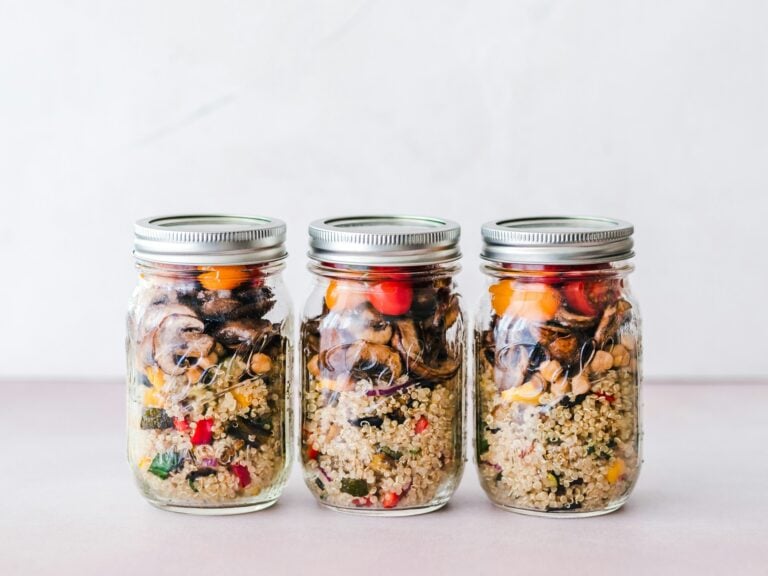
If your dinner is mostly carbs, your blood sugar spikes and then crashes, setting you up for hunger later. Adding 20 to 30 grams of protein—chicken, fish, tofu, beans—keeps digestion steady and your stomach satisfied. Pair it with fiber-rich vegetables or whole grains for extra staying power. When your evening meal is balanced, your body doesn’t wake up asking for a snack. It’s about stability, not restriction. You’ll sleep deeper, and those cravings will start to fade naturally.