Essential Pantry Staples to Regularly Check for Expiration Dates

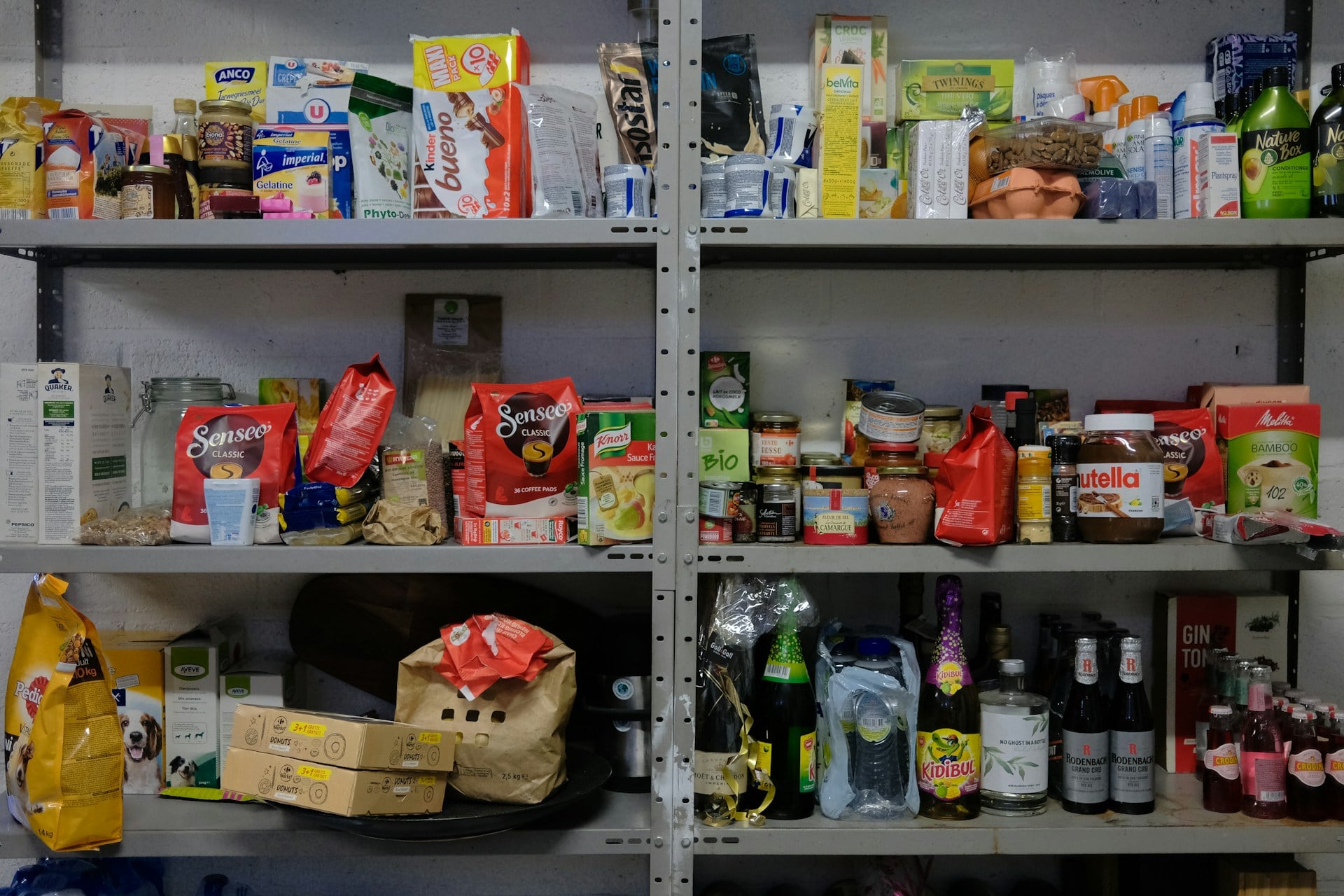
You probably think your pantry is fine. Canned goods stacked neatly, spices in a row, flour ready to go. But here’s the thing: even shelf-stable foods don’t last forever. Oils turn bitter. Spices lose their punch. Grains go stale. A quick audit now and then saves you from cooking with ingredients that won’t deliver. It also saves money, because you’re not buying duplicates of things you already have. Here are ten staples worth checking today.Dried Beans and Lentils
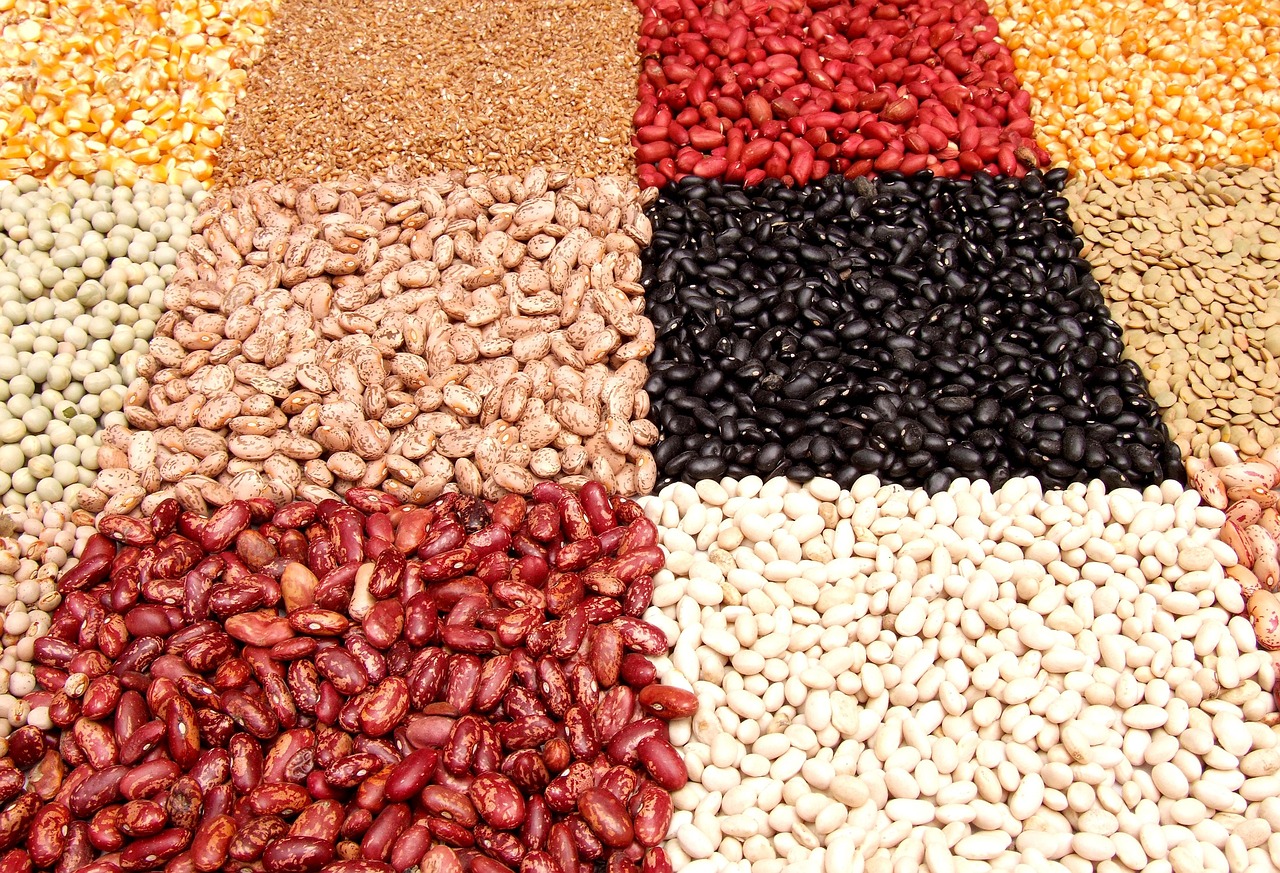
These are built to last, but after two years they start hardening. Older beans take forever to cook and may never soften properly. They’re still safe, but the texture won’t be right. Store them in airtight containers to keep out moisture and bugs. If they look dull, dusty, or smell earthy, replace them. Rotate every year for better soups and stews.
Flour
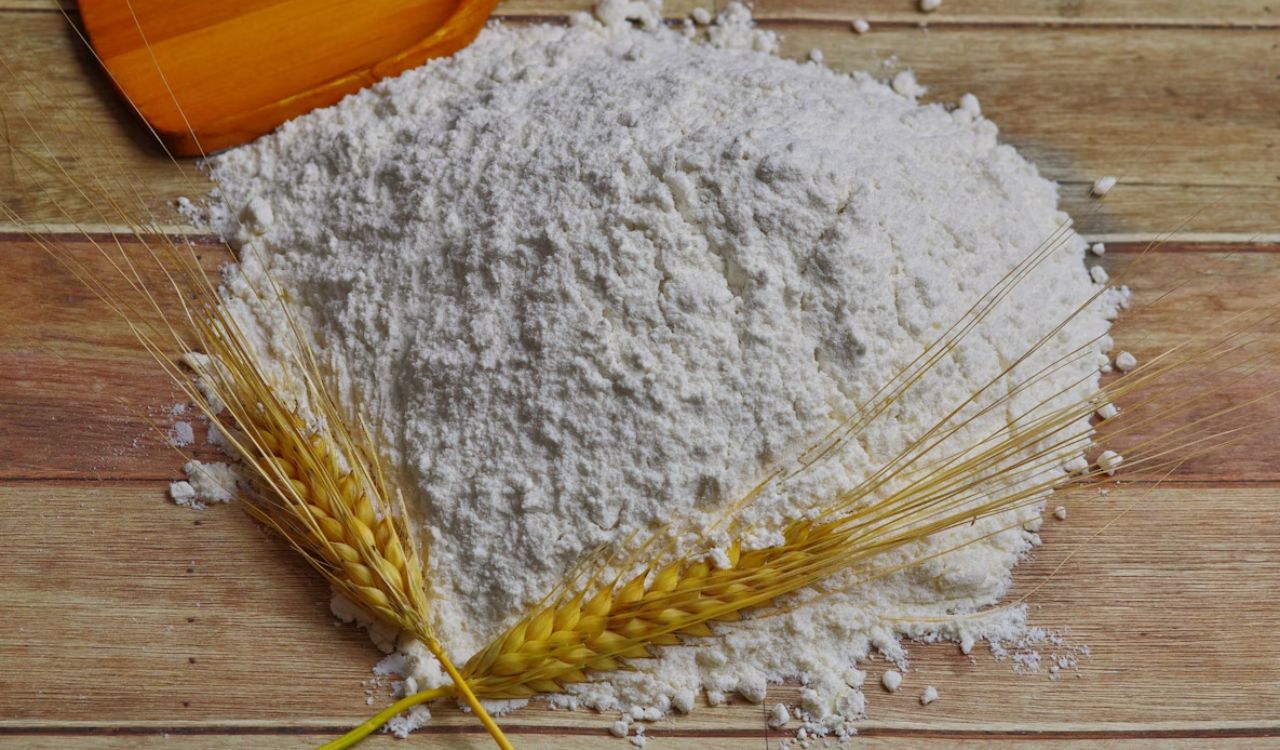
Flour spoils faster than most people realize. White flour lasts about a year. Whole wheat flour? Three to six months, because the natural oils oxidize quickly. Spoiled flour smells sour, musty, or oddly sweet. Airtight containers protect it from moisture, pests, and weird fridge odors. If you bake rarely, refrigerate or freeze flour in sealed bags. And rotate your stock. Fresh flour makes a difference.
Spices and Seasonings
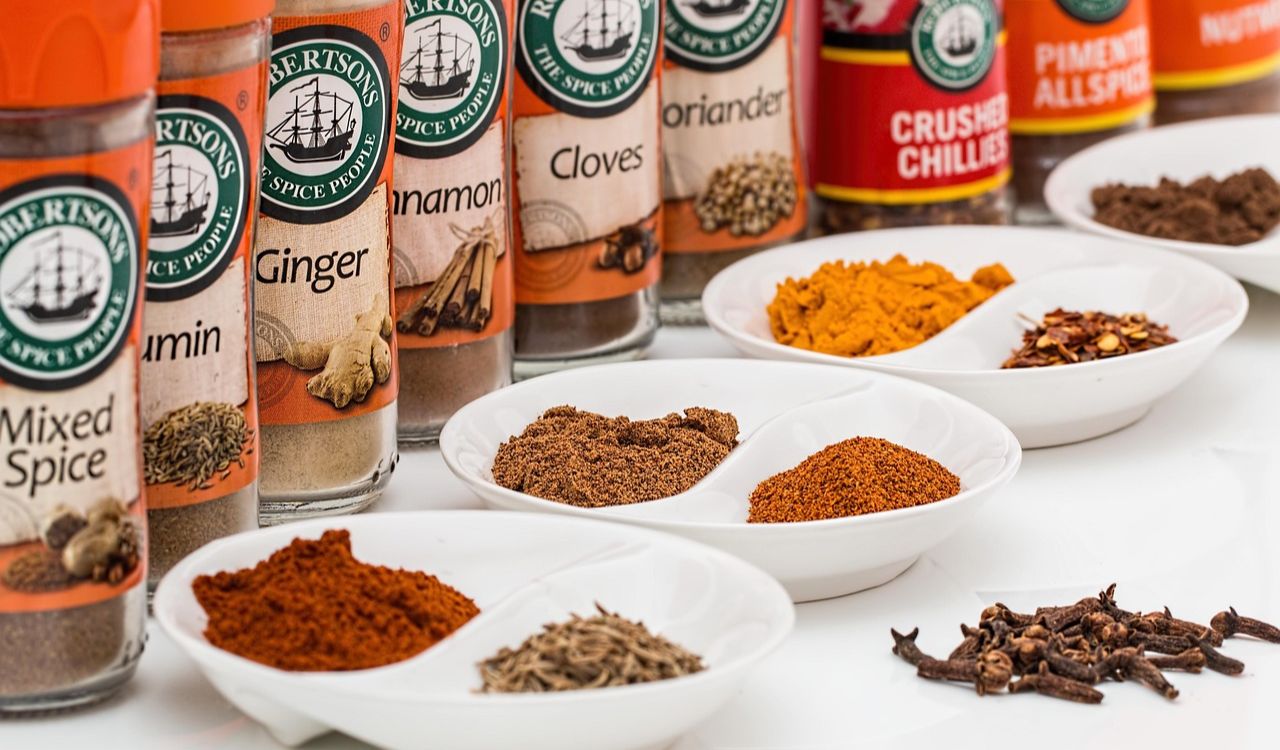
Spices don’t really go bad in a safety sense. They just get boring. Ground spices lose their punch after about two years. Whole spices can last three or four. If they smell faint or taste flat, toss them. Heat, light, and moisture are the enemies, so keep them away from the stove in airtight jars. A fresh spice rack makes everything taste better.
Cooking Oils
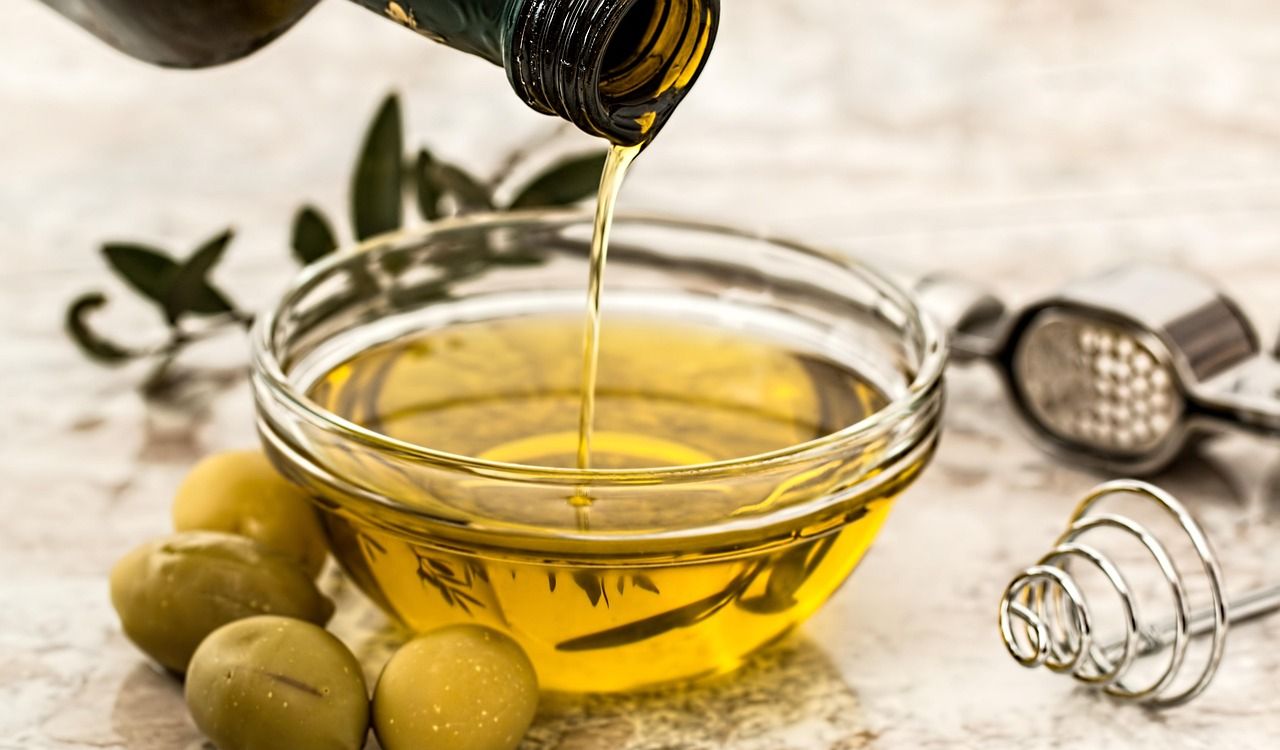
Cooking oils can go quietly rancid without you noticing until you taste or smell something off. Heat, light, and air all speed up oxidation. Olive, canola, and vegetable oils usually last six to twelve months once opened. Unopened bottles can stretch to eighteen months in a cool pantry. Rancid oil won’t make you sick, but it will ruin whatever you’re cooking. Keep bottles sealed, away from the stove, and out of direct sunlight.
Canned Goods
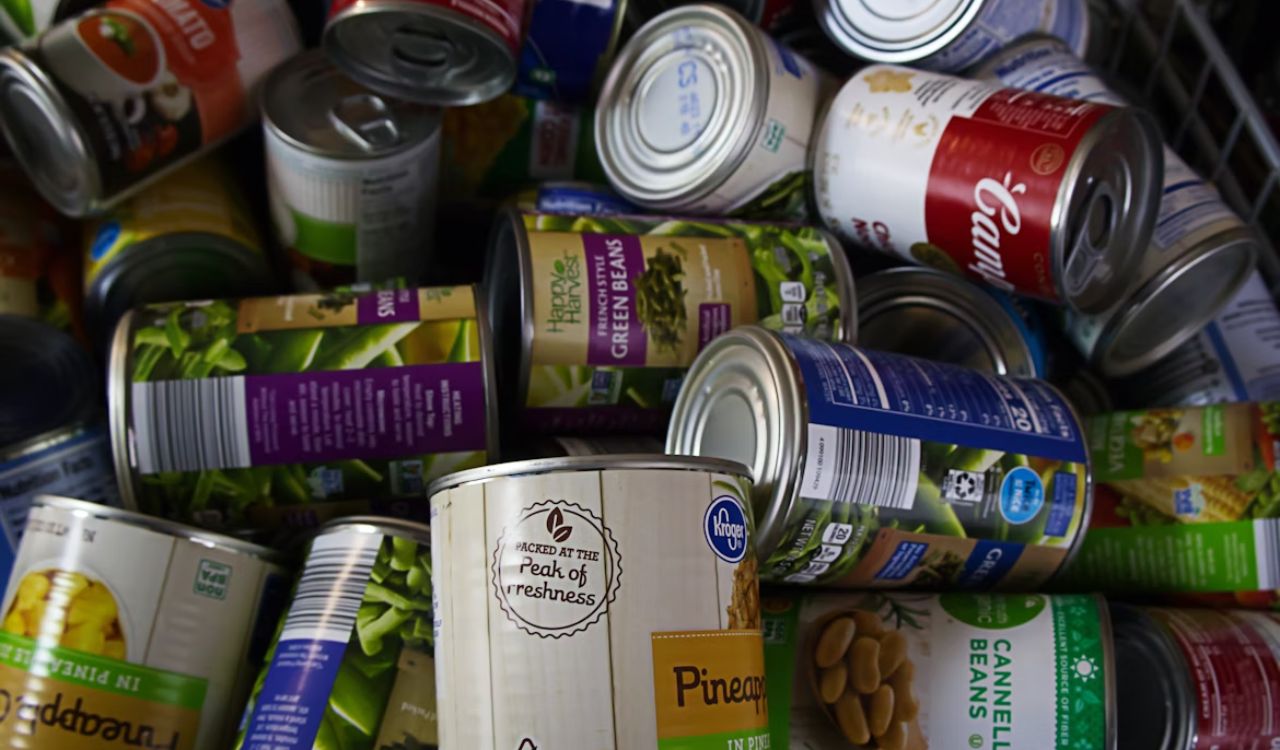
Canned foods are reliable, but not immortal. Most are fine for one to four years if stored properly. Acidic stuff like tomatoes goes downhill faster than beans or vegetables. Bulging, leaking, or rusted cans? Trash them immediately. Dents that break the seal are also trouble. Store cans in a cool, dry place and rotate as you go. Even if they’re safe past the date, flavor fades.
Baking Powder and Baking Soda
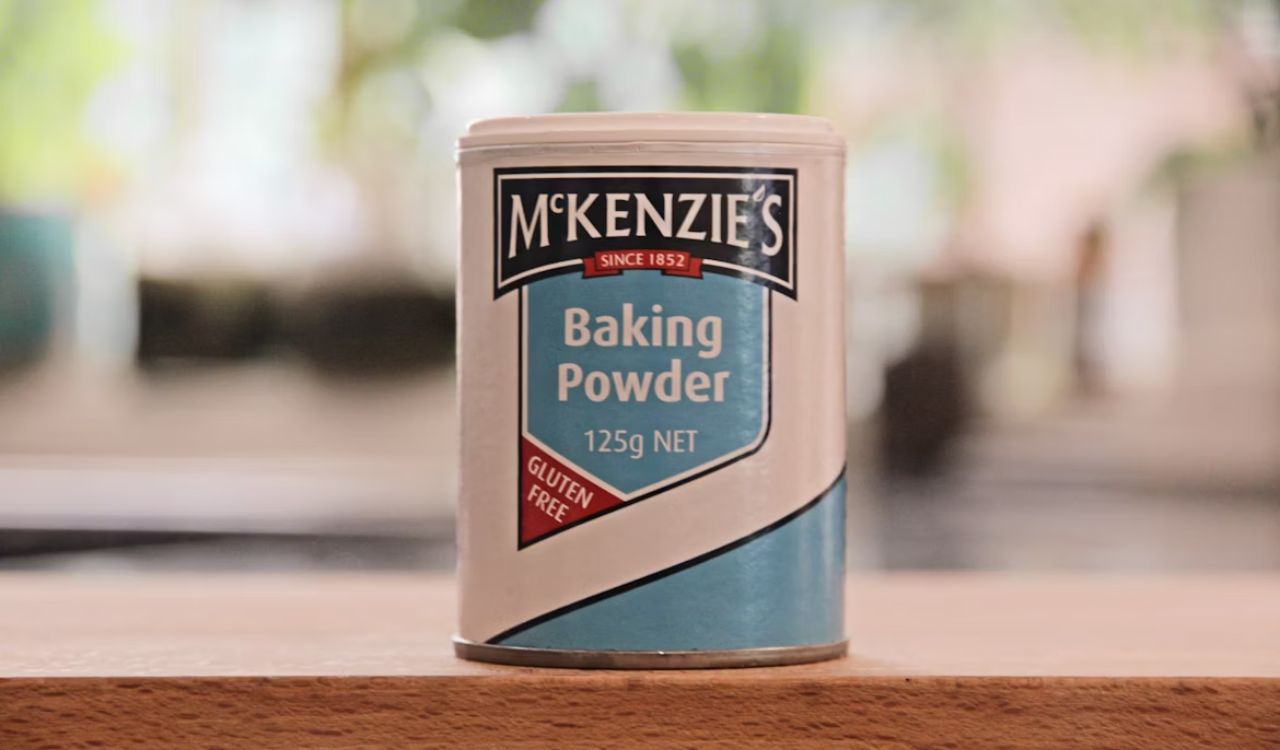
These lose power over time. Expired baking powder won’t make your cake rise. Baking soda lasts longer, maybe two years, but it’s worth testing. Drop a teaspoon in vinegar or hot water. If it fizzes hard, it’s still good. Keep both sealed tight, away from moisture. Flat baked goods are sad. Don’t let old leaveners be the reason.
Rice and Grains
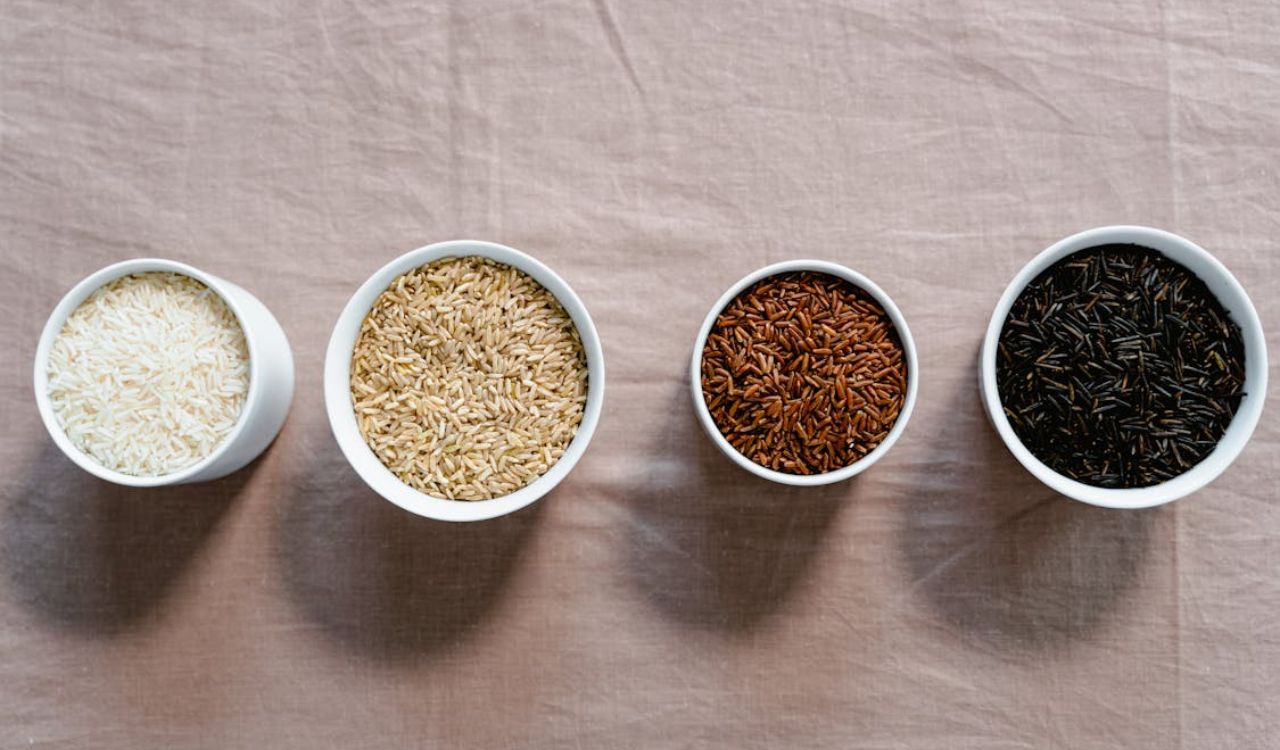
White rice lasts a couple of years. Brown rice and quinoa? About six months before the oils go rancid and they start smelling stale. Always check for off odors or tiny bugs before cooking. Airtight containers are your friend. Freezing grains extends their life. Label your bags with purchase dates so you know what’s old and what’s fresh.
Pasta
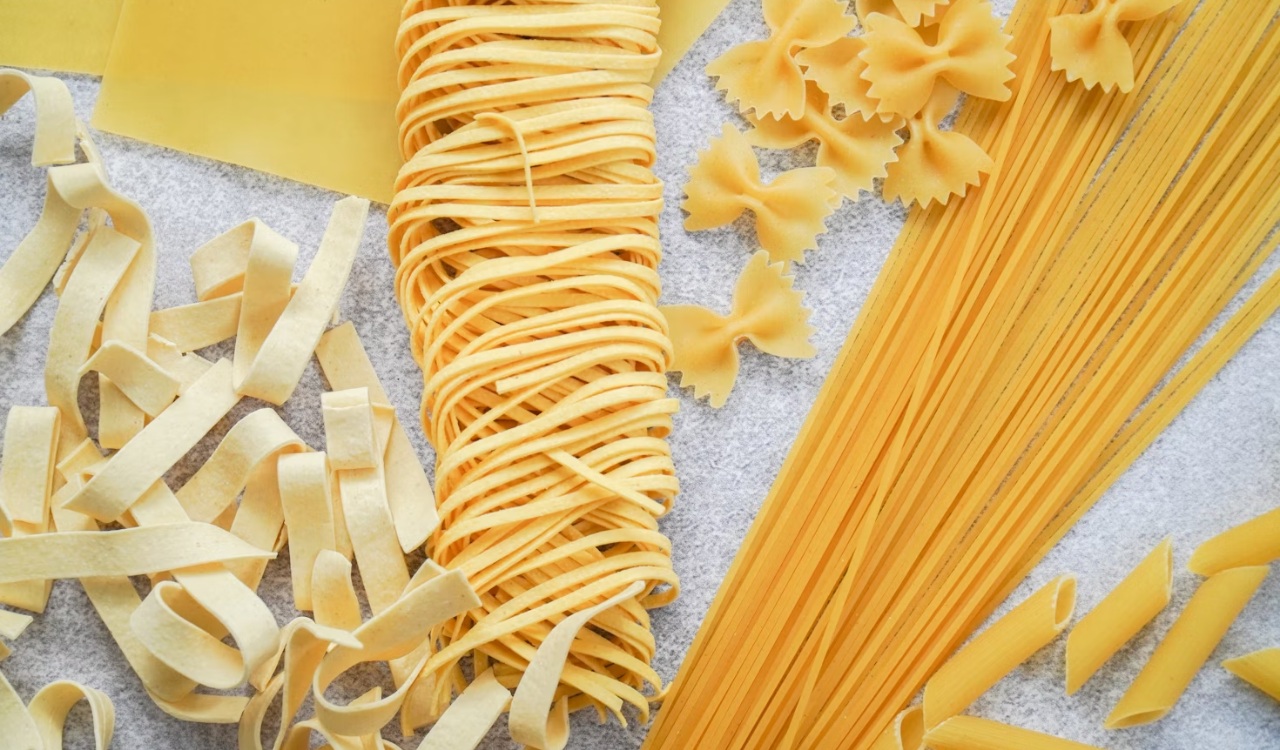
Dry pasta has a long life, but not infinite. Unopened, it can last two years past the date. Opened, about a year. Over time, it gets brittle and can attract pests. If it smells musty, feels sticky, or has visible mold or bugs, toss it. Whole grain pasta spoils faster. Keep it sealed in a cool, dry spot.
Nuts and Seeds
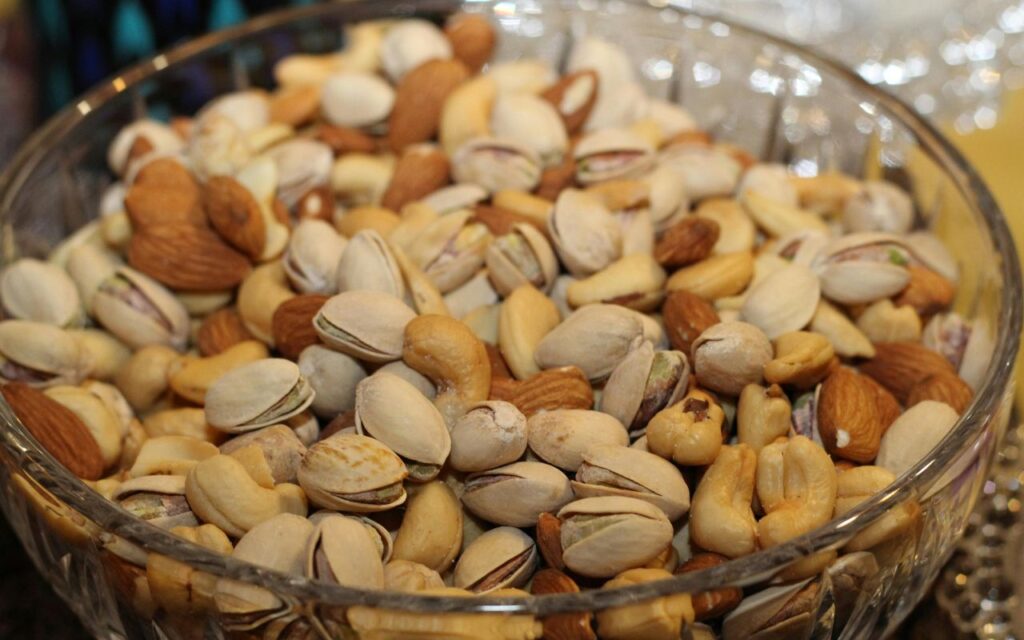
Nuts are full of healthy fats, which means they go rancid. Pantry life is about six months. Fridge gets you a year. Freezer gets you two. Rancid nuts taste bitter or soapy and can ruin a recipe. Store them in airtight containers, away from heat. Buy smaller batches more often if you don’t go through them quickly.
Condiments and Sauces
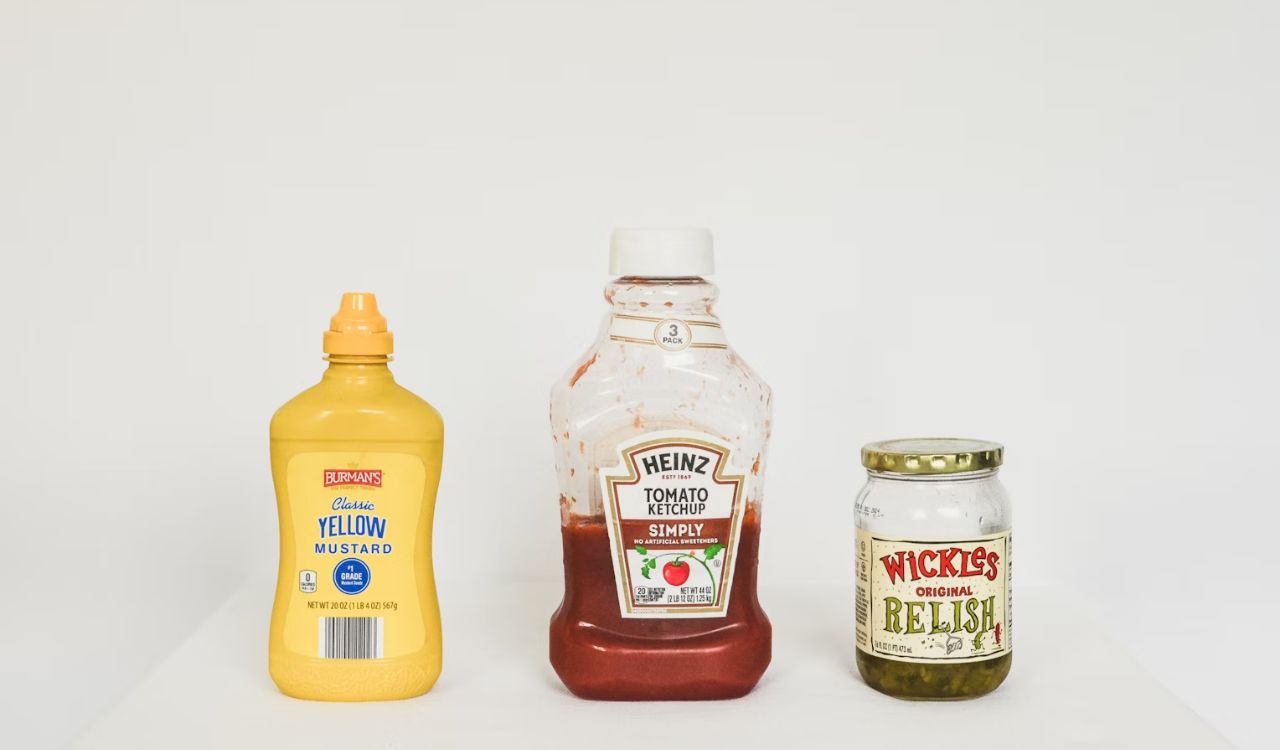
Once opened, ketchup, mustard, soy sauce—they all lose steam. Most last six months to a year in the fridge. Vinegar-based ones hold up a little longer. Watch for color changes, watery separation, or sour smells. Write the opening date on the bottle with a marker. It sounds fussy, but it helps. Clean lids, tight seals, and regular rotation keep your sauces tasting right.