Everyday Grocery Items Shrinking but Costs Staying the Same

Shrinkflation is impacting everyday staples in surprising ways, affecting quantities while prices remain stable. As manufacturers subtly alter packaging sizes, many consumers find themselves paying the same for less. This extends to a range of common items, altering our grocery habits and challenging our perceptions of value. Exploring how these changes manifest in everyday foods reveals the depth of this trend and its influence on our shopping experiences.
Bacon: Fewer Strips, Higher Cost

Oh, bacon. Is there anything quite as lovely as that sizzle, that aroma, that perfect salty crunch? So it’s genuinely sad when we open a familiar package and find fewer strips waiting for us. But here’s what I’ve discovered: with a little extra care, each strip can become something truly special. Try starting your bacon in a cold pan over low heat—I know it takes patience, but the fat renders so slowly, so gently, and the result is impossibly crisp, impossibly golden. And please, please don’t pour that liquid gold down the drain. Save your rendered bacon fat in a little jar on the counter. A spoonful added to sautéed greens or nestled into a slow-simmering stew? Absolute magic. Fewer strips, yes. But each one? A tiny masterpiece.
Frozen Pizza: Smaller Slices, Same Price

I completely understand the quiet letdown of opening a frozen pizza that somehow feels smaller than it used to. But here’s a thought: think of it not as a shrinking pie, but as a beautiful blank canvas waiting for your creative touch. Before it goes into the oven, shower it with fresh mushrooms, scattered basil leaves, an extra drift of mozzarella. If you have a pizza stone, use it—that extra crisping makes everything feel more special. And here’s a trick I learned: let the pizza rest for just a few minutes after baking. The toppings settle, the cheese sets, and every slice becomes beautifully, satisfyingly sliceable. Your modest little pizza? It just became dinner worth remembering.
Cereal Boxes: A Breakfast Letdown
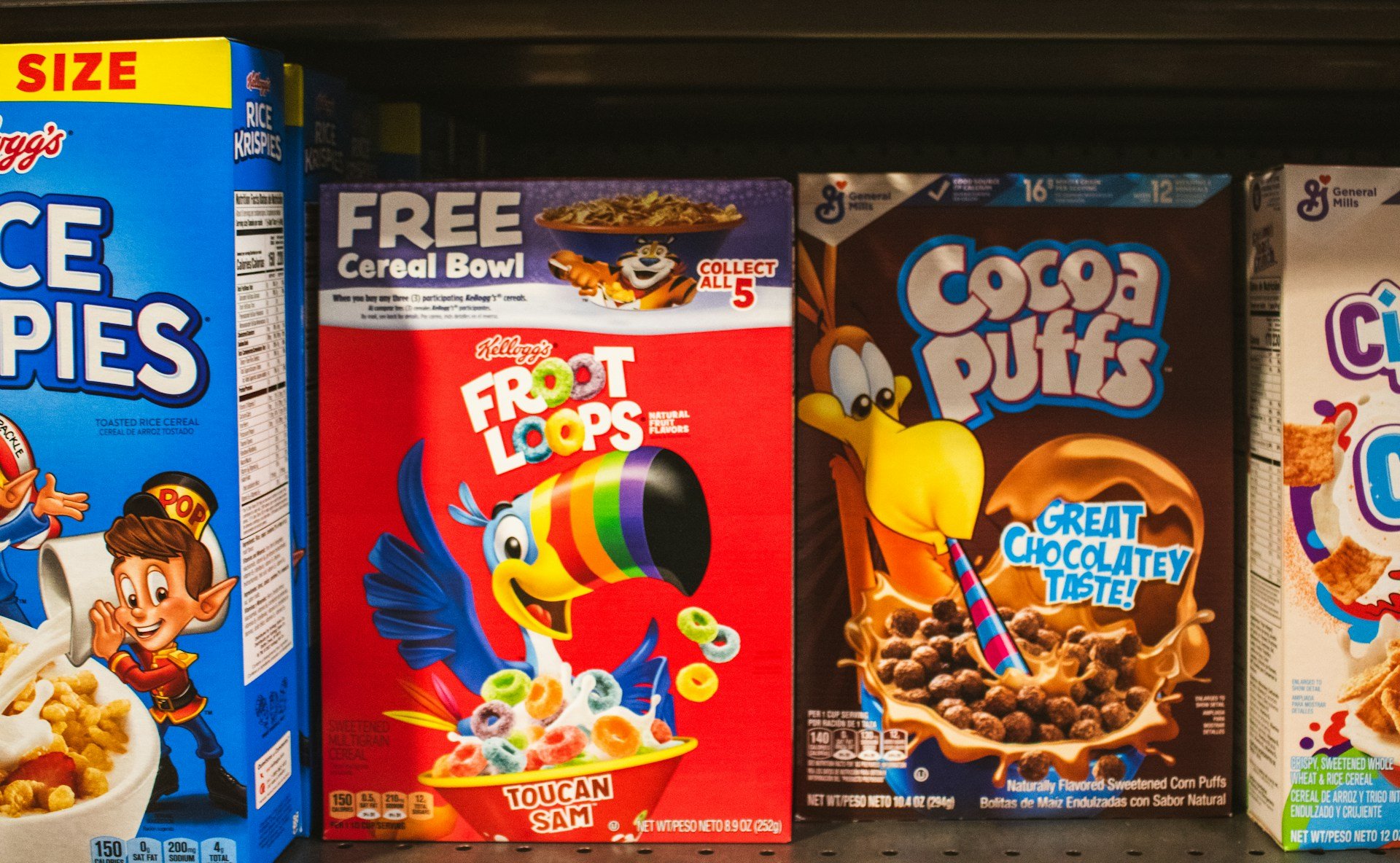
This one tugs at my heart, especially for families who rely on cereal for quick, happy mornings. The box looks the same height, the same width, the same cheerful colors—but somehow there are fewer bowls to be had. It’s so easy to miss, isn’t it? The box doesn’t announce its shrinkage; it just quietly holds less. So here’s my gentle suggestion: look past the box dimensions and find that little printed weight. Compare it to what you remember, or what you paid last time. Not to feel cheated, but to know. Awareness is a quiet form of empowerment, and it helps us decide what truly feels like value.
Potato Chips: More Air, Less Crunch
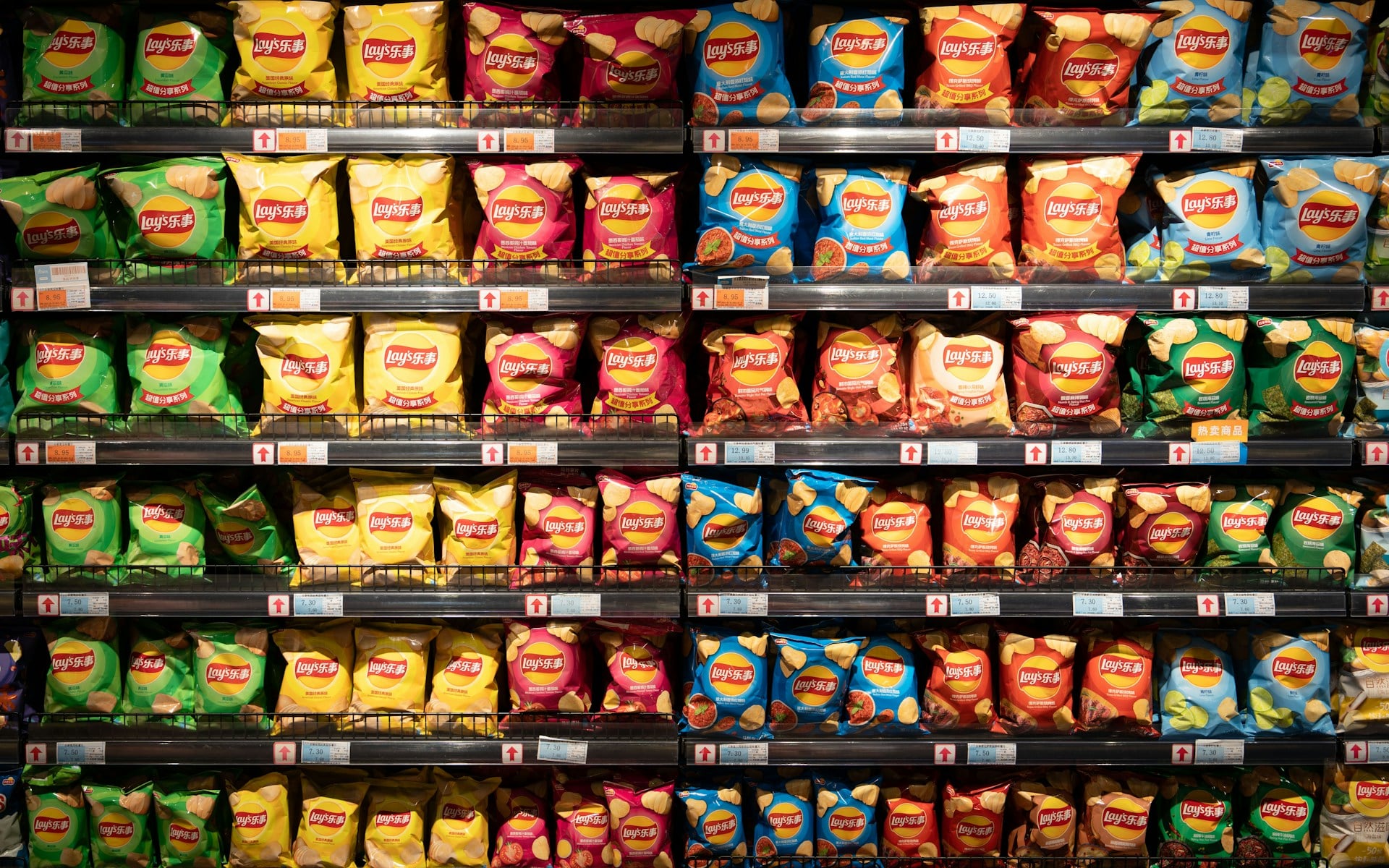
Oh, the great chip bag deception. You open it with such hopeful anticipation, and somehow there’s as much air as there are chips. (Sometimes more!) It’s called slack-fill, and it’s one of shrinkflation’s most frustrating tricks. But here’s a small, happy rebellion: seek out brands that are transparent about their packaging, the ones that fill their bags with chips instead of atmosphere. Even better? Try making your own. Slicing potatoes thin, tossing them with oil and salt, baking until golden—it takes a little time, but the crunch is incomparable, and you get to decide exactly how much goes into the bowl. There’s something deeply satisfying about that.
Ice Cream: Below a Half Gallon Now
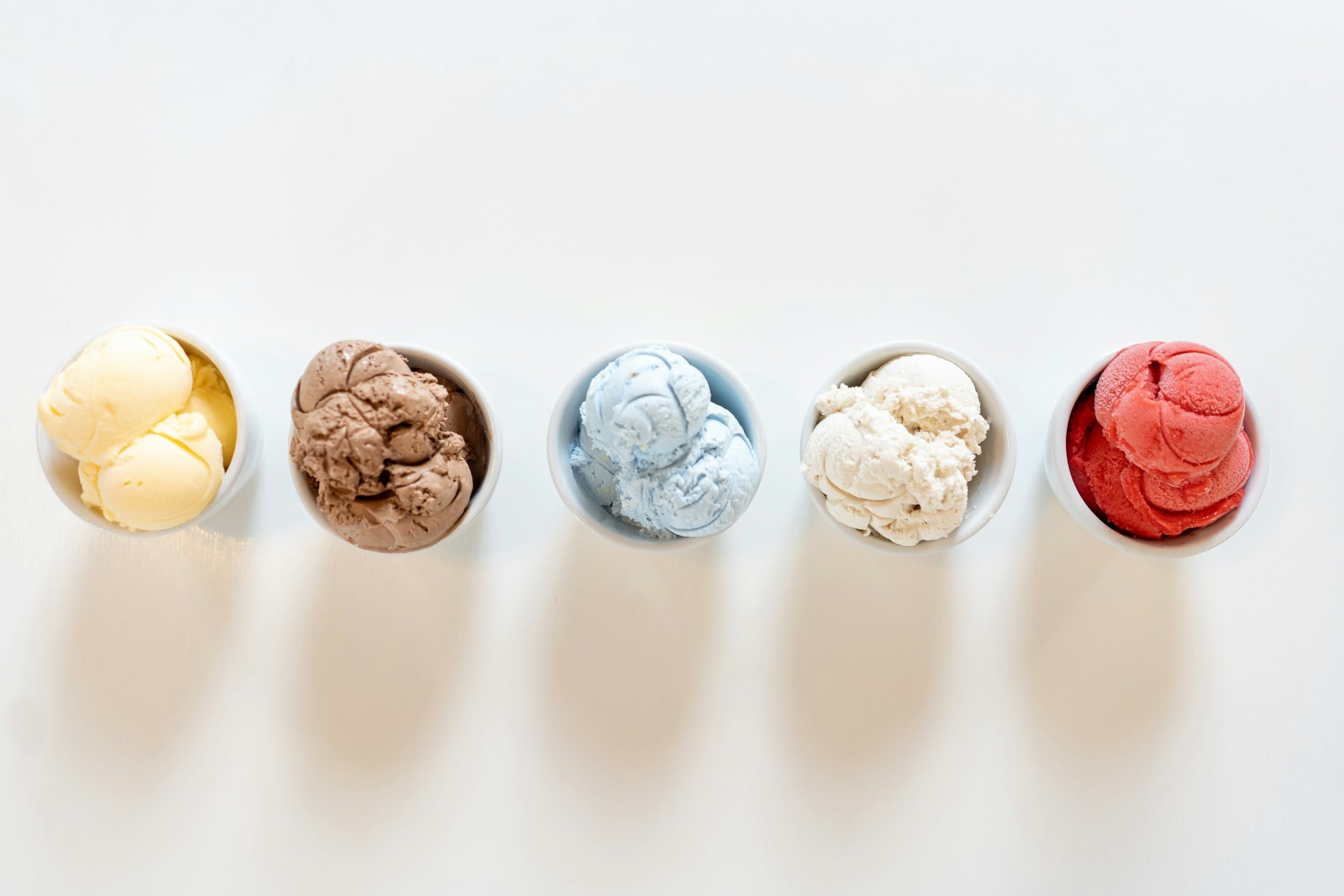
This one felt personal, I won’t lie. There was something so reliable, so comforting about that half-gallon carton of ice cream. And now? Many tubs have quietly shrunk to 48 ounces, sometimes even less, and the price stayed right where it was. It’s easy to miss if you’re not paying close attention. But here’s a beautiful alternative: homemade ice cream. I know it sounds like a project, but even a simple no-churn recipe with sweetened condensed milk and whipped cream can produce something absolutely glorious. You control the portions, the flavors, the quality. And honestly? There’s something deeply satisfying about scooping your own creation, knowing exactly what went into it and how much of it is yours.
Peanut Butter: Ounces Vanished

You twist open the lid, ready for that perfect peanut butter slather, and somehow the jar feels lighter than it should. It’s not your imagination. But we can still coax every last bit of joy from what’s there. Use a rubber spatula—not a spoon, not a knife—to scrape the bottom and sides with devotion. Store the jar upside down so those natural oils redistribute themselves evenly. And when you spread, use a broad, flat knife in smooth, confident strokes. Less waste, more satisfaction. It’s not about mourning what’s gone; it’s about honoring every last smear.
Coffee: Not a Full Pound Anymore

Oh, coffee. For so many of us, that first sip is a tiny daily miracle. And now our bags have quietly shed weight, still priced the same but offering fewer cups. But here’s where we can fight back with ritual and care. Grind your beans fresh, right before brewing—the aroma alone is worth it. Use a scale if you have one; precision makes every bean count. Store your coffee in an airtight container in a cool, dark place, not the fridge or freezer. These small, intentional acts don’t change the weight of the bag. But they transform each cup into something more aromatic, more satisfying, more deeply yours.
Yogurt: Spoonfuls Slipping Away

Yogurt containers have been shrinking so gradually, so quietly, that it took me a while to even notice. But you know what? We can stretch that little cup into something more. Stir it thoroughly before eating—all those fruit flavors at the bottom deserve to be evenly loved. Add a generous sprinkle of granola, a handful of fresh berries, a drizzle of honey. Suddenly that modest serving feels abundant, nourishing, complete. Or blend it into a smoothie with banana and spinach, turning one small yogurt into a breakfast that carries you through the morning. Less in the cup doesn’t have to mean less on your plate.
Candy Bars: A Sweet Disappearing Act

I won’t pretend I haven’t felt a tiny pang of sadness unwrapping a candy bar that used to be bigger. It’s such a simple pleasure, and somehow it keeps shrinking. But here’s what I’ve discovered: richer flavors can actually satisfy more deeply. A good dark chocolate bar, studded with almonds or sea salt, offers intensity that lingers. A nut-based bar with dates and cocoa feels substantial and nourishing. And homemade treats? They’re a whole different level of satisfaction, where you decide exactly how big “one serving” should be. Smaller doesn’t have to mean less joyful. Sometimes it just means more intentional.