Foods Labeled “Forever” That Have a Shorter Shelf Life

We all have those kitchen items we treat as immortal. The honey at the back of the cabinet, the rice we’ve had since last year, the olive oil that seems perfectly fine. But here’s the truth: even the most trusted pantry staples have expiration dates, just quieter ones. Light, air, and time slowly chip away at flavor, texture, and sometimes safety. That ingredient might look fine, but it could already be past its prime. Here are seven common foods that expire sooner than you expect, plus simple ways to keep them fresher, longer.
Dried Beans: The Tough Truth
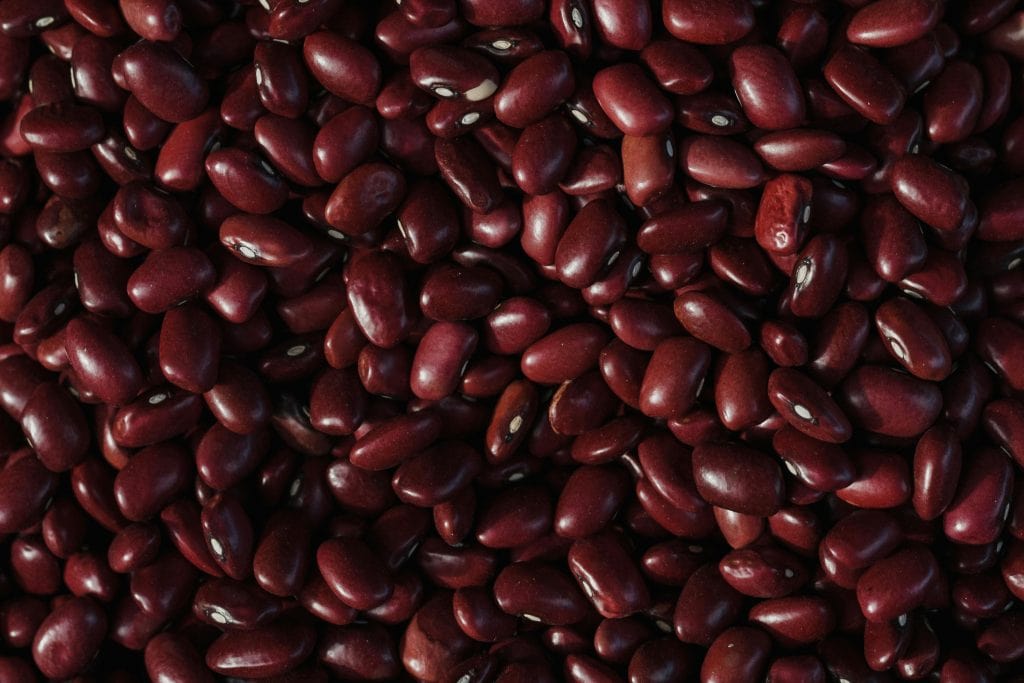
Dried beans look like they could survive anything, but age makes them stubborn. After a year or two, they lose internal moisture, turning hard and refusing to soften no matter how long you soak or simmer. The solution is to buy in smaller batches and store them in airtight containers. Old beans are frustrating; fresh beans are a joy.
Brown Rice: The Healthy Grain with a Short Clock
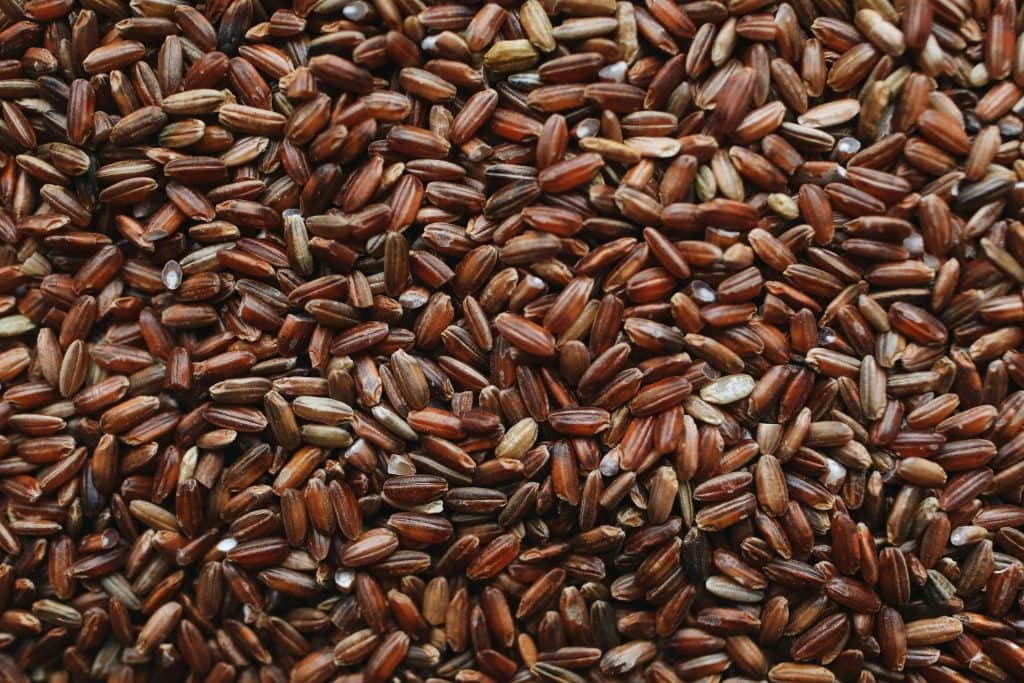
Brown rice gets all the nutrition points, but those natural oils in its bran layer come at a cost: they spoil. After about six months in the pantry, it can develop a stale, bitter taste that no amount of cooking will fix. The solution is simple: store it in the fridge or freezer. Cool temperatures keep those oils stable, extending its life dramatically. Your stir-fries will thank you.
Whole Wheat Flour: Not as Indestructible as It Seems
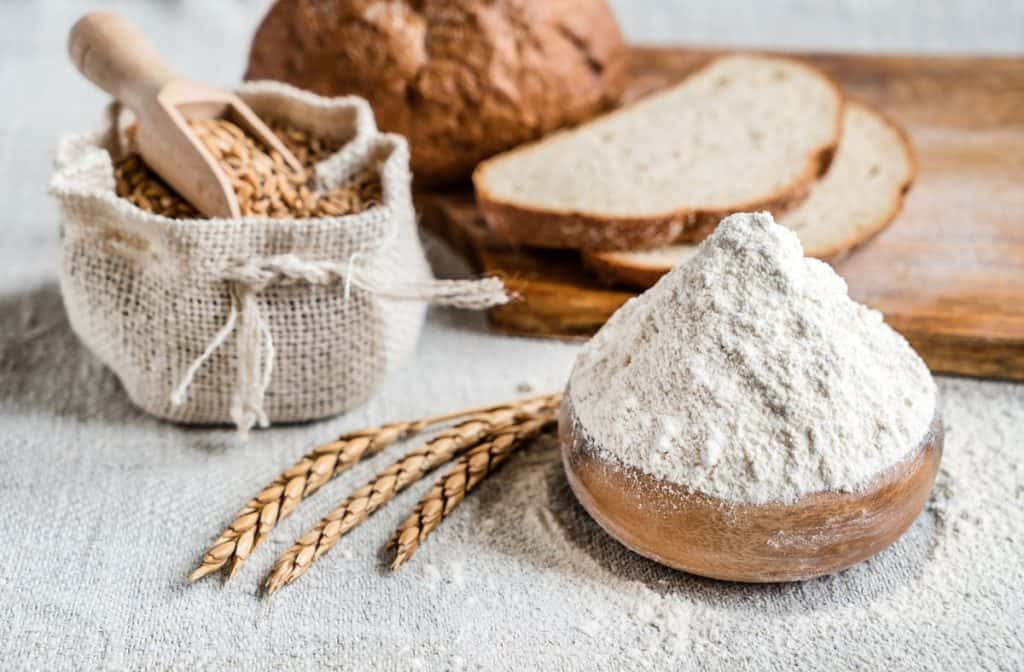
It’s easy to assume flour lasts forever, but whole wheat flour tells a different story. Those natural oils again, they go rancid within a few months at room temperature. The fix is airtight containers in the fridge or freezer. Regular white flour lasts longer, but even that benefits from cool storage. Fresh flour should smell neutral, not sour or musty.
Olive Oil: The Fragile Bottle of Liquid Gold
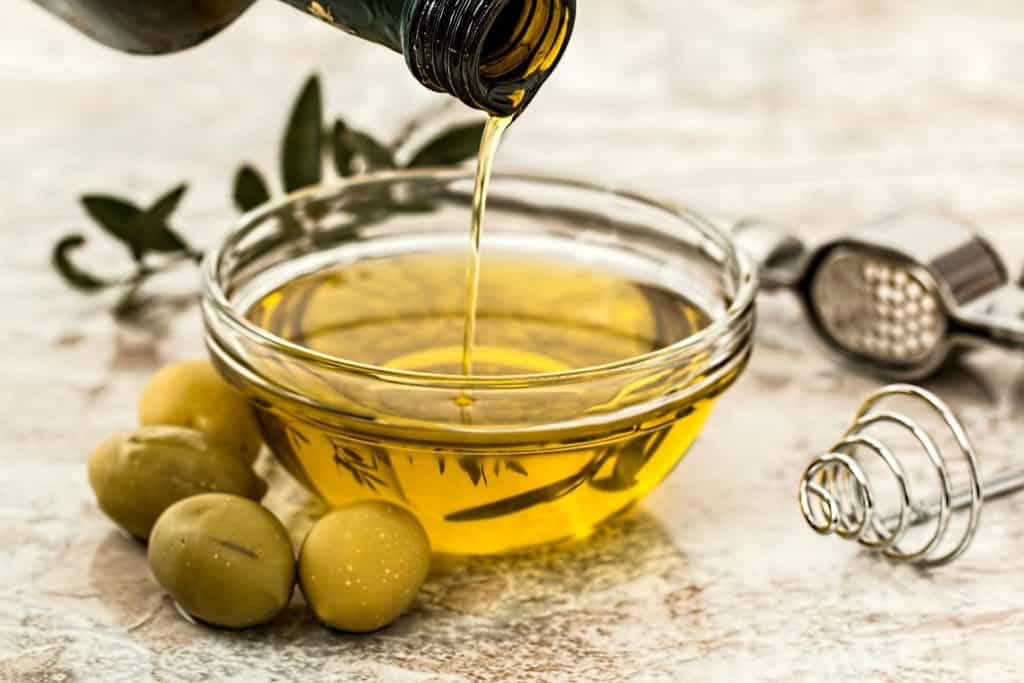
That sleek bottle of olive oil looks timeless, but it’s surprisingly delicate. Light and heat break down its healthy fats, turning the flavor rancid within months. Even unopened bottles slowly lose their brightness over time. The trick is to store it in a cool, dark cabinet, not next to the stove, and aim to use it within six months of opening. Fresh olive oil should taste peppery and vibrant, not musty or flat.
Peanut Butter: The Separation Situation
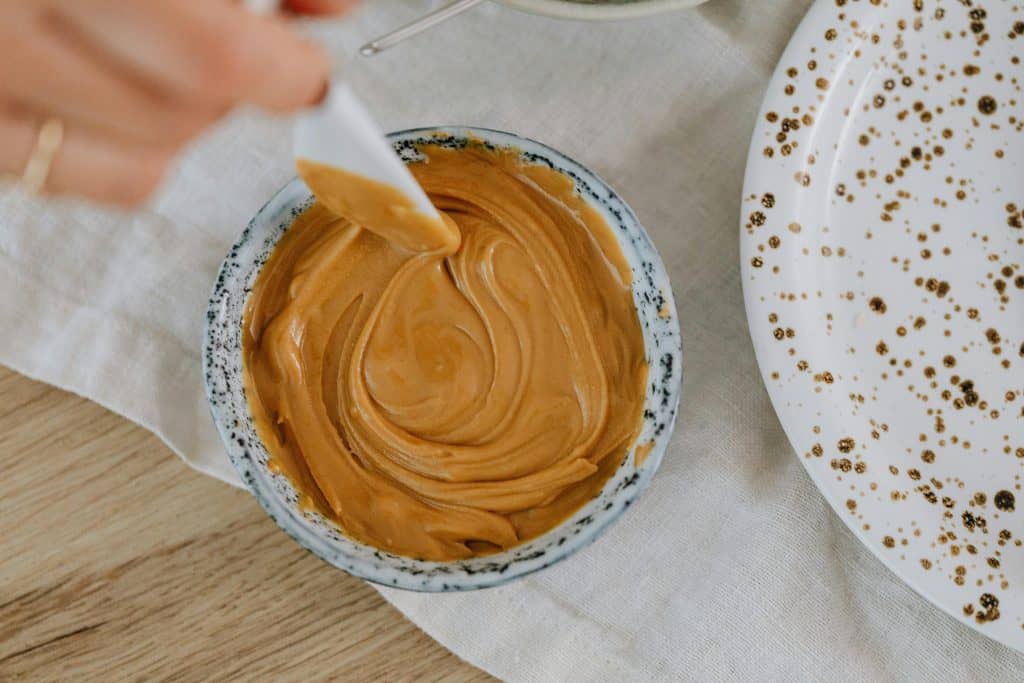
Natural peanut butter without preservatives is a ticking clock. The oils separate and eventually oxidize, leaving a sour taste that ruins toast and sandwiches. The best defense is the refrigerator. Cold slows oxidation significantly. Stir it well before each use, and aim to finish an opened jar within three months. Your PB&J deserves better than rancid spread.
Spices: Silent Flavor Thieves
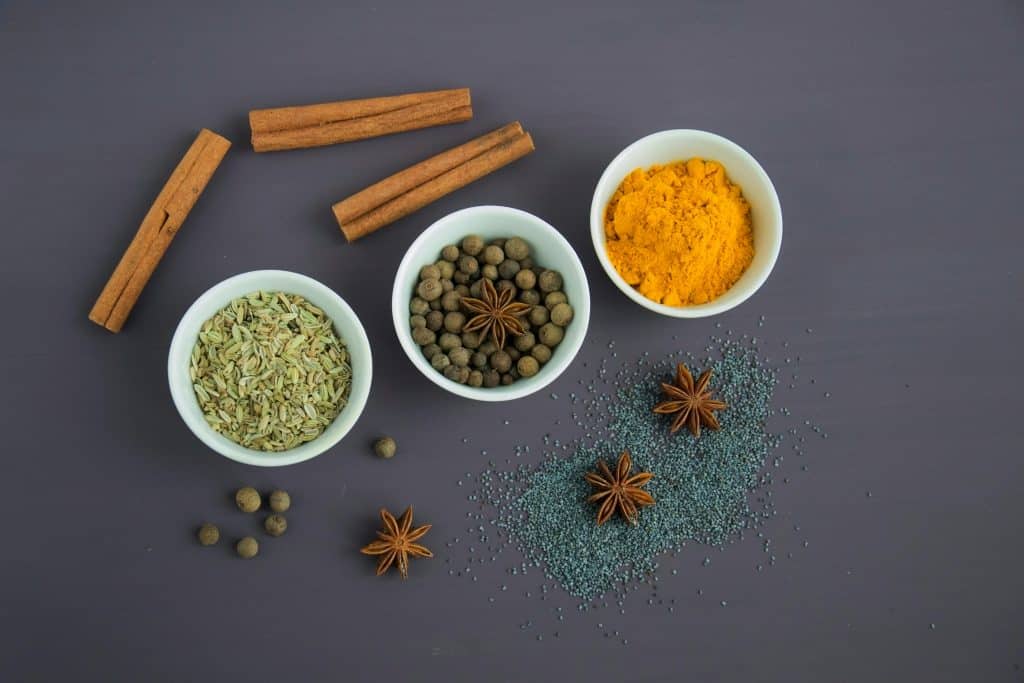
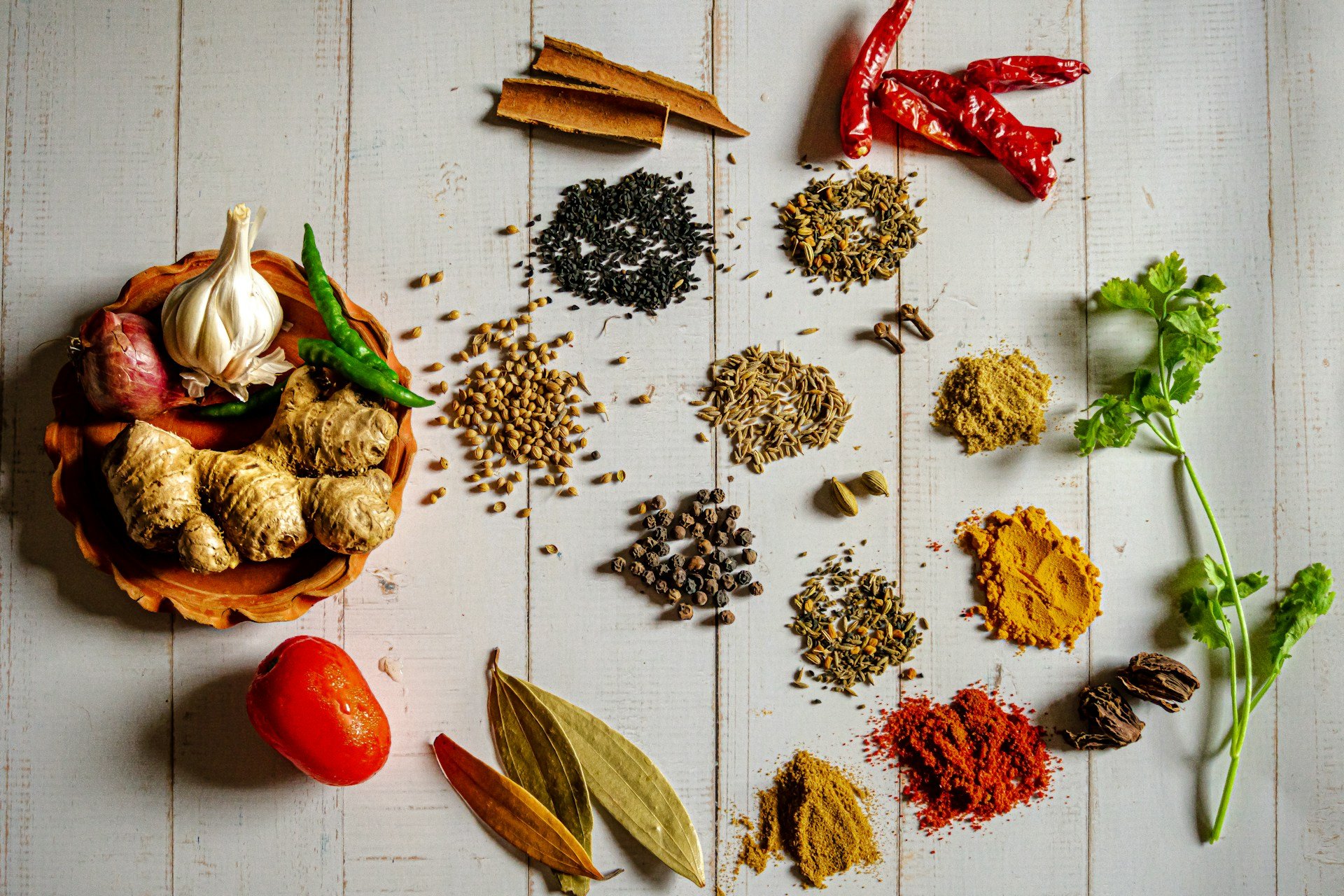
Those colorful jars lined up on your spice rack look pretty, but they’re slowly losing their power. Ground spices fade after about six months; whole spices last a year. Air and sunlight are the culprits, dulling aromas and leaving your cooking flat. Keep them sealed in a dark cabinet, not above the stove, and restock regularly. Your taste buds will notice the difference.
Honey: Eternal Reputation, Finite Quality
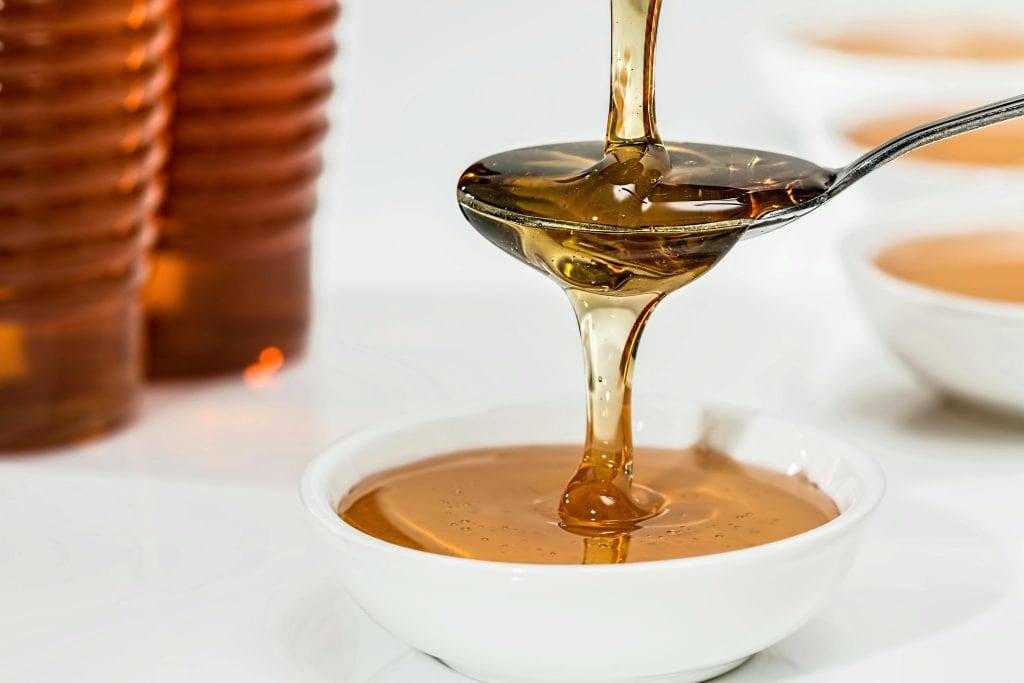
Honey’s reputation for lasting forever is almost true, but not completely. Over time, it darkens, thickens, and loses those delicate floral notes. If moisture sneaks in, it can even ferment. Crystallized honey is still safe, but its quality has declined. Store it tightly sealed in a cool, dry spot and rotate your stash every year or two. Fresh honey should taste vibrant, not just sweet.
The lesson? Even the most trusted pantry staples need a little attention. A few small storage tweaks and regular check-ins can mean the difference between a delicious meal and a disappointing one. Your pantry will thank you.