Foods to Avoid Storing in Plastic Containers and Better Alternatives

Let’s be honest: plastic containers are the unsung heroes of the modern kitchen. They’re cheap, they stack, they seal, and they seem to solve every leftover problem. But here’s the thing: plastic isn’t a completely neutral material. It’s made with a mix of chemicals and additives to make it flexible and clear, and over time, these can interact with your food. You won’t see it happen, but you might taste it—a subtle dulling of flavor, a faint “off” smell, or a general loss of that fresh-made vibrancy. This is especially true for certain foods that just don’t play nice with plastic.
Why Plastic Isn’t a Perfectly Passive Player
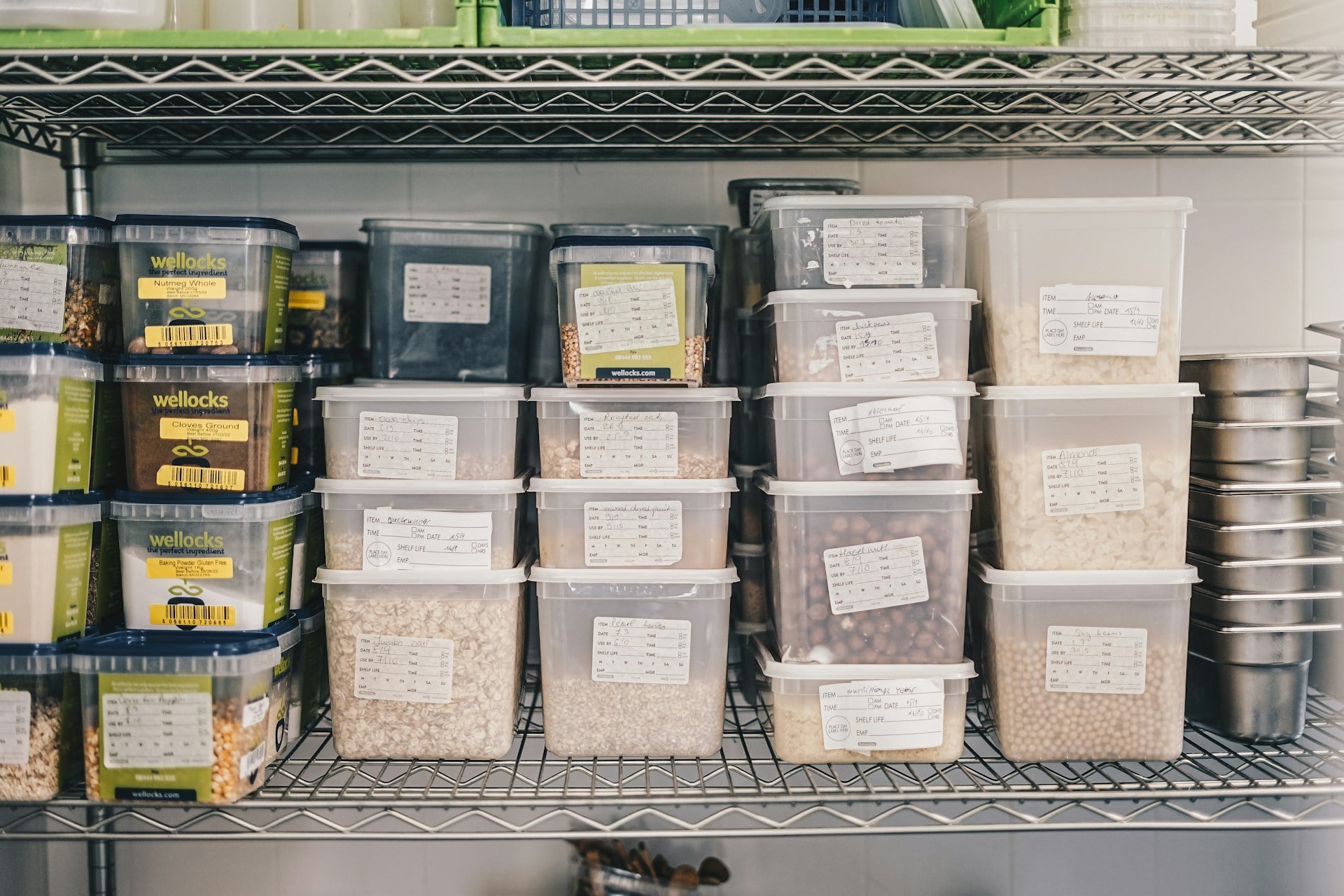
We think of containers as simple vessels, but plastic is chemically active. It’s engineered with additives for flexibility and durability, and these aren’t permanently locked in. Over time, especially when in contact with food for long periods, tiny amounts can transfer. Heat speeds this up dramatically, which is why microwaving in plastic or storing piping-hot leftovers is a bigger concern. While the amounts are small and regulated, the cumulative effect over years of daily use can subtly change your food’s taste and quality, making it less about immediate safety and more about preserving the deliciousness you worked hard to create.
The Foods That Clash with Plastic
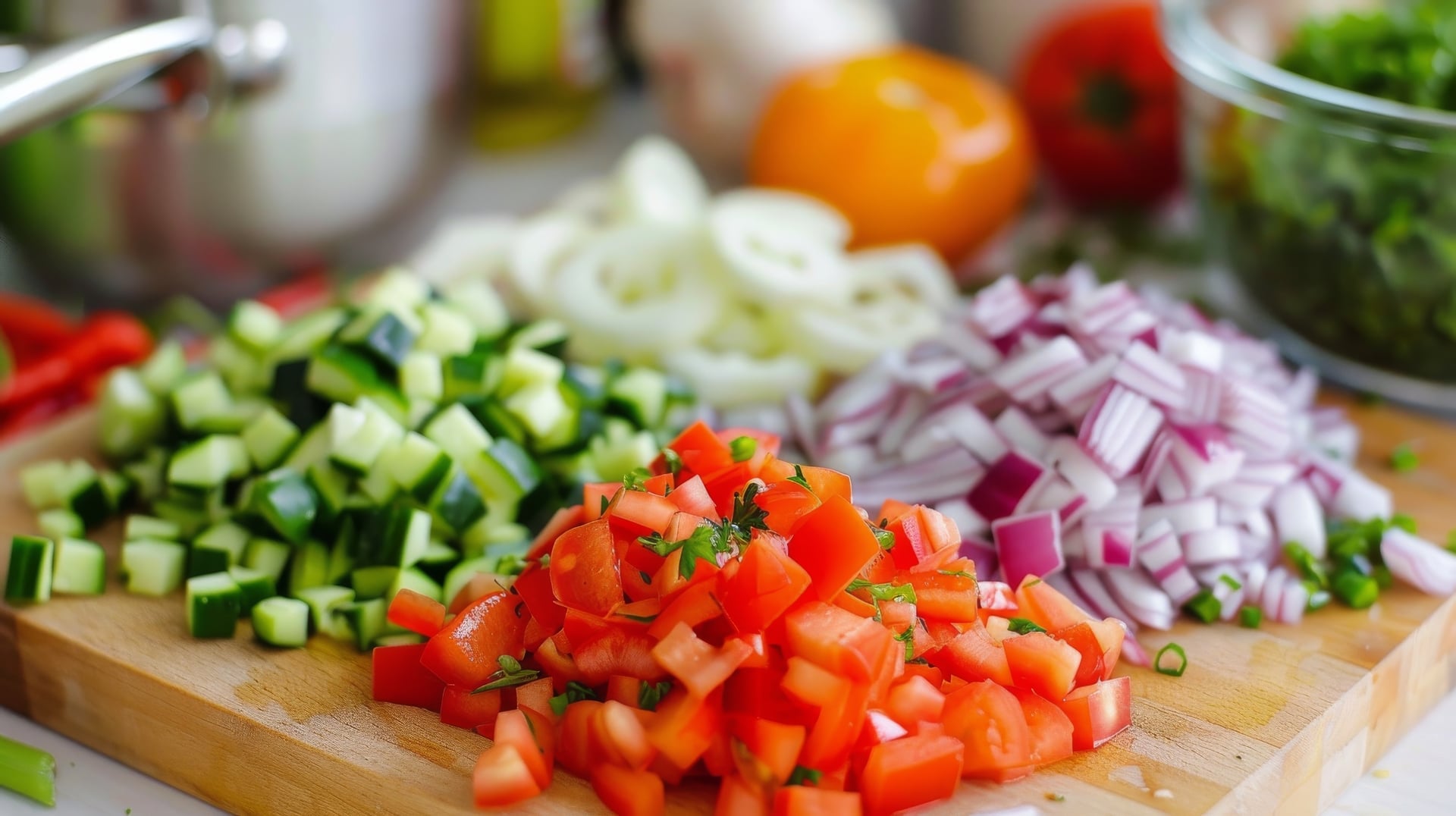
Not all foods react the same way. Some are like magnets for pulling unwanted flavors and compounds out of plastic:
- Fatty Foods: Oils, cheeses, nut butters, and cooked meats act like solvents, making it easier for compounds to migrate from the container.
- Acidic Foods: Tomato sauce, citrus-based dishes, and anything with vinegar can weaken the plastic’s surface, increasing this interaction.
- Strongly Flavored Foods: Garlic, onions, curries, and spicy sauces can leave behind permanent odors and stains in porous plastic, which then transfer to the next thing you store.
If you’ve ever had chili-stained containers that smell like tomatoes forever, or cheese that tasted a bit “plastic-y,” this is why.
The Quiet Culprit: Flavor & Quality Loss
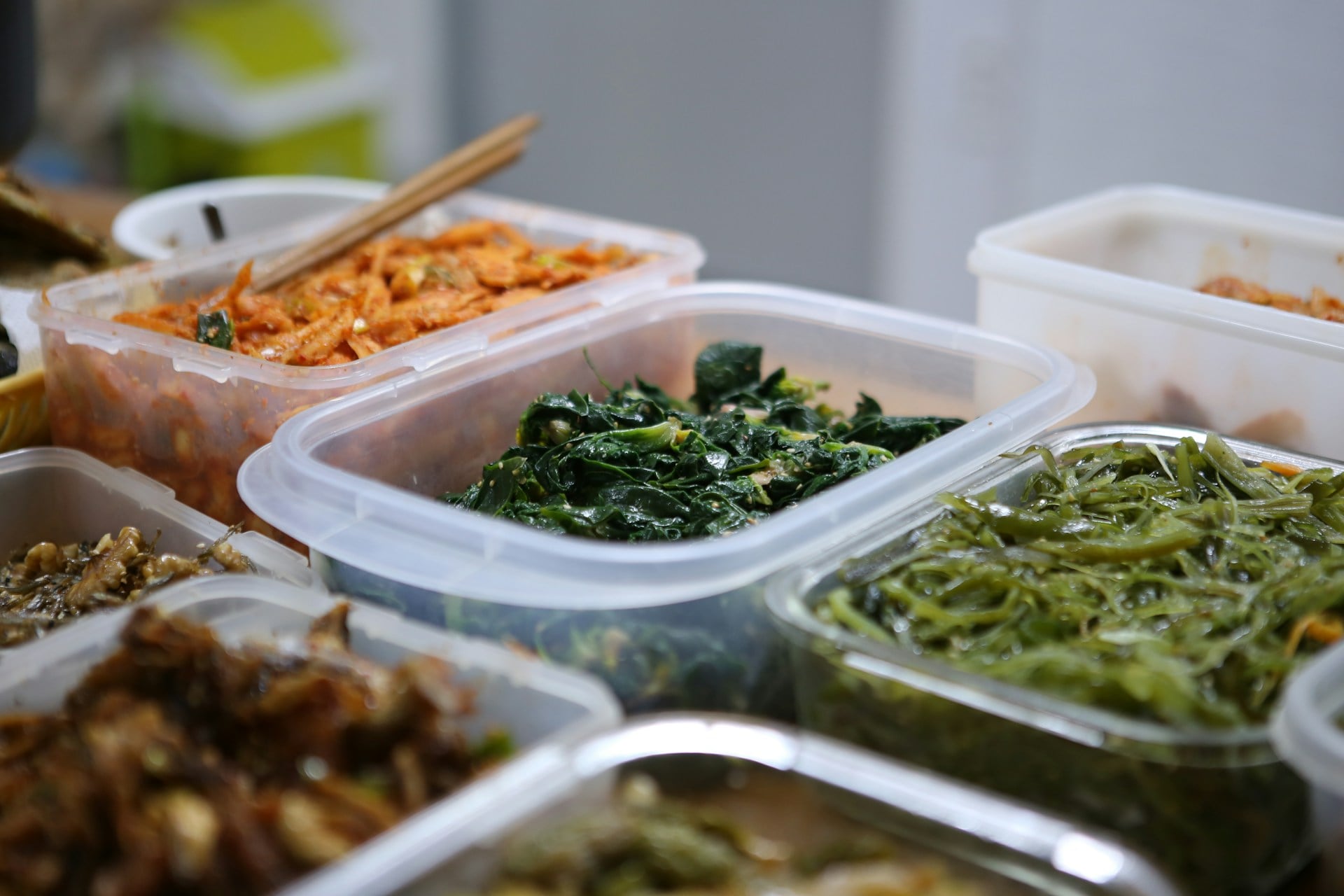
Even if we set aside health debates, plastic can be a real buzzkill for your food’s quality. Plastic is slightly porous, so it absorbs and traps strong odors and pigments. That garlicky pasta from Tuesday can leave a ghost of flavor that haunts your Thursday’s salad. More subtly, plastic doesn’t manage moisture well. It can trap condensation, turning crispy veggies soggy and making leftovers seem mushy or wilted faster than they should. Your food might be technically safe, but it’s lost its spark.
Better, Easier Swaps for Your Kitchen
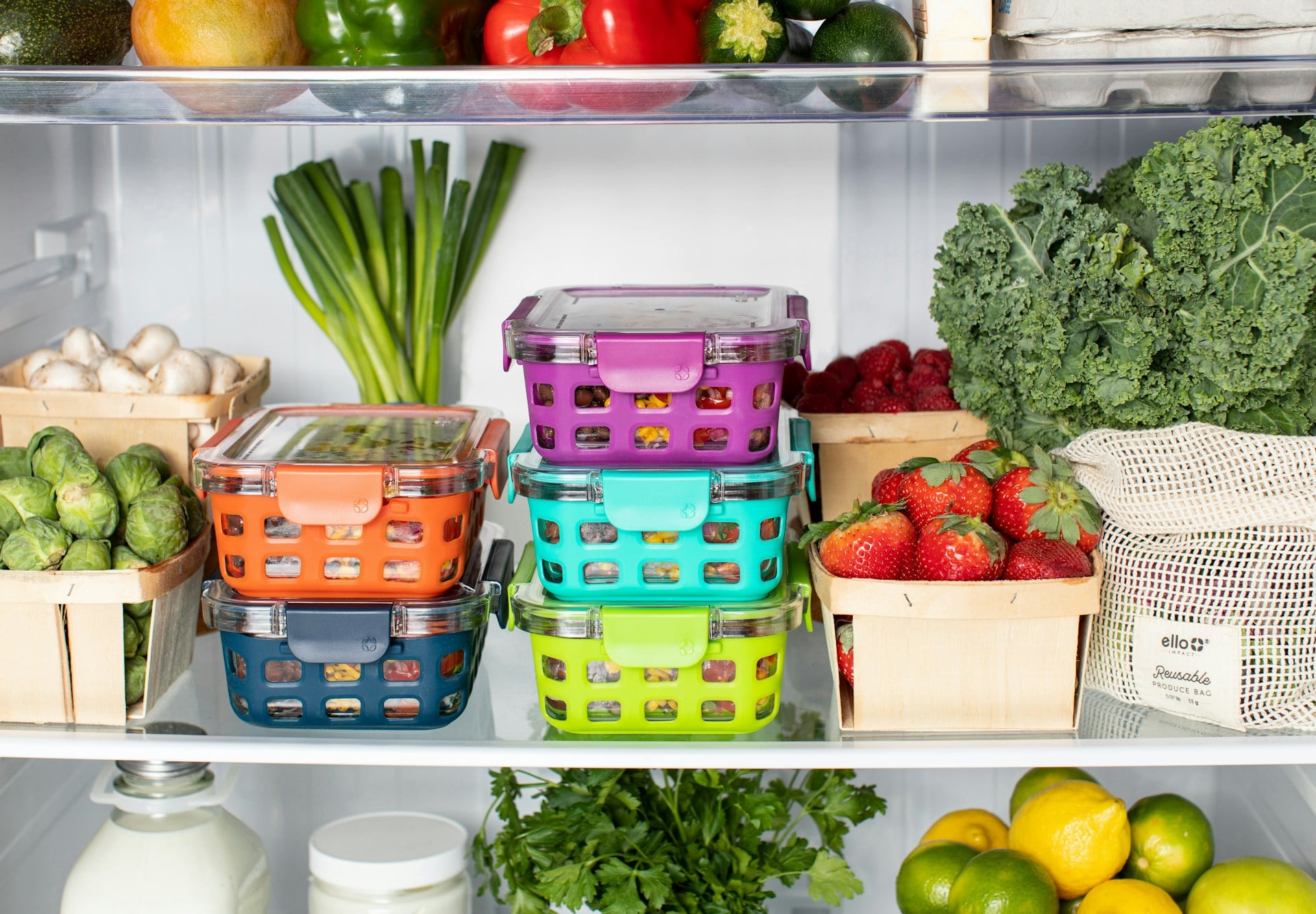
The good news? Upgrading your storage game is simple and doesn’t have to be expensive. Fantastic alternatives are probably already in your kitchen:
- Glass Containers: The all-star choice. They’re completely non-reactive, won’t stain or hold odors, and can go from fridge to microwave to dishwasher without a second thought. They keep flavors pure and are incredibly durable.
- Stainless Steel: Perfect for packed lunches, dry goods, and on-the-go meals. It’s light, tough, and won’t leach anything. (Just don’t microwave it!).
- Ceramic with a Food-Safe Glaze: Great for storing leftovers in the fridge and looks nice on the table, too.
Making the switch isn’t about fear; it’s about giving your food the neutral, stable home it deserves. You’ll notice your leftovers taste fresher, your herbs stay crisper, and you won’t have to play the “what’s that weird smell?” game ever again. It’s a small change that makes a big difference in keeping your meals as tasty as the day you made them.