Condiments That Stay Fresh Without Being Refrigerated

Ever stared at a crowded fridge door and wondered if all those bottles really need to be in there? You’re not alone. Many of us refrigerate condiments purely out of habit. But the truth is, a bunch of your favorite sauces and seasonings are perfectly happy—and often better off—in the pantry. They’re designed with natural preservatives like salt, sugar, and acidity that keep them safe at room temperature. Understanding which ones can stay out can free up precious fridge space and even prevent weird texture changes. Let’s clear up the clutter and look at the condiments that don’t need the cold.
Soy Sauce: The Salty, Fermented Staple
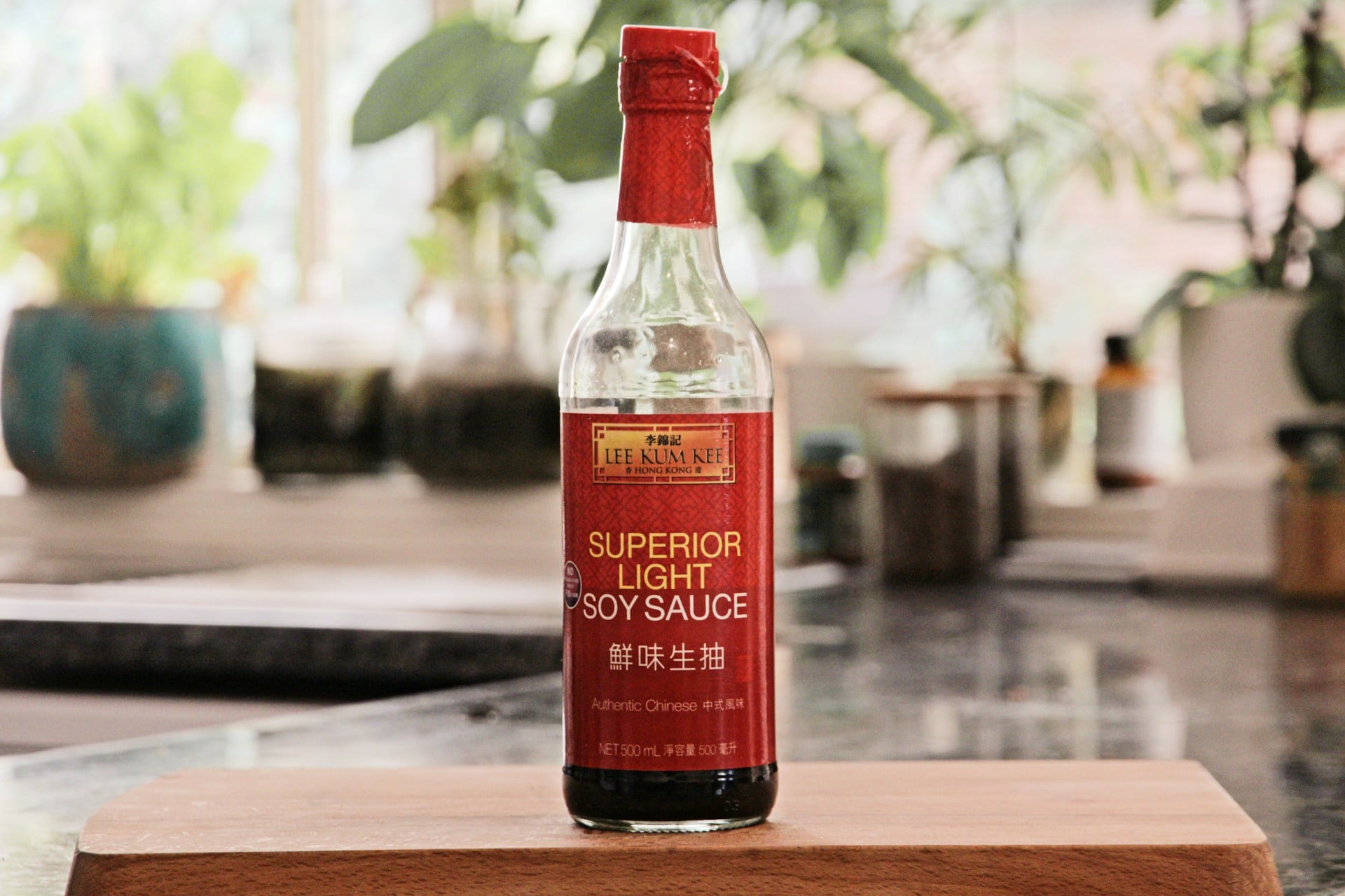
That bottle of soy sauce? It’s basically built to last. It’s fermented for months and packed with salt, creating an environment where spoilage bacteria can’t survive. Refrigeration isn’t necessary for safety at all. Storing it in the pantry might cause it to slowly darken or lose a tiny bit of its aromatic zing over a very long time, but it won’t go bad. Keeping it in a cool, dark cupboard is the way to go.
Honey: Nature’s Perfect Preserve
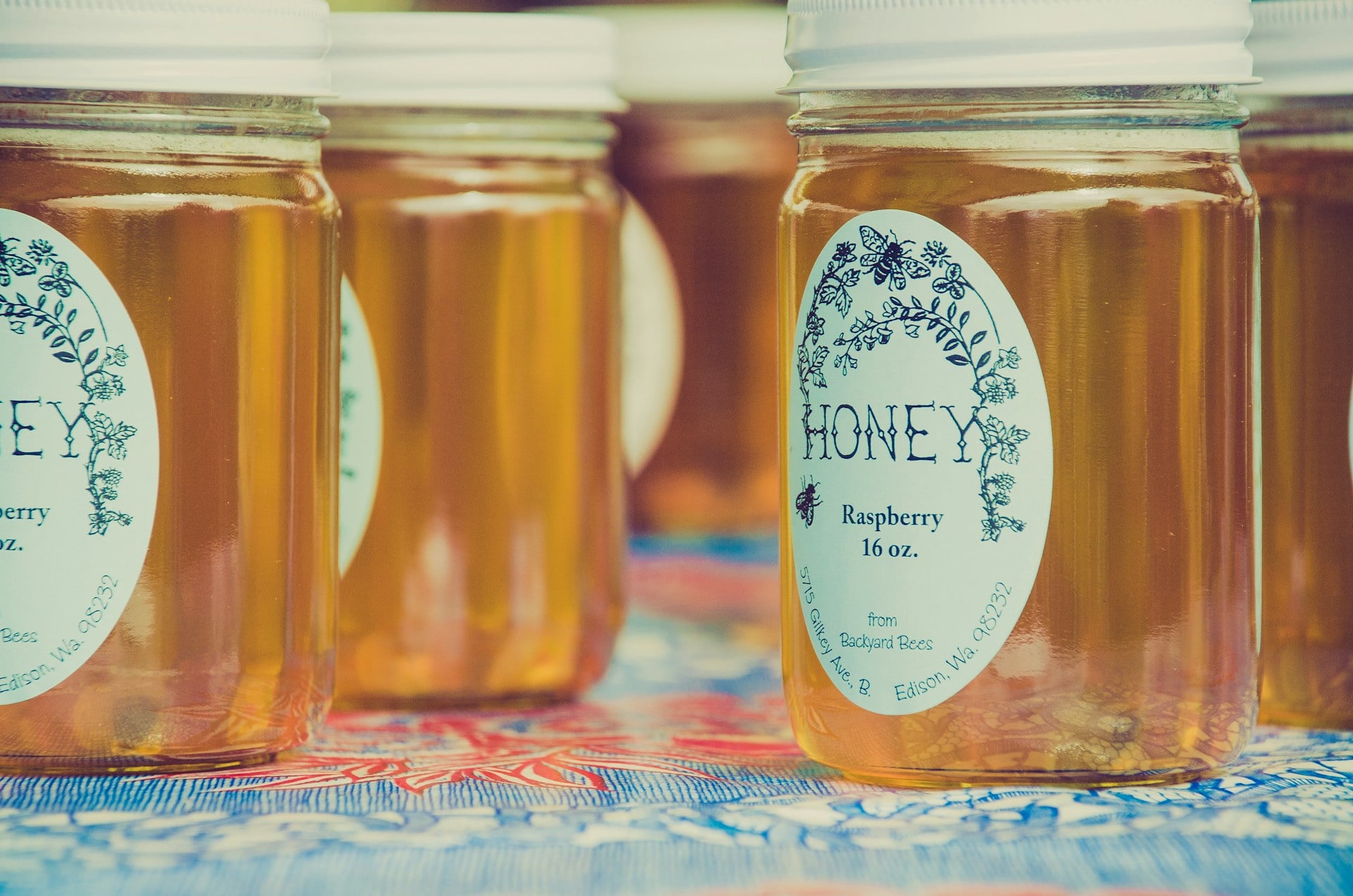
Honey is a culinary marvel—it literally never spoils. Archaeologists have found edible honey in ancient Egyptian tombs! Its magic lies in its very low moisture content and natural acidity, which make it impossible for bacteria to grow. Putting it in the fridge can actually make it crystallize faster, turning it thick and grainy. A spoonful of crystallized honey in your tea is no fun. Keep your honey in the pantry, where it will stay smoothly pourable for years.
Olive Oil: The Pantry’s Best Friend
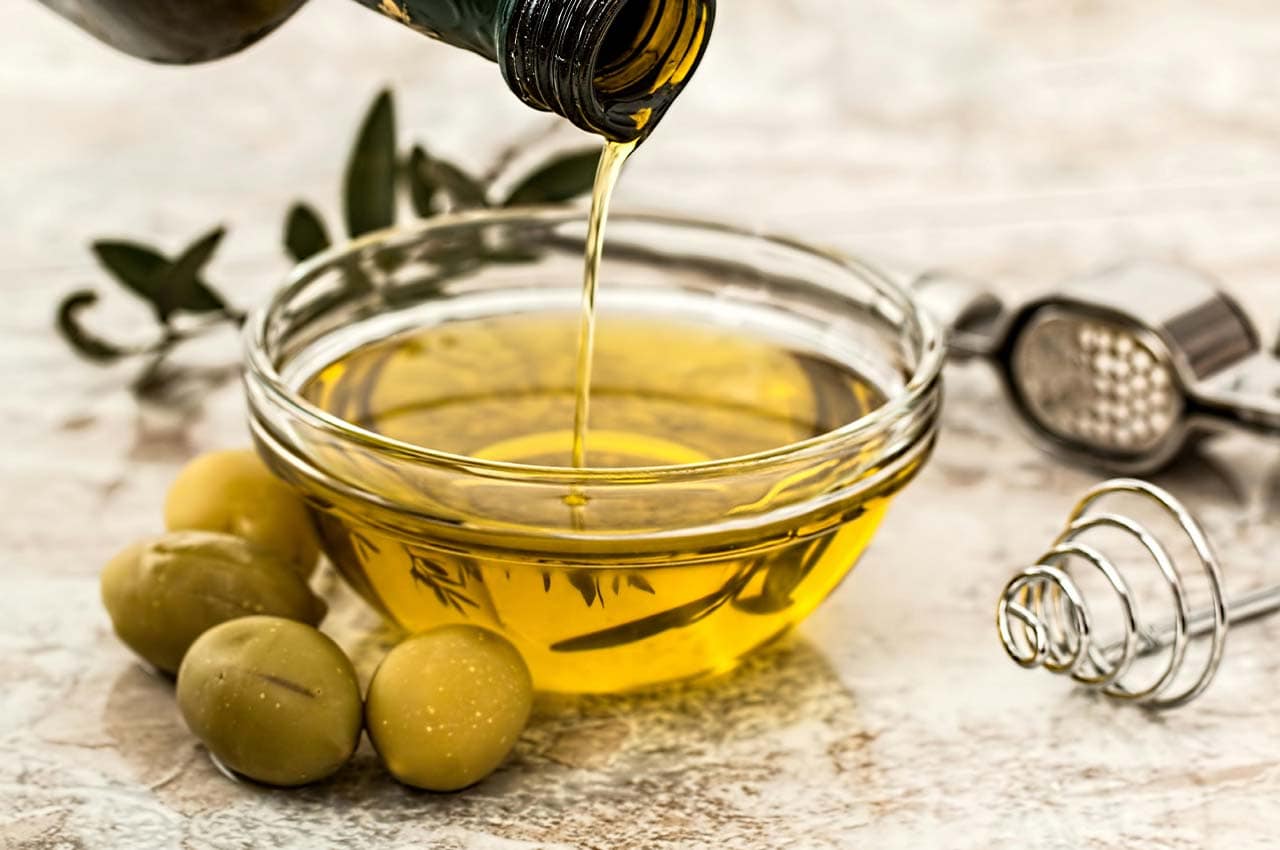
Olive oil is 100% fat, with no water for microbes to live in, so it doesn’t need refrigeration for safety. In fact, putting it in the fridge can cause it to cloud up and solidify, which is just a hassle when you need a quick pour. The real enemies of olive oil are light, heat, and air, which can make it taste rancid over time. Your best bet is to store it in a cool, dark place (like a cabinet) in a tightly sealed bottle. The pantry is its happy home.
White Vinegar: The Self-Cleaning Condiment
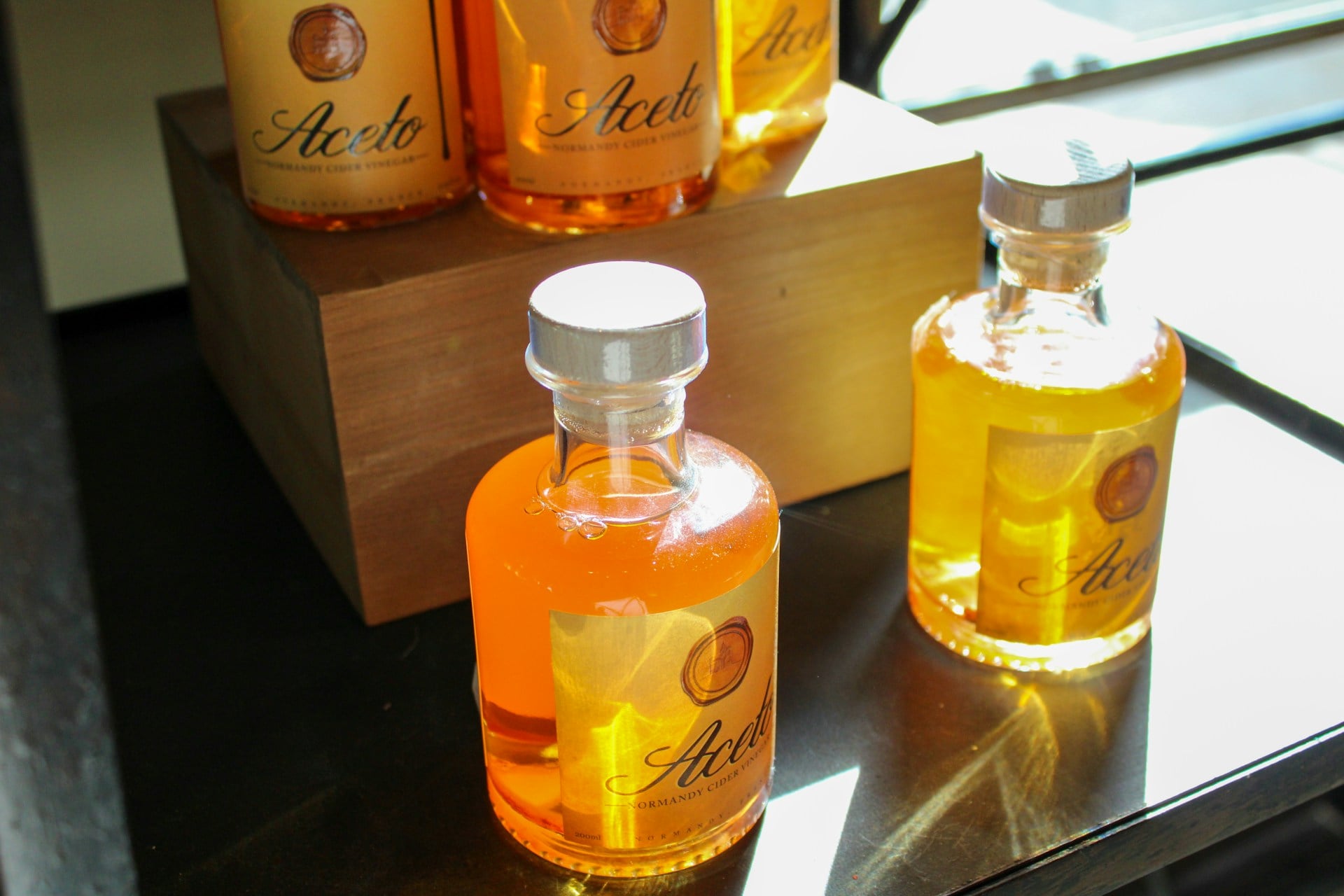
With its sky-high acidity, white vinegar is one of the most stable things in your kitchen. It’s so hostile to bacteria that we use it to clean and preserve other foods! An opened bottle will stay perfectly safe and effective at room temperature forever. It might get a little cloudy or develop some sediment over the years, but that’s harmless. There’s absolutely no need for it to take up space next to your milk.
Hot Sauce: The Fiery Preservative

Check the label on your favorite hot sauce—chances are, vinegar is the first or second ingredient. That acidity, combined with the natural antimicrobial power of capsaicin (the compound that makes peppers hot), makes most hot sauces perfectly shelf-stable. Refrigeration can help preserve its bright color and sharp flavor a bit longer, but it’s not a safety requirement. If you go through a bottle quickly, the pantry is just fine.
Fish Sauce: The Power of Salt & Fermentation
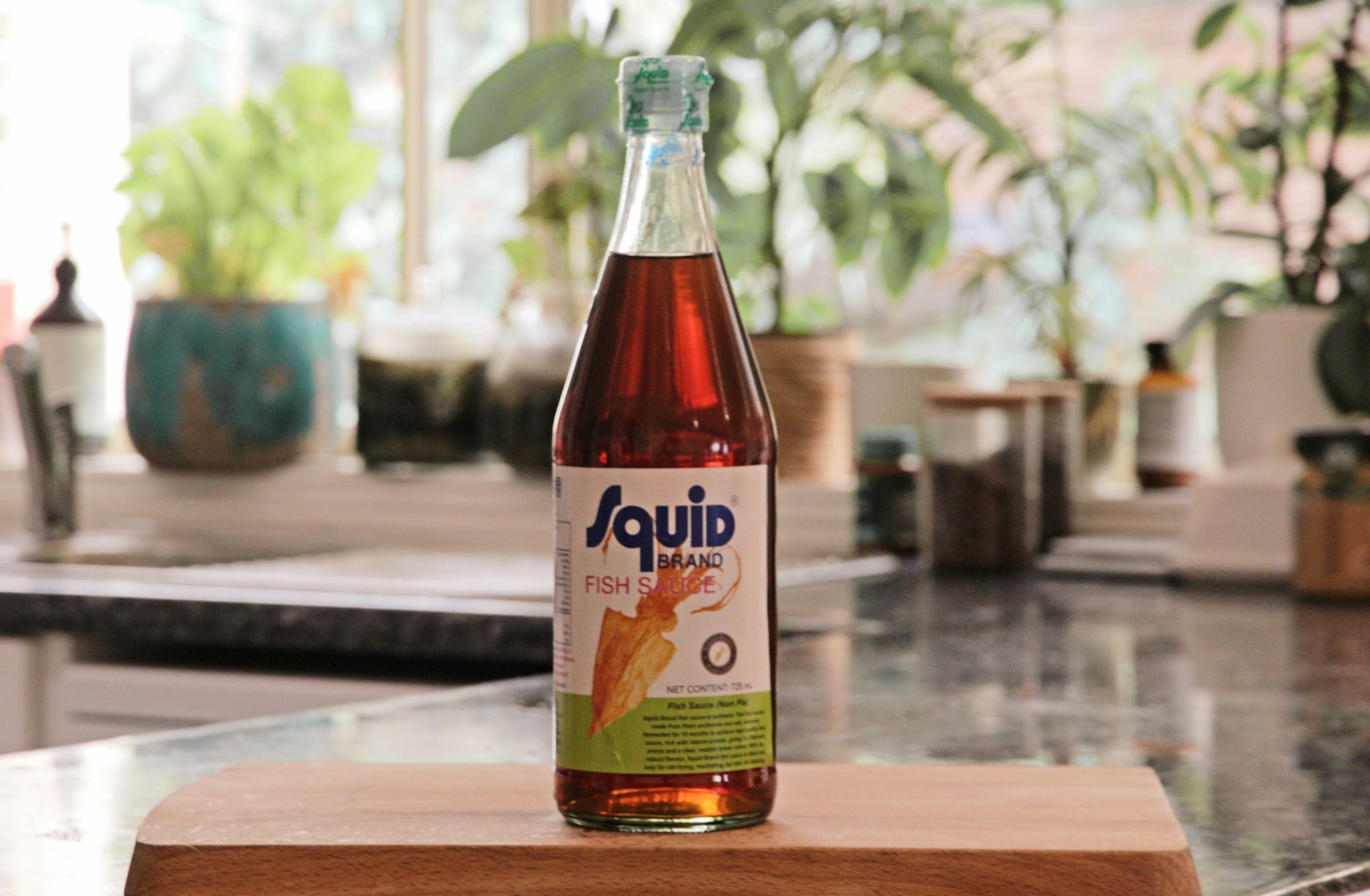
If you’ve ever tasted fish sauce, you know it’s intensely salty. That salt, along with a long fermentation process, is what preserves it. It’s one of the last things in your kitchen that will spoil. Storing it in the fridge can slow down the development of its, let’s say, robust aroma, but it’s not needed to keep it safe. A sealed bottle in your pantry will last for years.
Pure Maple Syrup: A Note on the Sweet Stuff
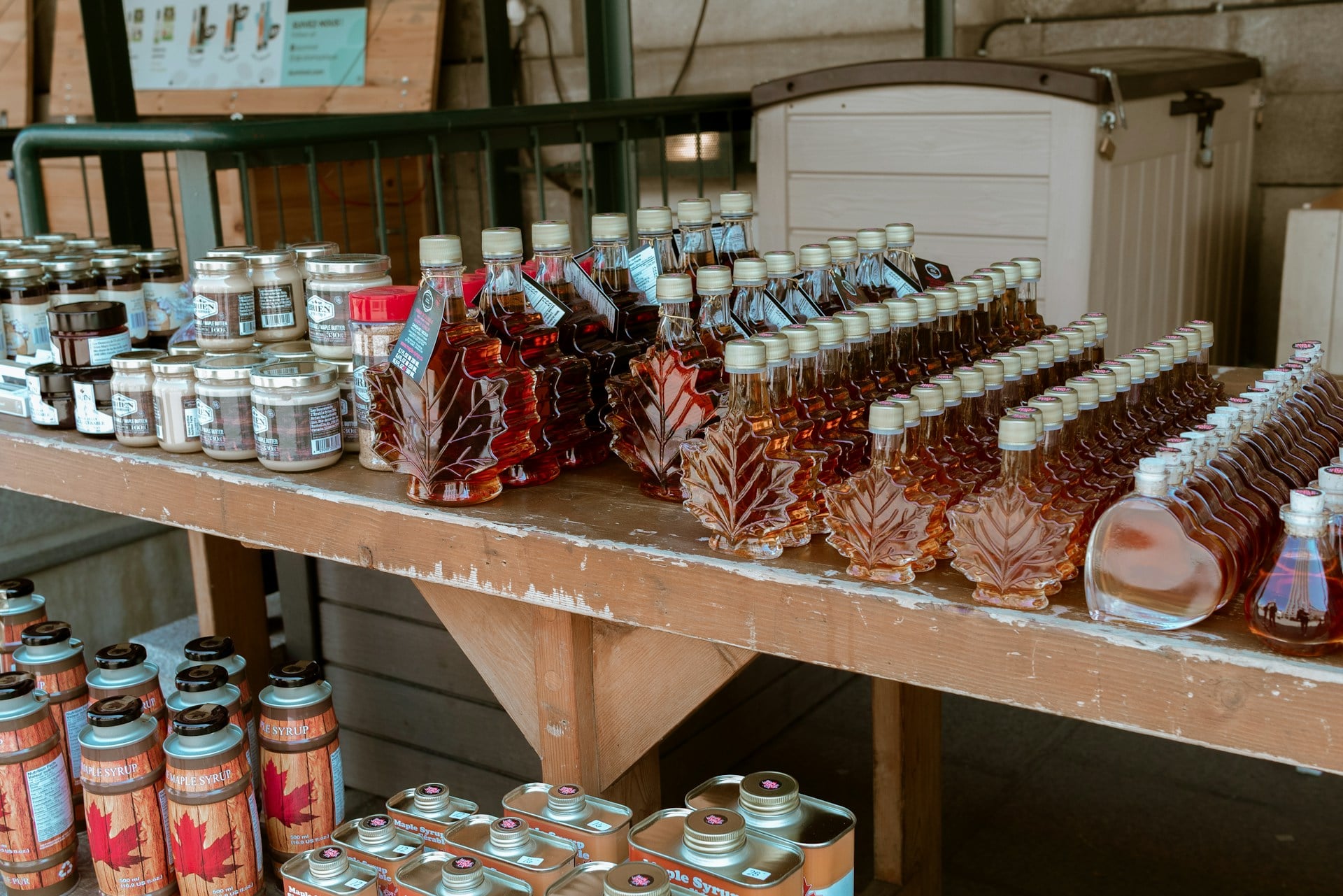
Here’s the one conditional entry. An unopened bottle of pure maple syrup is totally shelf-stable thanks to the boiling process that concentrates its sugars. You can keep it in the pantry until you break the seal. Once opened, however, it’s best to refrigerate it. The combination of sugar and the moisture that sneaks in from the air can allow mold to grow on the surface. So, pantry before opening, fridge after.
Freeing up your fridge real estate is that easy! By keeping these staples in the pantry, you’ll have more room for the things that actually need to stay cold, and you’ll never have to chip crystallized honey out of a jar again.