Iconic American Sandwiches That Captivated Eaters Thirty Years Ago

About 30 years ago, American sandwiches were all about making do with what you had. They weren’t meant to look fancy or Instagram-worthy—they just needed to fill you up and taste good. Lunch could be salty, sweet, creamy, or even a little weird, and nobody thought twice about it.
What really made these sandwiches stick with us is how normal they once felt. You’d find them in lunch boxes, diner booths, church kitchens, and everyday homes—built from whatever was affordable or already in the pantry. That’s exactly why they’ve stayed in our memories, even though most of them have quietly disappeared from modern lunch routines.
Sardine Sandwich
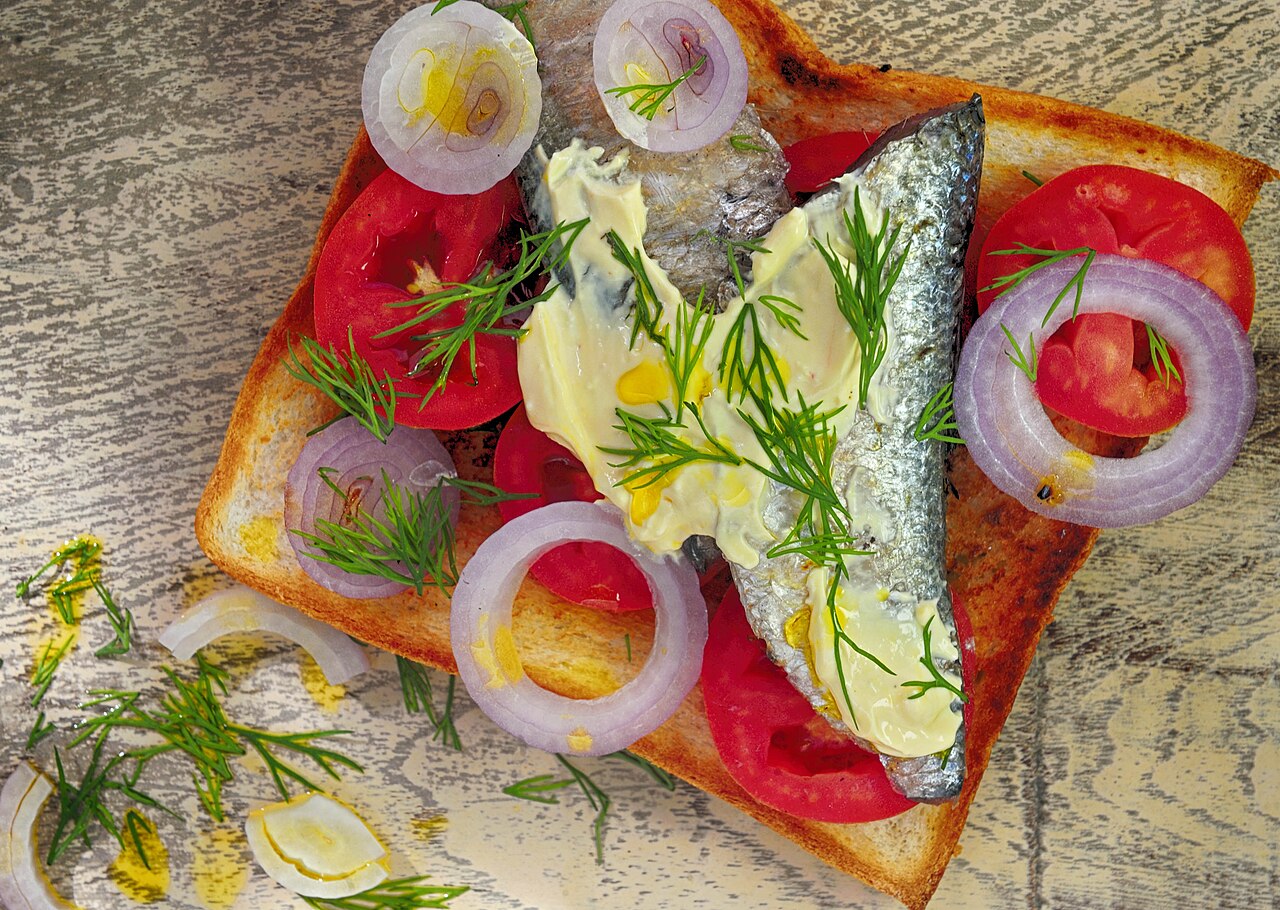
Sardine sandwiches used to make a lot more sense than they do today. Canned fish was affordable, easy to store, and quick to turn into a filling meal with things like onion, mustard, or a squeeze of lemon.
According to Saveur, sardine sandwiches were once common in delis, cafeterias, sandwich shops, and even Automats. Their decline wasn’t really about health—it was more about preference. Over time, people leaned toward milder options like tuna and turkey, leaving sardines behind as tastes shifted toward foods that felt a little easier (and less bold) for everyday lunches.
Peanut Butter And Bacon Sandwich

Peanut butter and bacon was never trying to be subtle—and that’s exactly why people remember it. It brings together sweet, salty, creamy, and smoky all in one bite, and some versions went even further with fried bread or added bananas.
A lot of its fame comes from Elvis Presley, who made the peanut butter, banana, and bacon combo iconic. But it wasn’t just about him. This sandwich reflects a time when people didn’t overthink indulgence. If it tasted good, that was enough—no guilt, no second-guessing, just a really satisfying lunch.
Olive And Cream Cheese Sandwich
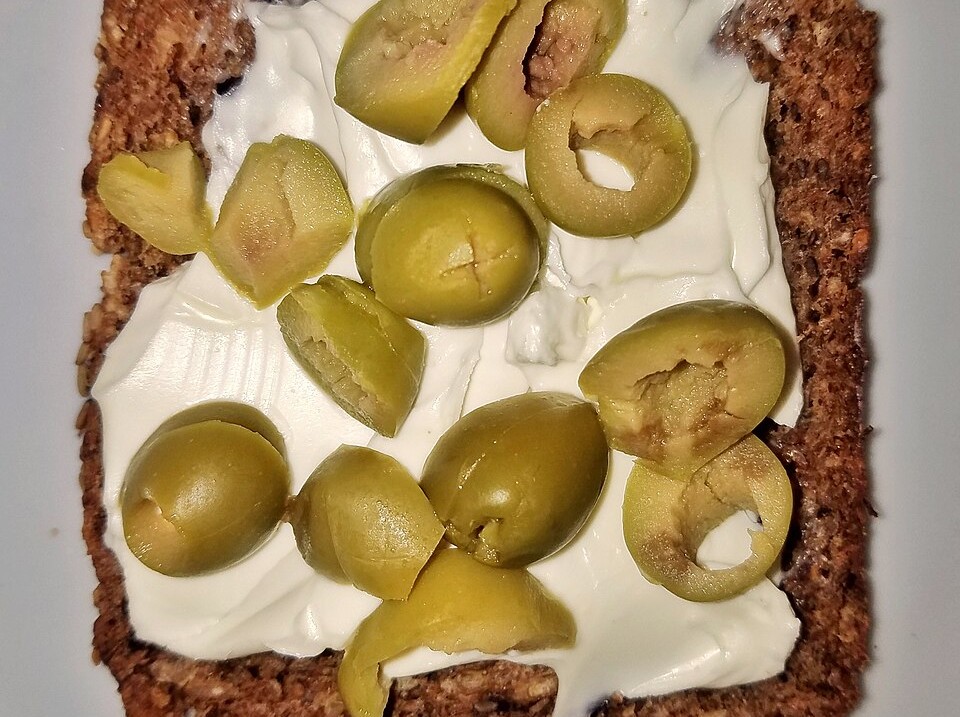
Olive and cream cheese sandwiches have a certain old-school charm to them. Chopped green olives mixed into cream cheese and spread on soft bread created something simple, salty, and just a little bit fancy.
Bon Appétit traces versions of this sandwich back to early 20th-century recipe books, which explains why it stuck around in so many households. By the 1990s, it already felt a bit retro, but plenty of people still loved that creamy, briny flavor. For them, it wasn’t outdated—it was a classic that never needed updating.
Bologna And Ketchup Sandwich
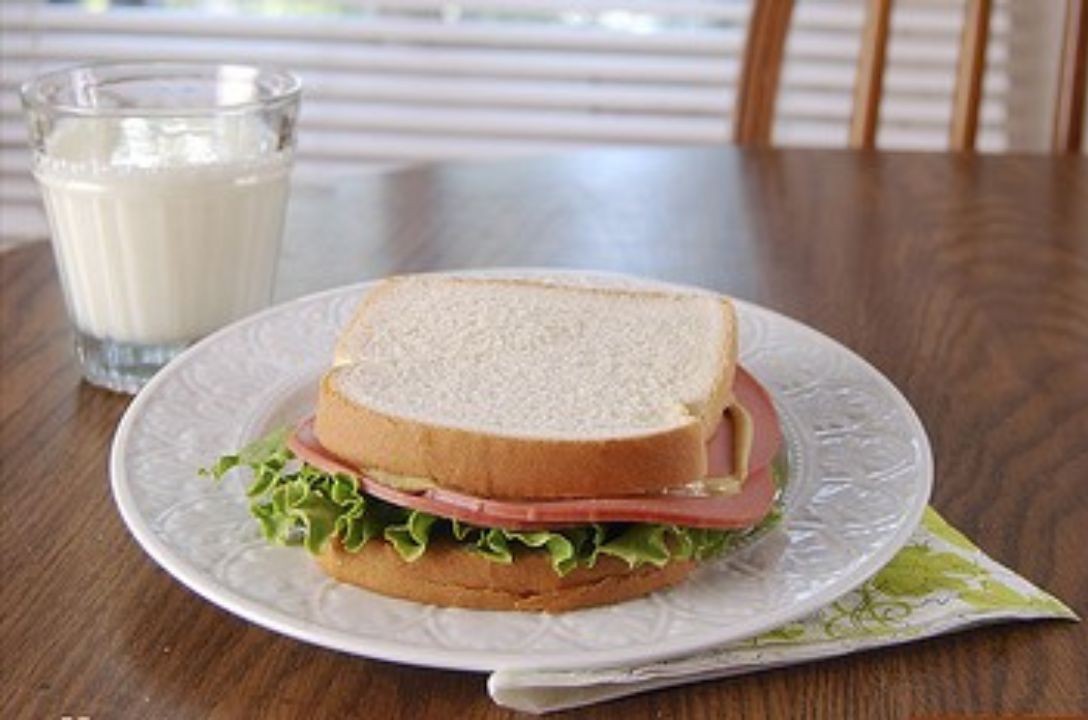
For a lot of kids growing up, bologna on white bread wasn’t anything special—it was just lunch. Add ketchup, and you got that sweet-and-salty combo that made it quick, cheap, and easy to throw together before school.
Eater points out that bologna became a staple in school lunches and early lunch programs, which explains why so many people remember it. The ketchup version definitely feels tied to a more processed era, but that’s part of its charm. It brings back memories of paper lunch bags, busy mornings, and meals that were all about convenience.
Tongue Sandwich
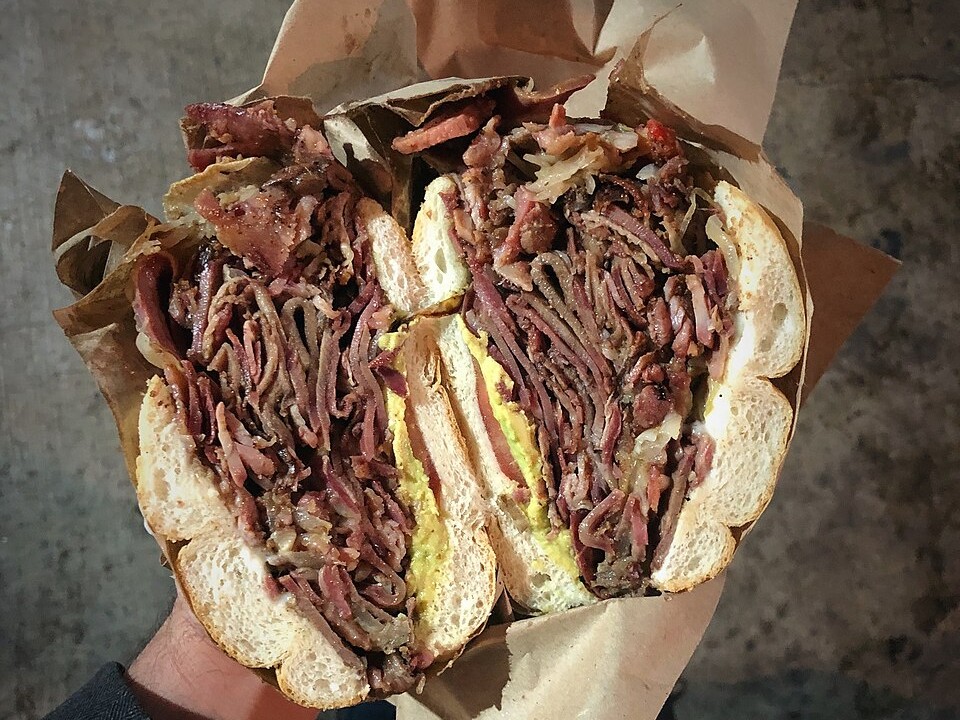
The tongue sandwich used to be right at home in classic Jewish delis and old lunch counters, usually served on rye with mustard. Thin slices of beef tongue were tender and flavorful, and for many people, it was just another normal option on the menu.
Saveur explains that dishes like pickled tongue came from traditional Jewish food culture brought to the U.S. Over time, though, the name alone started to turn people away. By the 1990s, it already felt like something from another era—not because it didn’t taste good, but because fewer people were willing to give it a try.
Pickle And Peanut Butter Sandwich
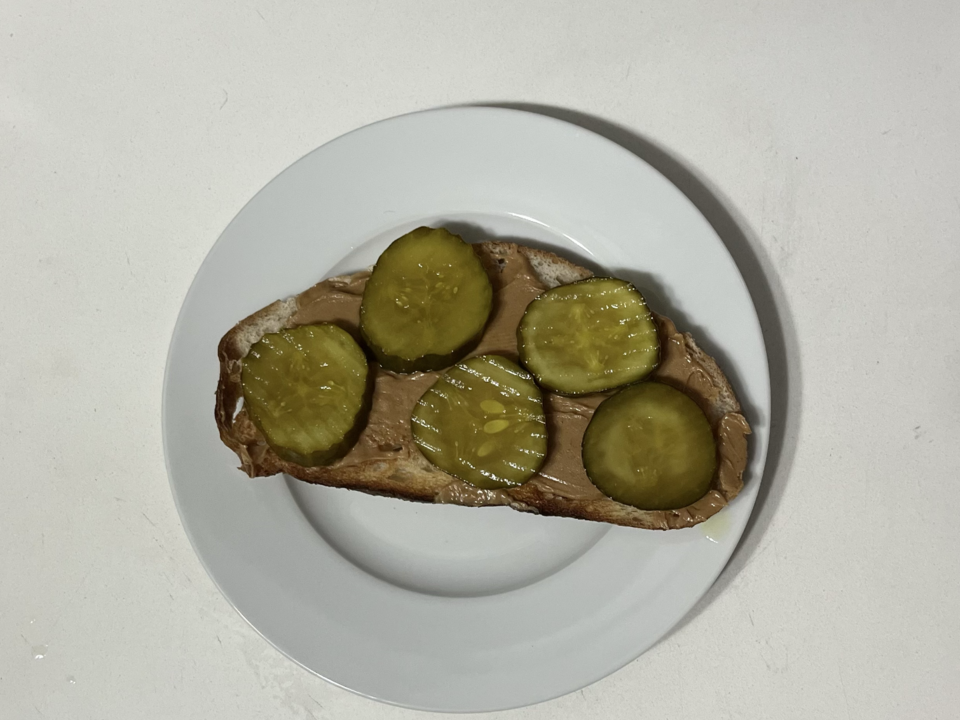
Pickle and peanut butter might sound like a strange combo, but it actually goes back further than you’d think. During the Depression, people often paired pantry staples together to make meals stretch, and this mix of creamy and crunchy ended up sticking around.
Wide Open Country connects it to that era of practical cooking and lunch-counter creativity. It never became everyone’s favorite, but it did gain a loyal following. By the 1990s, it felt a little quirky—but not completely out of place in the world of nostalgic sandwiches.
Liverwurst Sandwich
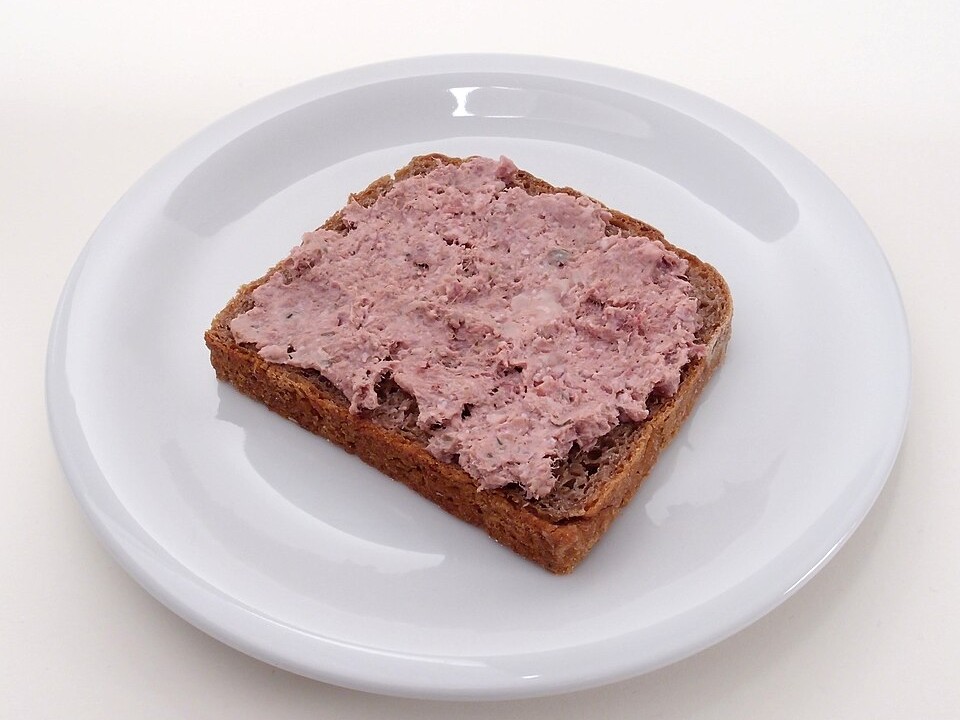
Liverwurst on rye with mustard or onion comes from a different kind of sandwich tradition—one shaped by immigrant communities and old-school delis. It’s rich, savory, and definitely bold, which made it a favorite for some and a hard pass for others.
Food52 notes that Central and Eastern European immigrants brought liverwurst to the U.S. in the early 1900s. By the 1990s, it was already starting to fade as people leaned toward milder options. Still, in places where deli culture stayed strong, it held on as a familiar and beloved choice.
Banana And Mayonnaise Sandwich
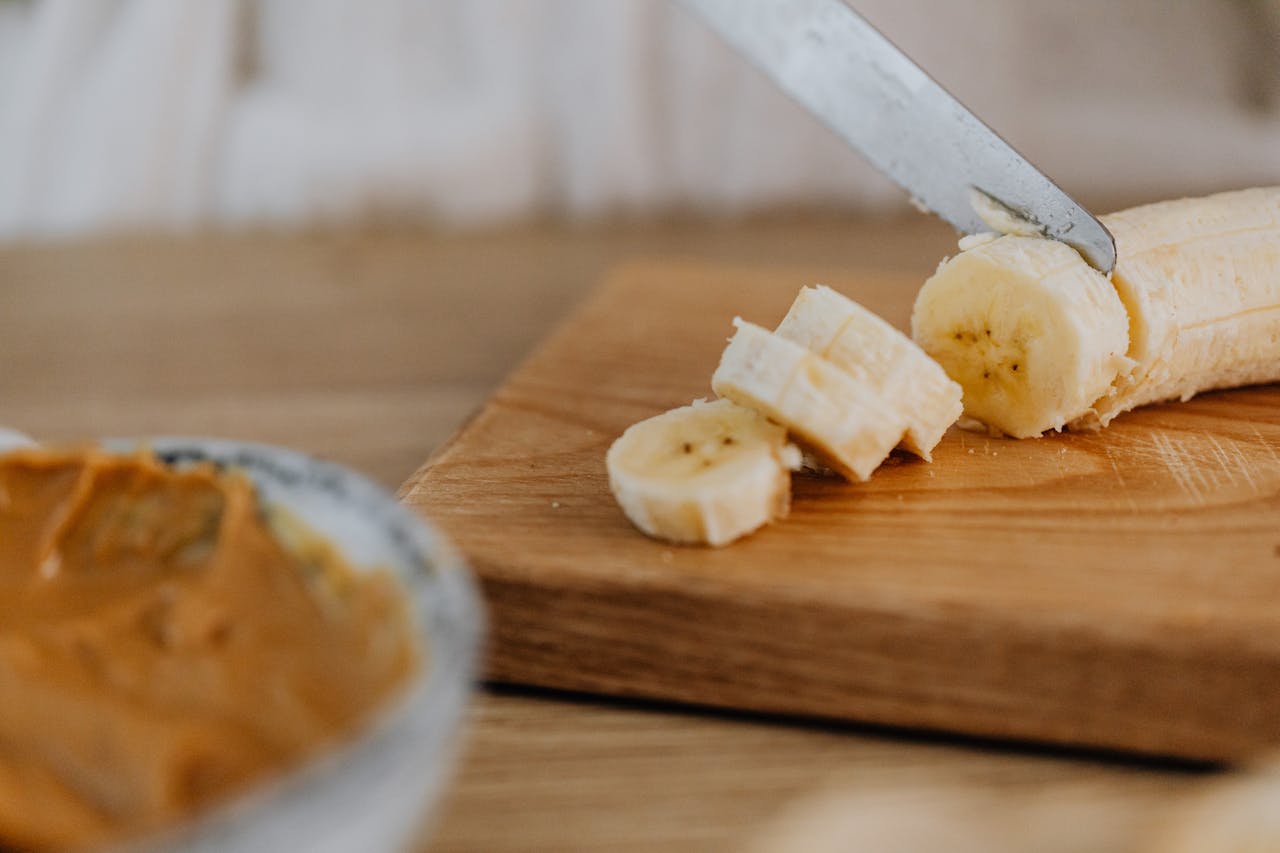
Banana and mayonnaise might sound odd now, but in a lot of Southern homes, it was just another simple lunch. Soft white bread, sliced bananas, and a swipe of mayo came together into something quick, affordable, and surprisingly satisfying.
What kept it around for so long wasn’t just the taste—it was the practicality. Southern Living ties it back to Depression-era cooking, when people needed meals that were cheap and filling above all else. By the 1990s, it already felt a little old-school, but plenty of families still loved it. For them, it wasn’t strange at all—it was comforting, familiar, and perfect for an easy afternoon bite.