How a Recent Restaurant Rule Is Dividing Generations of Diners

QR-only menus spread fast when restaurants wanted contactless service and fewer shared touchpoints. What began as a practical pandemic fix slowly hardened into a default rule at many tables. That rule now annoys far more people than the early hype suggested. Recent Ipsos polling found that 58 percent of diners wanted to go back to paper menus, while only 39 percent hoped QR-menu use would continue.
Older diners do react more negatively than younger ones, but they are not alone in the backlash. Restaurant Dive reported that 47 percent of consumers were uncomfortable using QR codes in restaurants, including 65 percent of people age 60 and older. That means the real story is not boomers versus everyone else. It is a broader fight over whether a restaurant should make dinner easier or quietly turn the customer into part of the workflow.
How QR Menus Became a Standard Restaurant Rule
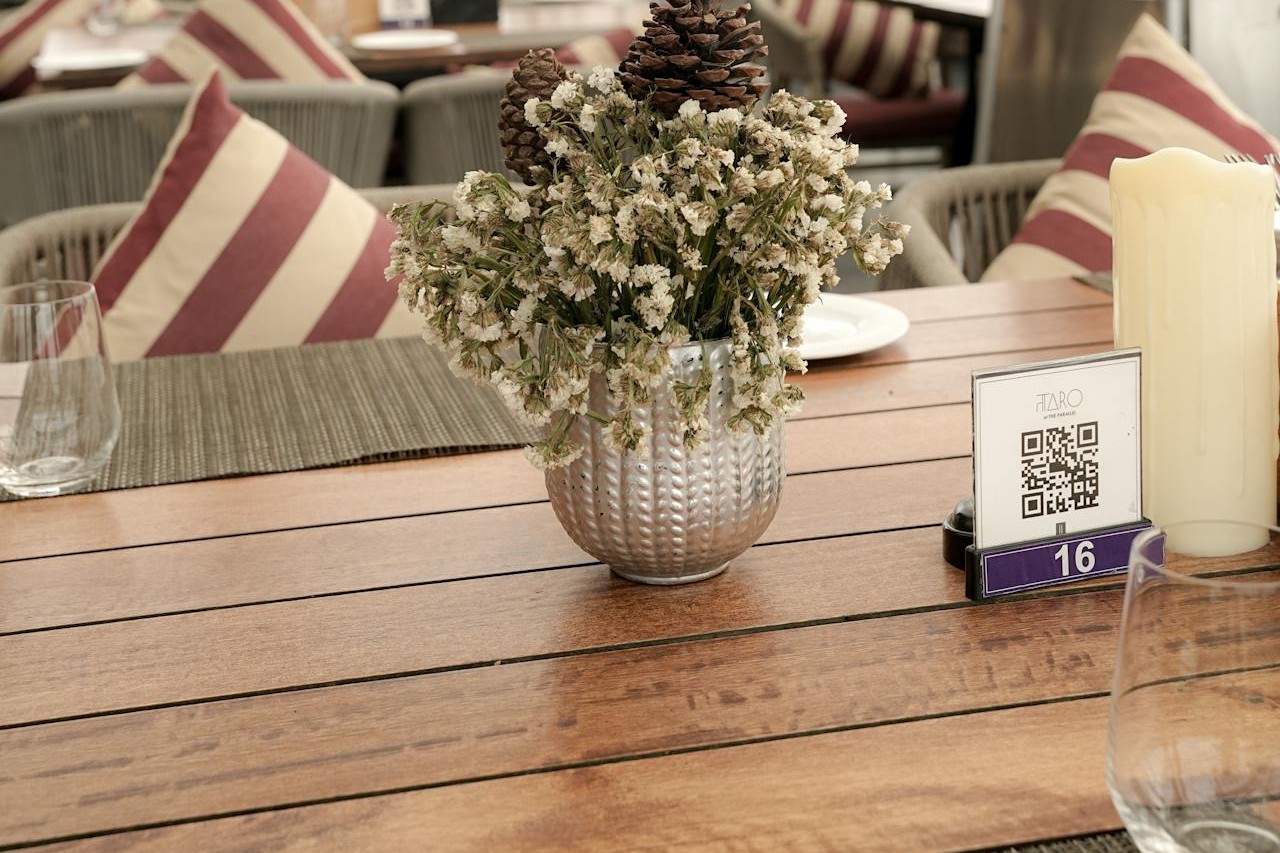
QR menus took off when restaurants needed a quick contactless workaround. They were cheap to launch, easy to update, and useful during a period when paper menus felt riskier. Operators also had obvious financial reasons to keep them. Digital menus reduced reprinting costs and made price changes simpler when supply costs kept shifting.
At first, the customer pitch sounded reasonable too. Scan the code, see the menu instantly, and skip one more object being passed from hand to hand. The problem is that a temporary health-era fix slowly became permanent in places where the urgency had disappeared. That is where convenience for the restaurant started colliding with comfort for the guest.
Why the Backlash Is Broader Than Boomers
The strongest recent survey signal is not generational rage but general fatigue. Ipsos found that nearly three in five people wanted paper menus back, which is far too broad to call a narrow boomer complaint. That same Ipsos tracking also showed softer support for digital menus over time. In 2025, just 37 percent said they liked the experience of using digital menus generally.
Usage does not prove enthusiasm either. Tasting Table cited Sauce reporting that 62 percent of QR scans come from people ages 18 to 34, but scan share only shows who uses the tool more often. A younger diner may scan without trouble and still dislike the ritual. That is one reason age-based caricatures fall apart once you look at broader satisfaction data.
Axios reader feedback in multiple cities also showed complaints cutting across different kinds of diners. People objected to screens at the table, clunky reading experiences, and the feeling that dinner was becoming work. There were supporters too, which matters. Some readers liked easier zooming, less table clutter, and the ability to order or pay without waiting on a server.
So the better framing is not that everyone hates QR menus. The better framing is that many diners dislike mandatory QR-only menus, even if some still appreciate digital options. That difference changes the whole discussion. The backlash is real, but the cleanest data supports frustration with the rule itself, not universal agreement on one side of a generational feud.
Why Boomers Feel the Change More Sharply
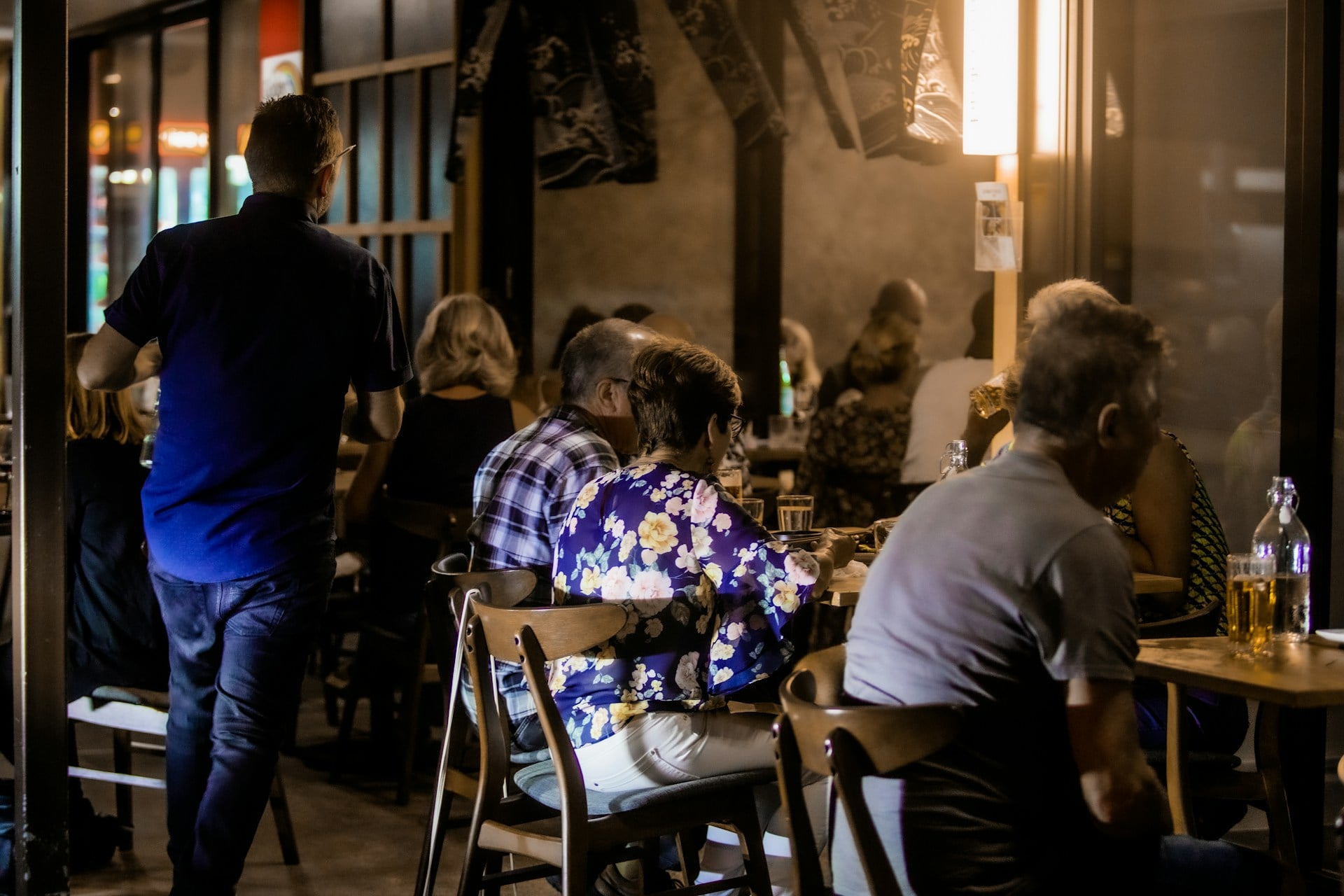
Boomers are still the group most likely to push back loudly. Survey reporting showed that discomfort with QR codes rises sharply among older adults compared with the public overall. That gap is easy to understand. A restaurant menu used to be the simplest part of a meal, and QR-only systems can turn it into a tiny tech test before anyone orders a drink.
There is also a hospitality issue buried inside the complaint. A paper menu feels like a service gesture, while a code can feel like the restaurant is handing the guest another job. That is why the reaction often sounds emotional rather than technical. The frustration is partly about devices, but it is also about whether the dining room still feels welcoming from the first minute.
The Practical Complaints Are Hard To Shrug Off
The first problem is friction. Diners sit down expecting a menu and instead get a code, a phone task, and often a page that loads badly or formats poorly. Poor design makes the experience worse fast. Many QR menus open as awkward PDFs that force constant zooming, scrolling, and hunting for basic information.
Battery life and signal strength also matter more than restaurants like to admit. A dead phone, weak connection, or bad camera can turn a simple dinner step into a pointless obstacle. Then there is the privacy discomfort. Some customers dislike scanning unknown codes, especially when they lead to strange sites, giant files, or unexpected app prompts.
The phone itself changes the mood of the meal. Many diners do not want to pull out a screen at the table because once it is there, the meal already feels a little less social. That is why the self-checkout comparison keeps surfacing. People feel they are paying for service while still being asked to do more of the work themselves.
Even when the system works, it can still feel thin. The customer may get efficiency, but not the sense of ease that a sit-down restaurant is supposed to provide. Small frictions pile up quickly in hospitality. One extra annoyance at the start of the meal can color everything that follows.
Why Restaurants Keep Using Them Anyway
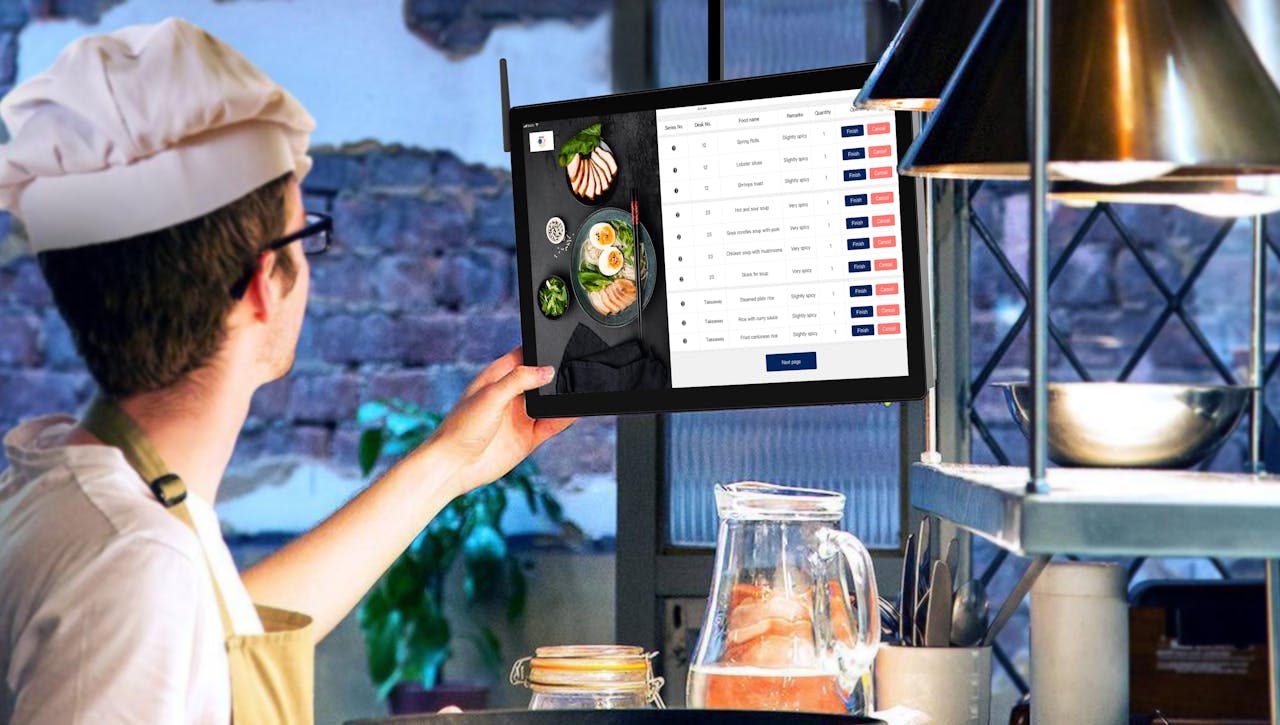
The business case still has weight. QR menus are cheaper to maintain and much easier to edit when prices or ingredients change. For operators dealing with thin margins, those savings are real. A digital menu can trim printing costs and reduce the hassle of updating every physical copy in the building.
Restaurants also know some customers genuinely like the format. Accessibility benefits, zoom features, and pay-by-phone convenience are all real advantages for certain diners. That is why the format has not disappeared completely. It solves enough operator problems, and enough customer problems, to stay alive even under heavy criticism.
Why Choice Beats a Hard QR-Only Rule
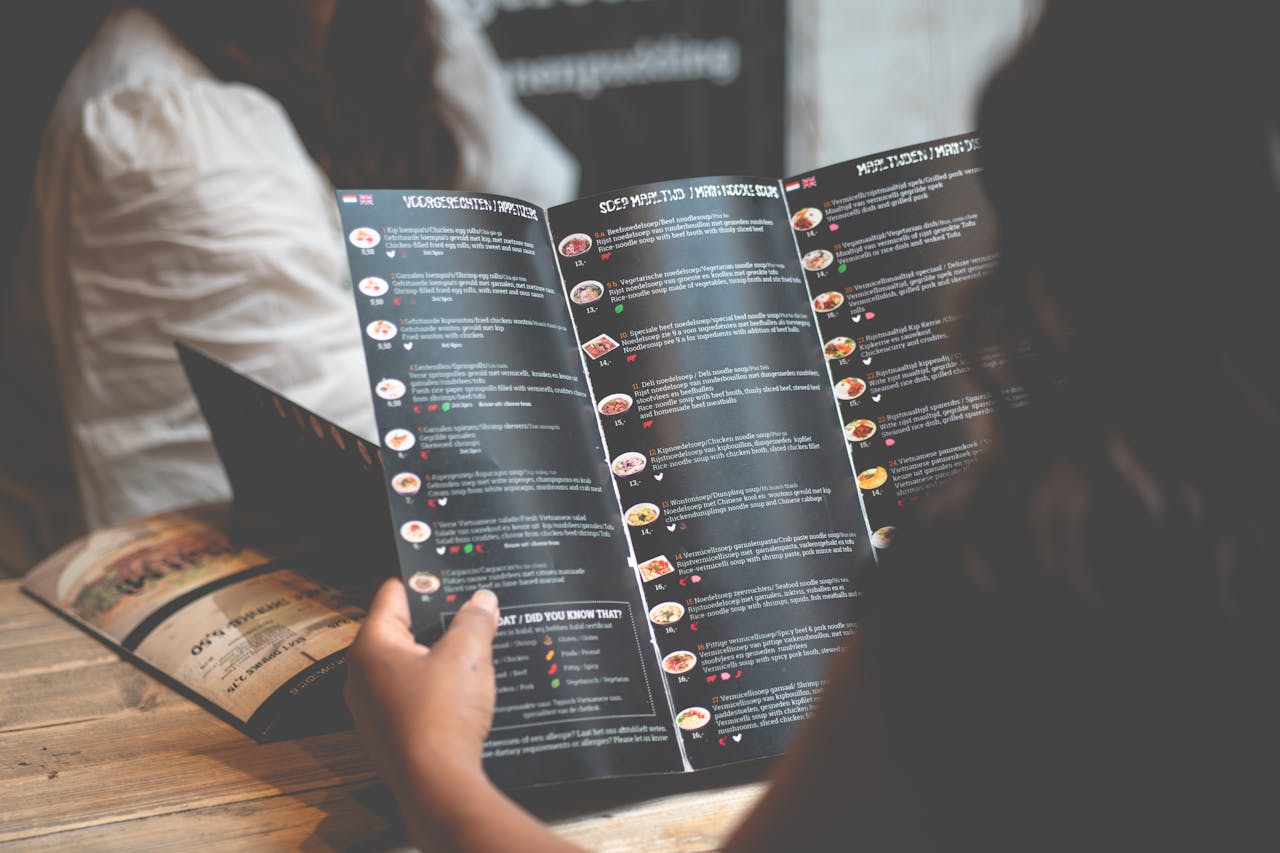
The most obvious fix is offering both formats. A diner who likes scanning can use the code, and a diner who wants paper can get a normal menu without feeling awkward. That approach also respects different needs at the same table. Accessibility, privacy, battery life, signal strength, and simple personal preference stop being reasons for conflict.
Choice reduces the symbolic sting too. The problem is usually not that QR technology exists, but that some restaurants act as if it should replace hospitality rather than support it. Once paper remains available, the argument cools down fast. The meal feels more like service again and less like the customer is being quietly managed by a system.
What This Says About Dining Right Now

The QR fight is really a proxy for a larger complaint. Diners increasingly feel that businesses are shifting tiny bits of labor onto customers and calling that shift convenience. That is why the reaction feels bigger than a menu format should warrant. People are not just arguing about scanning, but about whether restaurants still understand what hospitality is supposed to feel like.
Restaurants are one of the last places where people expect some relief from screens. When the menu itself requires a phone, the meal can start feeling less like a break and more like another app-mediated task.
The backlash also explains why some operators have backed away from all-QR systems. Axios reported that some restaurants began returning to printed menus after customer frustration became too loud to ignore. That retreat is telling. It suggests the savings from QR-only service can be real, but not always real enough to offset the damage done to the guest experience.
The long-term answer is probably not pure paper or pure digital. It is a hybrid model that keeps the benefits of QR tools without forcing every diner through the same doorway. That is why the boomers-versus-everyone framing misses the point. The real conflict is between a restaurant rule that suits operators and a dining experience that many customers still want to feel human, simple, and low-friction.
In the end, diners are not asking for much. They just want dinner to begin with a menu, not a tiny negotiation with their phone.