International Foods That Americans Often Find Puzzling

There’s a whole world of food out there that never makes it onto American dinner tables. Some of it looks strange, some of it smells even stranger, and all of it comes with stories and traditions that go back generations. For the adventurous eater, these dishes aren’t just meals—they’re experiences. They challenge what you think you know about food and open your eyes to how other cultures define delicious. Here are some of the most misunderstood dishes from around the world, each one worth understanding even if you’re not quite ready to take a bite.
Lutefisk: Norway’s Lye-Treated Tradition
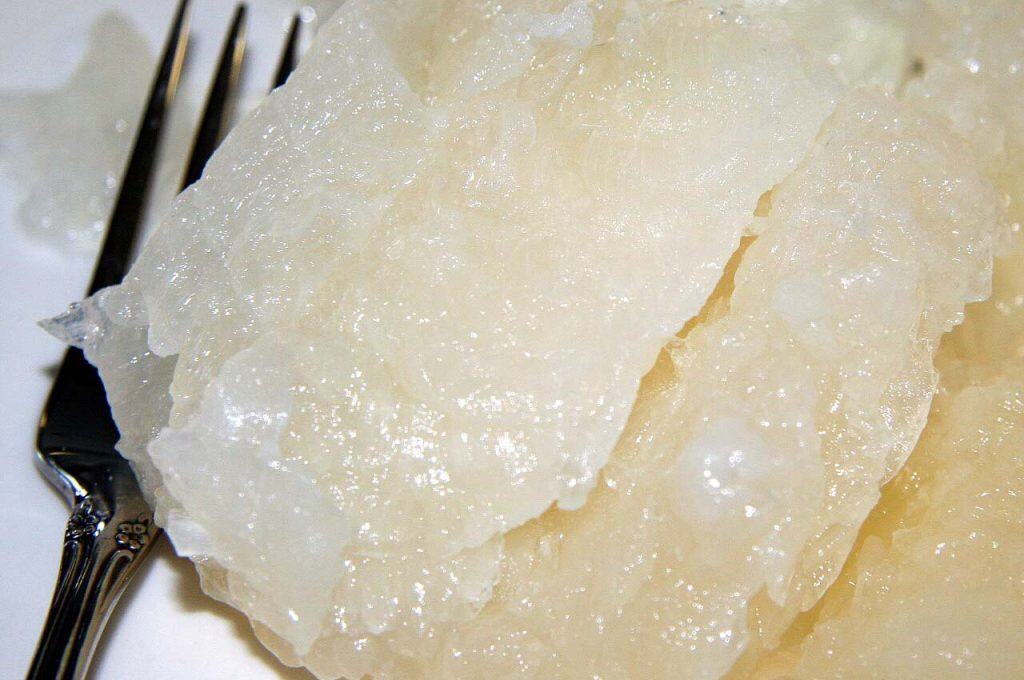
Lutefisk is proof that people will go to great lengths to preserve food. Dried whitefish is rehydrated in a lye solution, then rinsed thoroughly before being steamed or baked. The result is a gelatinous texture and a very mild flavor that begs for salt, butter, and accompaniments like boiled potatoes and bacon. The process sounds alarming, but for Norwegians, it’s a cherished tradition, especially around the holidays. It’s a reminder that some foods are about more than taste—they’re about history, community, and keeping old ways alive.
Natto: Japan’s Sticky Sensation
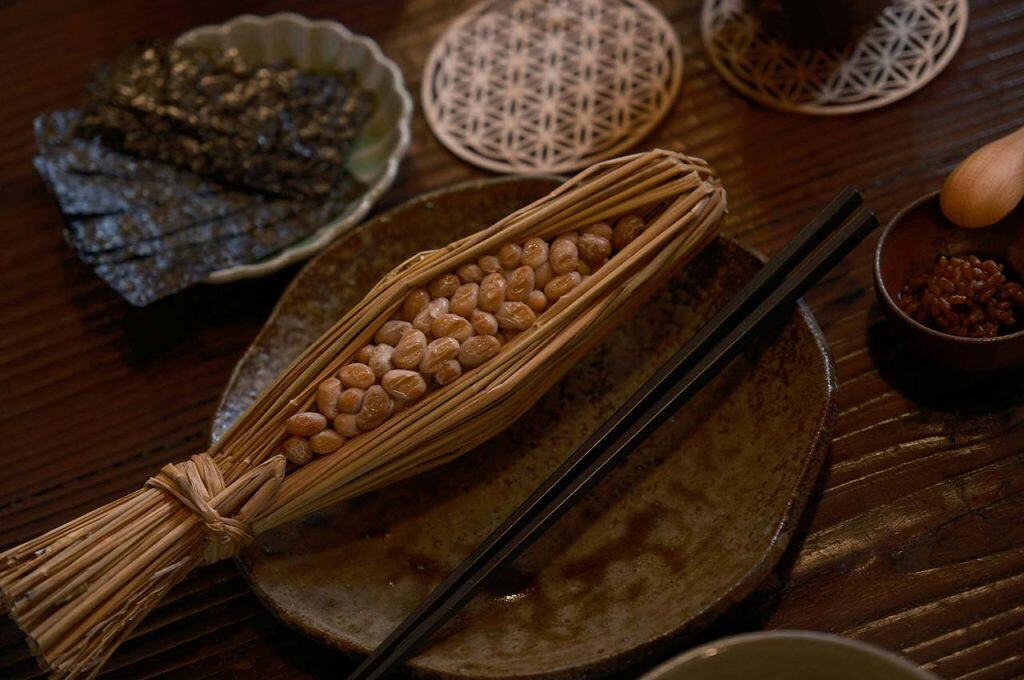
Natto is one of those foods that people either love or can’t quite get past. These fermented soybeans have a sticky, stringy texture that takes some getting used to, and the earthy aroma is unmistakable. In Japan, it’s a breakfast staple, usually served over rice. The trick is to mix it vigorously until it becomes creamy and those signature strings form—that’s when the umami really comes alive. A little soy sauce, a little mustard, some chopped green onions, and suddenly you’re eating something that’s as good for your gut as it is fascinating to your palate.
Hákarl: Iceland’s Fermented Mystery
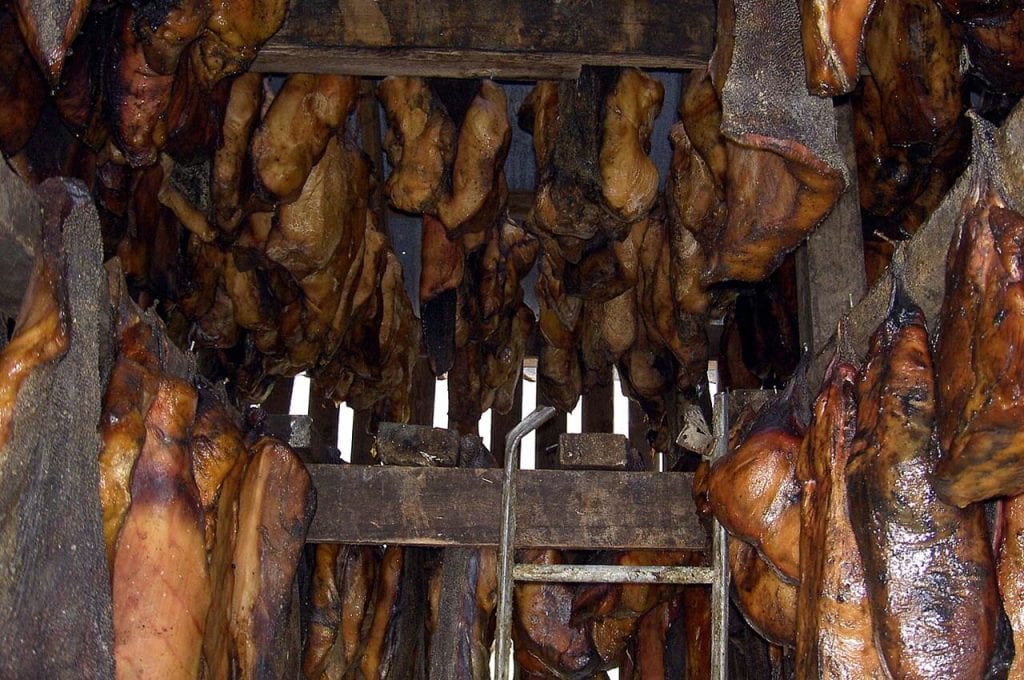
Hákarl is the kind of food that comes with warnings. Made from Greenland shark, it undergoes a curing process that involves burying the meat in gravel and letting it ferment for months. The result is a sharp, ammonia-heavy flavor that even many Icelanders approach with respect. The traditional way to eat it is in small bites, chased with a shot of Brennivín—a local spirit that cuts through the intensity. It’s a taste of Icelandic history, a reminder of a time when preserving food meant getting creative with whatever you had.
Surströmming: Sweden’s Pungent Pride
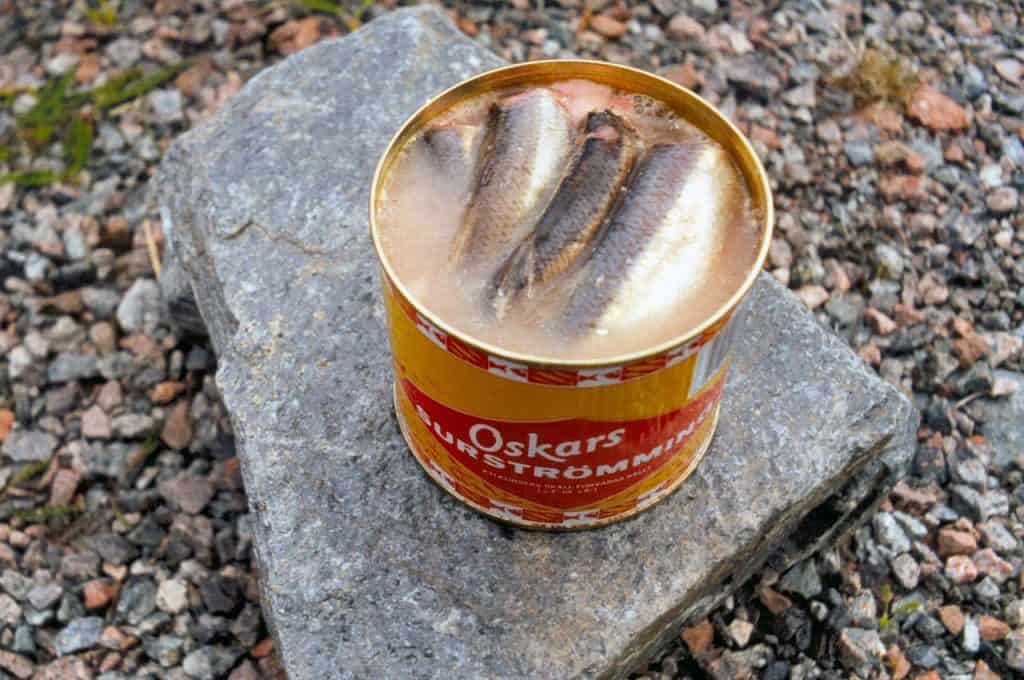
Surströmming has a reputation that precedes it. This fermented Baltic herring is famous for its intense aroma—so strong, in fact, that locals recommend opening the can outdoors unless you want your kitchen to smell like it for days. But for Swedes, it’s a treasured part of their culinary heritage. The fish itself is tender and slightly oily, and the key to enjoying it is balance. You wrap it in crispbread with potatoes and onions, and suddenly the aggressive flavors mellow into something complex and surprisingly good. It’s not for the faint of heart, but it’s absolutely an experience.
Marmite on Toast: A British Staple

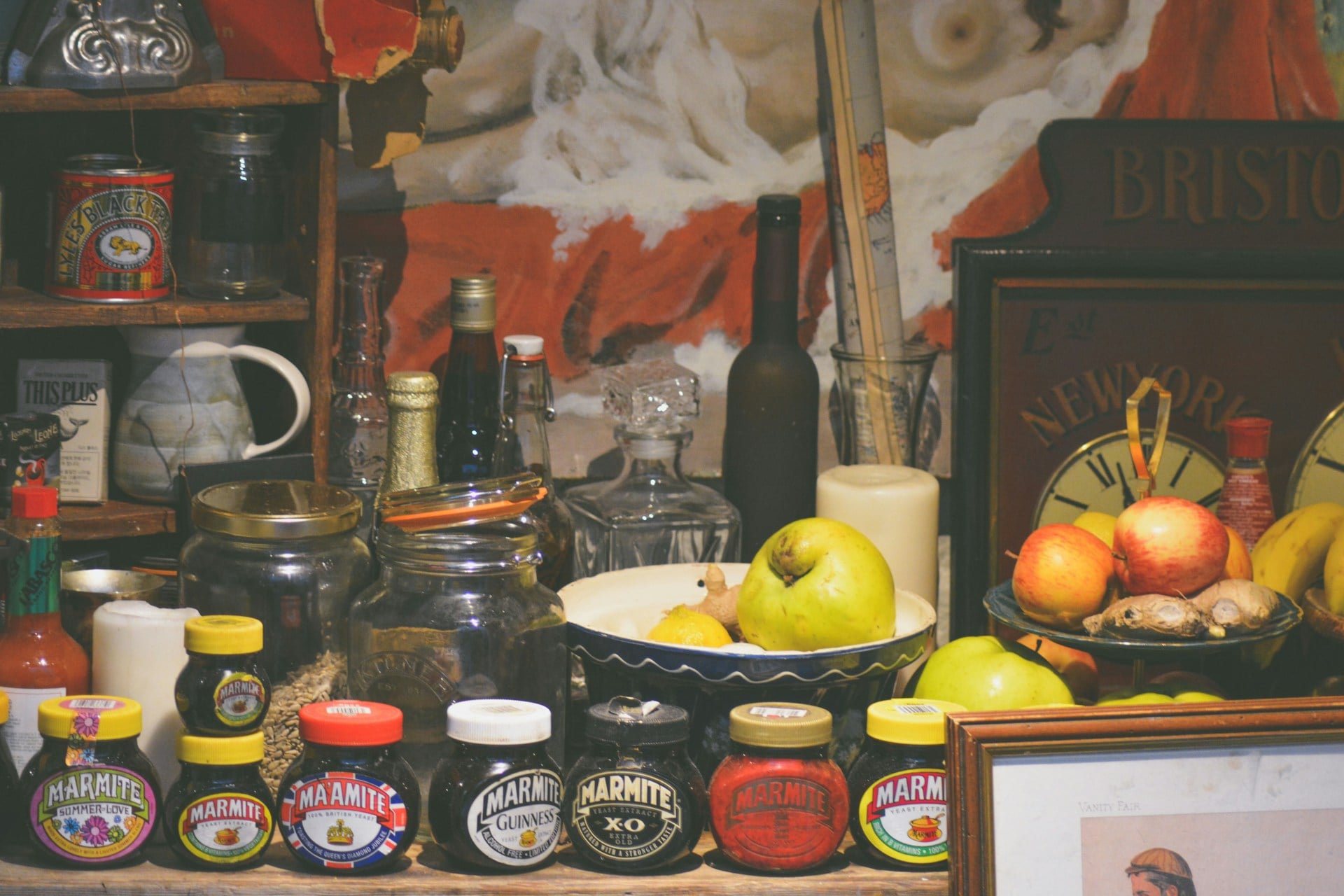
Marmite might be the most divisive spread on the planet. This yeast extract is dark, salty, and packed with umami in a way that either delights or overwhelms. The British have mastered the art of using it sparingly—a thin scrape on well-buttered toast is all you need. That combination of creamy butter and savory, concentrated yeast creates something simple but deeply satisfying. It’s the kind of breakfast that makes you understand why people get so passionate about it.
Century Egg: China’s Preserved Delicacy
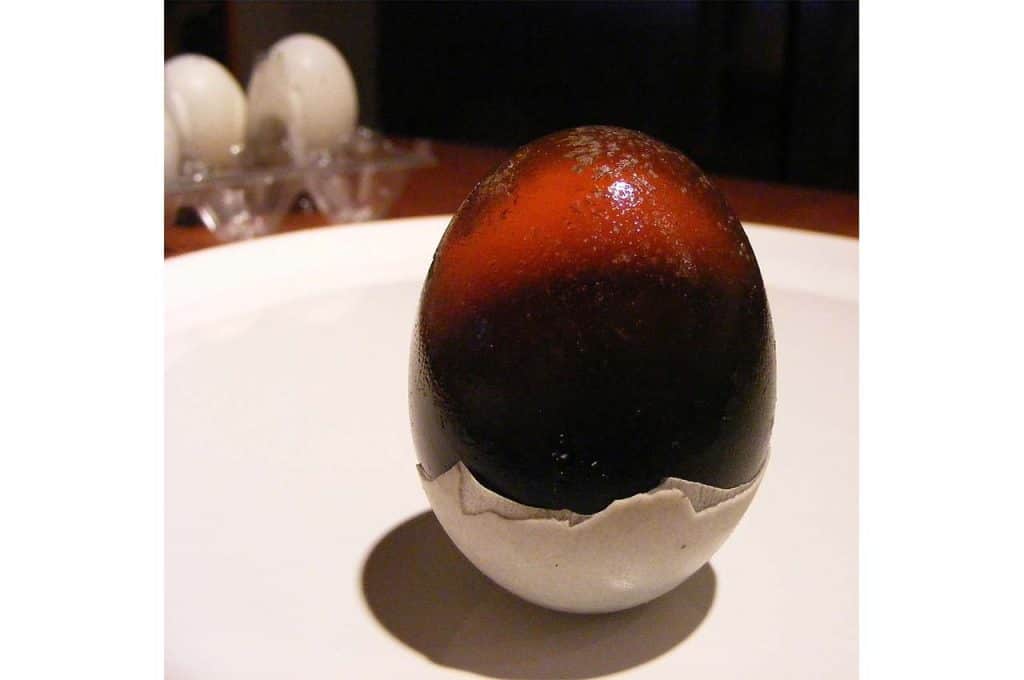
Century eggs look like nothing else you’ve ever seen. The white turns dark and gelatinous, the yolk becomes creamy and deep green, and the whole thing smells rich and pungent. They’re preserved in a mixture of clay, ash, and salt for weeks or months, transforming simple eggs into something entirely new. Served with pickled ginger or soft tofu, the flavors are salty, earthy, and incredibly complex. It’s a testament to the artistry of preservation and a dish that rewards an open mind.
Black Pudding: UK & Ireland’s Savory Slice
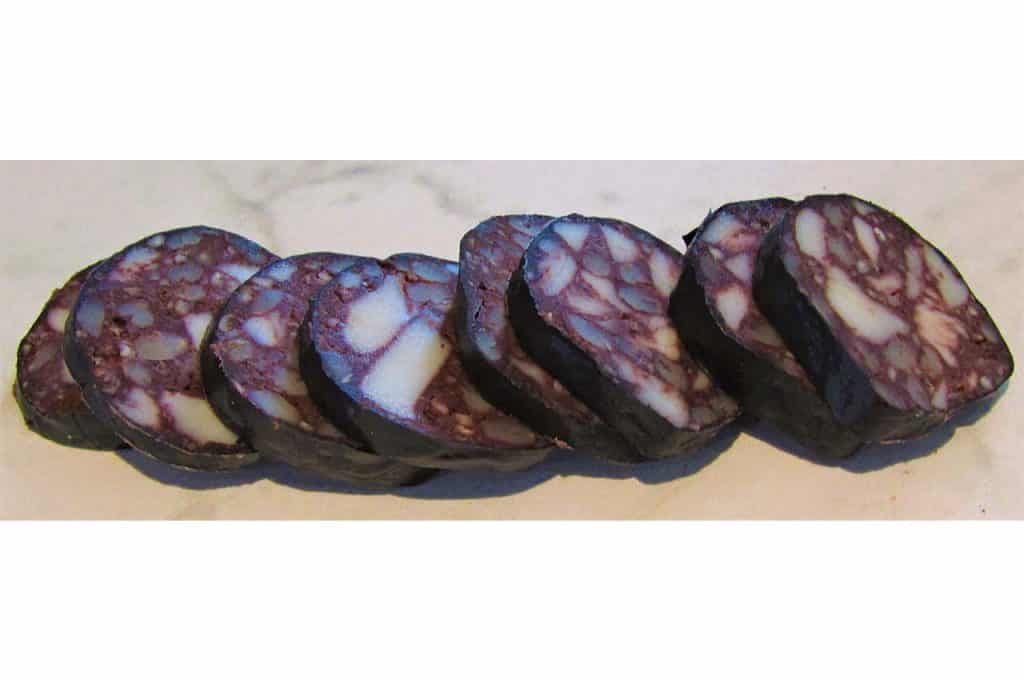
Black pudding is a breakfast staple across the British Isles, and if you’ve never tried it, you might be surprised by how much you like it. Made from pork blood, fat, and oatmeal or barley, it’s sliced and fried until the outside gets crisp and the inside stays tender. The flavor is earthy and savory, nothing like the name might suggest. Paired with eggs and toast, it’s a hearty start to the day that’s been fueling farmers and fishermen for generations.
Vegemite: Australia’s Yeasty Spread

Vegemite is Australia’s answer to Marmite, and Australians are fiercely loyal to it. This thick, dark spread is made from brewer’s yeast extract, and it’s aggressively salty and umami in a way that demands restraint. The proper way to eat it is thinly spread on buttered toast, where the richness of the butter softens the intensity. It’s a taste that Australians grow up with, and for them, it’s pure comfort. For everyone else, it’s an acquired taste worth acquiring.
Casu Marzu: Italy’s Controversial Cheese
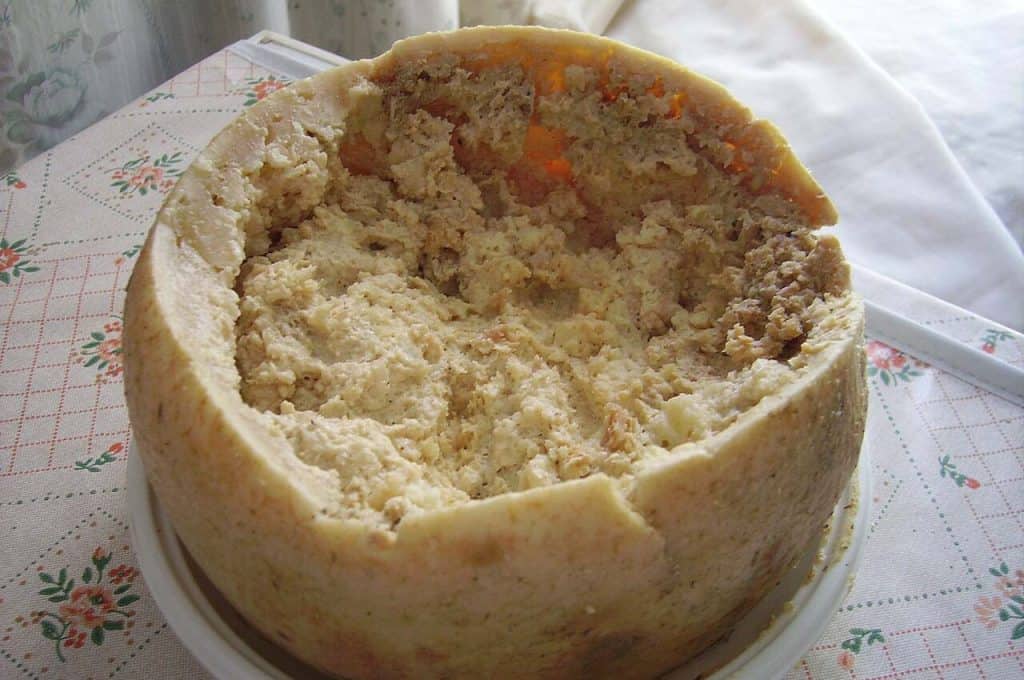
Casu Marzu is not for the easily shocked. This Sardinian cheese takes fermentation to an extreme by introducing live insect larvae, which break down the fats and create a soft, creamy texture with a sharp, pungent kick. It’s illegal in some places and controversial even in Italy, but for those who grew up with it, it’s a delicacy worth defending. Eaten spread on bread with a robust red wine, it’s a flavor experience that sits at the very edge of what most people consider food.