15 Smart Approaches to Manage and Cut Down Food Waste

Most people throw away more food than they realize. A half-used bunch of herbs, a forgotten container of leftovers, it adds up fast. And beyond the money lost, there’s something that just feels wrong about tossing food you paid for and never got to enjoy. The good news is that cutting food waste does not require a major lifestyle overhaul. Small shifts in how you shop, store, and cook make a real difference. Here are practical ways to waste less and get more from what you buy.
Write a Proper Shopping List
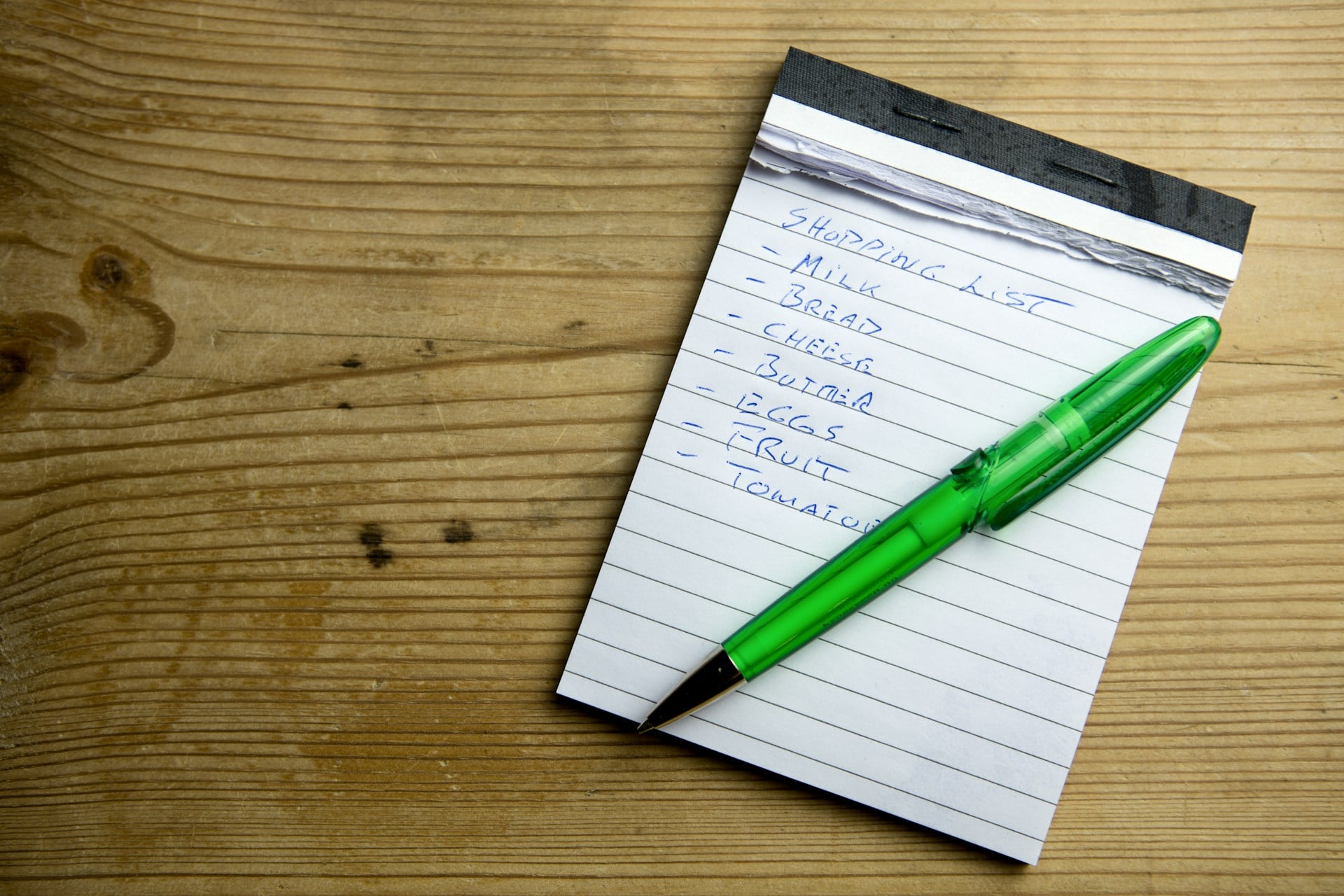
A list is only useful if you stick to it. Shopping without one leads to impulse buys that often go unused. Check what you have at home first, write down only what you need, and shop with that list in hand. If something is not on the list, give yourself a moment to think about whether you will actually use it.
Plan Meals Before You Shop

Meal planning gets a bad reputation for being rigid or time-consuming, but it does not have to be. Even a rough outline, Monday pasta, Tuesday stir fry, Wednesday soup, gives you a framework. When you know what you are cooking, you buy what you need and leave the rest on the shelf.
Start With What You Already Have
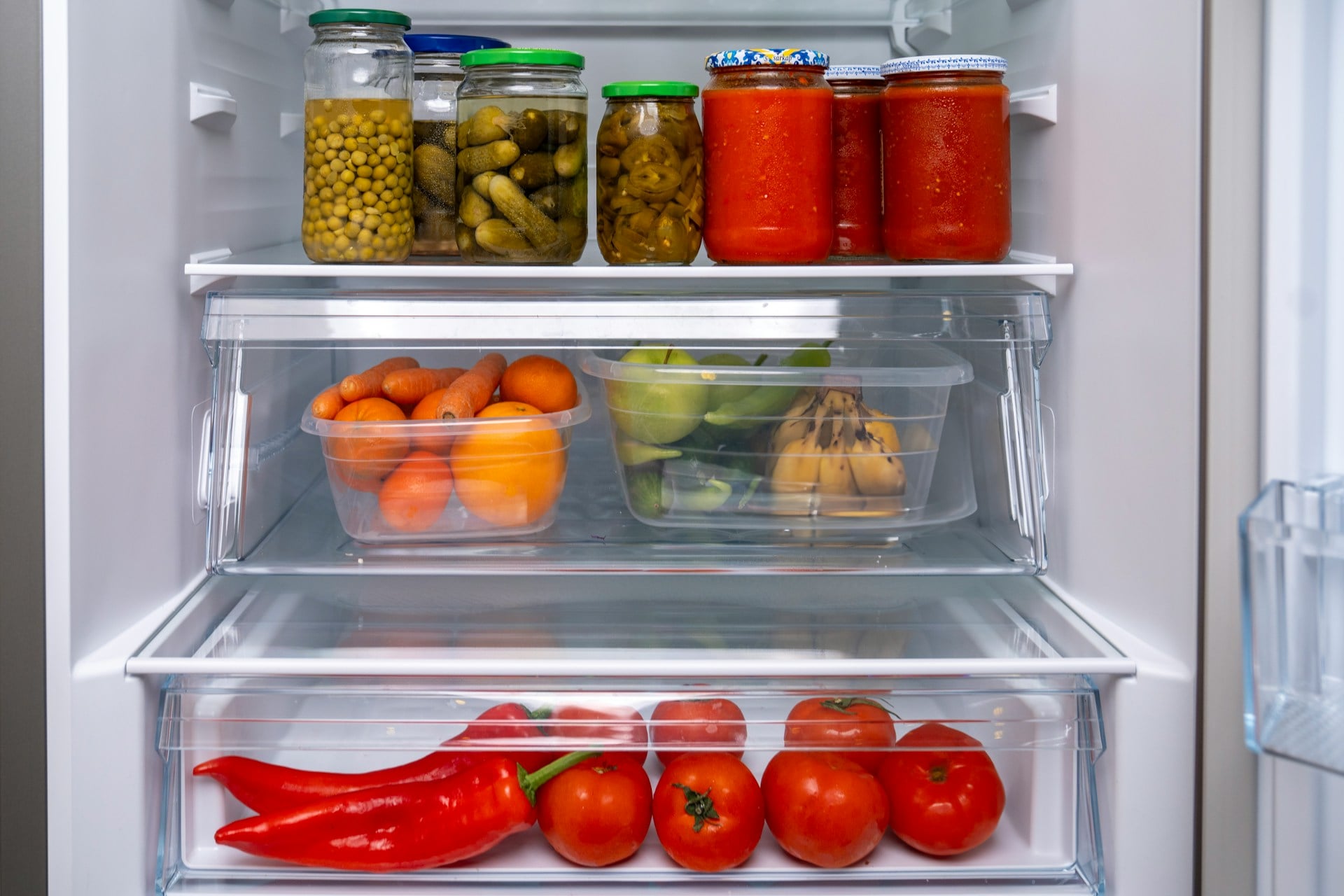
Before you open a grocery app or head to the store, check your fridge, freezer, and pantry first. Pull things forward. Notice what is close to expiring. Build your meals around those items rather than starting fresh every week. This one habit alone can cut a surprising amount of what ends up in the bin.
Understand Expiration Labels

“Best before” and “use by” are not the same thing. “Use by” dates on things like meat and dairy are genuine safety markers. “Best before” dates, on the other hand, refer to quality, the food is usually still perfectly fine to eat after that date. Millions of good products get thrown away every year because people treat every label as a hard deadline.
Store Food the Right Way

How you store things matters as much as what you buy. Herbs last far longer when stored upright in a glass of water in the fridge. Bread keeps better in a cool, dry spot or in the freezer. Onions and potatoes should stay separate, they speed each other’s decline when stored together. Learning a few basics about food storage means less spoilage before you even get to cook.
Love Your Freezer
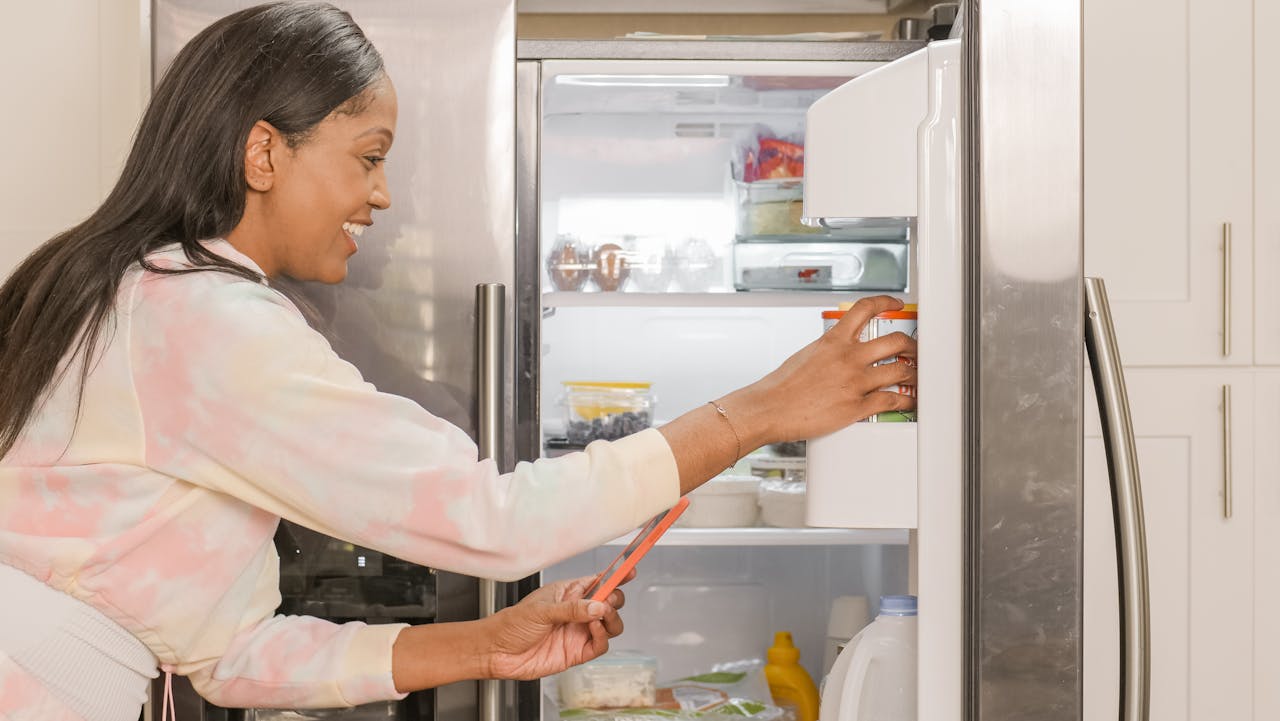
The freezer is one of the most underused tools in the kitchen. Bread, cooked grains, soups, bananas past their prime, meat you will not get to in time, almost all of it freezes well. Get in the habit of freezing things before they go bad rather than after you have already decided to give up on them.
Cook in Batches

Batch cooking means you make more than you need in one session and use the rest later in the week. A big pot of grains, a tray of roasted vegetables, a double portion of whatever you are already making, these become the building blocks for other meals. Less cooking time overall, and far less waste.
The Longer Game
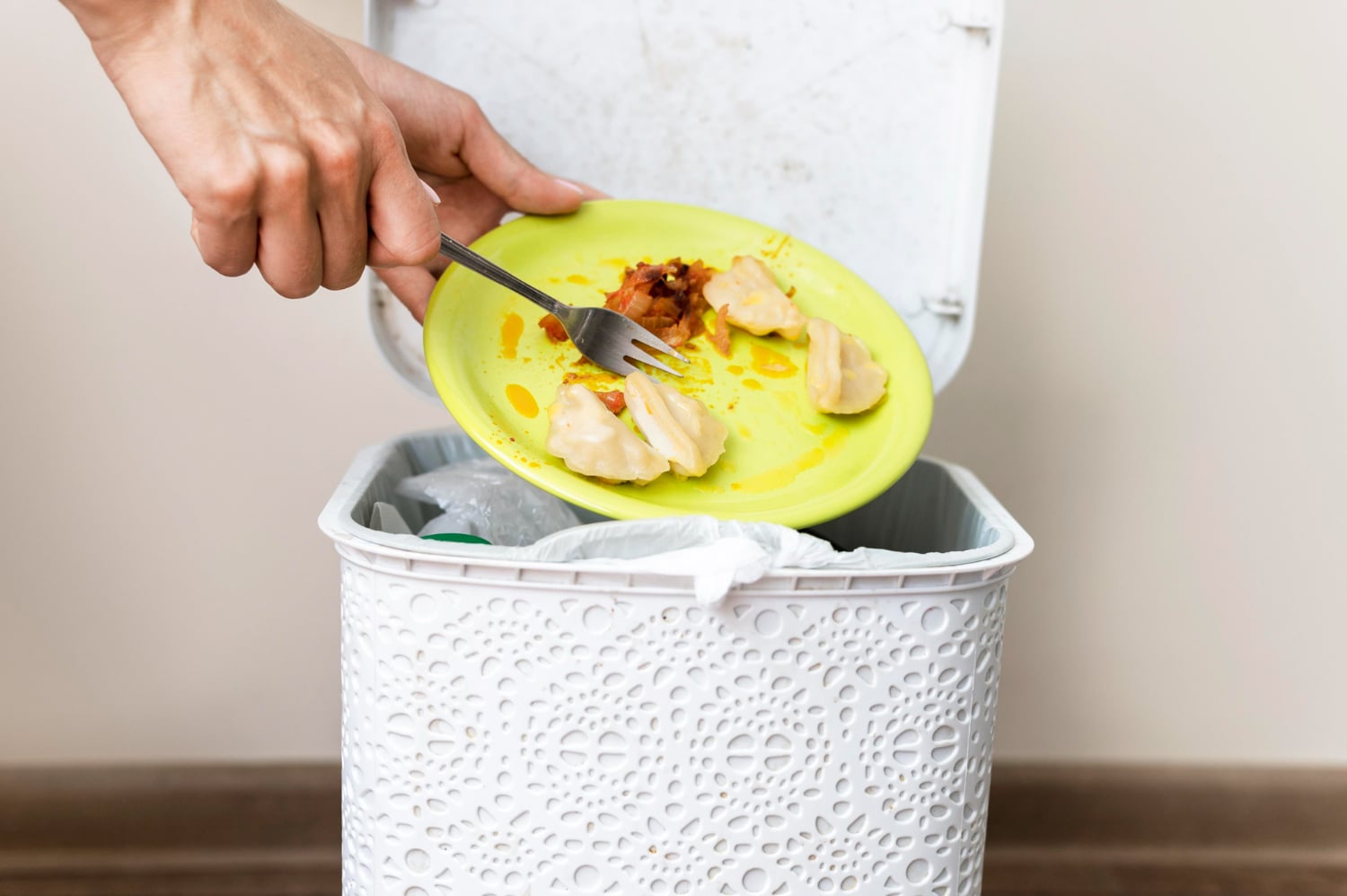
Cutting food waste is not something you fix all at once. No one does it perfectly every week. Some food will still go bad. Some leftovers will still get lost in the back of the fridge. But small changes help. Check what you have before you shop. Freeze things before they go bad. Use scraps when you can. Over time, these things become habits. You do not need to aim for zero waste right away. Just try to do a little better each week. That is enough.
Treat Leftovers as Ingredients
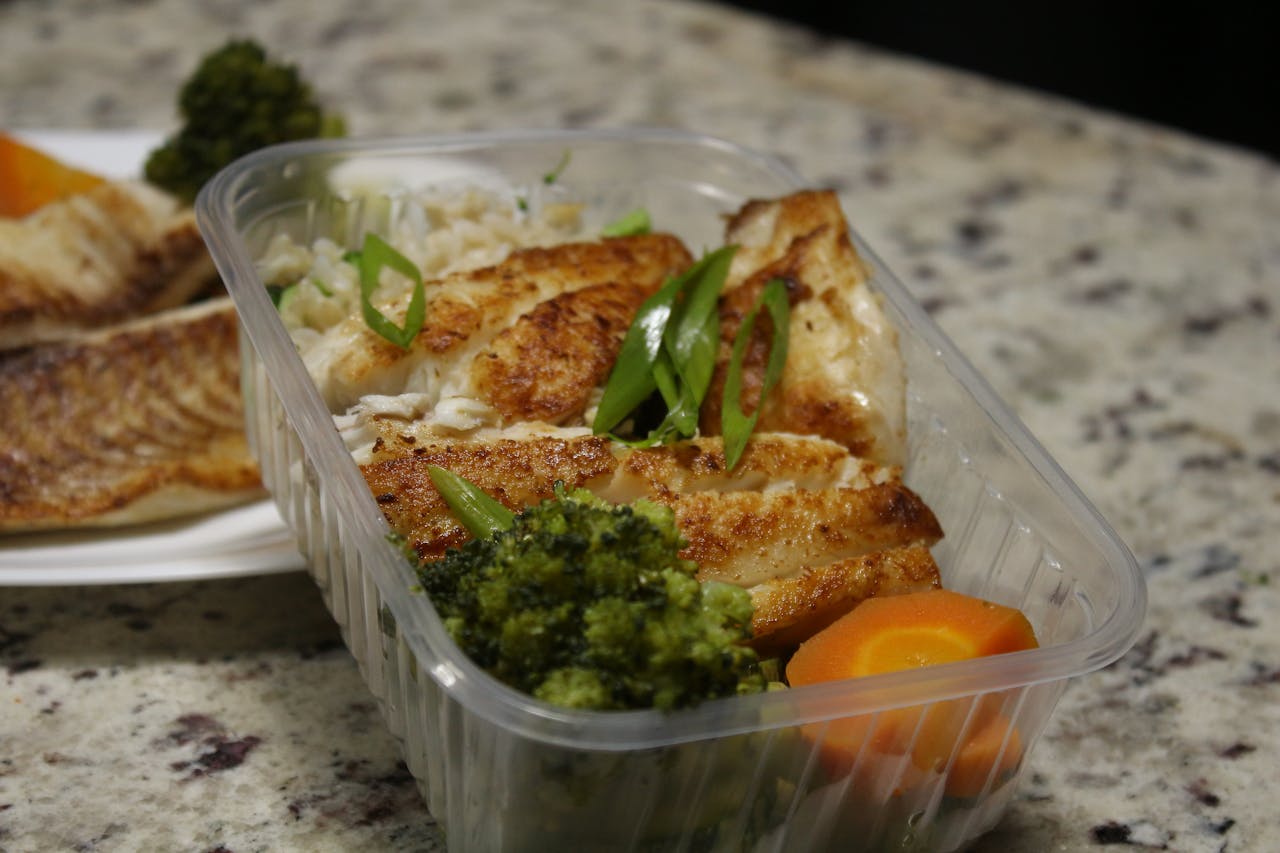
Leftover food does not have to be eaten as-is. Yesterday’s roasted chicken becomes today’s grain bowl topping or fills a wrap. Last night’s vegetables go into a frittata or a quick soup. Shifting the way you think about leftovers, from “what I did not finish” to “what I am starting with,” changes everything.
Embrace Imperfect Produce
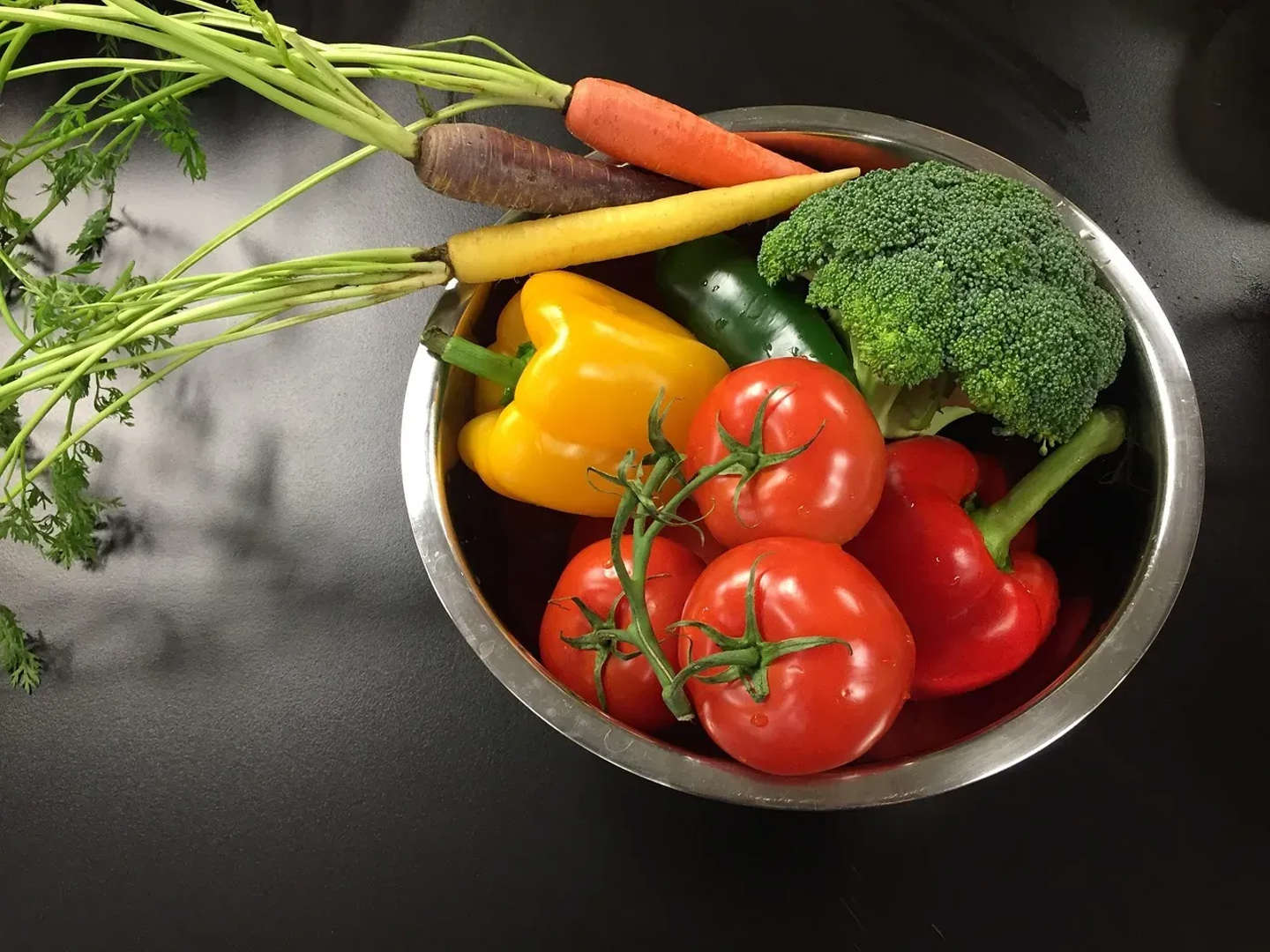
Slightly misshapen vegetables and fruit with a small bruise taste exactly the same as the picture-perfect versions. Many grocery stores mark these down, and some services exist specifically to deliver them at lower prices. If you are cooking with something rather than presenting it whole, the shape matters not at all.
Compost What You Cannot Use
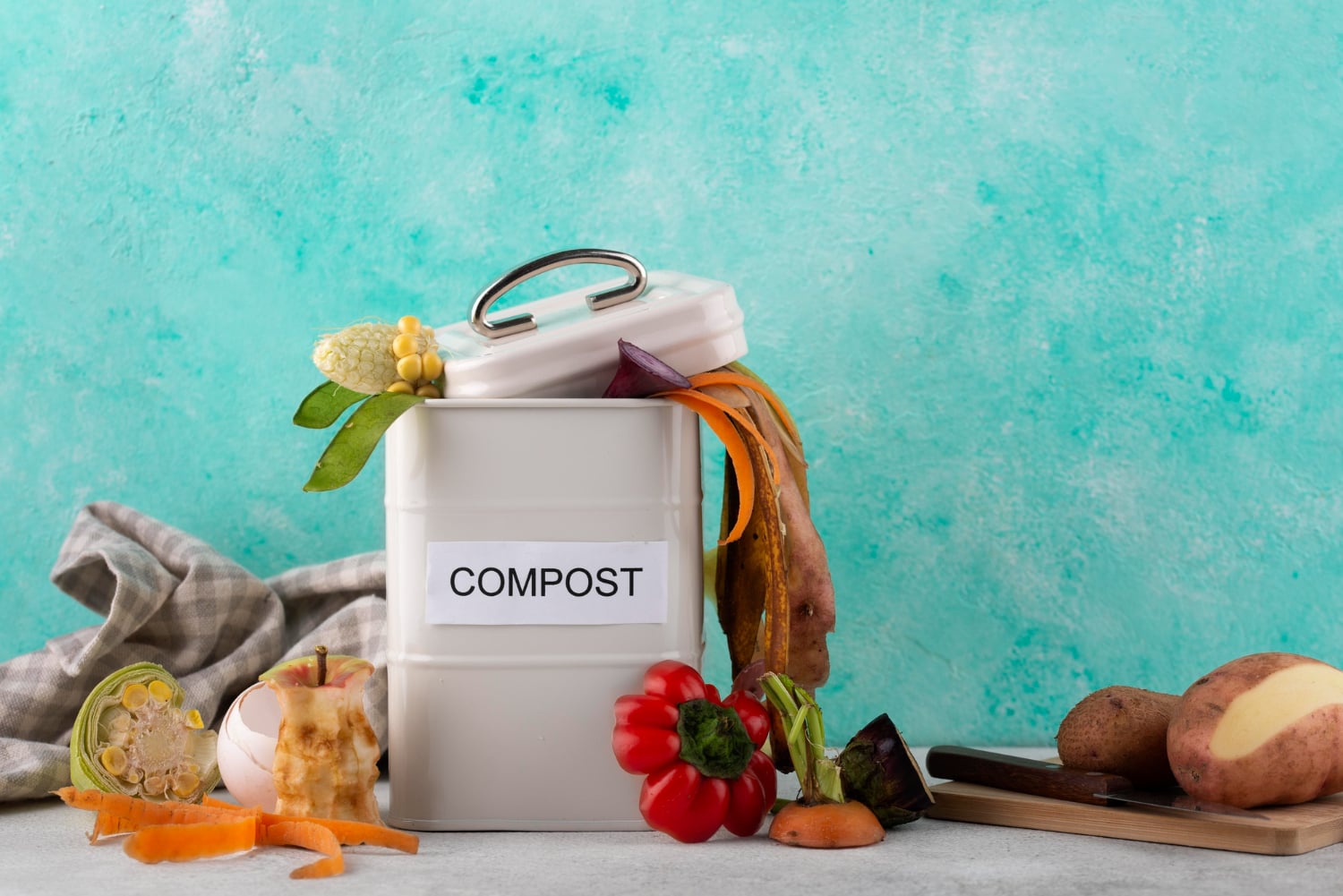
Even with the best intentions, some scraps and trimmings will not make it into a meal. Composting is the next best option. Rather than sending food to a landfill where it releases methane as it breaks down, composting returns organic material to the soil. It is not complicated, even a small bin on a countertop can handle kitchen scraps.
Measure What You Cook
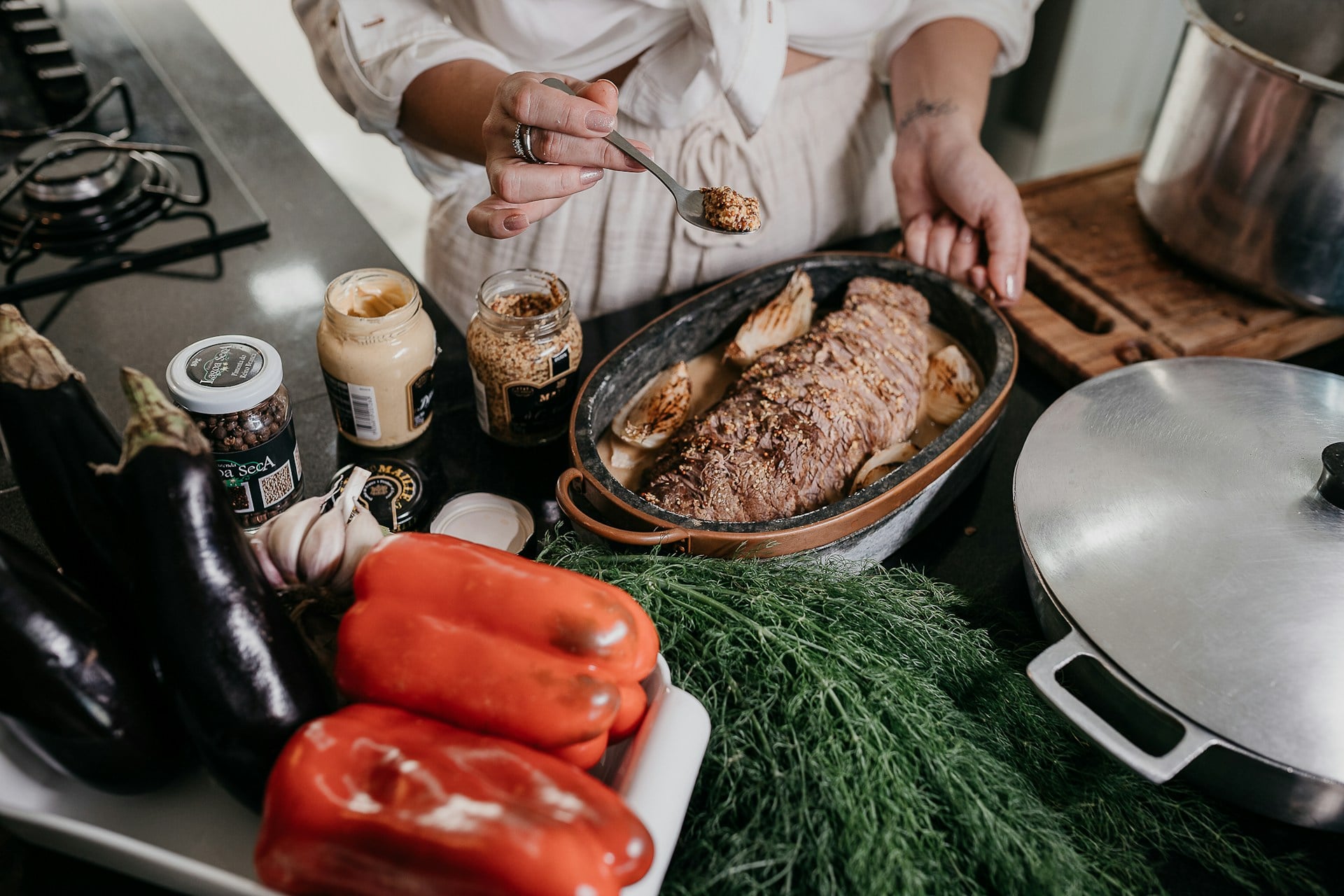
Cooking too much is one of the biggest sources of food waste in a household. Getting a rough sense of portion sizes, not obsessively, just practically, helps you cook the right amount for the people eating. Over time, you develop an instinct for it. Until then, measuring pasta, rice, and similar staples takes seconds and saves you from constantly cooking double what you need.
Keep Your Fridge Organized

A messy fridge is a wasteful fridge. When things get pushed to the back, they disappear from view and from memory. The simple principle of putting newer items behind older ones, called first in, first out, keeps things visible and usable. A quick reorganization every week or so also gives you a chance to spot anything that needs to be used soon.
Buy Less, More Often

It feels efficient to do one big weekly shop, but for fresh produce and perishables, smaller and more frequent trips often mean less waste. Buying just a few days’ worth of fresh items at a time means you actually use what you buy. This is not always practical depending on where you live or how busy you are, but even shifting slightly in this direction helps.
Shop With Realistic Eyes
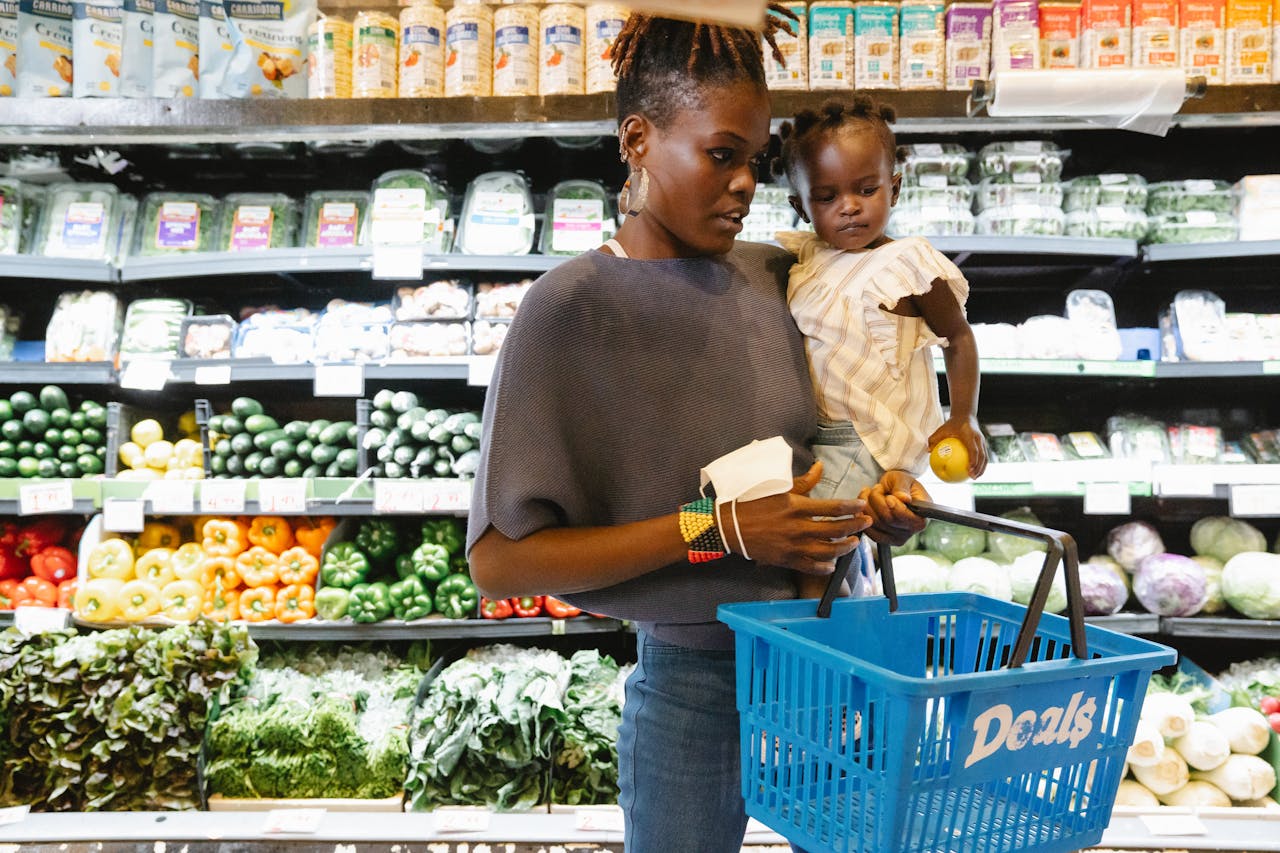
There is something optimistic about buying a bag of leafy greens or a bunch of radishes you have never cooked with before. That optimism is not always matched by follow-through. Being honest about your actual eating habits, rather than the habits you aspire to, leads to smarter purchases. Buy the foods you know you will cook, not the ones you imagine yourself cooking.