Myths About the Food Industry That Many People Still Believe

Have you ever found yourself standing in the grocery aisle, repeating advice you heard years ago, even though you’re not quite sure where it came from? You’re definitely not alone! Food marketing, attention-grabbing headlines, and well-meaning tips from friends tend to stick with us long after scientists have learned new things. Once an idea feels familiar or gets repeated enough, it just becomes part of how we think—even when the evidence has quietly moved on.
Some of these beliefs hang around because they were partly true once and never got updated. Others stick because they simplify complicated nutrition topics into nice, tidy rules that are easy to remember. The thing is, these shortcuts shape what we buy, what we cook, and even what we worry about eating. And here’s the hopeful news: once we know better, we can do better!
Let’s explore some of the most common food myths together, with curiosity rather than judgment. After all, learning is a journey, not a destination!
Organic Farming and What It Actually Means
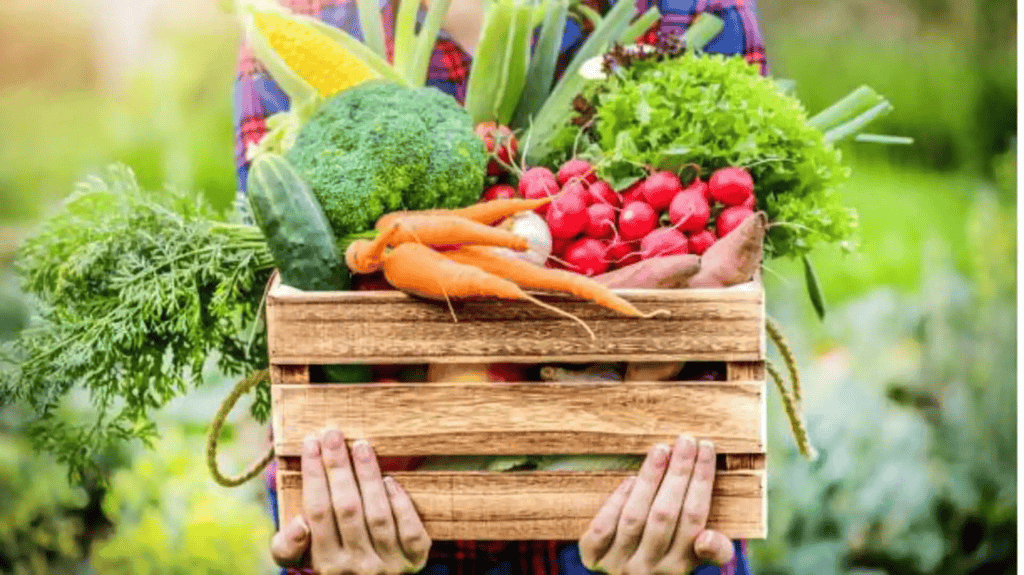
This one trips so many of us up! Organic farming does follow different rules, but “pesticide-free” isn’t quite accurate. Organic farmers can use approved pesticides—they’re just typically derived from natural sources rather than synthetic ones.
Think of organic as a different approach to farming, with its own set of tools and standards. For some families, choosing organic aligns with their environmental values or personal preferences, and that’s wonderful! But it’s not a guarantee of zero pesticides or automatically higher nutrition. The important thing is making choices that feel right for you, armed with accurate information.
Wait, Is “Processed” Really a Dirty Word
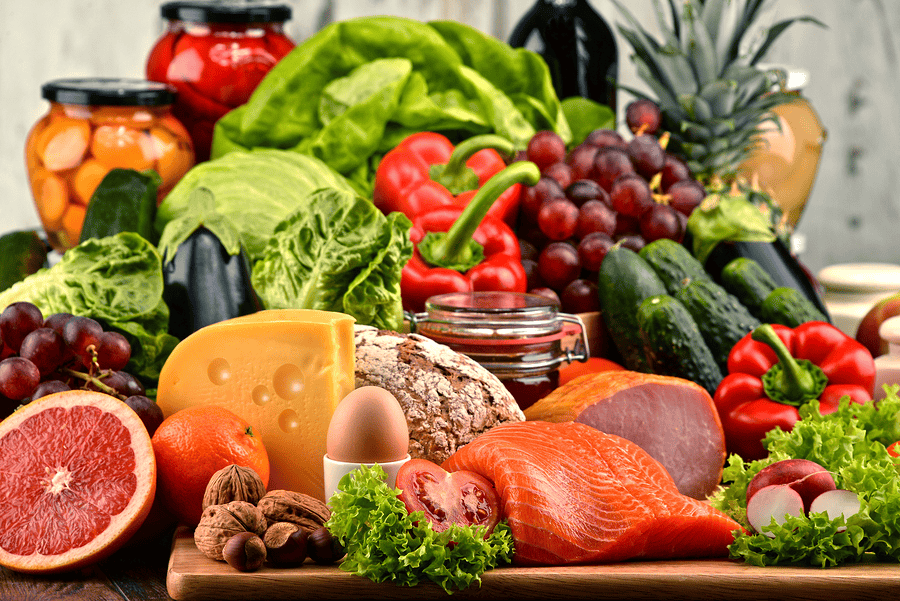
Oh, that word “processed” gets such a bad reputation! But let’s think about this together. If you’ve ever washed bagged lettuce, opened a can of beans, enjoyed some yogurt, or sliced a piece of cheese—congratulations, you’ve eaten processed food!
Processing simply means we’ve done something to make food safer, more convenient, or more enjoyable. The real question isn’t “is it processed?” but rather “how was it processed and why?” Highly refined foods designed mostly for shelf life and intense flavor deserve a different conversation than gently cooked beans or frozen veggies. Let’s stop painting with such a broad brush!
Expiration Dates and the Confusion We All Feel
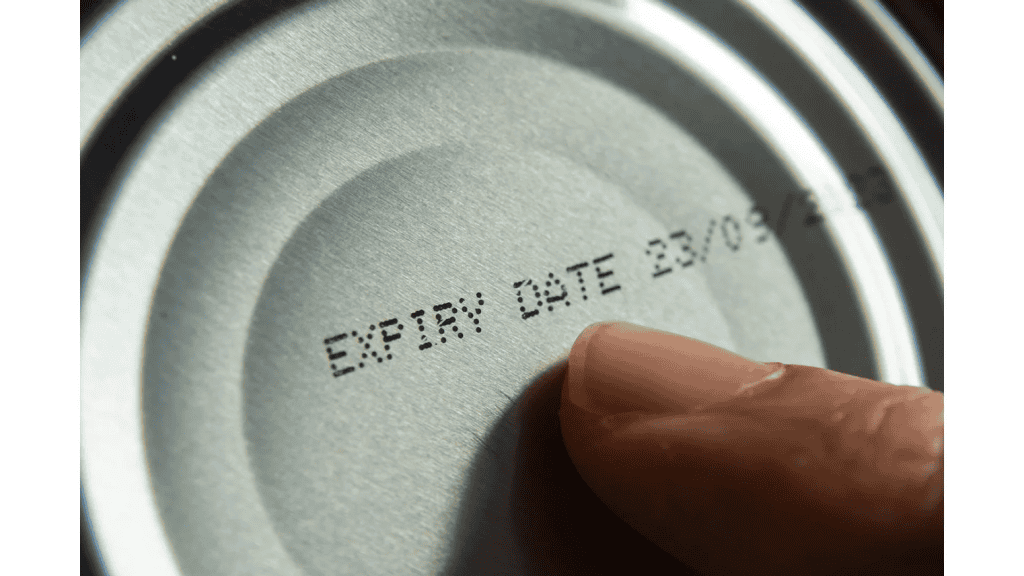
Raise your hand if you’ve ever thrown out food because the date on the package passed! (My hand is up too—we’ve all been there!)
Here’s the comforting truth: most of those dates are really about peak quality, not safety. “Best by” and “sell by” are the food company’s way of saying “this is when it tastes its best”—not “this becomes poisonous at midnight.” Many foods are perfectly fine days or even weeks later if they’ve been stored properly and show no signs of spoilage.
Learning to trust our senses—looking, smelling, and tasting—can help us waste less food and feel more confident in our kitchens. What a gift that is for both our wallets and the planet!
Let’s Give Frozen Foods Some Credit
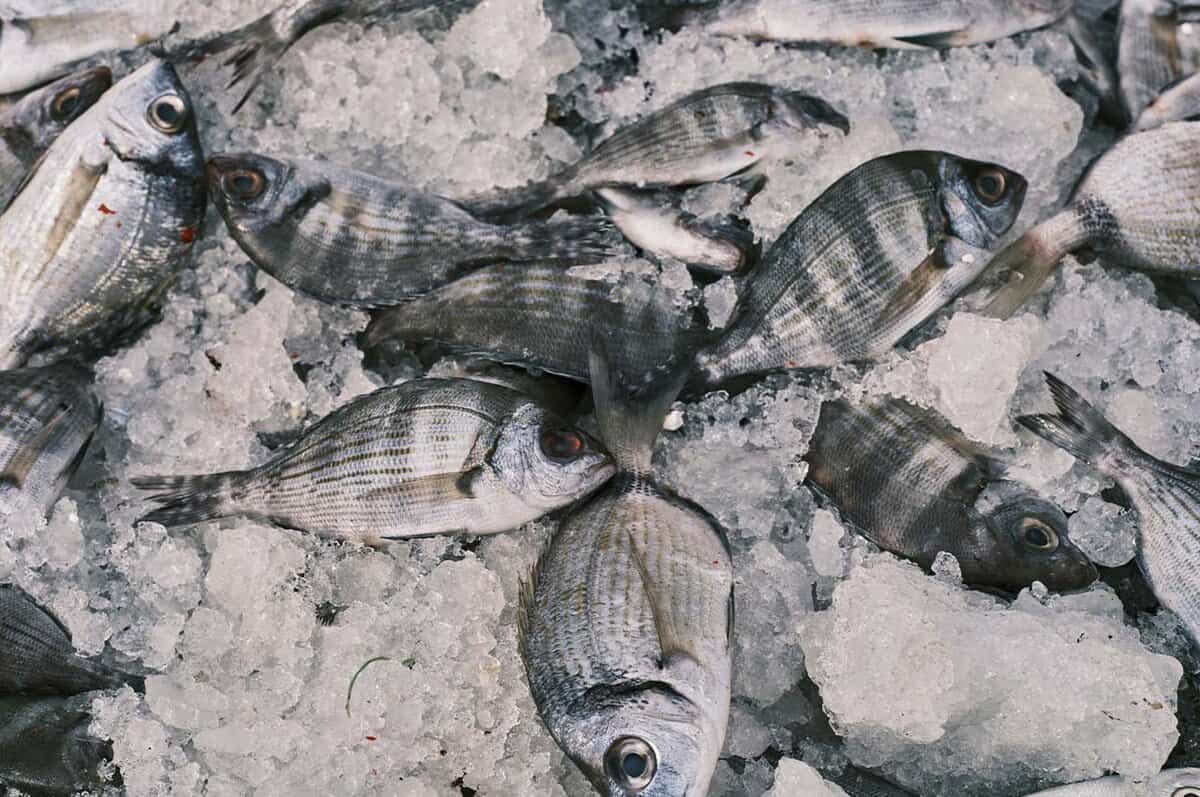
Isn’t it interesting how we automatically reach for fresh produce, assuming it’s the gold standard? Here’s something that might surprise you: frozen fruits and vegetables are often picked and frozen at their absolute peak of ripeness—when nutrients are highest! That quick-freezing process locks in all those good vitamins and minerals.
Meanwhile, that beautiful fresh produce? It’s been traveling on trucks, sitting in storage, and hanging out on store shelves, slowly losing some of its nutritional sparkle along the way. So fresh isn’t automatically the winner—it really comes down to timing, handling, and storage. Sometimes those frozen blueberries are the real superheroes!
Big Farms and More Rules Than You Might Think
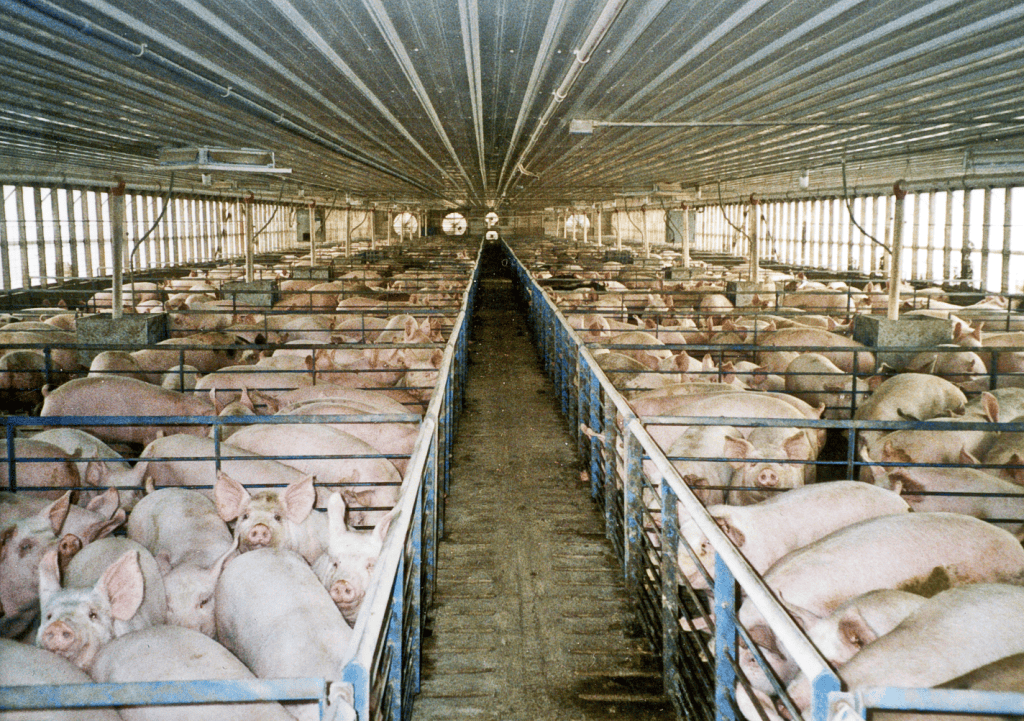
It’s easy to imagine large-scale farming as this wild west situation with no rules, but that’s not really the case. Large operations actually face quite a bit of oversight—inspections, safety audits, documentation requirements, and compliance standards that track everything from animal health to waste management.
Now, does this mean every practice is perfect or beyond question? Not at all! There are absolutely important conversations to have about farming practices. But the idea that industrial farms operate in a rule-free zone? That’s just not accurate. Regulation exists—it’s complex, uneven at times, and constantly evolving, but it’s there.
The Word Natural and Why It Can Be Misleading
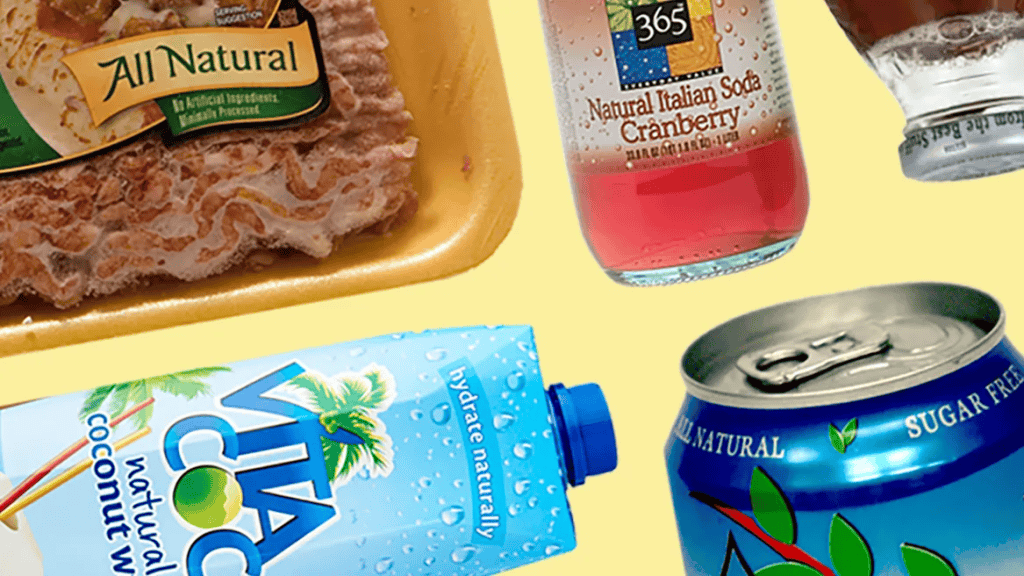
Can we talk about the word “natural” for a moment? It sounds so wholesome and reassuring, doesn’t it? But here’s the thing—in many countries, it doesn’t actually mean all that much legally.
Foods labeled “natural” can still be highly processed, loaded with sugar or sodium, and contain additives you might not expect. The term is often used more as a marketing warm-fuzzy than a meaningful health claim. So what’s a savvy shopper to do? Flip that package over! The ingredient list and nutrition facts panel are where the real story lives.
Do Food Companies Really Have All the Answers
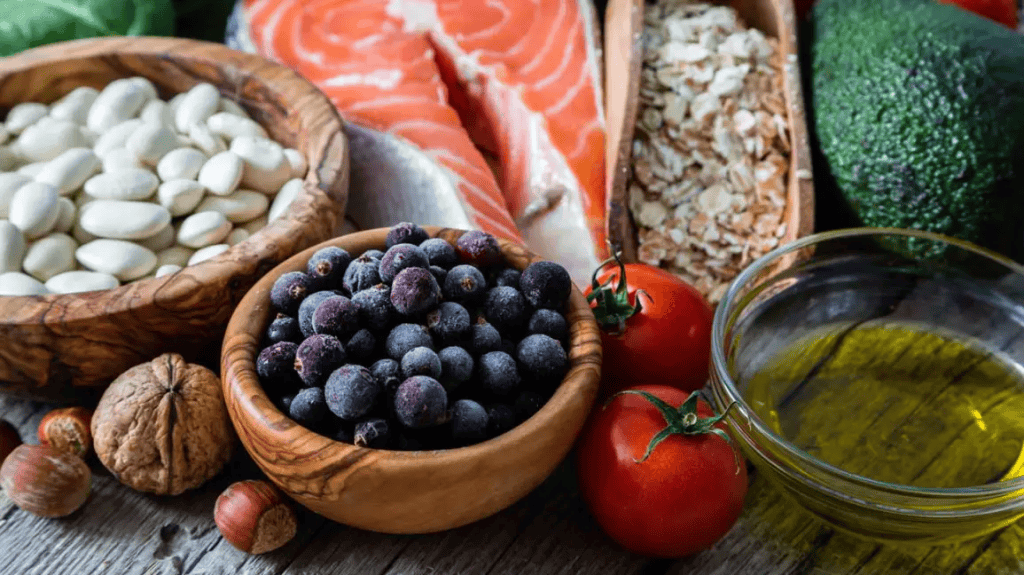
This might be the biggest myth of all—that there’s some secret, settled definition of “healthy” that food companies are working from. The reality is much more human and messy!
Food companies are responding to what we’re buying, what wellness trends are buzzing on social media, government regulations, and budget constraints—all at once. What gets marketed as “healthy” often reflects whatever people believe right now, even when nutrition science is still figuring things out.
Nutrition research rarely gives us quick, definitive answers. It unfolds slowly over time. Meanwhile, products come and go based on what feels true in the moment. True clarity about health impacts? That usually emerges years later, after we’ve all been living with these foods for a while.