Mistakes to Avoid When Storing Food for Storm Conditions

You know, there’s something about storm season that brings out the planner in all of us. We stock up on batteries, fill our gas tanks, and make sure we have flashlights in every room. But there’s one area that often gets overlooked until it’s too late: our food storage. When the power flickers and the rain starts pounding, having a pantry full of food doesn’t help if that food spoils or becomes impossible to access. The good news is that with a little bit of thoughtful preparation, we can keep our families fed safely and deliciously, no matter what the weather throws our way. Let me share some of the most important lessons I’ve learned about storm-proofing your food storage. Think of it as a friendly chat around the kitchen table, just planning ahead together.
Don’t Put All Your Eggs in the Power-Dependent Basket
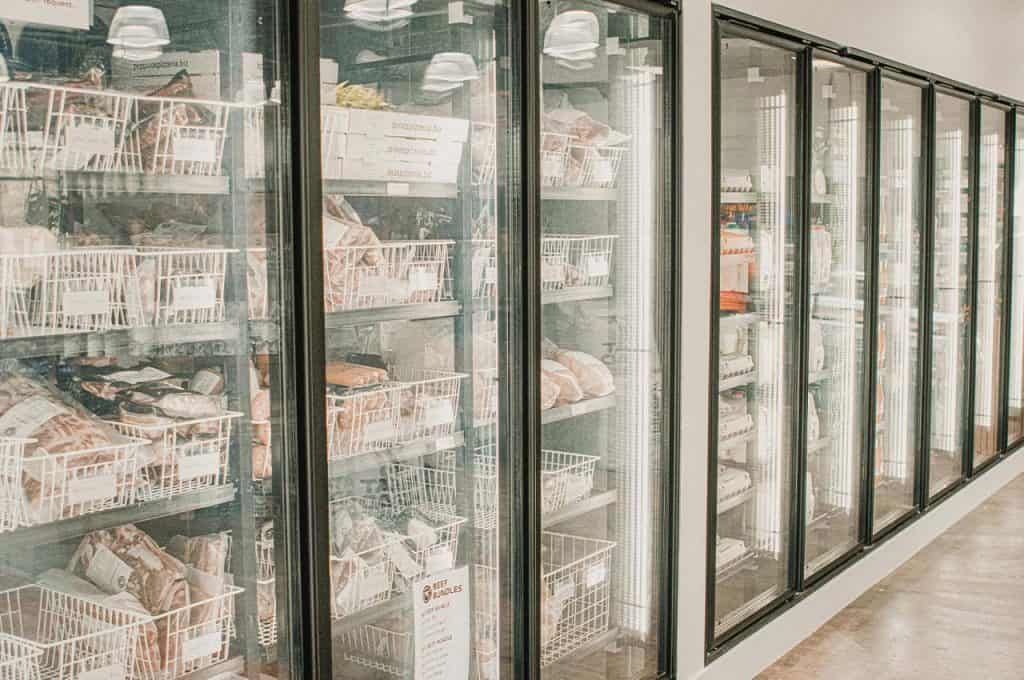
Here’s a mistake that’s so easy to make: we stock up on all the foods we normally eat, forgetting that our normal eating habits depend on refrigerators and freezers working perfectly. When the power goes out, that beautiful stash of fresh meat, frozen vegetables, and refrigerated leftovers becomes a ticking clock. The smarter approach is to build your storm pantry around shelf-stable items that don’t care whether the power is on or off.
Think canned vegetables, dried fruits, ready-to-eat meals, nut butters, crackers, and shelf-stable milk. These are the foods that will be there for you no matter what. That doesn’t mean you can’t have perishables—just that they should be the backup plan, not the main event. If you do have frozen goods, plan to eat them first, before they have a chance to thaw and spoil. And having coolers and ice packs on hand gives you options for extending the life of those precious perishables. A balanced pantry is a resilient pantry, and resilience is exactly what storm season demands.
Floodwaters and Food Should Never, Ever Meet
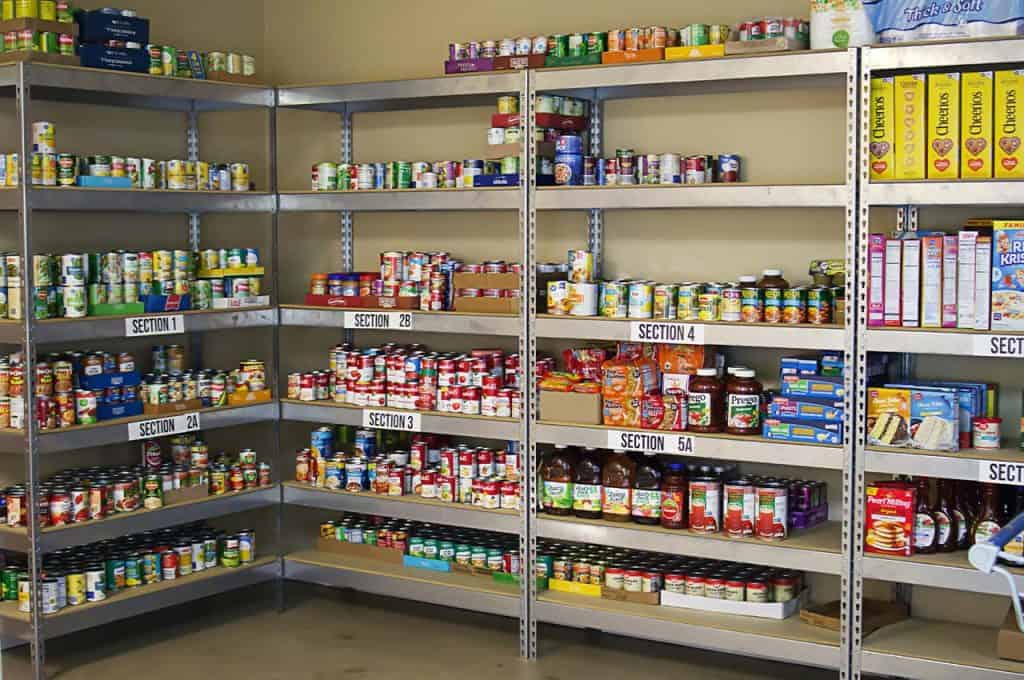
If you live in an area that’s prone to flooding, this one is absolutely crucial. It’s so easy to store extra canned goods and pantry items on basement shelves or directly on the floor, but floodwaters don’t care about your organization system. The moment water rises, anything sitting low becomes contaminated. And here’s the heartbreaking part: even if the cans look sealed, floodwater can seep into tiny, invisible imperfections and make the food inside unsafe.
The solution is simple and smart: elevate everything. Invest in sturdy shelving units that keep your food at least a few inches off the floor—higher if you’re in a serious flood zone. Use airtight, watertight bins for your most important supplies. And if you really want to go the extra mile, consider vacuum-sealing non-perishables like rice, beans, and flour. That extra layer of protection can mean the difference between a usable pantry and a total loss. A little bit of elevation goes a very long way when the water starts to rise.
Stop Opening the Freezer! (I Know It’s Tempting)
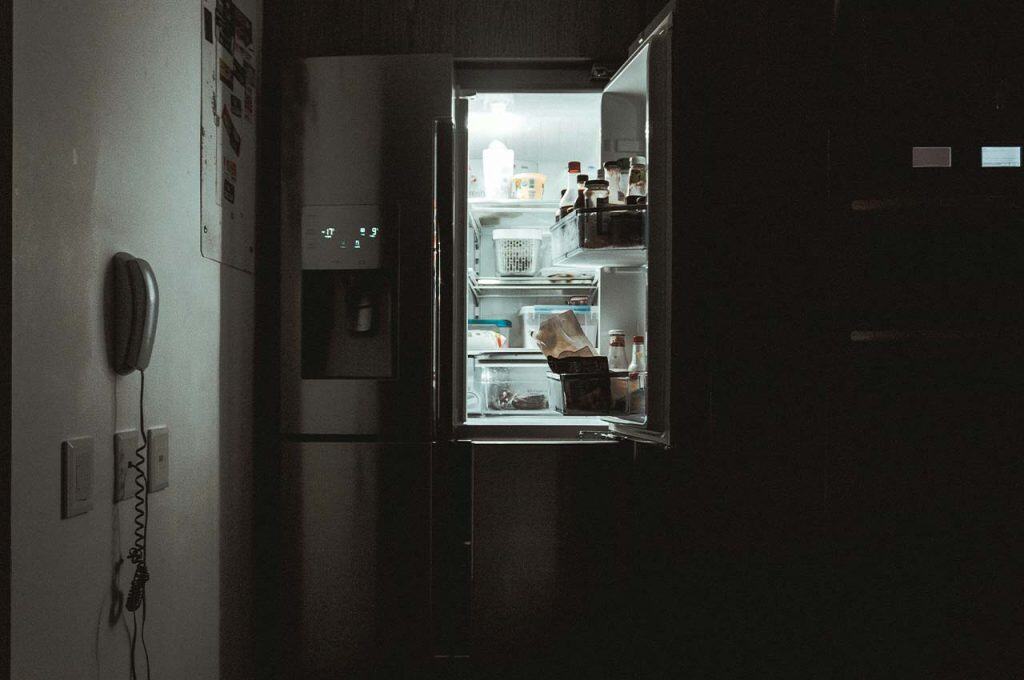
I’m going to be honest with you: I have absolutely been guilty of this one. The power goes out, and my first instinct is to open the freezer and check on things. Are the frozen vegetables still frozen? Is the ice cream melting? But here’s what I’ve learned: every single time you open that freezer door, you’re letting out the cold air that’s working so hard to keep your food safe. It’s like opening the oven door while something is baking—except in reverse, and much sadder.
Here’s a wonderful trick that changed my life: tape a list of everything in your freezer to the outside of the door. That way, you can see exactly what you have without ever opening it. And here’s another smart tip: fill any empty space in your freezer with ice packs or frozen water bottles. A full freezer retains cold much better than an empty one. In fact, a completely full freezer can keep food frozen for up to 48 hours if you leave it alone! That’s two whole days of peace of mind, just from resisting the urge to peek.
Your Fridge Is Not a Fortress During a Power Outage—Here’s How to Protect It
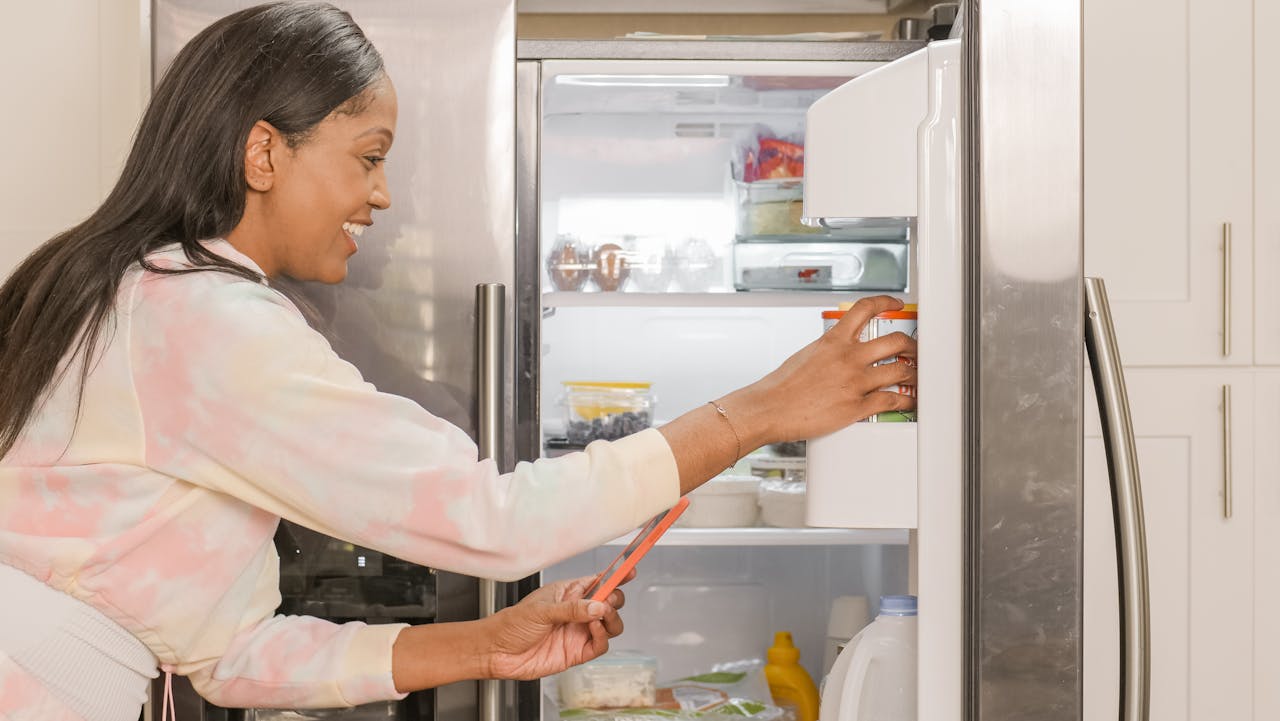
I completely understand the instinct. The power goes out, and our first thought is, “Quick, save everything in the fridge!” But here’s the truth: your refrigerator is only as good as its power source. Once the electricity stops, that cold air starts escaping every single time you open the door. The single most important rule during an outage is to keep that refrigerator door closed as much as humanly possible. Every time you peek inside, you’re letting precious cold air escape and shortening the window of safety for your food.
A simple investment in an appliance thermometer can be a total game-changer. You’ll know exactly what temperature your fridge is holding, and you’ll know the moment it creeps above that critical 40-degree mark. If the power has been out for more than four hours and shows no signs of returning, it’s time to take action. Transfer those perishables into coolers packed with ice or frozen gel packs. Think of it as moving your most vulnerable items into a safe house while the main house is compromised. Your fridge can still be useful, but it needs your help to do its job!
The Humble Manual Can Opener: Your Storm Season Hero

I know this sounds almost too simple to mention, but I promise you, it’s one of the most overlooked items in storm preparedness. We get so used to our electric can openers that we forget they’re completely useless without power. And have you ever tried to open a can with a knife or a screwdriver? It’s frustrating, it’s dangerous, and it’s the last thing you want to deal with when you’re already stressed and hungry.
A good-quality manual can opener is inexpensive, takes up almost no space, and can be the difference between a warm meal and a frustrating struggle. Choose one with sturdy stainless steel blades that won’t dull or break when you need them most. And here’s the key: store it somewhere you’ll remember! Not buried in the back of a drawer, but in an accessible spot where you can grab it instantly. When the power is out and your family is hungry, you’ll be so glad you thought of this small but mighty tool.
Glass Containers Look Lovely, But They’re Not Storm-Ready
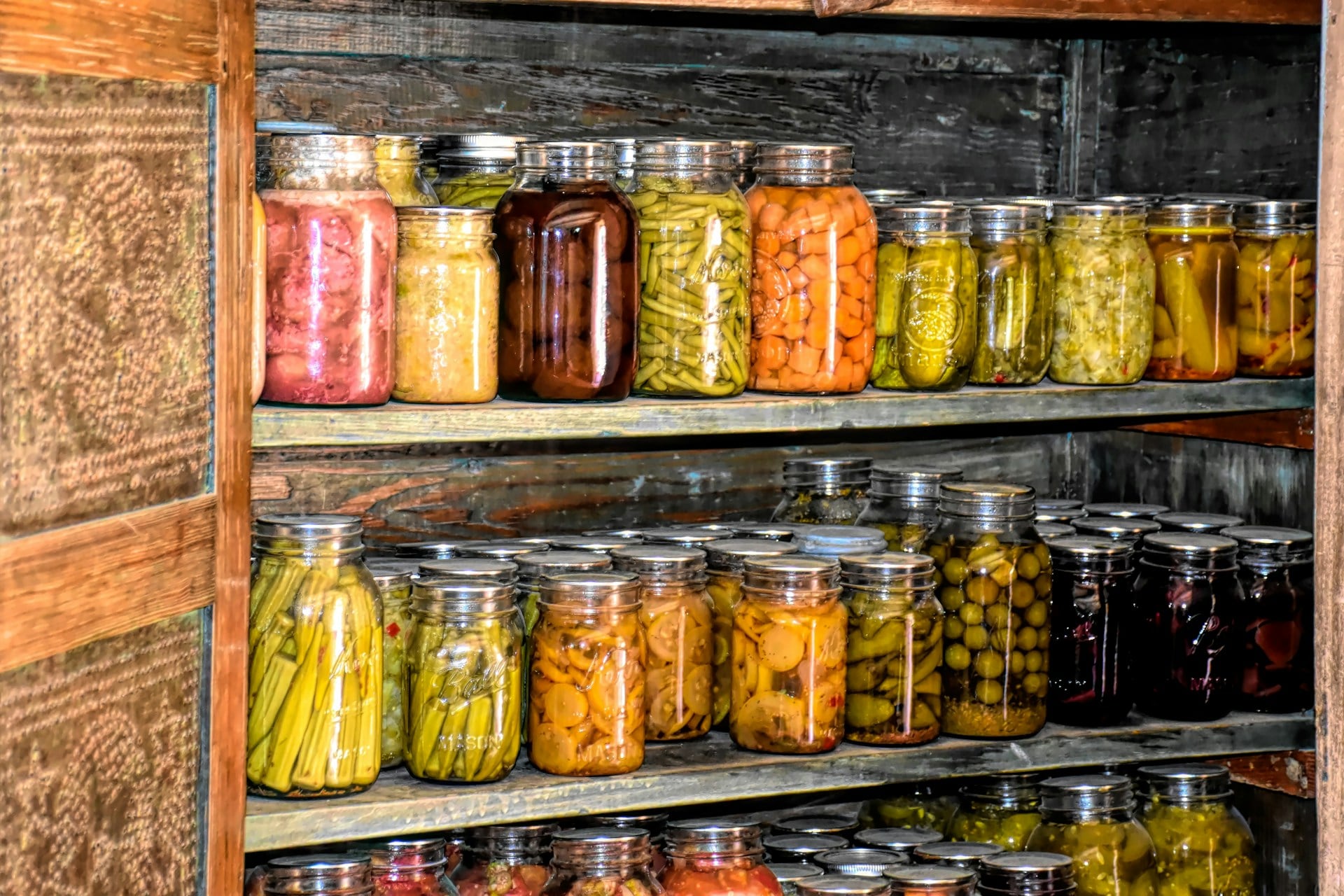
I completely understand the appeal of glass containers. They’re beautiful, they don’t stain, and they feel so satisfying to organize. But when storm conditions hit—whether it’s high winds rattling your home or the need to grab supplies quickly and evacuate—glass becomes a real liability. One knock, one fall, and you’ve got broken glass mixed in with your emergency food supply. That’s not just a mess; it’s a safety hazard.
For storm storage, think sturdy and shatterproof. Look for BPA-free plastic containers or food-grade metal options that can handle being bumped, jostled, or even dropped. Make sure everything has a tight, secure seal to keep moisture and pests out. And when you’re organizing your pantry, think about stacking stability. Put heavier items on the bottom, lighter items on top, and make sure nothing is teetering precariously. Your food will stay safe, and so will your family.
Expiration Dates Aren’t Just Suggestions—They’re Your Planning Partners
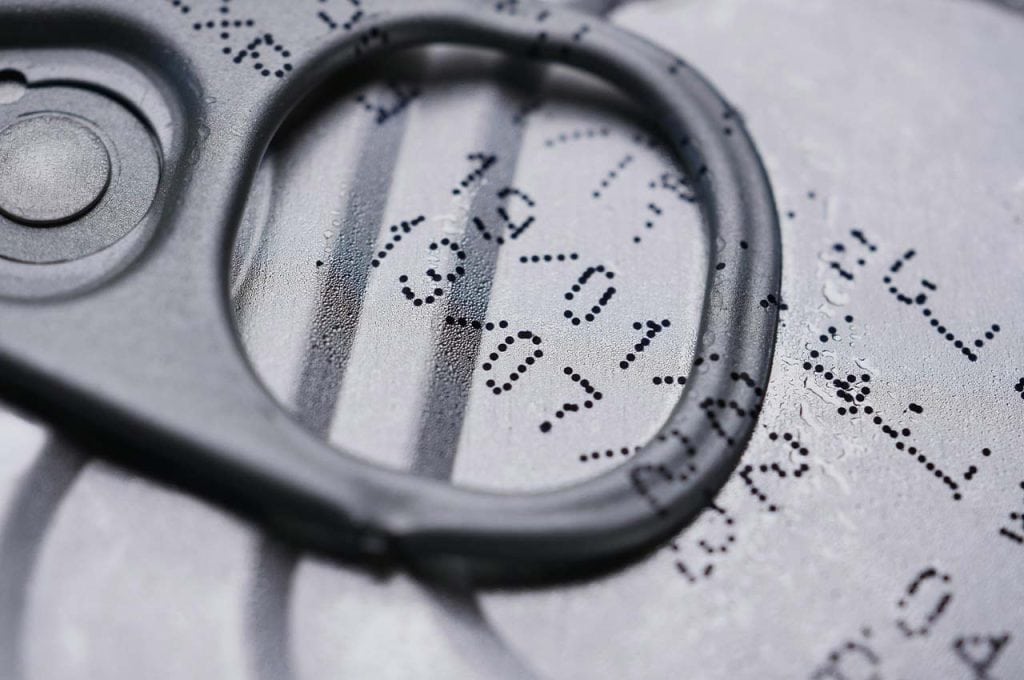
I know, I know. Checking expiration dates is not the most exciting way to spend an afternoon. But when you’re relying on your food storage during a storm, those little printed dates become incredibly important. Eating spoiled food is never fun, but during an emergency when medical help might be delayed, it can become a serious problem. Let’s make this easy and even a little satisfying!
Here’s my favorite system: when you bring home new supplies, take a moment to organize everything by date. Put the items with the soonest expiration dates at the front, where you’ll see them and use them first. Get in the habit of rotating your stock—it’s like being the librarian of your own pantry! Use a permanent marker to write dates on things if you need to. And remember, even non-perishables like dried grains and nuts have limits. A little bit of regular attention means nothing gets wasted and everything stays safe to eat.