Practical Ways to Save Money on Everyday Grocery Shopping

Cutting your grocery bill in half might sound a little extreme, but with the right strategies, it’s more doable than you think. You don’t have to give up quality or stop enjoying good food—you just need to shop a little smarter and plan ahead.
Once you get into a rhythm, these habits become second nature and can make a big difference over time. Here are some simple, practical ways to save money on groceries without sacrificing flavor or nutrition.
Investigate Local Farmer’s Markets
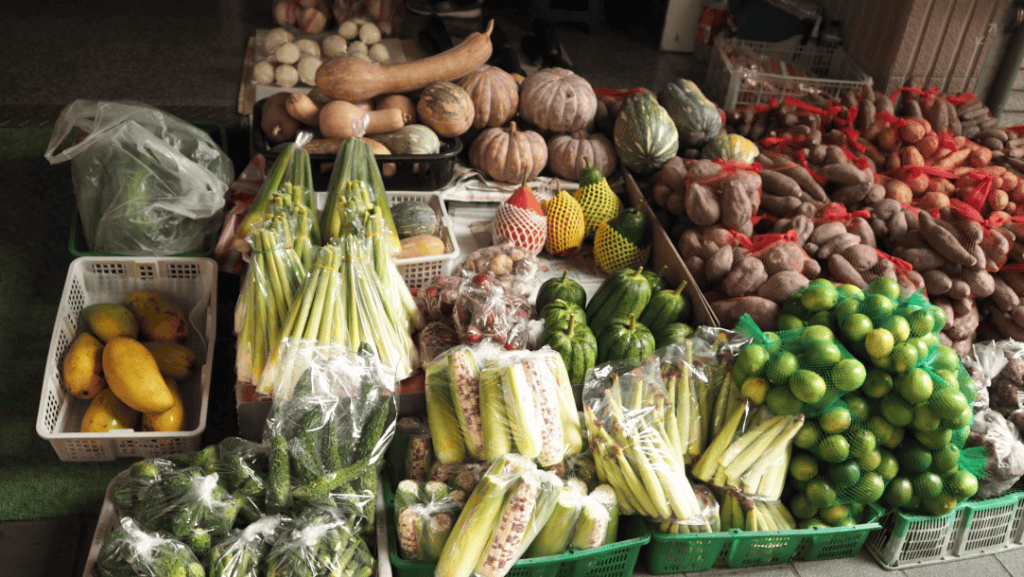
Farmer’s markets can be a great place to find fresh, affordable produce—especially if you go early or ask about bulk deals.
Getting to know vendors can also lead to better prices and insider tips on what’s coming into season next.
Harness the Power of Digital Coupons
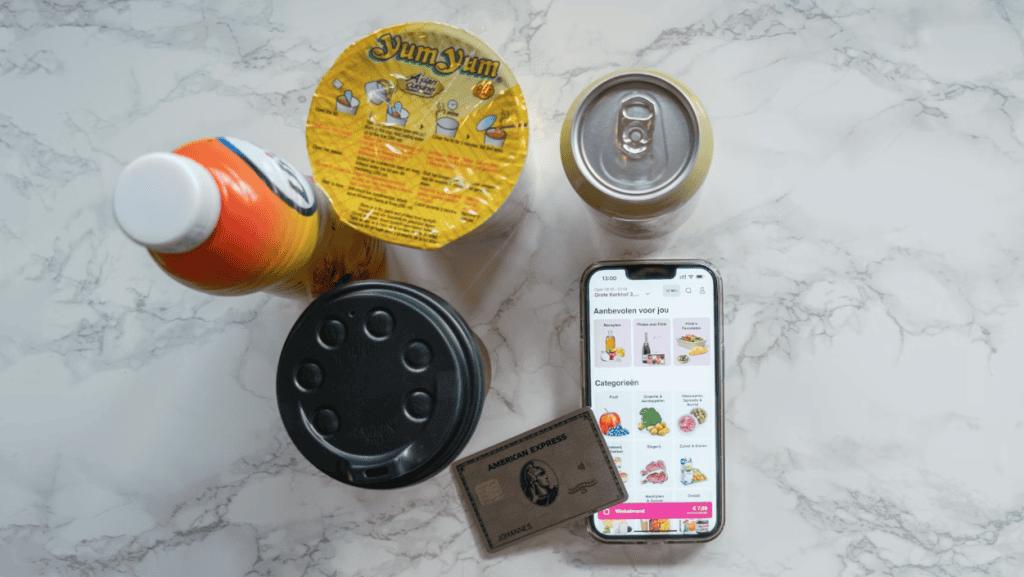
Digital coupons make saving money a lot easier than it used to be. Most grocery stores now offer apps or online deals you can apply instantly.
Take a few minutes before shopping to check what’s available and build your list around those savings. It’s a simple step that can really add up.
Embrace the Bulk Buying Strategy
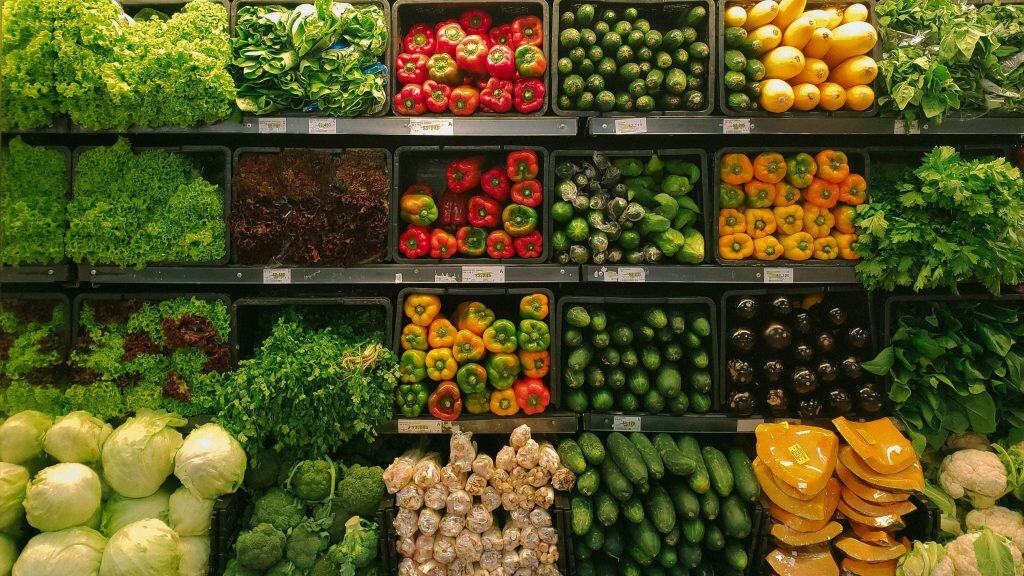
Buying in bulk can save money—but only if you’re smart about it. Stick to items that last, like grains, beans, and spices.
For fresh foods, consider splitting larger packs or freezing portions so nothing goes to waste. A little planning makes bulk buying work in your favor.
Opt for Store Brands Over Name Brands
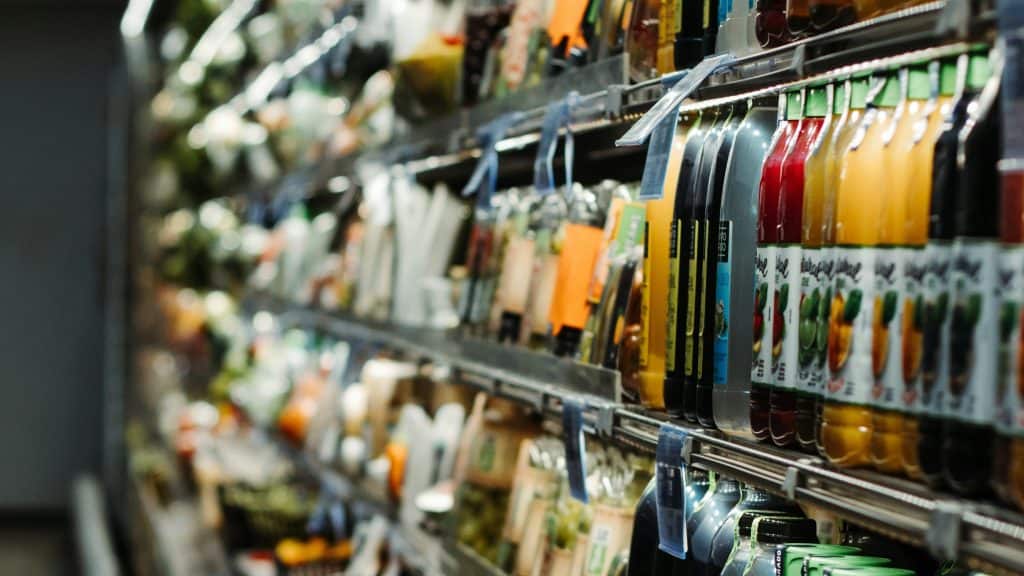
Store brands are often just as good as name brands, but at a lower price. In many cases, you won’t even notice the difference.
Start with basics like pasta, flour, and canned goods. Comparing ingredients can help you feel confident you’re getting similar quality.
Learn to Love Leftovers

Leftovers don’t have to feel repetitive. With a little creativity, they can turn into completely new meals.
Roast chicken can become a stir-fry, and leftover rice can turn into fried rice or even dessert. It’s all about using what you already have.
Discover the Magic of Discount Days

Many stores have certain days where prices drop on specific items. Knowing when those deals happen can help you save without changing what you buy.
Check store websites or sign up for emails so you don’t miss those opportunities.
Understand the Unit Price Hack
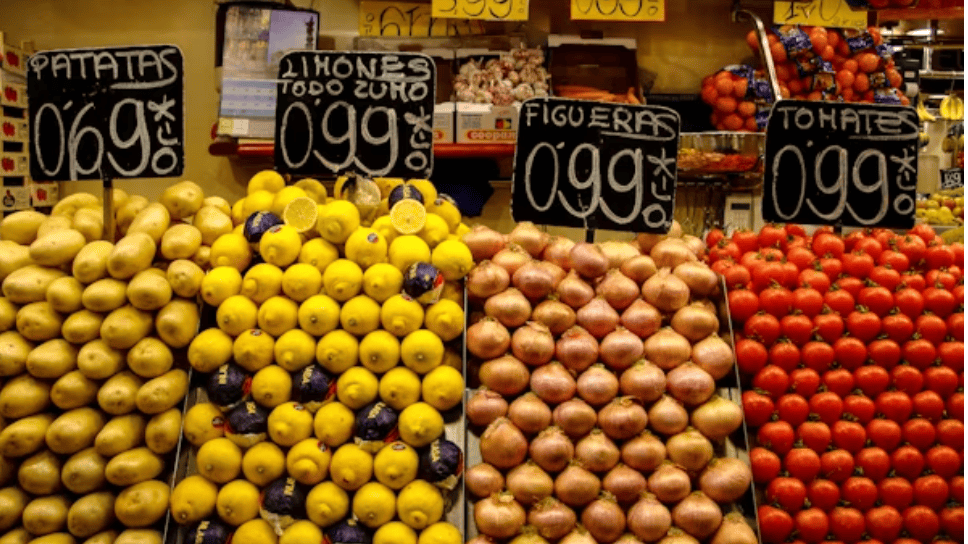
The unit price (price per ounce or pound) tells you the real cost of something. Sometimes the bigger package isn’t actually the better deal.
Getting into the habit of checking unit prices helps you make smarter decisions every time you shop.
Leverage Loyalty Programs for Savings
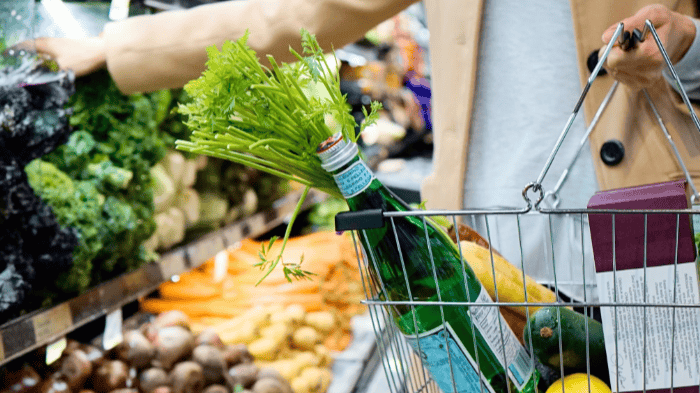
Loyalty programs are usually free and can lead to solid savings over time. You’ll often get discounts, points, or special deals based on what you buy.
If your store has an app, it’s worth using—it often unlocks extra savings with very little effort.
Master the Art of Meal Planning

Meal planning is one of the easiest ways to cut down on unnecessary spending. When you know what you’re cooking for the week, you’re far less likely to grab random extras at the store.
Focus on ingredients you can use in multiple meals—things like chicken, rice, or canned tomatoes. Cooking in batches and using leftovers also helps stretch your grocery budget further.
Freeze to Preserve Freshness
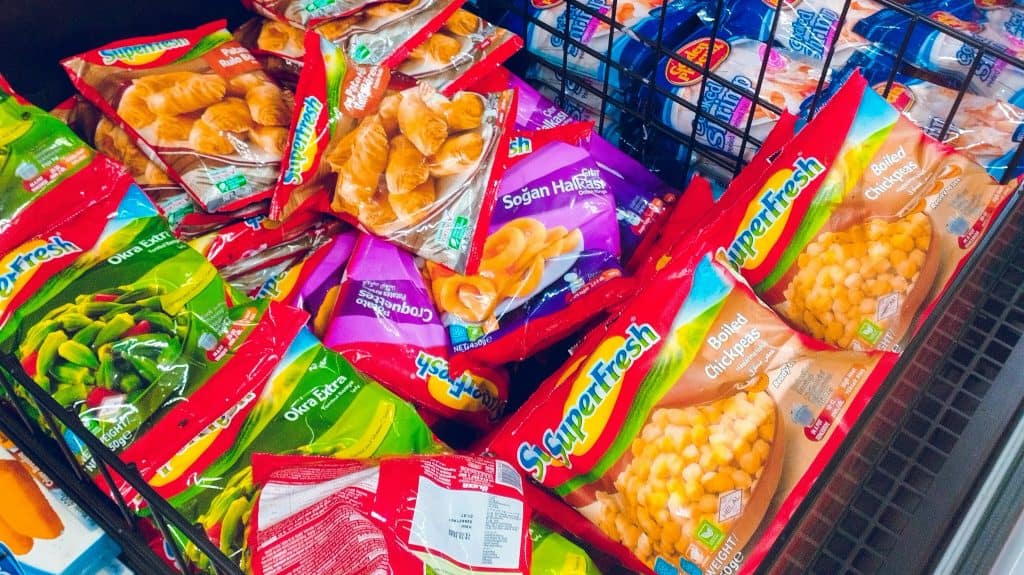
Freezing food is one of the best ways to avoid waste. If something’s on sale, buy extra and freeze it for later.
Just make sure everything is sealed well and labeled so you know what you have. It’s like building your own mini grocery store at home.
Avoid Impulse Buys with a List

Going into the store without a plan is one of the fastest ways to overspend. A simple list keeps you focused and cuts down on those “just in case” purchases.
Sticking to the outer aisles—where fresh foods usually are—can also help avoid pricier processed items.
Explore Seasonal Buying Benefits
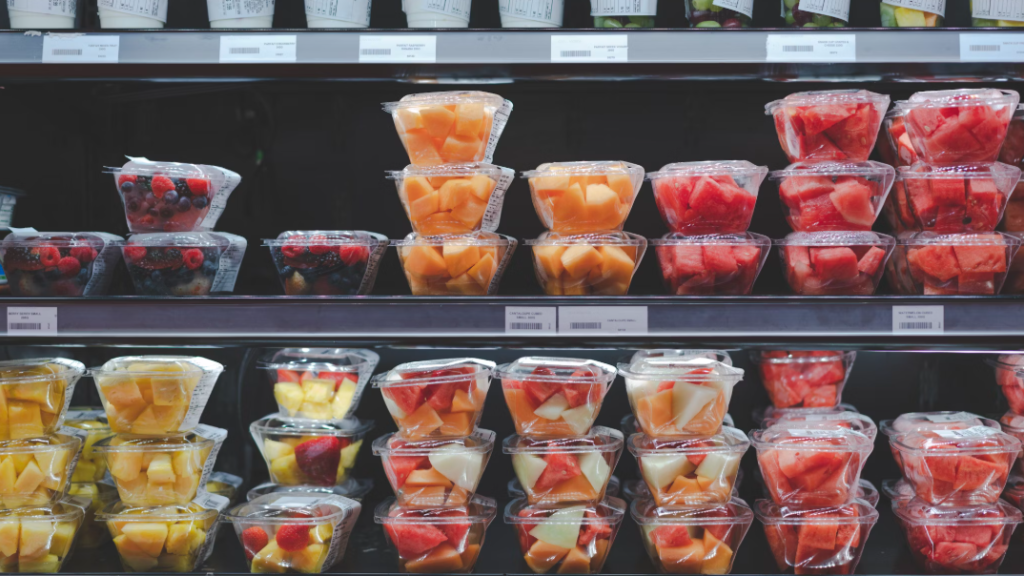
Buying fruits and vegetables in season usually means better prices and better flavor.
Strawberries in summer or squash in fall are not only cheaper, they taste better too. It’s a win-win.
Join a Grocery Co-Op
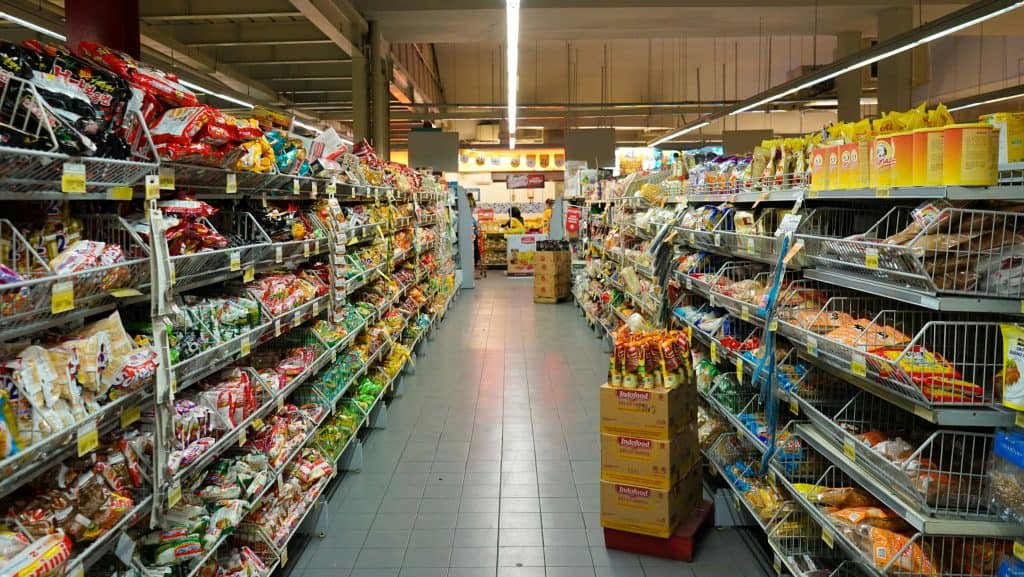
Co-ops can offer lower prices and access to bulk items or local products.
They’re also a great way to support local producers while saving money at the same time.
Grow Your Own Food at Home
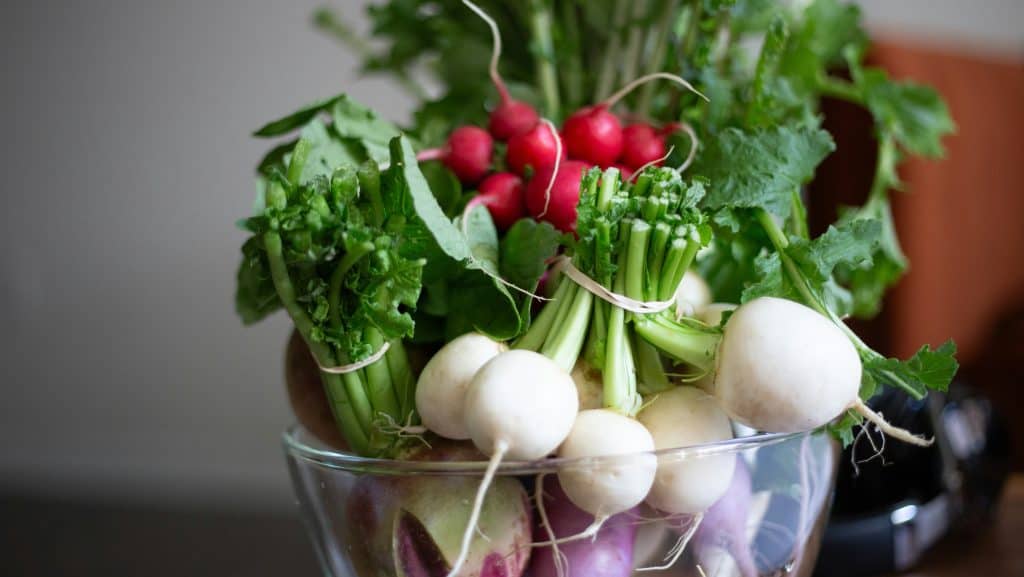
Even a small herb garden can save money over time. Things like basil, mint, or parsley are easy to grow and surprisingly expensive at the store.
If you have more space, you can expand into vegetables like tomatoes or peppers.
Try Cash-Only Shopping
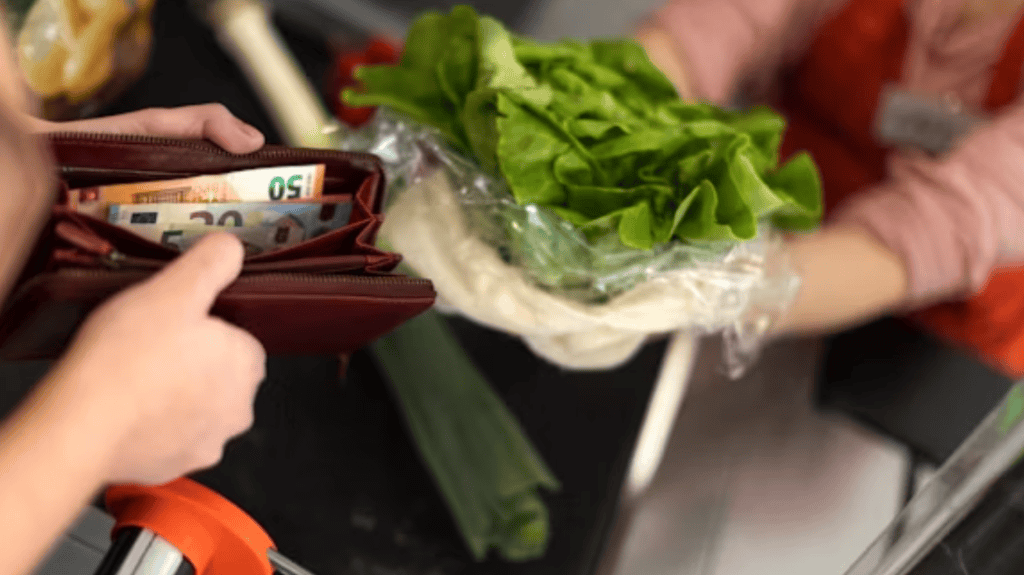
Using cash instead of a card can make you more aware of what you’re spending.
Setting a budget and sticking to it becomes much easier when you can physically see the money leaving your hands.