The Importance of Cooking Skills for Future Generations

You know, cooking is one of those things that can feel optional until suddenly it doesn’t. When you’re young and busy, it’s easy to treat it as just another chore or something you’ll figure out later. But the truth is, learning your way around a kitchen pays dividends in ways that surprise you. It’s not just about feeding yourself—though that’s important. It’s about confidence, health, money, connection, and even peace of mind. Investing a little time in understanding how to cook opens doors you didn’t even know were there. Here’s why it matters.
Strengthen Bonds with Shared Meals

Some of the best conversations happen around food. When you invite people into your kitchen and cook together, something shifts. There’s collaboration, teamwork, the easy rhythm of chopping and stirring side by side. Dishes that invite participation—taco nights, pizza building, anything customizable—get everyone involved. And then you sit down together and share what you’ve made. That ritual, as old as humanity itself, builds connection in a way that’s hard to replicate. It’s not just nourishment. It’s trust, it’s camaraderie, it’s memory. It’s what happens when people break bread together.
Building Confidence Through Cooking

There’s something genuinely satisfying about making something with your hands and having it turn out well. Even simple recipes—scrambled eggs, a basic soup, roasted vegetables—build competency in a way that feels tangible. You learn to chop, to sauté, to season, and each small success reinforces that you’re capable. Over time, you start to trust your instincts. You’re not just following recipes anymore; you’re improvising, adjusting, creating. That kind of confidence doesn’t stay in the kitchen. It seeps into everything else.
Health Benefits That Last a Lifetime
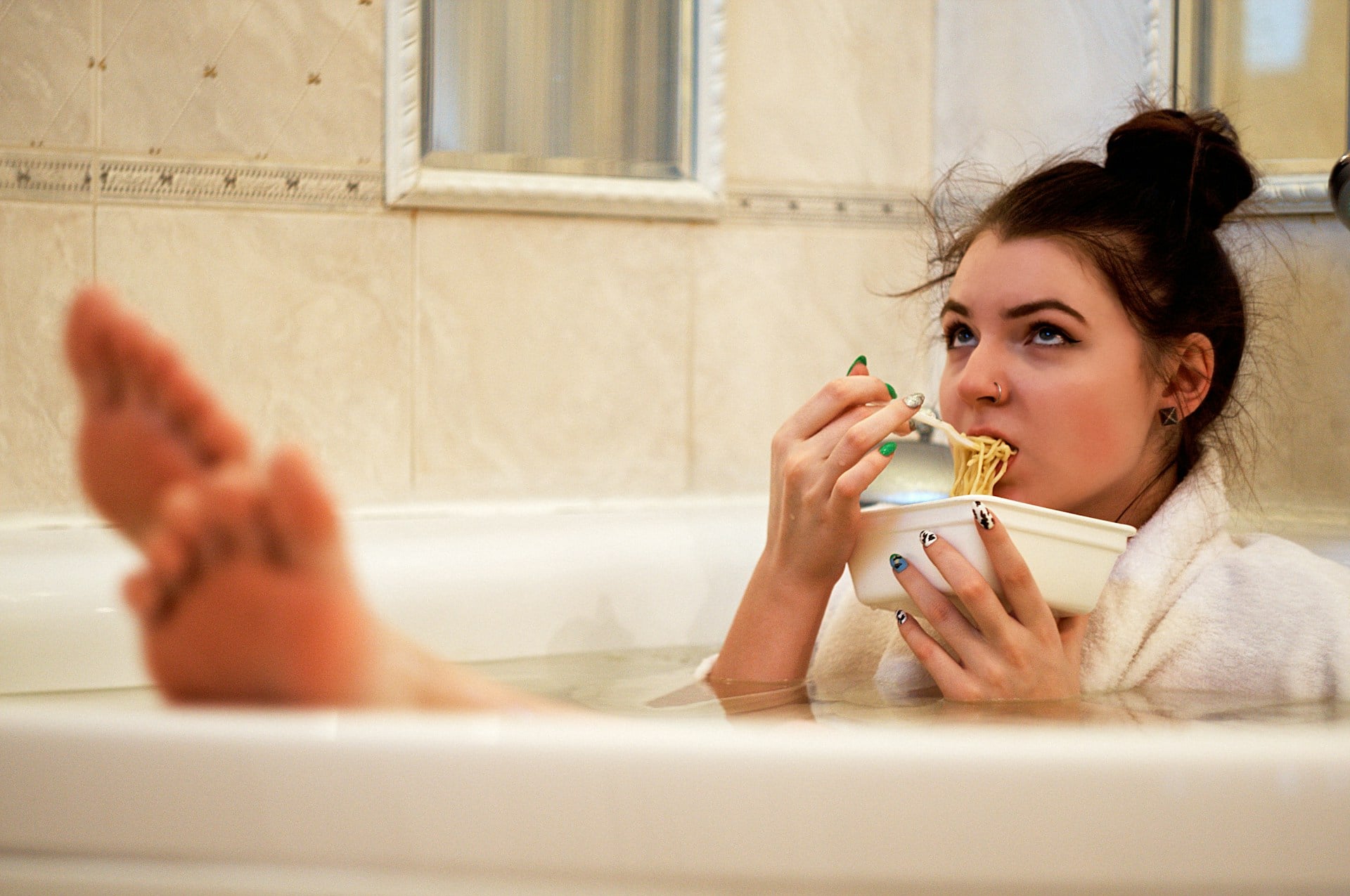
When you cook for yourself, you’re in control. You choose the ingredients, you decide how much salt goes in, you know exactly what’s on your plate. That simple act of control has huge implications for your health. You naturally eat less processed stuff, fewer mystery additives, less of the sugar and sodium that hide in packaged foods. And as you get comfortable with different cuisines and cooking methods, your diet naturally diversifies. You end up eating a wider range of nutrients without even trying. It’s not about dieting. It’s just about knowing what you’re eating.
Save Money: Cook Your Own Way
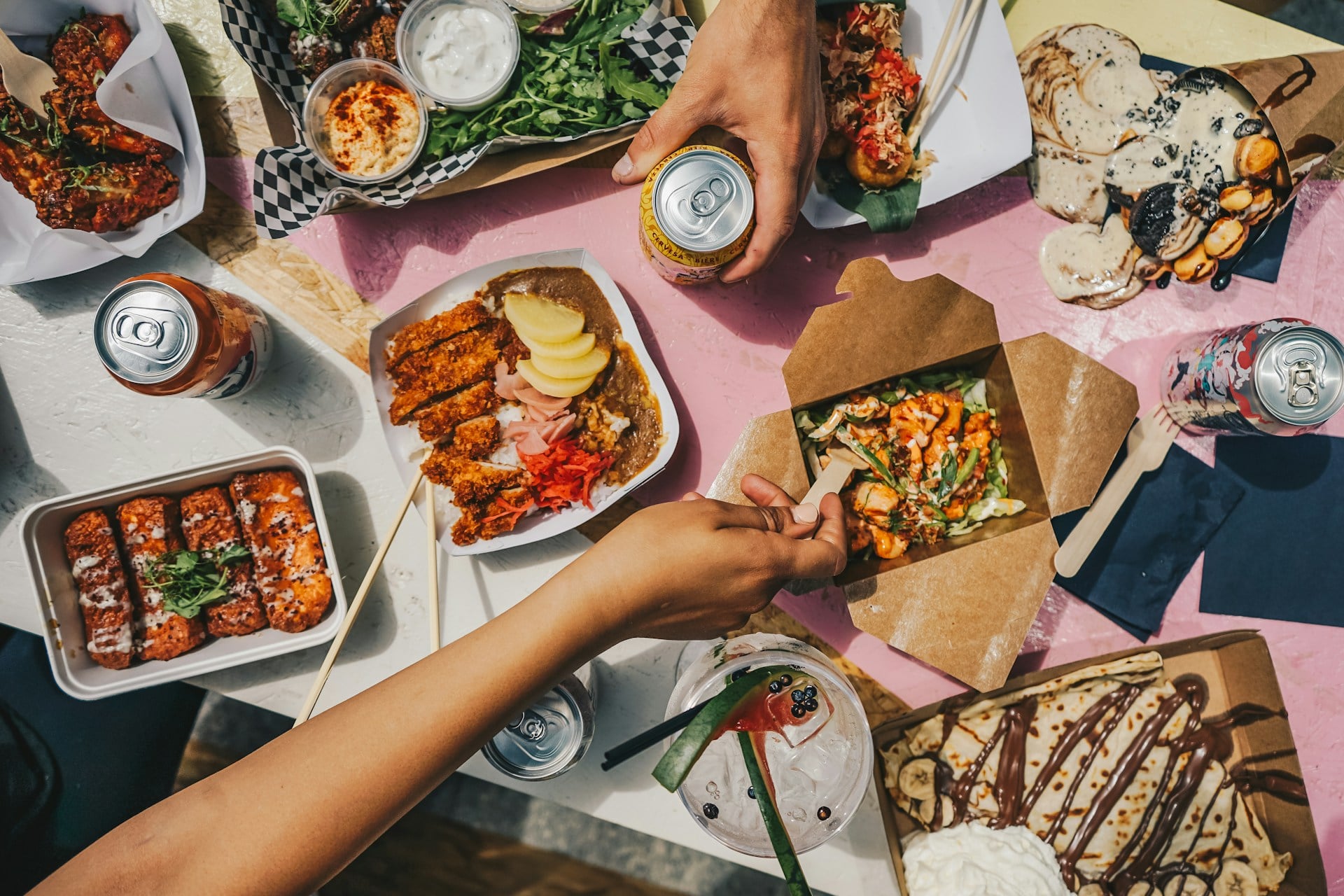
Eating out adds up fast. A few meals a week can quietly drain a budget in ways you don’t notice until you actually look. Cooking at home flips that equation. A bag of rice, some beans, vegetables, a little meat—those raw ingredients stretch into multiple meals for a fraction of what you’d pay at a restaurant. And once you get comfortable, you start getting creative with leftovers. That roast chicken becomes soup. Those extra vegetables become a frittata. You waste less, you save more, and you eat well doing it.
Break Free from Processed Foods

There’s a kind of freedom in cooking from scratch. You’re no longer dependent on whatever comes in a box or a bag with a long list of unpronounceable ingredients. When you make something yourself, you know exactly what’s in it. That shift—from relying on industrialized convenience foods to cooking with real ingredients—changes your relationship with food. You start appreciating flavors more, noticing quality, caring about where things come from. It’s not about being perfect. It’s just about being more connected to what you’re putting in your body.
Stress Relief Through Creative Cooking

Cooking can be surprisingly meditative. The physical act of kneading dough, the sizzle of garlic hitting hot oil, the way herbs smell when you chop them—it engages your senses and pulls you into the present moment. You’re not thinking about your to-do list or whatever’s stressing you out. You’re just there, focused on the task in front of you. And when you finish, you have something to show for it. That feeling of accomplishment, however small, is genuinely good for your mental state. It’s a form of therapy that ends with dinner.
Connecting Through Culinary Traditions
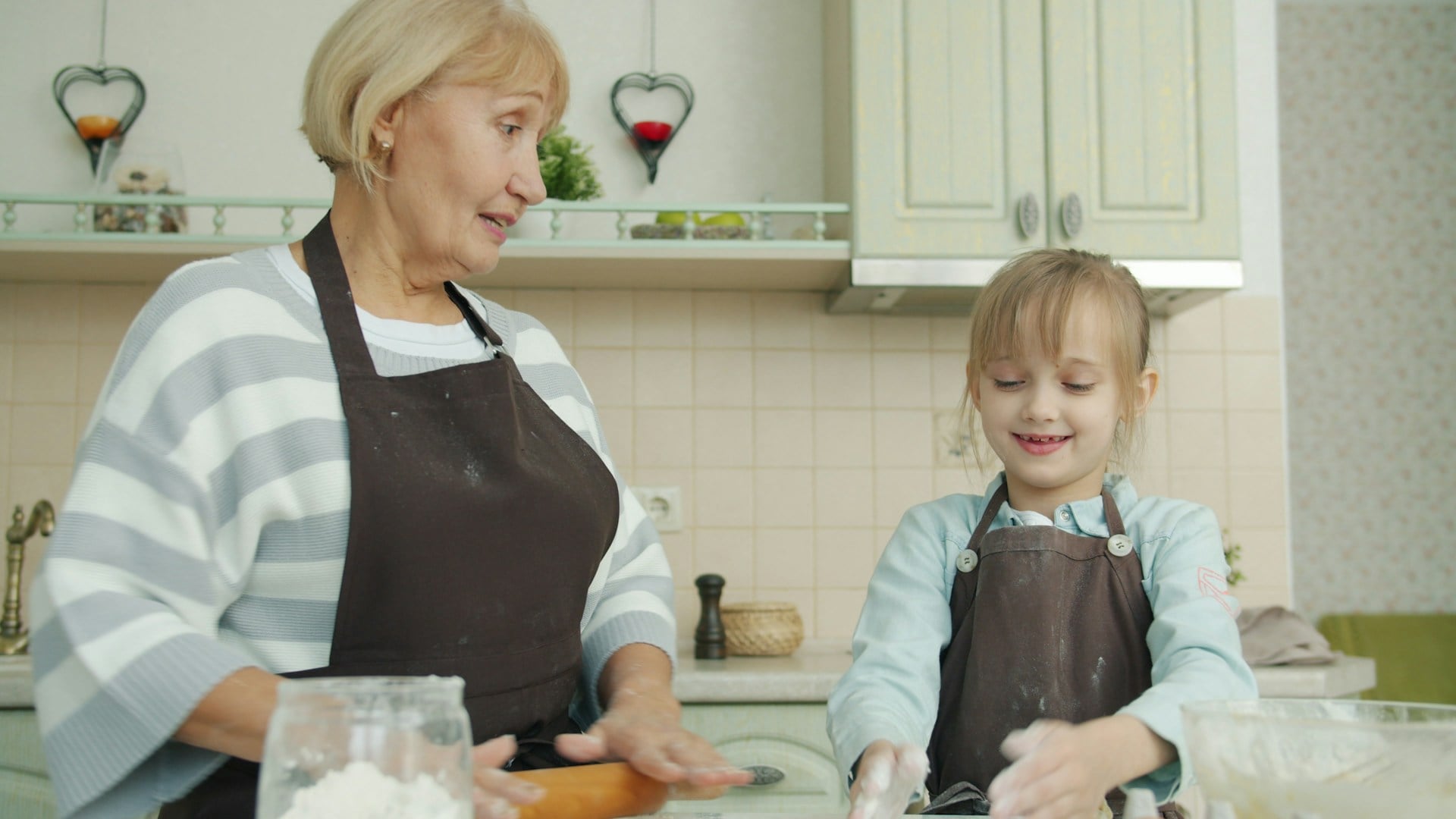
Food is one of the most direct ways we connect with where we come from. Making a family recipe—something your grandmother made, something that’s been passed down—is a way of touching your own history. You learn about your heritage through ingredients and techniques. You share stories as you cook, passing along not just a recipe but the memories attached to it. And when you make that dish for others, you’re sharing a piece of yourself. It’s a bridge between generations, between cultures, between people who might not otherwise connect.
Mindful Eating and Sustainability

When you cook mindfully, you start thinking differently about food. You notice what’s in season because it tastes better. You buy local because it supports your community and reduces your footprint. You waste less because you’ve learned how to use scraps and leftovers. It’s not about being perfect or making grand gestures. It’s just a shift in awareness. You appreciate the texture of a ripe tomato, the smell of fresh bread, the way a simple meal can feel satisfying. That awareness makes eating more enjoyable and more meaningful.