Southern Dishes Familiar Only to Authentic Southerners

There is a certain kind of food pride that only Southerners carry. It’s not loud or showy. It just sits quietly in a cast iron pan on the stove, simmering since morning, filling the kitchen with something people from other regions simply would not understand. Southern food is layered, complicated, shaped by centuries of Native American, West African, European, and Creole influences all colliding in one hot, humid, stubborn region. That history is exactly why some dishes that feel completely normal at a Southern table will make an outsider’s jaw drop. Here are ten things only Southerners truly get.
Shrimp and Grits
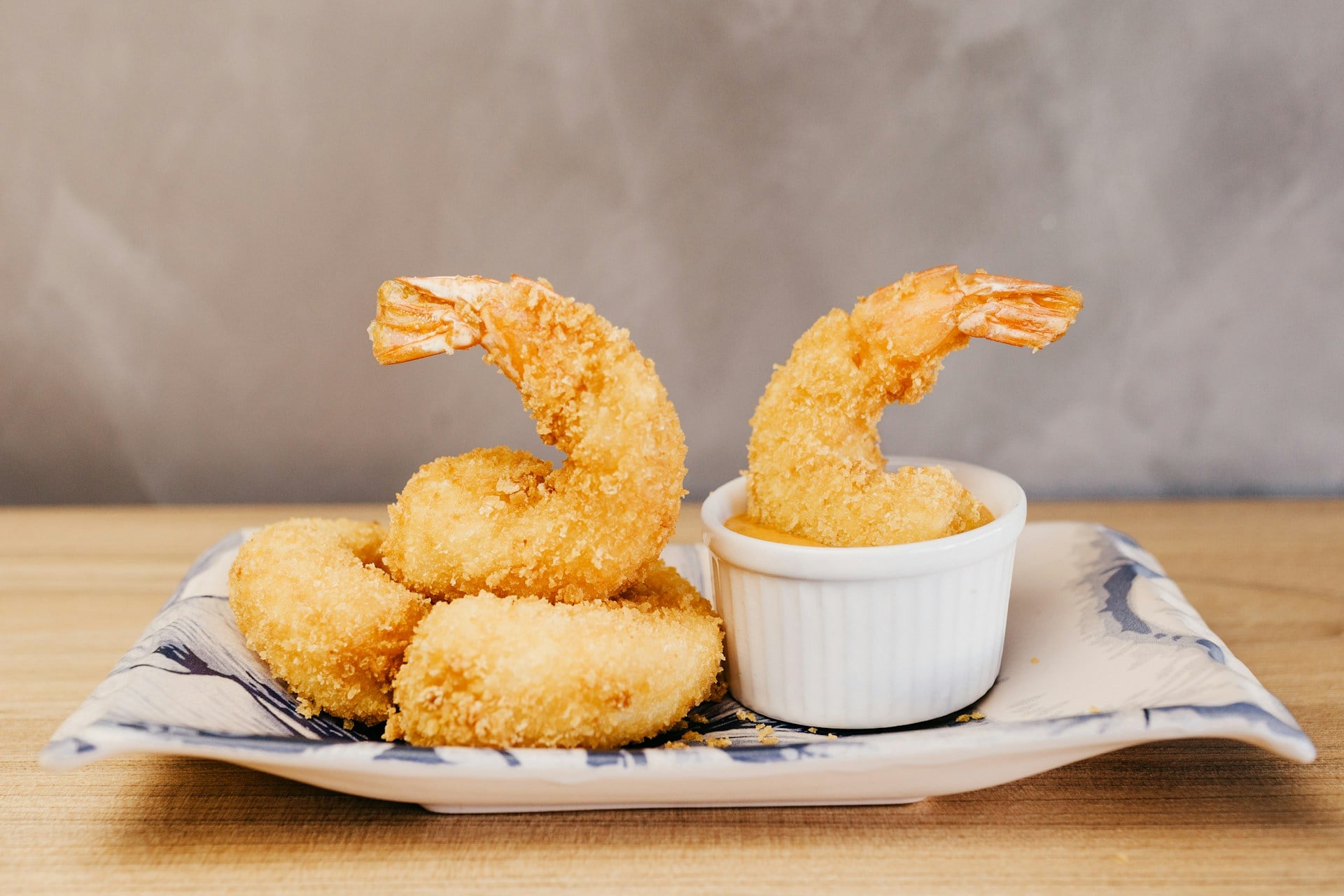
Shrimp and grits is technically two ingredients. Practically, it’s an entire philosophy. Grits ground from hominy corn, creamy thick porridge on Southern breakfast tables. Sweet with butter and sugar, savory with cheese, shrimp, runny egg. Versatility confounds outsiders. The shrimp-and-grits combination specifically is borderline sacred.
It was the brainchild of enslaved people. West African slaves brought new cooking methods and okra. They continued practicing their native art of stewing and one-pot meals, giving way to prized Southern dishes we know today. Shrimp and grits carries that legacy in every bowl. Hearty, deeply flavored, steeped in Southern pride. Breakfast, lunch, or dinner. Never apologizes for being exactly what it is.
Boiled Peanuts
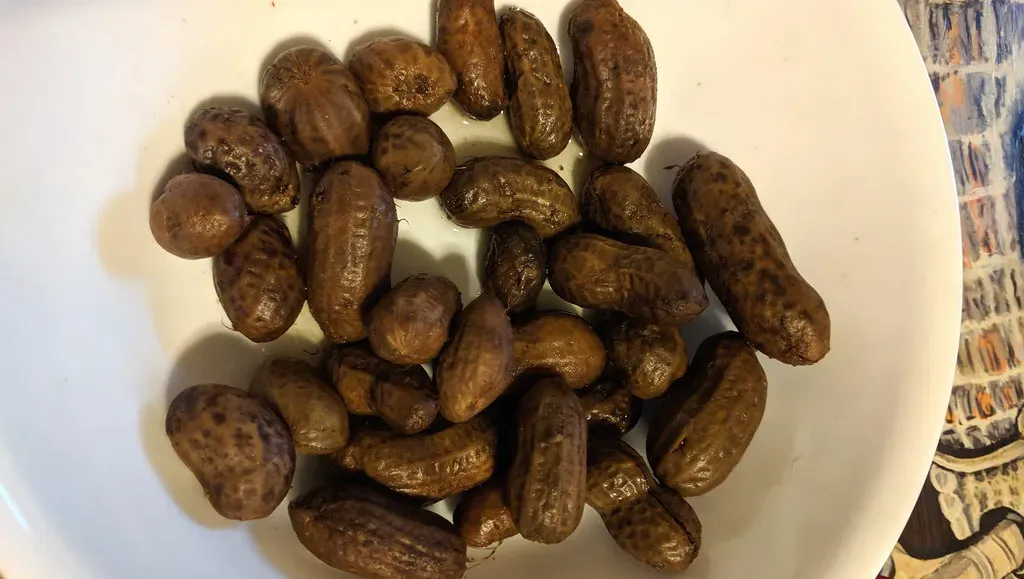
Drive any highway in Georgia or South Carolina and you’ll see handwritten signs: “Hot Boiled Peanuts.” To a Southerner, that’s an emergency stop. To anyone from up north, it sounds deeply questionable. Peanuts boiled in their shells until tender, soft, briny, deeply satisfying in a way that takes convincing to appreciate.
It sounds crazy. But boiled peanuts convert people on the first try. That soft, almost buttery texture is nothing like the crunchy roasted version most Americans know. You won’t find them on mainstream menus, but thanks to the local food movement, they’re showing up at gourmet markets too. Still, nothing beats buying them from a guy on the side of the road.
Brunswick Stew
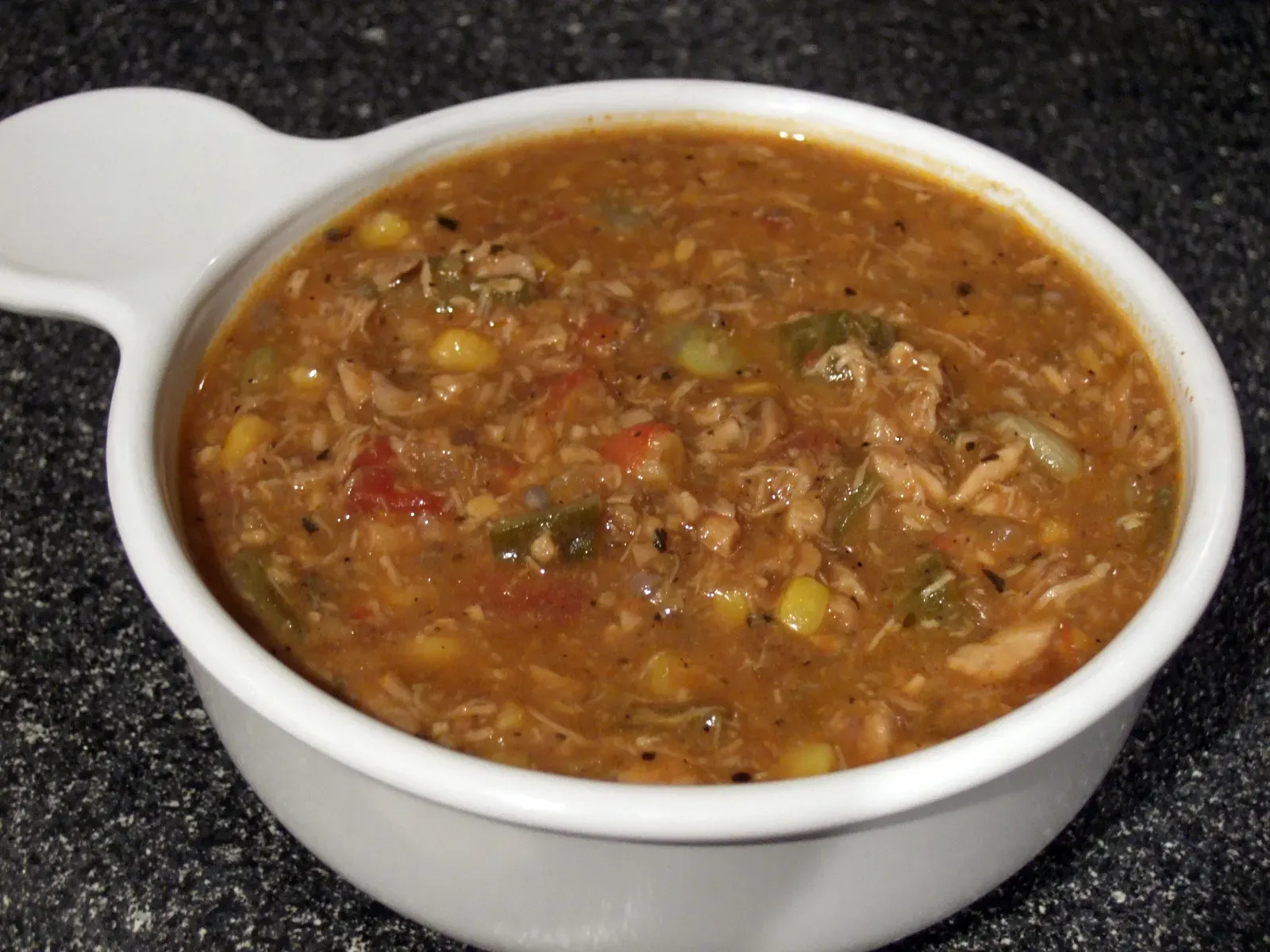
Brunswick County, Virginia, and the city of Brunswick, Georgia, both claim to have invented this stew. This is not a polite disagreement. People in both states will argue about it over dinner with total sincerity. The predecessor was born in 1828 when an enslaved camp cook named Jimmy Matthews mixed squirrel, stale cornbread, and onions for his enslaver in Virginia.
Over time it spread across the South, picking up new ingredients. Tomato-based, lima beans, corn, okra, one or more meats. Originally small game—squirrel, rabbit, opossum. Now usually chicken. It’s a fixture at fund-raisers, political rallies, family reunions. In 1988, Virginia officially declared Matthews the inventor and now holds an annual Brunswick Stew Day at the Capitol every January. Georgia has never conceded. The stew wars continue
Fried Green Tomatoes
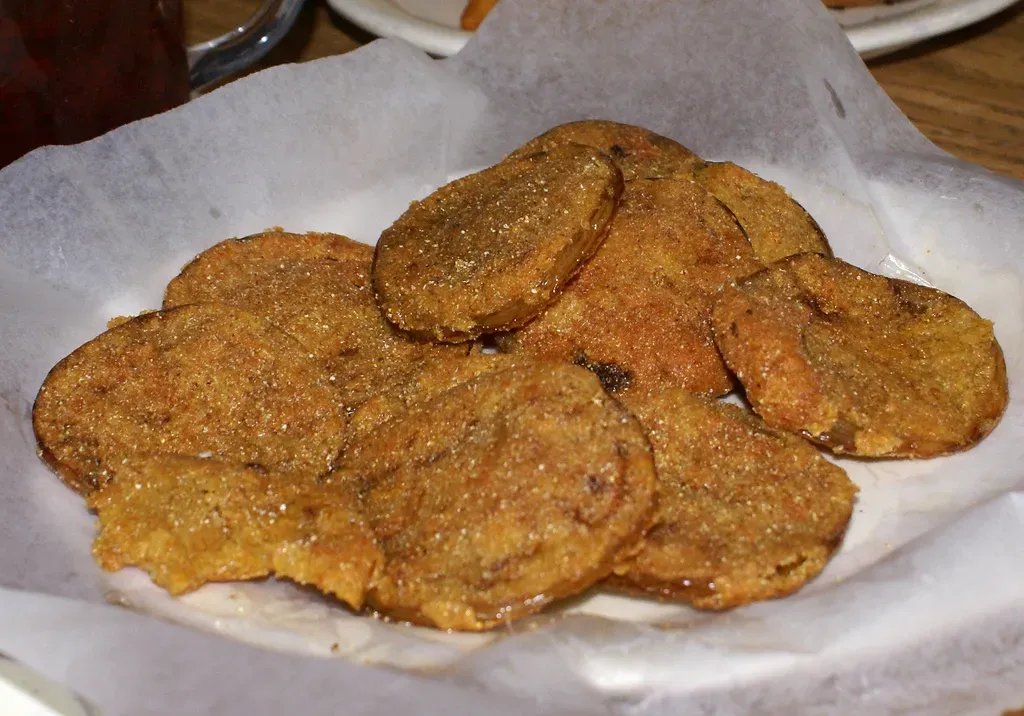
Tgrow entire batches of green tomatoes specifically reserved for frying, never to ripen on the vine. Firm, tart slices dredged in cornmeal, fried until golden. Crispy coating, slightly sour dense tomato inside. Nothing else like it.
Same principle as a pickle. Take something that isn’t what it’s supposed to be yet, transform it into something better. Southern cooking has always had a genius for that kind of patience. Survival food that evolved into pure pleasure
Corn Pudding

Corn pudding sits in a culinary no-man’s-land that only Southerners feel completely comfortable in. It doesn’t fit neatly into sweet or savory, and that’s exactly where it throws off people who didn’t grow up with it. Soft, golden, rich. Not dessert, not quite a side. Its own category.
Humble corn transformed into something unforgettable. Creamy corn and custard baked until golden, sitting proudly beside roasts and hams at every holiday table. Guests who’ve never encountered it always come back for more, even when they’re not entirely sure what they just ate. Rooted in the South’s deep reliance on corn—grits, breads, cakes, breading on fried foods. Corn pudding is a love letter to that tradition.
Southern Tomato Pie
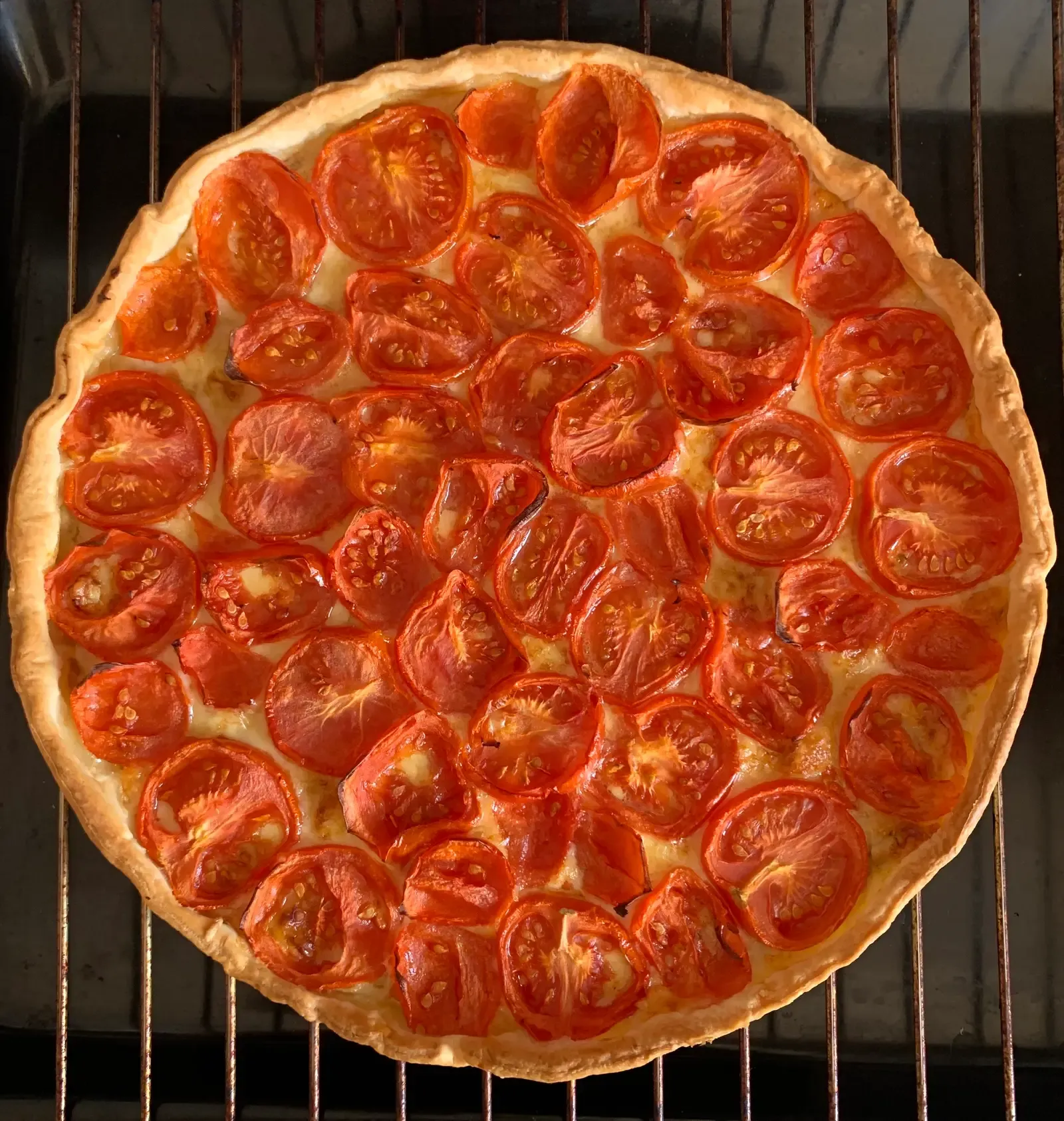
Mention tomato pie outside the South and the confusion is instant. A pie? With tomatoes? Savory? Not sweet? Yes. All of that. Ripe tomatoes layered into a pie crust feels almost unthinkable. That’s exactly why it turns heads. Flips expectations of what pie should be.
In about forty-five minutes, ripe tomatoes bake with mayo, cheese, herbs inside a flaky crust. Homely and elegant at the same time. The South’s way of turning garden produce into comfort. Outsiders call it unusual. Southerners just call it lunch. That nonchalance is the point. What feels exotic from the outside is just Tuesday inside a Southern kitchen
Pimento Cheese
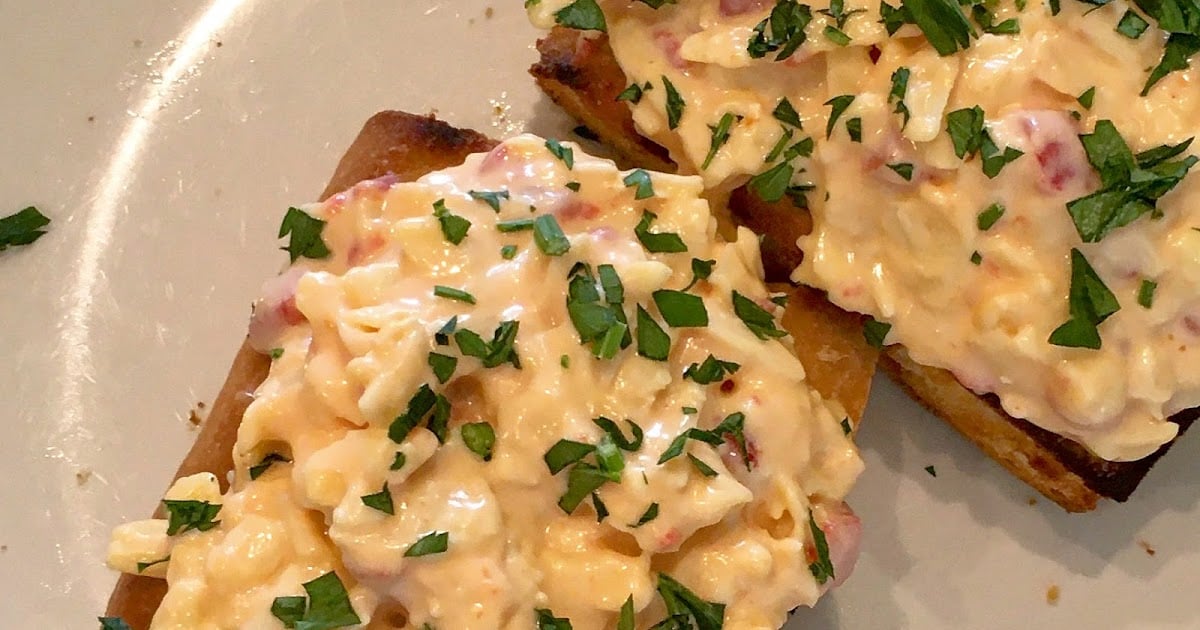
Every Southerner has a family pimento cheese recipe. A preferred mayo brand. A strong opinion about whether jalapeños belong. You find it at church gatherings, weddings, funeral receptions, no one blinks. It’s called the caviar of the South for a reason.
What most Southerners don’t know? It didn’t actually originate here. New York invented it. But when it made its way south, it transformed into something entirely different. By the 1960s, Georgia was the Pimento Capital of the World, growing nine out of every ten pimentos in the nation. That local pepper supply rooted it so deep in Southern cooking that most people forgot it ever came from anywhere else. It’s been served at the Masters Tournament since the 1940s. It became so Southern that the origin story just… faded.