Top Vegetables Perfect for Container Gardening at Home

Not everyone has a sprawling vegetable patch. For a lot of us, the dream of growing food starts and ends on a balcony, a small patio, or even just a sunny windowsill where the square footage is measured in inches, not acres.
For the longest time, the idea that you needed a proper “plot of land” to grow your own veg was a total gatekeeper. It kept so many people from even trying. But container gardening? It’s completely changed the game. It turns out, a bunch of vegetables actually prefer the cozy, controlled life in a pot, and they thrive in spaces most people wouldn’t even glance at twice.
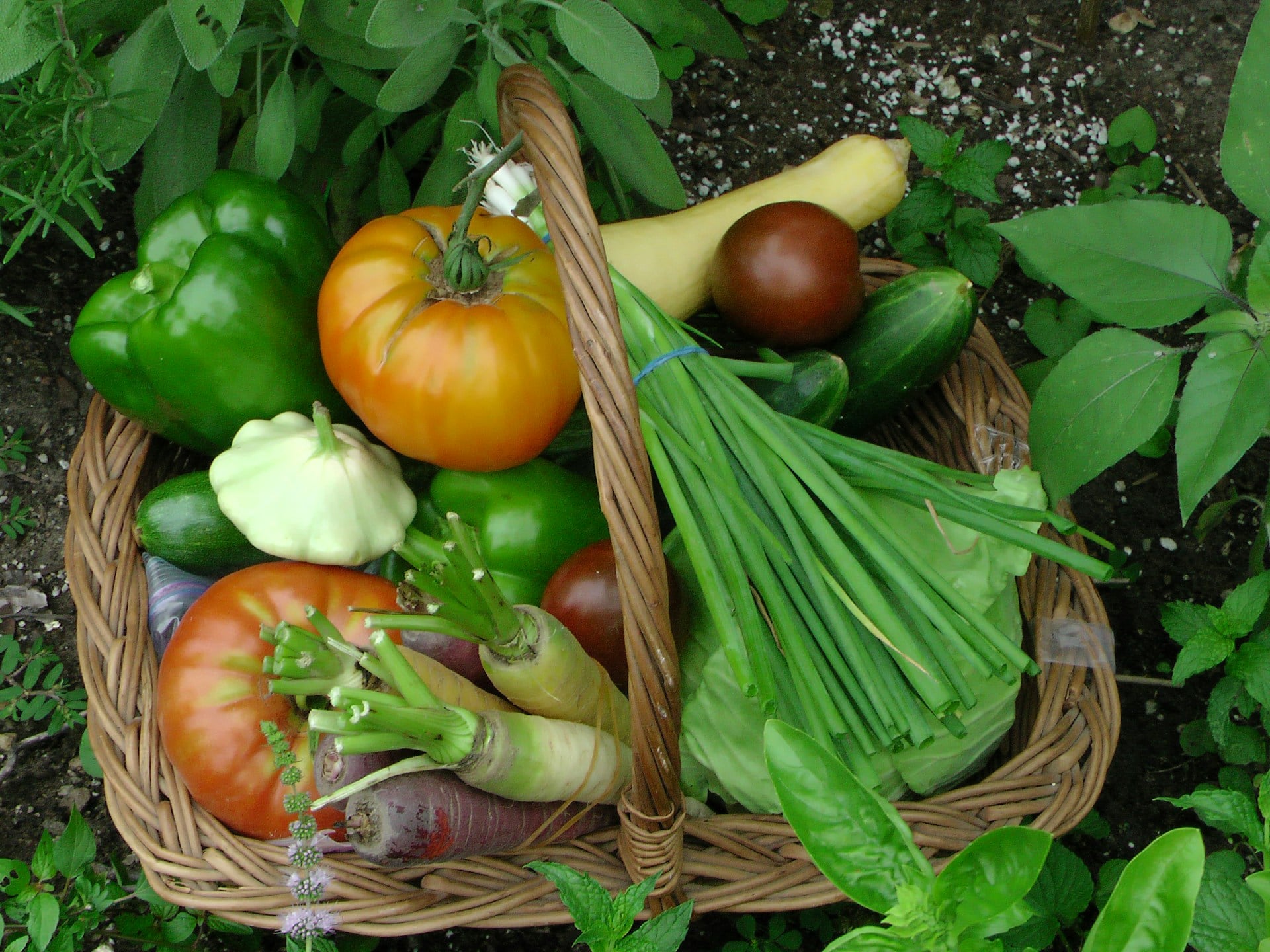
Here are the vegetables that are always, always worth growing in a container. They’re the reliable overachievers that taste amazing and, as a bonus, tend to make for the best photos when things start taking off.
Strawberries
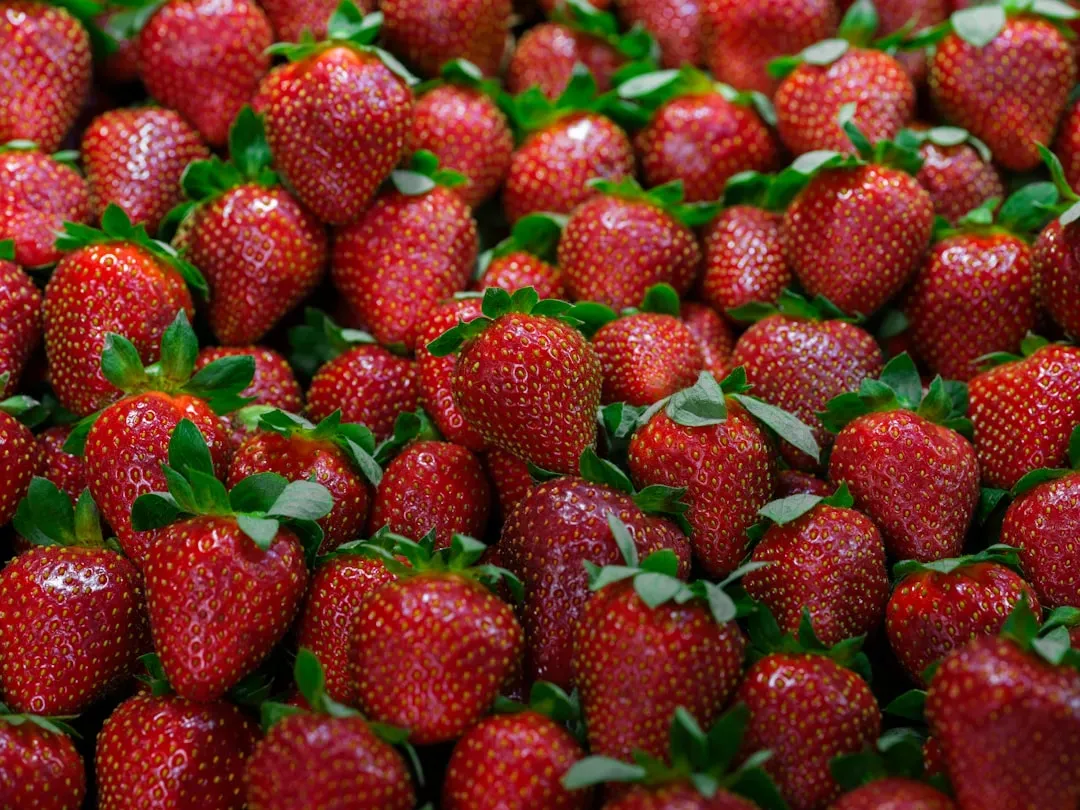
Strictly a fruit rather than a vegetable, but worth including here because strawberries behave exactly like a container vegetable in terms of growing conditions and work beautifully alongside edibles in a mixed container planting. The white flowers, the small developing fruit, and then the ripe red berries at different stages simultaneously make a strawberry container one of the most visually appealing in any small garden setting.
Hanging baskets and strawberry towers are classic presentation formats, but a terracotta pot with runners trailing over the sides looks equally appealing and produces just as well. The photographs that come from a fruiting strawberry container — particularly those taken at the moment the first berry turns fully red — have a particularly vivid, domestic appeal.
Cherry Tomatoes

Let’s be real, cherry tomatoes are the rockstars of the container world. And the payoff is every bit as good as the hype suggests. Grab a big pot—at least a foot deep—pop in one plant, put it in a sunny spot, and that single plant will reward you with dozens of little jewels all season long.
The real trick is picking the right variety. Look for compact ones bred for pots, like ‘Tumbling Tom’ or ‘Tiny Tim.’ They have this gorgeous trailing habit that spills over the sides of the container, looking almost decorative before the fruit even shows up. And when those tomatoes finally ripen—turning from hard green to deep reds, golds, or oranges—the clusters against the dark green leaves are just stunning. Pop them against a sunny wall for that extra warmth, and you’ve got a recipe for quick, even ripening and a picture-perfect moment.
Lettuce and Salad Leaves

Lettuce is the ultimate low-stakes, high-reward crop. It grows fast, it fills a shallow pot with a dense, leafy mound, and you can practice “cut and come again”—just snip what you need at the base and it keeps on giving. A nice glazed ceramic pot or even a wooden crate filled with a mix of frilly green, deep red oak leaf, and peppery rocket is genuinely beautiful on a balcony. And the best part? You’re about four weeks away from your own salads.
The colour range in a simple mix is honestly incredible, from pale lime to deep burgundy all in one pot. Just a heads-up: lettuce loves cool weather, so your spring and autumn harvests will last way longer than a summer one, which has a tendency to bolt (go to seed) the second it gets hot.
Radishes
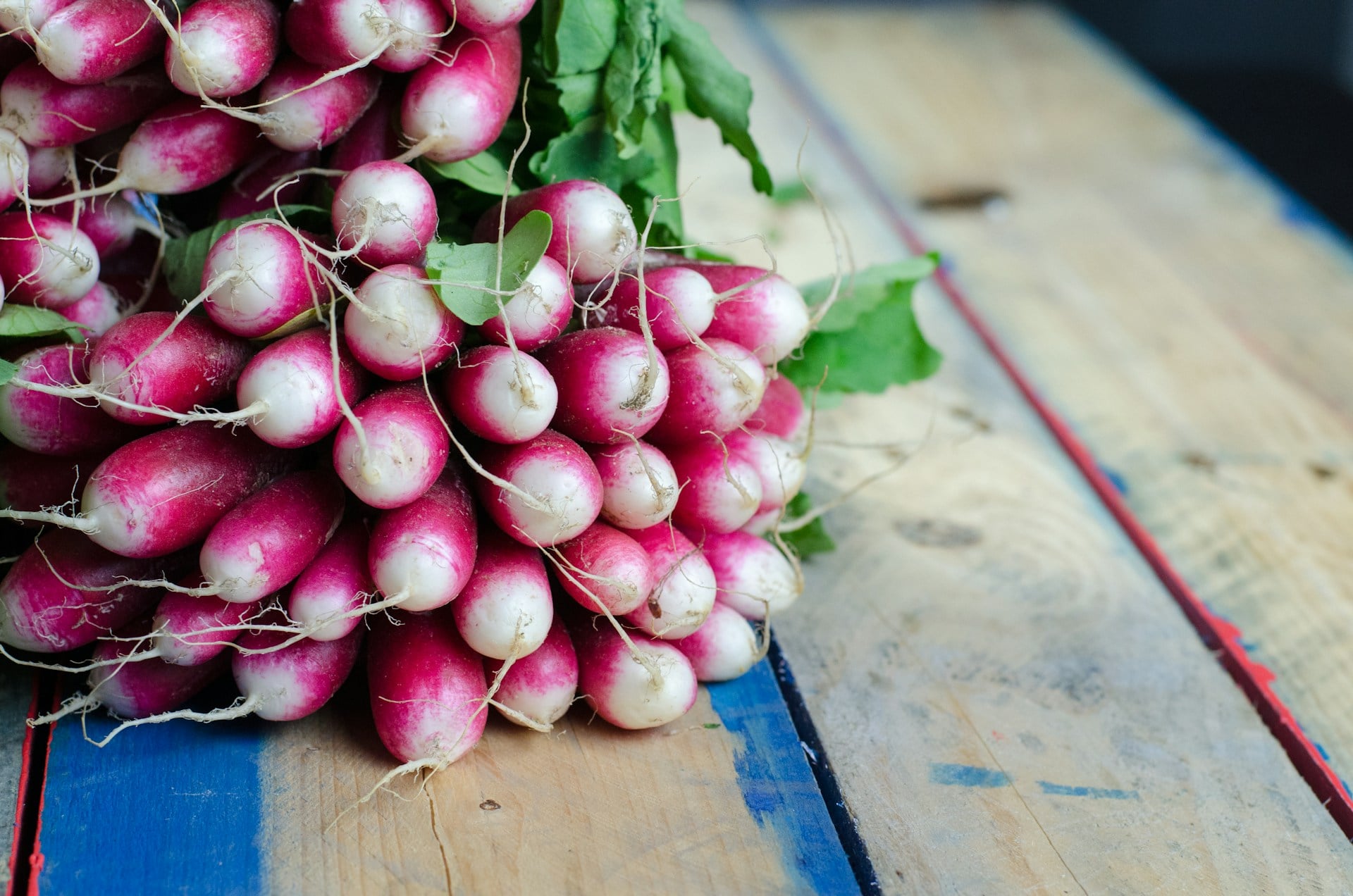
Radishes are the impatient gardener’s best friend. We’re talking three to four weeks from seed to salad. That’s it. They’re the perfect crop for instant gratification or for filling space while you wait for slower plants to get their act together.
They need hardly any room—a pot just six inches deep will do—and you can sow them right where they’ll grow. The classic round red ones, like Cherry Belle, are especially fun because they practically push themselves out of the soil as they swell. It’s like they’re announcing they’re ready. And honestly, a simple terracotta pot full of radishes, with their bright green tops, is a classic kitchen garden image for a reason. It just looks so honest and appealing.
Beetroot

Beetroot is the ultimate two-for-one deal. You get the edible root and the leaves are usable too, which makes it incredibly productive for the space it takes. Just make sure you have a deep pot—at least 12 inches—so the root has room to swell underground.
Before the root is even close to being ready, you can be harvesting the young leaves for salads, which basically extends your “growing season.” When the beetroot is finally ready, the shoulders of the root will start peeking up above the soil, giving you a clear visual “hey, I’m ready!” signal. And with its deep red stems and dark green leaves, a pot of beetroot is one of the most naturally photogenic things you can grow, long before you pull a single one.
Peppers

Peppers—both sweet bell peppers and fiery chillies—are container naturals. Their root systems are pretty modest, and they absolutely love the warm soil that a pot in full sun provides. One standard 12-inch pot equals one happy plant for the whole season.
The visual bonus here is the colour show. As the season goes on, the fruit puts on a slow-motion transformation—from green to yellow, orange, and finally red for most varieties. The smaller chillies are especially ornamental. You can get densely fruited plants with little upward-pointing fruits in red, orange, and even purple. They look as good on a patio as they do in a kitchen garden. Just remember they get thirsty once they start fruiting, and a weekly liquid feed will keep them happy.
Spinach
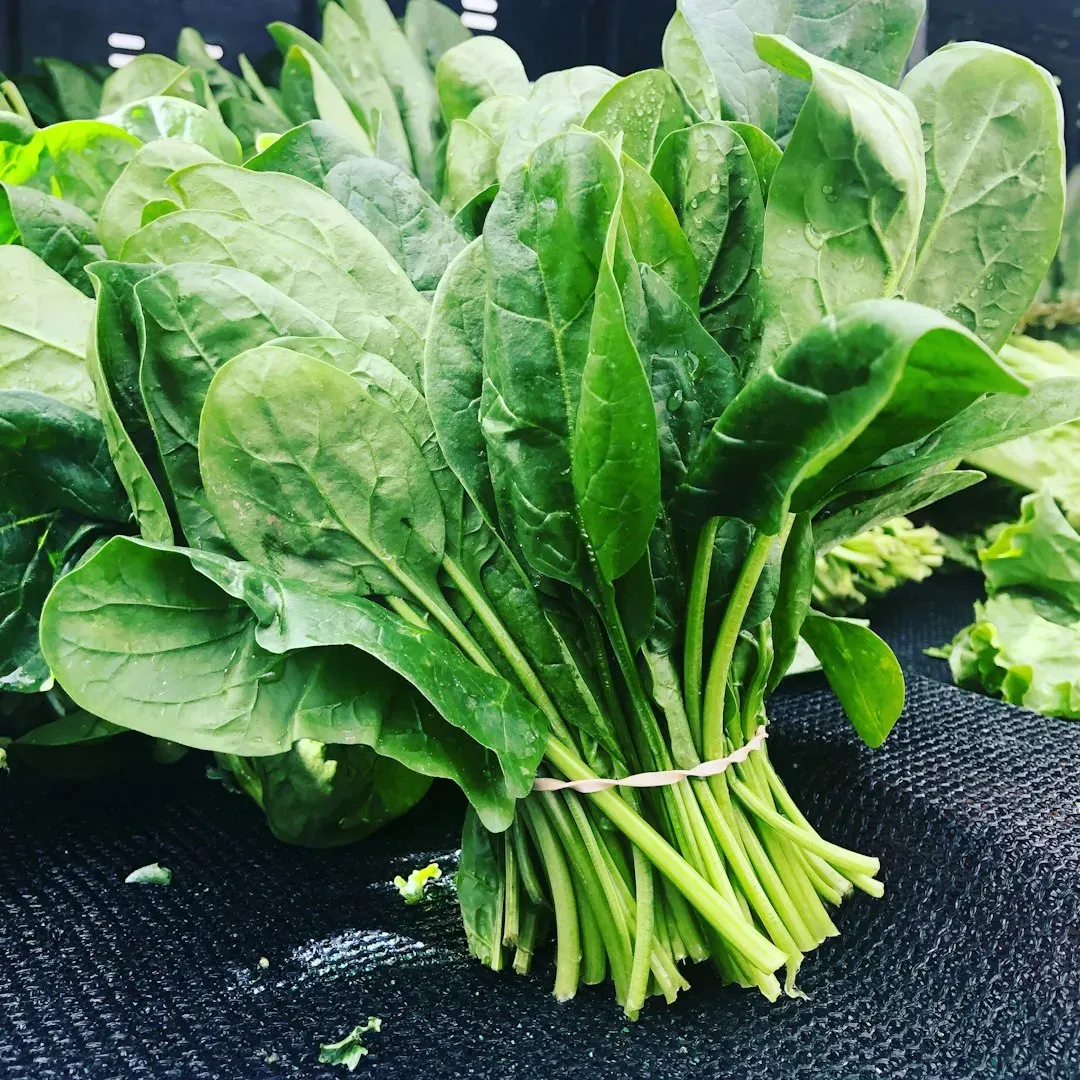
Spinach is the easy-going friend of the container world. It grows readily and tolerates more shade than most edibles, which is a lifesaver for balconies that don’t get full, blazing sun. A wide, shallow container like a window box is perfect for a few plants and will give you a steady supply of leaves for weeks.
If you pick the leaves when they’re young and “baby” size, they’re so much milder and more tender. Plus, the plant just has this tidy, deep green look that photographs beautifully in the soft morning light, especially with a few water droplets still sitting on the leaves. Like lettuce, it’s not a fan of extreme heat, so it’s at its best in spring and autumn.
Peas

There’s something especially charming about dwarf peas growing in a container. The delicate little tendrils curling around some simple bamboo sticks, the pale flowers, and then the tiny swelling pods—it gives a pot a whole new visual chapter every week.
They need a deep pot (at least ten inches) and a simple support structure, which can honestly just be a few twigs stuck in the soil. Sugar snap varieties, where you eat the whole pod, are especially productive and delicious. Just remember they’re a cool-weather crop, so plant them in early spring or autumn, dodging the main summer heat.
Kale

Kale is the tough guy of the container garden. It just shrugs off cold, wind, and whatever else the weather throws at it. A large pot can handle two or three plants comfortably. Harvest a few leaves from the outside, and the centre just keeps pumping out new growth, extending your harvest for months.
The visual fun comes from the variety. Curly kale has those ruffled dark green leaves, Tuscan black kale is all about its long, deep blue-green, almost reptilian leaves, and Red Russian kale has gorgeous frilled leaves with purple-tinged edges. They all look so different and photograph beautifully in their own way. Plant some in autumn and leave it through winter—it often produces some of its sweetest growth in late winter and early spring when nothing else is happening.
Dwarf French beans

Unlike their climbing cousins, dwarf French beans are the compact, self-contained type. They stay bushy and fit perfectly in a large pot or deep window box without needing a trellis or any fussy support. They’re surprisingly productive for their size, giving you a solid harvest over a few weeks. And before the beans even show up, they’re pretty, with little yellow flowers dotting the stems.
The pods are ready when they snap cleanly. And there’s something so satisfyingly domestic about a colander full of fresh, just-picked beans sitting on a wooden counter. Just sow them directly in the container after the last frost, keep the water coming, and you’ll be picking your first batch in about eight weeks.