The Global Roots Behind 12 Iconic American Dishes

The story of American food is rarely as simple as “made in the USA.” Walk through any diner, backyard cookout, or holiday table, and you’ll find dishes with passports stamped in kitchens far from here. Immigrants didn’t just bring their recipes; they brought traditions, techniques, and flavors that slowly wove themselves into the fabric of American eating. Over generations, these borrowed bites became so familiar we forgot they ever came from anywhere else. Here are twelve iconic “American” foods and the unexpected journeys they took to reach our plates.
Meatloaf – Germany

Meatloaf may be the ultimate symbol of home cooking, but its origins trace to Germany’s “Falscher Hase,” or “false hare,” a spiced ground-meat dish. Immigrants brought the concept to America, where it evolved with breadcrumbs, ketchup glaze, and oven baking. During the Great Depression, it became a canvas for stretching ingredients, and it’s been a comfort-food staple ever since.
Chili – Mexico
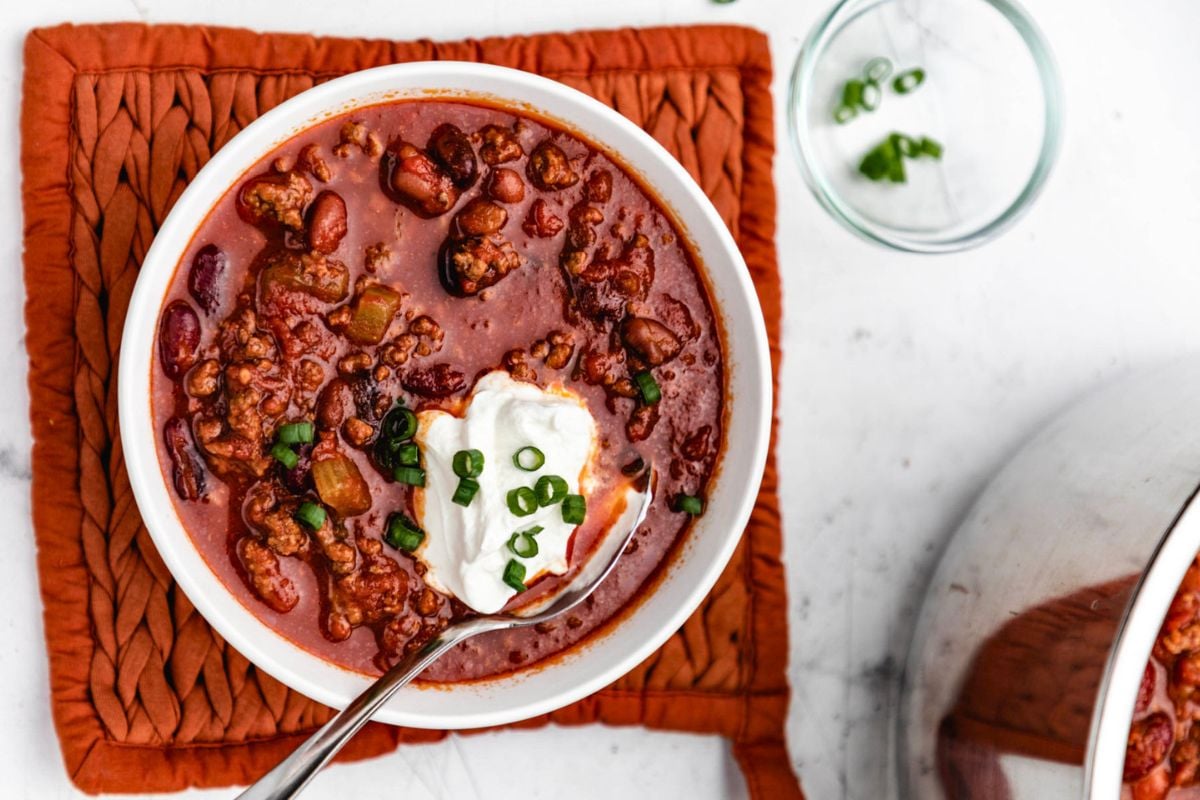
Chili con carne wears its Mexican heart on its sleeve, with roots in spicy meat and pepper stews south of the border. American settlers in Texas adapted those recipes, creating a thicker, meatier version that became a regional obsession. The dish remains a flavorful blend of two cultures, proof that borders can’t contain good food.
Hamburgers – Germany

The hamburger’s name gives away its secret: it came from Hamburg, Germany, where minced beef patties were a staple long before they hit American buns. German immigrants brought the concept to the United States in the 19th century, and creative street vendors eventually tucked the meat between bread for portability. That small tweak turned a European tradition into the fast-food icon that now defines American dining worldwide.
Hot Dogs – Austria and Germany

The hot dog’s family tree branches across Europe. The frankfurter claims German heritage, while the wiener traces back to Vienna, Austria. Immigrants brought their sausages to American cities, selling them from pushcarts as quick, affordable meals. Eventually, someone had the genius idea to tuck them into a soft bun, and the ballpark staple was born. Old-world craftsmanship, new-world convenience.
Donuts – The Netherlands

Those glazed, sprinkled, and filled rings we crave started as Dutch “olykoeks,” or oily cakes, deep-fried balls of dough with no hole in sight. Dutch settlers brought them to New Amsterdam, now New York, where Americans eventually punched out the centers for even frying. That simple innovation transformed a European pastry into a sugary American obsession.
French Fries – Belgium

Despite the name, France can’t take full credit for the fry. Most food historians trace its origins to Belgium, where villagers fried thin strips of potato as early as the 1600s. American soldiers stationed in Belgium during World War I fell in love with them and brought the craving home. The “French” label likely came from the language spoken in the region, but the fry itself became pure Americana.
Pizza – Italy

Pizza began as a humble flatbread for the working poor of Naples, Italy. When Italian immigrants arrived in American cities like New York, they brought their portable, affordable meal with them. The American version soon evolved—thicker crusts, mountains of cheese, endless toppings—into something distinctly its own. What started as a Neapolitan street food became a symbol of American diversity and indulgence.
Apple Pie – England

“American as apple pie” might be the most famous culinary cliché, but the pie itself crossed the Atlantic long before the phrase existed. The English were baking spiced fruit pies back in the 14th century, long before the first settlers arrived. Those colonists brought their recipes along, adapting them with American apples and local ingredients. Over centuries, the simple dessert became shorthand for home, comfort, and patriotism—ironic for a dish that started its life across the ocean.
Macaroni and Cheese – England

Before it became the blue-box staple of childhood, mac and cheese was a European luxury. English cookbooks from the 1700s featured elaborate baked pasta and cheese dishes served to the wealthy. Thomas Jefferson encountered something similar in France and became so enamored that he imported pasta and a machine to make it. He served it at state dinners, slowly democratizing a dish that would eventually land on every American table.
Cheesecake – Ancient Greece

Cheesecake’s history stretches back thousands of years to ancient Greece, where athletes ate simple cheese cakes for energy during the first Olympic Games. The Romans spread the concept across Europe, and immigrants eventually brought their versions to America. New York bakers later transformed it with cream cheese, creating the dense, rich dessert that now defines the category. Ancient fuel, modern icon.
Barbecue – The Caribbean

Barbecue feels like the most American food imaginable, but its roots run through the Caribbean. Indigenous peoples there cooked meat slowly over wooden frames called “barbacoa,” a technique Spanish explorers observed and brought to the American South. Over centuries, that method blended with local ingredients and traditions to create the regional styles—Carolina vinegar, Texas smoke, Memphis rub—that define American barbecue today.
Fried Chicken – Scotland and West Africa

Southern fried chicken’s crispy perfection came from an unlikely marriage. Scottish settlers brought a tradition of frying poultry, while West African cooks contributed deep knowledge of seasoning and spices. Enslaved Africans blended these techniques in Southern kitchens, creating the dish we now revere. It’s a delicious testament to the cultural collisions that shaped American cooking.