Top Foods to Naturally Increase Your Iron Levels Effectively

Iron is one of those things you don’t think about until you’re suddenly exhausted for no reason, wondering why your energy has completely tanked. It’s a small mineral with a huge job—carrying oxygen through your body—and when levels drop, everything feels harder. The good news is that getting more iron through food is totally doable, and it doesn’t have to feel like a chore. These iron-rich options are satisfying, easy to prepare, and actually taste good. Here’s how to work them into your routine.
Kidney Beans: A Nutritional Powerhouse
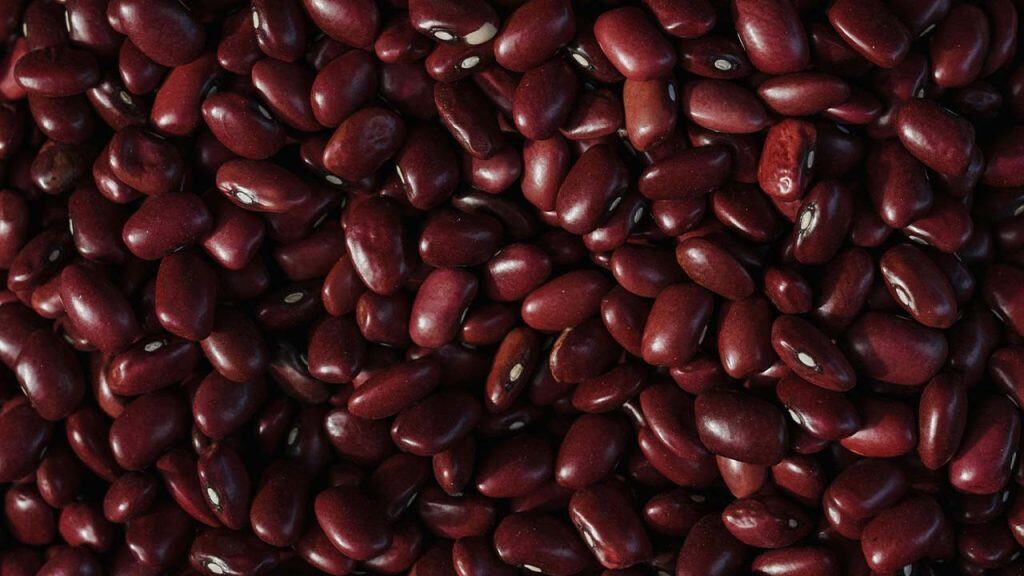
Kidney beans are another iron heavyweight. If you’re using canned, rinse them well to cut down on sodium. If you’re going with dried, soak overnight and cook until tender—that step improves digestibility and nutrient absorption. Then use them anywhere you want a little creaminess and earthy depth. Stews, salads, chili. Pair them with tomatoes or bell peppers, and that vitamin C connection helps your body actually use all that iron. Cumin and coriander are natural partners here. Simple food, serious nutrition.
Oysters: A Luxurious Iron Source
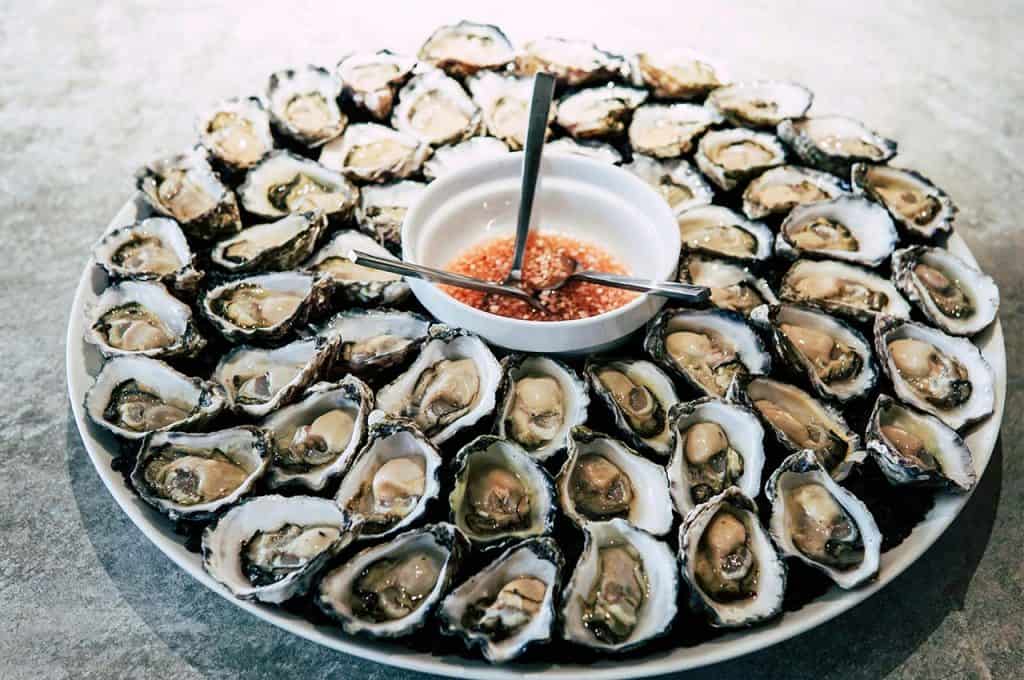
Oysters feel fancy, but they’re also one of the most efficient ways to get heme iron—the kind your body absorbs best. Raw with a squeeze of lemon is classic, letting that briny flavor shine. Grilled works too, bringing out a natural sweetness. If you’re feeling ambitious, oysters Rockefeller or a simple mignonette sauce adds depth without masking what makes them special. However you eat them, they’re a delicious way to boost your iron intake with a little elegance.
White Beans: Tiny Yet Mighty
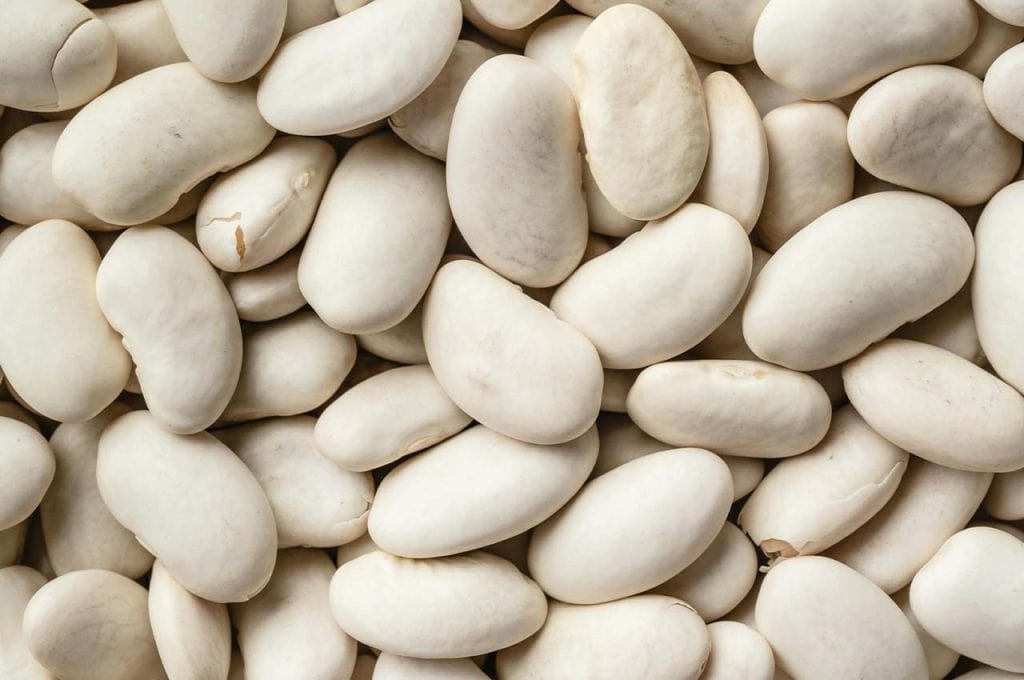
Cannellini, great northern—these little beans are quietly packed with non-heme iron, and they’re endlessly versatile. Their creamy texture works beautifully in soups and stews, where they soak up surrounding flavors. Here’s a tip: pair them with something high in vitamin C, like tomatoes or lemon, and your body will actually absorb more of that iron. A hearty white bean stew with herbs feels like comfort food. A quick lemony bean salad feels fresh and bright. Either way, they deliver.
Delight in Dark Chocolate’s Benefits

Yes, dark chocolate counts. Look for at least 70% cocoa, and you’re getting a legitimate iron boost along with that rich, intense flavor. A small square alongside dried fruit or nuts makes for a satisfying little moment. Or get creative—stir chocolate shavings into granola, or whip up a dark chocolate mousse that feels indulgent but actually has some nutritional backbone. Just keep portions reasonable. It’s chocolate, after all.
Start Strong with Fortified Oatmeal
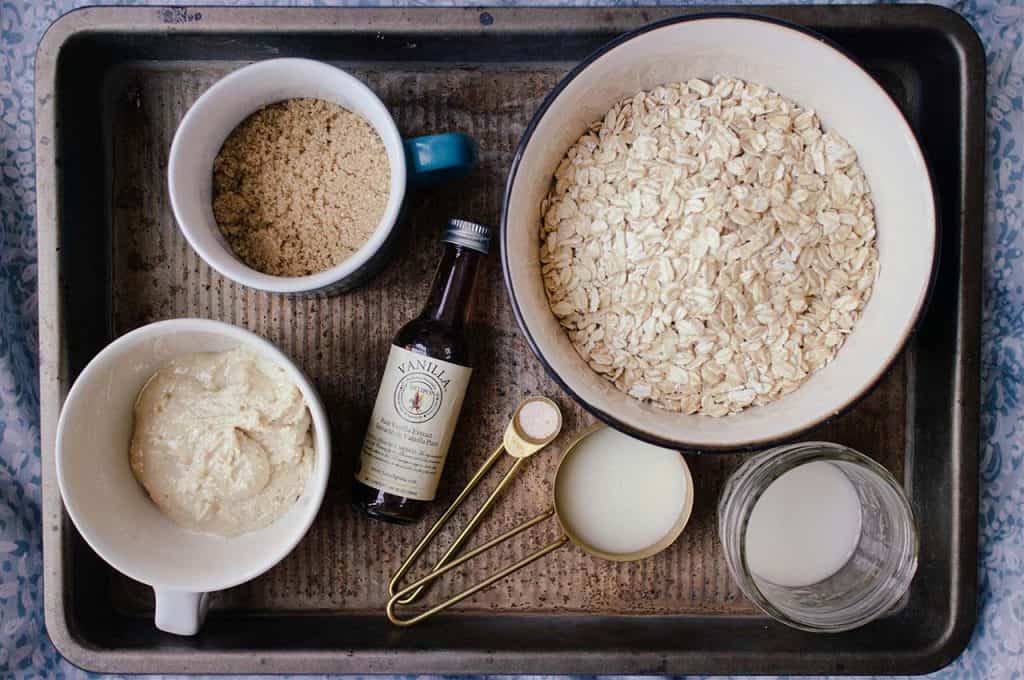
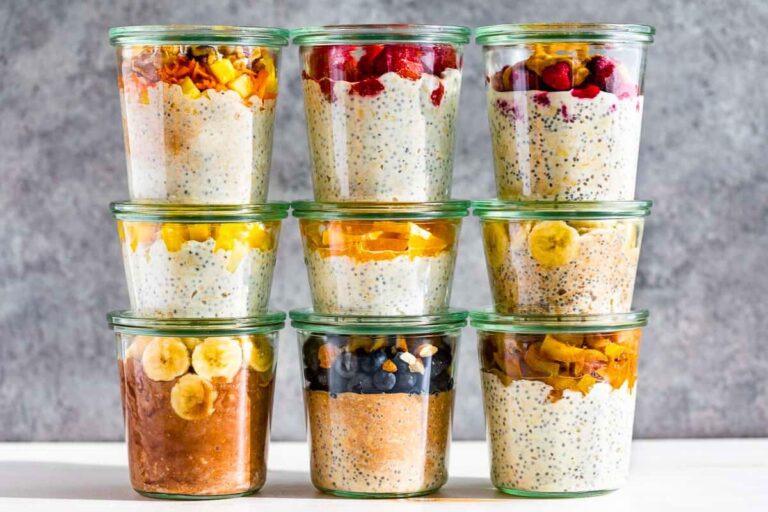
Breakfast is the easiest place to start. Fortified oatmeal gives you a solid iron boost first thing, and whole-grain oats are the way to go for maximum nutrition. Cook them with water or milk—whatever you prefer—and add a pinch of salt to bring out the flavor. Toss in a handful of raisins or sliced almonds to amp up the iron even more, and finish with a drizzle of honey or a sprinkle of cinnamon. It’s warm, it’s filling, and it sets you up for the day without any extra effort.
Chickpeas: The Versatile Legume
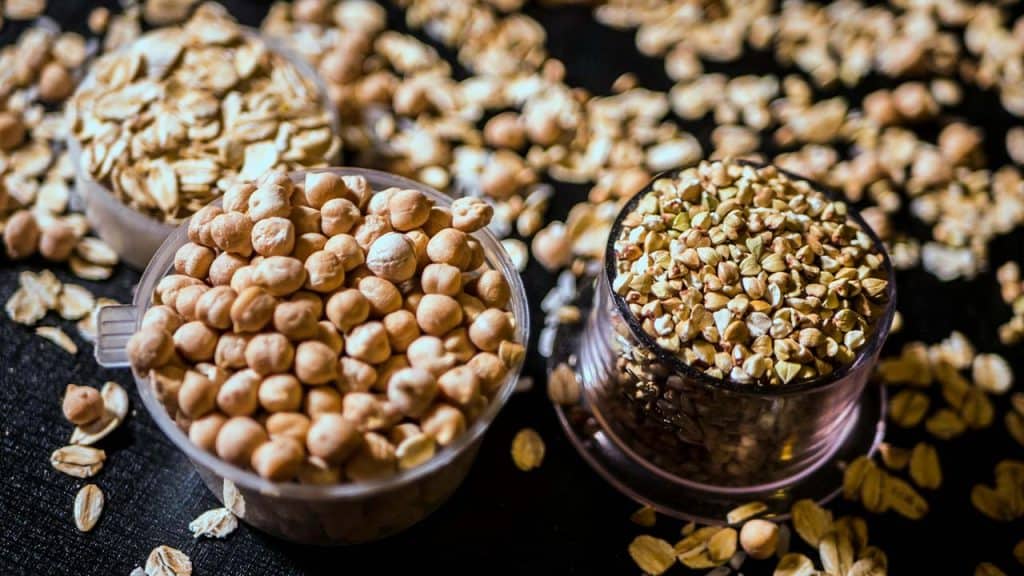
Chickpeas are basically a pantry superhero. They’re packed with iron, and a little preparation goes a long way. If you’re using dried ones, soak them overnight and cook until tender—that process actually helps with iron absorption. Then you can toss them into salads, simmer them in curries, or roast them until crispy for a snack that’s way more satisfying than it has any right to be. Pair them with bell peppers or tomatoes, and that vitamin C connection kicks in again. Nutty, creamy, endlessly useful.
Lentils: A Hearty Iron Boost
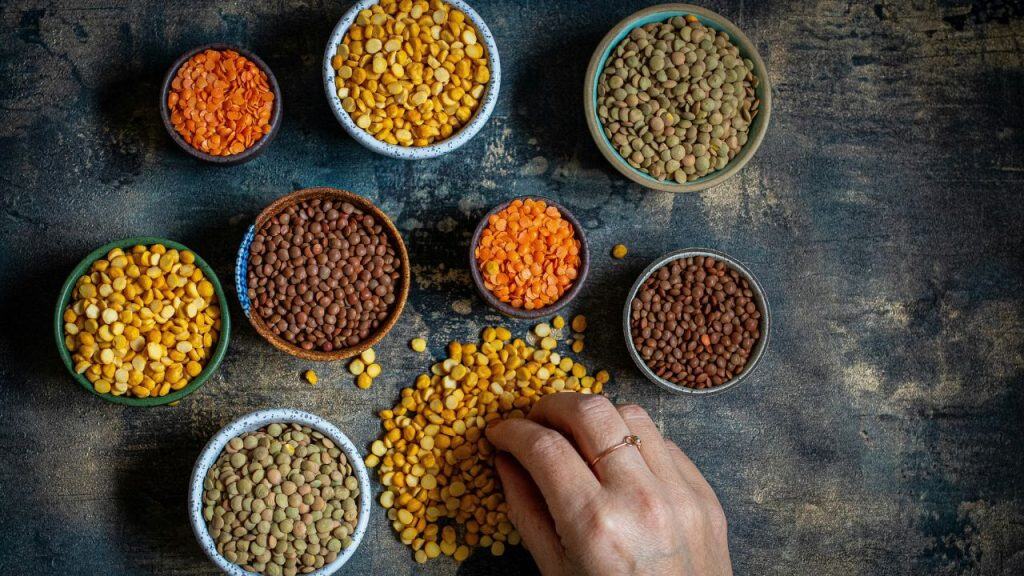
Lentils are one of those ingredients that feel both humble and nourishing. A gentle simmer keeps their shape and texture intact, and they’re happy to soak up whatever flavors you throw at them. Cumin and coriander work beautifully here. Toss them into stews, pile them on salads, or just eat them on their own with a squeeze of lemon at the end—that citrus thing again, helping your body absorb all that iron. Earthy, satisfying, and easy to love.
Spinach: Green and Rich in Iron

Spinach earns its reputation. Fresh and slightly wilted is the way to go—steaming preserves nutrients and keeps that vibrant green color. A quick sauté with garlic and olive oil adds richness without weighing it down. And yes, lemon helps here too. A squeeze over wilted spinach or pairing it with tomatoes in a salad makes that iron more available to your body. It’s simple, it’s versatile, and it brings color to pretty much any plate.
Tofu: Plant-Based Protein and Iron
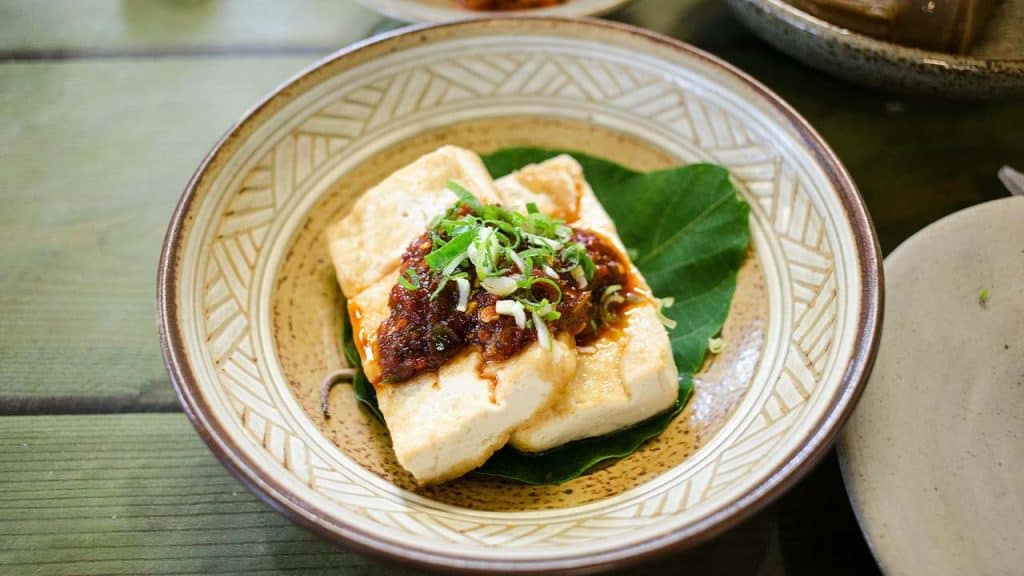
Tofu is a quiet workhorse. Pressing it first removes excess moisture and lets it soak up whatever marinade you’re using—soy sauce, ginger, garlic all work beautifully. Then grill it, bake it, toss it into stir-fries or curries. It takes on flavor like a sponge and delivers both protein and iron in one package. Pair it with vitamin C-rich veggies, and you’re maximizing that iron absorption without even thinking about it.
Sardines: Small Fish, Big Impact
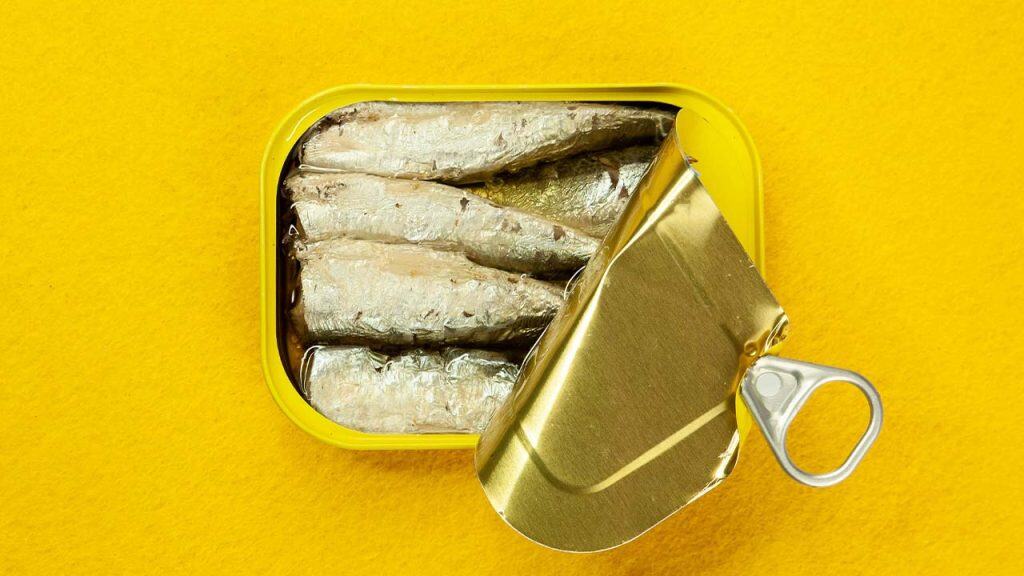
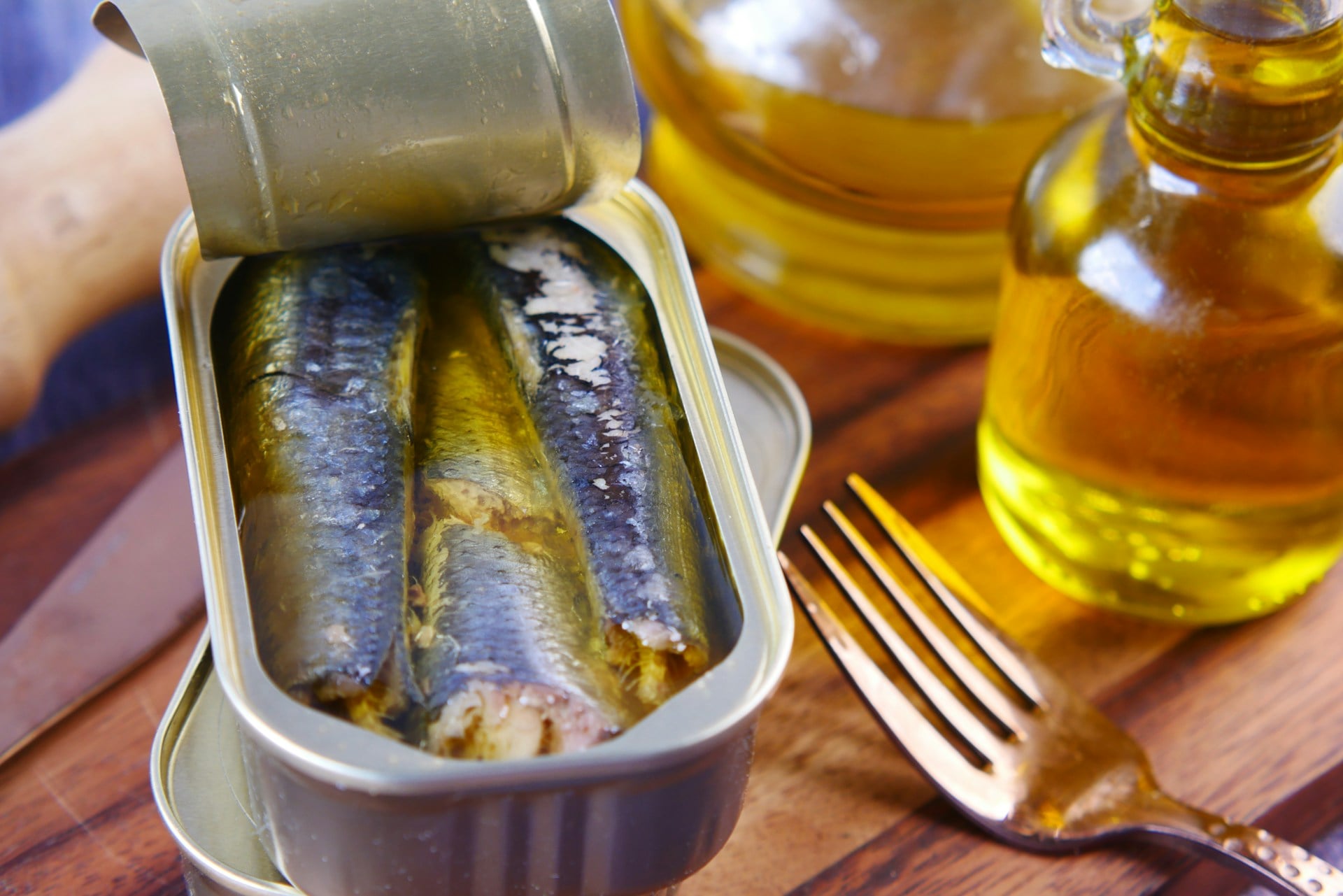
Sardines don’t get enough credit. They’re packed with heme iron, the easily absorbed kind, and canned in olive oil is both convenient and flavorful. Smash them onto whole-grain toast with a squeeze of lemon. Toss them into salads or pasta. Their rich, umami flavor pairs perfectly with fresh herbs like parsley or dill. Healthy fats, protein, iron—they do a lot in a small package.