Vuffet Foods Worth Rethinking Before Putting Them on Your Plate

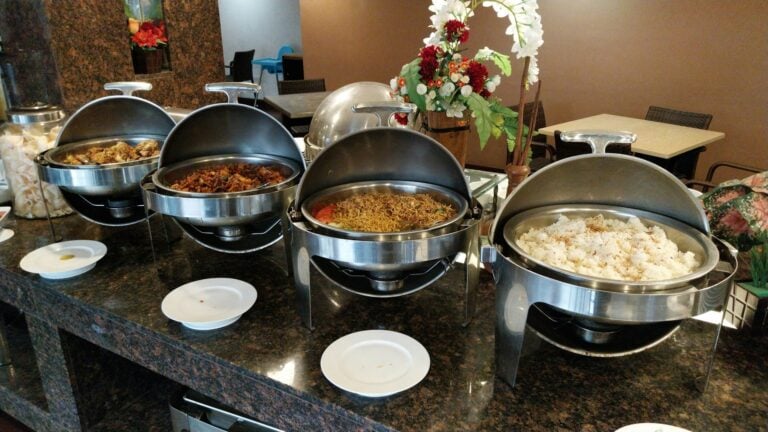
Buffets are all about choice and convenience—but that setup comes with tradeoffs most people don’t think about.
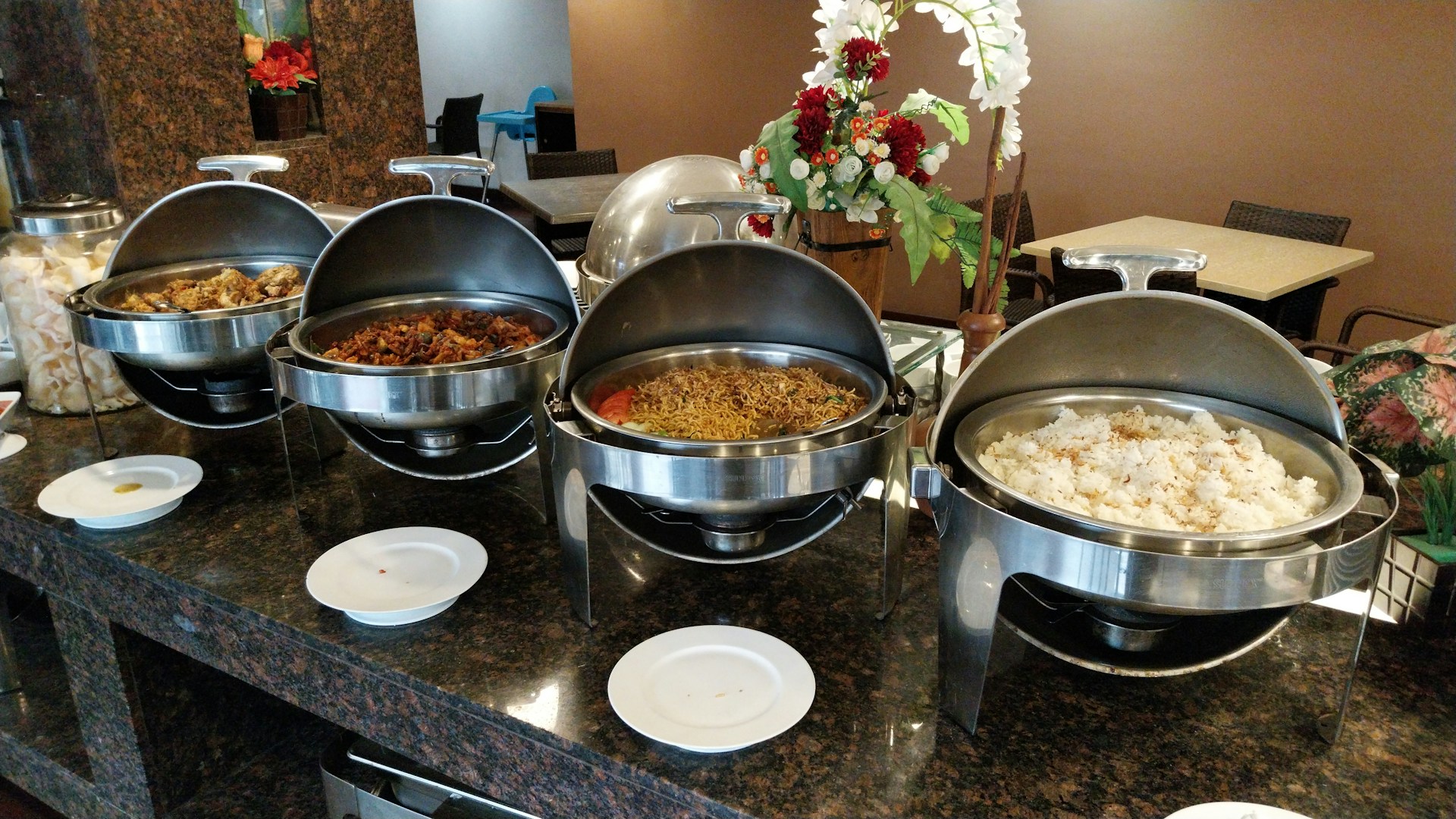
Food sits out longer, passes through more hands, and depends on systems trying to balance volume with quality and safety. At a glance, everything looks fresh and ready, but not every item holds up the same way.
Some foods are simply more sensitive to time, temperature, and handling. When those factors slip, it shows up in taste, texture, and sometimes safety.
Knowing which foods tend to struggle can help you make better choices without skipping the buffet experience.
Buffet Scrambled Eggs Often Prioritize Volume Over Quality
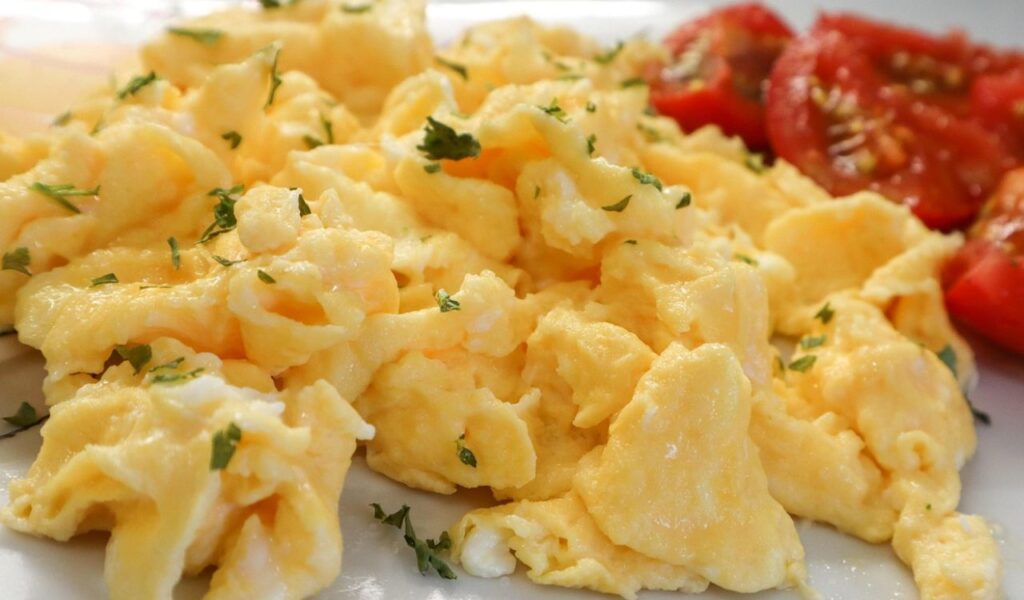
Buffet scrambled eggs are usually made in large batches.
In many cases, they come from liquid or powdered mixes rather than fresh eggs. That helps with consistency and speed, especially during busy service.
The downside shows up in texture. They can turn rubbery or watery after sitting under heat lamps.
They may look fine at first glance, but the flavor and texture often fall short.
Fried Foods and Pizza Lose Their Appeal Faster Than You Think

Fried foods and pizza rely on crisp texture to taste their best.
On a buffet line, heat lamps slowly change that. Steam builds up, coatings soften, and crisp edges turn soggy.
This can happen quickly, leaving food that feels heavier or greasier than expected.
Even if it’s still safe to eat, the quality drop is noticeable.
Self Serve Ice Cream Machines Carry More Than Just Dessert

SSoft serve machines are popular—but they’re also high-touch areas.
Multiple people use the same handles, which increases the chance of surface contamination. Even with regular cleaning, constant use makes it harder to keep everything perfectly sanitary.
It’s not just the machine—it’s how it’s handled.
Choosing pre-served desserts can reduce that extra exposure.
Salad Bars Are Fresh but Constantly Exposed
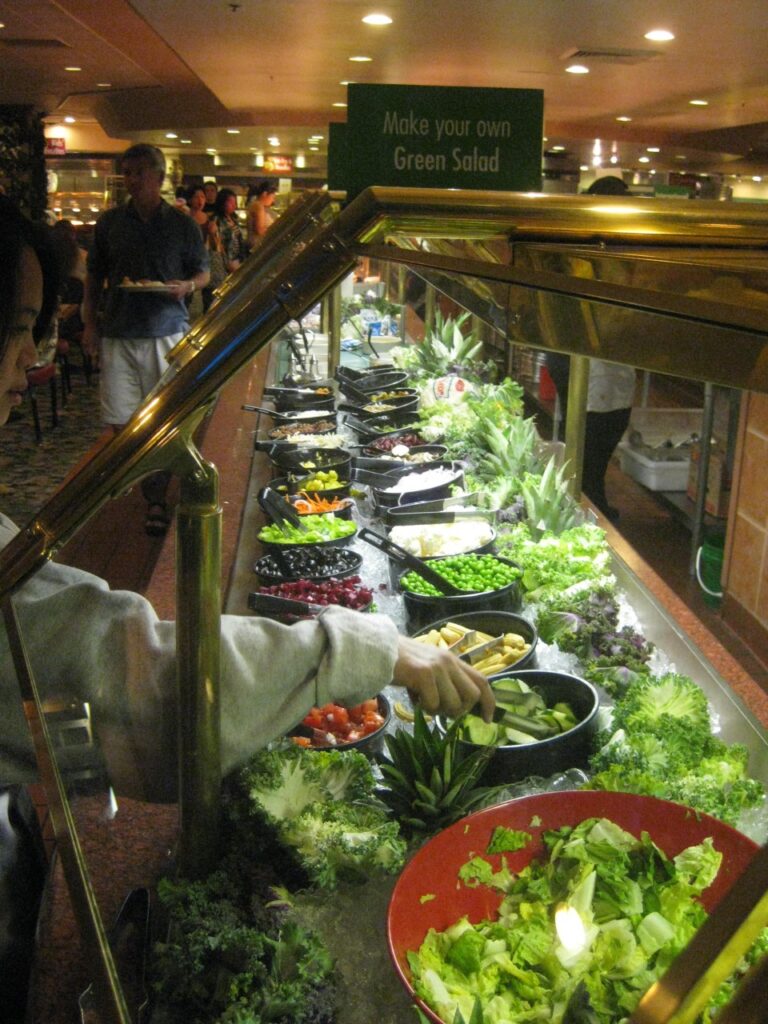
Salad bars look fresh, but they’re one of the most exposed areas in a buffet.
Ingredients sit out while multiple people use the same utensils, increasing the chance of cross-contamination.
Temperature can also fluctuate as the display is opened and closed. Delicate items like greens can lose quality over time.
Choosing items that look recently refreshed can make a difference.
Deli Meats Can Be More Sensitive Than They Appear
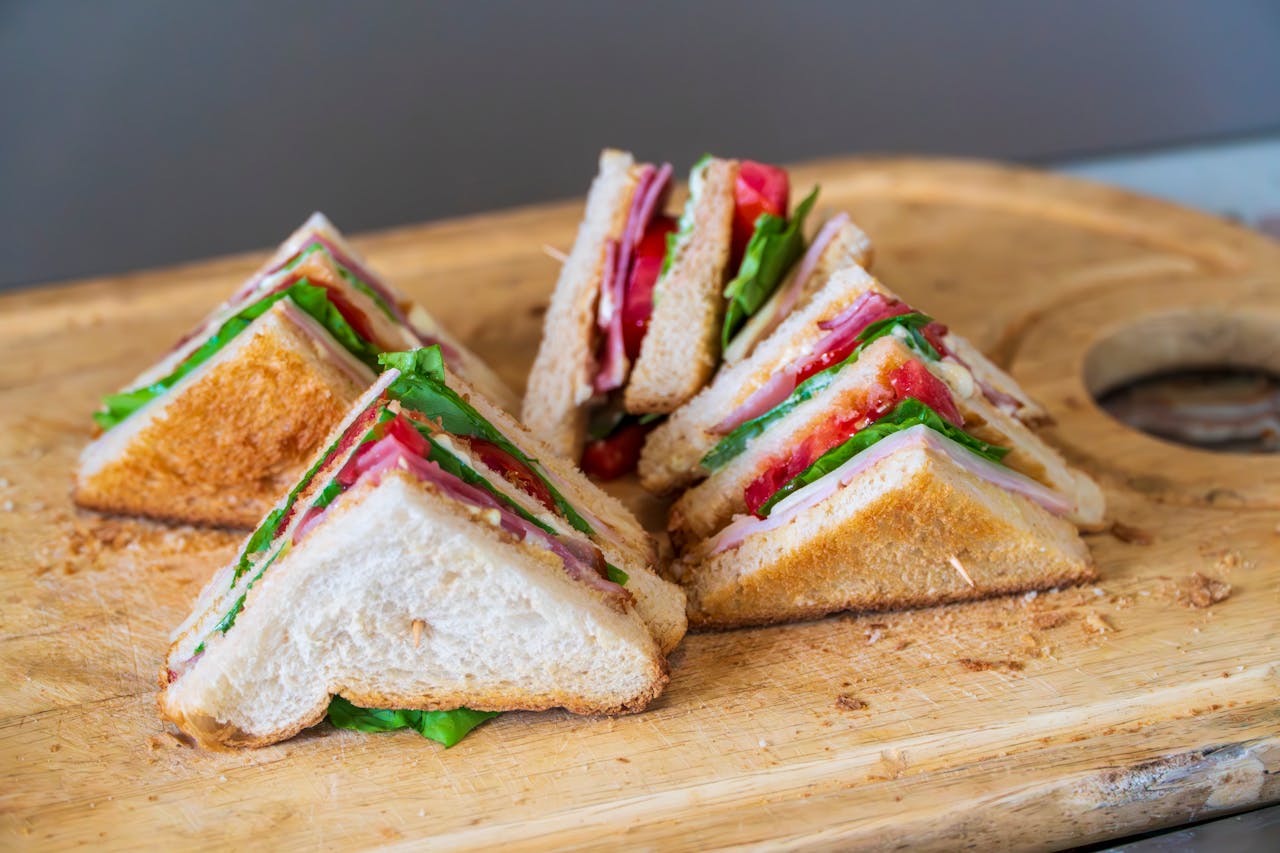
Deli meats might seem low risk, but they still require proper storage and handling.
At buffets, they’re often sliced ahead of time and left out longer than ideal. That increases exposure to air and repeated handling.
The more they’re moved around, the higher the chance of contamination.
Hot or freshly served options can feel like a safer bet.
Creamy Salads Can Turn Risky When Temperatures Shift

Creamy salads like potato salad or coleslaw need steady temperature control.
When they sit out too long, even small changes can increase risk.
Buffet conditions make this harder to manage. Frequent serving and exposure to air affect how well they hold up.
If a dish looks overly soft, separated, or warm, it’s usually a sign to skip it.
Lukewarm Meats and Seafood Fall Into a Risky Zone
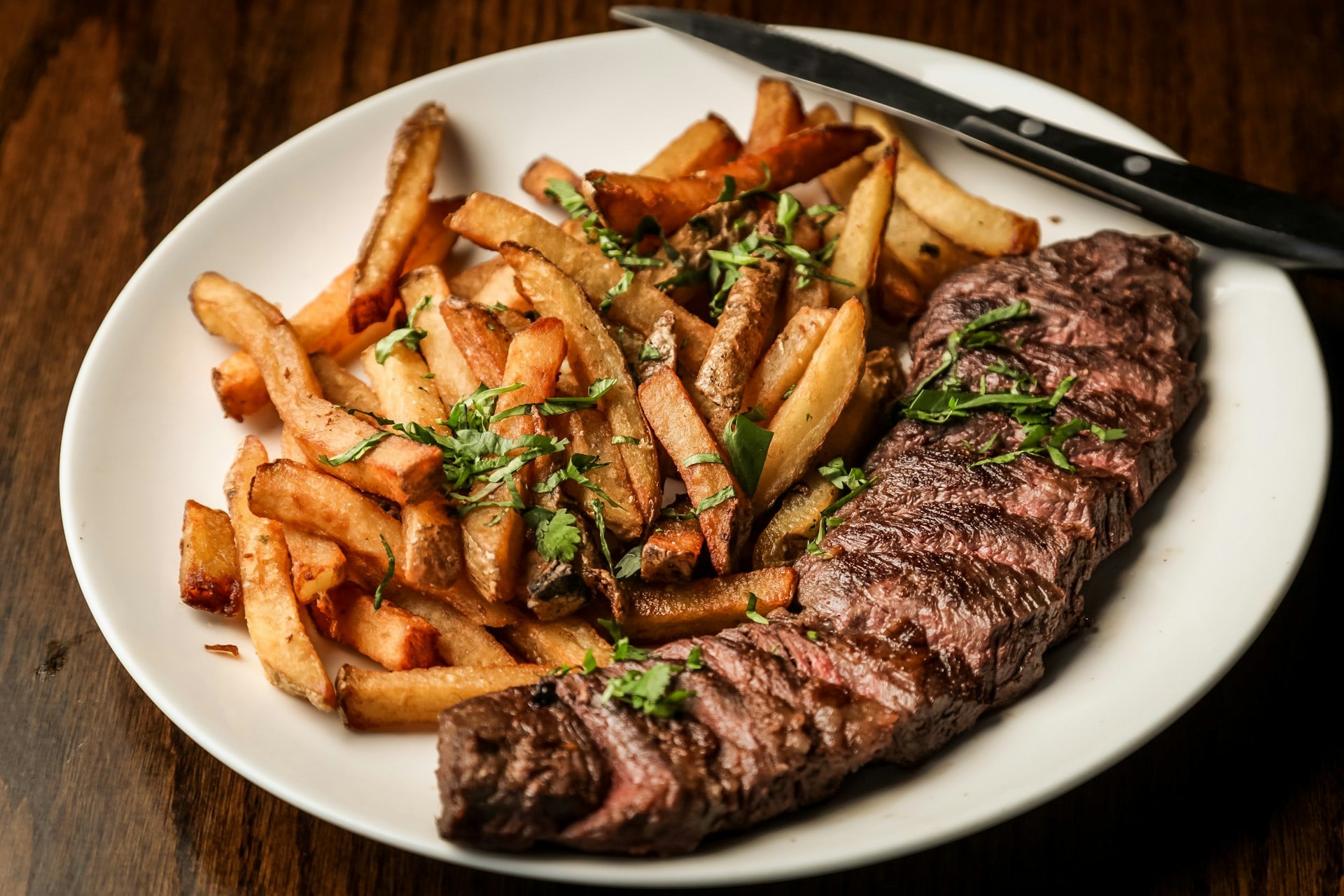
Hot foods should stay hot—but that’s not always the case.
Some buffet items sit at temperatures that aren’t hot enough or cold enough. This range is often called the “danger zone.”
Heating elements help, but they’re not always consistent across the entire tray.
When choosing these items, temperature matters. Food that’s steaming hot is usually a better choice than anything just sitting warm.
Raw Seafood on a Buffet Is a Gamble You Do Not Always See Coming
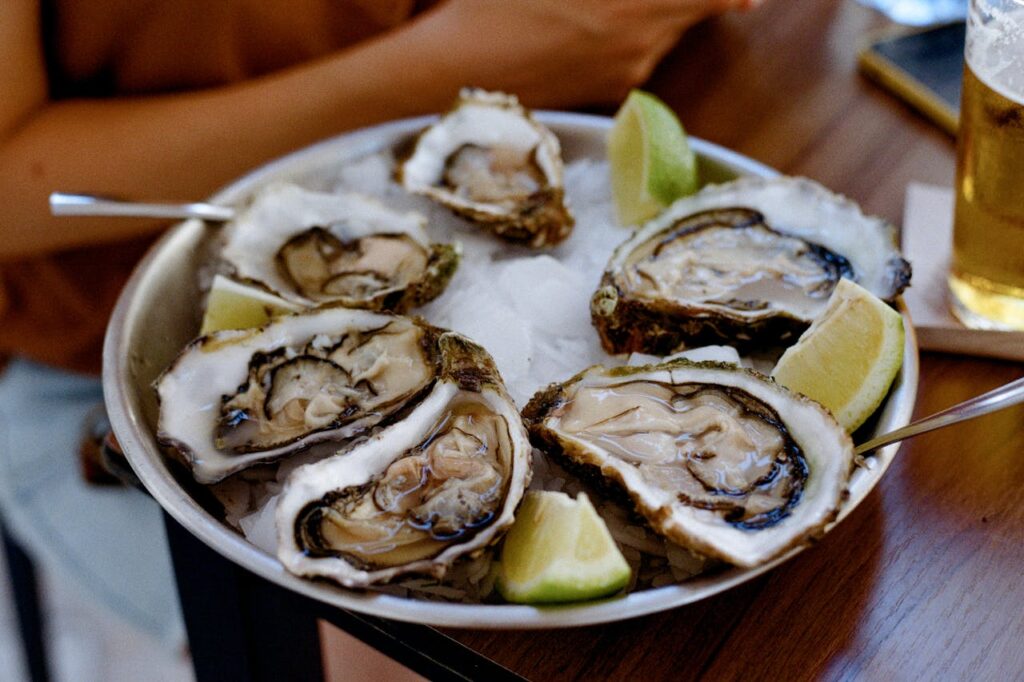
Sushi and raw seafood depend on strict temperature control and freshness.
In a buffet setting, those conditions are harder to maintain. Even when displayed on ice, repeated exposure to air can affect how safely the food is held.
Unlike made-to-order dishes, these items may sit out for longer periods. The risk isn’t always visible, which makes it easy to overlook.
Hot or freshly prepared options tend to be a safer choice here.