12 Food Habits Americans Commonly Follow That Could Change Soon

Can we talk about how we eat these days? Not with judgment, not with guilt—just with gentle curiosity. The way we feed ourselves in modern America is a fascinating mix of convenience and complication, of habits formed by busy lives and marketing messages and genuine time scarcity. Some of these practices serve us well. Others? They might not make it into the next decade. Let’s wander through some of our most common food habits together, with honest eyes and open hearts.
Microwave Dinners: Quick but Not Nutritious

Microwave dinners tell us we can have a hot meal in three minutes, and they’re not lying. But the cost is paid in flavor and nutrition and the weird textures that come from rapid reheating. The weekend batch cooking approach—a few hours on Sunday, a week’s worth of real meals—gives you the same convenience with completely different results. Your own food, your own portions, your own flavors, ready just as fast because it’s already cooked. The microwave becomes a reheating tool rather than a cooking crutch.
Midnight Munchies: Chips and Candy Cravings
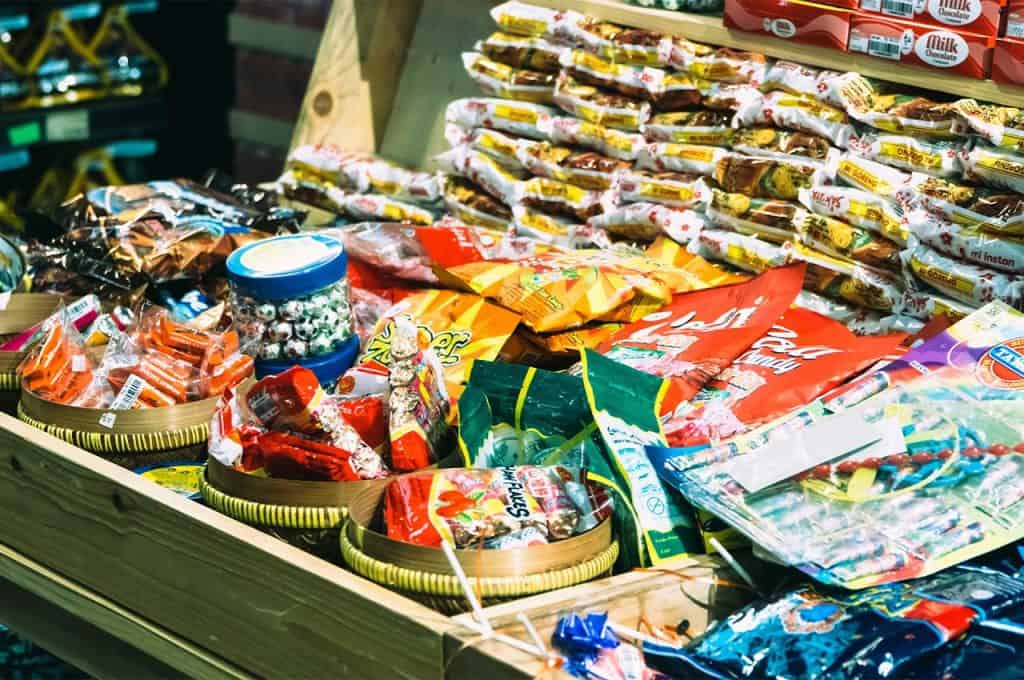
Late-night hunger hits different, doesn’t it? It’s emotional as much as physical, seeking comfort in the quiet hours. Chips and candy are right there, calling to us. But a little preparation changes everything. A jar of spiced nuts. Air-popped popcorn with nutritional yeast. A date stuffed with almond butter. These things satisfy the same craving—crunchy, sweet, satisfying—while actually giving your body something useful. The craving isn’t wrong. It’s just asking for something. You get to decide what that something is.
Family-Size Packs: Convenience vs. Waste

Bulk buying feels so smart in the moment, doesn’t it? The unit price is better, you’re stocked up, you feel prepared. And then life happens, and half of that giant bag of something ends up in the trash weeks later. The gentle truth is that bulk only saves money if you actually use everything. More of us are learning to be honest with ourselves about what we’ll realistically consume. Smaller, more frequent shopping trips. Creative meal planning that uses ingredients across multiple dishes. Proper storage techniques that extend life rather than letting things wilt in the back of the fridge. The goal isn’t to never buy in bulk—it’s to buy in bulk only when bulk makes sense for your actual life.
Sugary Coffee Drinks: A Sweet Crutch
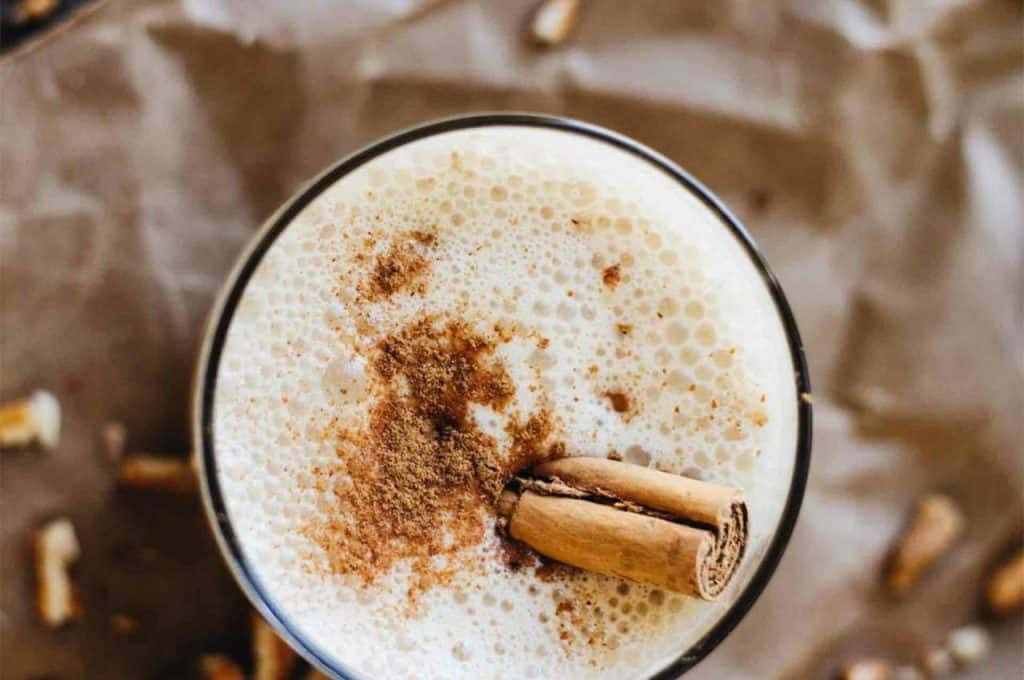
Oh, those beautiful coffee creations—whipped cream, caramel drizzle, syrups in every flavor imaginable. They’re comforting, they’re treat-like, they get us through afternoons. But here’s what’s quietly shifting: people are starting to wonder if they’re drinking coffee or dessert. The good news is that coffee itself is wonderful, with complexity and depth that gets completely lost under all that sweetness. A gradual reduction in sugar, a sprinkle of cinnamon instead of syrup, a better brewing method that highlights the beans’ natural character—these small shifts can transform your daily cup from sugar delivery system into something genuinely satisfying. Not overnight. Just gently, over time.
Dining Out: More Than Just a Treat

There was a time when restaurant meals were occasions—birthdays, anniversaries, celebrations. Now they’re Tuesday. And look, I understand why. Cooking is tiring, restaurants are easy, and the food often tastes better than what we make at home. But here’s what I’ve noticed: the pandemic taught a lot of people that they actually can cook, and that home-cooked meals bring something restaurants can’t. A few solid techniques—how to properly sear, how to roast vegetables until they’re actually delicious, how to build flavor with simple ingredients—can transform your kitchen into a place where meals feel special without requiring a reservation. Dining out becomes a choice again, not a default.
The Lunch Rush: Fast Food Frenzy

Oh, that midday hunger hit when you have twenty minutes and a thousand things to do. Fast food makes so much sense in that moment—consistent, fast, exactly what you expect. But here’s what I’ve noticed: more and more people are starting to question whether the speed is worth the trade-off. The good news is that alternatives don’t have to be complicated. A little meal prep on Sunday—grains cooked, veggies chopped, proteins portioned—means you can grab something homemade that’s actually faster than waiting in a drive-thru line. It’s not about never eating fast food. It’s about having another option ready when you need it.
Freezer Meal Dependence: Quick Fix or Trap?
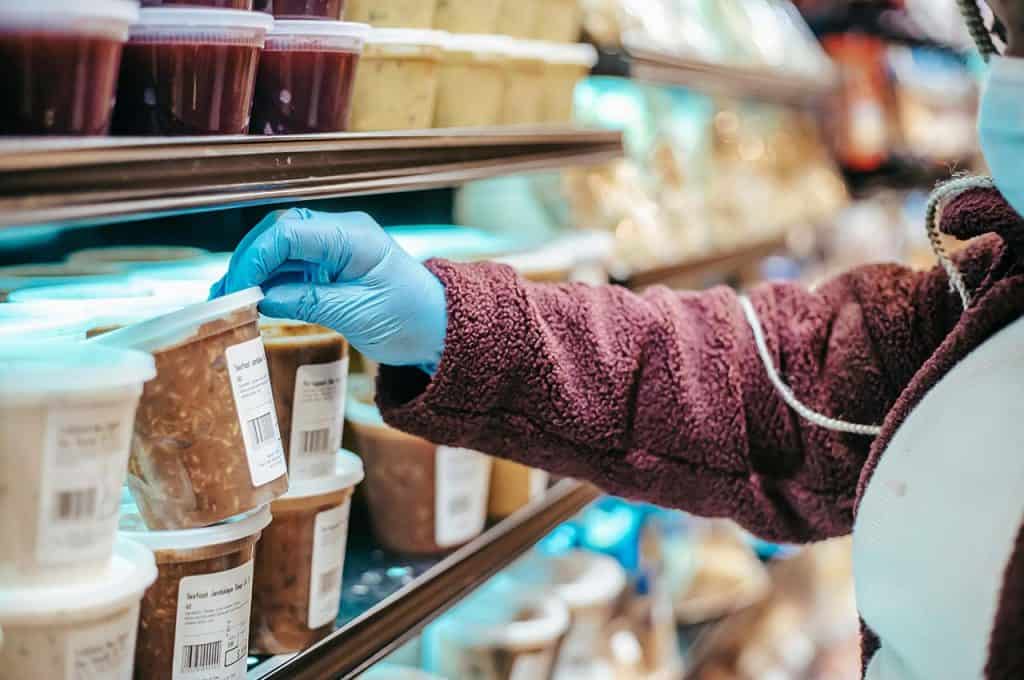
Freezer meals are honest about what they are: convenient, fast, always there. But they’re also often full of sodium and preservatives and ingredients we wouldn’t cook with ourselves. The middle path here is beautiful: cook once, eat twice (or three or four times). A big batch of soup on Sunday, portioned and frozen, means you have your own freezer meal ready whenever you need it. A double batch of chili, half for now and half for later. It’s the same convenience, just with ingredients you chose and flavors you actually like. The freezer isn’t the problem. It’s what you’re putting in it.
Takeout Tipple: Booze on the Go
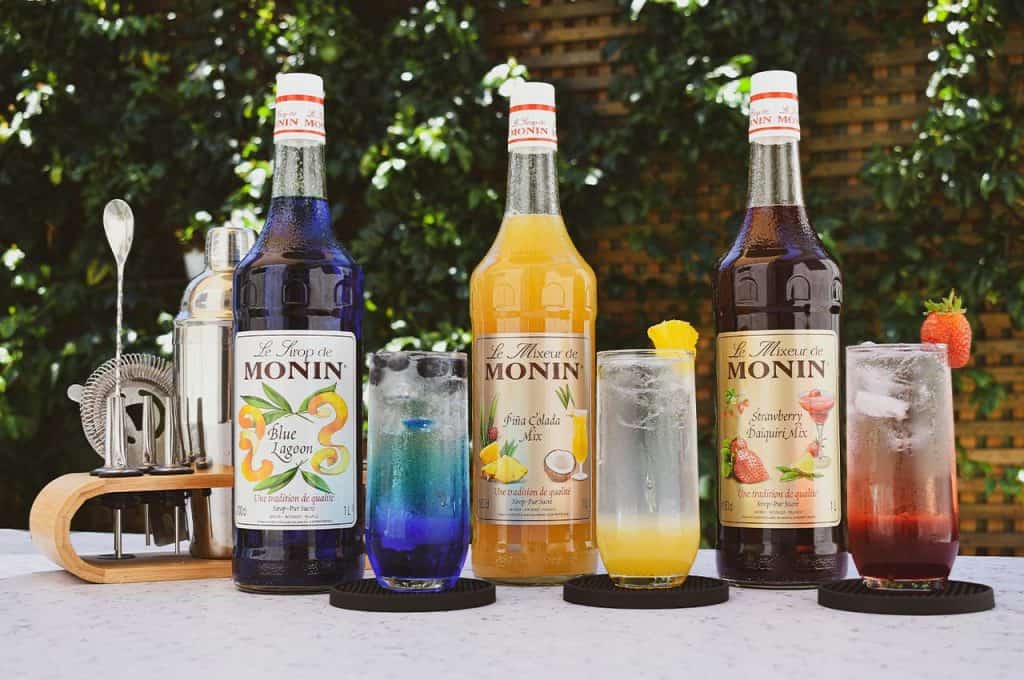
Ready-to-drink cocktails have exploded, and I get it—they’re easy, they’re portable, they require zero thought. But here’s the thing about making your own: you control everything. The sweetness level, the strength, the quality of ingredients. A properly made margarita with fresh citrus is genuinely different from anything that comes in a can. An old-fashioned made with intention becomes a moment rather than just a drink. It’s not about never buying ready-made. It’s about rediscovering that making something yourself can be part of the pleasure.
Snack Attack: The Packaged Threat
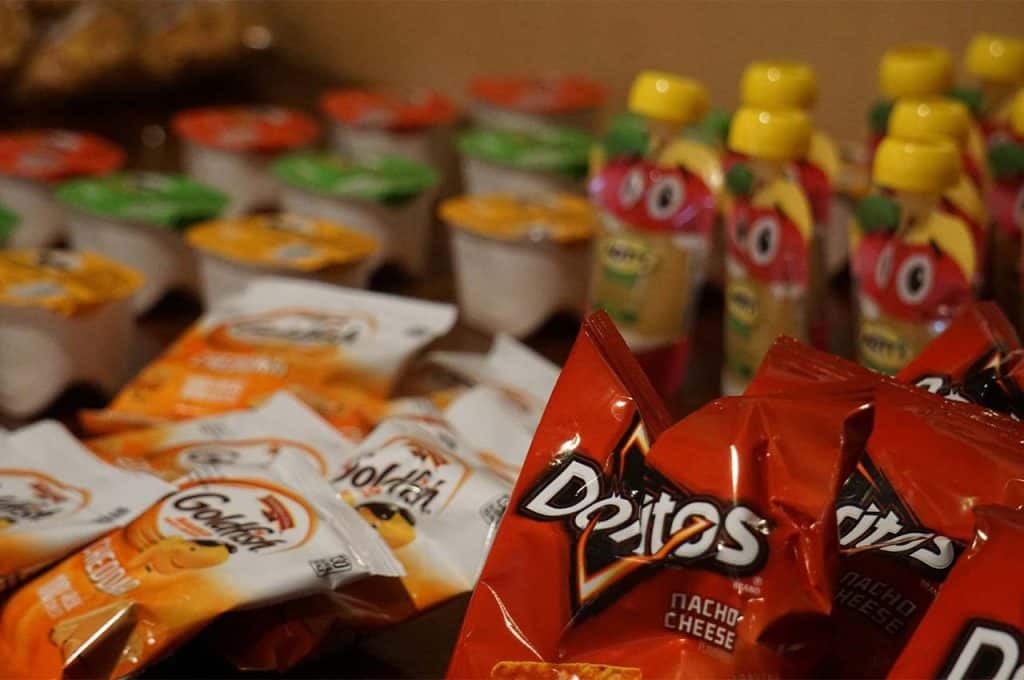
Oh, the snack aisle. It’s designed to grab us—bright colors, bold claims, satisfying crunch. But so many of those packages are filled with things we wouldn’t feed ourselves if we stopped to read the ingredients. The good news is that homemade snacks aren’t as hard as they seem. Roasted chickpeas with spices. Mixed nuts with herbs. Energy balls made from dates and oats. They keep well, they travel easily, and they actually nourish you between meals. Once you start making your own, the packaged versions start tasting exactly like what they are: manufactured.
Cereal Sweet Tooth: Morning Sugar Rush
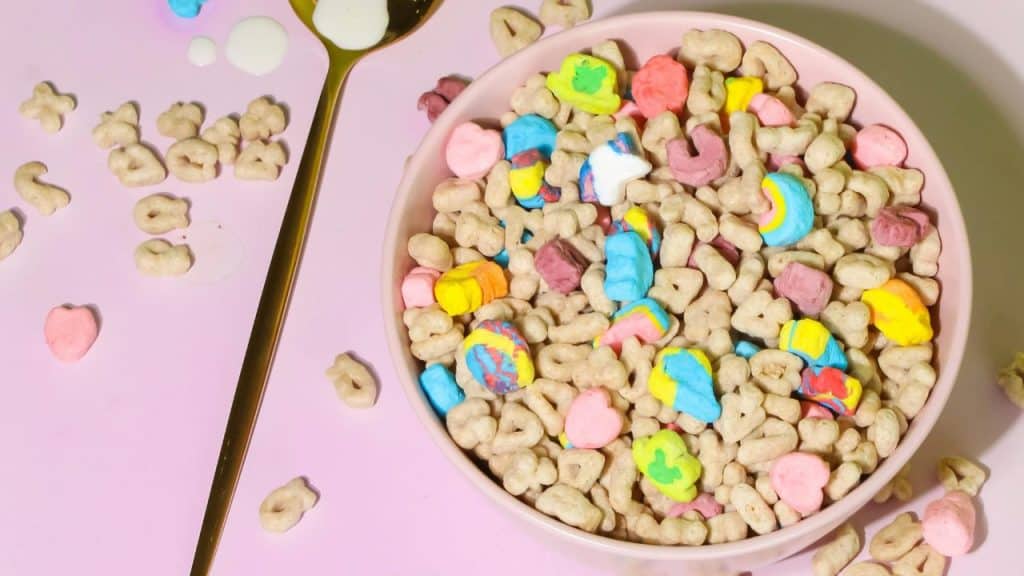
Breakfast cereal has a wholesome image that doesn’t always match reality. So many boxes are essentially cookies dressed up as morning food. The shift toward homemade granola or overnight oats isn’t about being trendy—it’s about starting the day with something that won’t crash your energy by 10 a.m. Rolled oats, a little honey, some nuts and dried fruit—it takes minutes to assemble the night before, and you wake up to breakfast already made. That’s not deprivation. That’s just smart.
Condiment Craze: Overdoing the Extras
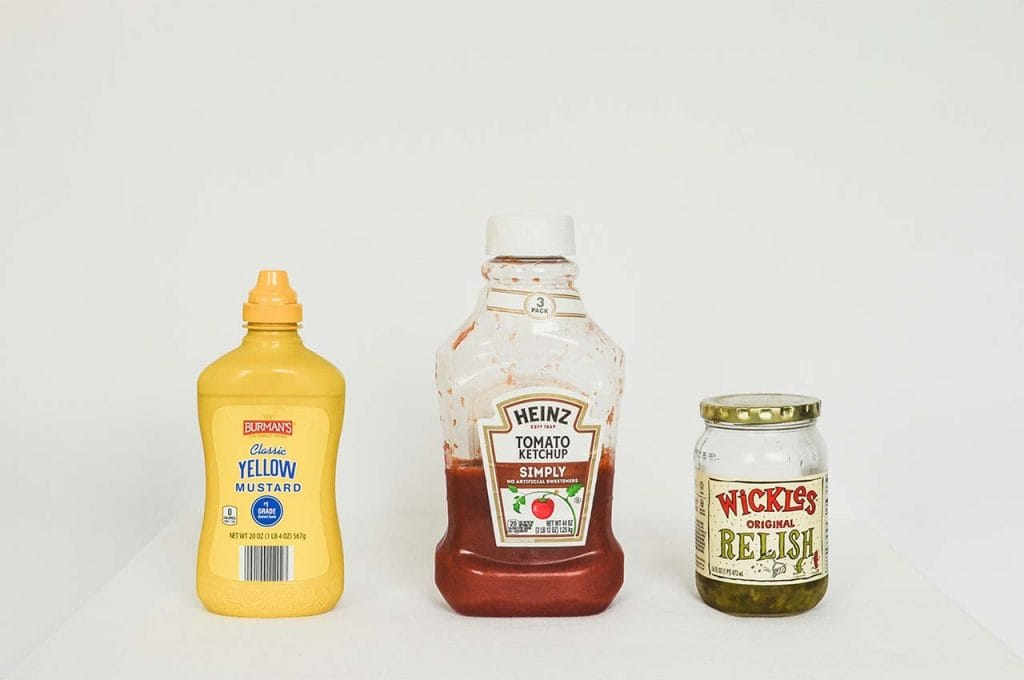
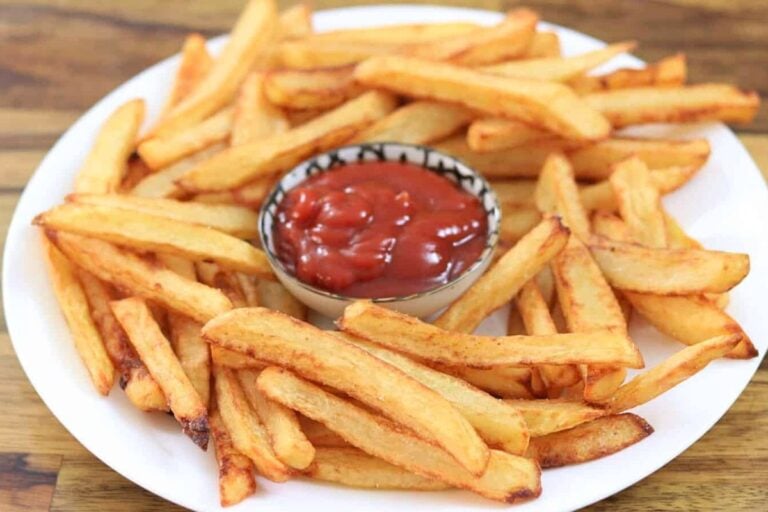
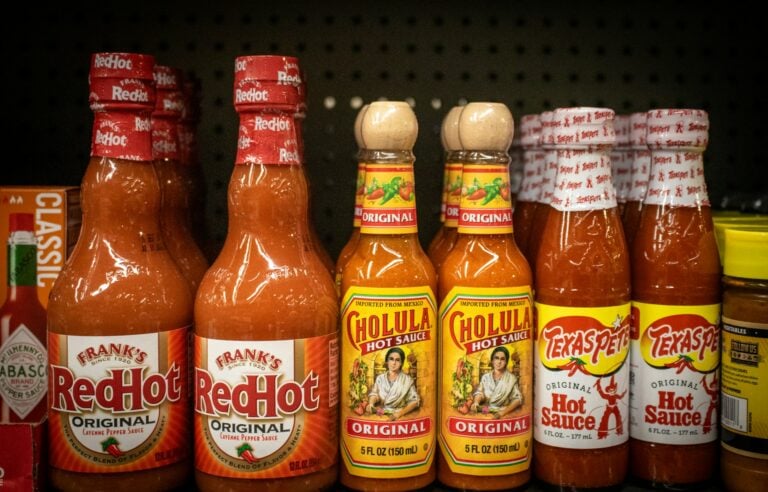
Ketchup, mayo, barbecue sauce, ranch, sriracha—we’ve become a nation of layers, adding more and more until we can barely taste what’s underneath. And look, condiments are delicious. But making your own, even occasionally, shifts the relationship. A simple vinaigrette with good olive oil and fresh lemon. A yogurt sauce with herbs and garlic. You realize that the main dish can actually stand on its own, and the condiment becomes enhancement rather than disguise. It’s a small shift that changes how you taste everything.
Soda Sip: A Daily Sugar Habit
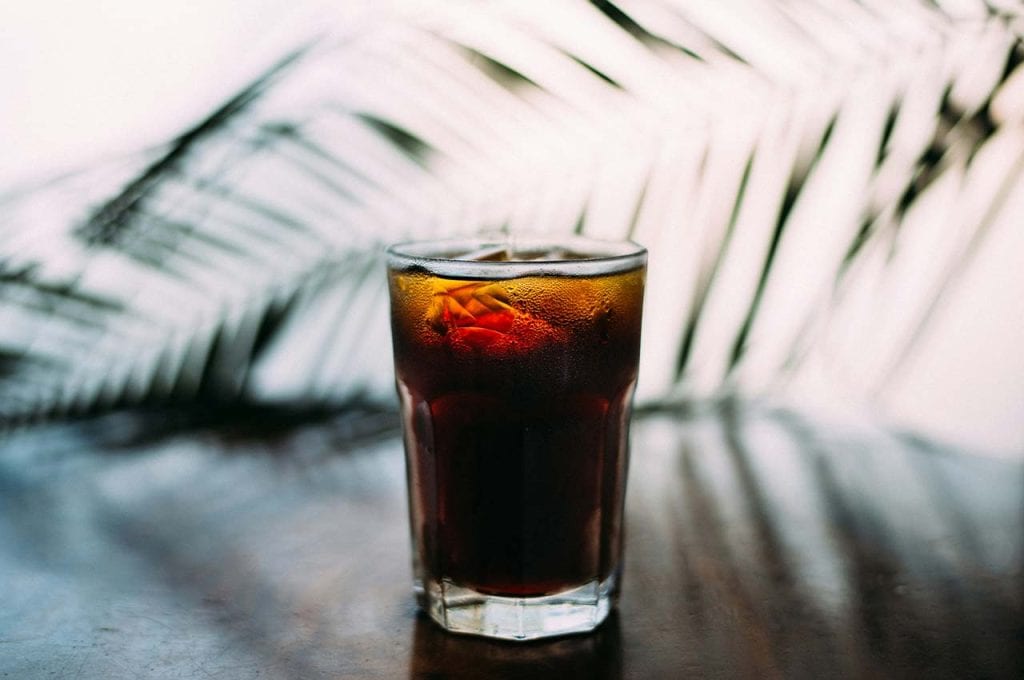
Soda is so normalized that we forget to question it. A can here, a bottle there, and suddenly you’re consuming cups of sugar without even noticing. The alternatives don’t have to be sad. Sparkling water with a generous squeeze of citrus. Iced tea with a sprig of mint. Infused water with cucumber and berries. They satisfy the same desire for something refreshing and cold, just without the sugar crash an hour later. Small swaps, made consistently, add up to real change.