5 Hosting Errors That Guests Are Likely to Remember

Can we talk about hosting for a moment? Not the picture-perfect version we see on social media—the tablescapes and the matching napkins and the impossibly coordinated everything. Just the real, human experience of opening your home and hoping everyone feels comfortable and cared for. I’ve made just about every hosting mistake there is, and here’s what I’ve learned: the details matter, but they don’t have to be overwhelming. Let’s walk through five common pitfalls together, gently, with practical solutions that actually work in real life.
No Variety of Drinking Options

Oh, this one is such an easy fix that makes such a difference. A range of drink choices signals that you’ve thought about everyone, not just the wine drinkers or the cocktail enthusiasts. Yes, have your signature cocktail if that’s your style—it’s welcoming and efficient and can be prepared in advance. But also have sparkling water, because some people genuinely prefer it. Fresh juices, because they feel special. A homemade iced tea or lemonade, because it adds a personal touch that store-bought can’t match. And garnishes! This feels like such a small detail, but fresh herbs and citrus slices transform a simple drink into something thoughtful. A sprig of mint in the sparkling water, a twist of lemon in the iced tea—it takes seconds and says “I cared enough to make this nice.” Your guests will notice, even if they don’t say it.
Ignored Dietary Restrictions

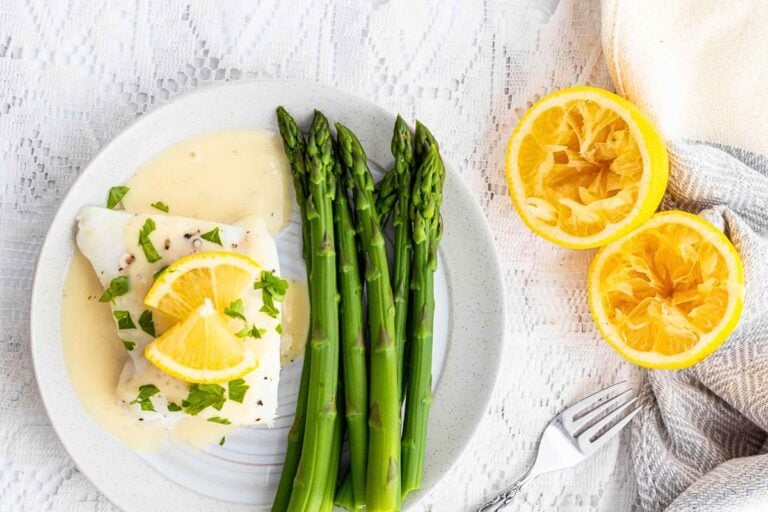
Here’s something I’ve learned the hard way: there’s almost nothing more uncomfortable than being the guest who can’t eat what’s served. The polite smile, the pushing food around the plate, the quiet hunger that lasts all evening. It’s avoidable with just a little forethought. A simple question ahead of time—”Any allergies or preferences I should know about?”—changes everything. You don’t need to create an entirely separate menu. Just thoughtful inclusion. A vegetarian option that isn’t just “salad without the chicken.” A gluten-free dish that doesn’t feel like an afterthought. A nut-free choice clearly identified so no one has to worry. And labeling? Such a small gesture that brings such huge relief. A little card next to each dish, or even just a quick verbal rundown before people serve themselves. It says, “I see you. I thought about you. You’re welcome here.”
Serving Cold or Lukewarm Food

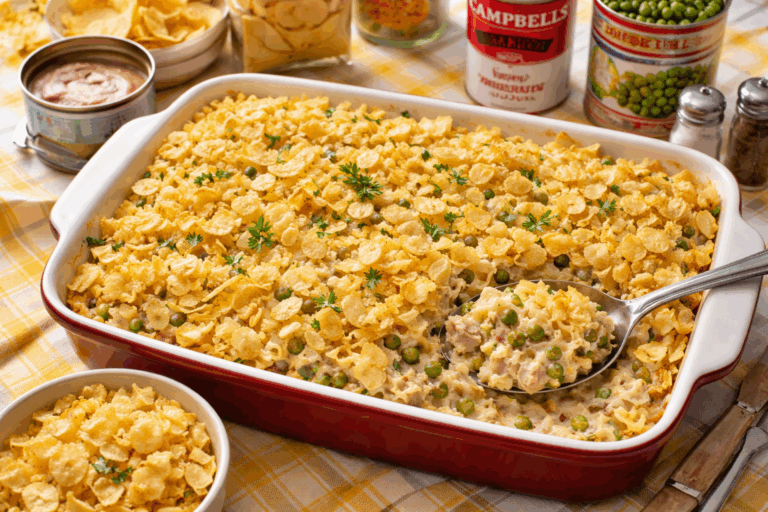
Oh, the tragedy of food that was perfect fifteen minutes ago and is now just… sad. We’ve all been there—the chaos of last-minute prep, the juggling of timing, the realization that the main dish has been sitting while you finished the salad. Here’s the gentle solution: think about temperature from the beginning, not as an afterthought. Warming trays and insulated servers are worth their weight in gold for dishes that need to stay hot. Chafing dishes feel fancy but are surprisingly practical. For cold dishes, prep close to serving time and use chilled platters—pop them in the fridge for a few minutes before plating. And stagger your serving times intentionally. Appetizers first, then the main when people are ready, then dessert when conversation naturally pauses. Rushing everything to the table at once guarantees something will suffer. Give yourself permission to serve gradually.
Cluttered Spaces

Here’s a truth that took me years to learn: your guests don’t need to see everything you own. A clean, organized environment sets a tone of welcome that no amount of elaborate decoration can match. Before anyone arrives, walk through your space with fresh eyes. Clear surfaces in high-traffic areas. Tuck away the mail pile, the kids’ art projects, the things that have accumulated because life is busy. Use decorative baskets or trays to corral essentials—remotes, coasters, napkins—so they’re accessible but not chaotic. And here’s the secret: you don’t have to deep clean every corner. Focus on the spaces guests will actually be: entryway, living area, dining space, bathroom. A quick refresh halfway through the event—emptying the dishwasher, wiping counters, taking out trash—keeps things feeling cared for without requiring constant attention. Your guests will feel the difference even if they can’t name it.
Overcrowded Seating

Oh, this one is so easy to do, especially when you’re excited and want to include everyone. You squeeze in one more chair, then another, and suddenly your guests are eating with their elbows pinned to their sides, silently willing themselves not to bump into anyone. Here’s the gentle truth: comfort matters more than capacity. A strategic arrangement that gives people room to breathe, to move, to actually use both hands while eating—that’s what makes conversation flow. Choose chairs that fit the table proportionally; oversized armchairs around a small table create more problems than they solve. Folding chairs and benches can be wonderful friends when storage is tight, offering flexibility without permanent commitment. And please, please think about traffic flow. Can people reach the bathroom without performing an obstacle course? Can the person at the end get up without asking four others to move? Your future self will thank you for considering these things ahead of time.