How to Make the Most of Leftover Food You Typically Throw Away

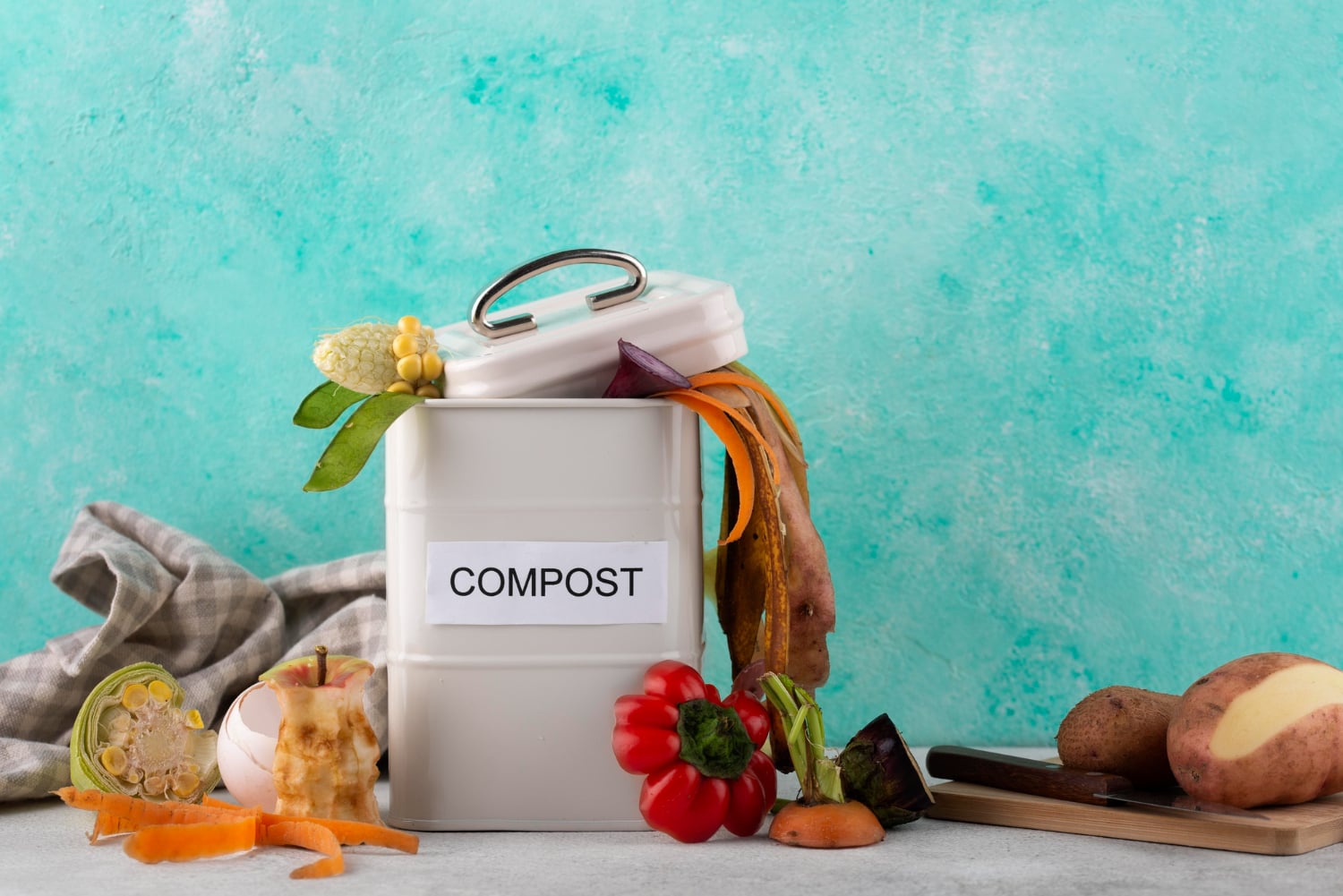
Most of us toss scraps, peels, and leftovers without thinking twice—but a lot of that “waste” still has real value. From simple kitchen tricks to garden helpers and even a few unexpected beauty uses, these everyday items can do a lot more than you’d expect.
Once you start looking at food a little differently, it becomes easier (and kind of fun) to get more out of what you already have. Here are some smart, practical ways to turn common kitchen scraps into something useful.
Tea Bags

Used tea bags still have plenty of life left in them. They can help reduce puffiness under your eyes, absorb odors, or soothe minor skin irritations.
You can also add them to soil to help retain moisture and support plant growth.
Banana Peels
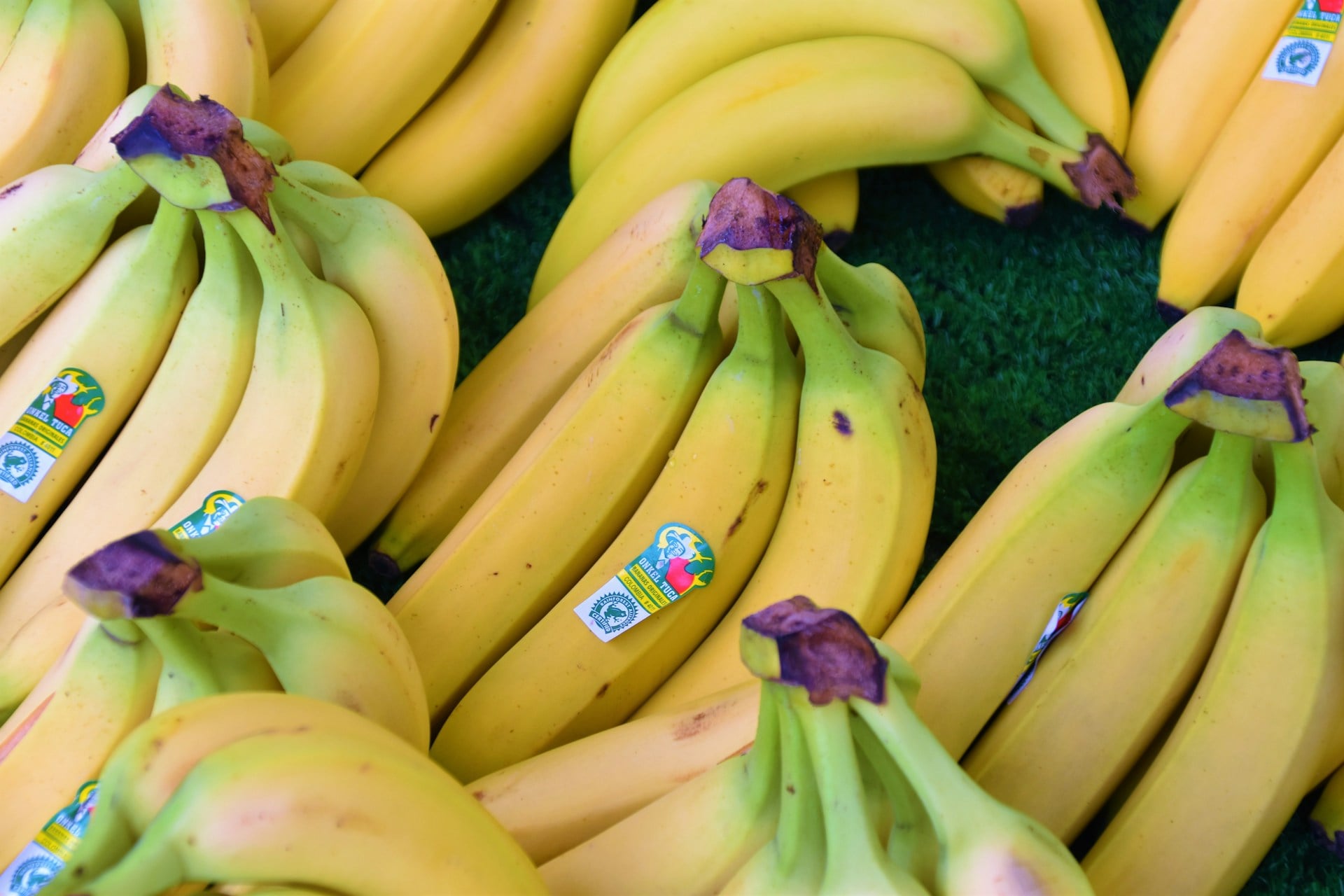
Banana peels are surprisingly versatile. They’re rich in potassium and can be used to soothe minor skin irritations or even reduce the look of bruises.
In the garden, burying them near plants slowly releases nutrients into the soil. You can also use the inside of the peel to shine shoes or even experiment with cooking them as a plant-based meat alternative.
Stale Bread

Stale bread is one of the easiest things to repurpose. Turn it into breadcrumbs, croutons, or even use it as the base for dishes like bread pudding or panzanella.
You can also soak it and cook it into rich French toast or blend it into sauces for added texture. It’s one of those ingredients that becomes more useful after it goes stale.
Citrus Peels
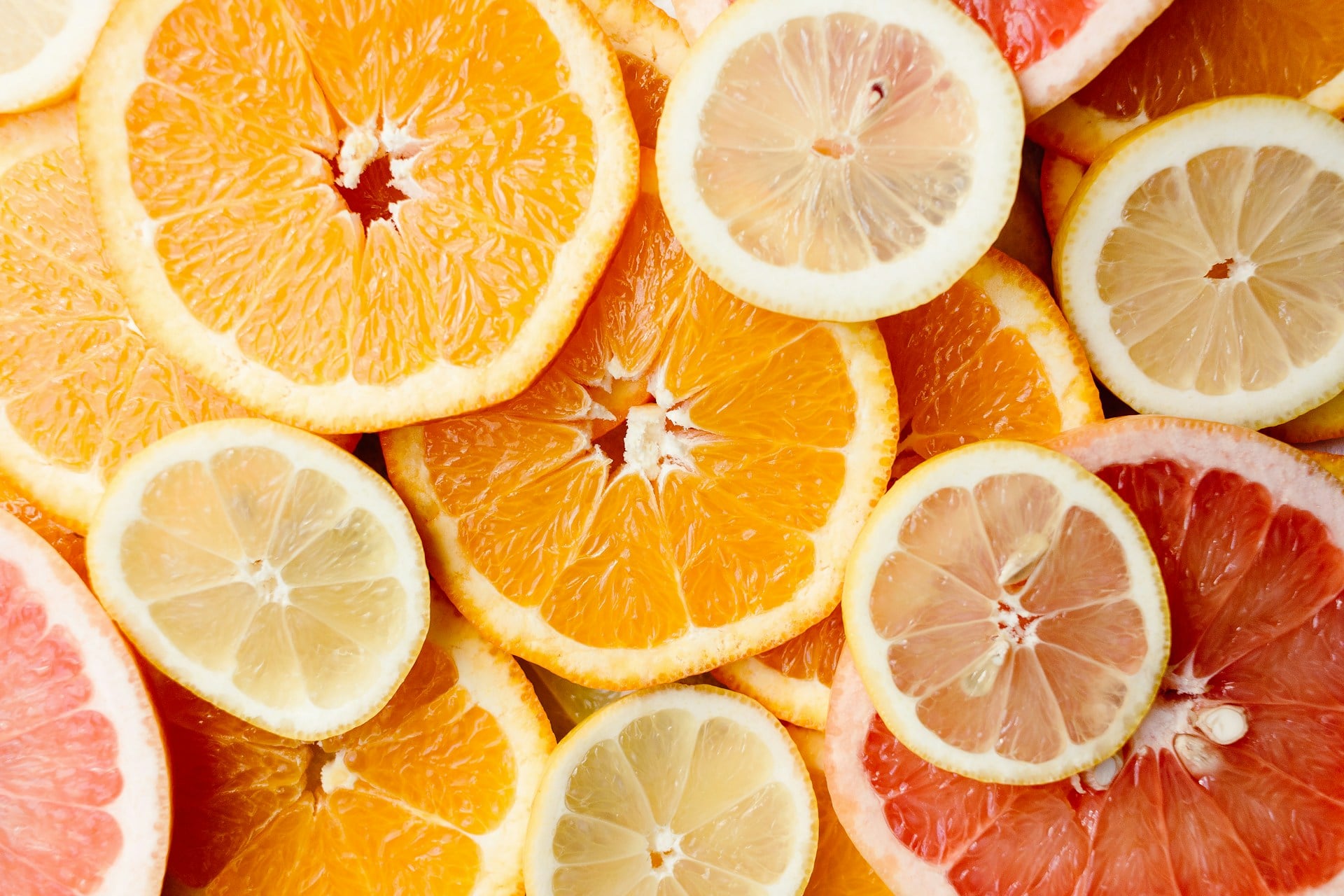
Citrus peels are packed with oils that make them perfect for natural cleaning. Soak them in vinegar and you’ve got a fresh-smelling, effective cleaner.
They’re also great for cooking—use the zest to brighten up dishes—or simmer them with spices to naturally freshen your home.
Coffee Grounds
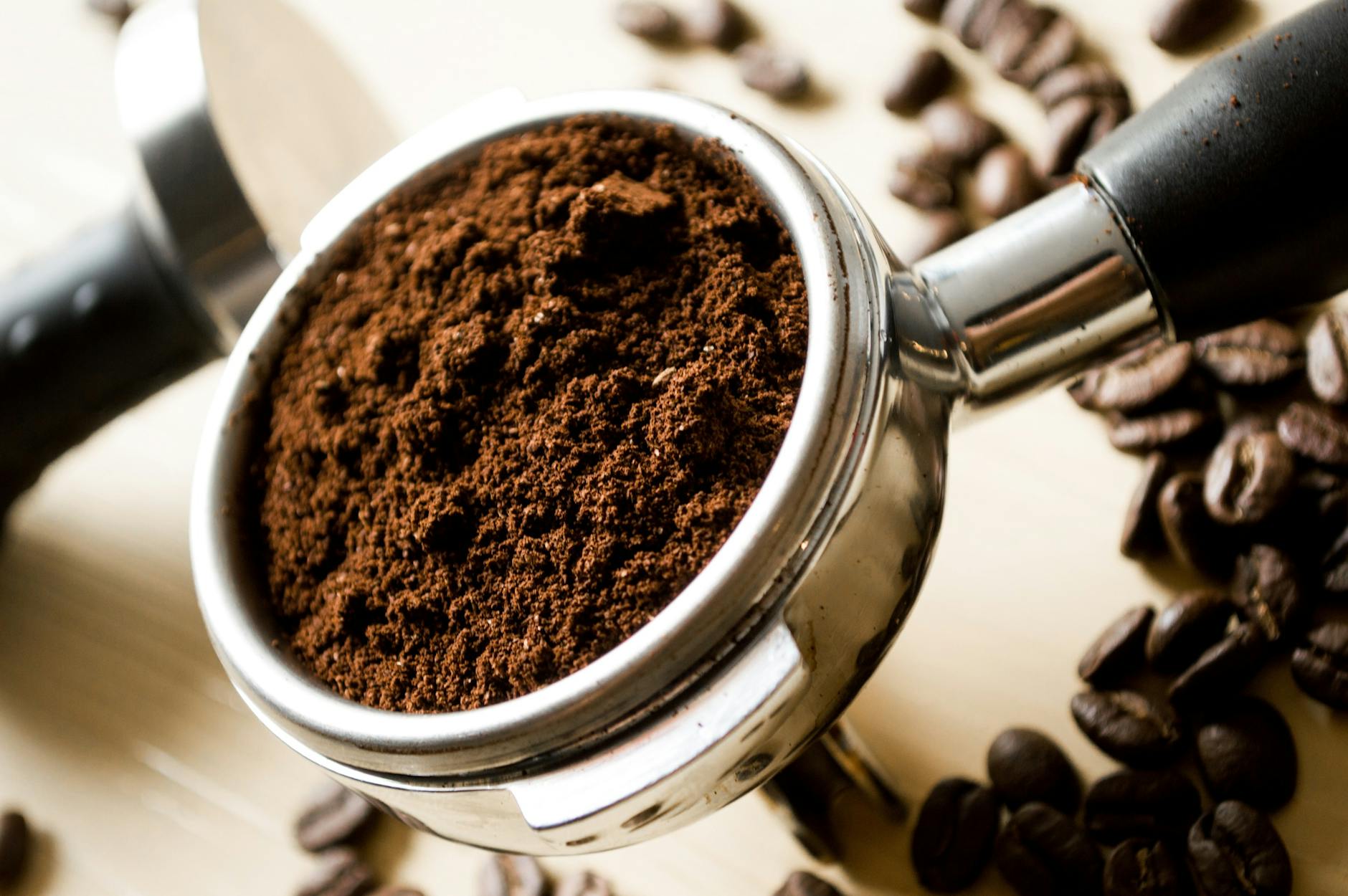
Used coffee grounds are packed with nutrients, especially nitrogen, which makes them great for plants like tomatoes, roses, and blueberries. They also help improve soil and attract earthworms.
You can also use them around the house. They absorb odors in the fridge, help remove strong smells from your hands, and even work as a simple exfoliating scrub when mixed with a little oil.
Avocado Pits
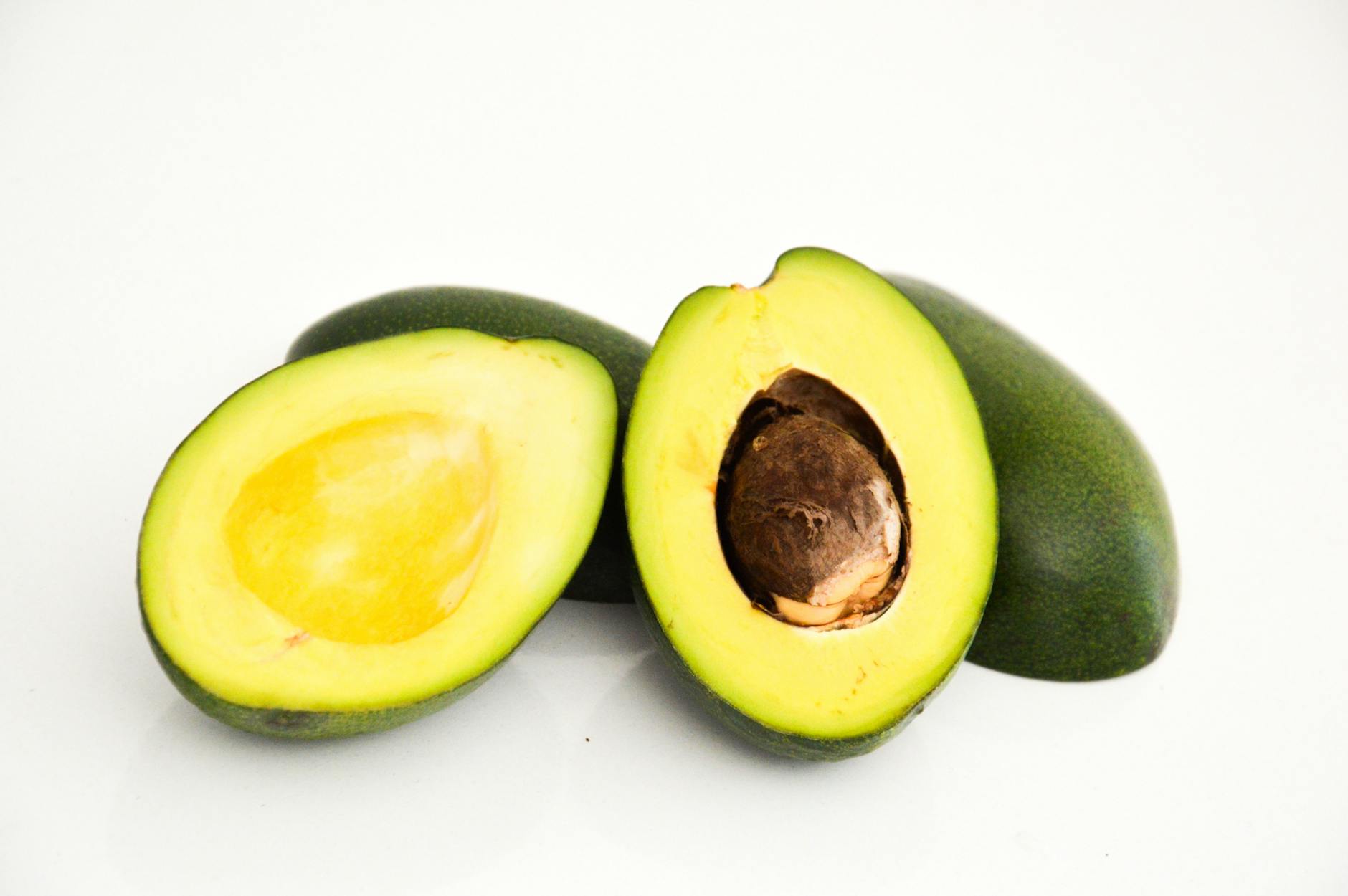
Most people toss avocado pits, but they’re full of antioxidants. Some people grate them into smoothies or use them in DIY skincare.
They can also be used to grow a new avocado plant or even create a natural dye. It’s a surprisingly useful little leftover.
Pickle Juice
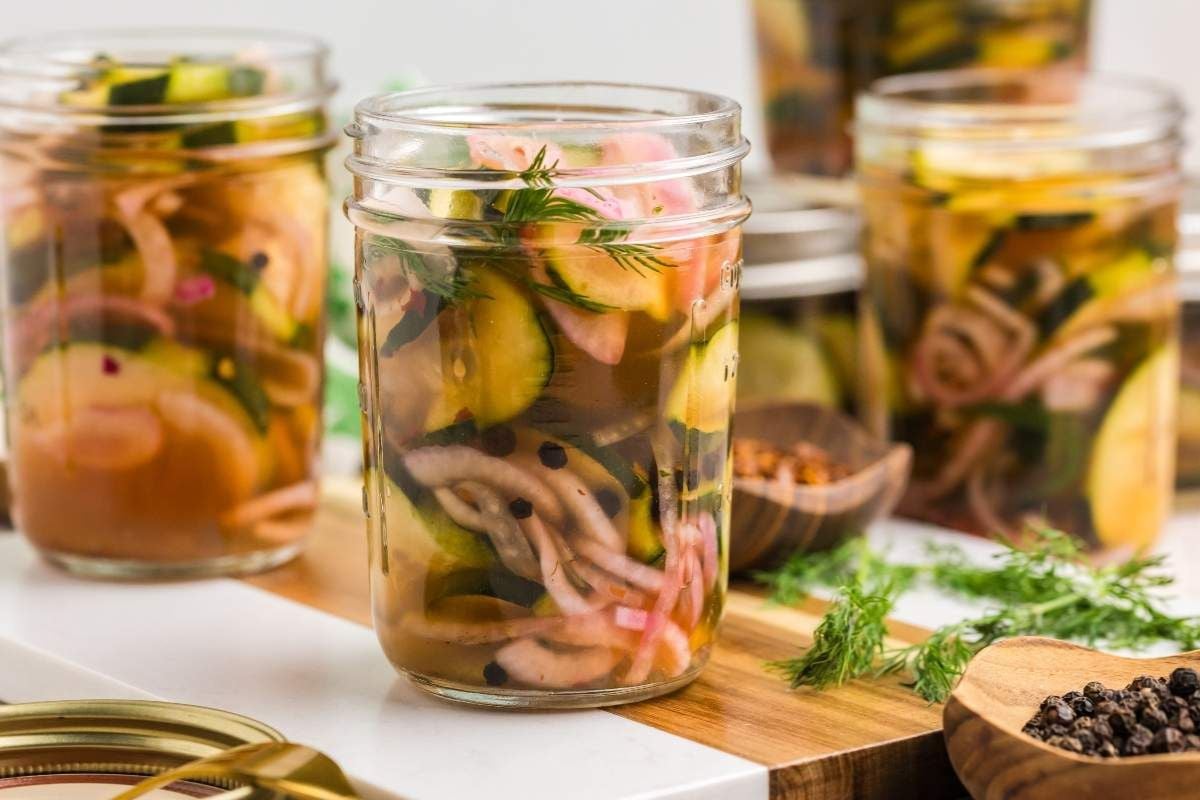
That leftover pickle brine is more useful than it looks. It works great as a marinade—especially for chicken—and adds a tangy boost to things like potato salad or dressings.
You can also reuse it to quick-pickle vegetables or even use it as a surprising remedy for muscle cramps.
Vegetable Scraps
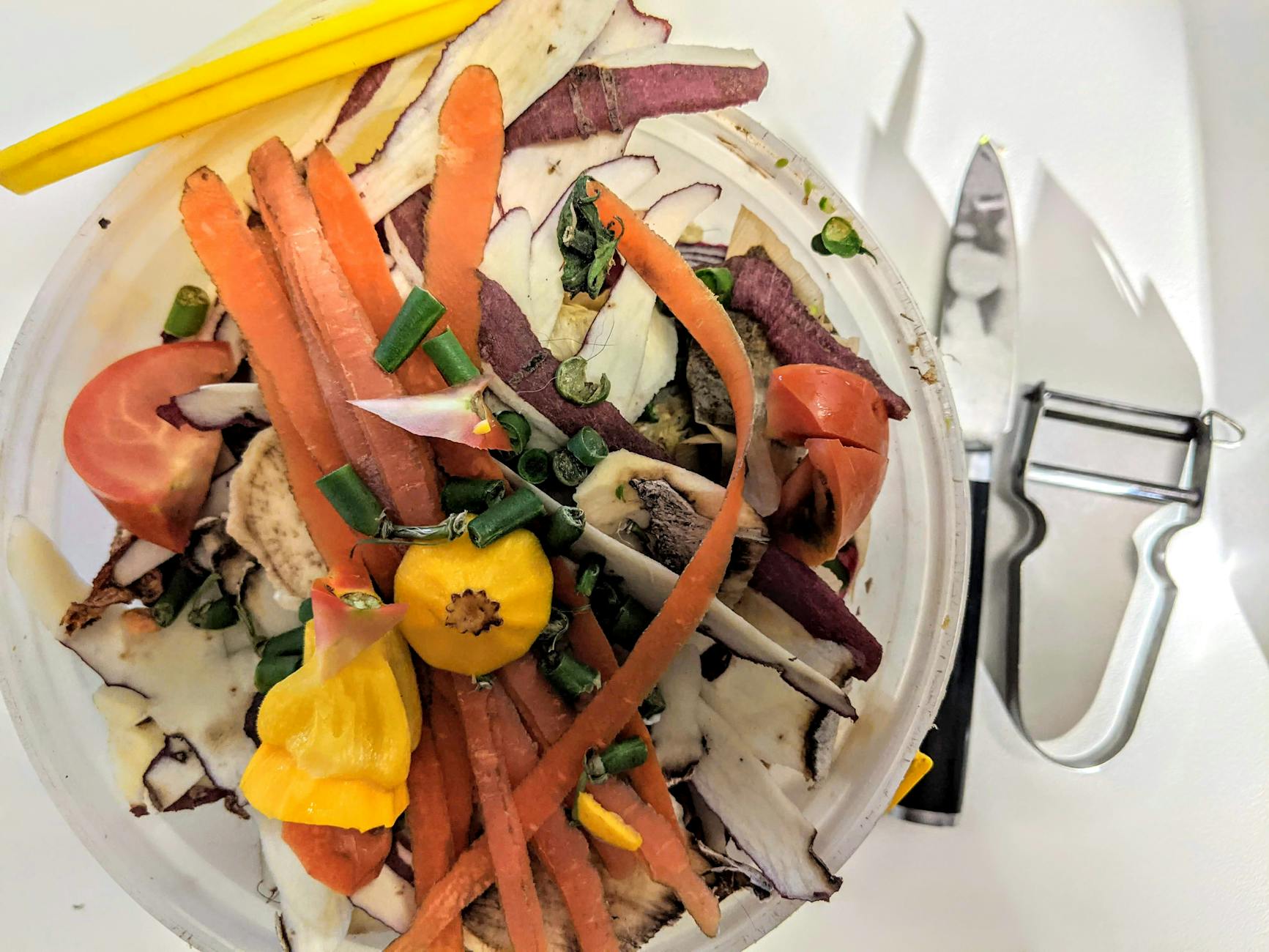
Instead of tossing veggie scraps, save them in a freezer bag and use them to make homemade stock. Onion skins, carrot tops, and celery leaves all add flavor.
Roasting them first can deepen the flavor even more, giving you a rich, homemade base for soups and sauces.
Apple Cores
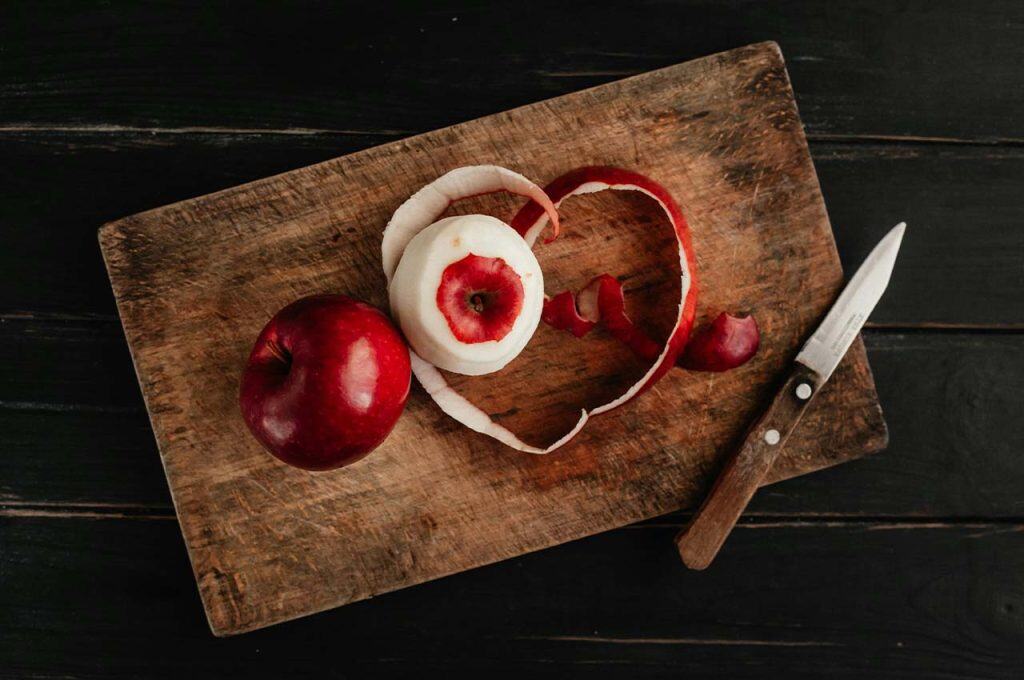
Apple cores still contain pectin, which is great for making jams and jellies. Simmering them creates a natural thickener.
They can also be used to start homemade apple cider vinegar or added to compost for a nutrient boost.
Rice Water
The water left over from rinsing or cooking rice is full of starch and nutrients. It can be used as a plant fertilizer or even in skincare routines.
In cooking, it can also help thicken soups and sauces without changing the flavor.
Herb Stems
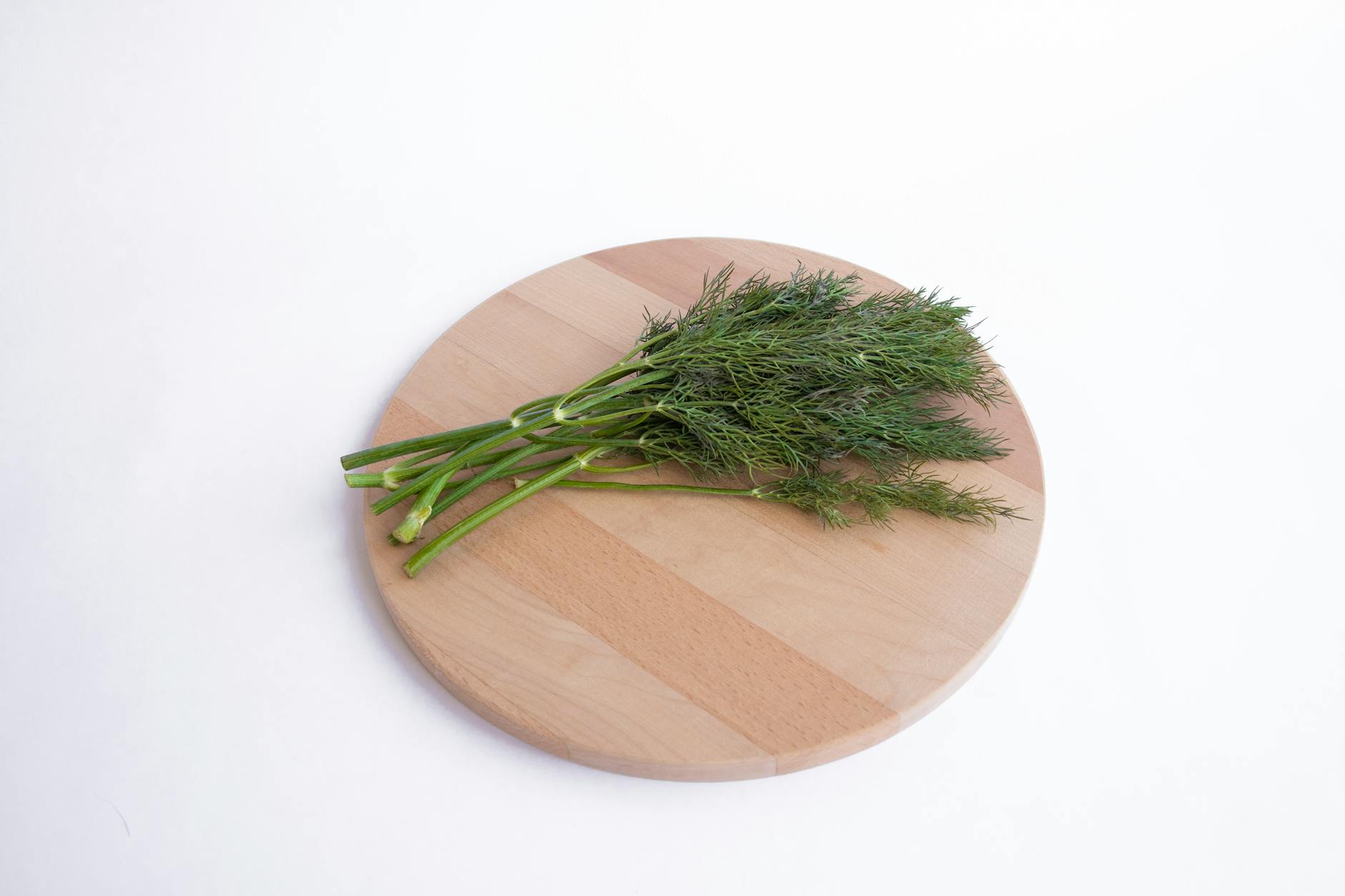
Herb stems are often tossed, but they’re packed with flavor. Chop them into sauces, blend them into oils, or use them in stocks.
Freezing them in oil creates quick flavor boosters you can drop into a pan anytime.
Cooking Oil

Used cooking oil can often be strained and reused a few times before it needs to be discarded.
It can also be used to season cast iron, deter certain garden pests, or even make homemade bird feeders when mixed with seeds.
Egg Shells
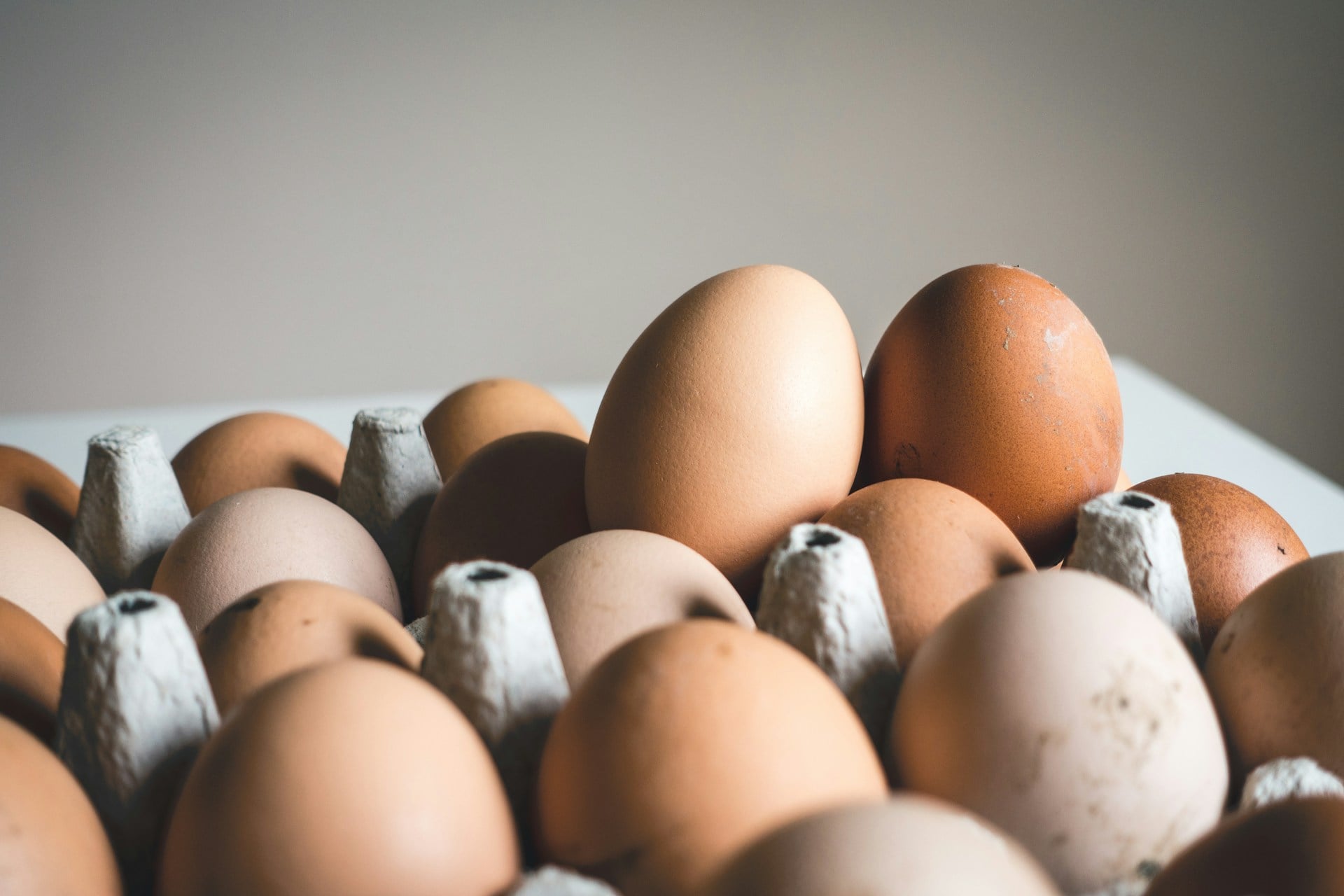
Eggshells are a great source of calcium and can be crushed and added to soil to support plant growth. They also help deter pests like slugs.
In the kitchen, they can even help reduce bitterness in coffee or be used as a handy tool for separating egg yolks.