7 Ways Food Experts Say to Stop Cleaning Your Produce

When it comes to washing fruits and vegetables, many of us rely on habits we assume are safest or most thorough. However, common practices—from reaching for the dish soap to washing everything as soon as we get home—can be ineffective or even dangerous. Health authorities like the FDA, USDA, and CDC are clear: the best method is simpler than you might think. By understanding the science behind why certain techniques fail and how to correctly clean your produce, you can better protect yourself and your family from foodborne illness while ensuring your food stays fresh and delicious.
The Peel Paradox: Don’t Skip the Wash for Skins You Discard
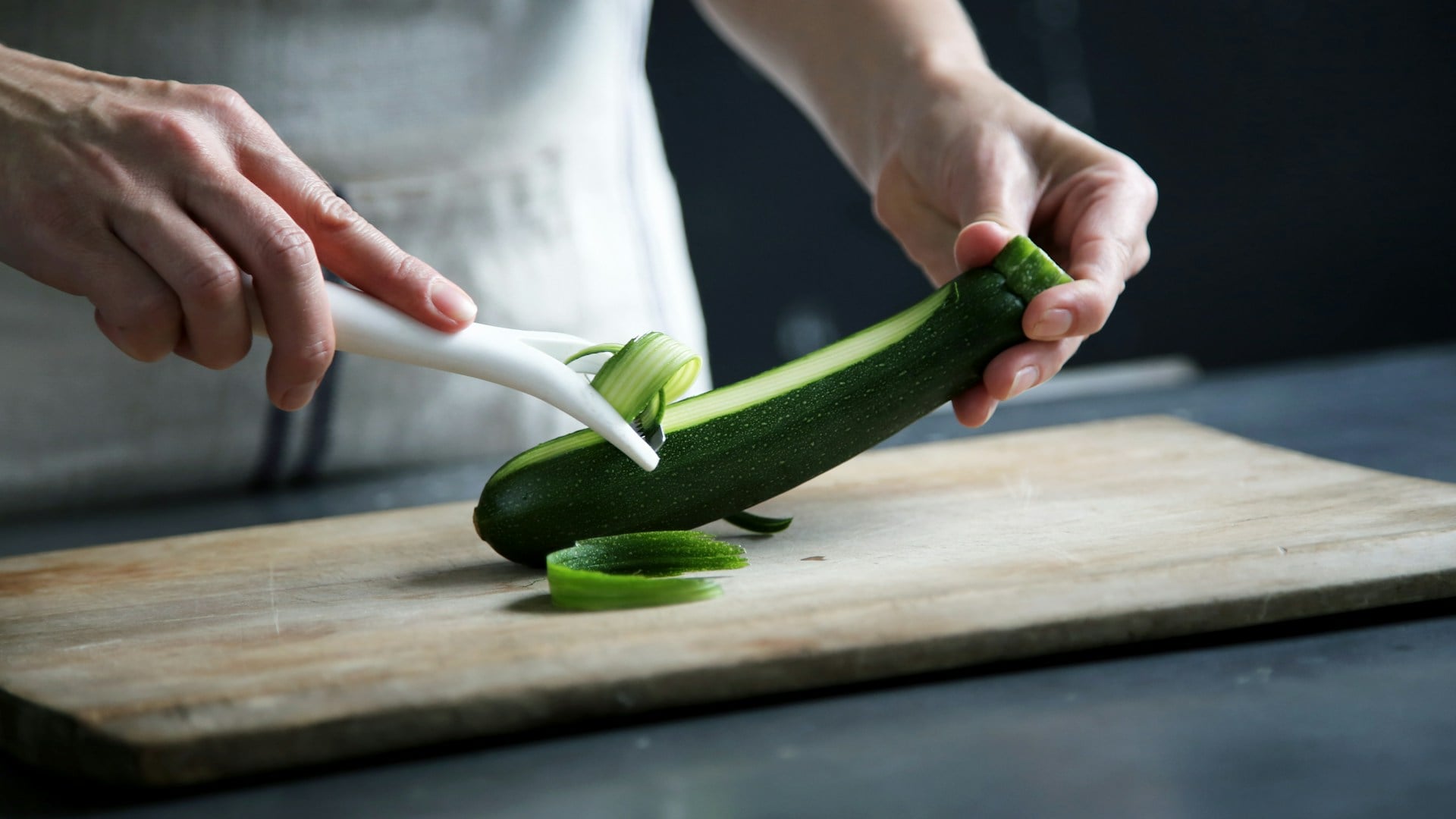
A common shortcut is to skip washing fruits and vegetables with inedible peels, like melons, avocados, or onions. The thinking is that the inner flesh is protected. This is a risky misconception. When you slice through an unwashed rind or skin, your knife can carry dirt, bacteria, and pesticides from the exterior directly into the edible portion. The CDC advises scrubbing firm produce like cantaloupes or cucumbers with a clean brush under running water, even if you plan to peel them. This simple step prevents cross-contamination and is crucial for preventing foodborne illness. Taking an extra minute to rinse can spare you days of discomfort.
The Soap Trap: Why Dish Detergent is a Dangerous Choice

It seems logical: if soap cleans our dishes and hands, it should clean our produce. Yet, the FDA explicitly warns against using soap or detergent on fruits and vegetables. The critical reason is porosity. Produce has microscopic pores, much like our skin, which can absorb soap residues that plain water cannot fully rinse away. These lingering chemicals can lead to stomach irritation, vomiting, and diarrhea if ingested. Think of it this way: you wouldn’t eat a bite of dish soap, so why risk trace amounts seeping into your apple or lettuce? While scrubbing with soap might feel like a deeper clean, you’re potentially replacing one risk with another. For a truly safe clean, skip the soap entirely.
Timing is Everything: Why You Shouldn’t Wash Produce Right Away
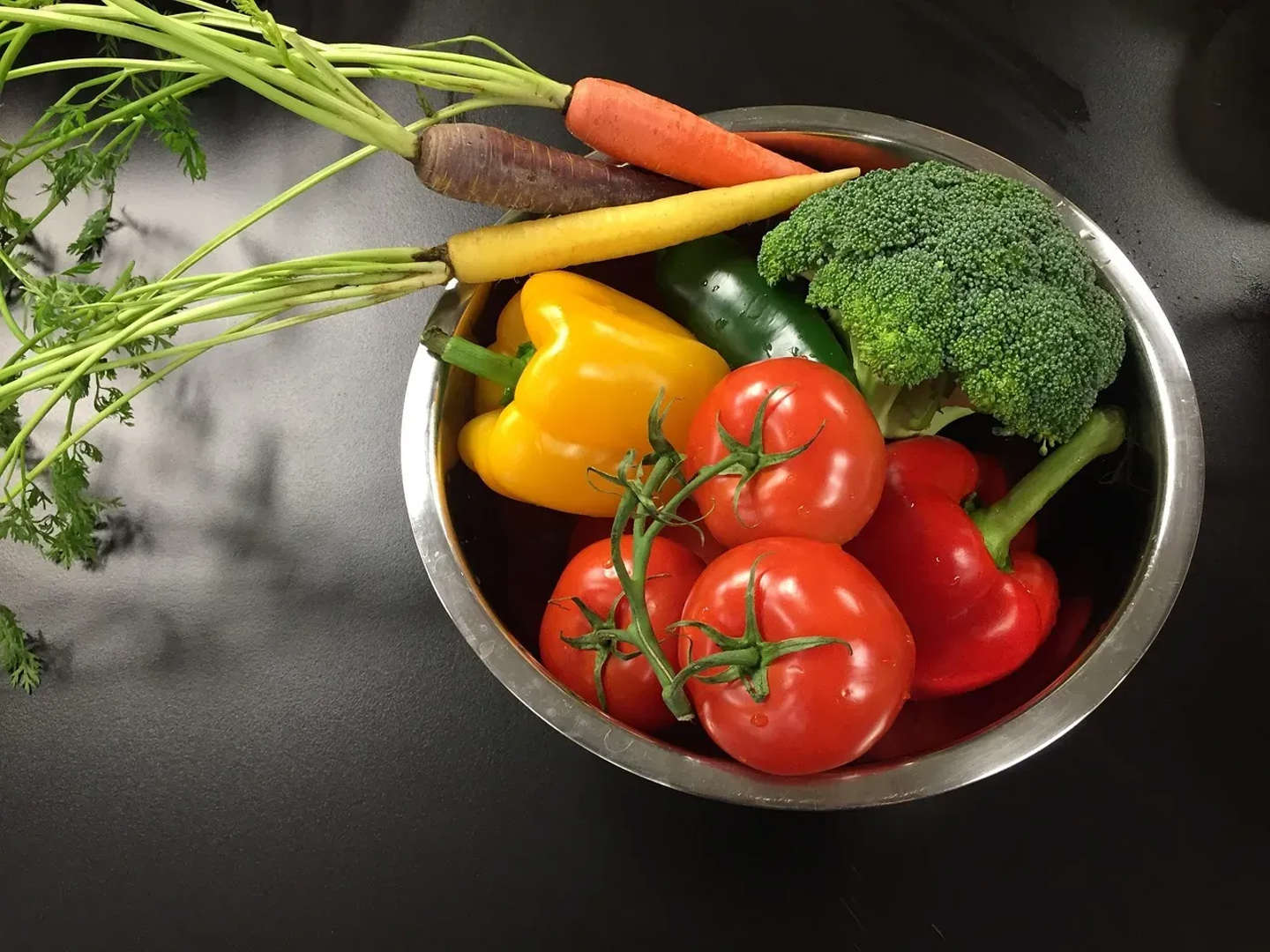
The impulse to wash all your fruits and vegetables as soon as you unpack your groceries feels responsible, but it’s counterproductive. Introducing moisture before storage creates a damp environment that accelerates spoilage and encourages mold and bacterial growth. This is especially detrimental to delicate items like berries, leafy greens, and mushrooms, which can quickly become slimy or mushy. Experts recommend a simple rule: wash produce only just before you plan to use it. This preserves texture, flavor, and shelf life. To store produce safely, keep it dry and refrigerated at 40°F or below until it’s time to eat. This one change in habit can reduce food waste and ensure your produce is at its best when it hits your plate.
The Extreme Hazard: Bleach and Chemical Mix-Ups
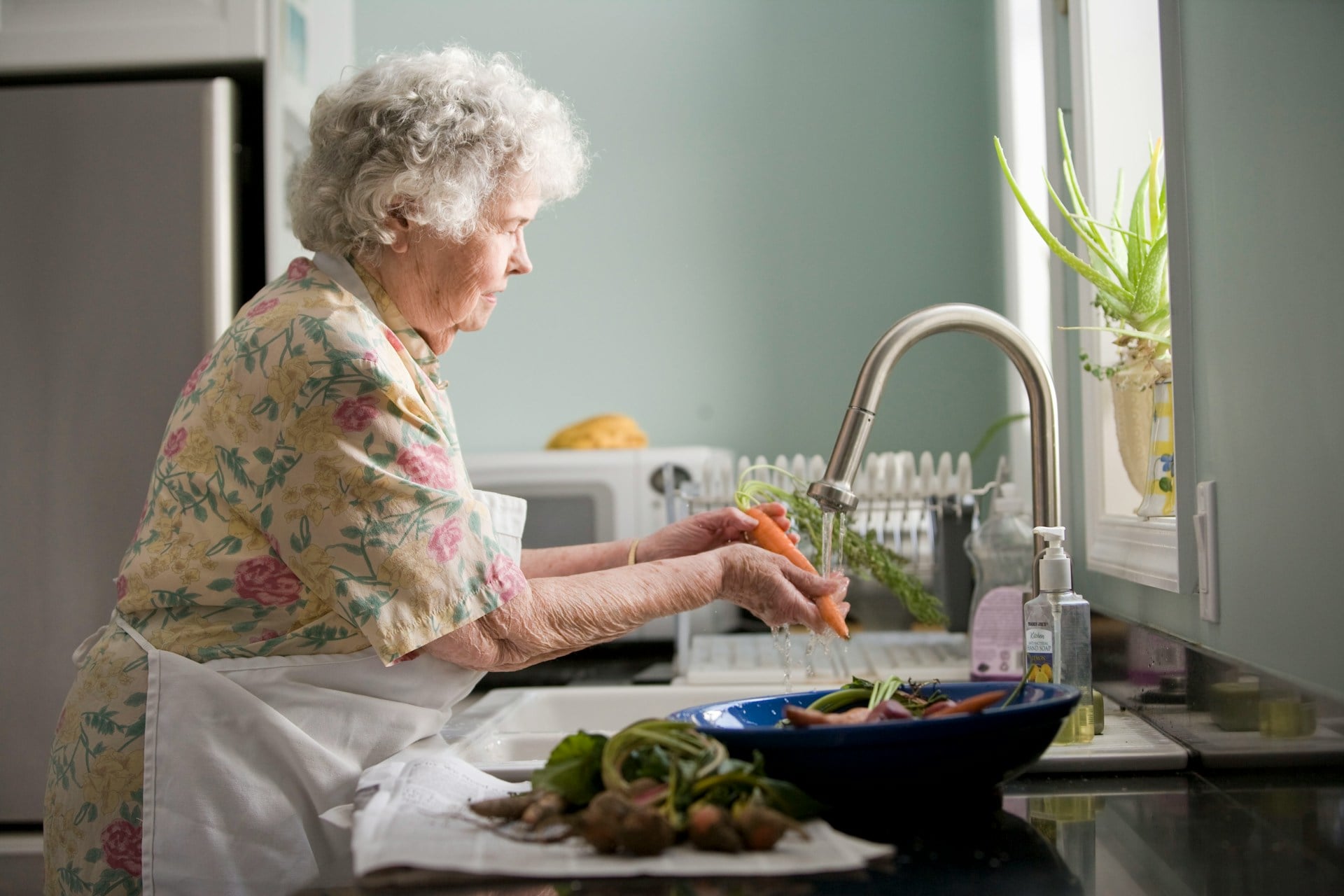
In a well-intentioned effort to eliminate all germs, some people resort to extreme measures like using bleach solutions or mixing household cleaners on food. This is profoundly dangerous. Bleach and detergents are not meant for ingestion and can cause severe poisoning. The risks were starkly highlighted during the pandemic when a woman, following poor online advice, soaked her produce in a mixture of bleach, vinegar, and hot water. The combination created toxic chlorine gas, landing her in the emergency room with breathing problems. This incident is a critical reminder: produce should never be “disinfected” like a countertop. The chemicals involved pose a far greater health risk than the pathogens they aim to kill. Stick to water—your kitchen is not a laboratory.
The Produce Wash Myth: Are Specialty Sprays Worth It?
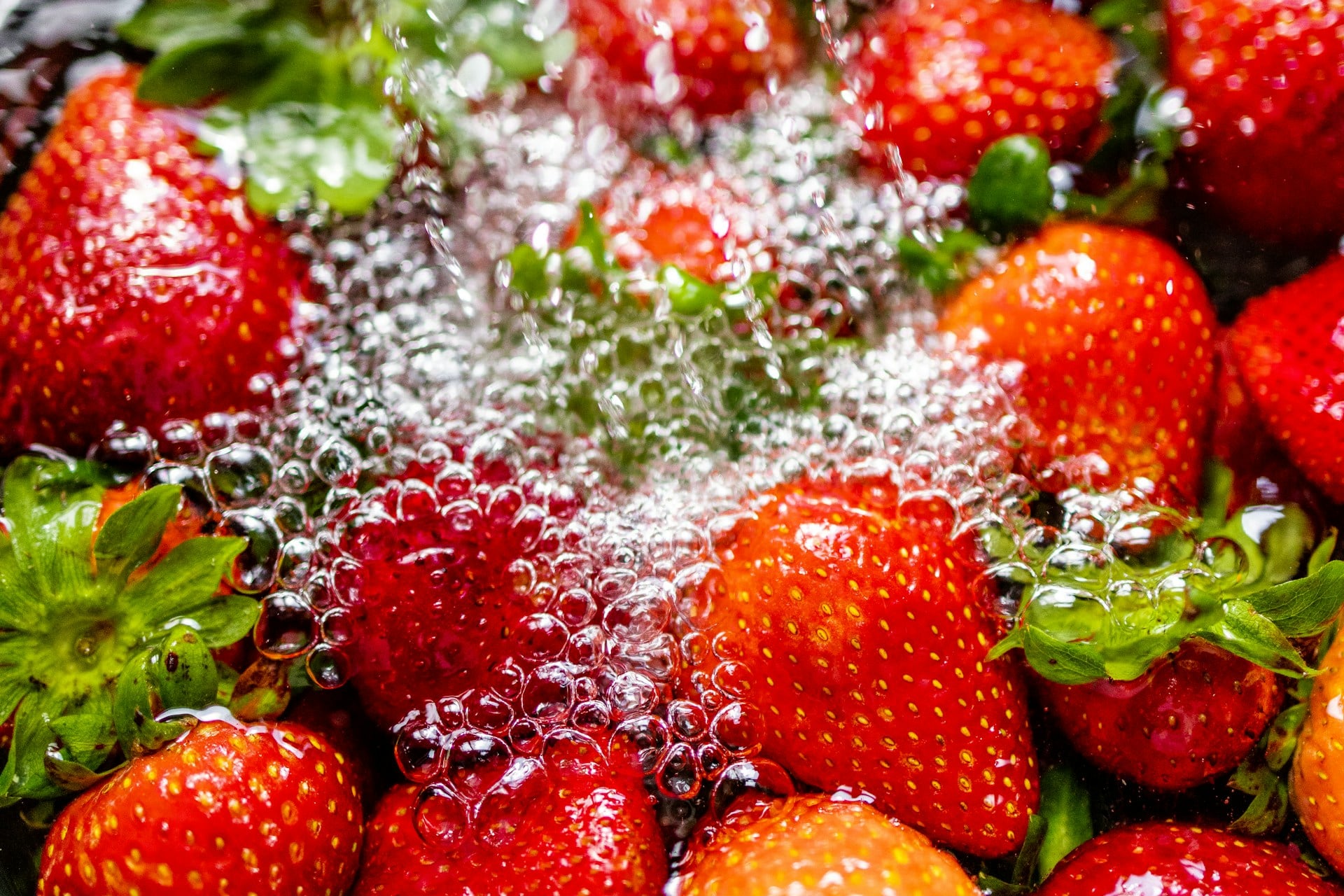
Faced with concerns over pesticides and bacteria, it’s tempting to believe a product marketed specifically for produce is the ultimate solution. Those bottles of commercial produce wash promise a level of cleanliness water alone can’t achieve. However, the research tells a different story. Federal agencies state these washes have not been proven more effective than running water, and the safety of their long-term residues is unknown. Essentially, you might be paying a premium for a product that offers no verified benefit. The persistent belief in their superiority is a testament to clever marketing, not science. When the FDA, CDC, and USDA all recommend plain running water as the gold standard, it’s worth trusting the experts over the advertising.
The Final, Crucial Step: Drying Your Washed Produce
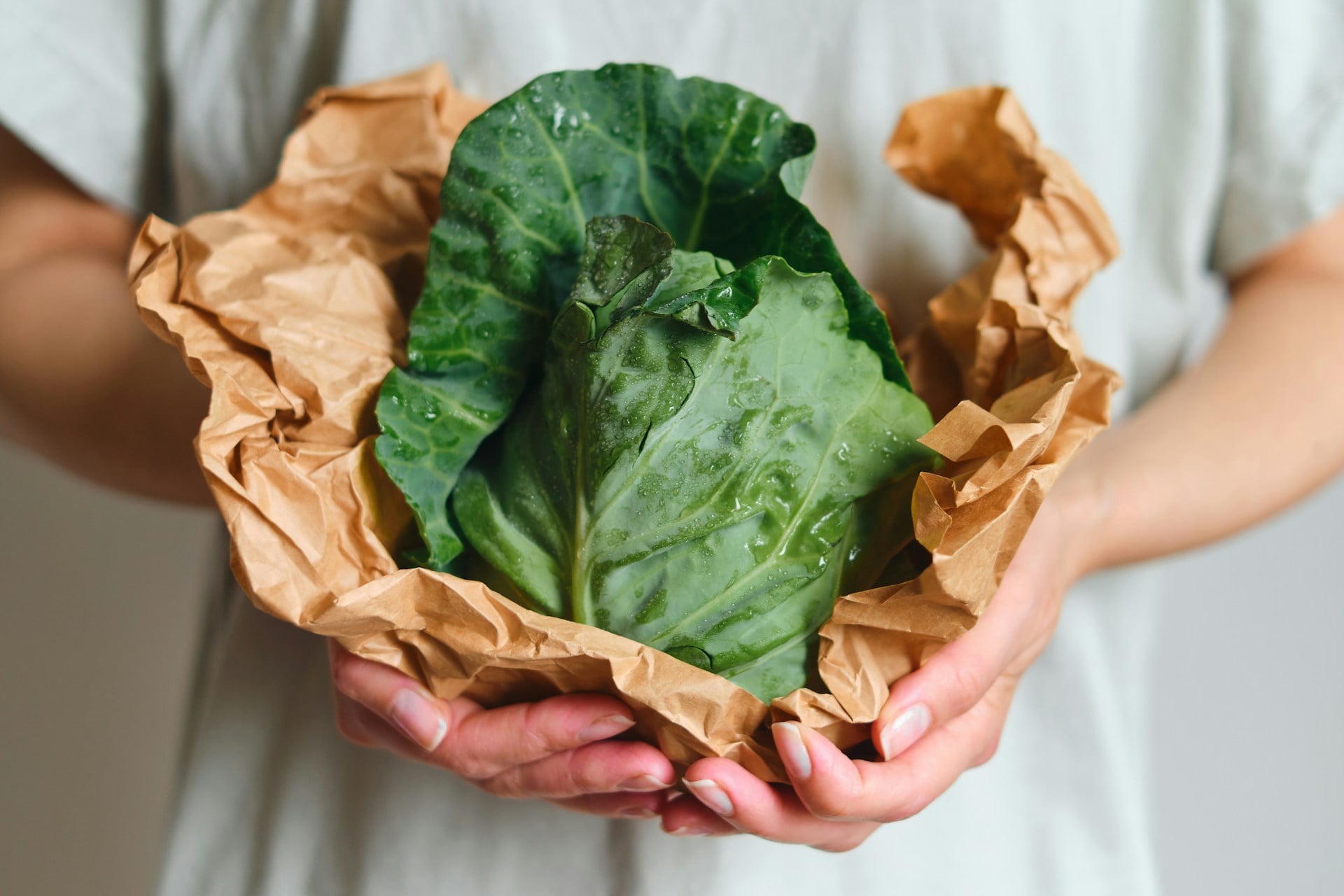
The cleaning process isn’t complete once the water turns off. Drying your produce with a clean cloth or paper towel is a vital, often overlooked step for both safety and quality. Residual moisture left on leaves or in crevices creates an ideal environment for any remaining bacteria to multiply. Actively drying reduces this bacterial load further. Beyond safety, it also makes for better eating; a dry salad is crisper, and dried fruits won’t dilute your recipes. Using a salad spinner for greens or patting items dry with a towel takes mere seconds but significantly extends freshness and improves your meal’s texture. It’s the effortless finishing touch that makes all the difference.
The importance of these practices is underscored by sobering statistics. In 2024, contaminated food sickened over 1,300 people, with hospitalizations and deaths more than doubling from the previous year. These aren’t just numbers—they represent real illnesses that proper handling could help prevent. The path to safer produce isn’t complicated or expensive; it’s built on ditching myths and embracing the effective simplicity of cool, running water and good timing.
Have you been making any of these common washing mistakes? The good news is that correcting them is straightforward and cost-free. Share your thoughts or your own produce-washing tips below—let’s build healthier habits together.